

About
Mikumi National Park is located in south-central Tanzania at the northern edge of the Selous ecosystem. The park covers approximately 1,247 square miles (3,230 sq km) and is bordered by the rugged Uluguru Mountains to the northeast and the Lumango Mountains to the southeast.
Mikumi is closely connected to the neighboring Nyerere National Park and lies near the biologically rich Udzungwa Mountains National Park. Established in 1964, Mikumi is one of Tanzania’s most accessible national parks, located along the main highway connecting Dar es Salaam with the country’s southern and western regions. Its accessibility, abundant wildlife, and scenic landscapes have made it one of Tanzania’s most popular safari destinations.
Mikumi National Park is best known for its expansive Mkata Floodplain, a broad grassland ecosystem often compared to the famous plains of the Serengeti. Visitors are attracted by the park’s excellent wildlife viewing opportunities and the chance to observe a wide variety of animals within a relatively compact area. Large herds of grazing animals roam the open plains, creating classic African safari scenes against a backdrop of distant mountains.
The park offers game drives, birdwatching, photography, and opportunities to experience Tanzania’s southern safari circuit without the crowds often found in northern parks. Its combination of accessibility and abundant wildlife makes it an ideal destination for both first-time and experienced safari travelers.
The geography of Mikumi National Park is dominated by open floodplains, rolling grasslands, acacia woodlands, and scattered rocky hills. The Mkata River and its seasonal tributaries help shape much of the park’s landscape. During the rainy season, sections of the floodplain become lush and green, supporting abundant grazing wildlife.
In the dry season, animals congregate around remaining water sources, creating excellent viewing opportunities. Vegetation varies from open savanna grasslands to woodland habitats containing acacia, baobab, and other drought-tolerant tree species. This diversity of habitats supports a rich variety of wildlife and contributes to the park’s ecological significance.
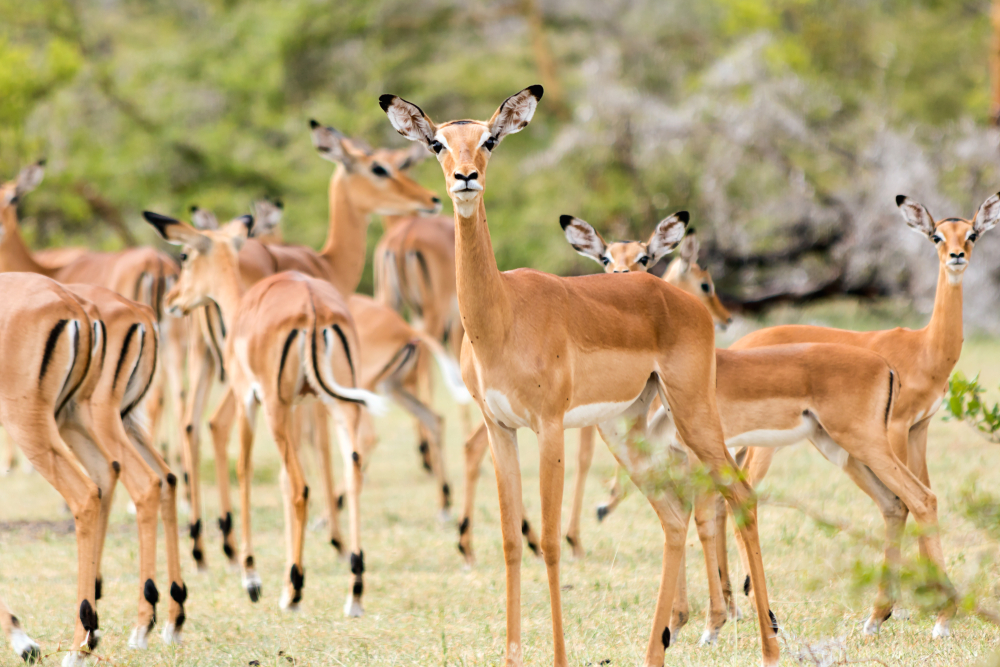
Wildlife is one of Mikumi’s greatest attractions. The park supports healthy populations of elephant, buffalo, giraffe, zebra, wildebeest, impala, eland, and several other antelope species. Predators such as lion, leopard, spotted hyena, and African wild dog are also present, although some are more elusive than others. Hippos are commonly observed in pools throughout the park, while crocodiles inhabit river systems and wetlands.
Mikumi is also a premier birdwatching destination, with more than 400 recorded bird species. Lilac-breasted rollers, secretary birds, bateleurs, hornbills, storks, and numerous waterbirds can be seen across the park’s diverse habitats. The abundance of wildlife makes Mikumi one of the most rewarding parks in Tanzania for game viewing.
Mikumi National Park plays an important conservation role by protecting critical habitats within the greater Selous ecosystem. The park helps maintain wildlife corridors that connect southern Tanzania’s protected areas and supports populations of large mammals that require extensive landscapes for survival.
Its floodplains, woodlands, and wetlands provide refuge for numerous species and contribute to regional biodiversity conservation. In many respects, Mikumi can be compared to iconic savanna parks such as Serengeti National Park and Kruger National Park, though it offers a quieter and more accessible experience. Today, Mikumi remains one of Tanzania’s most important national parks, providing visitors with exceptional wildlife encounters while safeguarding a vital part of East Africa’s natural heritage.
Things to See
Things To Do
Engaging Mikumi National Park
