About

Udzungwa Mountains National Park is located in south-central Tanzania within the Eastern Arc Mountains. The park covers approximately 770 square miles (1,990 sq km) and lies adjacent to several protected forest reserves that together form one of Africa’s most important biodiversity hotspots.

Established in 1992, the park is situated west of the Mikumi National Park and north of the vast Nyerere National Park ecosystem. Unlike many Tanzanian national parks known primarily for safari experiences, Udzungwa is celebrated for its extraordinary forests, endemic wildlife, and spectacular mountain scenery.

Udzungwa Mountains National Park is best known for its exceptional biodiversity and outstanding hiking opportunities. The park contains no roads for traditional game drives, making it one of the few national parks in Tanzania where exploration occurs primarily on foot. Visitors are drawn to its network of forest trails, cascading waterfalls, and panoramic mountain viewpoints.

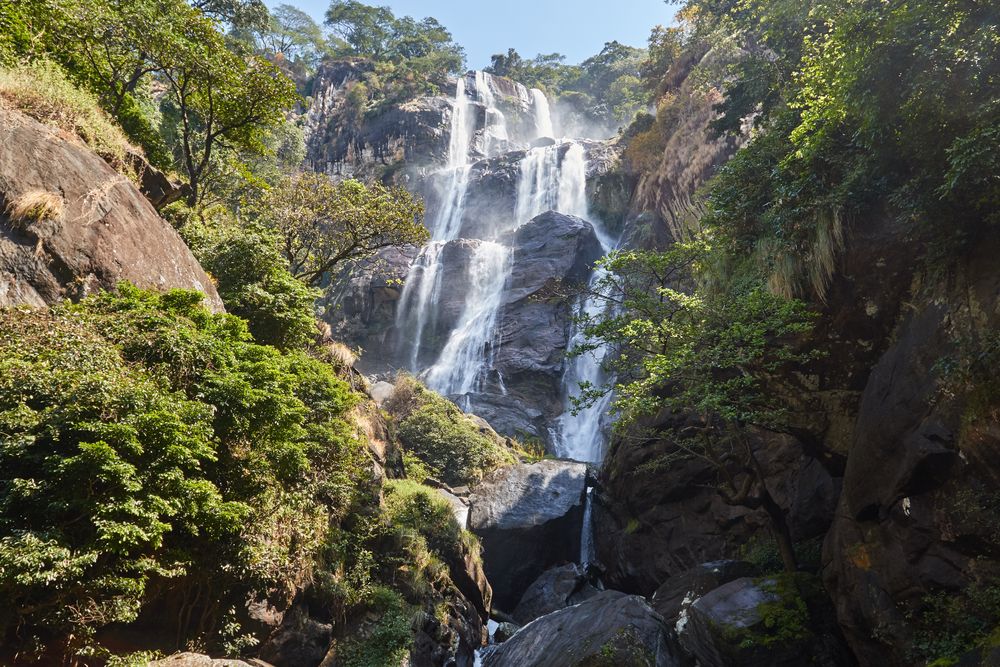
One of the most popular attractions is Sanje Waterfall, which plunges more than 550 feet (170 meters) through lush rainforest into a series of natural pools below. The park’s combination of pristine forests, dramatic landscapes, and abundant wildlife creates an experience that is often compared to trekking in tropical mountain reserves rather than participating in a typical African safari.

The geography of Udzungwa is dominated by rugged mountains, steep valleys, dense rainforests, rivers, and waterfalls. Elevations range from approximately 820 feet (250 meters) in the lowlands to more than 8,400 feet (2,560 meters) on the highest peaks. This dramatic elevation gradient creates a variety of climatic zones and habitats.

Vegetation includes tropical rainforest, montane forest, bamboo stands, grasslands, and woodland ecosystems. Frequent rainfall and persistent cloud cover support rich plant communities that have evolved in isolation for millions of years. The mountains also serve as important watersheds, supplying freshwater to surrounding communities and ecosystems.

Wildlife within Udzungwa Mountains National Park is remarkably diverse and includes many species found nowhere else on Earth. The park is internationally recognized for its primates, including the endemic Iringa red colobus and the Sanje mangabey, both of which are found only within the Udzungwa region. Other mammals include elephant, leopard, bushbuck, blue monkey, and several species of small carnivores.

More than 400 bird species have been recorded, making the park a premier destination for birdwatchers. Colorful turacos, hornbills, sunbirds, and numerous forest specialists inhabit the dense vegetation. Amphibians, reptiles, butterflies, and rare plant species further contribute to the park’s extraordinary biodiversity.

Udzungwa Mountains National Park plays a critical role in protecting one of the world’s most significant centers of endemism. The Eastern Arc Mountains are often compared to biodiversity hotspots such as Madagascar National Parksand the tropical cloud forests of Central America because of their exceptionally high concentrations of unique species.

Many plants and animals found within Udzungwa exist nowhere else on the planet. The park protects vital habitat for threatened wildlife while preserving watersheds and ecological processes that sustain surrounding regions. As one of Africa’s most biologically important mountain ecosystems, Udzungwa Mountains National Park stands as a remarkable example of conservation success and offers visitors an unforgettable opportunity to experience one of Tanzania’s richest natural treasures.

Things to See

Popular

Udzungwa Mountains National Park, often referred to as the “Galapagos of Africa,” is a haven for unique and rare species that thrive in its lush tropical forests and dramatic escarpments.

Udzungwa Red Colobus
This endemic primate is found swinging through the park’s high canopies, feeding on leaves and fruit while living in social groups.

Sanje Mangabey
Discovered only recently, the Sanje mangabey is another endemic primate that thrives in Udzungwa’s forests, known for its playful and inquisitive behavior.

Bushbuck
This shy antelope grazes in the undergrowth, blending seamlessly into the forest shadows to avoid predators.

Blue Duiker
One of the smallest antelopes, the blue duiker forages on fallen fruits and leaves on the forest floor.

Cape Clawless Otter
In the park’s rivers and streams, this semi-aquatic mammal hunts fish and crustaceans, often spotted gliding through the water.

Sykes’ Monkey
Sykes’ monkeys, or blue monkeys, forage for fruits and leaves, their agility often seen in the park’s lower canopies.

Tree Hyrax
This nocturnal mammal spends its days hidden in tree hollows, emerging at night to forage on leaves and bark.

Honey Badger
Known for its fearless nature, the honey badger roams the forest, hunting small mammals and insects.

Greater Cane Rat
This large rodent, often mistaken for a porcupine, forages on grasses and reeds near water sources in the park.

African Civet
A nocturnal carnivore, the African civet prowls Udzungwa’s forest floor, hunting small mammals and birds.

Birds

Udzungwa Mountains National Park boasts a spectacular variety of bird species, many of which are endemic to the Eastern Arc Mountains.

Udzungwa Forest Partridge
This elusive bird, endemic to Udzungwa, forages on the forest floor, feeding on insects and seeds.

African Green Pigeon
Often found in the park’s fruit-laden trees, this bird is known for its vibrant green plumage and melodious calls.

Bar-tailed Trogon
A colorful and rare sight, the bar-tailed trogon perches quietly in dense forests, feeding on insects and fruits.

Livingstone’s Turaco
With its striking green and red plumage, this turaco flits gracefully through the park’s forested areas.

Eastern Arc Sunbird
This endemic sunbird feeds on nectar from the park’s abundant flowering plants, adding flashes of color to the canopy.

Crowned Eagle
One of Africa’s most powerful raptors, the crowned eagle hunts primates and small mammals from its lofty vantage points.

Hartlaub’s Turaco
Known for its bold colors, this bird is a visual treat, often spotted darting through the forest.

Narina Trogon
The Narina trogon’s quiet elegance is seen in its iridescent green and red plumage, as it perches in shaded areas.

Green-headed Oriole
Endemic to the region, this oriole is easily recognized by its melodious song and bright coloration.

White-chested Alethe
A forest-floor specialist, the white-chested alethe thrives in the park’s thick undergrowth, foraging for insects and seeds.

Things To Do

Engaging Udzungwa Mountains National Park

placeholder

Hiking

A trek to the stunning Sanje Waterfalls is one of Udzungwa’s most iconic experiences. This moderate hike takes visitors through dense tropical forest, where the sounds of birds and rustling leaves create a serene atmosphere.

Along the way, hikers encounter unique flora and fauna, including endemic monkeys and colorful butterflies. The Sanje Waterfalls, dropping an impressive 170 meters (560 feet), offers a breathtaking sight.

Visitors can swim in its clear, cool pools or relax on nearby rocks, soaking in the refreshing mist. The hike provides not only stunning views but also a deep appreciation for the park’s ecological richness.

placeholder

Birdwatching

Udzungwa’s dense forests are a paradise for bird enthusiasts. Guided birdwatching tours lead visitors to prime locations where endemic species like the Udzungwa forest partridge and Eastern Arc sunbird thrive.

With binoculars in hand, birdwatchers listen for distinctive calls and marvel at colorful displays as rare birds flit through the canopy.

These tours offer opportunities to learn about the park’s avian biodiversity and the critical role birds play in its ecosystem. Whether spotting a crowned eagle soaring above or watching a turaco feeding on fruit, the experience is both peaceful and rewarding.

placeholder

Cultural Heritage

Engaging with nearby communities offers a unique perspective on life around Udzungwa Mountains National Park. Visitors can explore local villages, where traditional practices, crafts, and cuisine are shared warmly by residents.

These cultural tours often include opportunities to learn about medicinal plants, farming techniques, and the community’s efforts to preserve the forest.

Traditional dances and storytelling provide further insight into the rich heritage of the region. This experience fosters a meaningful connection between visitors and the people who coexist with the park, creating a deeper appreciation for the area’s cultural and natural landscapes.