

About
Burigi-Chato National Park is located in northwestern Tanzania along the borders of Rwanda, Uganda, and Lake Victoria. The park covers approximately 1,844 square miles (4,777 sq km), making it one of the largest national parks in Tanzania.
Established in 2019, the park was formed from the former Burigi, Biharamulo, Kimisi, Ibanda, and Rumanyika game reserves. Burigi-Chato is part of an extensive transboundary conservation landscape that connects with protected areas in neighboring countries. It also lies near the recently established Rumanyika-Karagwe National Park and Ibanda-Kyerwa National Park, helping create one of East Africa’s largest protected wilderness regions.
Burigi-Chato National Park is best known for its remarkable variety of landscapes and wildlife habitats. The park offers visitors a unique combination of lakes, rivers, wetlands, rolling hills, savannas, and woodlands. Unlike many of Tanzania’s more famous safari destinations, Burigi-Chato remains relatively undiscovered, providing an authentic wilderness experience with few visitors.
The park’s scenic beauty is enhanced by numerous lakes, including Lake Burigi, one of Tanzania’s largest natural lakes. Visitors are drawn by opportunities for wildlife viewing, birdwatching, photography, boating, and exploring vast landscapes that retain a strong sense of natural solitude.
The geography of Burigi-Chato National Park is exceptionally diverse. The park contains broad savanna grasslands, acacia woodlands, river valleys, wetlands, and extensive lakeshore environments. Lake Burigi serves as one of the park’s defining features, stretching across a large portion of the protected area and supporting a rich aquatic ecosystem.
Seasonal rivers and marshes provide critical water resources for wildlife throughout the year. The varied terrain includes gently rolling hills and open plains that create excellent wildlife viewing opportunities. This diversity of habitats supports a wide range of plant communities and contributes significantly to the park’s ecological importance.
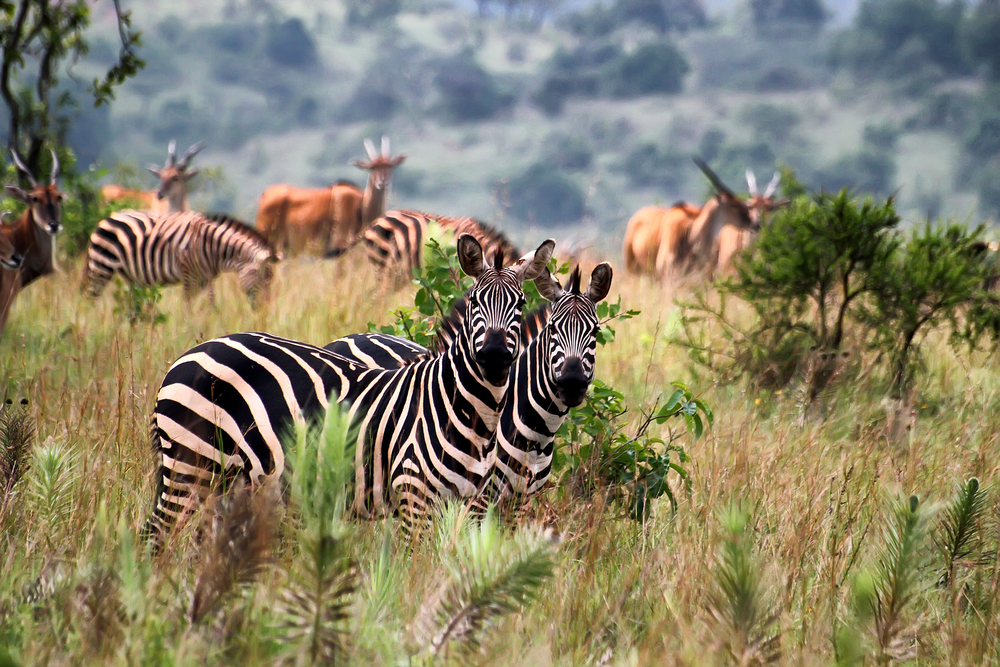
Wildlife thrives throughout Burigi-Chato National Park. Large mammals include elephant, buffalo, giraffe, zebra, eland, roan antelope, sable antelope, topi, and several other herbivore species. The park is one of the few places in Tanzania where both roan and sable antelope can be found in significant numbers. Predators such as lion, leopard, spotted hyena, and occasionally African wild dog also inhabit the area. Hippopotamuses and crocodiles are commonly found within the park’s lakes and wetlands.
Birdlife is particularly abundant, with fish eagles, kingfishers, storks, herons, cormorants, and numerous migratory species utilizing the park’s diverse aquatic habitats. The combination of terrestrial and freshwater ecosystems creates excellent opportunities for wildlife observation.
Burigi-Chato National Park plays a vital conservation role by protecting one of East Africa’s most diverse wilderness landscapes. The park safeguards critical wildlife corridors, extensive wetland systems, and habitats that support numerous threatened and regionally important species.
Its lakes and wetlands provide ecological functions similar to those found in major African freshwater ecosystems such as Bangweulu Wetlands and Okavango Delta, while its savannas support large mammal populations characteristic of East African grasslands. As one of Tanzania’s newest national parks, Burigi-Chato represents a significant commitment to conservation and landscape-scale protection. Today, it serves as an important refuge for biodiversity while offering visitors the opportunity to explore one of the country’s most scenic and least-visited wilderness destinations.
Things to See
Things To Do
Engaging Burigi-Chato National Park
