About

Ibanda-Kyerwa National Park is located in northwestern Tanzania within the Kagera Region, near the borders of Rwanda and Uganda. The park covers approximately 772 square miles (2,000 sq km) and was officially designated as a national park in 2019 after previously being managed as a game reserve.

Ibanda-Kyerwa forms part of an important conservation landscape that includes the nearby Rumanyika-Karagwe National Park and transboundary ecosystems extending into neighboring countries. Although it remains one of Tanzania’s least-visited national parks, its rich biodiversity and remote wilderness make it an important component of East Africa’s protected area network.

Ibanda-Kyerwa National Park is best known for its expansive savannas, rolling hills, and relatively untouched wilderness. The park offers visitors an opportunity to experience a quieter side of Tanzania, far removed from the heavily traveled safari circuits of the north. Its open landscapes provide excellent opportunities for wildlife viewing, photography, birdwatching, and nature exploration.

Because visitor numbers remain low, many areas retain a strong sense of isolation and natural authenticity. Travelers often appreciate the park’s peaceful atmosphere and the chance to observe wildlife in habitats that have experienced relatively little human disturbance.

The geography of Ibanda-Kyerwa National Park is characterized by gently rolling grasslands, wooded hills, seasonal wetlands, and scattered river valleys. Elevations vary throughout the park, creating a diversity of habitats and scenic viewpoints. Much of the vegetation consists of savanna grasslands interspersed with acacia woodlands and patches of miombo woodland.

Seasonal streams and wetlands provide essential water sources for wildlife during drier months. During the rainy season, the landscape becomes lush and green, while the dry season reveals sweeping panoramas across open plains and distant hills. This combination of habitats supports a broad range of plant and animal species.

Wildlife is one of the park’s primary attractions. Large herbivores such as buffalo, zebra, eland, topi, impala, and giraffe are commonly found throughout the park. These species utilize the extensive grasslands and woodlands that characterize much of the landscape. Predators including lion, leopard, and spotted hyena also inhabit the area, although they are often more difficult to observe due to the park’s size and vegetation cover.

Primates such as baboons and vervet monkeys are regularly encountered, while smaller mammals contribute to the park’s ecological diversity. Birdlife is abundant, with numerous raptors, storks, hornbills, kingfishers, and migratory species found across the park’s wetlands and woodland habitats. The variety of ecosystems creates excellent opportunities for wildlife observation throughout the year.

Ibanda-Kyerwa National Park plays an important conservation role in protecting northwestern Tanzania’s savanna and woodland ecosystems. The park safeguards critical habitat for large mammals while helping maintain ecological connectivity across a region increasingly affected by agricultural expansion and human settlement. Its grasslands, wetlands, and woodlands support species that depend on extensive natural landscapes for survival.

In many ways, the park resembles other lesser-known African conservation areas that preserve significant biodiversity outside the continent’s most famous safari destinations. Together with neighboring protected areas, Ibanda-Kyerwa contributes to the long-term protection of wildlife corridors and regional ecosystems. As one of Tanzania’s newest national parks, it represents a significant investment in conservation and provides visitors with an opportunity to experience a wild and relatively undiscovered corner of East Africa.

Things to See

Predators

Nestled in the northwestern corner of Tanzania, Ibanda-Kyerwa National Park is a hidden gem teeming with diverse predator species that roam its savannahs and woodlands.

African Lion
This apex predator dominates the park’s grassy plains, where prides hunt cooperatively to take down large herbivores like buffalo.

Leopard
Stealthy and powerful, the elusive leopard prowls through the park’s trees and dense thickets, preying on antelope and smaller mammals.

Cheetah
Known for its unmatched speed, the cheetah streaks across open landscapes to chase down fast-moving prey such as gazelles.

Spotted Hyena
Spotted hyenas are tenacious hunters and scavengers, using teamwork to overpower prey or feast on leftovers from larger predators.

Side-striped Jackal
This opportunistic predator hunts small mammals, birds, and insects, thriving in the park’s diverse habitats.

Serval
The serval’s long legs and acute senses allow it to pounce on rodents and birds with precision in tall grasses.

Nile Crocodile
These formidable reptiles lurk in rivers and marshes, ambushing animals that come to drink or cross the water.

African Wild Dog
Highly endangered and social, African wild dogs work in packs to coordinate swift and strategic hunts across open plains.

Honey Badger
Renowned for its ferocity, the honey badger fearlessly preys on small mammals, snakes, and insects, often taking on much larger foes.

African Rock Python
This non-venomous yet powerful snake constricts and swallows its prey whole, lying in wait for antelope and small mammals.

Popular

Ibanda-Kyerwa National Park’s rich ecosystems support a variety of peaceful, non-predatory species that bring life to its open grasslands and wooded terrain.

African Elephant
These majestic giants traverse the park’s forests and plains, foraging on leaves, bark, and grasses as they move in herds.

Cape Buffalo
Massive herds of Cape buffalo graze on the park’s grasses, relying on their size and group strength to deter predators.

Masai Giraffe
Towering gracefully above the treetops, Masai giraffes feed on acacia leaves with their long necks and dexterous tongues.

Zebra
The park’s plains are often dotted with zebras, their bold stripes providing effective camouflage and group defense against predators.

Topi
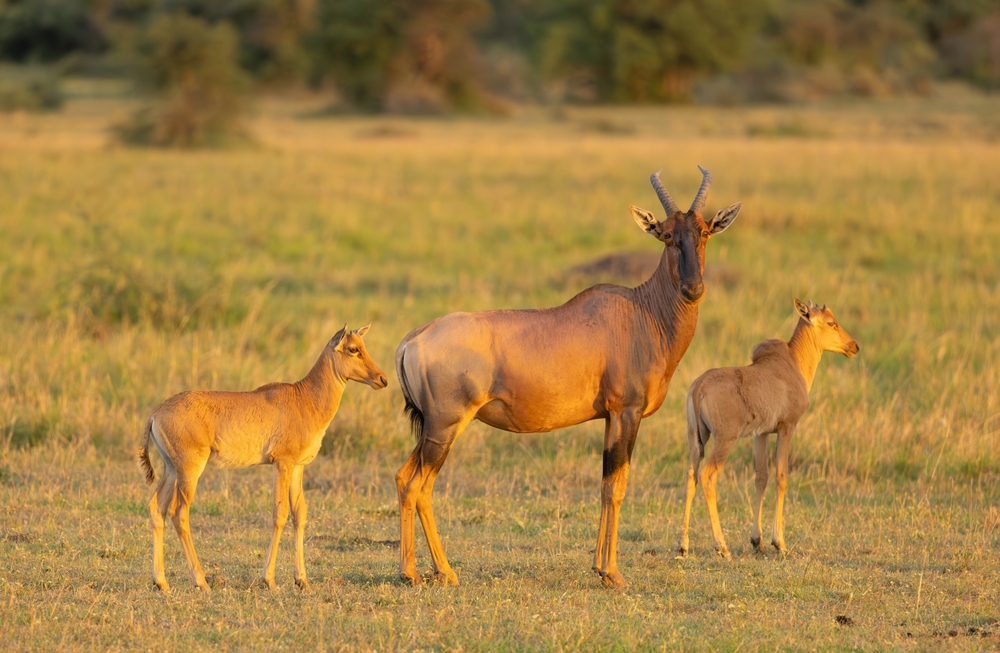
This agile and reddish-brown antelope thrives in the open savannah, grazing on tall grasses while staying alert for danger.

Hippo
Spending their days in rivers and lakes, hippos emerge at night to graze, their massive bodies shaping the aquatic environment.

Waterbuck
Preferring wetlands and riversides, waterbucks are easily identified by their shaggy coats and white-rimmed rumps.

Bushbuck
Shy and solitary, bushbucks browse on low-hanging foliage along the park’s shaded forest edges.

Impala
Known for their agility and speed, impalas graze in herds and use powerful leaps to evade predators.

Warthog
Warthogs forage for tubers and roots, their snouts and tusks working efficiently as they scurry across the plains.

Birds

The varied landscapes of Ibanda-Kyerwa National Park provide sanctuary for a remarkable variety of bird species, making it a hotspot for avian diversity.

Grey Crowned Crane
The elegant grey crowned crane graces the park’s wetlands, where its golden crest and courtship dances are truly captivating.

African Fish Eagle
This regal raptor perches along rivers and lakes, its piercing call and dramatic fishing dives a hallmark of the park’s waterways.

Helmeted Guineafowl
Seen foraging in flocks, helmeted guineafowl roam the grasslands, their spotted plumage providing natural camouflage.

Lilac-breasted Roller
The lilac-breasted roller’s dazzling plumage makes it a standout, often seen perched on treetops scanning for insects.

Marabou Stork
This large scavenger thrives near water and carcasses, soaring high with its wide wingspan before descending to feed.

Secretary Bird
Striking and tall, the secretary bird hunts snakes and small mammals on foot, its powerful kicks delivering fatal blows.

Yellow-billed Stork
Wading in shallow waters, the yellow-billed stork sweeps its bill through the water to catch fish and aquatic invertebrates.

Blue-cheeked Bee-eater
With stunning hues of green and blue, this agile bird catches insects mid-flight in a brilliant display of aerial skill.

White-backed Vulture
Vital to the ecosystem, this scavenger soars across the sky, locating and feeding on carcasses left by predators.

African Jacana
Known for its long toes, the African jacana “walks on water,” moving gracefully across floating vegetation in search of food.

Things To Do

Engaging Ibanda-Kyerwa National Park

placeholder

Game Drives

Exploring Ibanda-Kyerwa National Park on a guided game drive provides visitors with an unparalleled opportunity to experience its diverse wildlife. Open 4×4 vehicles traverse the golden savannahs and wooded areas, where herds of zebra, buffalo, and giraffes roam freely.

The drives offer thrilling moments, such as spotting a pride of lions resting in the shade or witnessing a leopard on the hunt. Early morning and late afternoon are the most rewarding times to venture out, as the soft light accentuates the landscape’s beauty and animals are most active.

With expert guides sharing fascinating insights into the park’s ecology, a game drive is the quintessential African safari experience.

placeholder

Boat Safaris

Boat safaris along Ibanda-Kyerwa’s lakes and waterways provide a peaceful and immersive way to explore its aquatic ecosystems. Visitors glide through calm waters surrounded by lush vegetation, where hippos surface playfully and Nile crocodiles bask along muddy shores.

Birdwatchers are treated to incredible sightings of African fish eagles, jacanas, and colorful bee-eaters along the water’s edge. The boat’s slow pace allows for intimate wildlife encounters and photography, capturing the serene beauty of the park’s riparian landscapes. The gentle rhythm of the water creates a relaxing yet captivating experience for adventurers and nature lovers alike.

placeholder

Nature Walks

Guided nature walks offer an up-close exploration of Ibanda-Kyerwa’s landscapes, from wooded areas to open plains. Visitors embark on foot with experienced guides, allowing for a deeper appreciation of the smaller details of the park’s ecosystem, such as animal tracks, unique plants, and insects.

These quiet walks bring opportunities to observe species like bushbucks, warthogs, and even the elusive serval. The forest echoes with birdsong as guides point out various avian species and explain their behaviors. Nature walks provide a tranquil and educational alternative to vehicle safaris, connecting visitors to the park’s untouched beauty in an intimate and memorable way.