About

Rumanyika-Karagwe National Park is located in northwestern Tanzania within the Kagera Region near the borders of Uganda and Rwanda. The park covers approximately 957 square miles (2,479 sq km) and was officially established as a national park in 2019.

It lies within a broader conservation landscape that includes the nearby Ibanda-Kyerwa National Park and important wildlife habitats extending across East Africa’s western corridor. Although it is one of Tanzania’s newest and least-visited national parks, Rumanyika-Karagwe protects a rich mosaic of ecosystems and wildlife populations that contribute significantly to regional biodiversity conservation.

Rumanyika-Karagwe National Park is best known for its unspoiled wilderness, scenic hills, and diverse wildlife. Because tourism infrastructure remains relatively limited, visitors experience a level of solitude that has become increasingly rare in many African protected areas.

The park offers opportunities for game viewing, birdwatching, nature photography, and exploration of landscapes that remain largely unchanged by modern development. Rolling hills, open savannas, and wooded valleys create a peaceful setting where visitors can enjoy an authentic wilderness experience far from crowded safari circuits. Its remote character appeals to travelers seeking discovery and a deeper connection with nature.

The geography of Rumanyika-Karagwe National Park is characterized by gently undulating terrain, rocky ridges, seasonal rivers, wetlands, and broad savanna landscapes. Elevations vary across the park, creating a variety of habitats that support different plant and animal communities.

Miombo woodlands dominate much of the landscape, interspersed with acacia-dotted grasslands and patches of riverine vegetation. Seasonal rainfall transforms the park throughout the year, bringing lush greenery during wet months and revealing expansive vistas during the dry season. These diverse habitats provide important ecological functions while supporting a remarkable variety of wildlife.

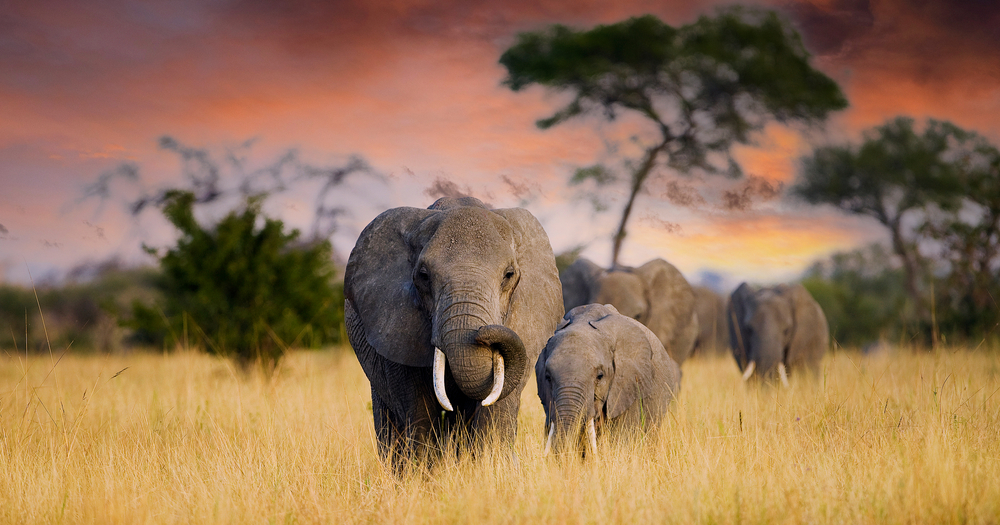
Wildlife is one of the park’s greatest assets. Large mammals commonly found within Rumanyika-Karagwe include elephant, buffalo, giraffe, zebra, eland, impala, topi, and several other antelope species. Predators such as leopard, lion, and spotted hyena also inhabit the park, although sightings can be less frequent due to the dense vegetation in some areas. Primates, including baboons and vervet monkeys, are regularly encountered throughout the landscape.

The park also supports a rich diversity of birdlife, attracting birdwatchers with species ranging from raptors and hornbills to kingfishers, storks, and colorful woodland birds. The combination of varied habitats and relatively low human disturbance creates favorable conditions for many species to thrive.

Rumanyika-Karagwe National Park plays a critical role in protecting northwestern Tanzania’s natural heritage. The park safeguards important miombo woodland ecosystems, seasonal wetlands, and wildlife corridors that help maintain ecological connectivity across the region. These habitats support species that depend on large, intact landscapes for survival. The park’s conservation significance is comparable to other important East African woodland reserves that preserve biodiversity outside the continent’s more famous savanna ecosystems.

As pressures from agriculture and human settlement continue to increase across the region, Rumanyika-Karagwe serves as a valuable refuge for wildlife and native vegetation. Its establishment reflects Tanzania’s ongoing commitment to expanding protected areas and conserving ecosystems that might otherwise be overlooked. Today, the park stands as an emerging conservation destination where visitors can experience a quieter side of Africa while supporting the protection of one of Tanzania’s newest national parks.

Things to See

Popular

Rumanyika-Karagwe National Park, a hidden gem in Tanzania’s northwest, is a thriving sanctuary where dense woodlands, rolling hills, and open savannahs create the perfect haven for diverse wildlife.

Leopard
Silent and elusive, the leopard expertly blends into Rumanyika’s dense woodlands, patiently stalking antelope and smaller mammals.

African Lion
These powerful predators dominate the park’s plains, where they hunt in prides, targeting large herbivores like buffalo and zebras.

Spotted Hyena
Often heard before seen, spotted hyenas roam the park in clans, scavenging and occasionally hunting as a group.

Cheetah
In open grassy stretches, cheetahs display remarkable speed and precision, chasing down swift prey like impalas.

Side-striped Jackal
Adaptable and resourceful, the side-striped jackal hunts small mammals, birds, and insects while scavenging for leftover kills.

Serval
This sleek feline hunts in tall grasslands, using its acute senses and powerful jumps to capture rodents and birds.

African Wild Dog
Known for their endurance and teamwork, African wild dogs work as a pack to take down prey, showcasing coordinated hunting tactics.

Nile Crocodile
Near rivers and wetlands, Nile crocodiles lurk patiently beneath the water, waiting to ambush animals coming to drink.

Black Mamba
Highly venomous and swift, the black mamba preys on small mammals and birds, thriving in the park’s bushlands.

Honey Badger
Notoriously fearless, honey badgers dig into burrows to hunt rodents, reptiles, and insects, often confronting larger predators.

Birds

Rumanyika-Karagwe National Park is a birdwatcher’s paradise, where a mix of woodland, savannah, and wetlands provides a vibrant habitat for avian species.

Crowned Eagle
With its powerful talons and soaring flight, the crowned eagle hunts monkeys and small antelopes from treetop vantage points.

Grey Crowned Crane
This elegant bird moves gracefully through grasslands, with its golden crest standing out against lush landscapes.

African Fish Eagle
Easily recognized by its iconic cry, the African fish eagle patrols the park’s waterways, diving to catch fish.

Marabou Stork
Scavenging near water and plains, the marabou stork feeds on carcasses, playing a critical role in cleaning the ecosystem.

Lilac-breasted Roller
This dazzling bird, with its brilliant plumage, often perches on branches, hunting for insects and small reptiles.

Hornbill (Ground Hornbill)
The ground hornbill strides across open plains, foraging for insects, lizards, and small mammals.

African Jacana
Gracefully walking on floating vegetation, the African jacana forages for insects and seeds in the park’s wetlands.

Yellow-billed Stork
Using its long bill to sweep shallow water, this wading bird thrives near rivers, feeding on fish and amphibians.

Helmeted Guineafowl
These ground-dwelling birds move in flocks, scratching the earth for seeds, roots, and small invertebrates.

Black-headed Heron
Patrolling wetland areas, this heron preys on fish, frogs, and insects, often seen standing still for long periods.

Things To Do

Engaging Rumanyika-Karagwe National Park

placeholder

Game Drives

Game drives in Rumanyika-Karagwe National Park offer visitors the chance to explore a landscape teeming with life, from grassy plains to dense woodlands. Visitors board 4×4 safari vehicles led by knowledgeable guides who track and share fascinating information about the park’s wildlife.

The drives reveal herds of elephants, buffalo, and antelope, while predators such as lions, leopards, and hyenas lurk nearby. Early morning and evening safaris are particularly rewarding, offering golden light for photography and increased wildlife activity.

The diverse habitats ensure every game drive brings a fresh perspective, with the chance to witness predator-prey interactions and experience the beauty of this lesser-visited park.

placeholder

Nature Walks

Guided nature walks in Rumanyika-Karagwe National Park offer an immersive and intimate exploration of its unspoiled wilderness. Led by armed and experienced guides, these walks take visitors along well-trodden trails through forested areas, riverbanks, and grassy plains.

The slow pace allows participants to observe smaller details of the ecosystem, such as animal tracks, plant life, and insects. Encounters with giraffes, zebras, and bushbucks grazing quietly nearby provide an awe-inspiring connection to nature.

Along the way, guides share stories about the park’s biodiversity, from towering trees to the tiniest creatures. The sense of adventure and close connection to the wild make walking safaris a truly memorable experience.

placeholder

Birdwatching

For bird lovers, Rumanyika-Karagwe provides an exceptional birdwatching experience, showcasing its rich variety of resident and migratory birdlife. Guided birding tours take visitors to prime areas such as rivers, wetlands, and wooded regions, where species like the crowned eagle, African fish eagle, and lilac-breasted roller thrive.

Equipped with binoculars and guided by experienced naturalists, visitors enjoy close-up sightings of birds foraging, hunting, and nesting.

The tranquility of birdwatching is enhanced by the park’s serene setting, where the calls of exotic birds create a symphony of sounds against the natural backdrop. The experience is ideal for photographers and bird enthusiasts seeking rare and beautiful sightings.