

About
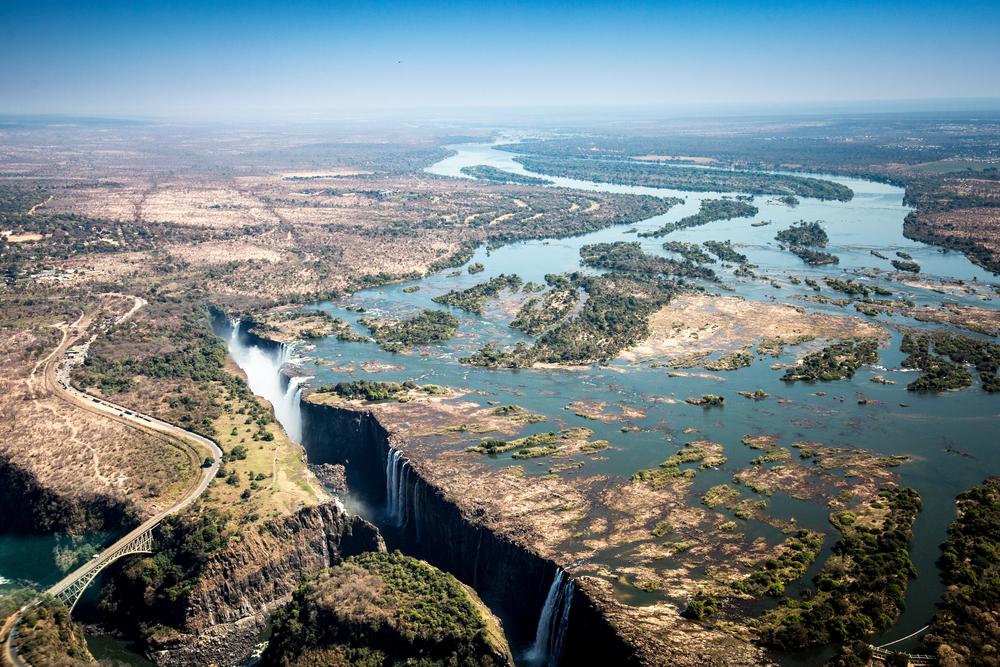
Zambezi National Park, the park is located in northwestern Zimbabwe along the upper reaches of the Zambezi River immediately west of Victoria Falls National Park and the city of Victoria Falls. The park covers approximately 217 square miles (560 sq km) and stretches along nearly 25 miles (40 km) of the Zambezi River.
Established as a national park in 1979 after previously being managed as a game reserve, Zambezi National Park forms part of a larger conservation landscape that includes neighboring protected areas in Zimbabwe, Zambia, Botswana, and Namibia. Its proximity to Victoria Falls makes it one of Zimbabwe’s most accessible wildlife destinations while still providing an authentic wilderness experience.
Zambezi National Park is best known for its scenic riverfront landscapes, abundant wildlife, and exceptional opportunities to explore the Zambezi River ecosystem. Visitors often combine a visit to the park with nearby Victoria Falls, creating a unique experience that showcases both one of the world’s greatest natural wonders and a thriving wildlife sanctuary.
Game drives along the riverfront offer opportunities to observe animals gathering near the water, while boat safaris provide a different perspective on the park’s rich biodiversity. The park’s relatively low visitor numbers compared to nearby attractions create a peaceful atmosphere where wildlife encounters often feel intimate and unhurried.
The geography of Zambezi National Park is divided into two primary ecological zones. The riverfront section follows the Zambezi River and includes floodplains, riverine forests, islands, and shoreline habitats. Farther inland, the landscape transitions into Kalahari sandveld characterized by woodlands, grasslands, and scattered shrubs.
The river serves as a permanent source of water that sustains wildlife throughout the year, particularly during the dry season. Vegetation includes mopane woodlands, teak forests, acacia stands, and riverine habitats rich in plant diversity. This combination of aquatic and terrestrial ecosystems creates a dynamic environment that supports a wide variety of species.
Wildlife thrives throughout Zambezi National Park. Large mammals include elephant, African buffalo, giraffe, zebra, impala, kudu, sable antelope, waterbuck, and warthog. Predators such as lion, leopard, spotted hyena, and African wild dog also inhabit the park, though sightings often depend on timing and conditions.
The Zambezi River supports healthy populations of hippopotamuses and Nile crocodiles, which are frequently observed during boat excursions. Birdlife is particularly impressive, with more than 400 recorded species. African fish eagles, kingfishers, herons, bee-eaters, hornbills, storks, and numerous migratory birds thrive along the river and within the surrounding woodlands. The diversity of habitats makes the park one of Zimbabwe’s premier destinations for birdwatching and wildlife observation.
Zambezi National Park plays an important role in protecting the upper Zambezi River ecosystem and maintaining ecological connectivity across southern Africa. The park safeguards critical riverine habitats, supports wildlife movements between regional protected areas, and contributes to the conservation of one of Africa’s most important river systems.
Its ecological significance is closely linked to neighboring conservation areas such as Chobe National Park and Hwange National Park, which together support some of the continent’s largest wildlife populations. While often overshadowed by nearby Victoria Falls, Zambezi National Park remains a vital conservation area and an outstanding destination where visitors can experience the beauty, wildlife, and ecological richness of the mighty Zambezi River.
Things to See
Things To Do
Engaging Zambezi National Park
