

About
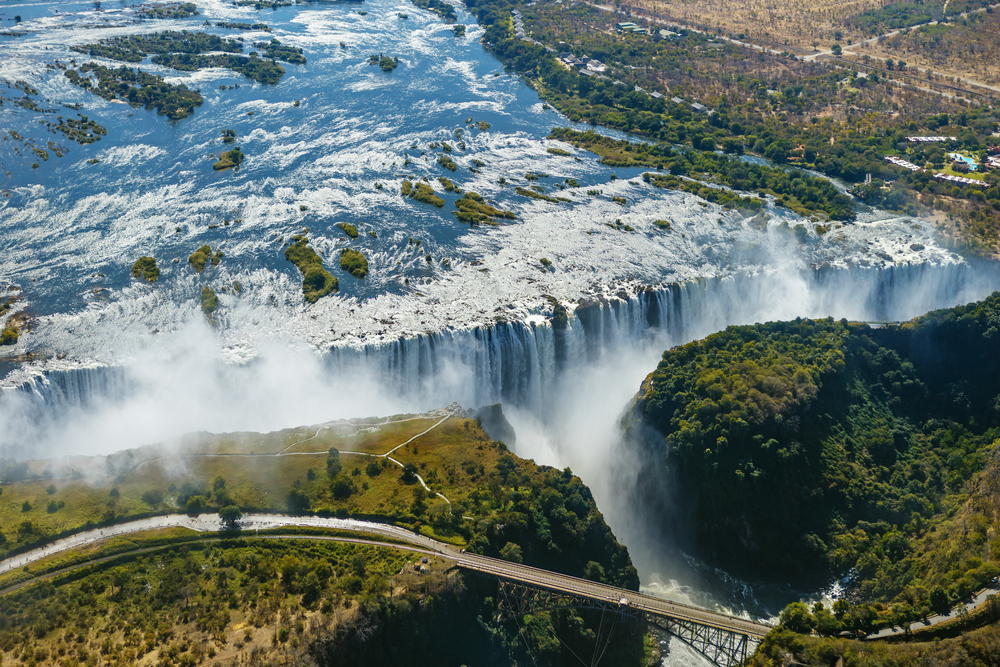
Victoria Falls National Park is located in northwestern Zimbabwe along the border with Zambia and surrounds the Zimbabwean side of the world-famous Victoria Falls. The park covers approximately 9 square miles (23 sq km) and lies adjacent to the larger Zambezi National Park.
Established to protect one of the world’s greatest natural wonders, Victoria Falls National Park preserves the rainforest ecosystem sustained by the constant spray of the falls as well as the dramatic gorges carved by the Zambezi River. Despite its relatively small size, the park holds immense ecological, geological, and tourism significance and is part of the UNESCO World Heritage Site shared by Zimbabwe and Zambia. Mosi-oa-Tunya National Park serves as the protective area on the Zambian side.
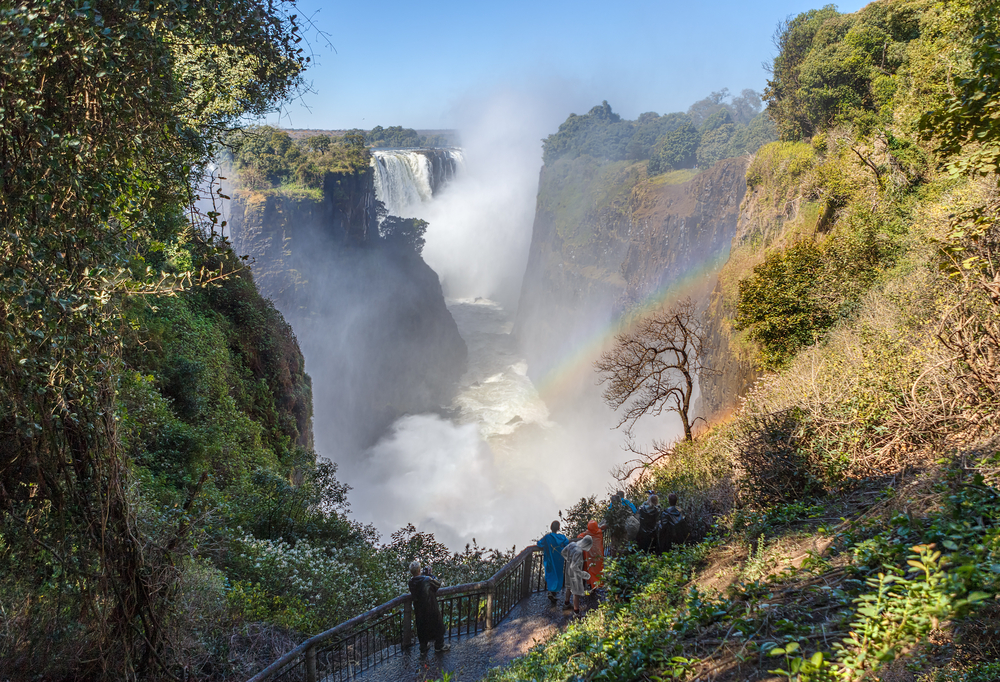
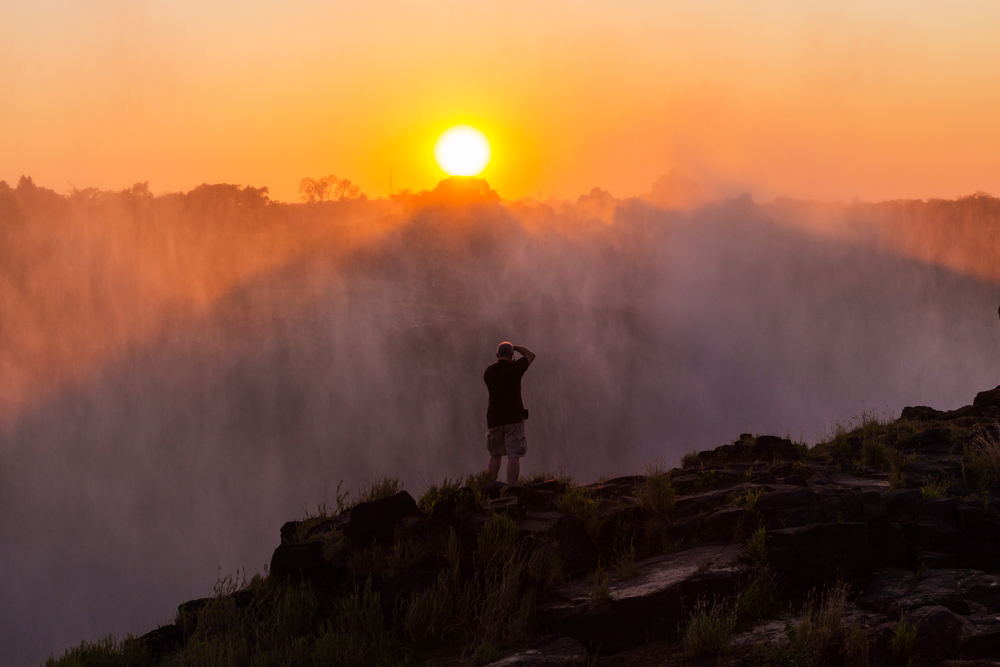
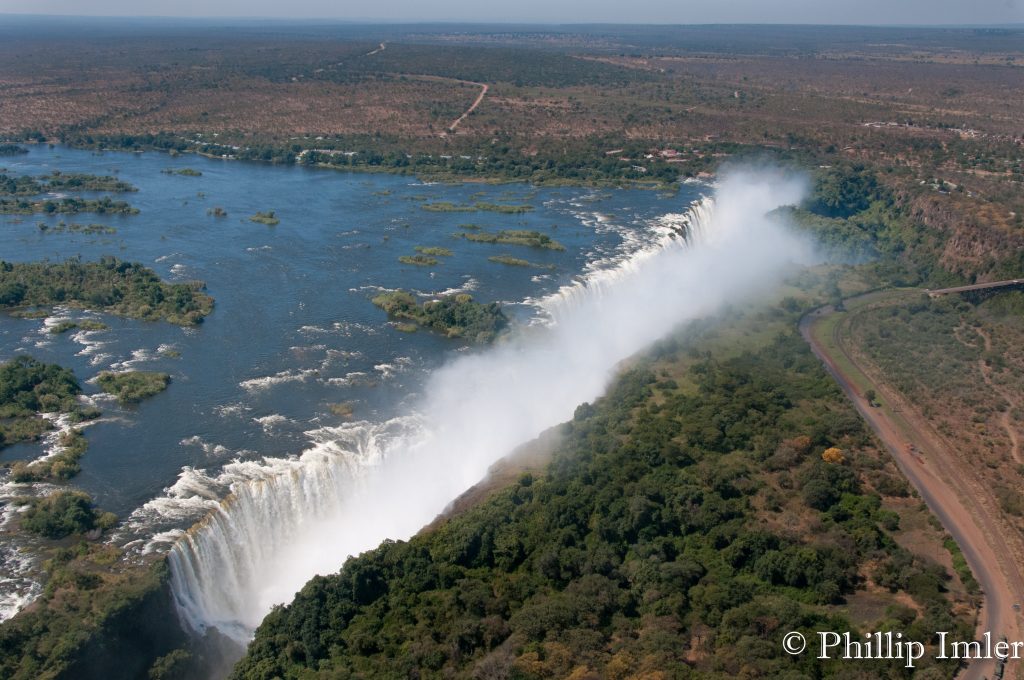
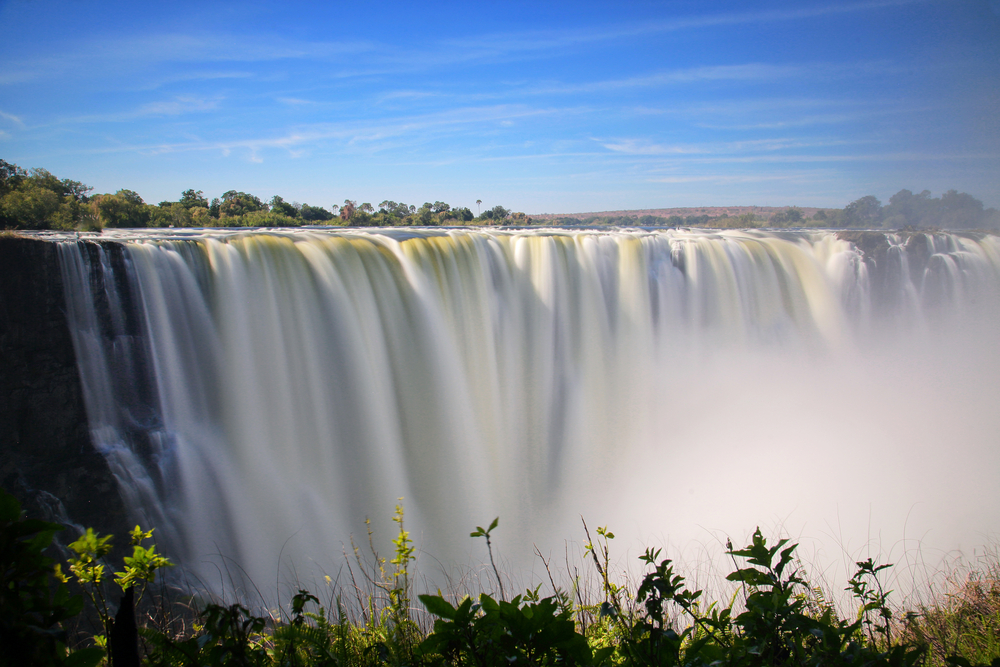
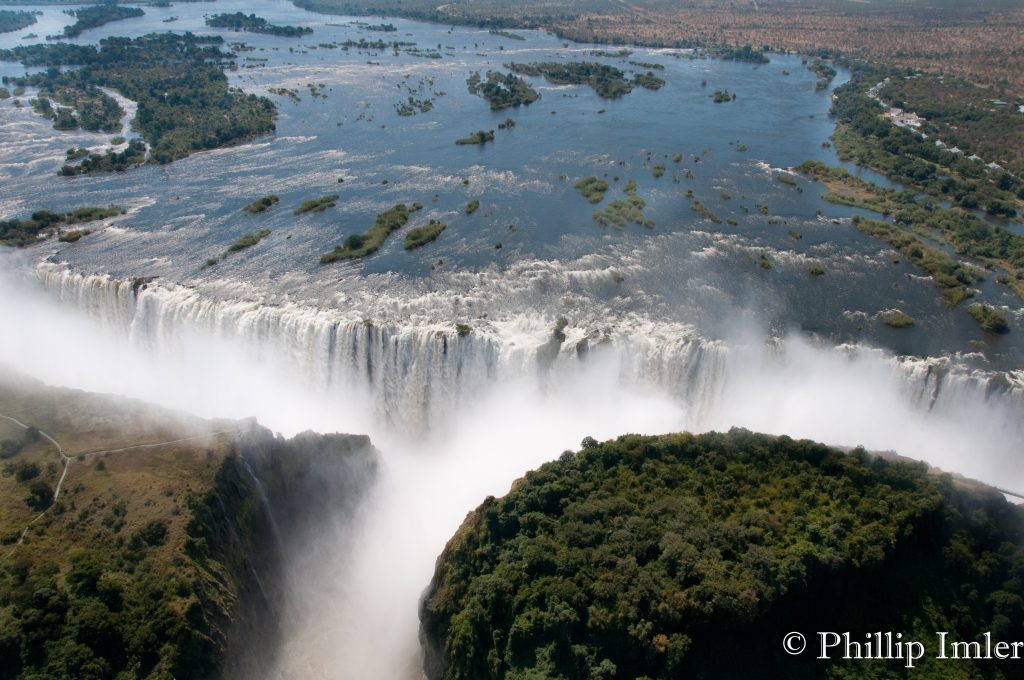
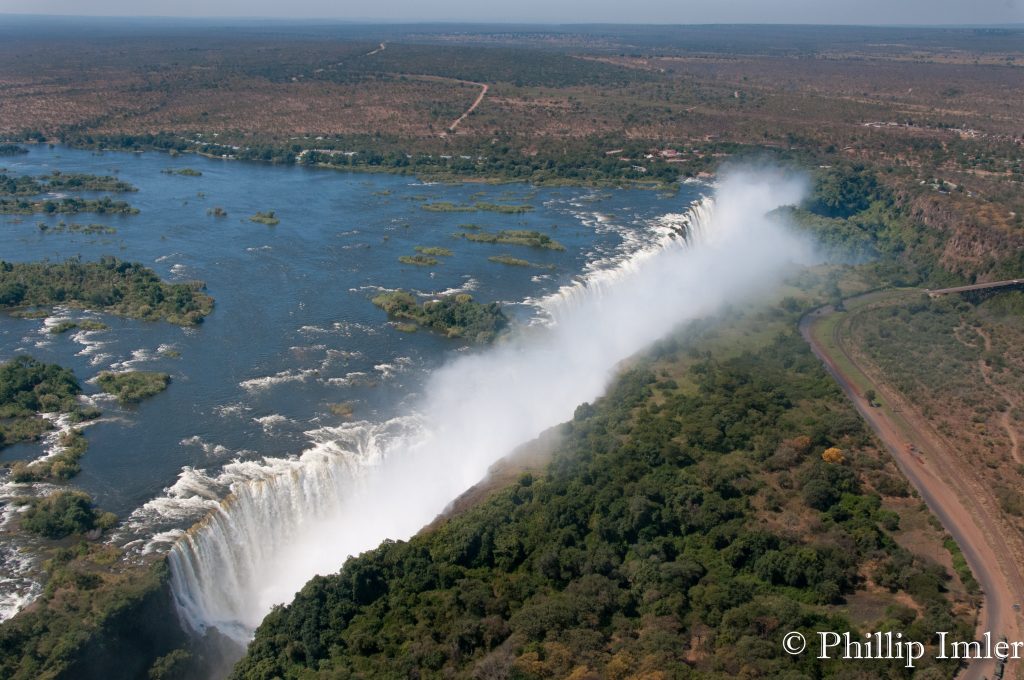
Victoria Falls National Park is best known for protecting the Zimbabwean viewpoints of Victoria Falls, one of the largest and most spectacular waterfalls on Earth. Known locally as Mosi-oa-Tunya, meaning “The Smoke That Thunders,” the falls attract visitors from around the globe. During periods of high water, massive columns of spray can rise hundreds of feet into the air and be visible from miles away.
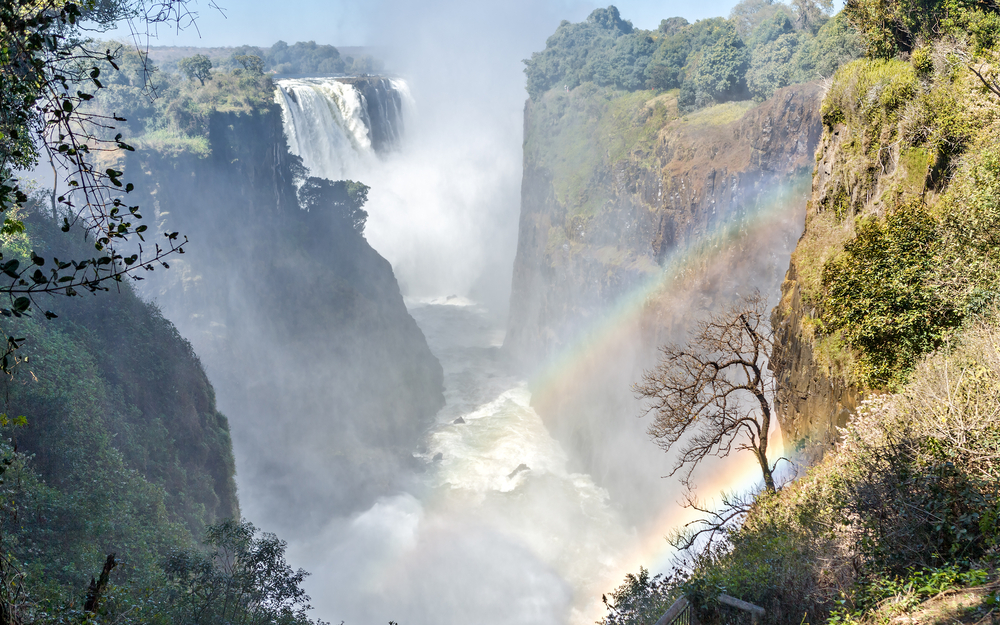
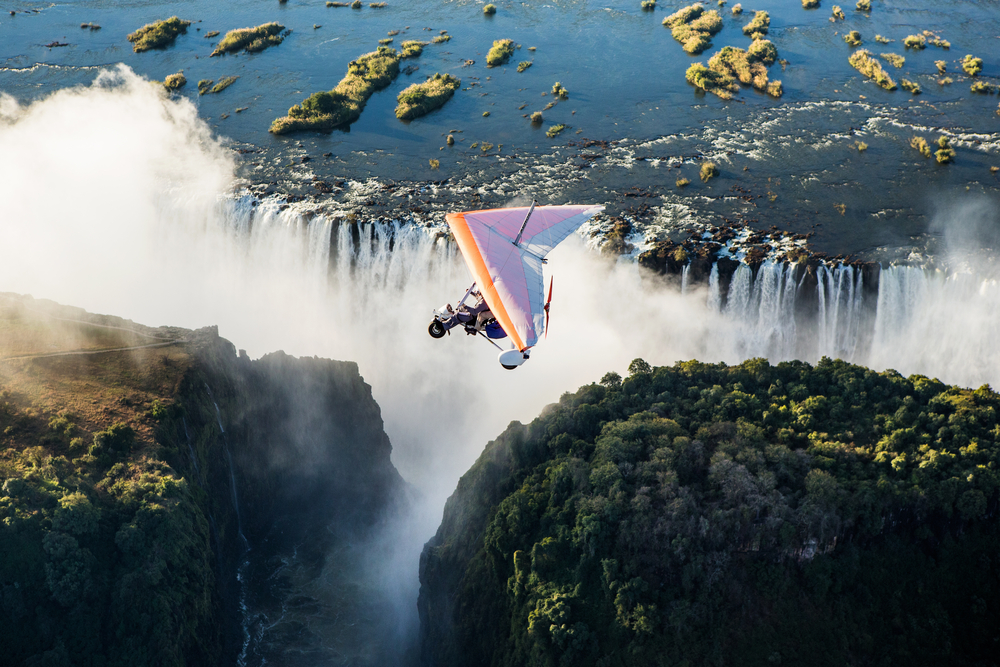
Visitors can explore a network of trails and viewpoints that provide breathtaking perspectives of the falls and the deep gorges below. Activities such as photography, nature walks, birdwatching, and scenic observation make the park one of Africa’s most iconic destinations. The combination of natural beauty, thunderous water, and mist-covered forests creates an unforgettable experience.
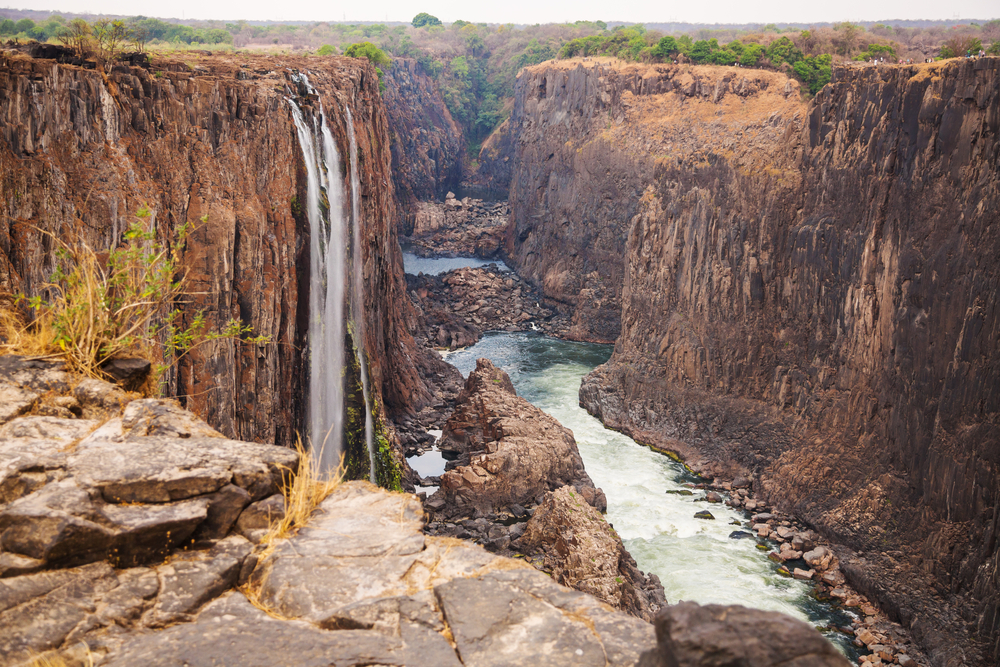
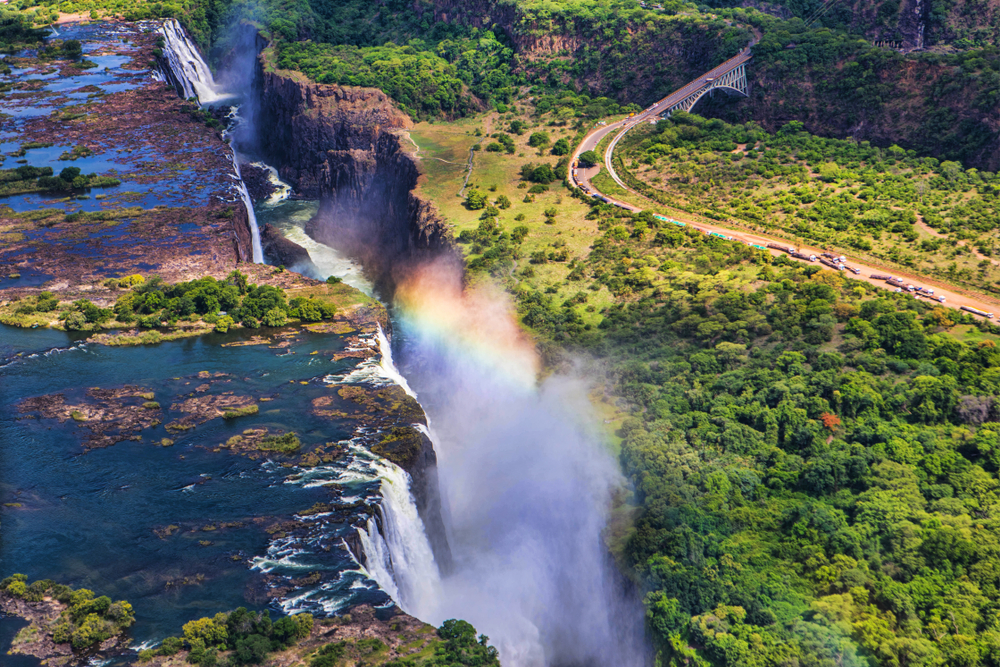
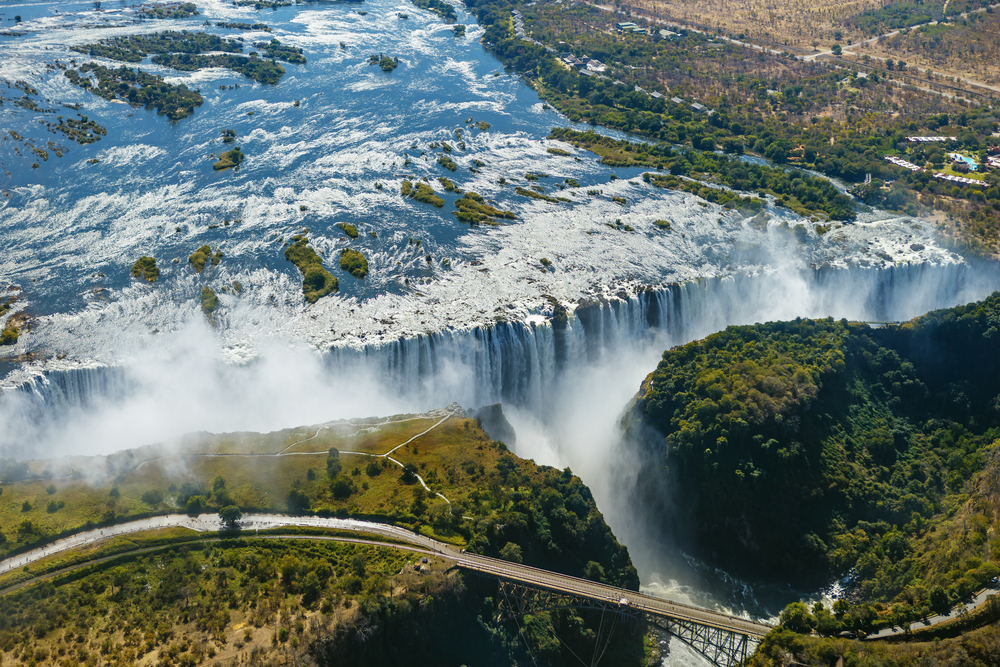
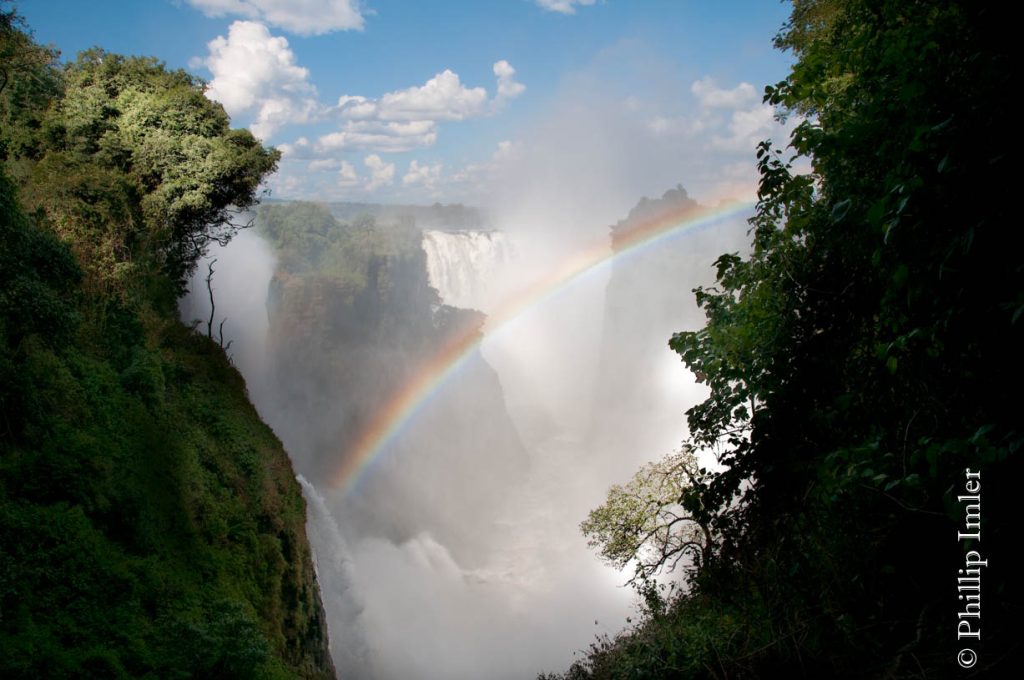
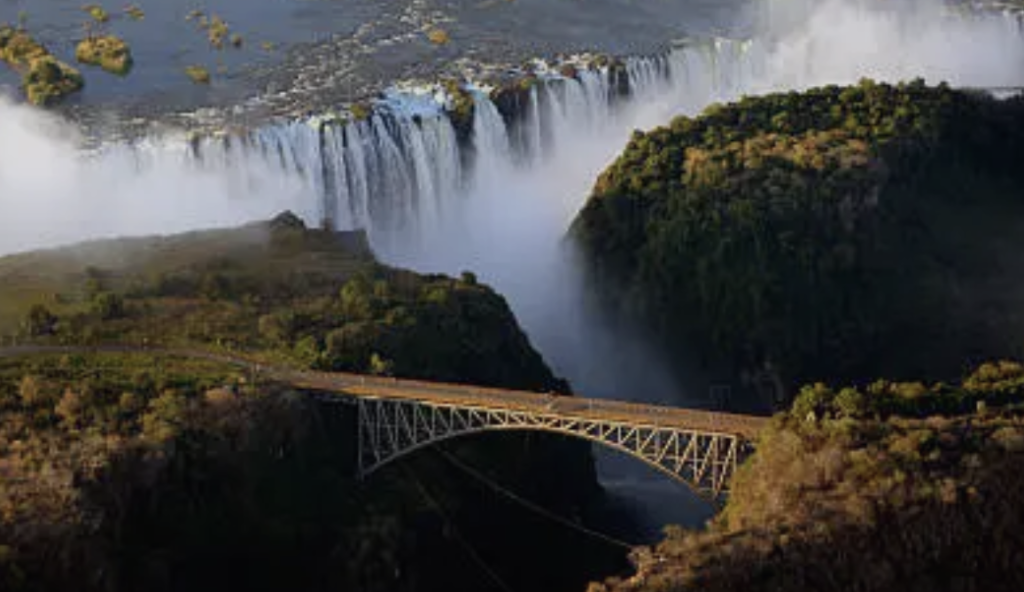
The geography of Victoria Falls National Park is dominated by the Zambezi River and the dramatic basalt gorge into which the river plunges. Victoria Falls stretches approximately 1.1 miles (1.7 km) across and drops more than 350 feet (108 meters) into a narrow chasm. The constant spray generated by the falls sustains a unique rainforest ecosystem that would not otherwise exist in this region.
Dense vegetation flourishes near the gorge, including ferns, palms, mahogany trees, and other moisture-loving plants. Beyond the spray zone, the landscape transitions into woodland and savanna habitats typical of the Zambezi Valley. This contrast between rainforest and dry woodland contributes to the park’s ecological diversity.
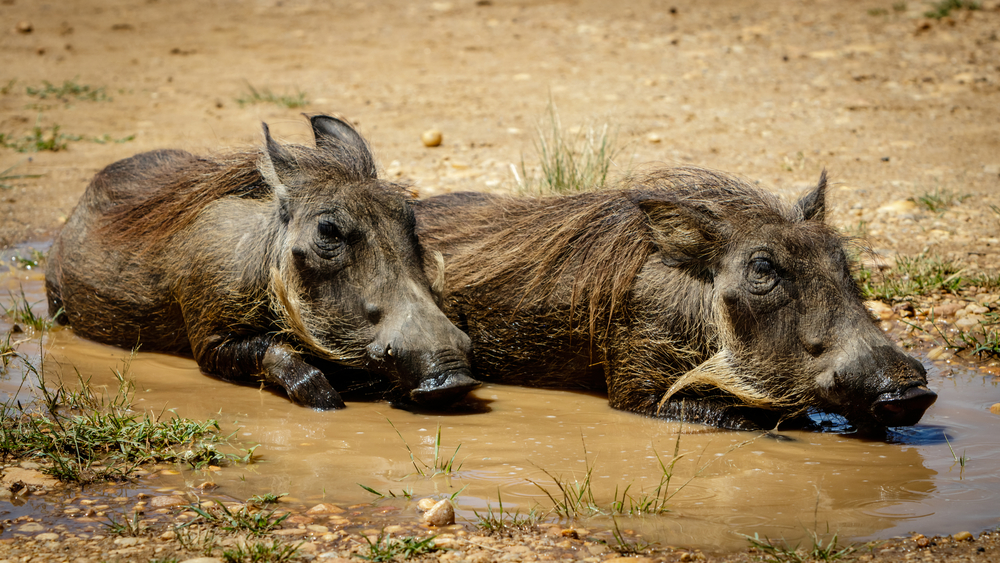
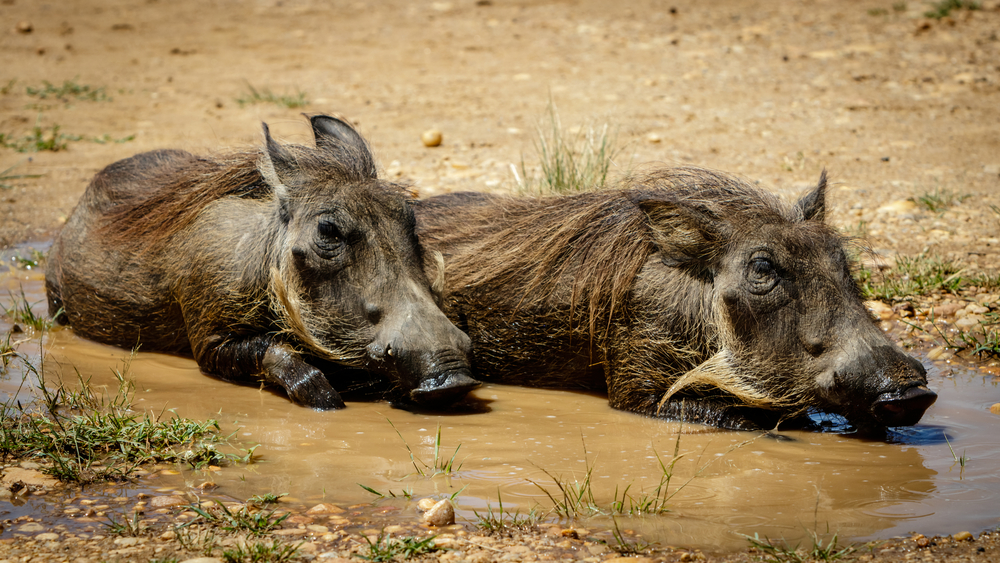
Wildlife within Victoria Falls National Park includes a variety of mammals, birds, and reptiles adapted to the riverine environment. Elephants, buffalo, bushbuck, warthogs, and baboons are frequently observed within and around the park. Smaller mammals and numerous reptiles inhabit the forests and riverbanks.
Birdlife is particularly rich, with species such as African fish eagles, trumpeter hornbills, kingfishers, falcons, and colorful bee-eaters commonly seen throughout the area. The Zambezi River also supports hippopotamuses, crocodiles, and a diverse aquatic ecosystem. While the falls themselves are the primary attraction, the park’s wildlife adds another dimension to the visitor experience.
Victoria Falls National Park plays a critical role in protecting one of the world’s most significant geological and natural landmarks. The park preserves the unique spray rainforest ecosystem, supports wildlife habitats, and safeguards the integrity of the Victoria Falls World Heritage Site.
Its global significance is often compared to iconic waterfall parks such as Iguazú National Park and Iguaçu National Park, where spectacular waterfalls serve as the centerpiece of internationally important conservation areas. Today, Victoria Falls National Park remains one of Africa’s most celebrated protected areas, preserving a natural wonder that continues to inspire visitors and showcase the extraordinary power of nature.
Photos
Things to See
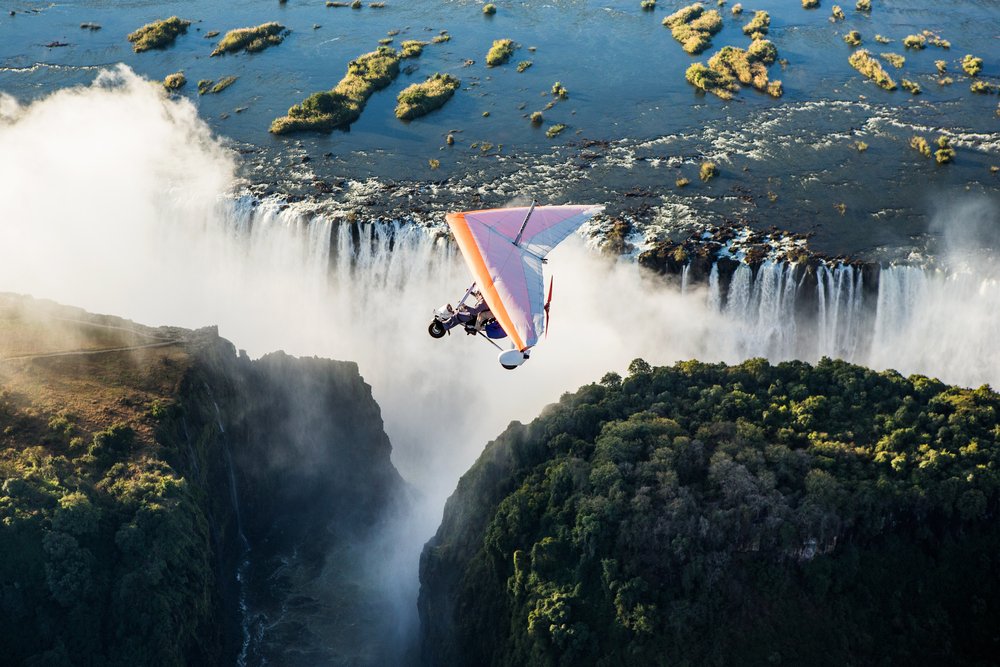
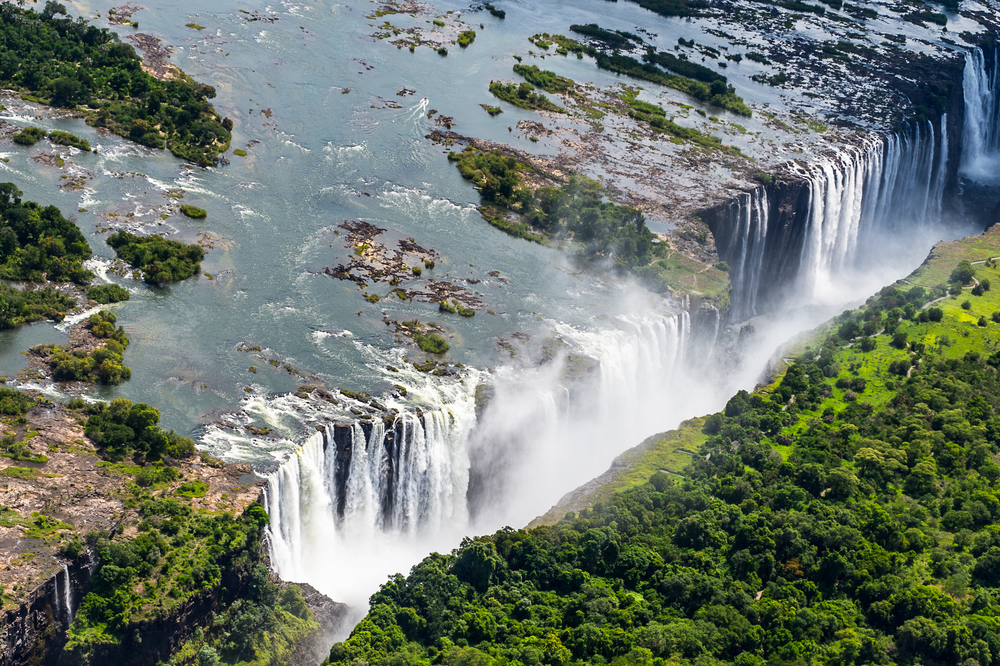
 Victoria Falls is the highlight of the national park. It is one of the Seven Natural Wonders of the World. Statistically speaking, it is the world’s largest waterfall and one of the most aesthetically beautiful falls as well.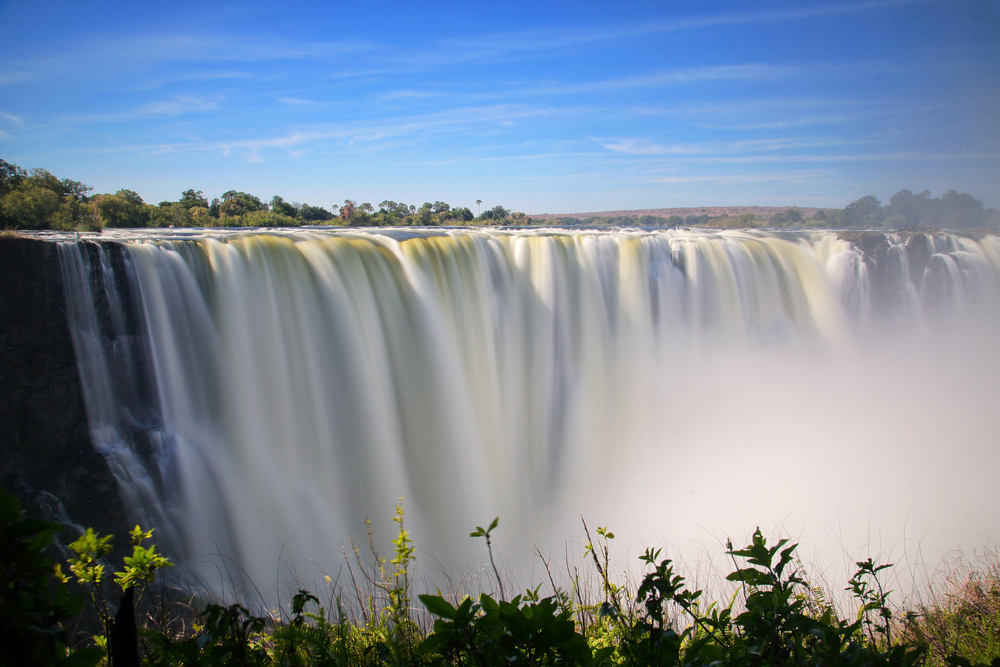
Things To Do
Engaging Victoria Falls
Victoria Falls National Park Trails
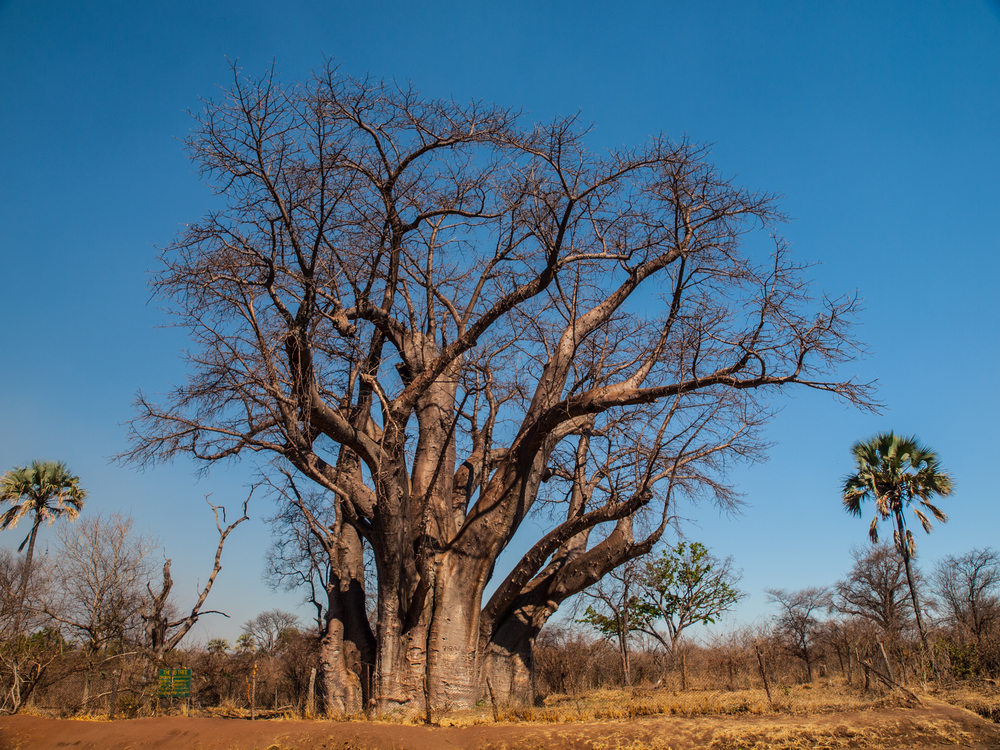
Victoria Falls on the Zimbabwean side is well paved and fairly accessible. There are some stairs, but apart from that just follow the path. There are no trails in the wilderness part of the park. This is accessed by a vehicle as you drive through the park with a chance to see wildlife as well as the protected enormous balboa tree.
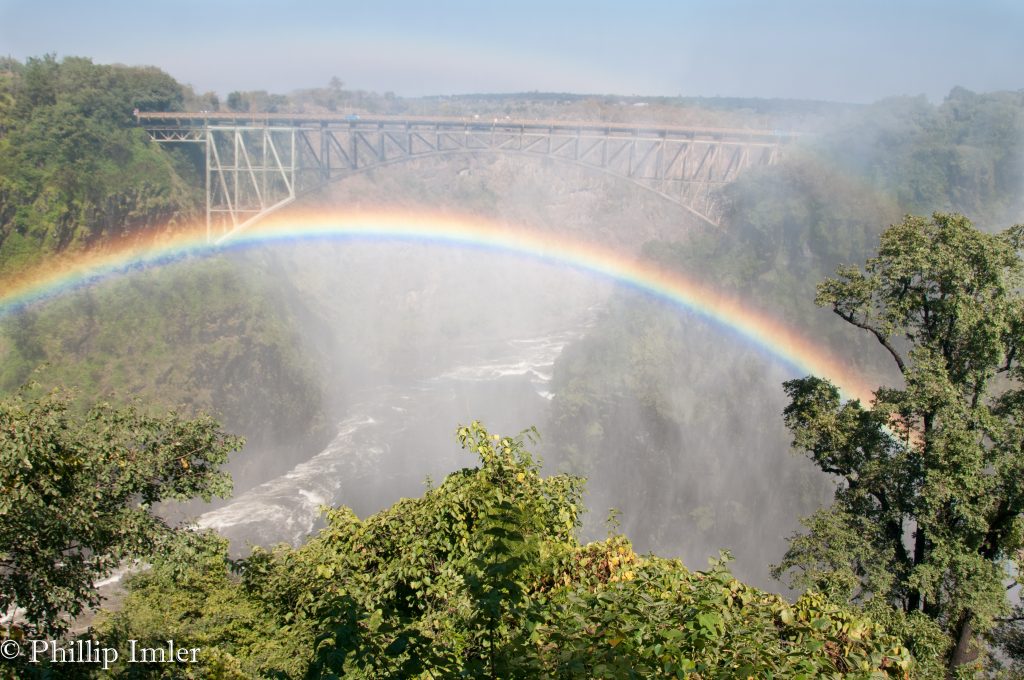
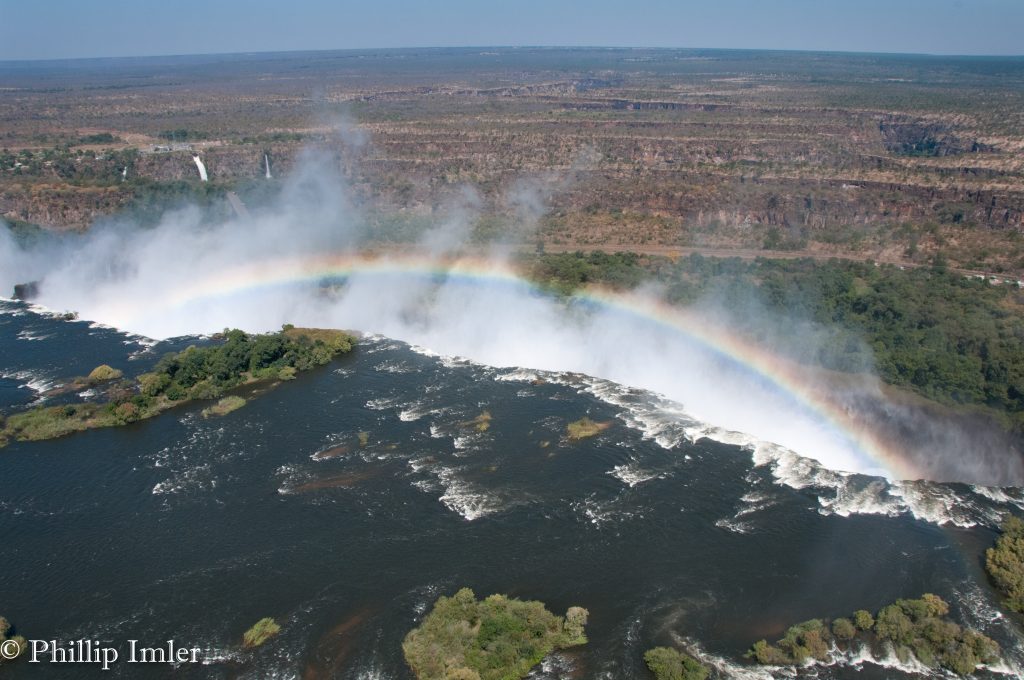
You can navigate the paved-trail fairly quickly, but you should probably allow for a couple of hours to really take in the falls, which are the reason that you came. Looking up the gorge and along the face of the falls is one of the most impressive views which is delivered along this trail. More than likely, you will see more than one rainbow hovering over the canyon.
There are guided walking safaris that allow you to explore the region on foot, but these are experiences are not really on traditional trails.

FAQ’s
How does Victoria Falls compare to other significant falls?
Victoria Falls, located on the Zambezi River on the border between Zambia and Zimbabwe, is one of the most significant waterfalls in the world. It is often compared to other notable waterfalls due to its impressive size, sheer volume of water, and dramatic beauty.
In terms of height, Victoria Falls is not the tallest waterfall in the world. It measures approximately 108 meters (354 feet) in height, making it shorter than waterfalls like Angel Falls in Venezuela, which boasts the world’s highest uninterrupted drop at 979 meters (3,212 feet). However, what sets Victoria Falls apart is its immense width. With a width of over 1,700 meters (5,600 feet), Victoria Falls is considered the largest curtain of falling water in the world, creating a breathtaking spectacle as the Zambezi River cascades over the edge.
Compared to other iconic waterfalls like Niagara Falls in North America and Iguazu Falls on the border of Argentina and Brazil, Victoria Falls is known for its natural beauty and pristine surroundings. Unlike Niagara Falls, which is heavily developed with tourist attractions and infrastructure, Victoria Falls retains much of its wilderness and offers visitors a more immersive and authentic experience of nature.
In terms of sheer volume of water, Victoria Falls is unmatched during the rainy season when the Zambezi River is in full flood. The falls can produce an astounding 500 million liters of water per minute, creating a thunderous roar and a towering cloud of mist that can be seen and felt from miles away.
Overall, while Victoria Falls may not hold the title of the tallest waterfall in the world, its combination of height, width, and volume of water, along with its stunning natural surroundings, make it one of the most awe-inspiring and iconic waterfalls on the planet.
Sources
- Britannica, Victoria Falls, https://www.britannica.com/place/Victoria-Falls-waterfall-Zambia-Zimbabwe, retrieved June 2020.
- Seven Natural Wonders, Victoria Falls, Seven Natural Wonders of the World, retrieved June 2020.
- UNESCO, Victoria Falls, https://whc.unesco.org/en/list/509/, retrieved July 2019.
- Victoria Falls Guide, https://www.victoriafalls-guide.net/victoria-falls-entrance.html, retrieved July 2019.
- Zimbabwe’s Parks and Wildlife Management, Victoria Falls, https://zimparks.org/parks/national-parks/victoria-falls/, retrieved June 2020.