About

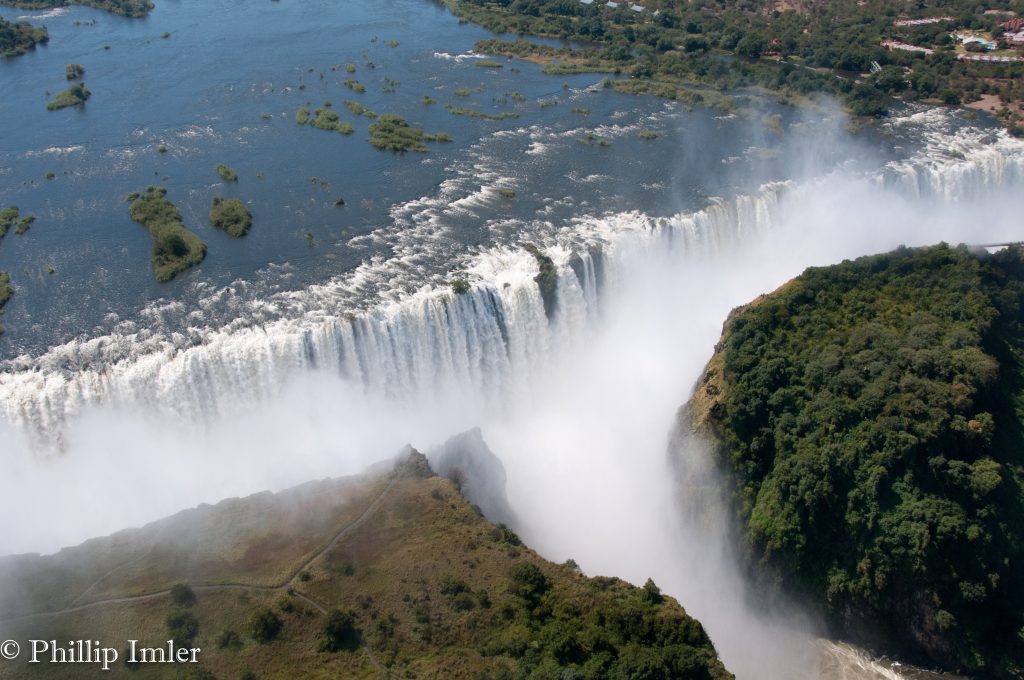
Mosi Oa Tunya National Park is the Zambia protected area of the shared Victoria Falls with Zimbabwe’s national park being Victoria Falls National Park.  The Zambian park covers an area of 9 square miles (23.4 sq km).

The name locally translates into, “The Smoke Which Thunders.”  Mosi-oa-Tunya National Park Falls are a UNESCO World Heritage site serving as home to Victoria Falls which is the largest waterfall in the world.

The national park is only 25 square miles (66 sq km) big.  Although Victoria Falls is the pinnacle of the park, visitors can take a half-day safari through the park and experience rhino, elephant, zebra, giraffe, wildebeest, buffalo, hippo, and crocodile are possible wildlife sightings in this small national park.

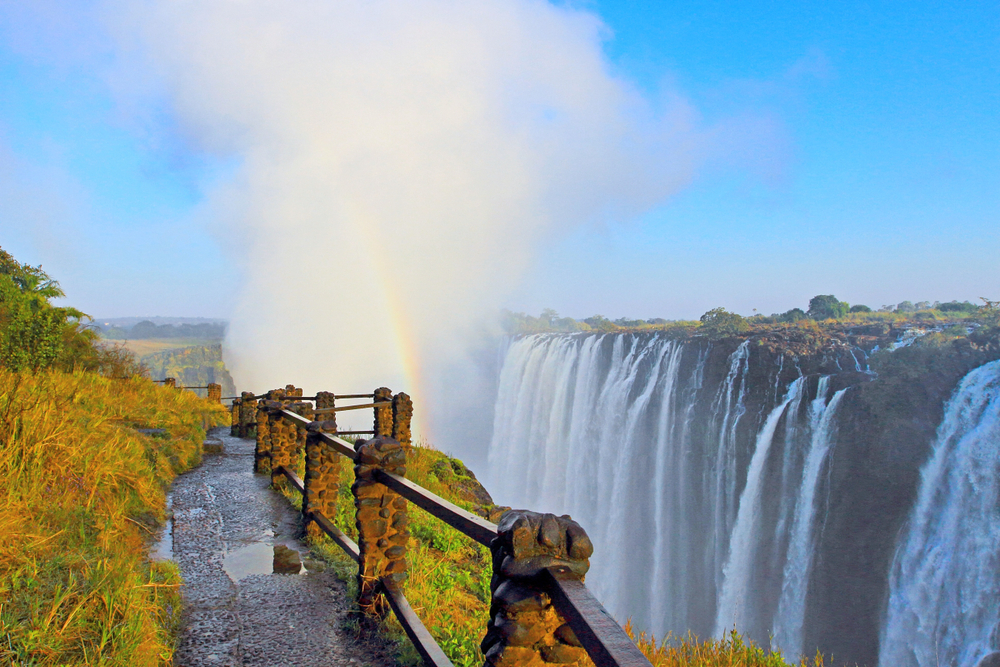
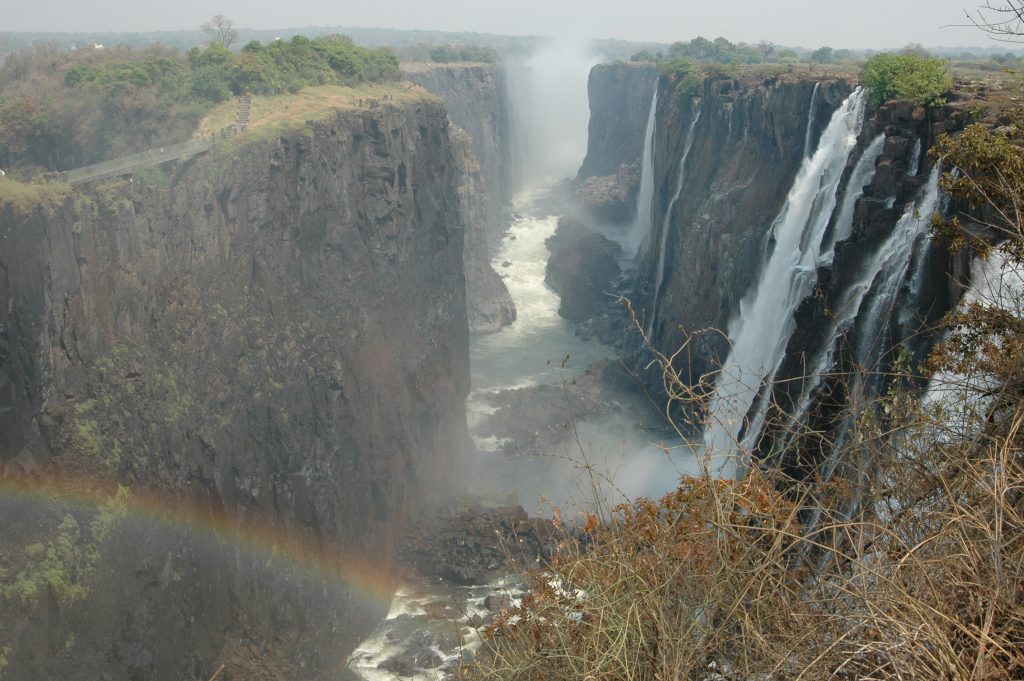
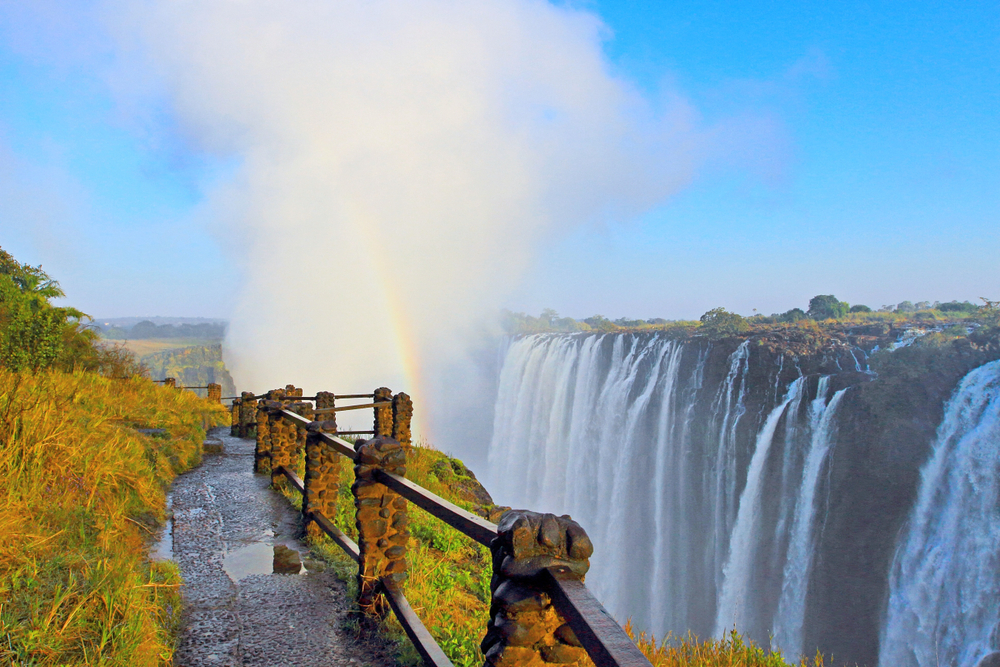
There are a number of ways to experience the falls on the Zambia side.  There are short trails that travel above the falls, however, the primary views come from the trail in the rainforest which is across the gorge facing into the falls.

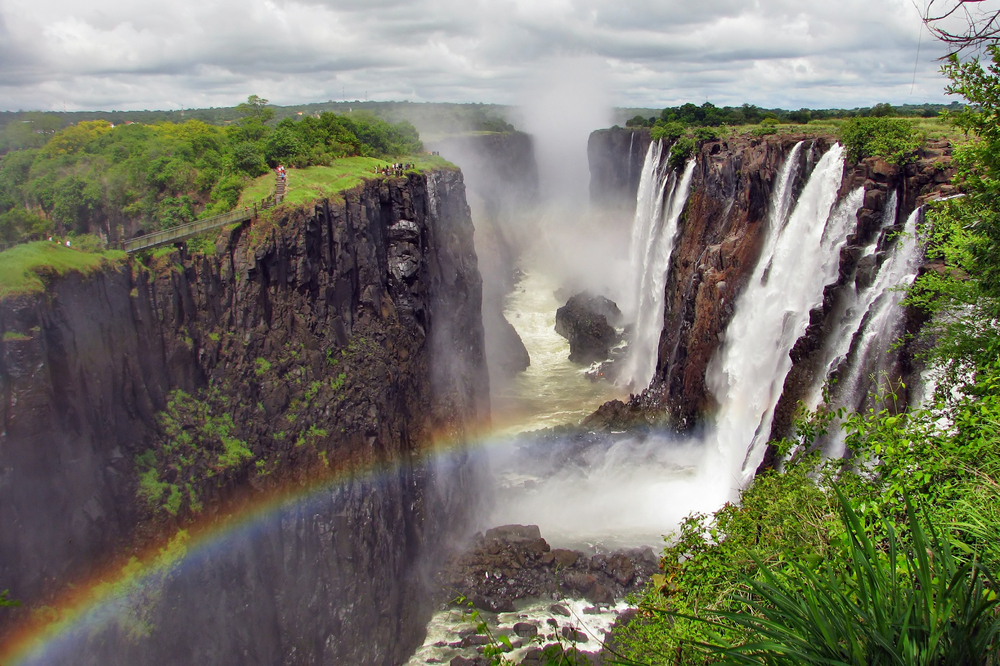
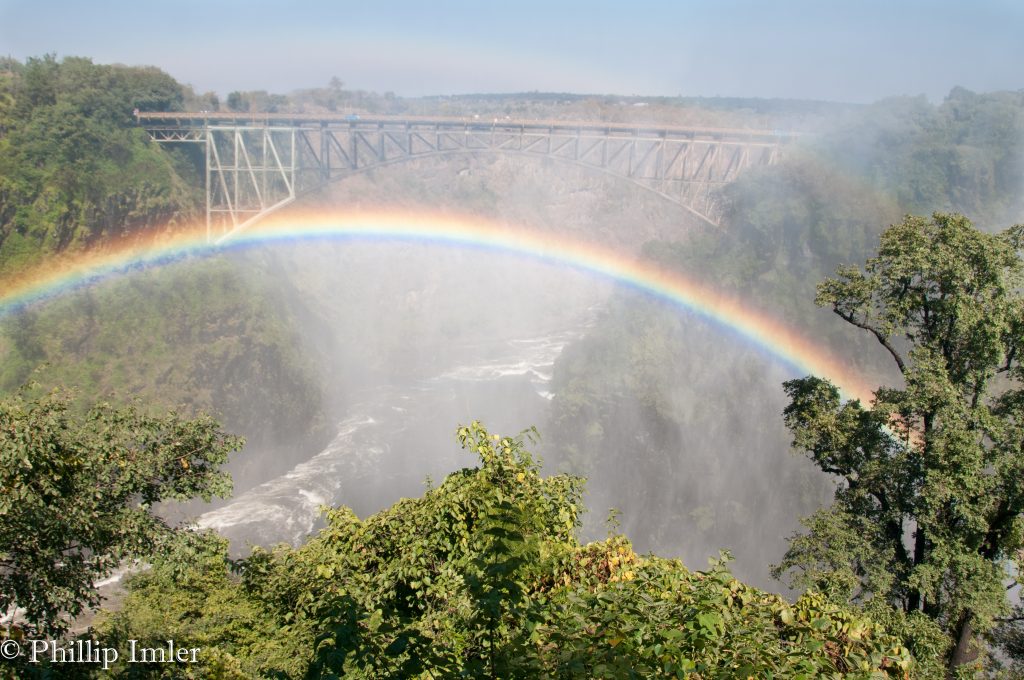
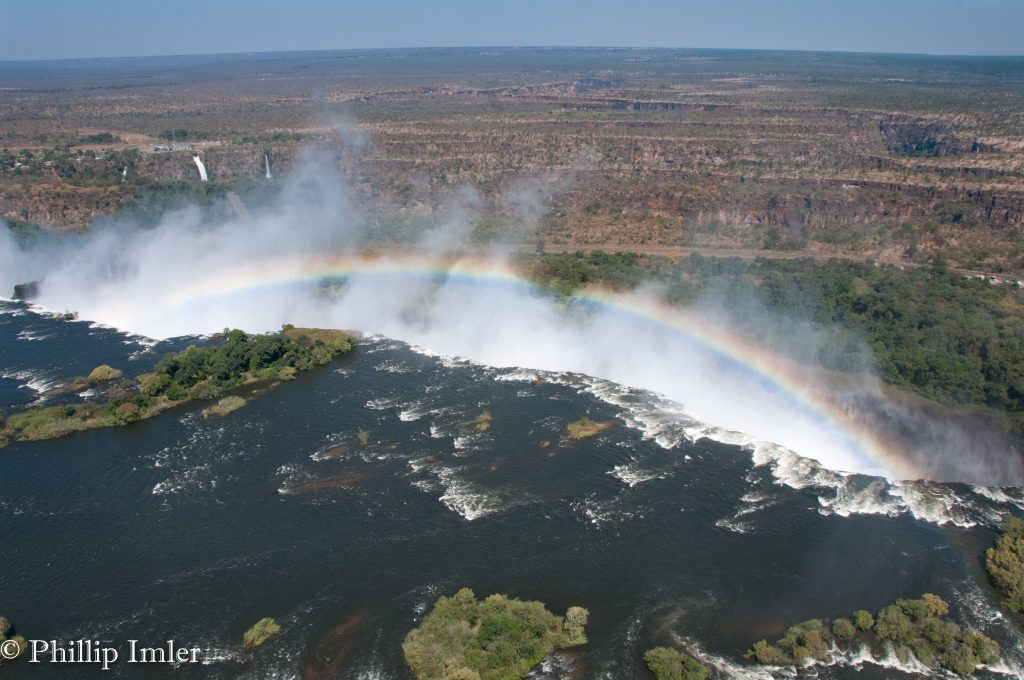
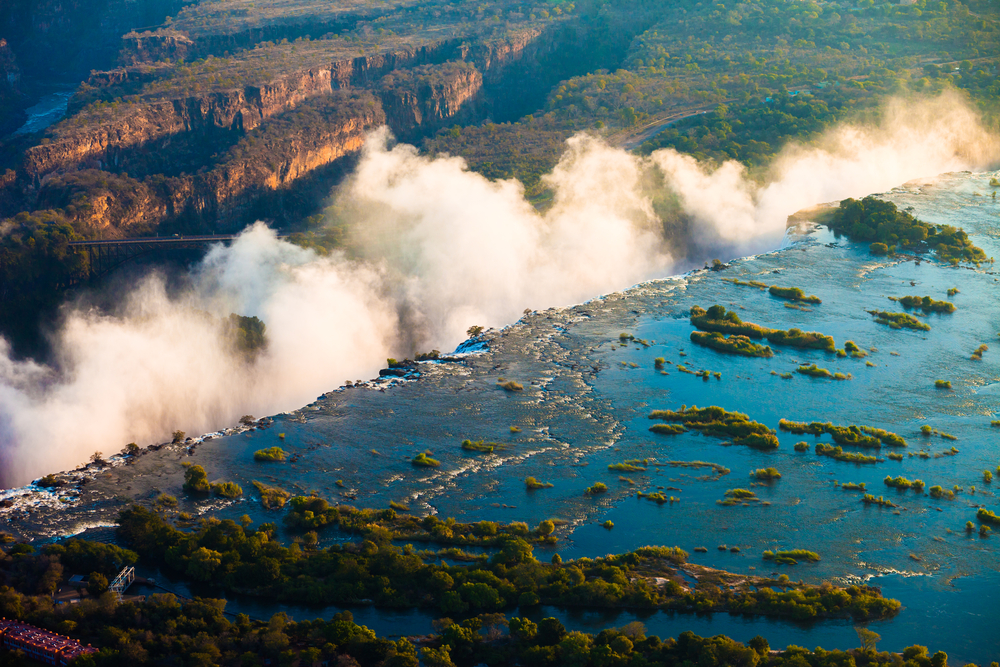
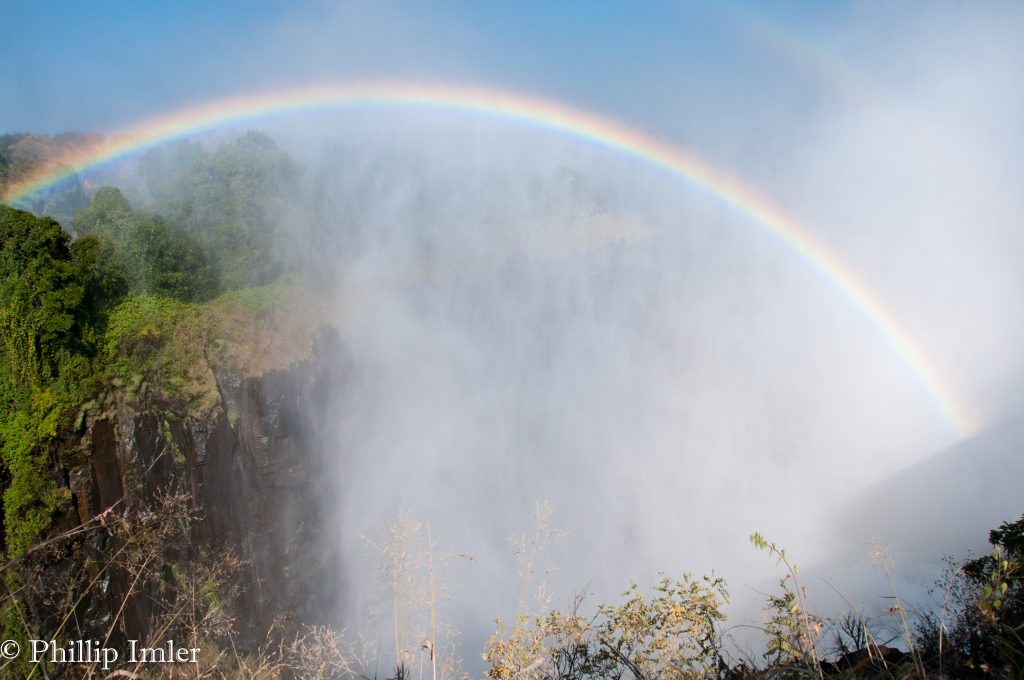
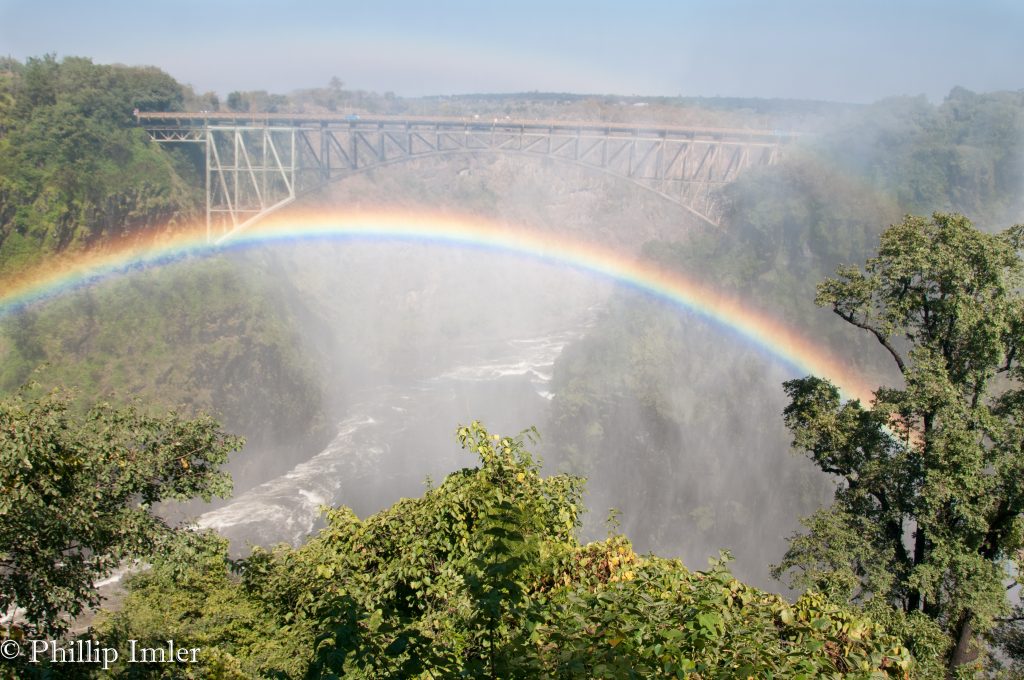
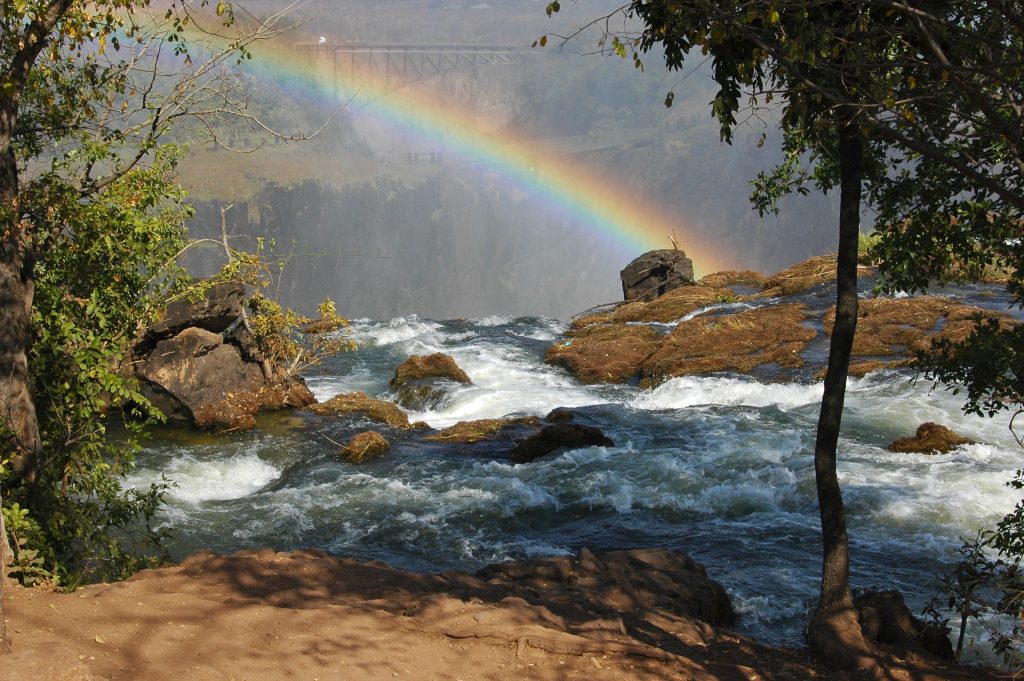
The falls plummet to the bottom of the gorge floor and then rise back up well over the falls, creating the smoke that thunders, and returns back down as rain.  This moisture creates the rainforest environment found only in that area.

Things to See

The number one attraction in Mosi-oa-Tunya National Park is Victoria Falls and often the reason travelers visit Zambia.  On the Zambia side, visitors have an opportunity to experience the rainforest side of the gorge as well as see the face of Victoria Falls.

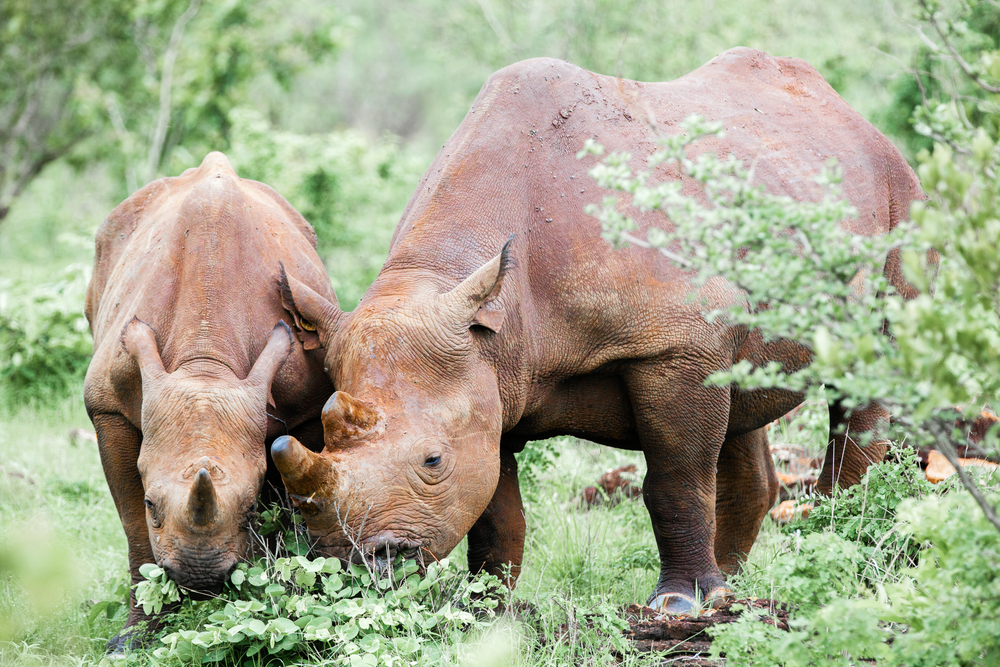
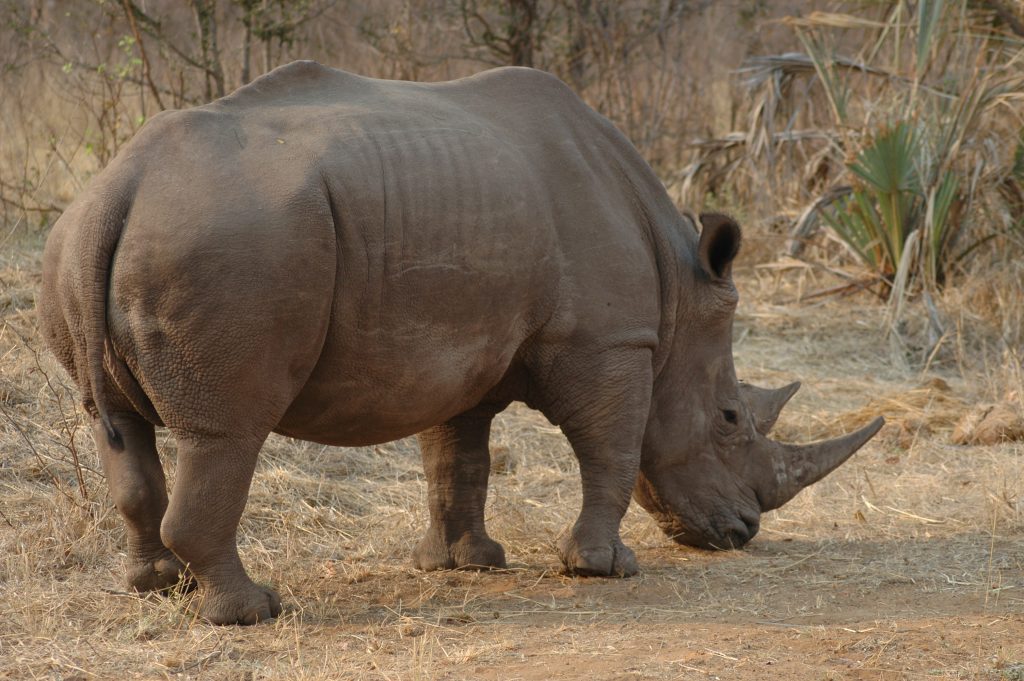
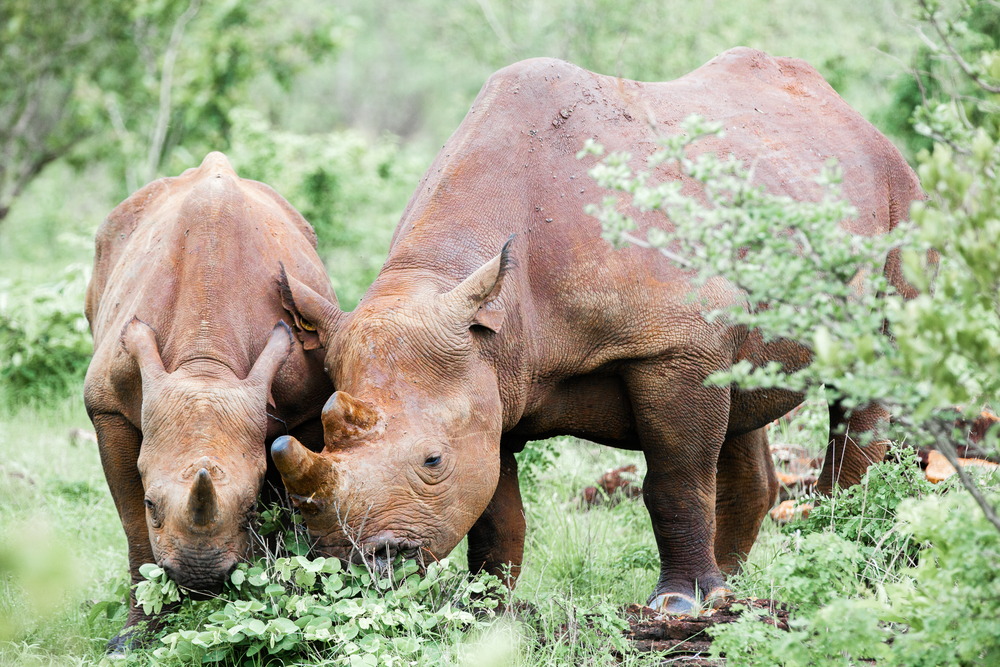
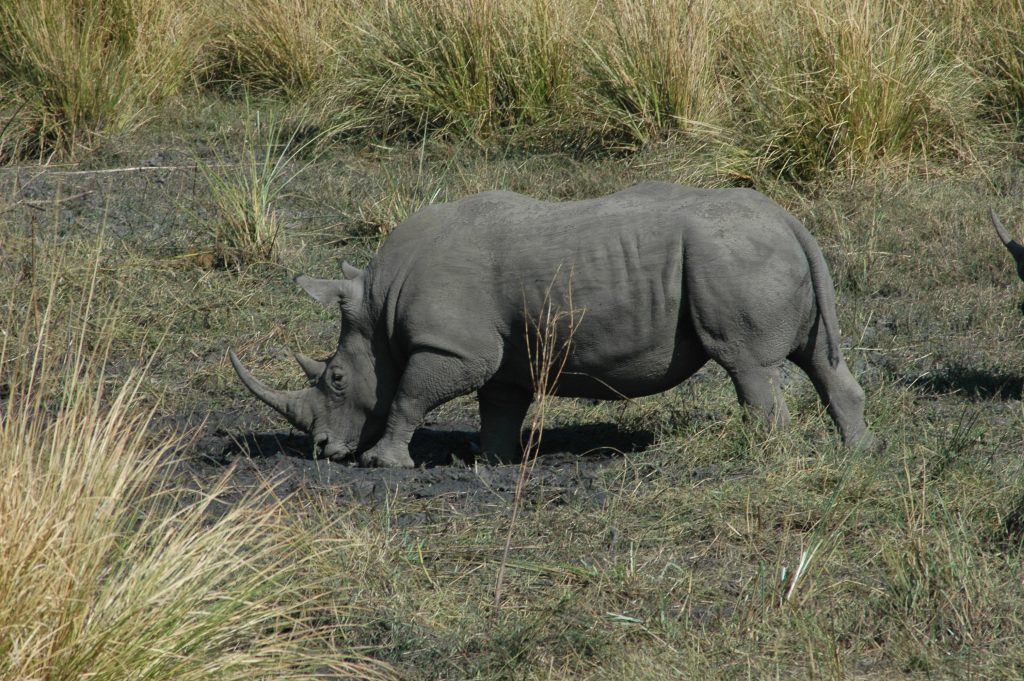
Mosi-oa-Tunya National Park does offer visitors game safari drives.  Sighting one of the few rhinos that call the park home is a highlight.  These rhinos are guarded 24 hours a day 7 days a week by armed guards.
Victoria Falls

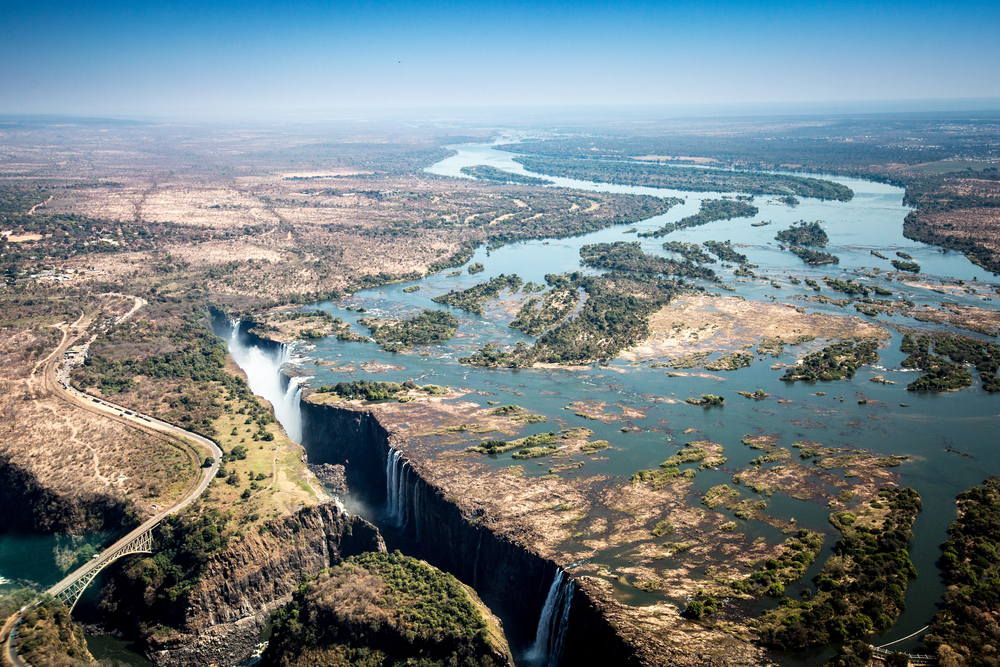
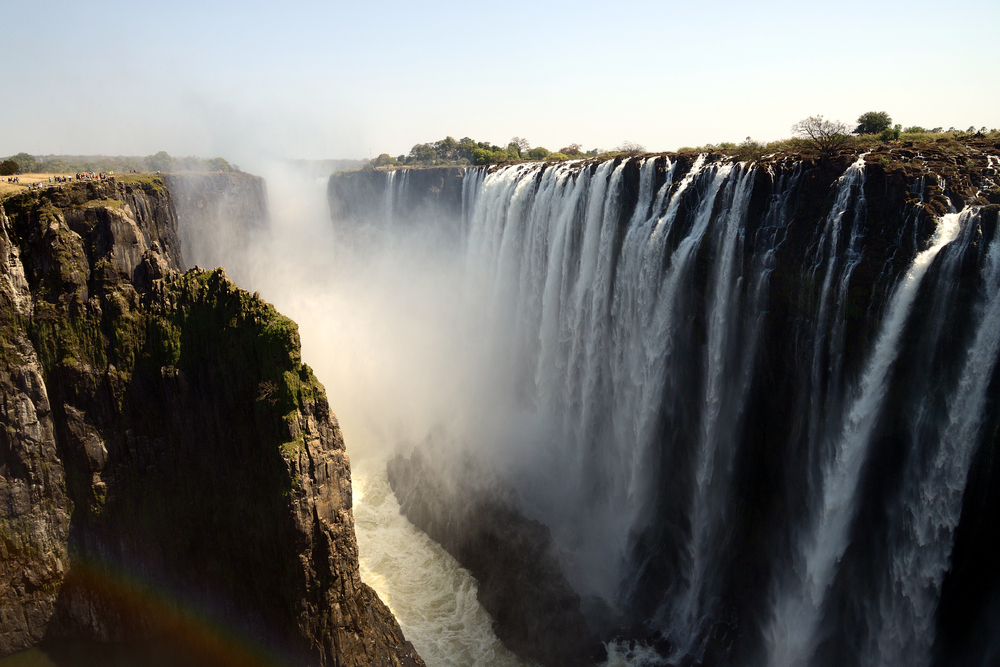
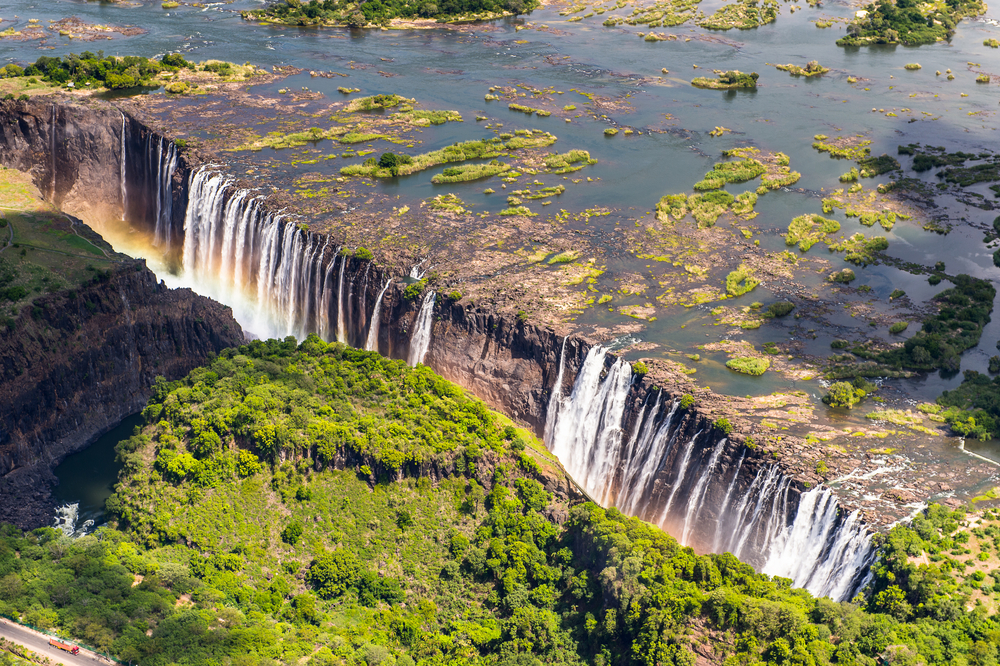
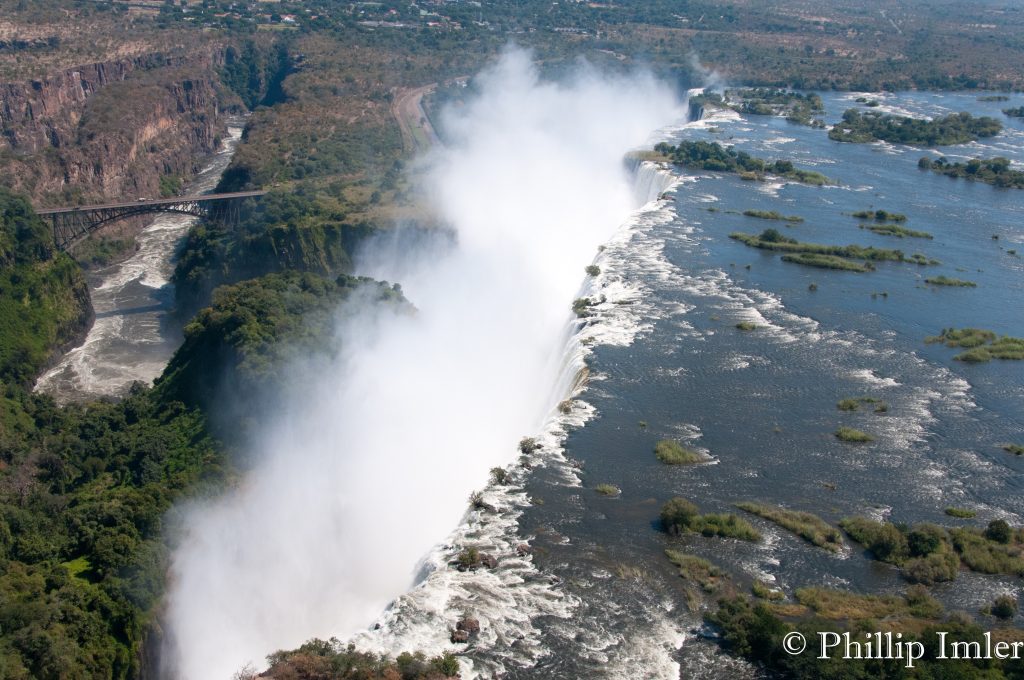
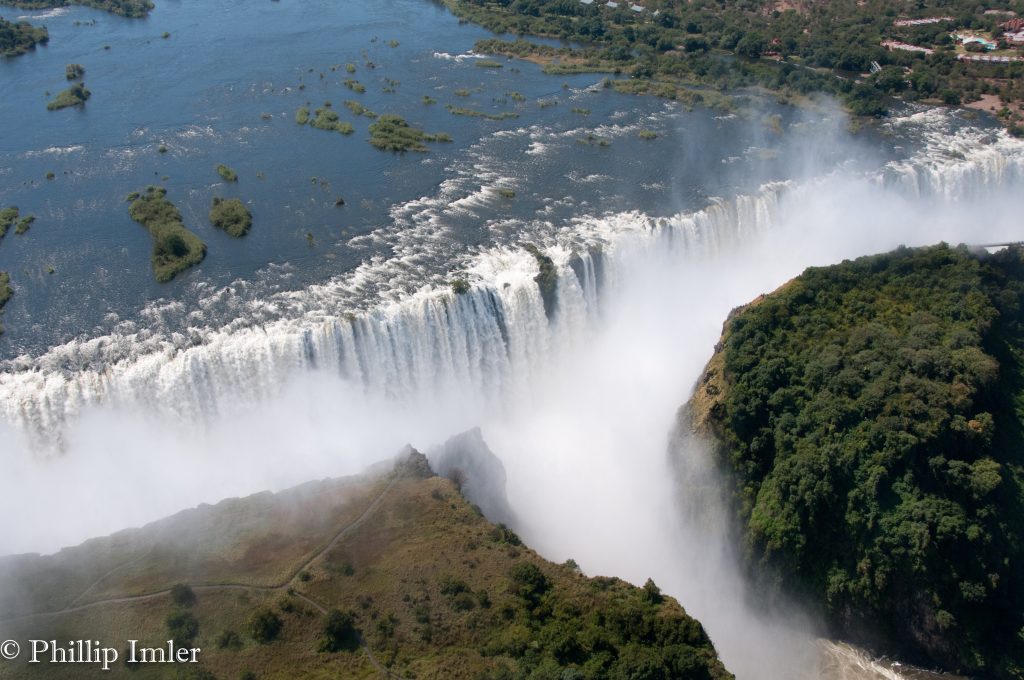
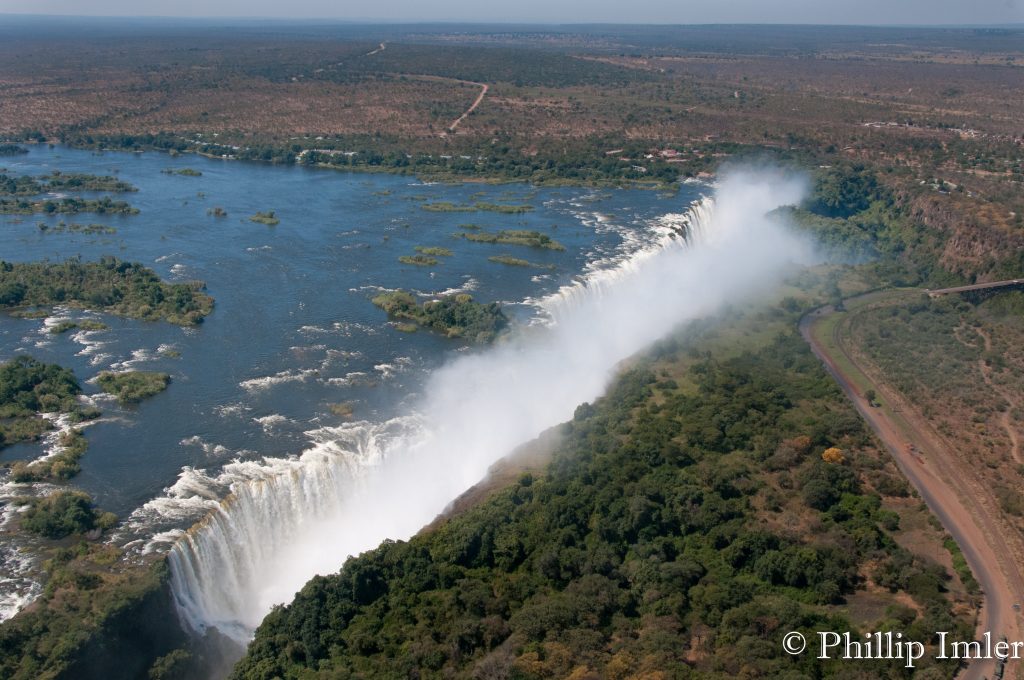
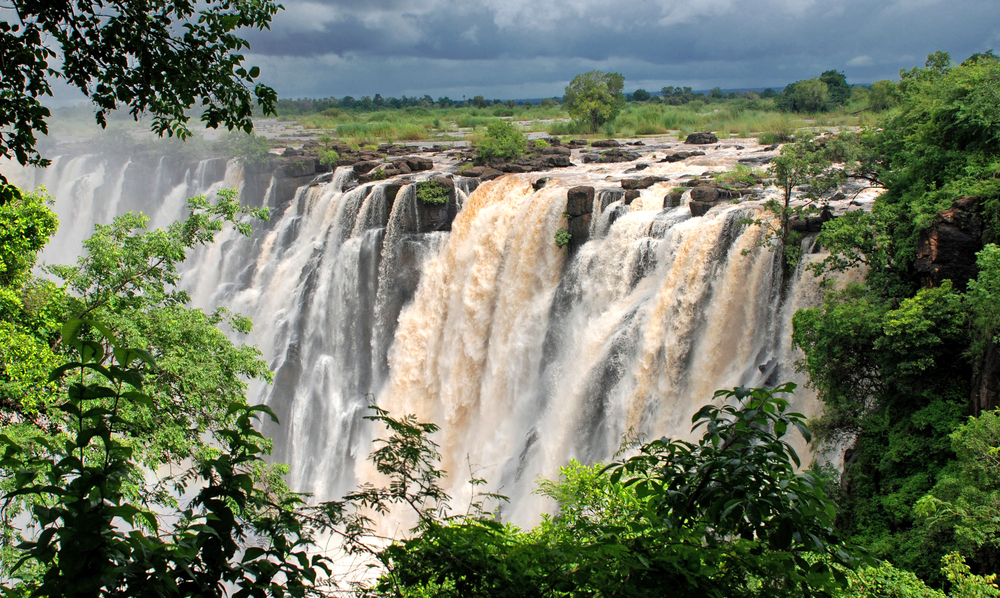
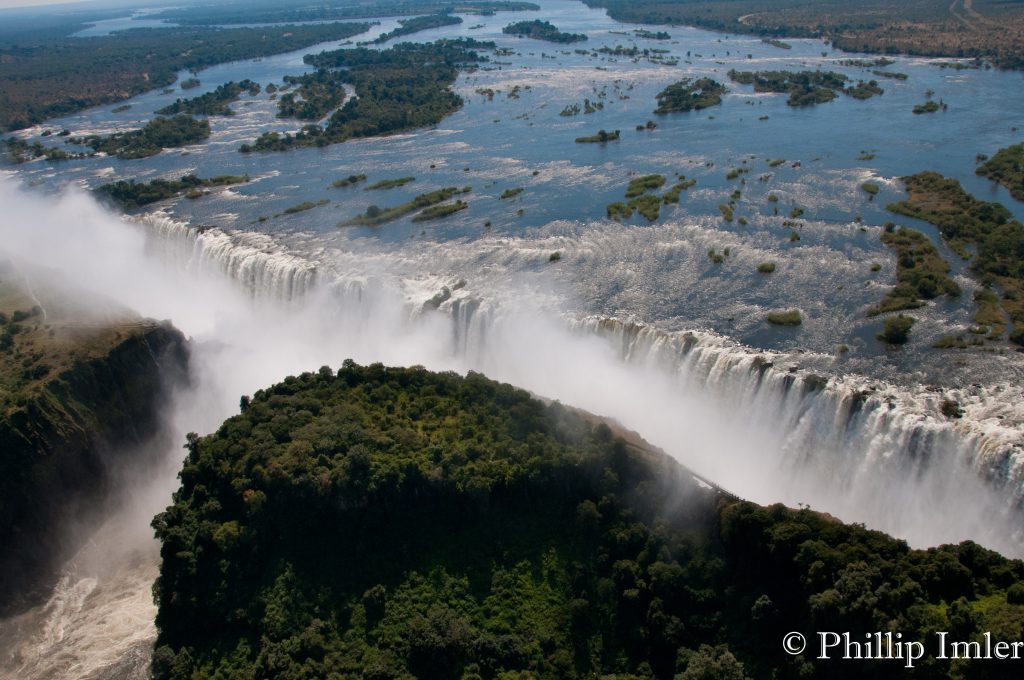
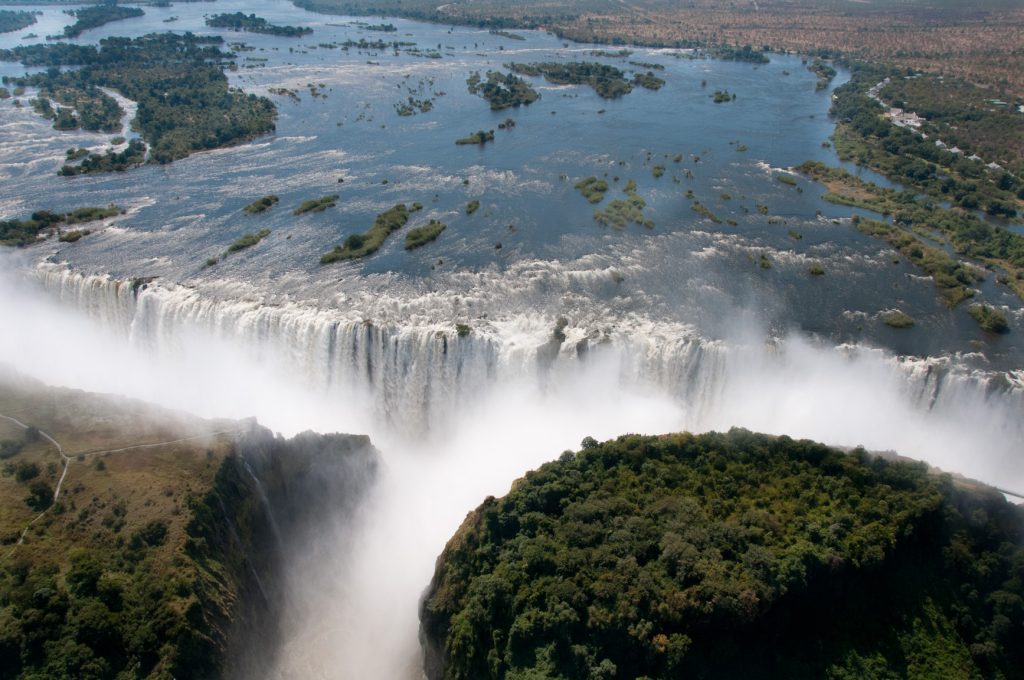
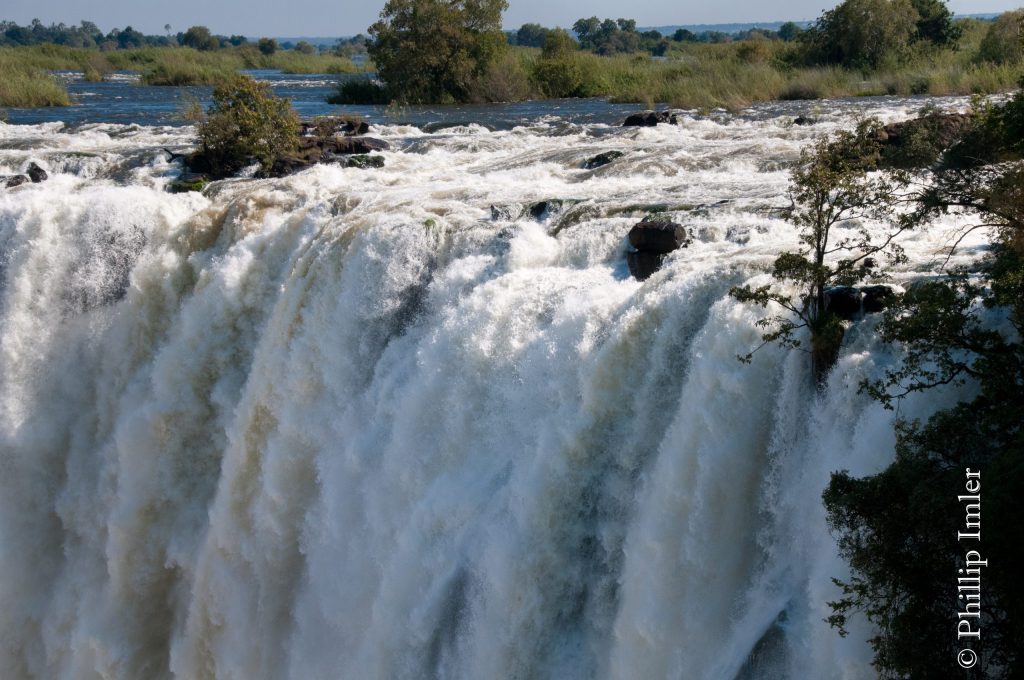
Victoria Falls is the highlight of the national park and for all the right reasons.  It is the largest waterfall in the world based on measuring a single sheet of water.  The falls measure 1-mile (1.7 km) across and have a height of 360 feet (108 m) creating the largest single waterfall in the water.

Accordingly, Victoria Falls is one of the Seven Natural Wonders of the World and the Ambassador wonder to the Seven Natural Wonders of Africa.  It is the pinnacle attraction of both the national park and the country.

A World Wonder

A World Wonder

Victoria Falls, one of the Seven Natural Wonders of the World, is a breathtaking spectacle located on the Zambezi River between Zambia and Zimbabwe.

It spans approximately 5,604 feet (1,708 meters) wide and plunges to a height of around 354 feet (108 meters), making it the largest curtain of falling water on the planet. Known locally as “Mosi-oa-Tunya,” meaning “The Smoke That Thunders,” the falls emit a majestic roar and create a misty spray that can be seen from miles away.

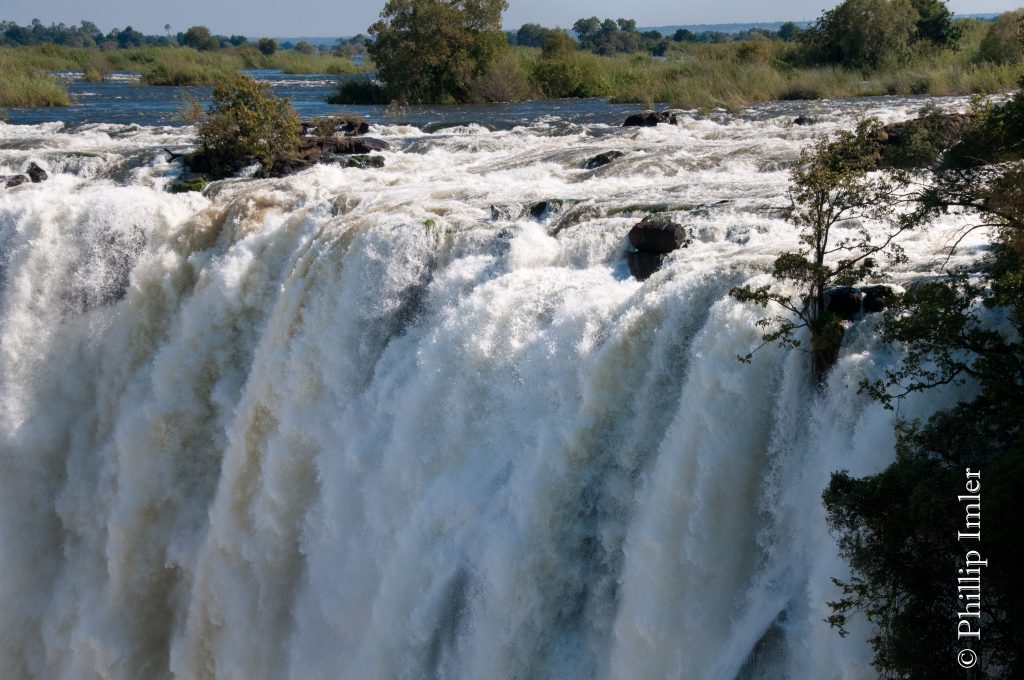
During the peak flow season from February to May, the Zambezi River cascades over the precipice with tremendous force, creating a mesmerizing display of nature’s power and beauty that leaves visitors in awe of its grandeur.

Falls Dry Season

Falls Dry Season

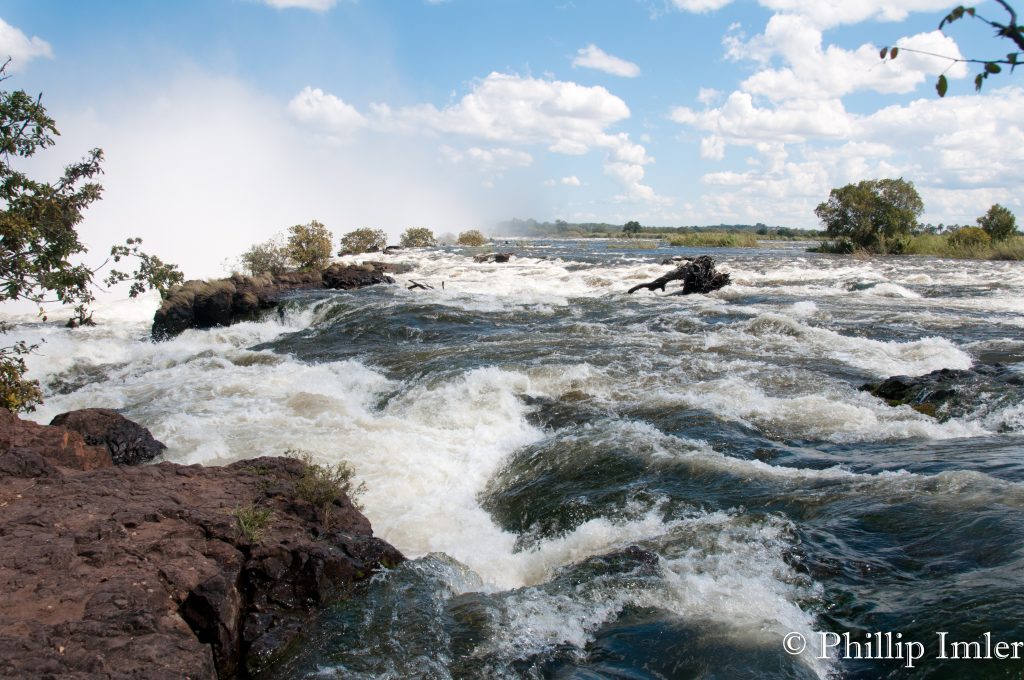
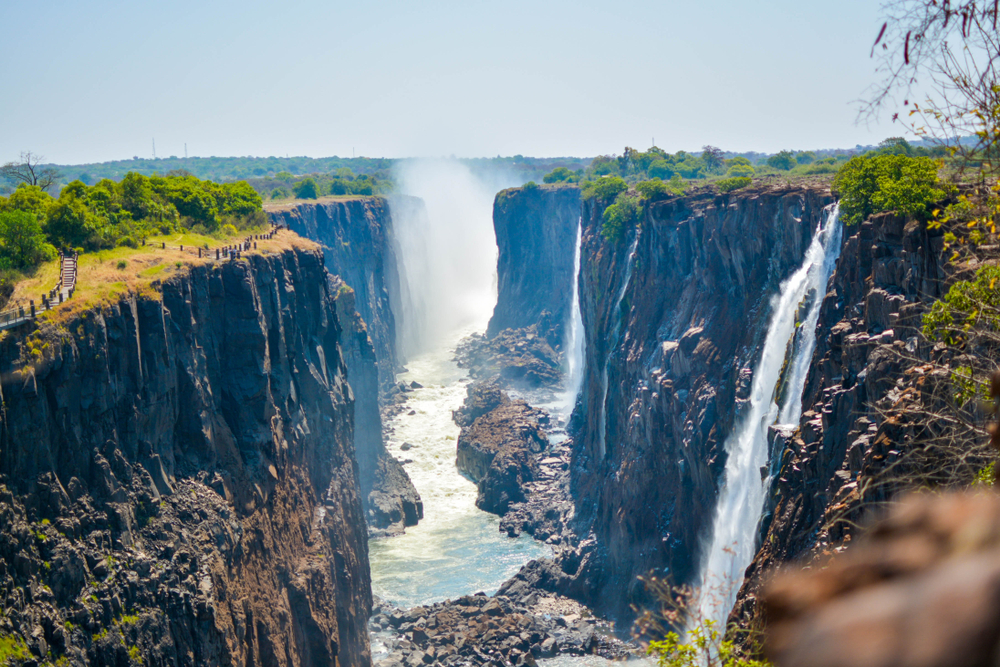
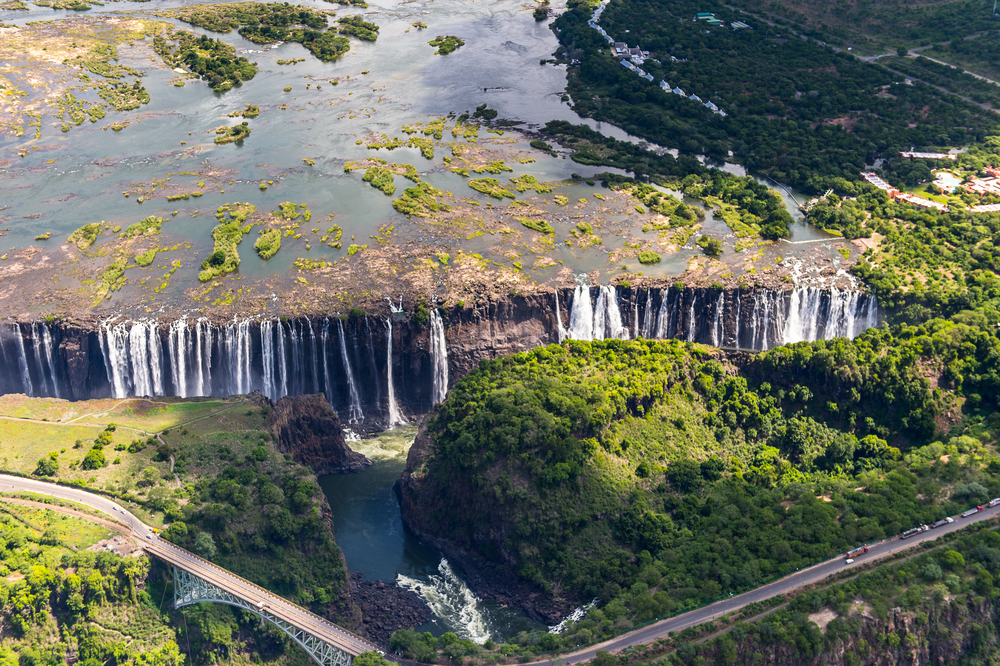
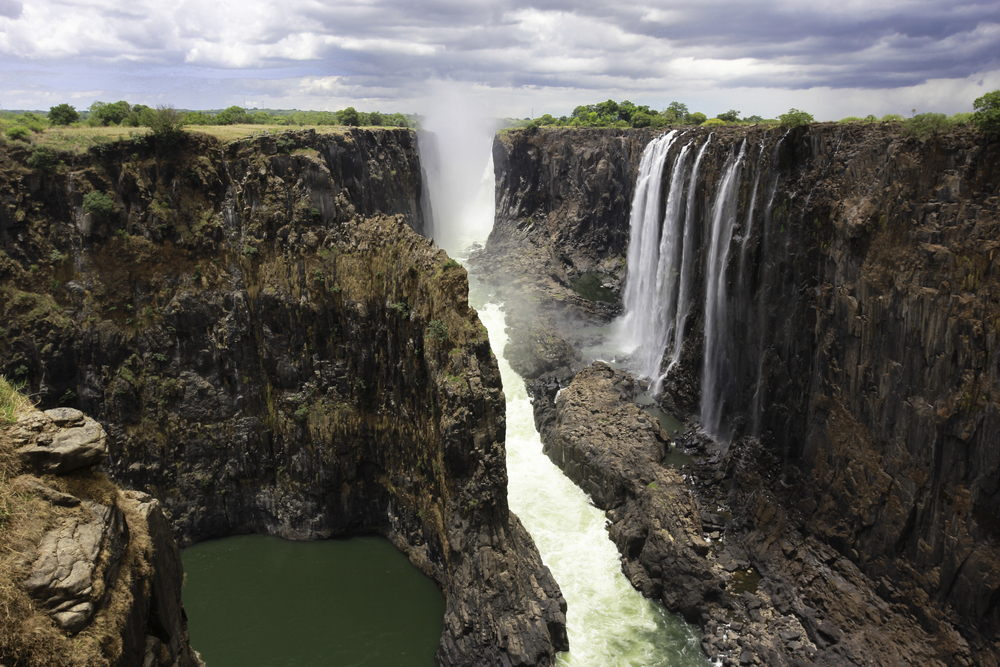
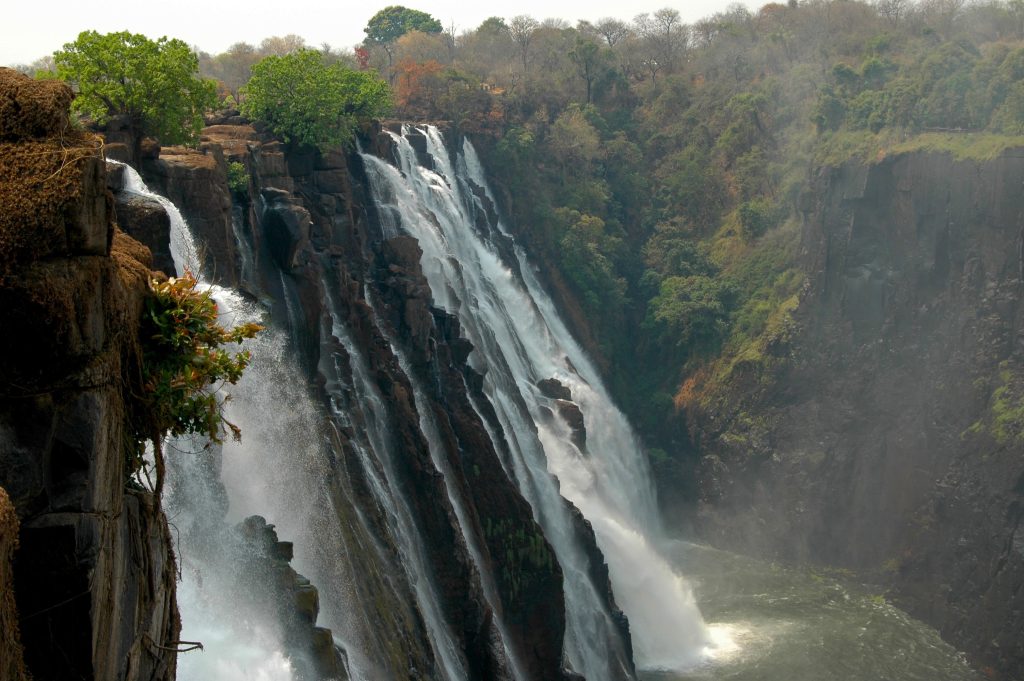
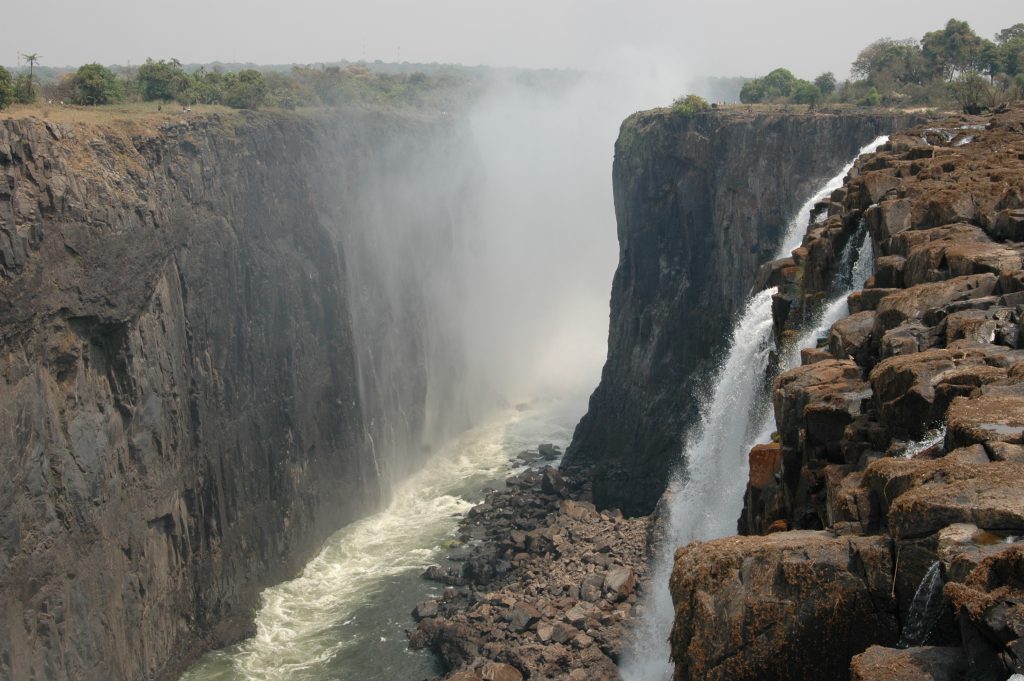
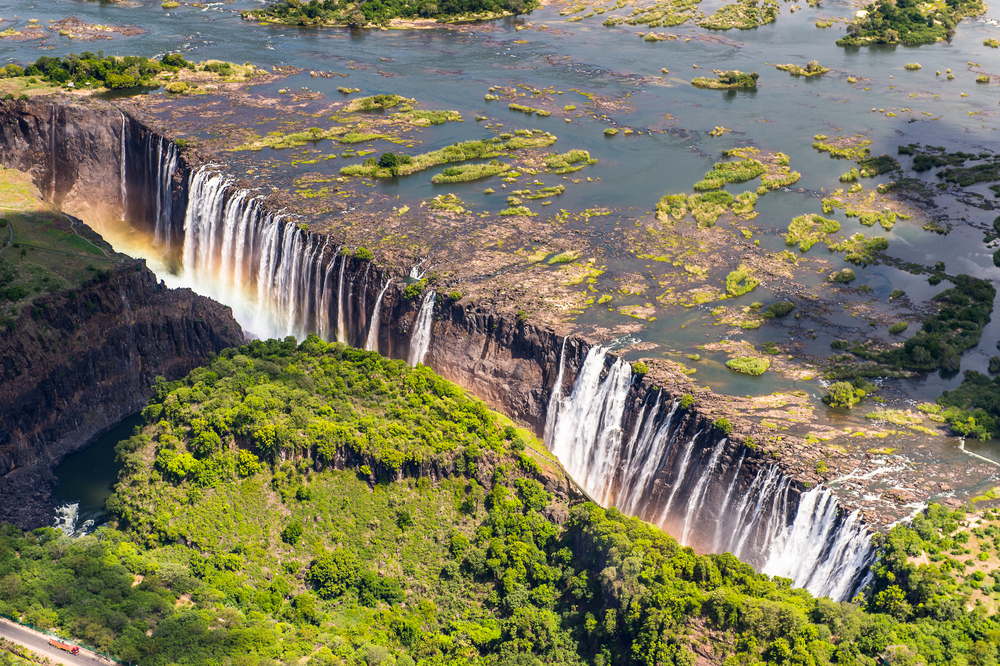
During the dry season, Victoria Falls offers a striking contrast to its torrential flow during the wet season. With reduced water volume, typically from September to December, the falls’ width contracts to about 1,708 meters (5,604 feet), and its height remains approximately 108 meters (354 feet).

The decreased flow exposes more of the underlying rock formations, allowing visitors to witness the geological marvels carved by centuries of water erosion. The diminished spray also offers clearer views of the falls and surrounding landscapes, making it an ideal time for photography and sightseeing.

Adventurous travelers can explore the naturally formed rock pools and channels, and during periods of low water, some daredevils even venture to walk across the top of the falls, although it’s a highly risky and strictly prohibited activity due to the extreme danger involved.

Predators

Predators

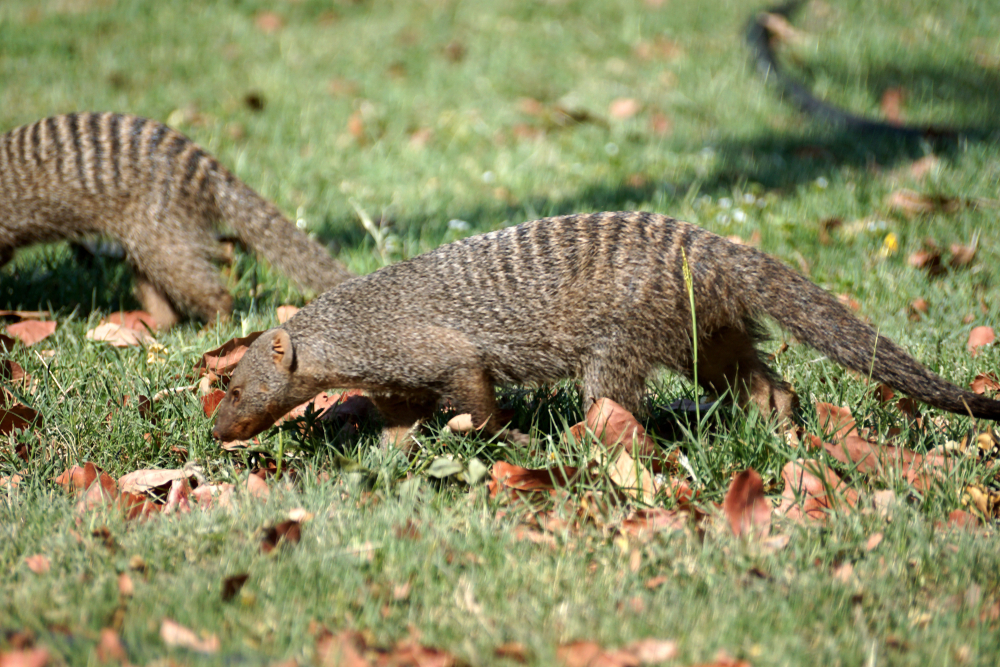
Mosi-oa-Tunya, also known as Victoria Falls, is home to a variety of wildlife species however it is not known for having the popular predator species like lions and leopards.

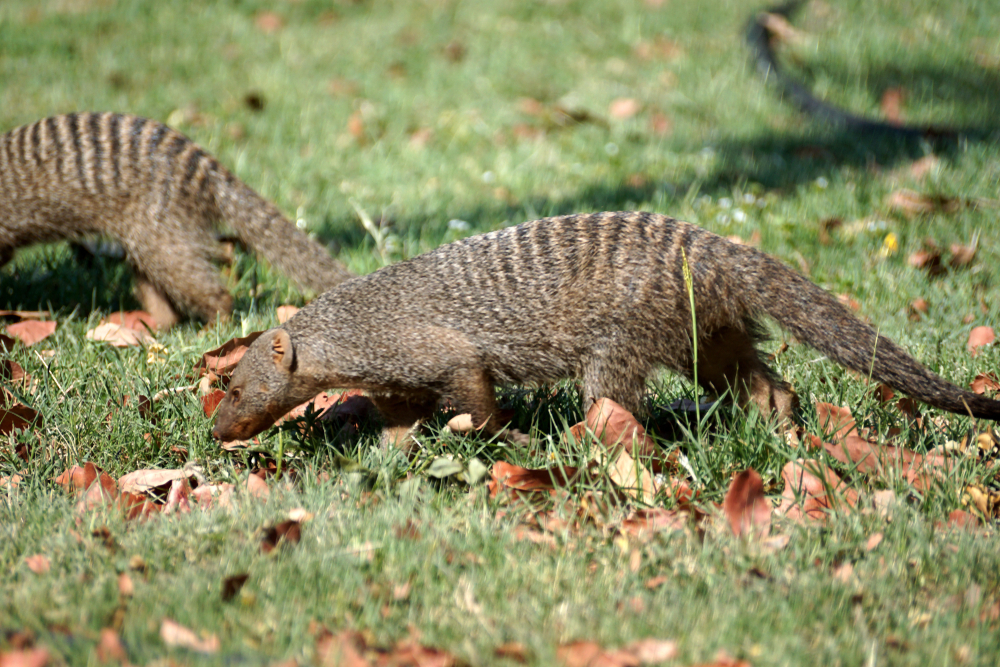
You might see smaller predators like the crafty mongoose.

The park is small, however it still delivers biodiversity and a balance of wildlife encounters, showcasing the dynamic interactions between the wonders of the falls and the iconic African wilderness.

Popular

Popular

Mosi-oa-Tunya National Park, also known as Victoria Falls, is renowned for its rich biodiversity, offering visitors the chance to encounter a variety of iconic African wildlife species. Among the most popular wildlife species found in the park are:

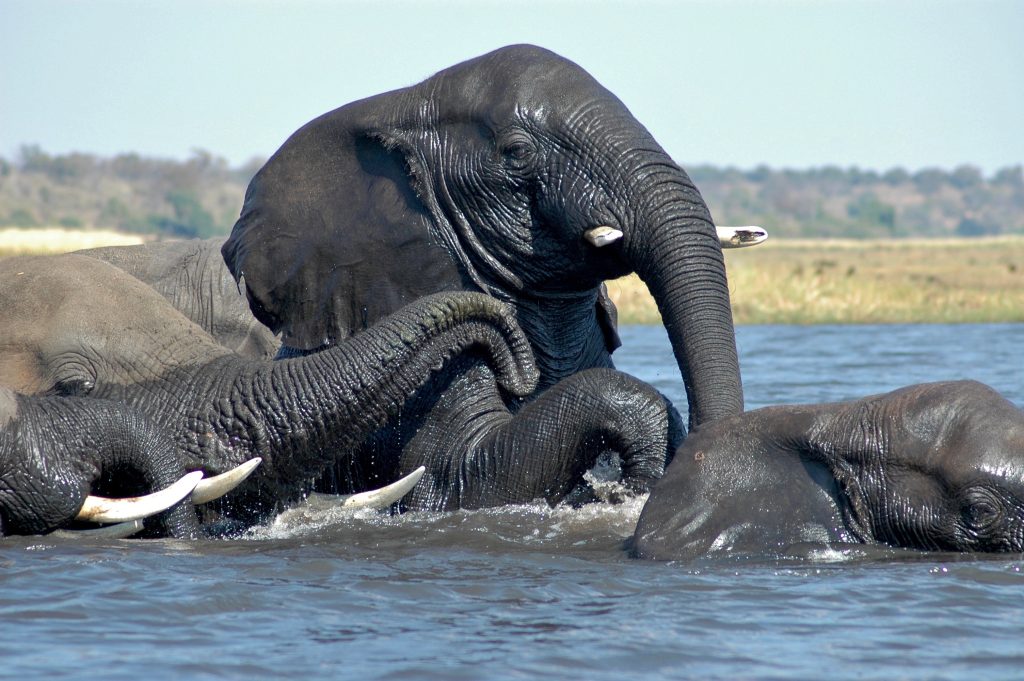
  1. African Elephant (Loxodonta africana): These gentle giants are the largest land animals on Earth and are often spotted roaming the park in family groups. They play a crucial role in shaping the landscape and are a highlight of any safari experience.
  2. Cape Buffalo (Syncerus caffer): Known for their imposing stature and formidable horns, Cape buffalo are among the Big Five game animals. They gather in large herds and are often seen grazing on the park’s grasslands and riverbanks.
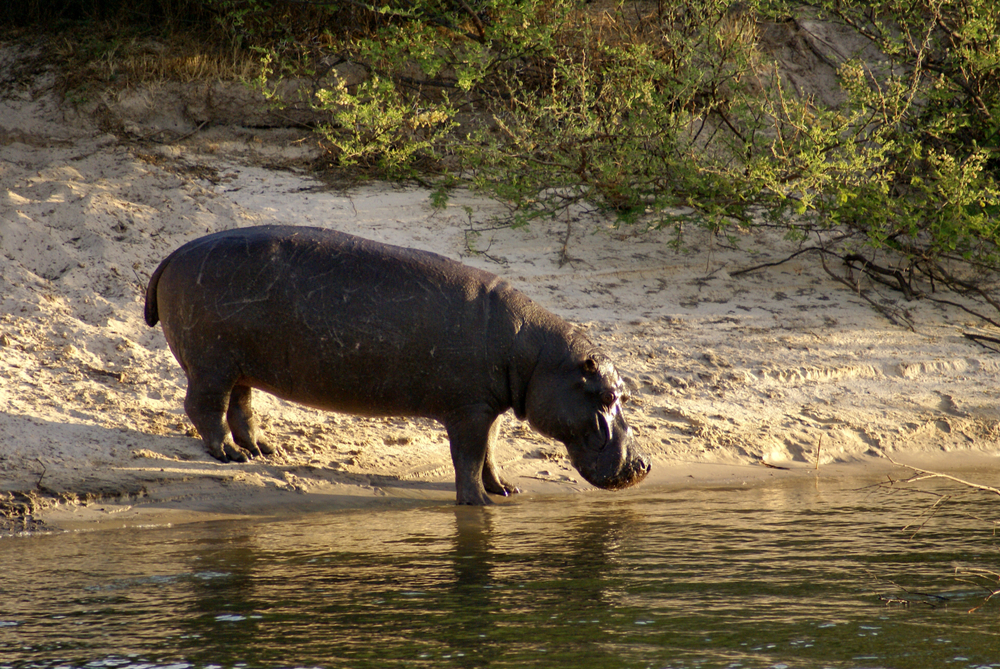
  3. Hippopotamus (Hippopotamus amphibius): Found in the park’s waterways and wetlands, hippos spend much of their time submerged to keep cool. Despite their herbivorous diet, they are considered one of Africa’s most dangerous animals due to their territorial behavior.
  4. Nile Crocodile (Crocodylus niloticus): These ancient reptiles inhabit the rivers and pools of Mosi-oa-Tunya, where they lurk beneath the surface, waiting to ambush prey. Nile crocodiles are formidable predators capable of taking down large mammals and are a sight to behold during boat safaris.
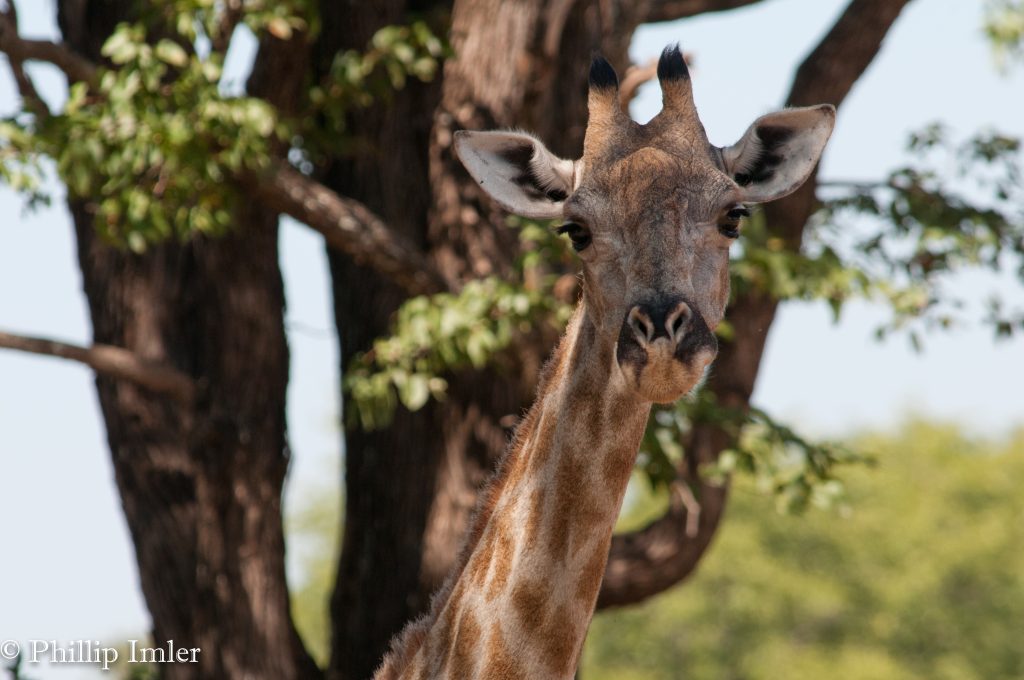
  5. Giraffe (Giraffa camelopardalis): With their towering necks and distinctive spotted coats, giraffes are iconic symbols of the African savanna. Mosi-oa-Tunya is home to both Masai and southern giraffe subspecies, which can often be seen browsing on acacia trees.
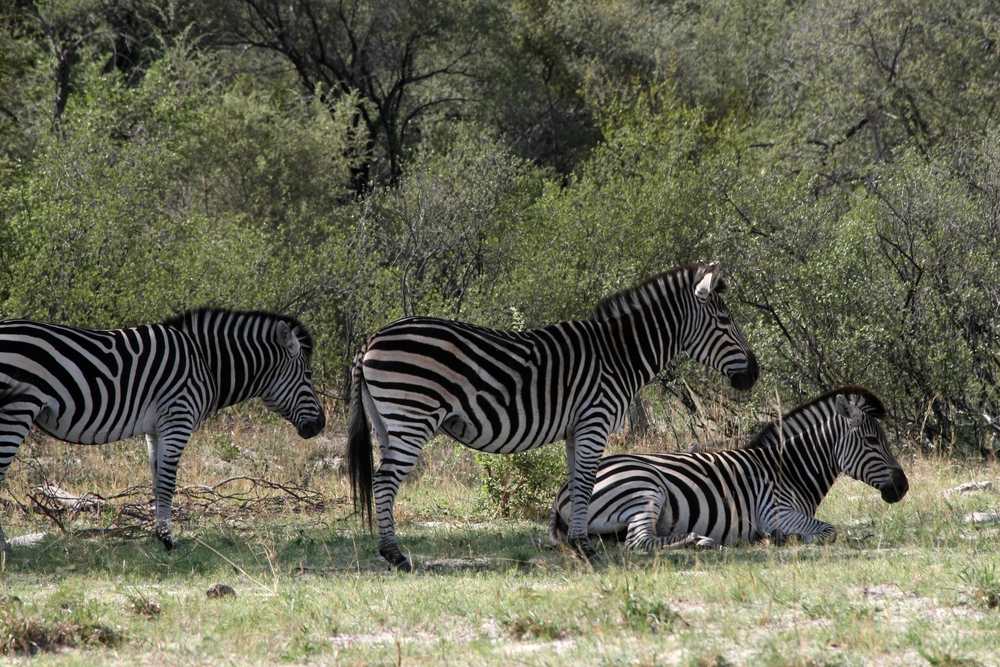
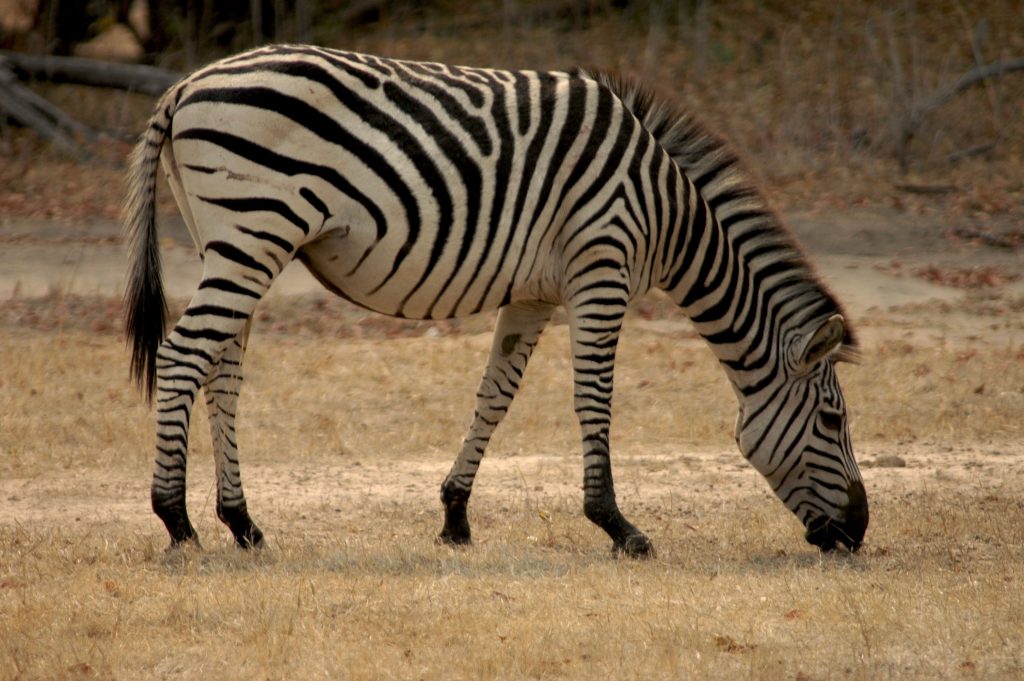
  6. Zebra (Equus zebra): The striking black-and-white stripes of zebras make them instantly recognizable. These social herbivores form tight-knit groups and are frequently seen grazing alongside other plains game species in the park.
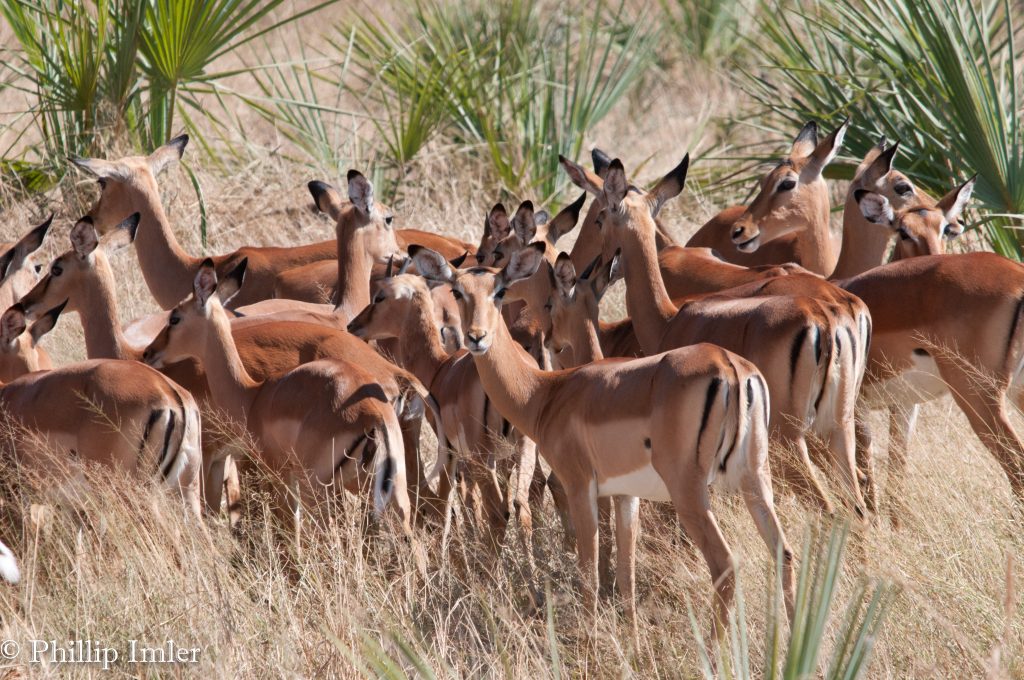
  7. Impala (Aepyceros melampus): Impalas are elegant antelopes known for their leaping ability and graceful movements. They are one of the most abundant antelope species in Africa and are a staple prey item for many predators in the park.
  8. Baboon (Papio spp.): These highly social primates are often seen foraging for food or grooming each other in large troops. They are known for their intelligence and adaptability to various habitats.

These are just a few examples of the diverse wildlife that calls Mosi-oa-Tunya National Park home, offering visitors unforgettable encounters with some of Africa’s most iconic species.

Things To Do

The main attraction in Mosi-oa-Tunya National Park is Victoria Falls.  As noted above, there are multiple trails and opportunities for exploring Victoria Falls, however, that is not the only thing to do in Mosi-oa-Tunya National Park.  There are a number of exciting activities that help you engage the wildlife, the scenery, and the majestic nature of Victoria Falls itself.

Some of the more popular activities in and around the park include the following:
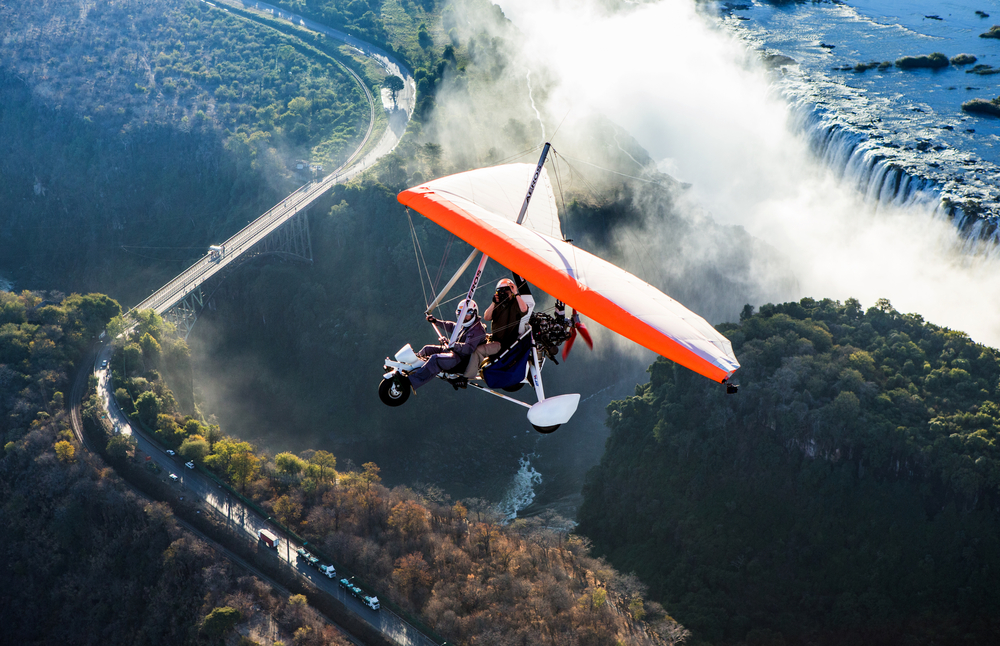
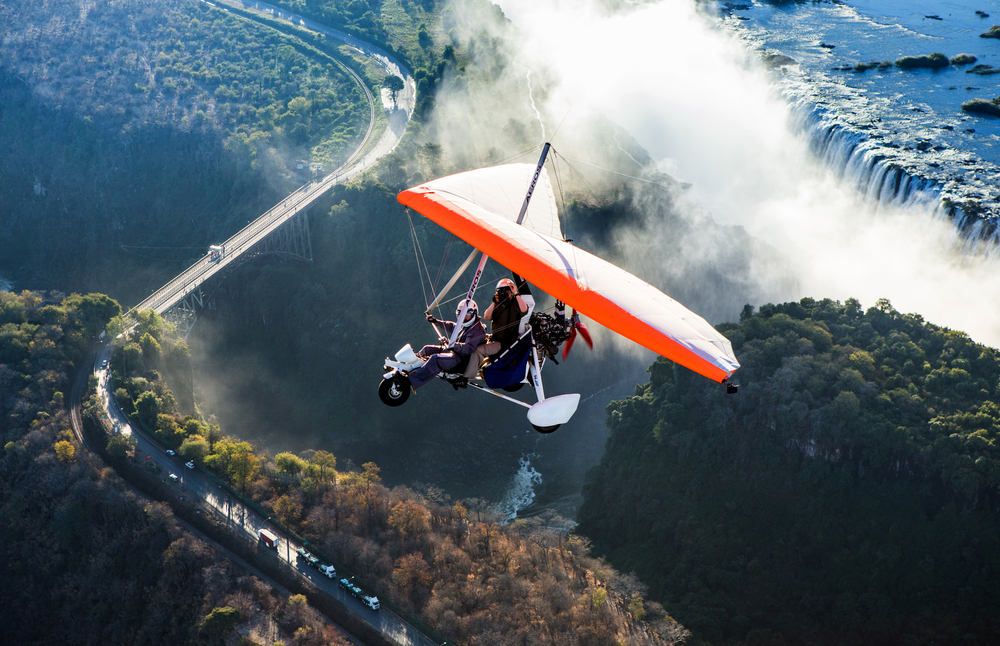
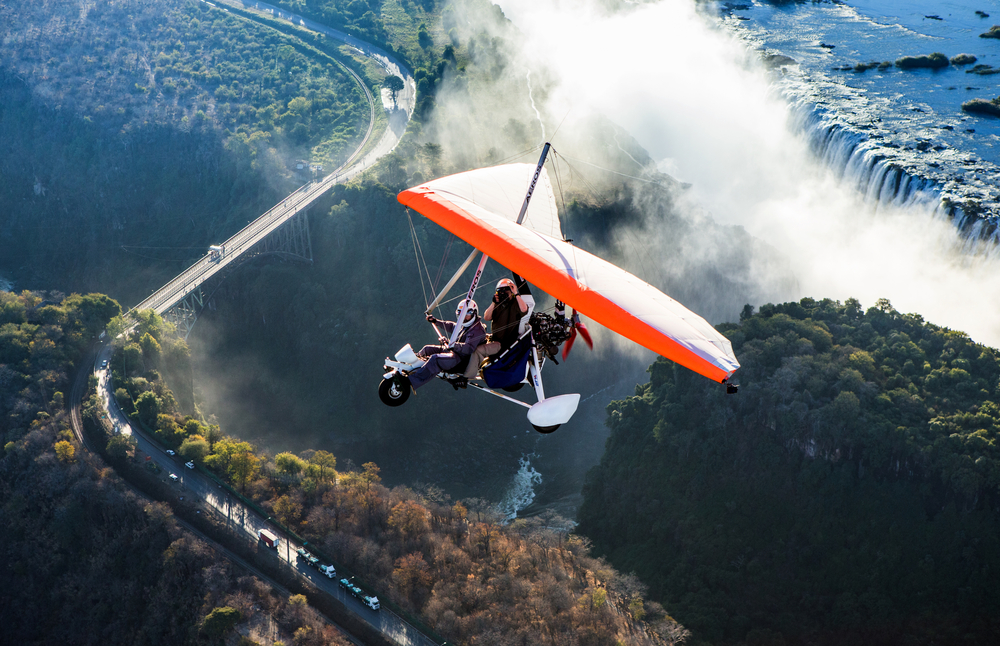
Microlight Flights

Microlight Flights

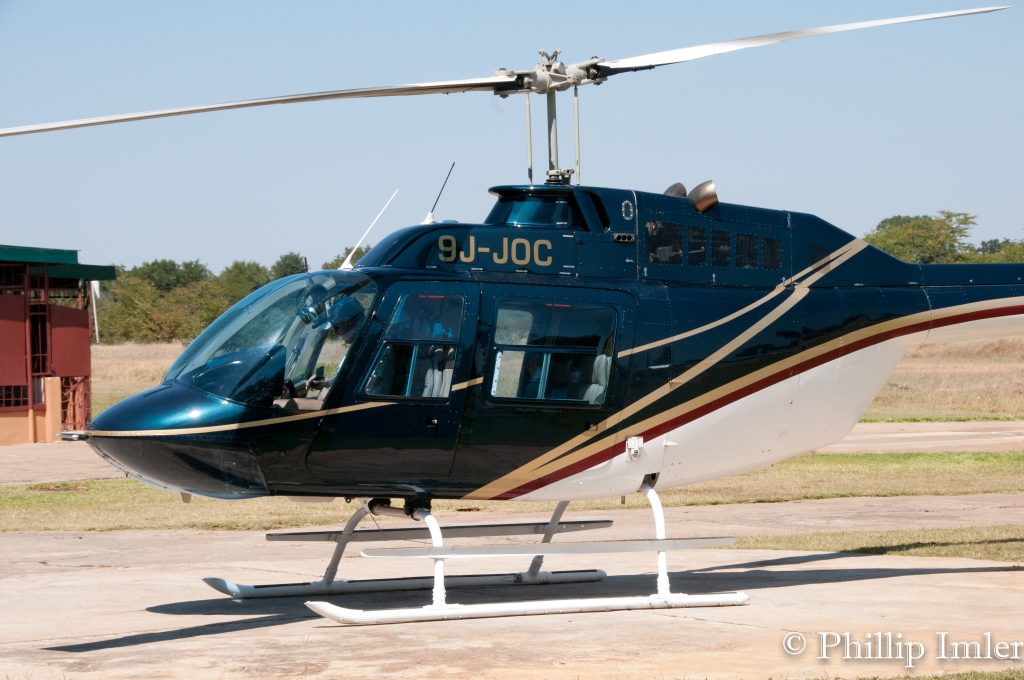
Helicopter Tours

Helicopter Tours

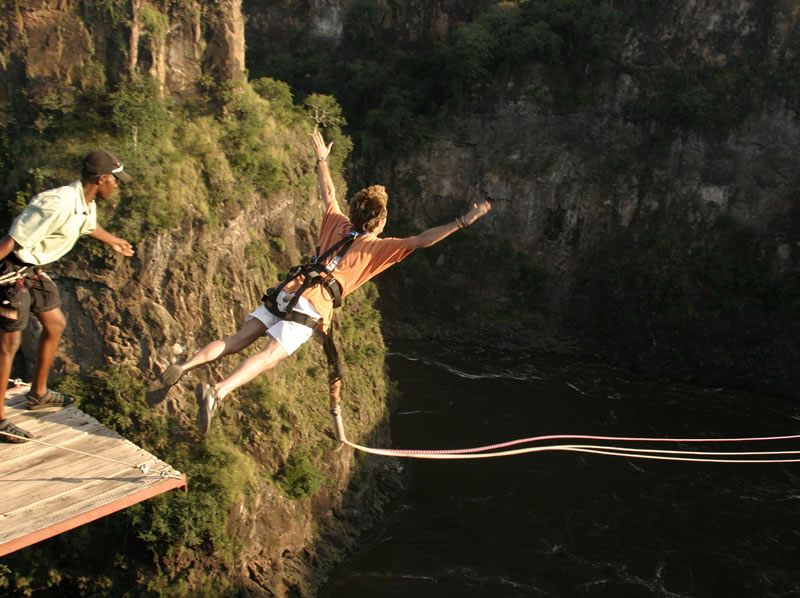
Bungee Jumping

Bungee Jumping

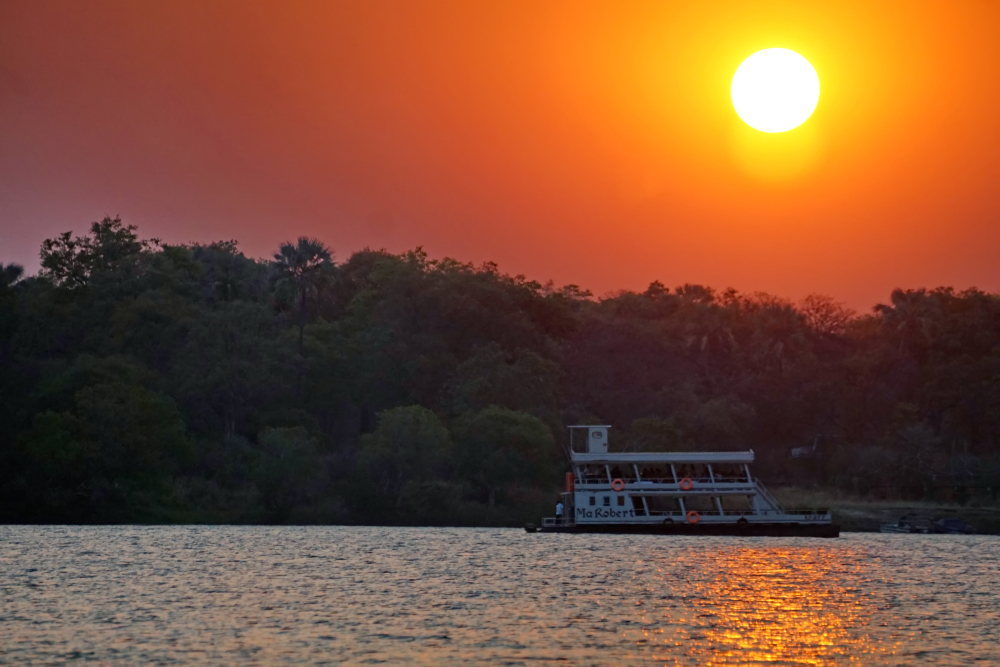
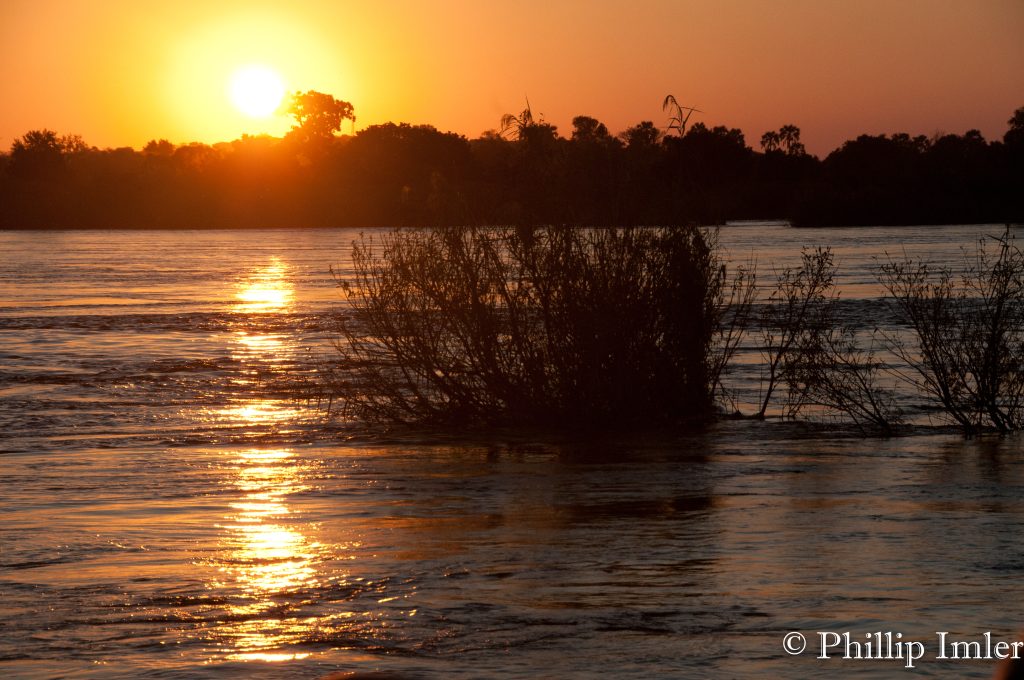
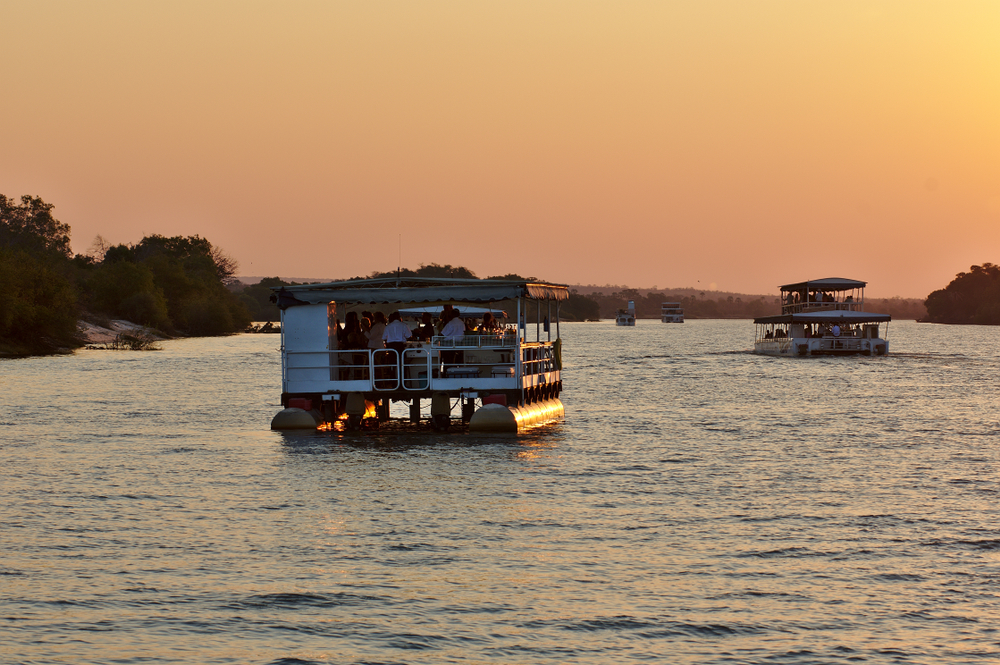
Zambezi Sunset Dinner Cruise

Zambezi Sunset Dinner Cruise

Elephant Safari

Elephant Safari

Victoria Falls Gorge Swing

Victoria Falls Gorge Swing

National Parks in Botswana

Chobe National Park Day Trip

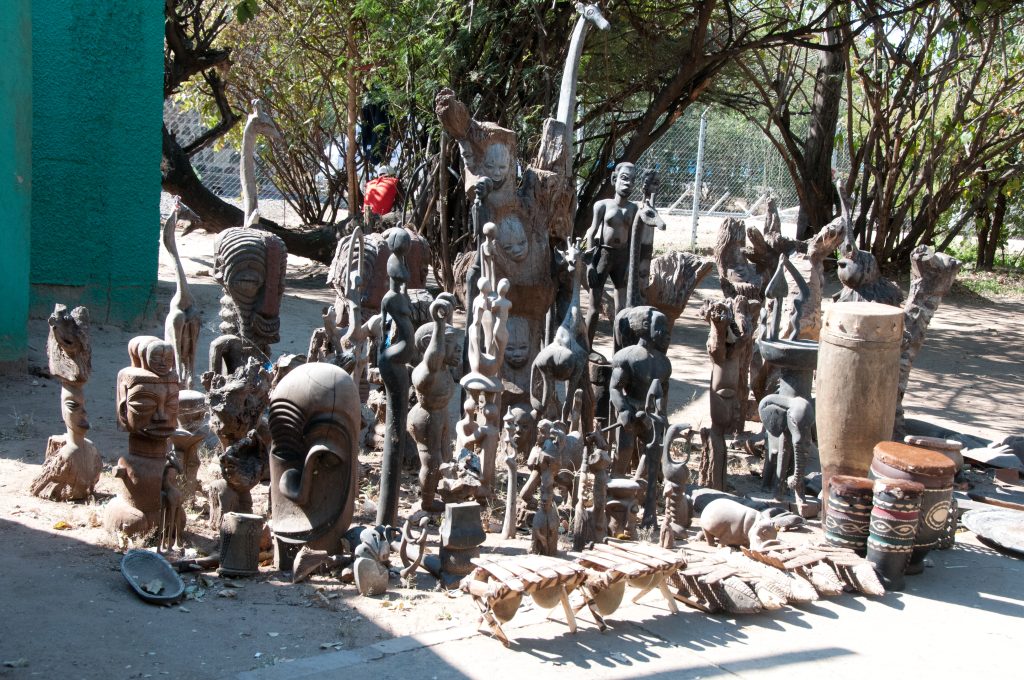
Mosi-oa-Tunya Market Shopping

Mosi-oa-Tunya Market Shopping

Paved Trail

Paved Trail

Microlites

Microlites

Mosi-oa-Tunya National Park Trails

The majority of visitors will hike the various trails that are available to travelers who want to engage Victoria Falls in a more intimate manner.  The trails are fairly maintained, however, the mist from the falls can make them slippery so it is imperative that you pay attention to your footing.

 

placeholder

Zambezi Upper River Trail

This is a short trail that provides hikers with a view down into the canyon of the falls from the Zambezi side.  The trail then meanders a short distance up the Zambezi River allowing visitors to look at the river as it flows away and over the top of the falls.

placeholder

Victoria Falls Trail

This trail is a loop trail covering that meanders along the other side of the canyon from the face of the falls.  This is where slippery footing is more probable.  The trail crosses over portions of the river below and has some elevation change. 

This trail provides a variety of lookouts at the face of the falls.  The mist from the thundering falls has created a lush rainforest type environment on the other side of the canyon.

No Traditional Trails

No Traditional Trails

Mosi-oa-Tunya National Park, situated in Zambia, offers breathtaking views of the iconic Victoria Falls but doesn’t have traditional hiking trails within the park boundaries.

However, visitors can explore designated walking paths near the falls. These paths provide close-up views of the magnificent cascades and offer opportunities for wildlife sightings, including baboons and various bird species.

While there are no specific rated trails with distances and elevation gains, visitors can enjoy leisurely walks amidst the park’s stunning scenery and natural wonders.

Park Protection

Mosi-oa-Tunya National Park, of course, protects the wonder of the world known as Victoria Falls.  It also protects the wildlife that calls the wilderness around the falls home.  Some of the wildlife includes buffalo, giraffe, wildebeest, hippopotamus, elephant, and zebra.

One of the most important protective features of the national park is the protection of 10 white-rhinoceroses.  These are the only remaining rhinos in all of Zambia.  The rest have been eradicated by poachers.  The population of rhinos has grown from 2 in 2005 to the current population of 10 because of the investment of the Zambezi government. 

The Zambezi Government and the national park services provide armed guards who patrol alongside the rhinos protecting these from becoming victims of further poaching.

FAQ’s

Is Victoria Falls more on the Zambia or Zimbabwe side?

Victoria Falls is located on the border between Zambia and Zimbabwe, with approximately 70% of the falls visible from the Zimbabwean side, and the remaining 30% from the Zambian side.

Where is the best view of Victoria Falls on the Zambian side?

On the Zambian side of Victoria Falls, the best view is often said to be from the Knife Edge Bridge and the Livingstone Island.

These vantage points provide close-up views of the falls and offer stunning perspectives, particularly during the peak flow season.

Additionally, the Zambezi River offers boat tours and helicopter rides, allowing visitors to experience the majestic sight of the falls from different angles.

Can you walk on top of Victoria Falls?

Walking on top of Victoria Falls is not possible for tourists. The falls are surrounded by steep cliffs, and attempting to walk on top of them would be extremely dangerous.

Additionally, the area is protected as a national park, and access to certain areas is restricted to preserve the natural environment and ensure visitor safety.

Instead, visitors can enjoy the falls from designated viewpoints and participate in activities such as boat tours, helicopter rides, and walking trails around the falls.

Although not sanctioned by the Tourism Authority, some local people will assist visitors to cross on top of Victoria Falls during the dryer low season.

Sources