

About
Hoge Kempen National Park is located in northeastern Belgium within the province of Limburg and covers approximately 22 square miles (57 sq km). Established in 2006, it became Belgium’s first and, currently, only national park. The park lies east of Genk and near the border with the Netherlands.
Situated within the historic Kempen region, Hoge Kempen National Park protects a diverse landscape of pine forests, heathlands, sand dunes, lakes, and former mining areas that have been transformed into valuable wildlife habitat. The park serves as one of Belgium’s most important conservation areas and provides visitors with a unique blend of natural beauty, outdoor recreation, and ecological restoration.
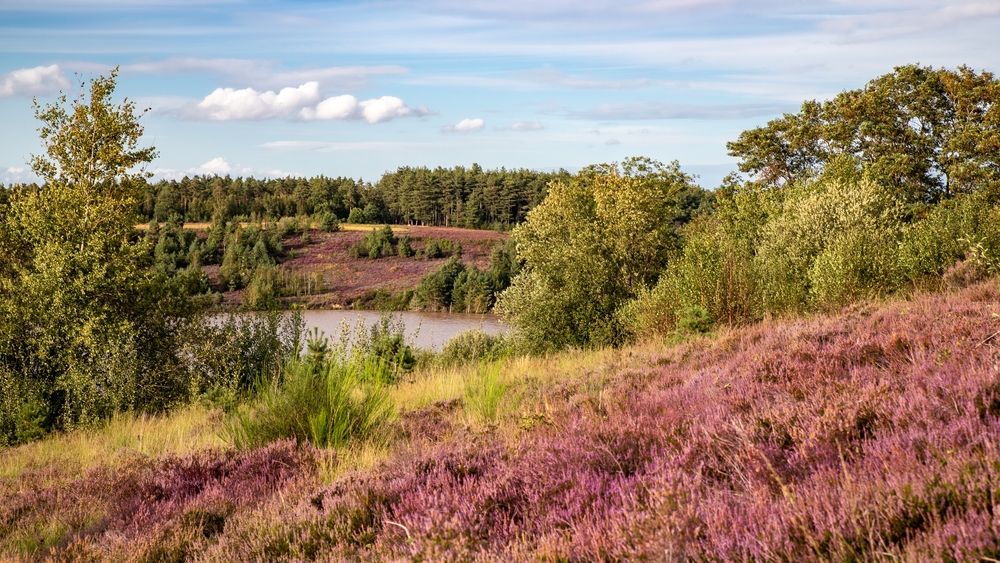
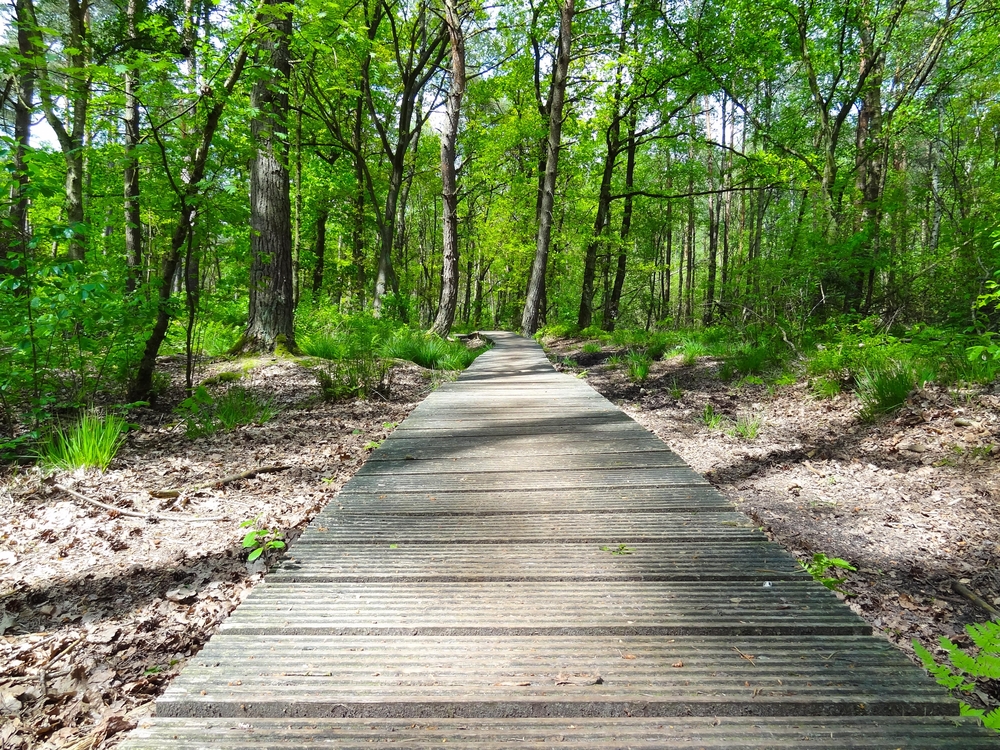
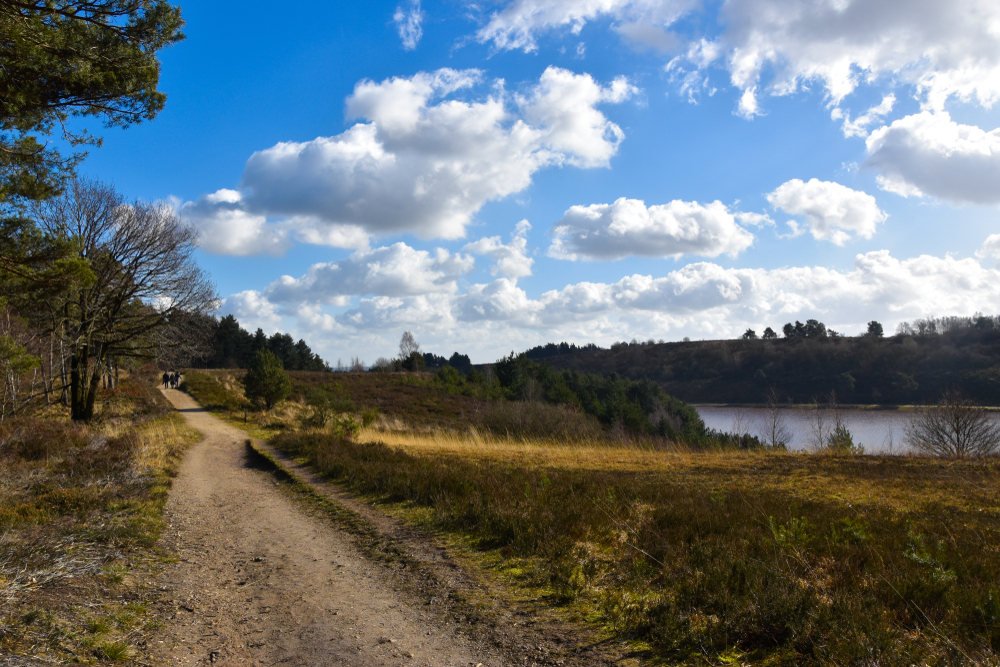
Hoge Kempen National Park is best known for its extensive heathlands and scenic walking and cycling opportunities. More than 200 kilometers of trails wind through forests, open landscapes, and former industrial sites that have been reclaimed by nature. Visitors are drawn to the park’s peaceful atmosphere, panoramic viewpoints, and diverse habitats. Popular activities include hiking, cycling, horseback riding, wildlife observation, photography, and nature education.
The park’s network of visitor gateways provides easy access to different sections of the landscape, allowing visitors to experience the variety of ecosystems found throughout the region. The contrast between natural habitats and restored former mining areas makes the park particularly distinctive.
The geography of Hoge Kempen National Park reflects both natural processes and human history. The landscape was shaped during the Ice Ages, leaving behind sandy soils, rolling terrain, and heathland ecosystems that characterize much of the region today. Extensive pine forests were later planted to stabilize the sandy landscape and support local industries.
Former gravel pits and mining sites have evolved into lakes, wetlands, and new wildlife habitats. Vegetation includes heather, pine woodlands, birch forests, grasslands, wetlands, and shrub communities. Seasonal blooms of purple heather transform large portions of the park into vibrant displays of color, creating one of the most picturesque natural spectacles in Belgium.
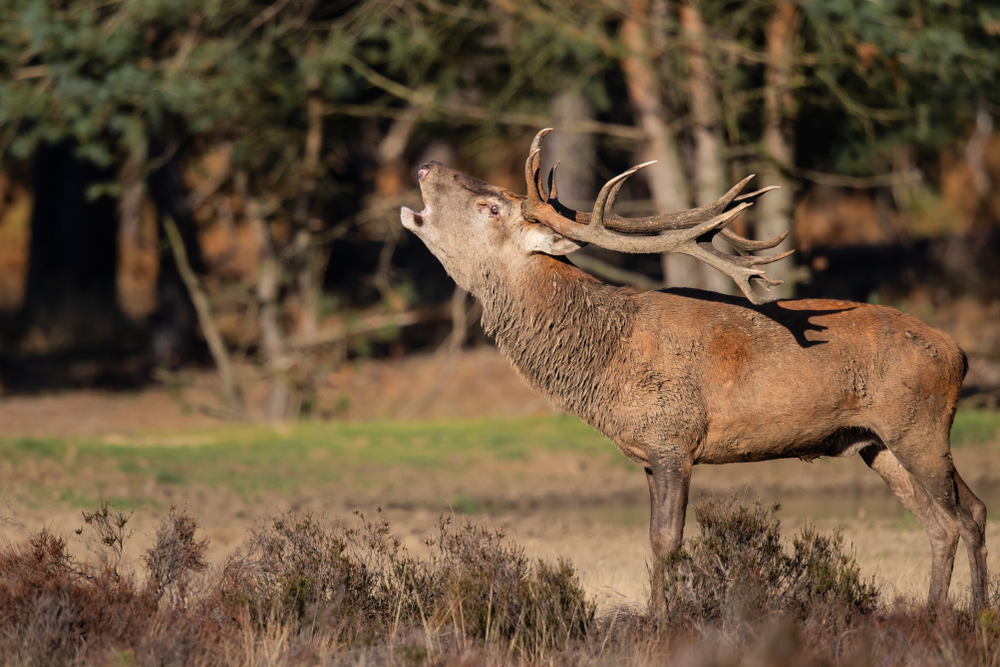
Wildlife within Hoge Kempen National Park is surprisingly diverse. Mammals include roe deer, red foxes, badgers, pine martens, hares, and numerous small mammals. The park supports a growing population of red deer, which have become one of its most iconic species.
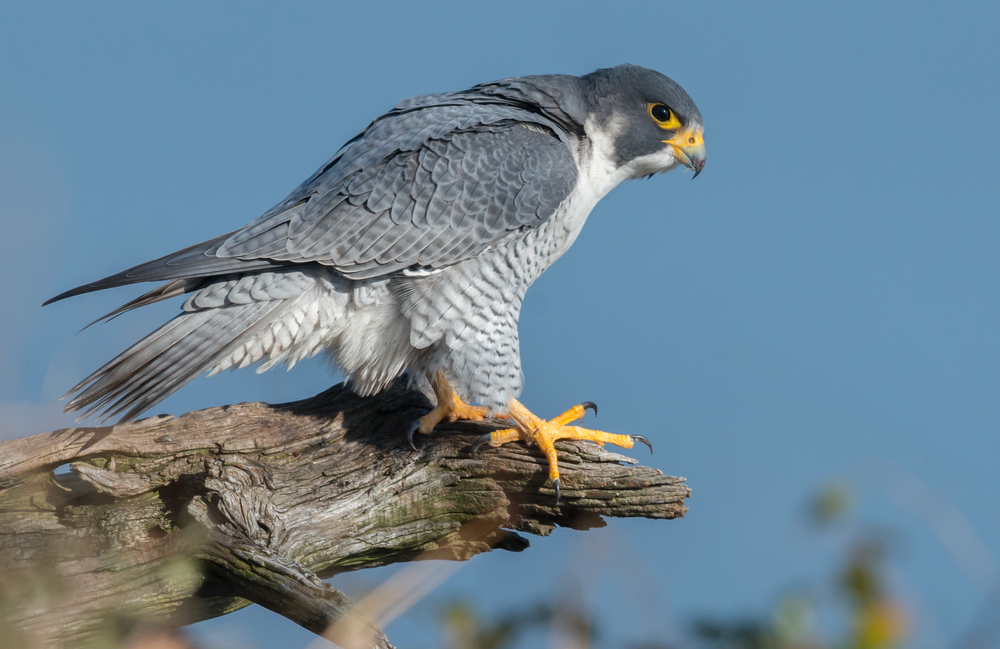
Birdlife is abundant, with species such as European nightjars, woodlarks, black woodpeckers, common cranes, and birds of prey utilizing the park’s varied habitats. Wetlands and lakes support amphibians, dragonflies, and aquatic species, while heathlands provide important habitat for insects and reptiles. The diversity of habitats contributes significantly to the park’s ecological value.
Hoge Kempen National Park plays a vital role in protecting rare heathland ecosystems and promoting ecological restoration within a densely populated region of Europe. Conservation efforts focus on maintaining open heathlands, restoring native habitats, connecting wildlife corridors, and preserving biodiversity. The park demonstrates how former industrial landscapes can be successfully transformed into thriving natural environments.
Hoge Kempen is often compared to De Hoge Veluwe National Park and Thy National Park because of its heathland landscapes and conservation importance. However, its combination of restored mining areas, extensive forests, and Belgium’s first national park status gives it a unique identity. Today, Hoge Kempen National Park stands as one of Belgium’s most significant protected landscapes, preserving a diverse environment where nature, restoration, and recreation coexist in remarkable harmony.
Things to See
Things To Do
Engaging Hoge Kempen

Sources
EUROParcs, Hoge Kempen National Park, https://www.europarcs.com/holiday-parks/belgium/limburg-(be)/hoge-kempen, retrieved August 2024.
Park Site, Hoge Kempen National Park, https://www.nationaalparkhogekempen.be/en, retrieved August 2024.
Terrill’s, Hoge Kempen National Park, https://terhills.be/en/hoge-kempen-national-park/, retrieved August 2024.
Visit Limburg, Hoge Kempen National Park, https://www.visitlimburg.be/en/what-to-do/hoge-kempen-national-park, retrieved August 2024.
Wikipedia, Hoge Kempen National Park, https://en.wikipedia.org/wiki/Hoge_Kempen_National_Park, retrieved August 2024.