

About
Thy National Park is located along the northwestern coast of Jutland in Denmark and covers approximately 94 square miles (244 sq km). Established in 2008, it became Denmark’s first national park and protects one of the largest wilderness landscapes in the country.
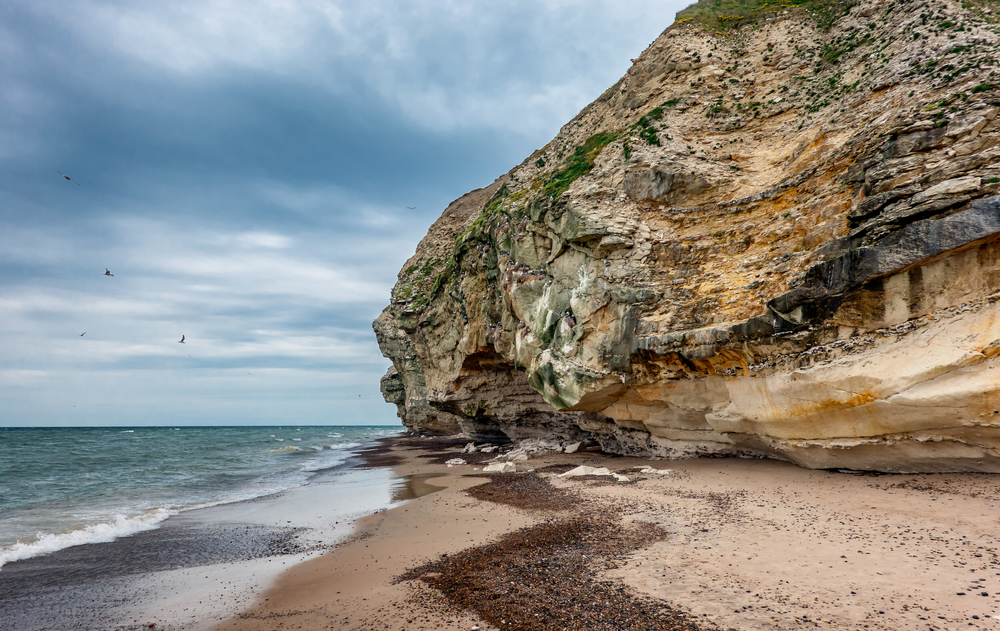
The park stretches along the North Sea coast between the towns of Hanstholm and Agger. Nearby protected areas include sections of the Danish Wadden Sea region and important coastal habitats throughout northern Jutland. Thy National Park preserves a remarkable landscape of windswept dunes, heathlands, coastal forests, lakes, wetlands, and sandy beaches. It represents one of Northern Europe’s finest examples of a naturally evolving coastal ecosystem shaped by wind, sea, and shifting sands.
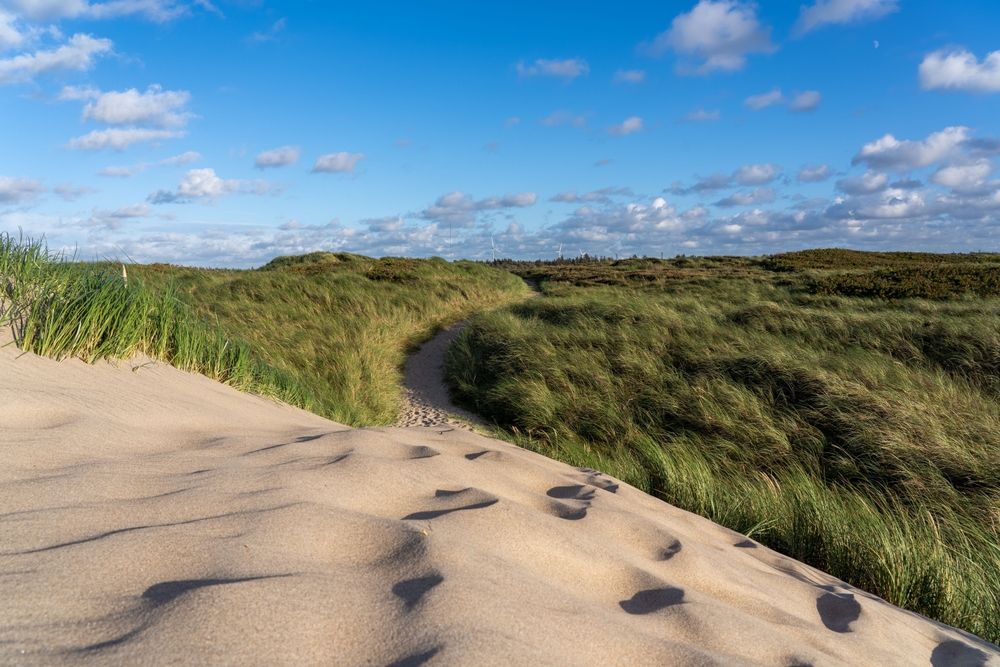
Thy National Park is best known for its expansive dune landscapes and wild North Sea coastline. Visitors are drawn to the park’s sense of openness and natural beauty, where rolling dunes extend toward broad sandy beaches and rugged coastal environments. The park offers exceptional opportunities for hiking, cycling, birdwatching, horseback riding, photography, surfing, and nature observation.
Well-maintained trails provide access to some of Denmark’s most scenic coastal landscapes, while the North Sea attracts surfers and outdoor enthusiasts seeking adventure. Unlike many European protected areas shaped by centuries of intensive development, Thy retains a surprisingly wild character that allows visitors to experience nature on a grand scale.
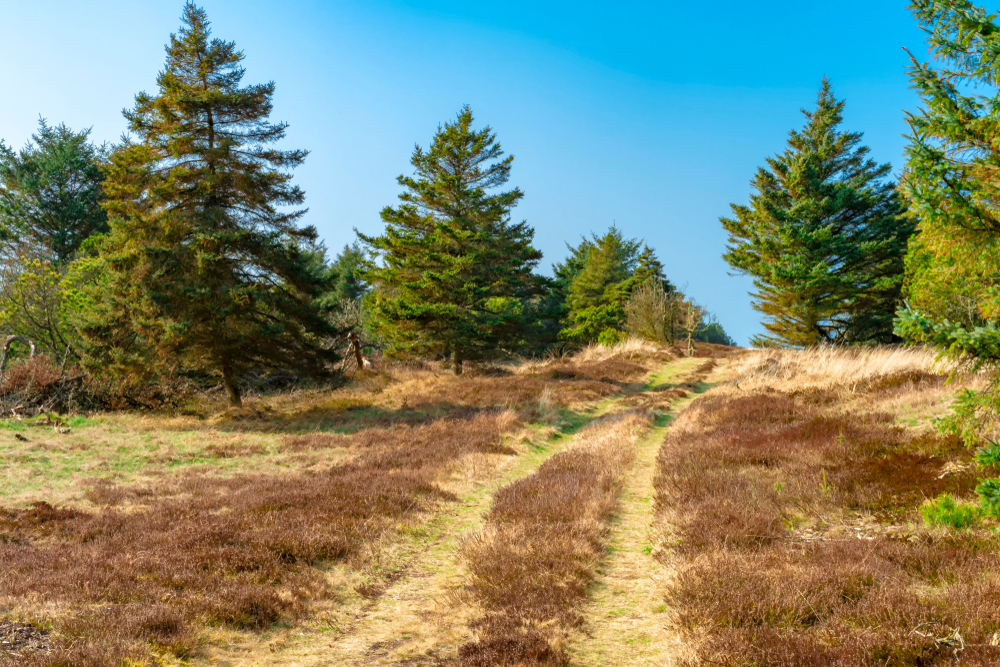
The geography of Thy National Park has been shaped by thousands of years of coastal processes. Powerful winds from the North Sea continually move sand across the landscape, creating dynamic dune systems that remain in constant change. The park contains coastal dunes, dune heathlands, pine forests, freshwater lakes, peat bogs, marshes, and low-lying wetlands.
Much of the area was historically influenced by drifting sand, which transformed agricultural lands into the distinctive landscapes seen today. Vegetation includes heather, crowberry, juniper, grasses, mosses, and dune-adapted plant species. Inland forests, many established to stabilize drifting sands, now provide additional habitat diversity throughout the park.
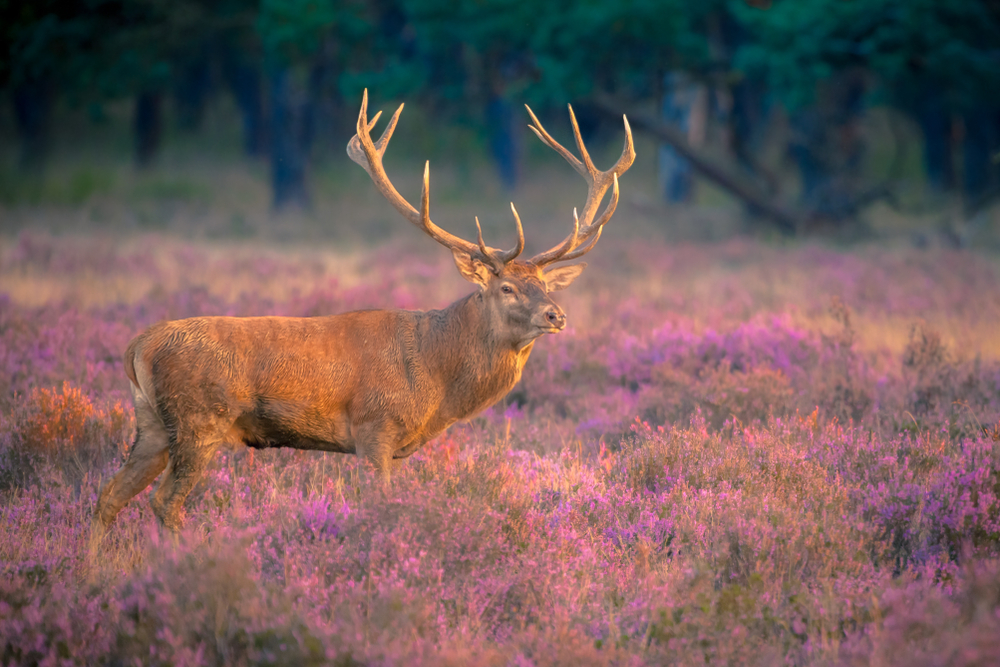
Wildlife within Thy National Park is diverse and reflects the park’s variety of habitats. Red deer are among the park’s most iconic mammals and are frequently observed roaming heathlands and forest edges. Roe deer, foxes, hares, badgers, and smaller mammals also inhabit the area.
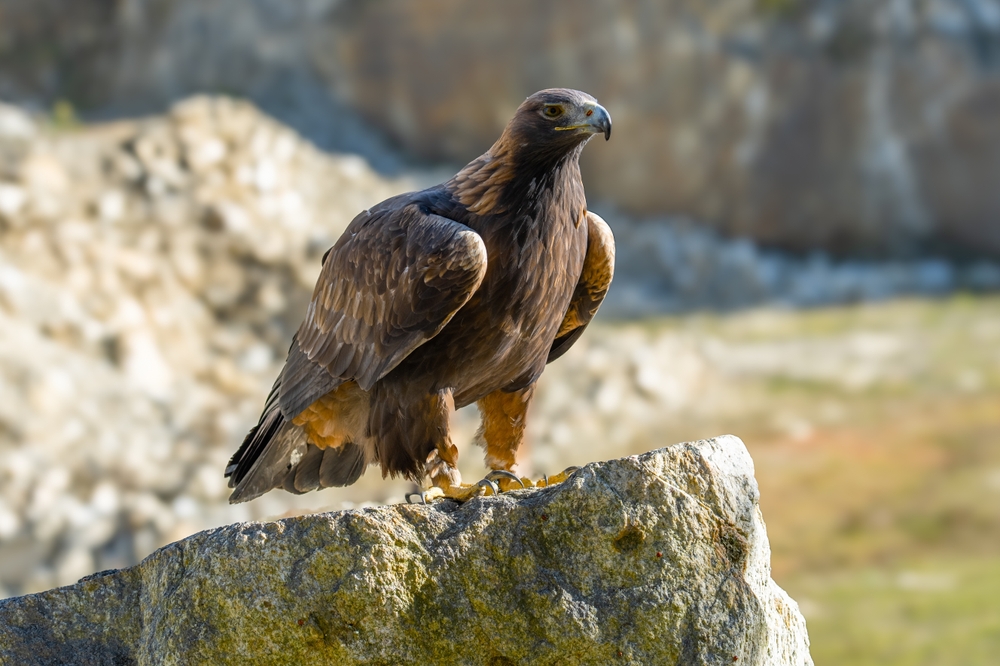
Birdlife is especially important, with migratory species using the park as a stopover along major migration routes. Visitors may encounter cranes, geese, ducks, waders, gulls, terns, and birds of prey such as marsh harriers and sea eagles. The wetlands, lakes, and coastal habitats support a rich diversity of species, making the park one of Denmark’s premier destinations for birdwatching and wildlife observation.
Thy National Park plays a vital role in protecting Denmark’s largest wilderness landscape and preserving rare coastal ecosystems found throughout northern Europe. The park safeguards dune habitats, heathlands, wetlands, and migratory bird habitats that support significant biodiversity. Conservation efforts focus on restoring natural processes, maintaining open heathland environments, and protecting vulnerable species.
Thy is often compared to The Broads National Park and Wadden Sea National Park because of its coastal habitats and ecological importance. Yet its extensive dune systems, wild North Sea shoreline, and status as Denmark’s first national park give it a unique identity. Today, Thy National Park stands as one of Scandinavia’s most important protected landscapes, preserving a dynamic environment where wind, water, wildlife, and coastal nature continue to shape the land.
Things to See
Things To Do
Engaging Thy National Park
Park Protection
Thy National Park was created to protect the windswept coastal landscapes, dune systems, heathlands, lakes, wetlands, and coastal forests of northwestern Jutland, Denmark. The park preserves one of the largest and most intact stretches of coastal wilderness in Northern Europe, providing important habitat for several species of conservation concern, including the endangered European otter and the vulnerable European eel.
Its extensive dunes, heathlands, and wetlands support a rich diversity of breeding and migratory birds, including common cranes, red-backed shrikes, hen harriers, and numerous waterfowl. The park also protects native red deer populations, rare orchids, and specialized plants adapted to nutrient-poor sandy soils and coastal conditions.
The park is especially significant for preserving Denmark’s largest continuous dune heath landscape, a habitat that has become increasingly rare throughout Europe. Constant winds from the North Sea continue to shape the shifting dunes and coastal ecosystems, creating a dynamic natural environment that supports many specialized species.
Thy also contains some of Denmark’s most pristine coastal lakes and extensive heathlands, representing ecosystems that have largely disappeared elsewhere in the country. Together, Thy National Park safeguards rare coastal habitats, important migratory bird areas, endangered freshwater species, and one of Denmark’s most distinctive and ecologically valuable natural landscapes.
FAQ’s
What is the main reason people visit Thy National Park?
Thy National Park is primarily visited for its vast coastal landscapes, windswept dunes, heathlands, North Sea beaches, and excellent hiking and cycling opportunities. Located in northwestern Denmark along the Jutland Peninsula, the park protects approximately 94 square miles (244 square kilometers) of dunes, coastal forests, lakes, wetlands, heath, and open moorland.
Visitors come to experience Denmark’s first national park, observe unique coastal wildlife, enjoy outdoor recreation, and explore one of Northern Europe’s largest wilderness landscapes.
What animals can visitors hope to see in Thy National Park?
Thy National Park supports a rich variety of mammals, reptiles, amphibians, and insects adapted to coastal dunes, forests, wetlands, and heathlands.
Some of the most notable animals found in Thy National Park include:
- Red Deer
- Roe Deer
- Fallow Deer
- Red Fox
- European Badger
- European Otter
- European Polecat
- Stoat
- Weasel
- Pine Marten
- European Hedgehog
- Brown Hare
- European Rabbit
- Red Squirrel
- Wood Mouse
- Yellow-necked Mouse
- Bank Vole
- Field Vole
- Water Vole
- Harvest Mouse
- Common Shrew
- Pygmy Shrew
- Mole
- Harbour Seal
- Grey Seal
- Harbour Porpoise
- Common Pipistrelle
- Nathusius’ Pipistrelle
- Noctule Bat
- Brown Long-eared Bat
- Common Lizard
- Viviparous Lizard
- Slow Worm
- Grass Snake
- Common Frog
- Moor Frog
- Common Toad
- Smooth Newt
- Great Crested Newt
- Emperor Dragonfly
- Black Darter Dragonfly
- Stag Beetle
- Small Heath Butterfly
- Silver-studded Blue Butterfly
- Peacock Butterfly
- Red Admiral Butterfly
- Common Blue Butterfly
- Bumblebee Species
- Native Pollinator Species
- Numerous Coastal Invertebrates
What birds can visitors hope to see in Thy National Park?
Thy National Park is home to more than 200 bird species and is one of Denmark’s premier birdwatching destinations, particularly during spring and autumn migration.
Some of the most popular birds seen in Thy National Park include:
- White-tailed Eagle
- Golden Eagle (occasional visitor)
- Western Marsh Harrier
- Hen Harrier
- Common Buzzard
- Eurasian Sparrowhawk
- Northern Goshawk
- Peregrine Falcon
- Eurasian Hobby
- Common Kestrel
- Barn Owl
- Long-eared Owl
- Tawny Owl
- Short-eared Owl
- Common Crane
- Grey Heron
- Great Egret
- Little Egret
- Eurasian Spoonbill
- Mute Swan
- Whooper Swan
- Greylag Goose
- Pink-footed Goose
- Barnacle Goose
- Brent Goose
- Eurasian Curlew
- Eurasian Oystercatcher
- Common Redshank
- Dunlin
- Sanderling
- Ringed Plover
- Northern Lapwing
- Common Snipe
- Black-tailed Godwit
- Eurasian Bittern
- Common Tern
- Sandwich Tern
- Arctic Tern
- Black-headed Gull
- Herring Gull
- Great Black-backed Gull
- Eurasian Skylark
- Meadow Pipit
- European Stonechat
- Northern Wheatear
- Common Redstart
- Common Cuckoo
- Eurasian Wren
- Common Raven
- Eurasian Golden Plover
Is Thy National Park worth visiting?
Yes, Thy National Park is absolutely worth visiting and is one of Denmark’s most impressive natural landscapes.
The park offers dramatic coastal scenery, expansive dune systems, excellent hiking and cycling trails, abundant birdlife, beautiful beaches, and opportunities to experience one of Europe’s largest heathland ecosystems. It is an outstanding destination for nature lovers, photographers, surfers, and outdoor enthusiasts.
The primary hesitation is that visitors expecting dramatic mountains or large mammals may find the landscape more subtle. However, its wild coastal beauty and peaceful atmosphere make it one of Scandinavia’s most rewarding national parks.
What is the best time to visit Thy National Park?
Weather and Climate
The best time to visit Thy National Park is from May through September.
Typical conditions include:
- May–June: 45–68°F (7–20°C)
- July–August: 55–72°F (13–22°C)
- September: 50–68°F (10–20°C)
- October–April: 30–55°F (-1–13°C)
During late spring and summer:
- Hiking and cycling conditions are excellent.
- Wildflowers bloom across the heathlands.
- Birdwatching is outstanding.
- Coastal recreation is at its best.
- Longer daylight hours allow extended exploration.
Autumn is especially popular for bird migration and observing red deer during the rut.
How many days do you need to visit Thy National Park?
Most visitors should plan for 2 to 3 days in Thy National Park.
- 1 day: Explore beaches, dunes, and short hiking trails.
- 2 days: Hiking, cycling, birdwatching, and visiting several coastal areas.
- 3 days: Comprehensive exploration of forests, lakes, heathlands, and cultural sites.
- 4+ days: Wildlife photography, surfing, kayaking, and extended backcountry exploration.
For most visitors, two days provides the ideal experience. This allows time to explore the park’s diverse coastal habitats, hike through dune landscapes, visit scenic lakes, and enjoy opportunities for birdwatching and wildlife observation.
Outdoor enthusiasts often spend three or more days because the park offers hundreds of miles of hiking and cycling trails, excellent surfing beaches, and numerous opportunities to experience Denmark’s largest wilderness landscape at a relaxed pace.
How do you get to Thy National Park?
International Access
Thy National Park is located in northwestern Denmark on the Jutland Peninsula.
The primary international gateway is:
- Aalborg Airport
Additional international access is available through:
- Copenhagen Airport
Most international visitors fly into Aalborg or Copenhagen.
Driving from Aalborg
The most common route is:
- Aalborg to Thy National Park.
Travel time:
- Approximately 75 miles (120 km)
- About 1.5 hours by road
Rail Access
Visitors can also travel by train to nearby communities including:
- Thisted
From there, local buses and taxis provide access to various park entrances.
Major Attractions
Popular destinations include:
- Cold Hawaii
- Stenbjerg Landing Place
- Lodbjerg Lighthouse
- Nors Lake
- Hanstholm Game Reserve
Travel Times
Typical travel times include:
- Aalborg to Thy National Park: approximately 1.5 hours.
- Copenhagen to Thy National Park: approximately 5–6 hours by car or train.
- Thisted to park access points: approximately 10–30 minutes.
- Klitmøller to Stenbjerg: approximately 25 minutes.
Who is involved in protecting and supporting Thy National Park?
Several organizations help protect and support Thy National Park:
- Nationalpark Thy – manages Thy National Park.
- Danish Nature Agency – supports habitat management and conservation.
- BirdLife Denmark – supports bird conservation and monitoring.
- Nature Agency of Denmark – manages public lands and restoration efforts.
- Local communities, conservation organizations, and volunteers who help protect the park’s ecosystems.
What is unique about Thy National Park?
Thy National Park is unique because it protects Denmark’s largest continuous wilderness and was the country’s first national park. The park combines sweeping North Sea coastlines, Europe’s largest coastal heathlands, shifting sand dunes, freshwater lakes, pine forests, and historic fishing villages into one remarkable landscape. Its windswept beauty, internationally important bird habitats, and world-famous surfing beaches make it unlike any other national park in Denmark.
Why is Thy National Park famous for surfing?
The area around Cold Hawaii is internationally renowned for surfing and windsurfing. Strong North Sea swells and consistent winds have earned it the nickname “Cold Hawaii,” making it one of Europe’s premier surf destinations.
Sources
Here are sources you can explore for more information:
- AllTrails. Thy National Park. https://www.alltrails.com/parks/denmark/north-denmark/thy-national-park, retrieved July 2026.
- Britannica. Thy National Park. https://www.britannica.com/place/Thy-National-Park, retrieved July 2026.
- Kavanagh, Justin. Complete National Parks of Europe. National Geographic, Washington, D.C.
- National Parks of Denmark. Thy National Park. https://nationalparks.dk/en/national-parks/thy-national-park/, retrieved July 2026.
- VisitDenmark. Thy National Park. https://www.visitdenmark.com/denmark/explore/thy-national-park, retrieved July 2026.
- Wikipedia. Thy National Park. https://en.wikipedia.org/wiki/Thy_National_Park, retrieved July 2026.