

About
Bako National Park is located on the Muara Tebas Peninsula in the state of Sarawak on the island of Borneo in Malaysia. Established in 1957, Bako is the oldest national park in Sarawak and covers approximately 10 square miles (27 sq km).
Although relatively small compared to many national parks, Bako is renowned for its remarkable concentration of ecosystems, wildlife, and scenic landscapes. Located about 23 miles (37 km) from Kuching, the park offers visitors one of the most accessible opportunities to experience the rich biodiversity of Borneo’s tropical rainforests.
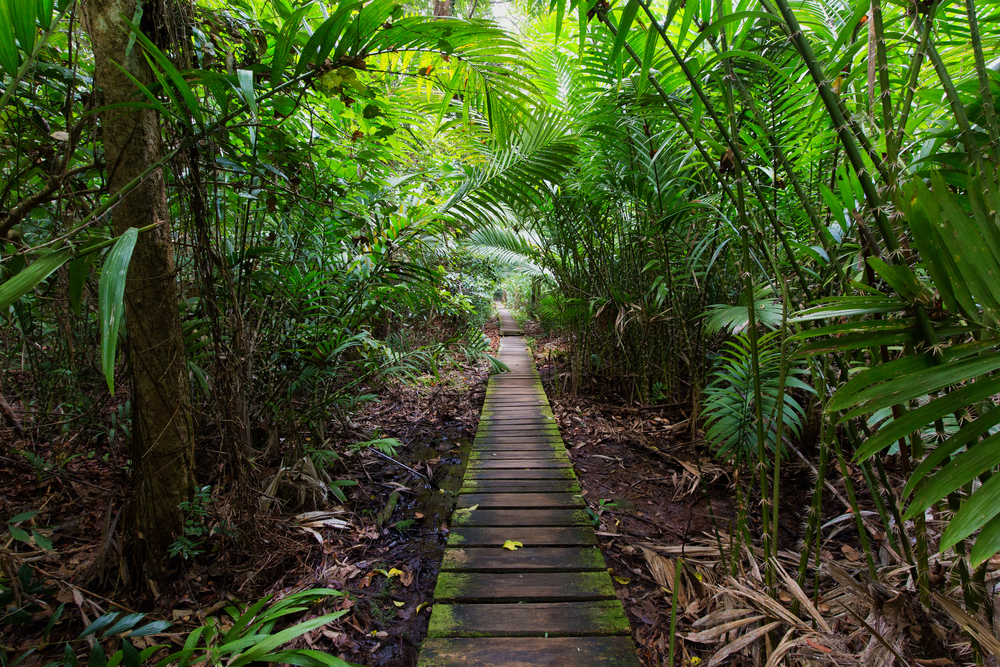
The park is best known for its diverse habitats and iconic proboscis monkeys. Visitors travel to Bako to explore a landscape that combines rainforest, mangroves, beaches, sandstone cliffs, sea stacks, and coastal wetlands within a compact area. Well-maintained trails lead through various ecosystems, allowing visitors to encounter wildlife while enjoying dramatic coastal scenery.
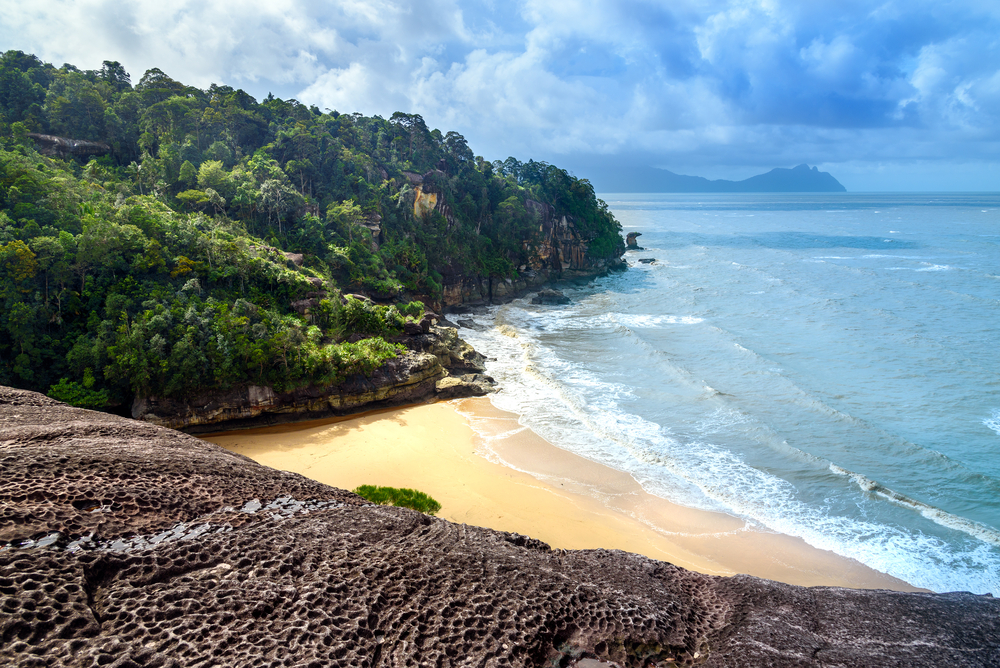
The park’s rugged shoreline features striking sandstone formations sculpted by wind and waves, including sea arches and towering cliffs that overlook the South China Sea. These landscapes have made Bako one of Malaysia’s most photographed natural destinations.
Geographically, Bako National Park contains an extraordinary variety of habitats despite its modest size. The park encompasses lowland dipterocarp rainforest, mangrove forests, peat swamp vegetation, cliffside plant communities, heath forests, and beach ecosystems. Coastal erosion has shaped impressive sandstone cliffs and isolated rock formations along the shoreline.
Numerous small streams and wetlands support rich plant and animal communities. The combination of terrestrial and coastal environments creates exceptional biodiversity and allows visitors to experience many of Borneo’s major ecosystems in a single location.
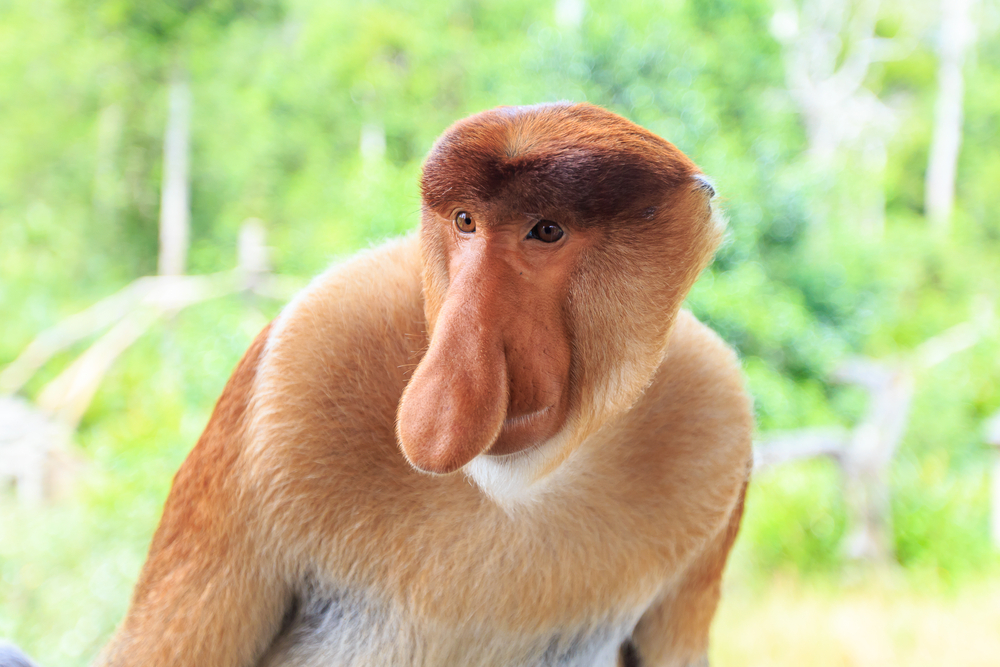
Wildlife is the primary attraction of Bako National Park. The park is one of the best places in the world to observe the endangered proboscis monkey, a species found only on Borneo and recognized by its distinctive large nose. Other mammals include silvered langurs, long-tailed macaques, bearded pigs, flying lemurs, civets, and plantain squirrels.
Birdlife is abundant, with kingfishers, hornbills, pittas, woodpeckers, and numerous forest species inhabiting the park. Reptiles such as monitor lizards, pit vipers, geckos, and skinks are commonly encountered. The park’s forests also support a remarkable diversity of insects, amphibians, and plant species, including carnivorous pitcher plants that thrive in nutrient-poor soils.
Bako National Park plays a crucial role in conserving coastal and lowland rainforest ecosystems that have become increasingly threatened throughout Southeast Asia. The park protects important habitat for endemic species and serves as a valuable center for environmental education, research, and ecotourism. Its ecological significance is often compared to Taman Negara National Park and Gunung Mulu National Park because of its biodiversity and conservation value.
While much smaller than these parks, Bako offers one of the most concentrated displays of Borneo’s natural richness. Through its rainforests, wildlife, coastal landscapes, and unique ecosystems, Bako National Park stands as one of Malaysia’s most treasured protected areas and a gateway to the remarkable biodiversity of Borneo.
Things to See
Things To Do
Engaging Bako National Park
FAQ’s
What is Bako National Park known for?
Bako National Park, located in Sarawak, Malaysia, is renowned for its rich biodiversity, stunning landscapes, and unique ecosystems. It is one of the oldest national parks in Malaysia and is known for being home to an incredible variety of plant and animal species.
The park features diverse habitats, including mangrove swamps, dipterocarp forests, and towering cliffs, providing a haven for wildlife such as proboscis monkeys, macaques, monitor lizards, and a wide range of bird species.
Bako National Park is also famous for its network of hiking trails, which offer visitors the chance to explore its natural beauty and encounter its fascinating wildlife up close.
Sources
Bako National Park, Park Site, https://bakonationalpark.my/, retrieved April 2024.
Bako National Park, Park Site, https://bakonationalpark.com/, retrieved April 2024.
Borneo Adventure, Bako National Park, https://borneoadventure.com/destinations/bako-national-park/, retrieved April 2024.
Sarawak Forestry, Bako National Park, https://sarawakforestry.com/parks-and-reserves/bako-national-park/, retrieved April 2024.
Sarawak Tourism, Bako National Park, https://sarawaktourism.com/attraction/bako-national-park, retrieved April 2024.