About

Gunung Mulu National Park is located in northern Sarawak on the island of Borneo in Malaysia near the border with Brunei. Established as a national park in 1974 and designated a UNESCO World Heritage Site in 2000, the park covers approximately 204 square miles (528 sq km).

Named after Mount Mulu, which rises to 7,795 feet (2,376 m), the park protects one of the most spectacular karst landscapes and cave systems on Earth. Its combination of ancient rainforest, towering limestone pinnacles, underground rivers, and world-renowned caves makes it one of Southeast Asia’s most extraordinary natural destinations.

The park is best known for its immense cave systems, many of which rank among the largest and most impressive in the world. Visitors travel from around the globe to explore iconic caves such as Deer Cave, home to one of the largest cave passages on Earth, and Sarawak Chamber, the largest known underground chamber in the world by volume.

Each evening, millions of bats emerge from Deer Cave in a swirling spectacle that is one of the park’s most famous attractions. Beyond its caves, Gunung Mulu offers rainforest trekking, canopy walks, river excursions, and opportunities to explore remote wilderness rarely found elsewhere.

Geographically, Gunung Mulu National Park is dominated by rugged limestone mountains, sandstone peaks, dense tropical rainforest, and an extensive network of caves and underground rivers. The park contains more than 180 miles (290 km) of mapped cave passages, with new sections still being discovered.

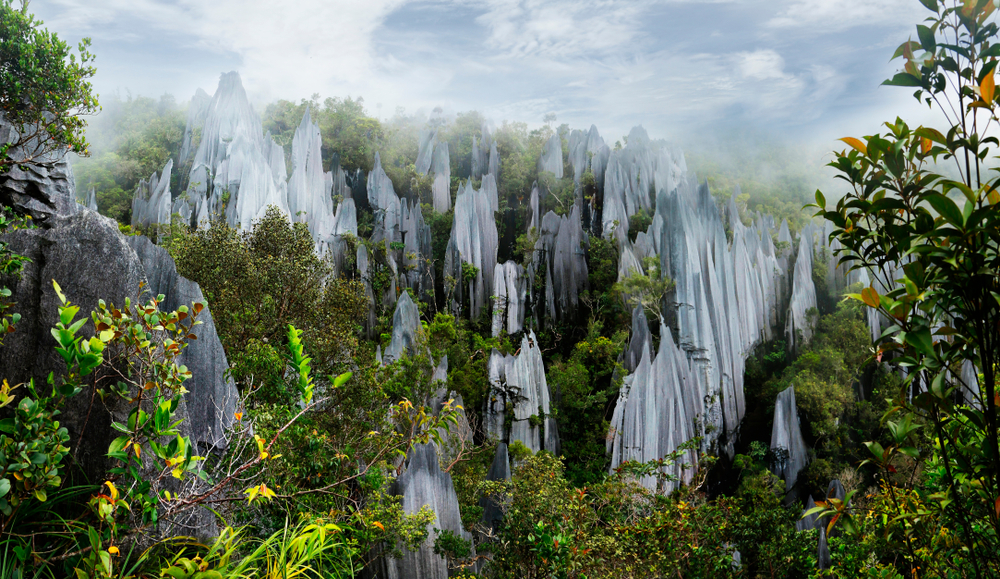
One of its most iconic features is the Pinnacles, a dramatic collection of razor-sharp limestone spires rising from the slopes of Mount Api. The region receives abundant rainfall throughout the year, supporting lush rainforest ecosystems that cloak the mountains and valleys. Rivers and streams carve through the landscape, feeding underground cave systems and creating waterfalls and scenic gorges.

Wildlife within Gunung Mulu National Park is exceptionally diverse. More than 80 mammal species have been recorded, including bearded pigs, sun bears, civets, flying squirrels, and several species of bats. Primates such as long-tailed macaques, silvered langurs, and gibbons inhabit the forests.

Birdlife is rich, with hornbills, kingfishers, broadbills, pittas, and numerous endemic species found throughout the park. Reptiles, amphibians, and countless insects thrive in the rainforest, while cave ecosystems support specialized species adapted to permanent darkness. The park’s diverse habitats contribute to its status as one of Borneo’s most important biodiversity refuges.

Gunung Mulu National Park plays a critical role in conserving both tropical rainforest ecosystems and one of the world’s most significant karst landscapes. The park protects unique geological formations, rare species, and vital watershed areas while providing opportunities for scientific research and environmental education.

Its combination of biodiversity and cave systems is often compared to renowned protected areas such as Phong Nha-Ke Bang National Park and Mammoth Cave National Park, yet Gunung Mulu stands apart because of its unparalleled integration of rainforest, mountains, and giant cave systems. Through its immense underground chambers, ancient forests, rare wildlife, and spectacular geological features, Gunung Mulu National Park remains one of the greatest natural wonders in Asia and one of the most remarkable protected areas on Earth.

Things to See
Pinnacles

Pinnacles

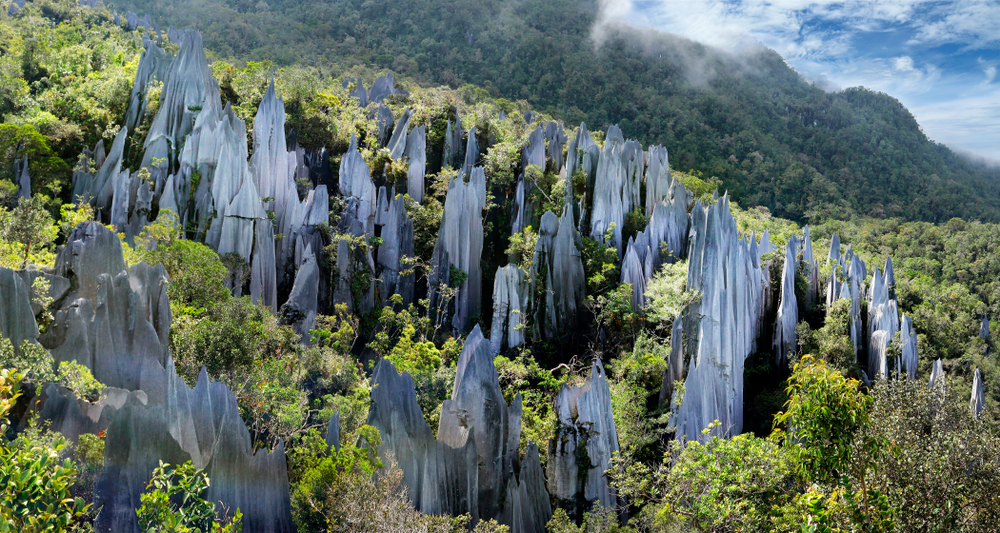
The pinnacle rock formations in Gunung Mulu National Park are a breathtaking testament to the forces of nature and the park’s unique geological history. Carved over millions of years by the erosive power of water, these towering limestone formations stand as majestic sentinels amidst the lush rainforest canopy.

Rising hundreds of meters into the sky, the pinnacles feature intricate patterns and shapes, resembling ancient spires reaching towards the heavens. Their sheer vertical cliffs and jagged peaks create a dramatic landscape that is both awe-inspiring and otherworldly.

Visitors to Gunung Mulu National Park can witness these extraordinary formations on guided treks to spots such as the Pinnacles Trail, where they can marvel at the sheer beauty and geological wonder of these natural landmarks.

The pinnacles serve as a reminder of the Earth’s immense power and the enduring beauty of the natural world.

River Landscapes

River Landscapes

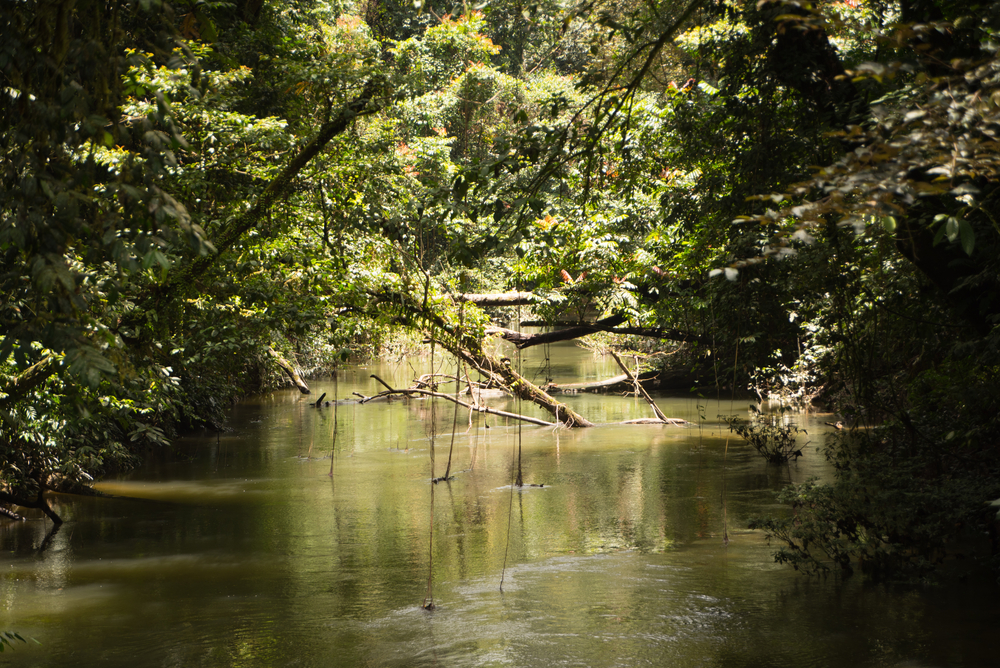
The rivers and landscapes of Gunung Mulu National Park are a captivating blend of pristine beauty and natural diversity. Flowing through dense rainforests, the rivers of Gunung Mulu meander gracefully, carving their way through ancient limestone formations and verdant valleys.

Crystal-clear waters cascade over rocky cascades and gentle rapids, creating a symphony of sounds that echo through the forest. Along the riverbanks, towering trees and lush vegetation provide a sanctuary for a rich array of wildlife, including colorful birds, playful monkeys, and elusive reptiles.

The landscape surrounding the rivers is a tapestry of vibrant greens and earthy hues, with jagged limestone cliffs rising dramatically from the forest floor.

Visitors to Gunung Mulu National Park can immerse themselves in this pristine wilderness, exploring the rivers and landscapes on guided tours, river expeditions, and jungle treks, experiencing the untouched beauty of one of Malaysia’s most extraordinary natural wonders.

Deer Cave

Deer Cave

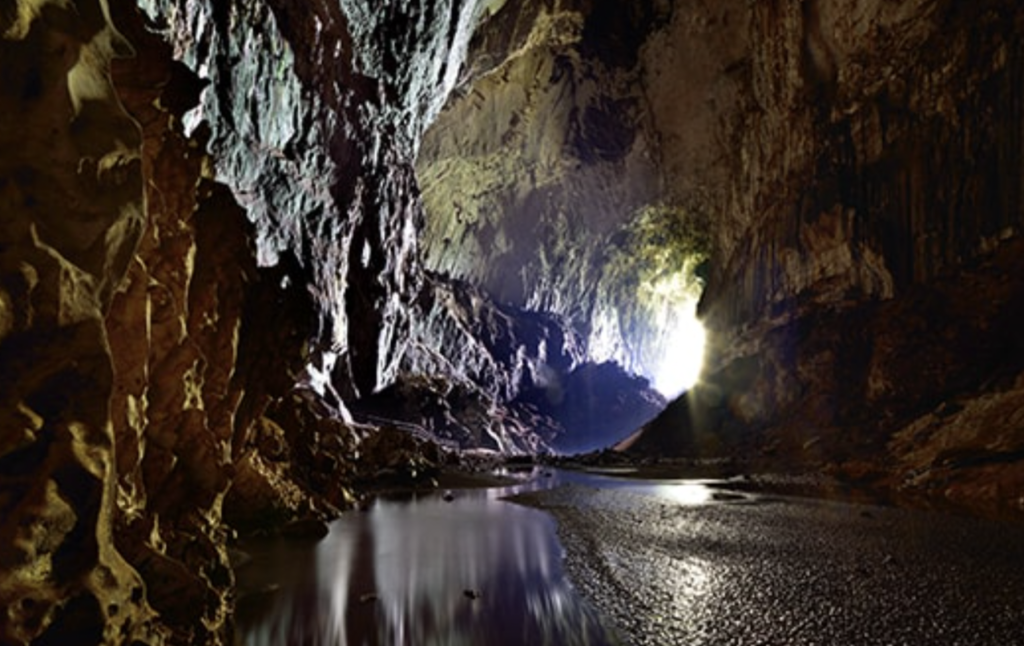
Deer Cave in Gunung Mulu National Park is one of the largest cave passages in the world, spanning over 2 kilometers in length. Named for the deer that once sought refuge in its cavernous depths, the cave is home to a vast colony of bats, including the endangered wrinkle-lipped bats.

Visitors can marvel at the cave’s immense chambers, towering stalactites, and prehistoric rock formations as they venture deeper into its depths.

At the cave’s entrance, the Garden of Eden boasts lush vegetation and cascading waterfalls, creating a surreal oasis amidst the rugged limestone landscape.

Clearwater Cave

Clearwater Cave

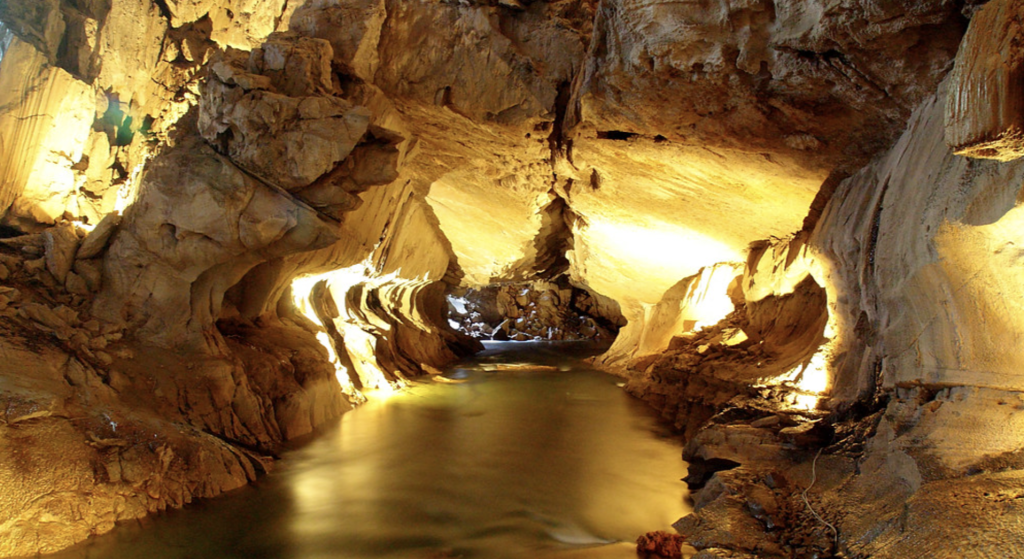
Clearwater Cave is one of the longest cave systems in the world, with over 222 kilometers of passages explored so far. Accessible via a scenic boat ride along the Melinau River, the cave offers visitors the chance to explore its intricate network of chambers, streams, and crystal-clear pools.

The cave’s name comes from the pristine waters that flow through its passages, creating mesmerizing reflections of the surrounding limestone formations.

Inside, visitors can marvel at unique rock formations, including stalactites, stalagmites, and flowstones, formed over millions of years by the erosive power of water. Clearwater Cave is a must-visit destination for spelunkers and nature enthusiasts seeking to explore the hidden wonders of Gunung Mulu National Park.

Lang's Cave

Lang's Cave

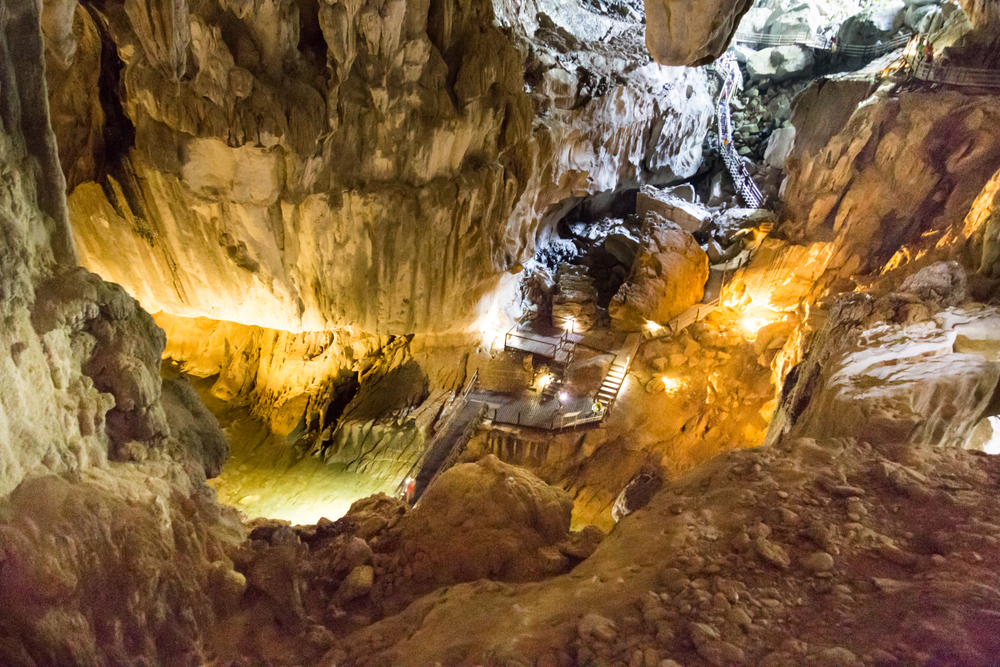
Lang’s Cave is renowned for its stunning limestone formations, including delicate stalactites and stalagmites that resemble intricate works of art. Named after a local Penan hunter who discovered the cave, Lang’s Cave offers visitors a glimpse into the mesmerizing beauty of Gunung Mulu’s underground world.

The cave’s spacious chambers and intricate formations create a surreal ambiance, with soft lighting illuminating its natural wonders. Visitors can wander along well-marked pathways, marveling at the intricate formations that adorn the cave’s walls and ceilings.

Lang’s Cave is a popular destination for guided cave tours, providing a fascinating insight into the geological processes that have shaped the landscape of Gunung Mulu National Park.

Wind Cave

Wind Cave

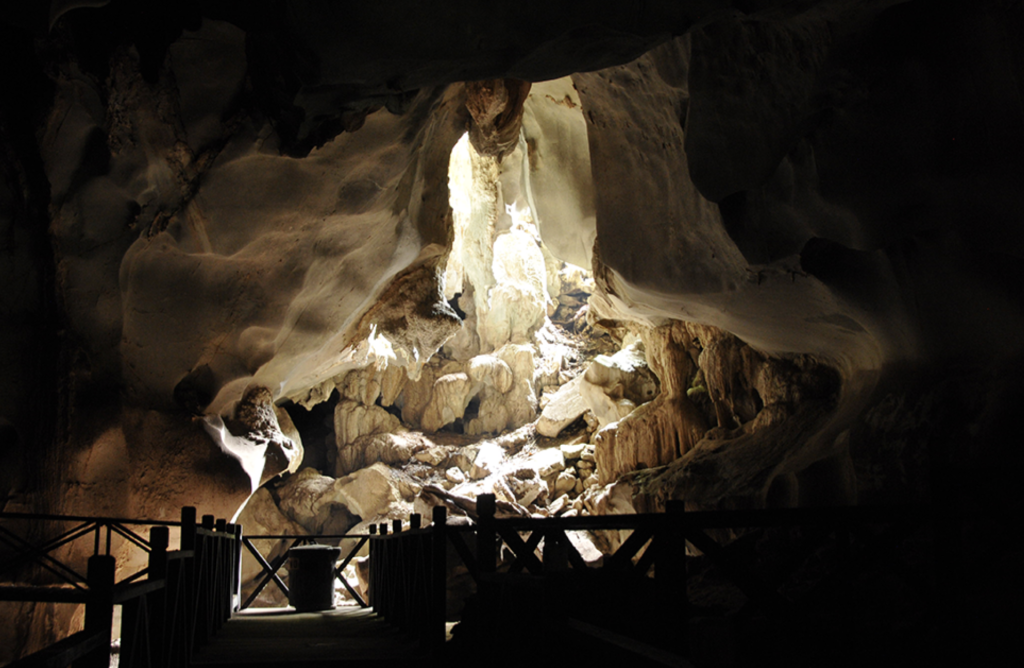
Wind Cave derives its name from the cool breeze that flows through its passages, creating a refreshing respite from the tropical heat outside. Accessible via a wooden boardwalk that winds through the rainforest, the cave offers visitors the chance to explore its intricate chambers and passages.

Inside, visitors can marvel at unique rock formations, including helictites, cave curtains, and flowstones, formed over millions of years by the erosive power of water.

The cave’s entrance features an impressive limestone facade, adorned with lush vegetation and cascading waterfalls. Wind Cave is a popular destination for cave exploration and nature walks, offering visitors a chance to experience the hidden wonders of Gunung Mulu National Park.

Things To Do

Engaging Gunung Mulu National Park
Caving Expeditions

Explore the park’s intricate cave systems on guided caving expeditions, including iconic caves like Deer Cave and Clearwater Cave. Descend into the depths of the earth to marvel at awe-inspiring limestone formations, underground rivers, and unique ecosystems. Experienced guides lead visitors through labyrinthine passages, revealing the hidden wonders of Gunung Mulu’s subterranean world.

Canopy Walk

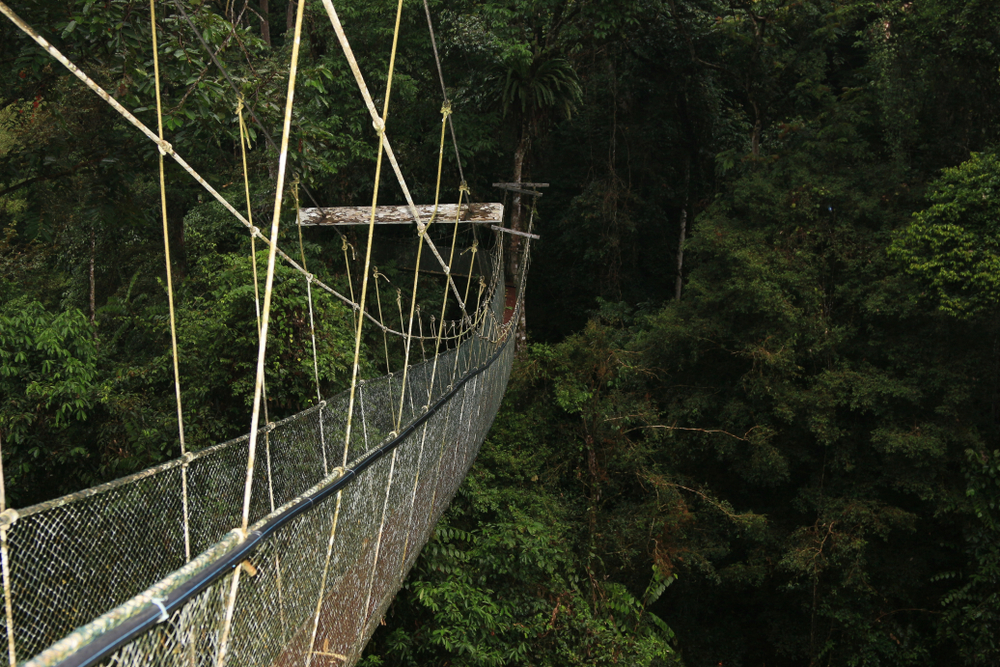
Embark on a thrilling canopy walk amidst the lush rainforest canopy. Traverse suspension bridges high above the forest floor, offering panoramic views of the surrounding landscape and opportunities to spot birds, monkeys, and other wildlife.

The canopy walk provides an exhilarating adventure and a unique perspective of Gunung Mulu’s biodiversity.  It providers visitors with a birds-eye view of the forest floor below and elevated view of the jungle landscape.

Trekking Adventures

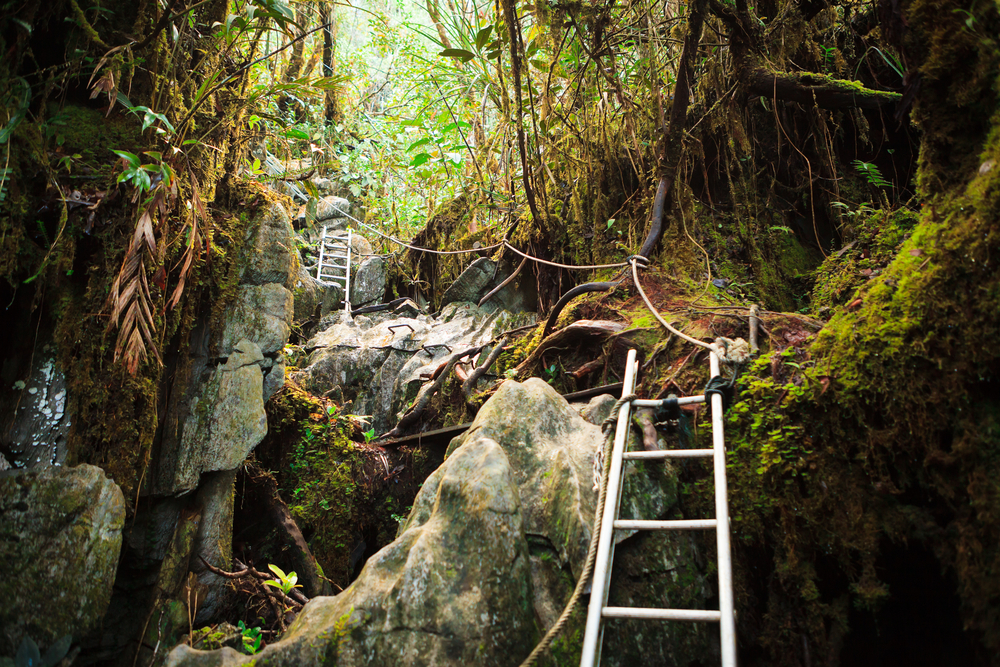
Hike through pristine rainforests on a network of trails that wind through the park’s diverse ecosystems. Choose from short walks to multi-day treks, each offering opportunities to encounter endemic flora and fauna, hidden waterfalls, and breathtaking viewpoints. Trekking in Gunung Mulu National Park provides an immersive experience in nature’s splendor.

FAQ’s

What is Gunung Mulu National Park known for?

Gunung Mulu National Park in Malaysia is known for its extraordinary limestone karst formations, expansive cave systems, and rich biodiversity.

The park is renowned for its stunning landscapes, including jagged limestone peaks, dense rainforests, and meandering rivers.

Visitors flock to the park to explore its vast network of caves, including the world’s largest cave chamber, Sarawak Chamber, and the iconic Deer Cave, home to millions of bats.

Additionally, Gunung Mulu National Park offers opportunities for trekking, birdwatching, and experiencing the cultural heritage of the indigenous communities living in the area.

Sources

Mulu National Park, Park Site, https://www.mulunationalpark.com/, retrieved April 2024.

Mulu Park, Park Site, https://mulupark.com/, retrieved April 2024.

Sarawak Forestry, Mulu National Park, https://sarawakforestry.com/parks-and-reserves/mulu-national-park/, retrieved April 2024.

UNESCO, Gunung Mulu National Park, https://whc.unesco.org/en/list/1013/, retrieved April 2024.