About

Mammoth Cave National Park is located in the central part of Kentucky.  The park covers an area of 82.55 square miles (213.8 sq km).

Although this cave is larger, it was not the first cave recognized as a national park.  That distinction goes to Wind Cave National Park located in South Dakota.

Mammoth Cave is currently recognized as the longest cave system in the world.  To date, there are no known longer cave systems.  There are caves that have larger rooms or more geological cave formations, but the cave matches the length of this cave system.

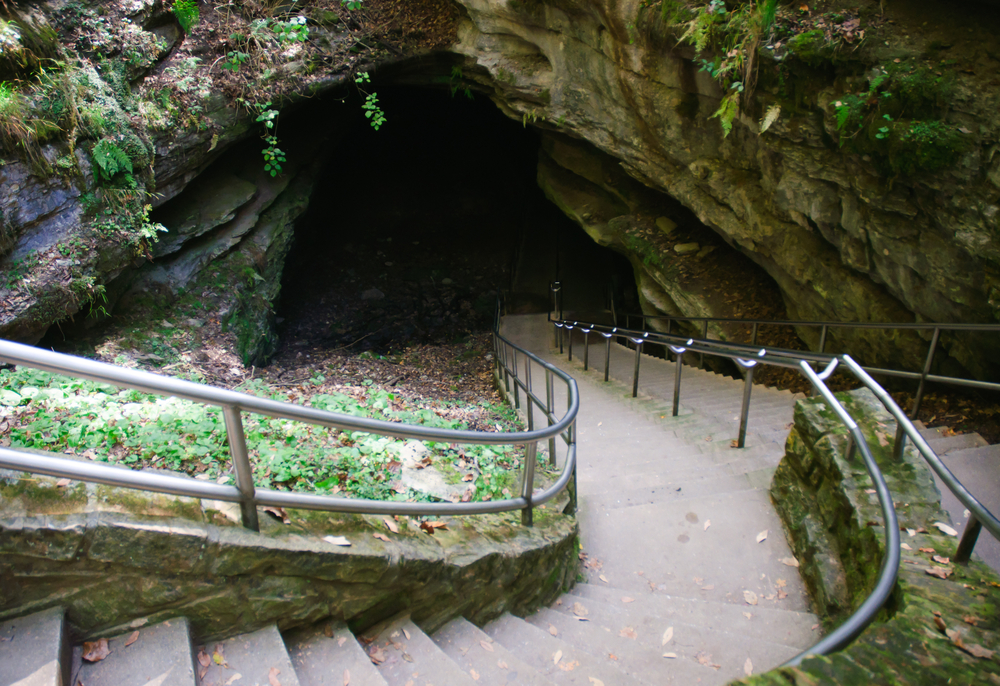
One of the primary ways to experience the national park is through cave tours offered by the National Park Service. There are traditional tours through the larger cavern spaces and unique cave formations.  However, for the more adventurous, there are tours that will take you down drop-offs and crawl along between narrow spaces.  These tours are not for the claustrophobic.

In addition to Mammoth Cave, there are another 200 caves across the park that are separate individual caves of the larger cave system.

The Green River and the tributary Nolin River traverse across the park and add to the picturesque landscape that is above ground over the cave.

The cave is home to a series of bat species which include the big brown bat, eastern pipistrelle bat, eastern small-footed bat, gray bat, Indiana bat, and the little brown bat. There are estimated to be over 10 million bats living in the cave.

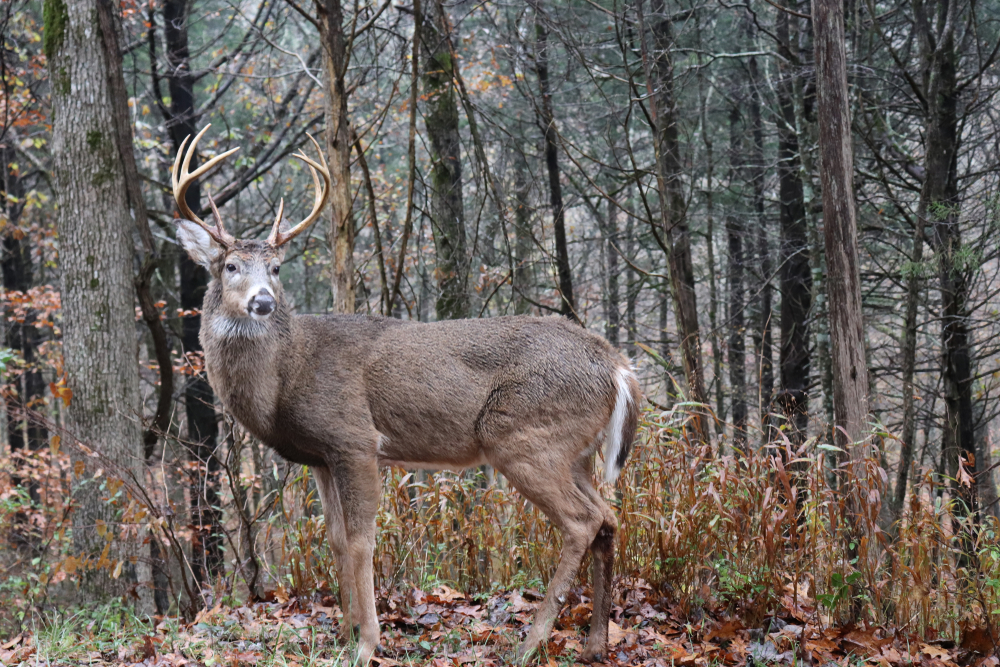
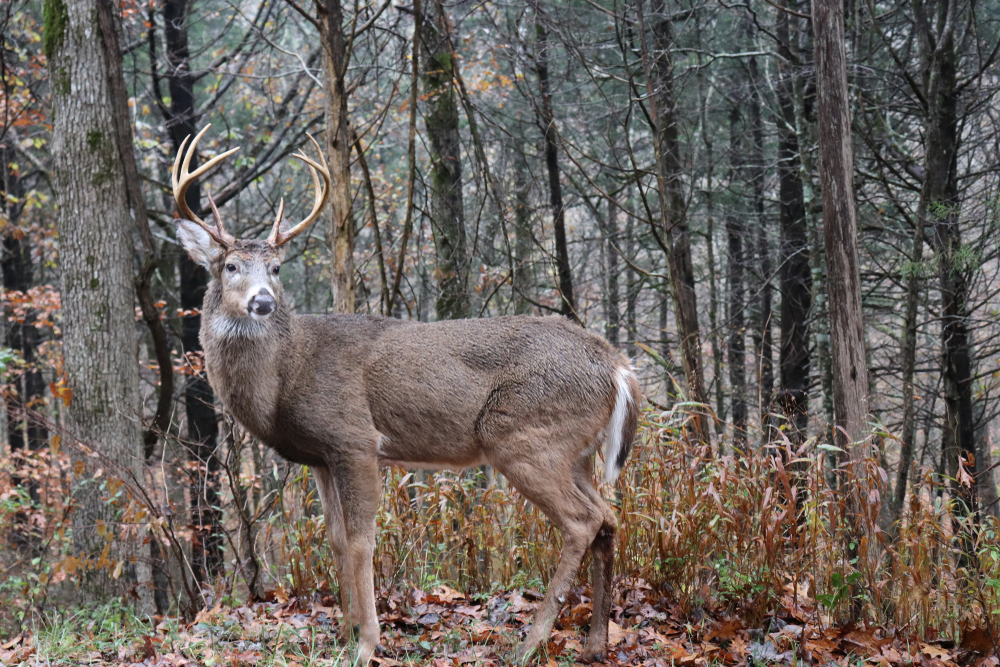
Wildlife above the cave includes species like deer, coyote, beaver, raccoon, opossum, red fox, and woodchuck. Wild turkey and owls are some of the popular bird species.

Mammoth Cave is the focal and pinnacle attraction of the national park. This is what drives almost every visit to the national park.

Things to See

Mammoth Cave has over 400 miles (640 km) of passageways that have been explored and surveyed.  This makes it the longest cave system in the world.  It is more than twice the length of Sac Actun in Mexico which is the second-longest cave system in the world.

World's Longest

World's Longest

Mammoth Cave, located in Mammoth Cave National Park in Kentucky, is the longest known cave system in the world, boasting over 400 miles (640 kilometers) of explored passageways.

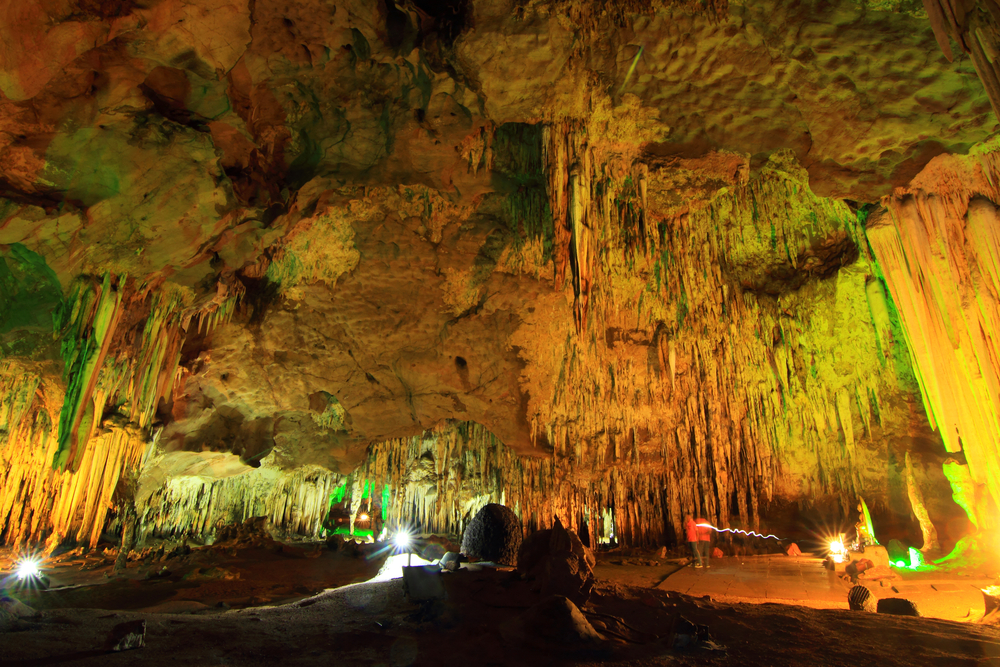
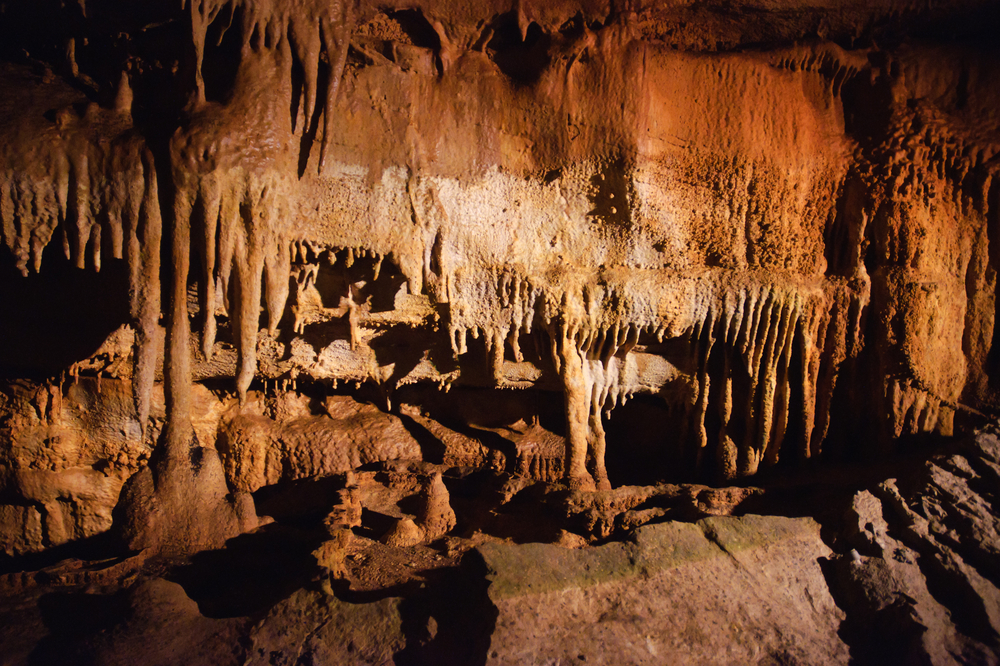
Its vast labyrinthine network of chambers, tunnels, and corridors is a testament to the geological forces that shaped the region over millions of years.

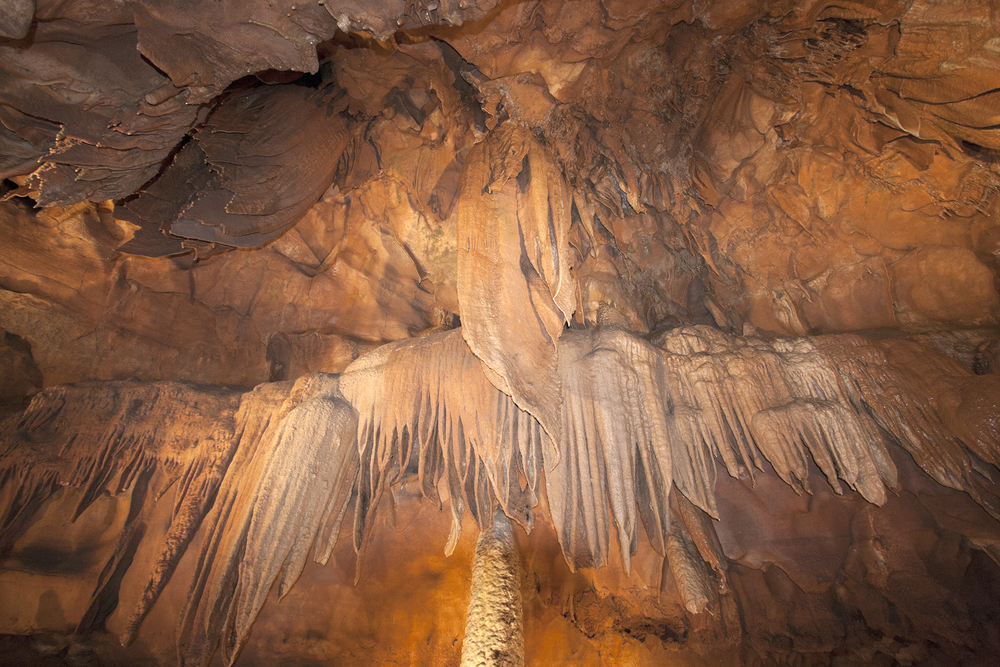
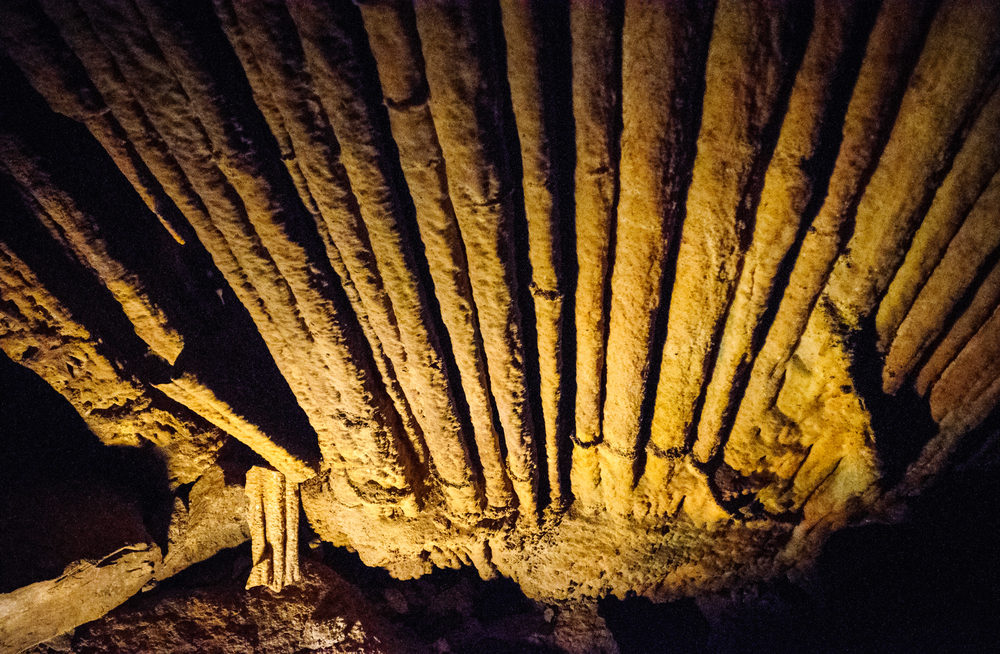
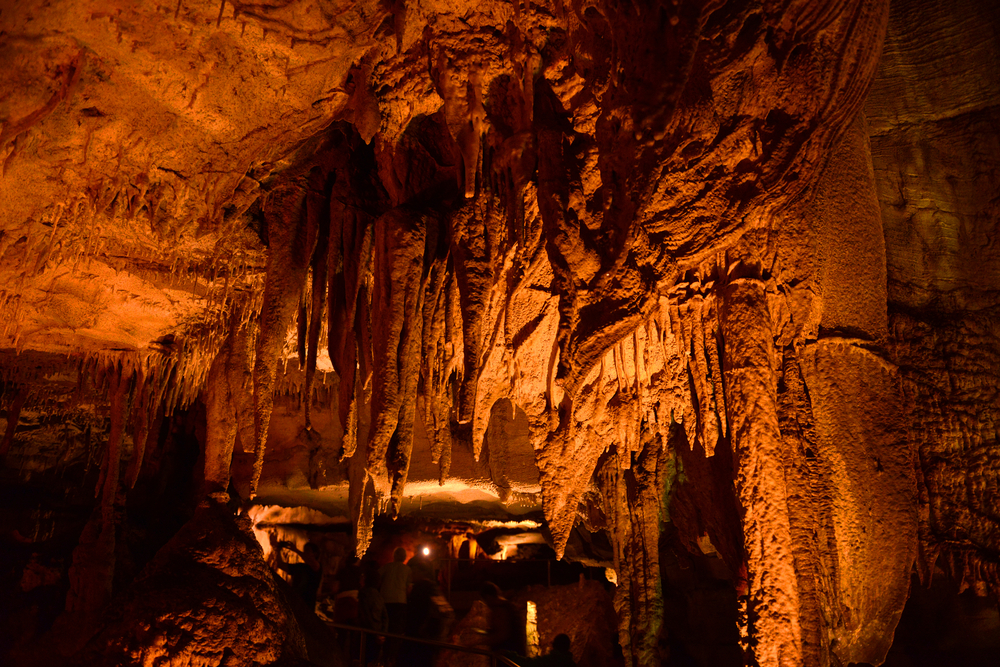
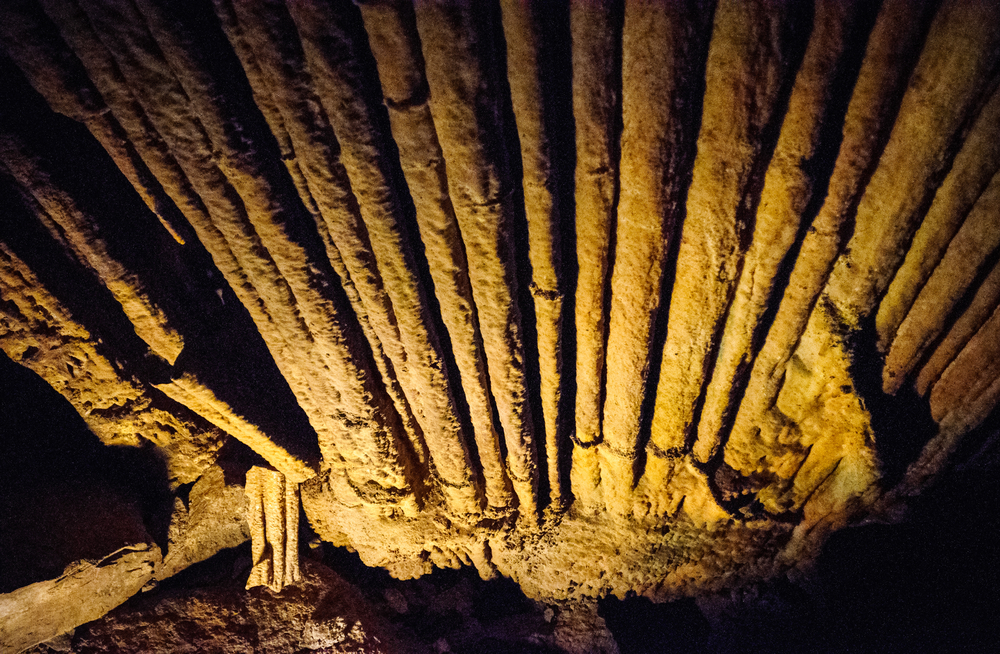
One of the most significant rooms in Mammoth Cave is the Rotunda, measuring approximately 150 feet (46 meters) in diameter and featuring towering ceilings adorned with intricate limestone formations.

Another notable chamber is the Grand Avenue, a colossal passage stretching over 7 miles (11 kilometers) in length and reaching heights of up to 200 feet (61 meters).

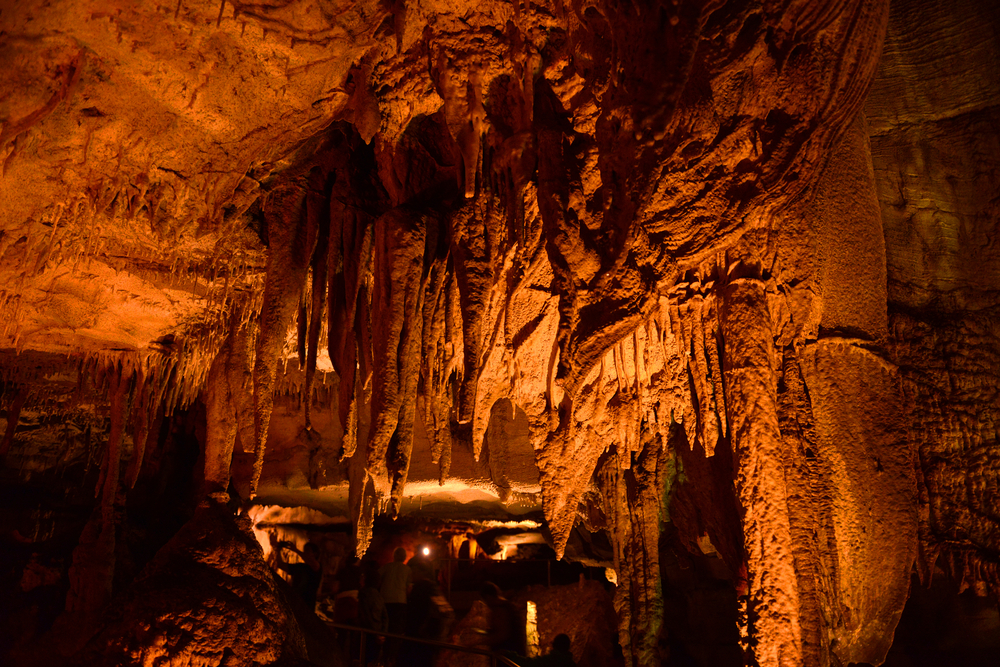
Other highlights include the Frozen Niagara, a stunning cascade of flowstone formations, and the Bottomless Pit, a vertical shaft plunging over 100 feet (30 meters) into the depths of the cave.

Mammoth Cave’s immense size and remarkable geological features make it a must-see destination for cave enthusiasts and nature lovers alike.

Popular

Popular

Mammoth Cave National Park, known for its extensive cave system, also boasts a rich surface ecosystem, where diverse wildlife species thrive in the park’s forests, rivers, and grasslands, offering visitors a glimpse into the vibrant life that exists above and below ground.

White-tailed Deer A common sight in the park, White-tailed Deer are often seen grazing in meadows or bounding through the forests, a graceful emblem of Kentucky’s wilderness.

Eastern Gray Squirrel Ubiquitous in the park’s woodlands, the Eastern Gray Squirrel is known for its agility in the trees and its habit of gathering nuts for winter storage.

Raccoon Nocturnal and omnivorous, Raccoons are frequently encountered by visitors, their distinctive masked faces and ringed tails emblematic of the park’s diverse mammalian life.

Bat Species Mammoth Cave is a crucial habitat for several bat species, including the endangered Indiana Bat, which roosts in the cave’s cooler environments during summer.

Barred Owl The haunting call of the Barred Owl, “Who cooks for you? Who cooks for you all?” is a familiar sound in the park’s dense forests.

Wild Turkey The resurgence of the Wild Turkey in the park is a conservation success story, with flocks now commonly seen foraging in open areas and along roadways.

Bobcat The elusive Bobcat, with its bobbed tail and spotted fur, prowls the park’s wilderness, a silent hunter of rabbits, rodents, and birds.

River Otter Once nearly extirpated from the area, River Otters have made a comeback, now seen playing and fishing in the park’s rivers and streams.

Eastern Box Turtle The slow-moving Eastern Box Turtle, with its distinctive domed shell, is a frequent sight along the park’s trails, especially after rain.

Woodchuck Also known as groundhogs, Woodchucks are often spotted in grassy areas of the park, where they dig burrows and feed on vegetation.

Mammoth Cave National Park’s wildlife, from the quiet flight of bats to the slow crawl of the Eastern Box Turtle, enriches the visitor experience, highlighting the interconnectedness of life above and beneath the Earth’s surface in this unique protected area.

Things To Do

Engaging Mammoth Cave

Guided Cave Tours

Explore the fascinating underground world of Mammoth Cave National Park on a guided cave tour. Led by knowledgeable park rangers, these tours take visitors deep into the cave system, where they can marvel at towering chambers, intricate limestone formations, and hidden passageways.

Choose from a variety of tour options, ranging from easy walks suitable for families to more adventurous expeditions for experienced cavers. Guided cave tours provide a safe and informative way to experience the wonders of Mammoth Cave, offering insights into its geology, history, and ecology.

Hiking

Discover the natural beauty of Mammoth Cave National Park on its extensive network of hiking trails. With over 80 miles (129 kilometers) of trails to explore, hikers can traverse diverse landscapes, including lush forests, scenic overlooks, and meandering rivers.

Highlights include the Cedar Sink Trail, which leads to a collapsed cave entrance and unique geological features, and the Green River Bluffs Trail, offering stunning views of the surrounding countryside.

Whether you’re seeking a leisurely stroll or a challenging trek, hiking in Mammoth Cave provides opportunities to connect with nature and experience the park’s diverse ecosystems.

Guided Cave Tours

Explore the fascinating underground world of Mammoth Cave National Park on a guided cave tour. Led by knowledgeable park rangers, these tours take visitors deep into the cave system, where they can marvel at towering chambers, intricate limestone formations, and hidden passageways.

Choose from a variety of tour options, ranging from easy walks suitable for families to more adventurous expeditions for experienced cavers. Guided cave tours provide a safe and informative way to experience the wonders of Mammoth Cave, offering insights into its geology, history, and ecology.

Hiking

Discover the natural beauty of Mammoth Cave National Park on its extensive network of hiking trails. With over 80 miles (129 kilometers) of trails to explore, hikers can traverse diverse landscapes, including lush forests, scenic overlooks, and meandering rivers.

Highlights include the Cedar Sink Trail, which leads to a collapsed cave entrance and unique geological features, and the Green River Bluffs Trail, offering stunning views of the surrounding countryside.

Whether you’re seeking a leisurely stroll or a challenging trek, hiking in Mammoth Cave provides opportunities to connect with nature and experience the park’s diverse ecosystems.

Mammoth Cave National Park Trails

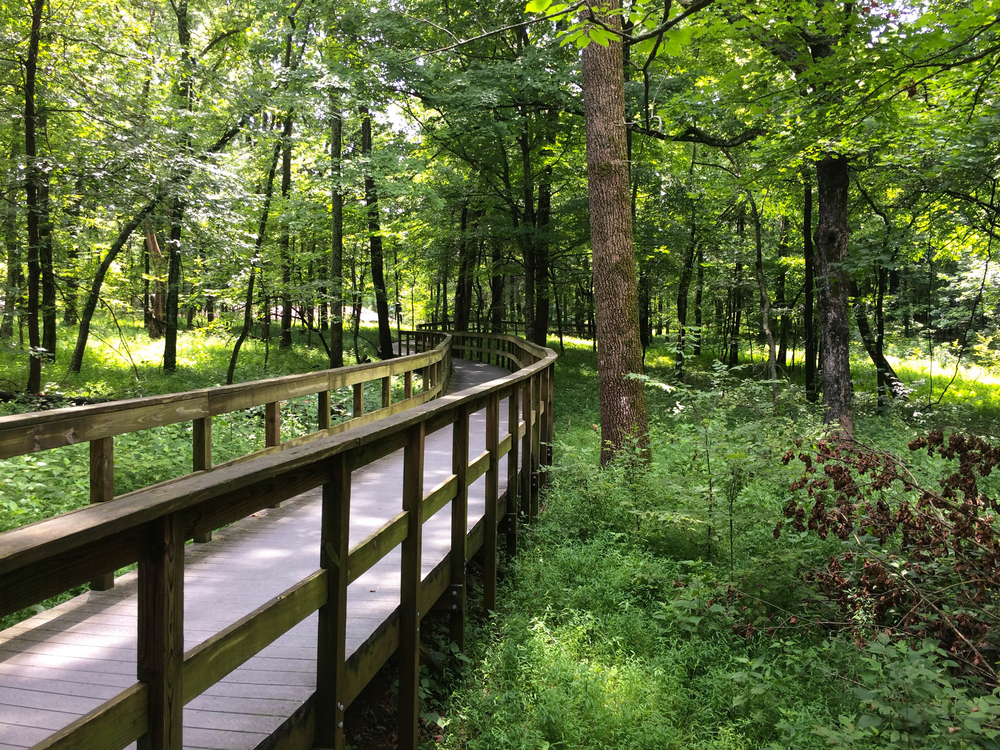
Although the heart of the national park is the cave system underground, there are numerous trails in the scenic wooded area above ground.

placeholder

Green River Bluff Trail

This is a moderate rated 4.5-mile (7.2 km) loop trail that meanders along the river out to the bluff of Green River.  Visitors will see a sinkhole, forests, rocky bluff, and riverine terrain.

placeholder

Cedar Sink Trail

This is an easy 1.8-mile (2.89 km) developed trail that traverses through the forest and along rocky hillsides.  The elevation gain is minimal.  There is a chance to see wildlife along with the waterways and vegetation.

placeholder

Sinkhole Trail

This is an easy 2.4-mile (3.86 km) trail that follows through the forest out to the Mammoth Dome Sinkhole. It is a serene trail while giving views of an intriguing facet of nature.  The elevation gain is 357 feet (108.81 m).

placeholder

First Creek Lake Trail

This is a moderate rated 3.6-mile (5.79 km) loop trail with an elevation gain of 521 feet (158.8 m) that meanders through the forest, along a creek, and out past a small lake. 

placeholder

Dixon Cave Trail

This is an easy 1.5-mile (2.41 km) loop trail that travels through a forest and along a river providing scenic views along the way. There is a chance of seeing wildlife, wildflowers, and exquisite forested wilderness.

placeholder

Green River Bluffs Trail

Rating: Moderate

Distance and Elevation Gain: 1.3 miles round trip with an elevation gain of about 150 feet (46 meters)

Description: This trail offers scenic views of the Green River and the surrounding woodland. It’s an excellent choice for those looking to enjoy the park’s surface beauty with moderate effort. The overlook provides a peaceful spot to appreciate the river’s tranquility and the lush Kentucky landscape.

placeholder

Cedar Sink Trail

Rating: Moderate

Distance and Elevation Gain: 1.8 miles round trip with an elevation gain of about 200 feet (61 meters)

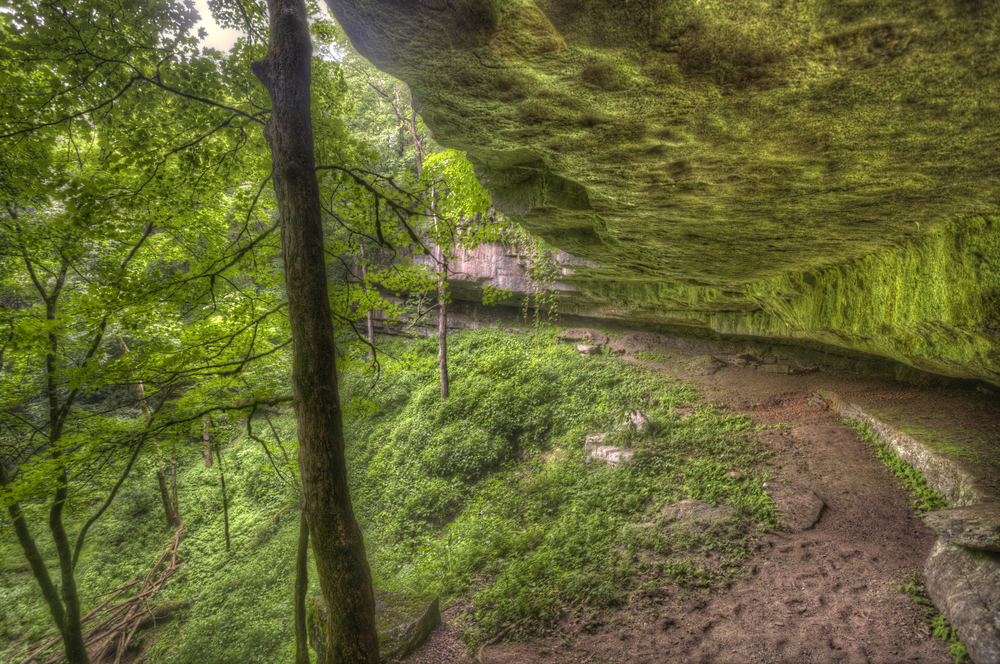
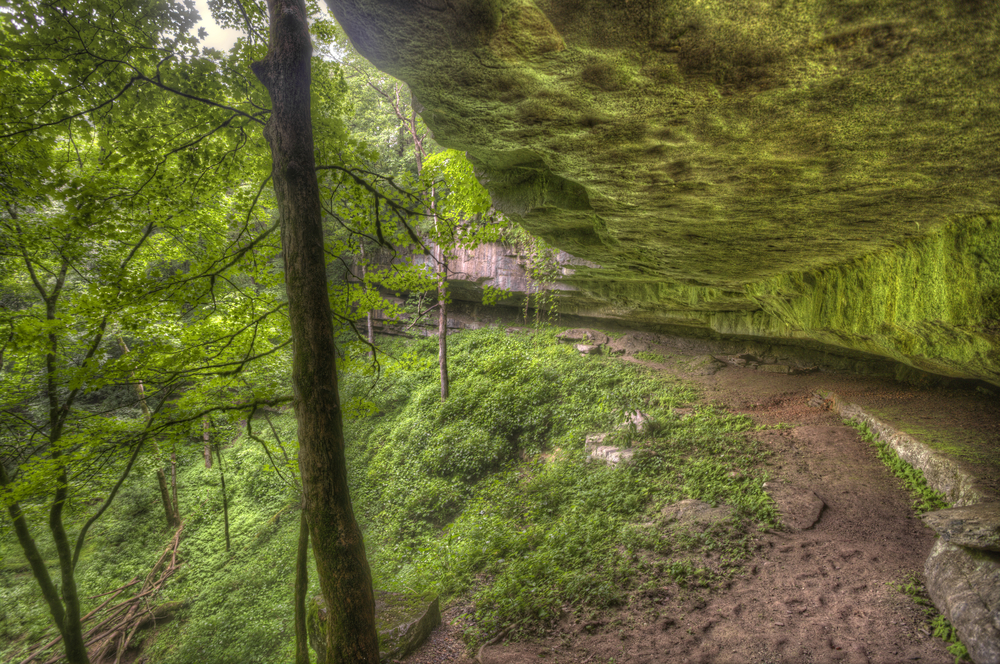
Description: This trail leads hikers through a unique geological feature—a sinkhole with a small river running through it. The trail descends into the sink, offering a close-up view of the area’s distinct flora and the natural processes at work in karst landscapes.

placeholder

Echo River Spring Trail

Rating: Easy

Distance and Elevation Gain: 1 mile round trip with minimal elevation gain

Description: Perfect for a leisurely walk, this trail takes visitors to the Echo River Spring, where water from the cave system emerges into a beautiful blue pool. The trail is accessible and provides a glimpse into the connection between the surface and underground ecosystems.

placeholder

Dome Sink Trail

Rating: Strenuous

Distance and Elevation Gain: 2 miles round trip with significant elevation gain in short sections

Description: This trail challenges hikers with steep descents and climbs as it explores several sinkholes, including the impressive Dome Sink. The rugged path offers insights into the park’s karst terrain and the forces that shape these landscapes.

placeholder

Turnhole Bend Nature Trail

Rating: Easy

Distance and Elevation Gain: 1.2 miles round trip with minimal elevation gain

Description: This easy trail is ideal for families and those seeking a relaxed walk through the park’s woodlands. Along the way, hikers can enjoy views of the Turnhole Bend of the Green River, encounter local wildlife, and see a variety of plants native to the area.

placeholder

Green River Bluffs Trail

Rating: Moderate

Distance and Elevation Gain: 1.3 miles round trip with an elevation gain of about 150 feet (46 meters)

Description: This trail offers scenic views of the Green River and the surrounding woodland. It’s an excellent choice for those looking to enjoy the park’s surface beauty with moderate effort. The overlook provides a peaceful spot to appreciate the river’s tranquility and the lush Kentucky landscape.

placeholder

Cedar Sink Trail

Rating: Moderate

Distance and Elevation Gain: 1.8 miles round trip with an elevation gain of about 200 feet (61 meters)

Description: This trail leads hikers through a unique geological feature—a sinkhole with a small river running through it. The trail descends into the sink, offering a close-up view of the area’s distinct flora and the natural processes at work in karst landscapes.

placeholder

Echo River Spring Trail

Rating: Easy

Distance and Elevation Gain: 1 mile round trip with minimal elevation gain

Description: Perfect for a leisurely walk, this trail takes visitors to the Echo River Spring, where water from the cave system emerges into a beautiful blue pool. The trail is accessible and provides a glimpse into the connection between the surface and underground ecosystems.

placeholder

Dome Sink Trail

Rating: Strenuous

Distance and Elevation Gain: 2 miles round trip with significant elevation gain in short sections

Description: This trail challenges hikers with steep descents and climbs as it explores several sinkholes, including the impressive Dome Sink. The rugged path offers insights into the park’s karst terrain and the forces that shape these landscapes.

placeholder

Turnhole Bend Nature Trail

Rating: Easy

Distance and Elevation Gain: 1.2 miles round trip with minimal elevation gain

Description: This easy trail is ideal for families and those seeking a relaxed walk through the park’s woodlands. Along the way, hikers can enjoy views of the Turnhole Bend of the Green River, encounter local wildlife, and see a variety of plants native to the area.

FAQ’s

How does Mammoth Cave compare to other caves?

Mammoth Cave, located in Kentucky, stands out among other caves for several reasons. It is the longest known cave system in the world, with over 400 miles (640 kilometers) of explored passageways and chambers. Mammoth Cave is also known for its vast chambers, intricate limestone formations, and diverse underground ecosystems, including unique species adapted to life in the cave environment.

The second-largest cave system in the world is Sistema Sac Actun, located in the Yucatan Peninsula of Mexico. Previously thought to be a separate cave system, Sac Actun was recently connected to the nearby Dos Ojos system, forming one continuous cave network measuring over 215 miles (347 kilometers) in length. Like Mammoth Cave, Sac Actun is known for its extensive passages, stunning geological formations, and rich biodiversity, making it a popular destination for cave explorers and researchers.

How does Mammoth Cave compare to other caves?

Mammoth Cave, located in Kentucky, stands out among other caves for several reasons. It is the longest known cave system in the world, with over 400 miles (640 kilometers) of explored passageways and chambers. Mammoth Cave is also known for its vast chambers, intricate limestone formations, and diverse underground ecosystems, including unique species adapted to life in the cave environment.

The second-largest cave system in the world is Sistema Sac Actun, located in the Yucatan Peninsula of Mexico. Previously thought to be a separate cave system, Sac Actun was recently connected to the nearby Dos Ojos system, forming one continuous cave network measuring over 215 miles (347 kilometers) in length. Like Mammoth Cave, Sac Actun is known for its extensive passages, stunning geological formations, and rich biodiversity, making it a popular destination for cave explorers and researchers.

Sources