

About
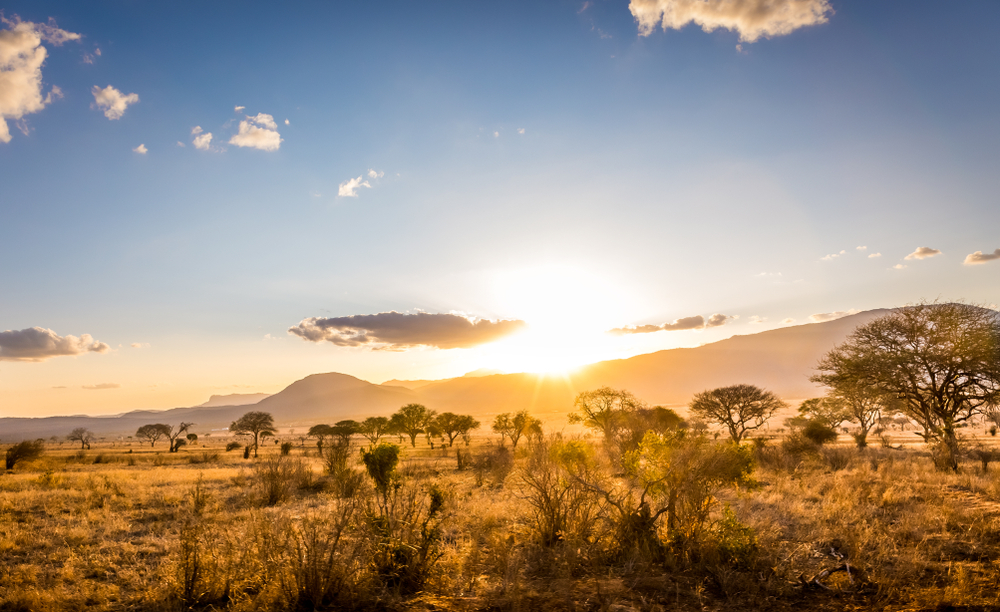
Located in southeastern Kenya, Tsavo East National Park is one of the largest and oldest national parks in the country. The park covers approximately 5,308 square miles (13,747 sq km) and forms part of the greater Tsavo ecosystem together with neighboring Tsavo West National Park.
Positioned between Nairobi and the Kenyan coast near Mombasa, Tsavo East protects vast open savannahs, river systems, and semi-arid wilderness. Its enormous size and relatively undeveloped landscape create one of East Africa’s most authentic safari environments.
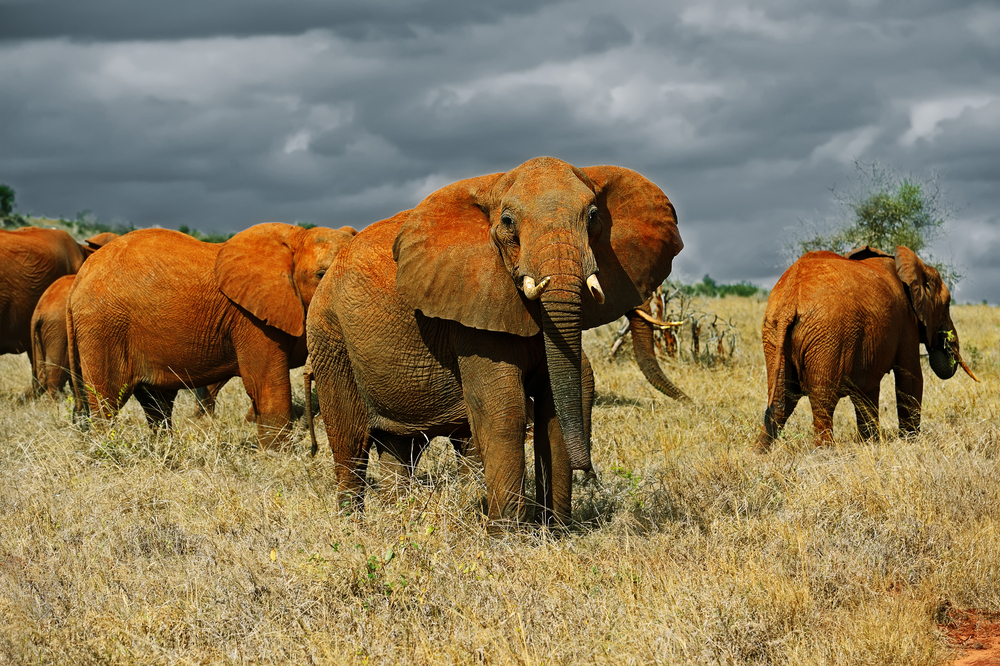
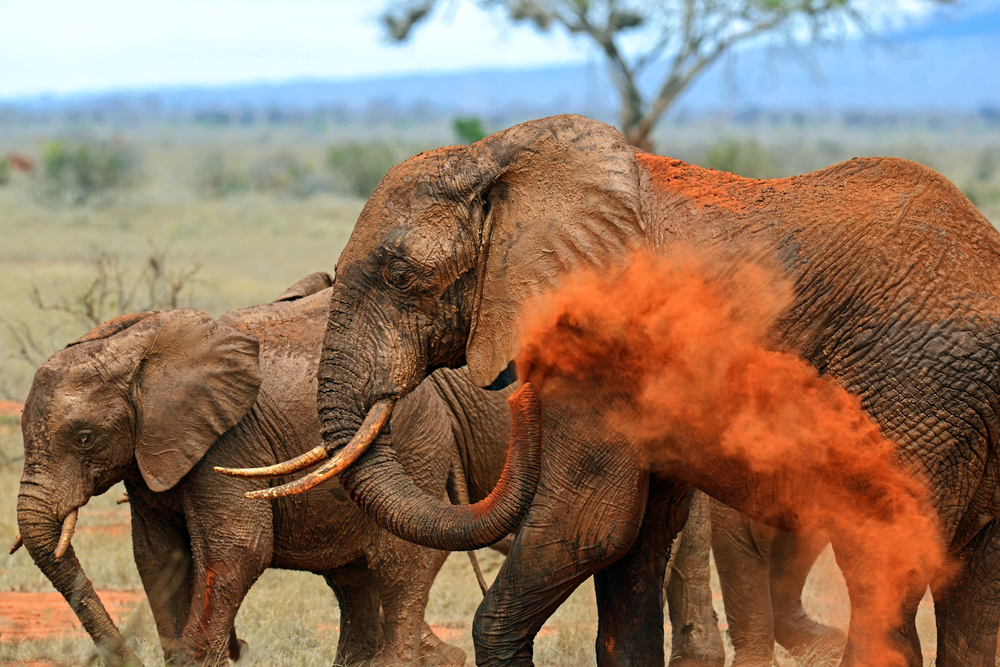
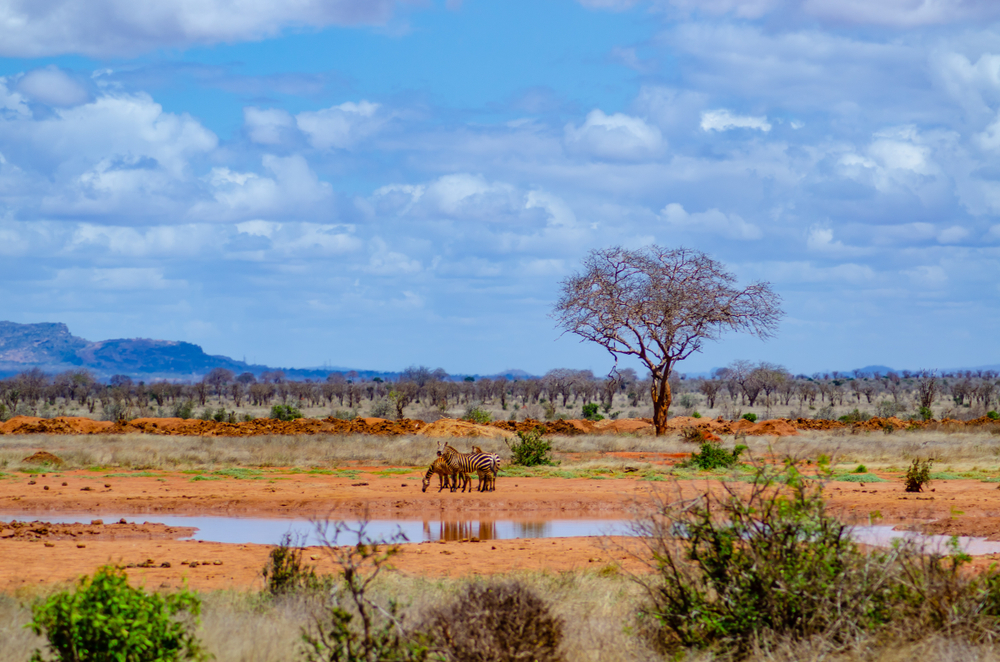
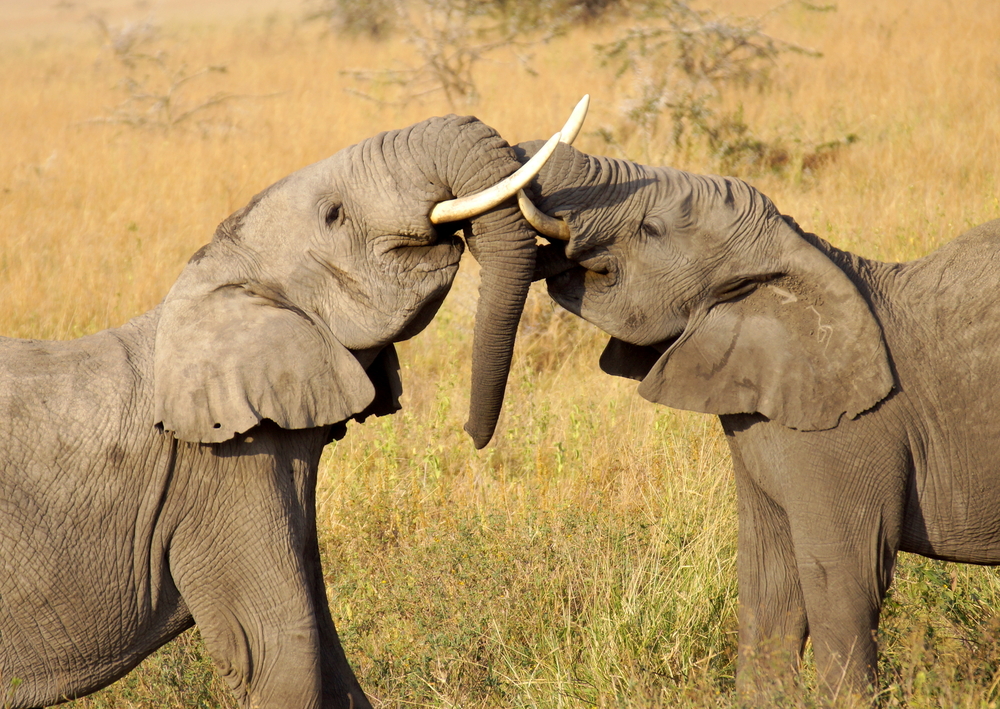
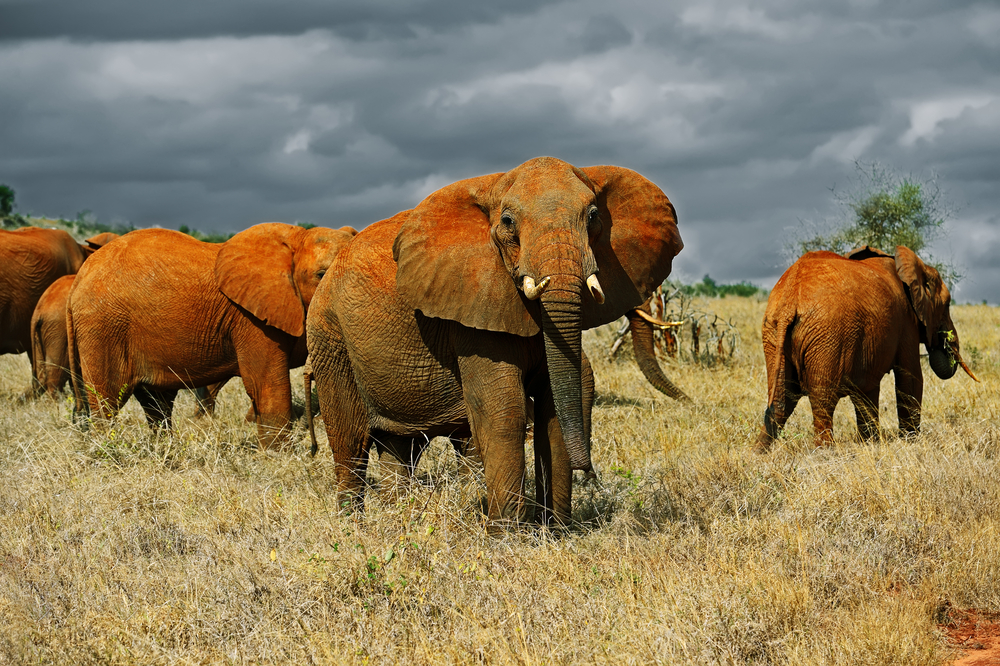
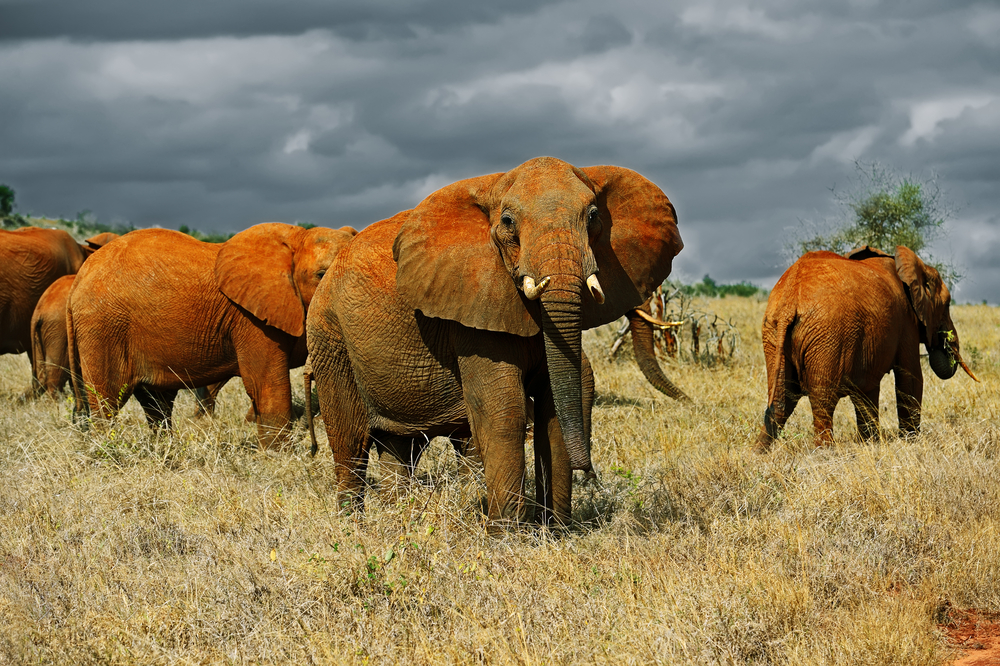
Tsavo East National Park is best known for its enormous elephant herds, striking red landscapes, and wide-open plains that seem to stretch endlessly toward the horizon. The park’s elephants are famous for their reddish appearance, created by rolling in the park’s iron-rich red soil.
Visitors are drawn to Tsavo East for classic safari experiences that include large wildlife concentrations, dramatic scenery, and a sense of untouched wilderness. One of the park’s most famous attractions is Lugard Falls, where the Galana River flows through sculpted rock formations and rapids. The Yatta Plateau, believed to be one of the world’s longest lava flows, creates another remarkable geological feature visible across the park’s northern landscape.
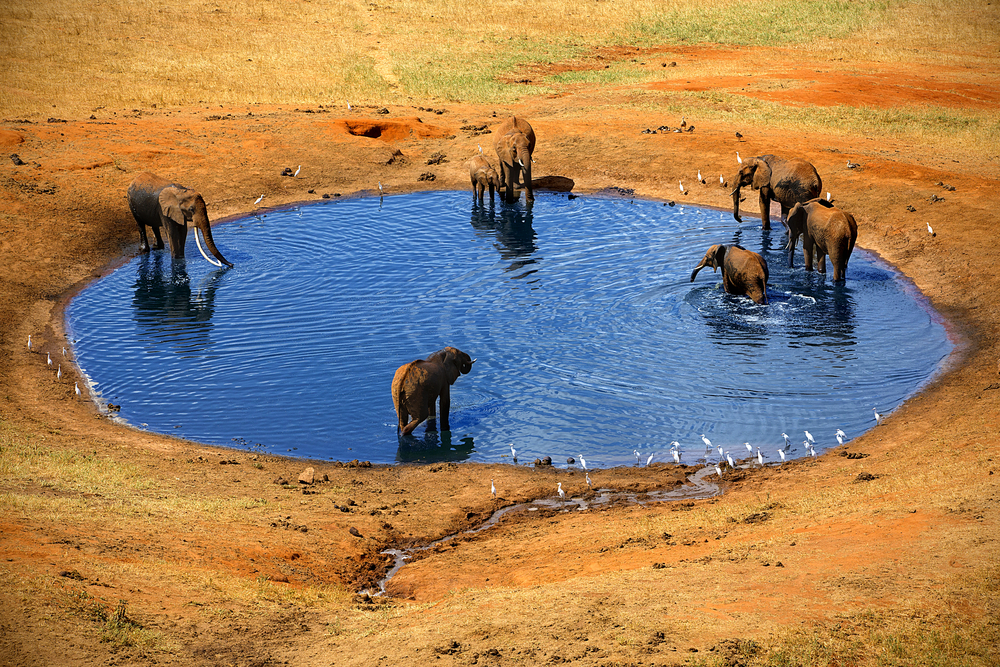
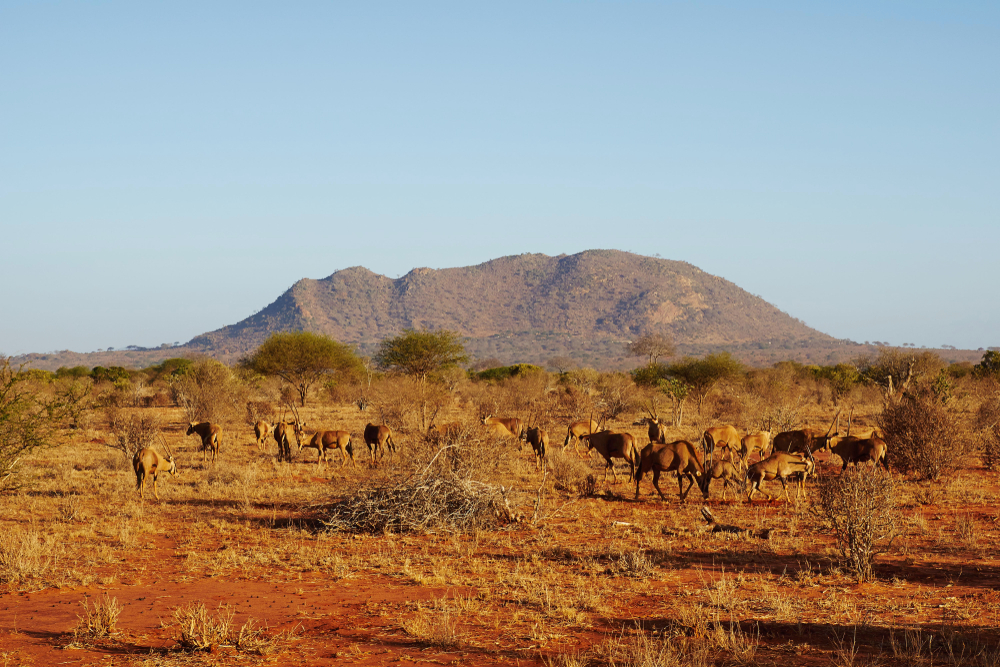
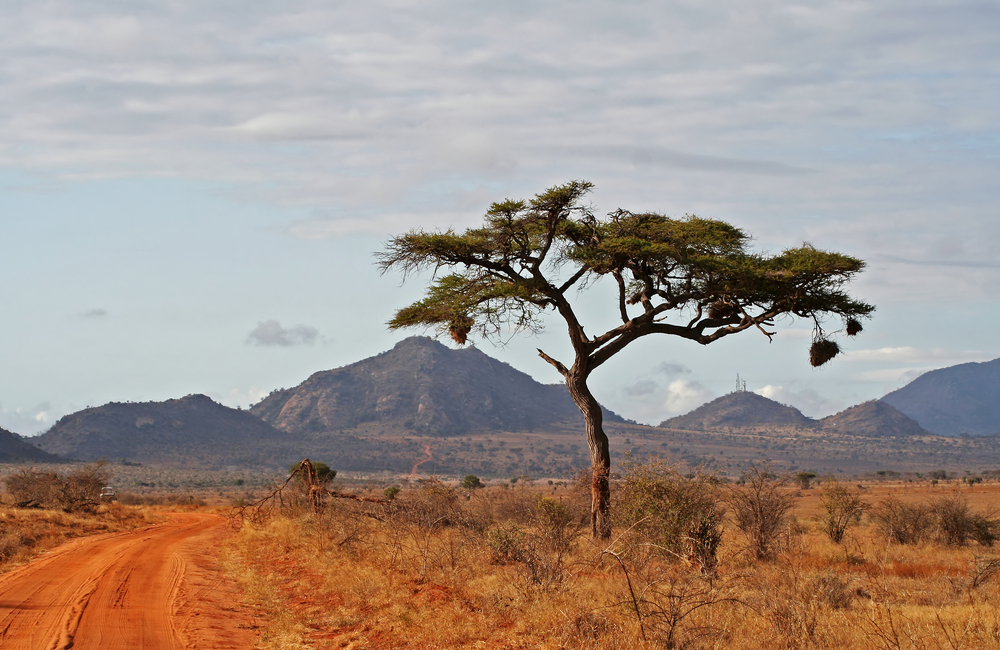
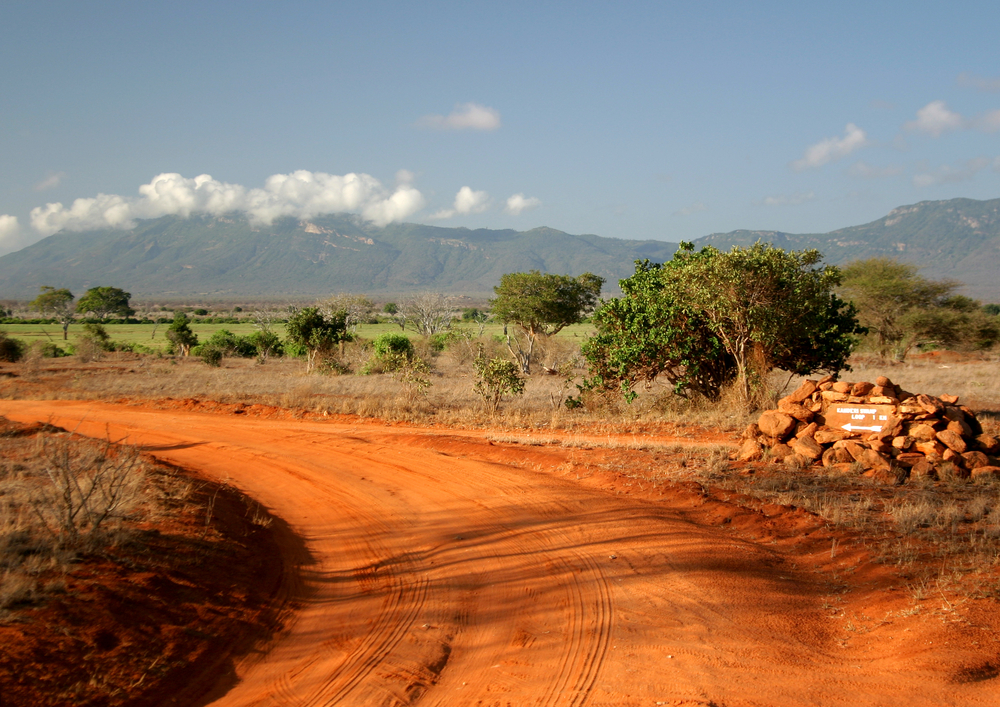
The geography of Tsavo East National Park is dominated by open grasslands, semi-arid bushland, volcanic formations, seasonal rivers, and acacia woodland. Compared to the more mountainous and forested Tsavo West, Tsavo East is flatter and offers broader visibility across the landscape. The Galana River cuts through the park and provides a critical water source for wildlife, especially during dry periods.
Vegetation includes thorn scrub, baobab trees, doum palms, and grasslands adapted to hot and dry conditions. Seasonal rains briefly transform portions of the park into greener habitats before the dry climate returns. The combination of volcanic soils and sparse vegetation gives Tsavo East its distinctive red coloration.
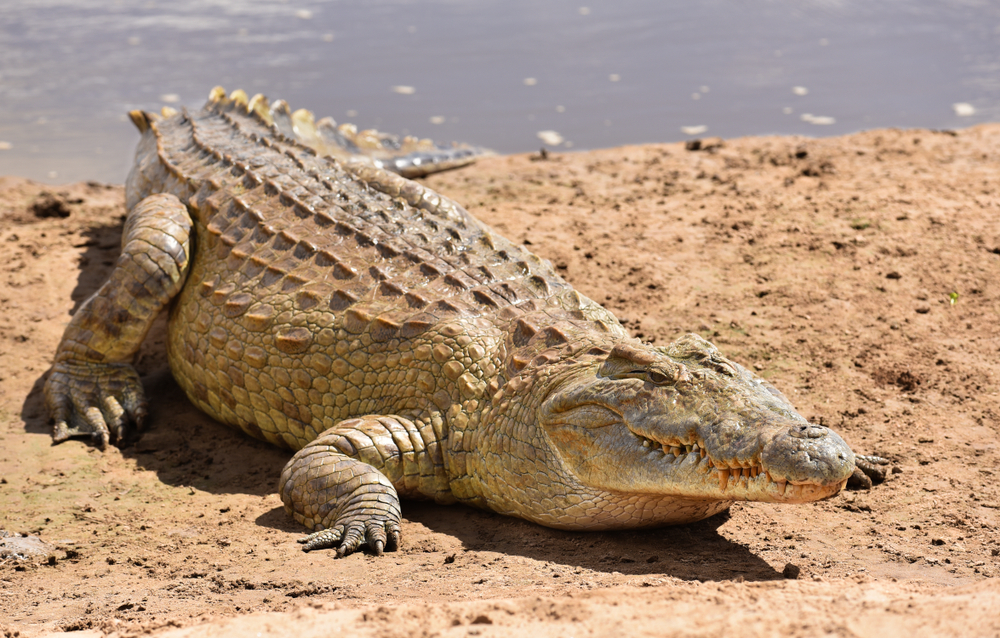
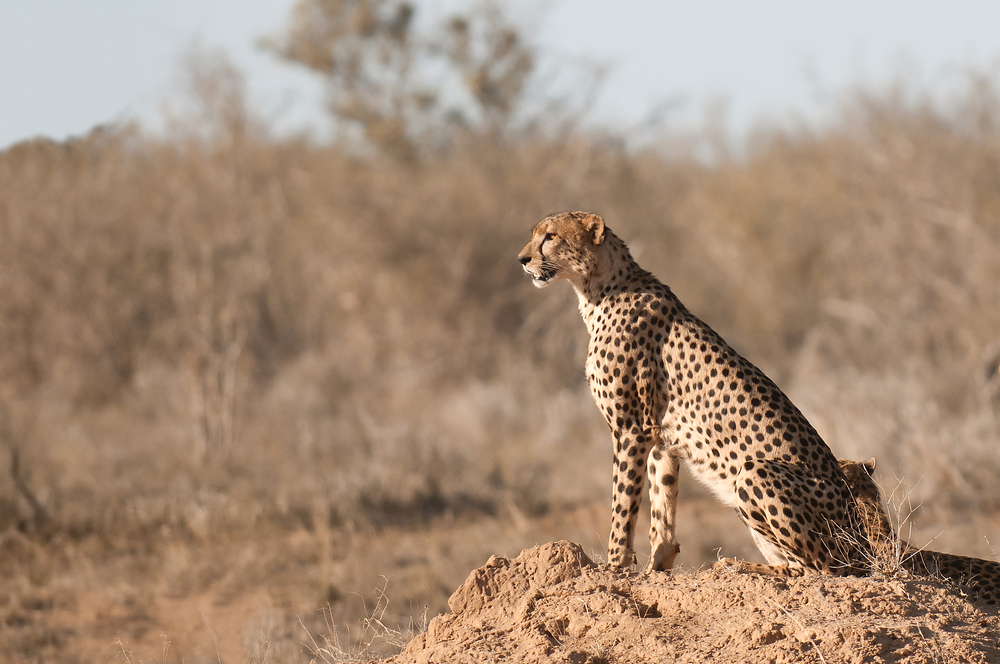
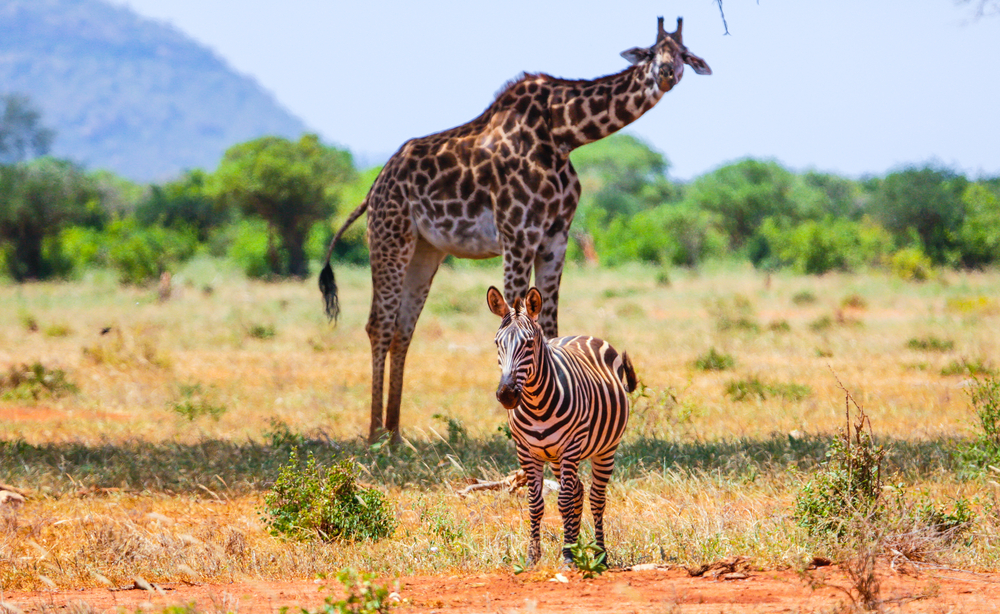
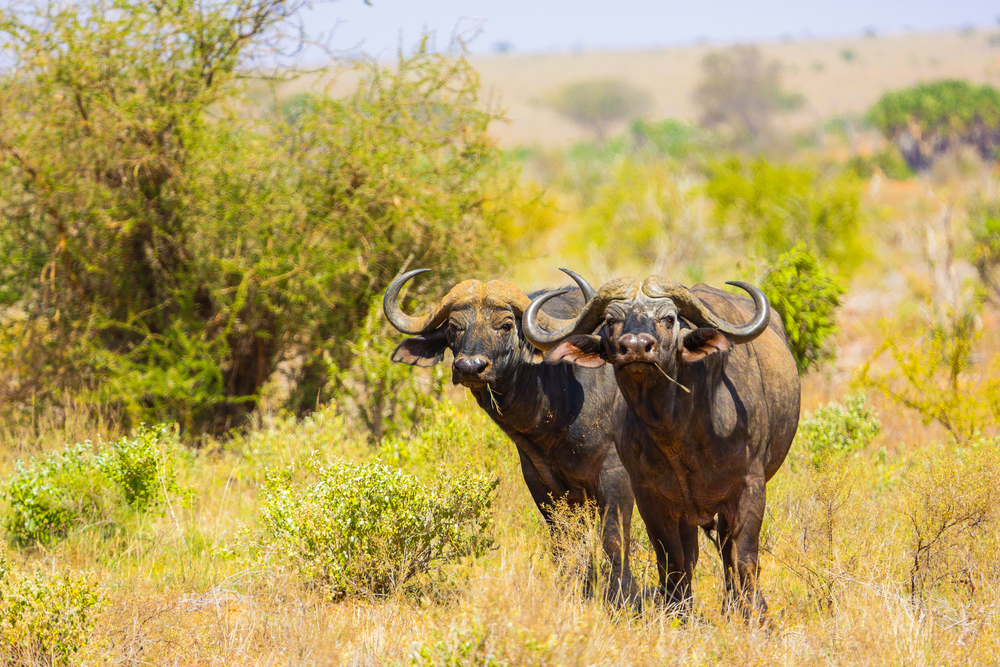
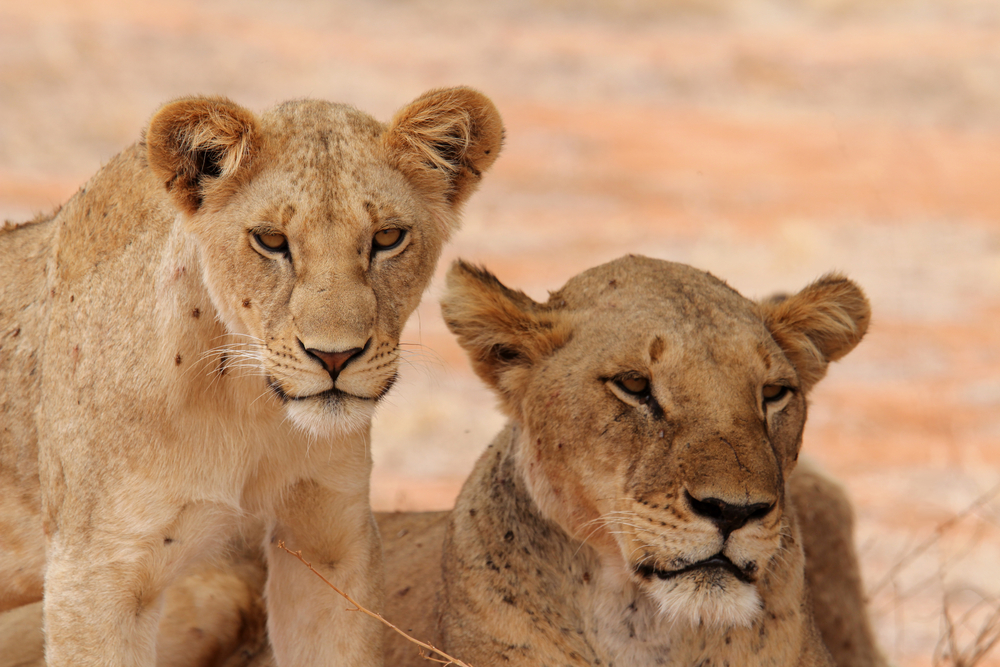
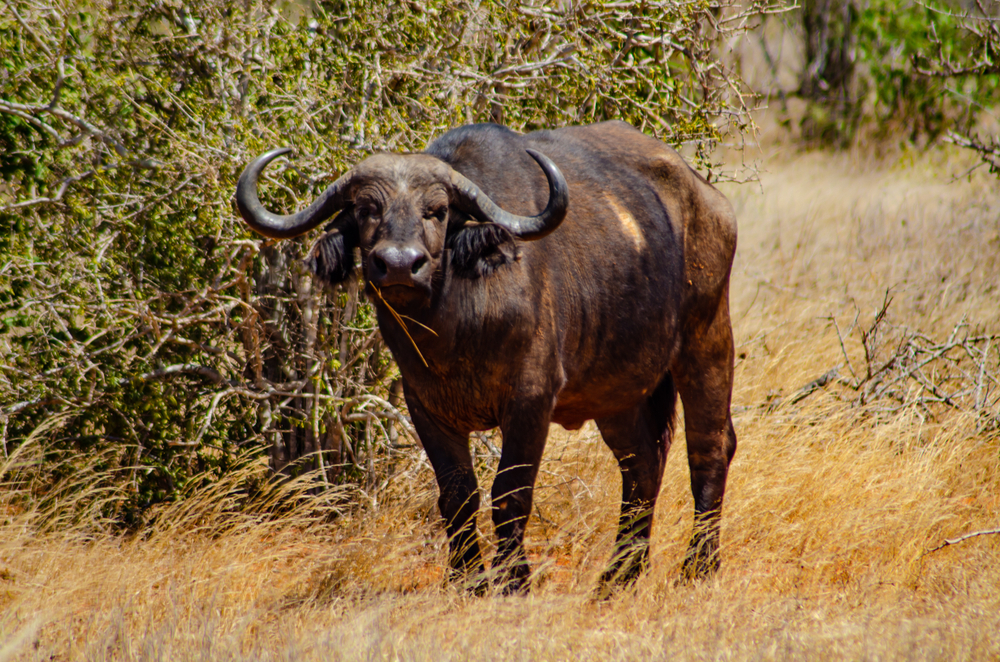
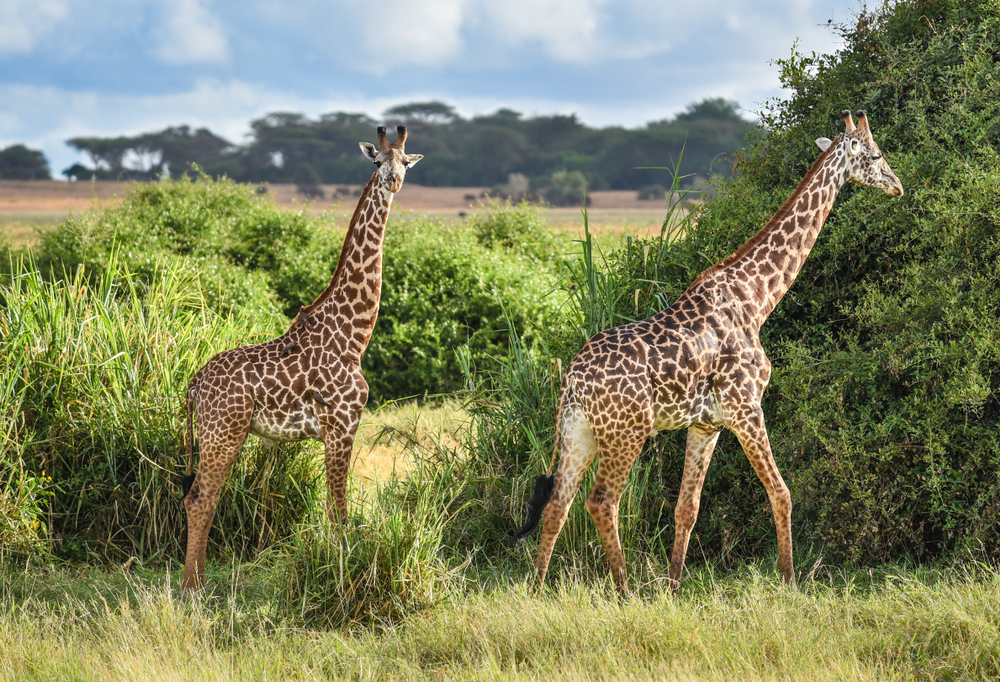
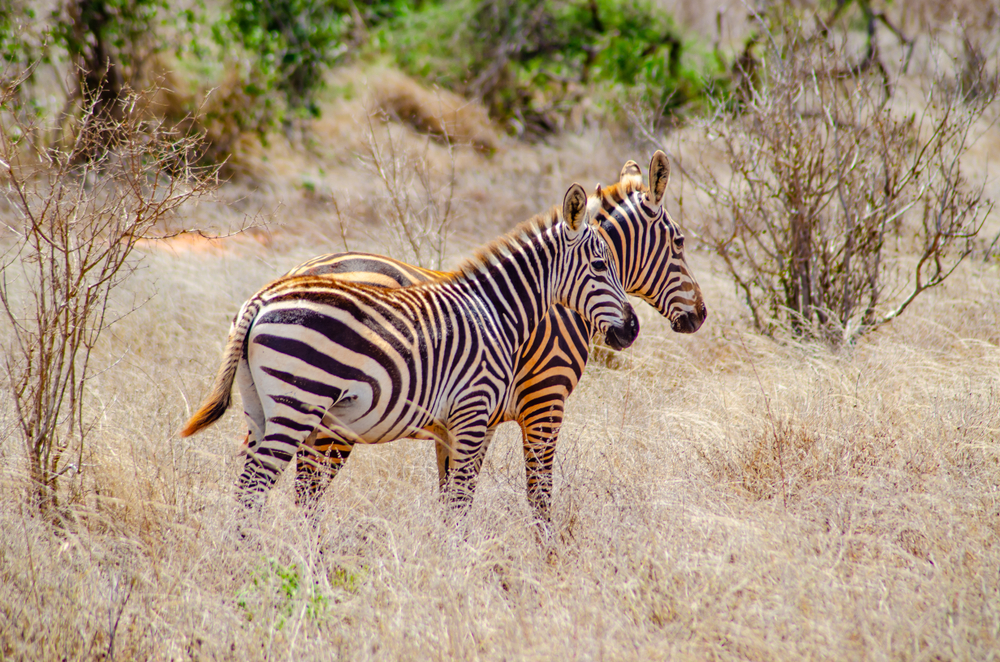
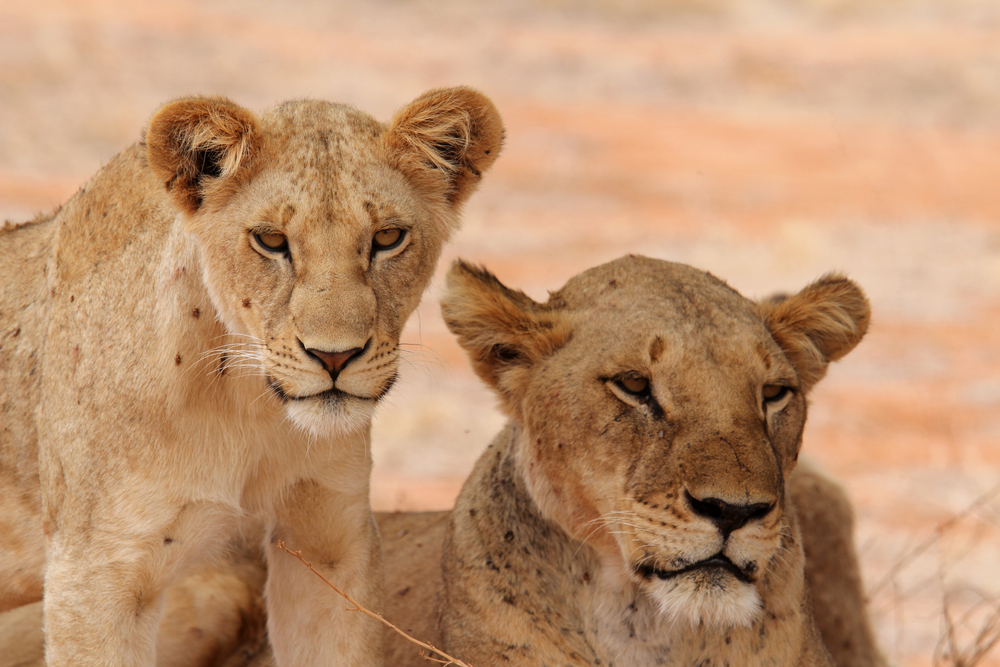
Tsavo East National Park supports an impressive diversity of wildlife and is internationally recognized for its elephant populations. Lions, leopards, cheetahs, buffalo, giraffes, zebras, hippos, crocodiles, and numerous antelope species inhabit the park’s varied ecosystems. The park’s lions became historically famous through the story of the “Man-Eaters of Tsavo,” a pair of lions that attacked railway workers during construction projects in the late nineteenth century.
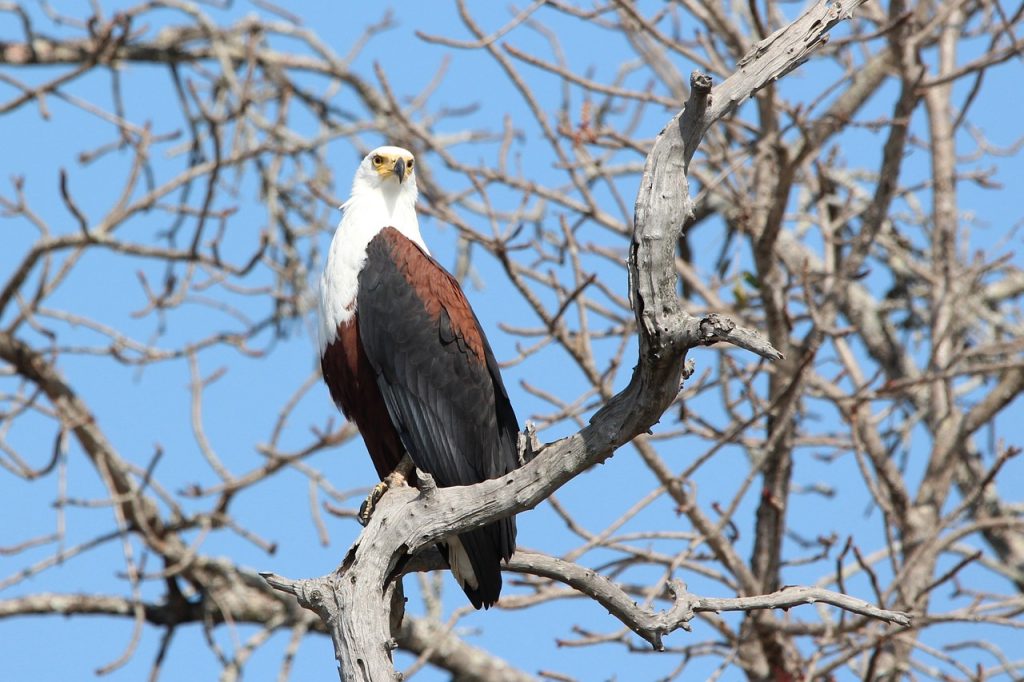
Birdlife is equally rich, with more than 500 recorded species including ostriches, hornbills, secretary birds, kingfishers, and birds of prey. Wetlands and river systems attract migratory species and create important breeding habitats throughout the year.
Tsavo East National Park plays a critical role in protecting one of East Africa’s largest connected wildlife ecosystems. The park supports important elephant migration routes and provides refuge for species threatened by habitat fragmentation elsewhere in the region.
Compared to famous safari destinations such as Serengeti National Park or Kruger National Park, Tsavo East offers a wilder and less crowded safari experience with an especially strong sense of scale and isolation. Its vast landscapes and thriving wildlife populations make it one of Kenya’s most significant conservation areas. Tsavo East National Park remains a symbol of African wilderness and an essential sanctuary for preserving East Africa’s natural heritage.
Photos


Things to See
Things To Do
Engaging Tsavo East


Tsavo East National Park Trails
Tsavo East is a wilderness area rich in diverse and abundant wildlife. There are no trails for hiking in the national park. However, there are guided walking safaris that allow you to intimately explore the wilds of the park on foot.
The primary purpose of the walking safaris is to introduce and educate visitors about the flora and fauna of Tsavo. However, your walking safari is also an opportunity to keep your eyes open for wildlife while breathing the pristine fresh air and gazing across the astounding landscapes.
Your guided walking safari may take you on foot across Yatta Plateau which is the world’s longest lava flow as well as along jagged volcanic cones. You may meander along the Chyulu Hills to the clear waters of Mzima Springs.

Park Protection
Tsavo East National Park was created to protect the vast semi-arid savannas, open grasslands, acacia woodlands, river systems, and lava plains of southeastern Kenya. As one of Kenya’s oldest and largest national parks, it provides critical habitat for several threatened and endangered species, including the endangered African savanna elephant, the endangered African wild dog, and the critically endangered black rhinoceros.
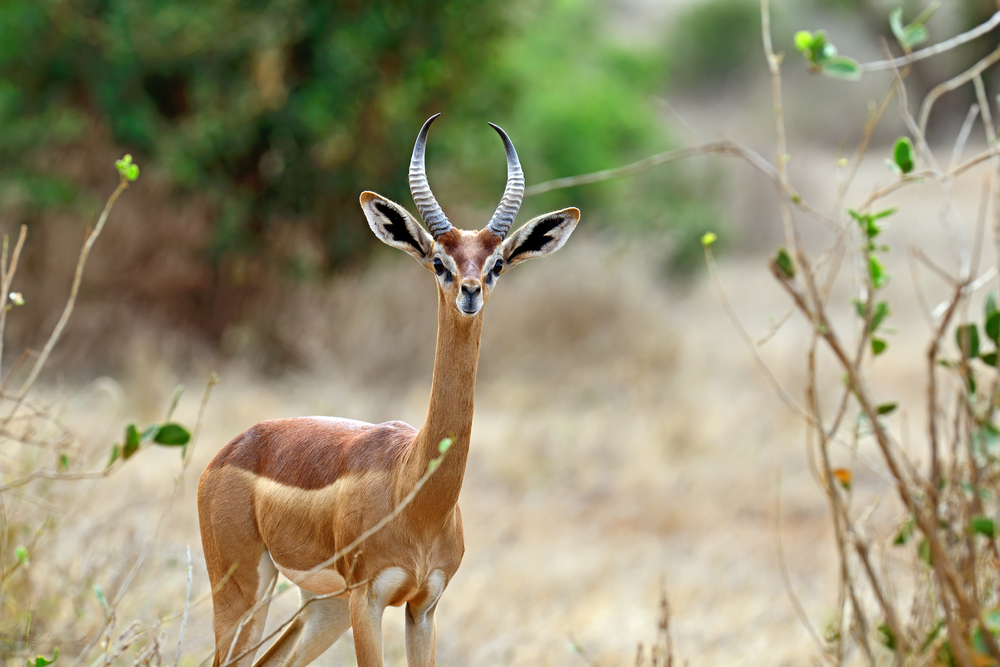
The park also supports important populations of lions, leopards, cheetahs, buffalo, giraffes, Grevy’s zebras, lesser kudus, gerenuks, and more than 500 bird species. The perennial Galana River and seasonal rivers sustain wildlife throughout the year, creating one of East Africa’s most important dryland ecosystems.
The park is especially significant for protecting one of Africa’s largest remaining elephant landscapes and the iconic “red elephants” that acquire their distinctive reddish appearance by dusting themselves with the region’s iron-rich soils. It also preserves the dramatic Yatta Plateau, the world’s longest known lava flow, stretching for nearly 300 kilometers.
Tsavo East forms part of the greater Tsavo Conservation Area, one of the largest protected wildlife ecosystems in the world, allowing large-scale wildlife movements across southern Kenya. Together, Tsavo East National Park safeguards endangered wildlife, unique volcanic landscapes, critical river ecosystems, and one of Africa’s most expansive and ecologically important wilderness areas.
FAQ’s
What is Tsavo East National Park renowned for?
Tsavo East National Park is renowned for its vast savannah landscapes, iconic wildlife sightings, and breathtaking natural beauty.
As one of Kenya’s largest national parks, it hosts a diverse array of animal species, including the famous red elephants, lions, leopards, giraffes, and zebras.
Visitors flock here to witness the spectacle of wildlife roaming freely against the backdrop of sweeping plains and iconic landmarks like the Lugards Falls.
The park’s expansive wilderness areas offer unparalleled opportunities for safari adventures, allowing visitors to immerse themselves in the wonders of the African wilderness.
How does Tsavo East differ from Tsavo West?
Tsavo East differs from Tsavo West in its landscape composition and geographical features. While Tsavo East boasts vast open plains and grasslands, Tsavo West is characterized by rugged terrain, volcanic hills, and dense vegetation.
The Galana River flows through Tsavo East, creating lush green habitats that attract a rich diversity of wildlife.
In contrast, Tsavo West is renowned for its dramatic landscapes, including the Ngulia Rhino Sanctuary and the eerie Shetani Lava Flows.
Additionally, Tsavo East is famous for its large herds of red elephants, while Tsavo West is known for its diverse wildlife and unique geological formations.
What is the main reason people visit Tsavo East National Park?
Tsavo East National Park is primarily visited for its vast wilderness, large elephant herds, iconic red-dust landscapes, exceptional wildlife viewing, and authentic safari experiences. Located in southeastern Kenya, Tsavo East is one of the largest national parks in Africa, covering approximately 5,300 square miles (13,747 square kilometers).
Visitors come to see elephants coated in red volcanic dust, observe lions, giraffes, and zebras across expansive savannas, visit famous landmarks such as Lugard Falls, and experience one of Kenya’s most historic safari destinations.
What animals can visitors hope to see in Tsavo East National Park?
Tsavo East National Park supports more than 60 mammal species and is one of East Africa’s premier wildlife destinations.
Some of the most notable animals found in Tsavo East National Park include:
- African Bush Elephant
- African Lion
- African Leopard
- African Buffalo
- Black Rhinoceros (rare)
- Cheetah
- Spotted Hyena
- Striped Hyena
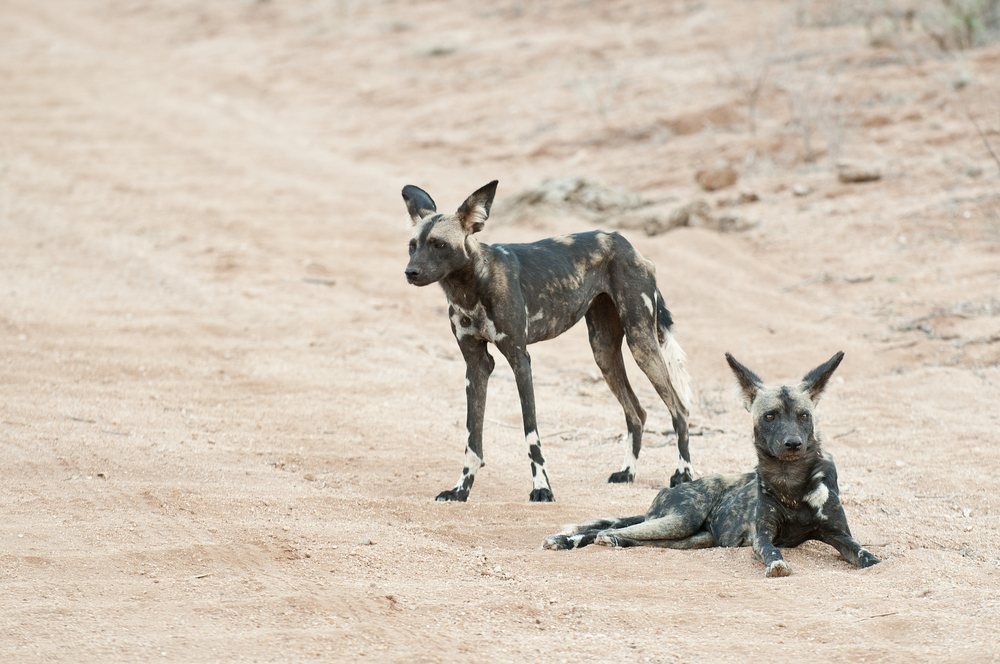
- African Wild Dog (rare)
- Black-backed Jackal
- Side-striped Jackal
- Bat-eared Fox
- Caracal
- Serval
- African Wildcat
- Honey Badger
- African Civet
- Large-spotted Genet
- Banded Mongoose
- Dwarf Mongoose
- Common Warthog
- Hippopotamus
- Nile Crocodile
- Plains Zebra
- Masai Giraffe
- Reticulated Giraffe (occasional)
- Blue Wildebeest
- Coke’s Hartebeest
- Topi
- Eland
- Greater Kudu
- Lesser Kudu
- Waterbuck
- Bushbuck
- Impala
- Grant’s Gazelle
- Thomson’s Gazelle
- Gerenuk
- Beisa Oryx
- Kirk’s Dik-dik
- Steenbok
- Duiker Species
- Reedbuck
- Suni
- African Hare
- Rock Hyrax
- Porcupine
- Spring Hare
- Vervet Monkey
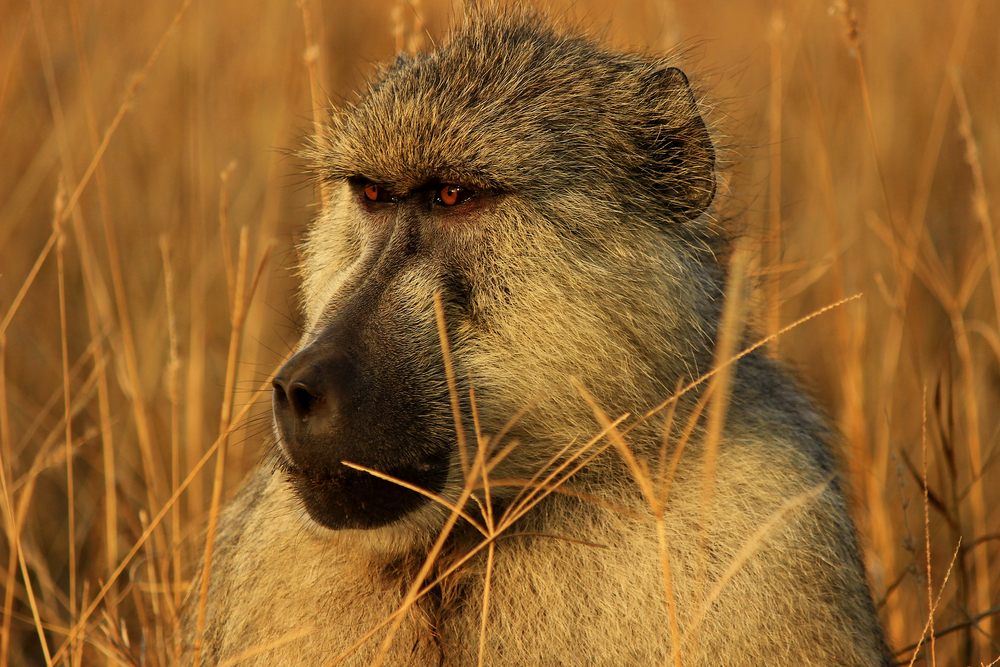
- Olive Baboon
What birds can visitors hope to see in Tsavo East National Park?
Tsavo East National Park is home to more than 500 bird species, making it one of Kenya’s premier birdwatching destinations.
Some of the most popular birds seen in Tsavo East National Park include:
- Secretary Bird
- Martial Eagle
- Crowned Eagle
- African Fish Eagle
- Tawny Eagle
- Verreaux’s Eagle
- Bateleur
- Steppe Eagle
- Lappet-faced Vulture
- White-backed Vulture
- Rüppell’s Vulture
- Hooded Vulture
- Marabou Stork
- Saddle-billed Stork
- Yellow-billed Stork
- Woolly-necked Stork
- Grey Crowned Crane
- Kori Bustard
- Ostrich
- Southern Ground Hornbill
- Von der Decken’s Hornbill
- Red-billed Hornbill
- Lilac-breasted Roller
- European Roller
- Carmine Bee-eater
- Little Bee-eater
- White-fronted Bee-eater
- Woodland Kingfisher
- Pied Kingfisher
- Malachite Kingfisher
- Giant Kingfisher
- African Jacana
- Spur-winged Lapwing
- Crowned Lapwing
- Egyptian Goose
- Sacred Ibis
- Hadada Ibis
- Hamerkop
- Black-headed Heron
- Grey Heron
- Goliath Heron
- Great Egret
- Little Egret
- African Spoonbill
- Speckled Mousebird
- Superb Starling
- Golden-breasted Starling
- Fischer’s Starling
- Yellow-billed Oxpecker
- Red-billed Oxpecker
Is Tsavo East National Park worth visiting?
Yes, Tsavo East National Park is absolutely worth visiting and is one of Kenya’s premier safari destinations.
The park offers enormous elephant herds, spectacular landscapes, excellent predator viewing, relatively fewer crowds than Maasai Mara, and a true sense of African wilderness. Visitors often appreciate the vast open spaces and authentic safari atmosphere.
The primary hesitation is that wildlife can sometimes be more dispersed than in smaller reserves. However, the sheer size and natural beauty of Tsavo East provide a rewarding safari experience.
What is the best time to visit Tsavo East National Park?
The best time to visit Tsavo East National Park is during the dry seasons:
- June through October
- January through March
Typical conditions include:
- Dry season: 68–90°F (20–32°C)
- Wet season: 70–95°F (21–35°C)
During the dry season:
- Wildlife concentrates around water sources.
- Roads are easier to navigate.
- Vegetation is thinner.
- Wildlife viewing improves significantly.
- Birdwatching remains excellent.
How many days do you need to visit Tsavo East National Park?
Most visitors should plan for 2 to 4 days.
- 1 day: Major wildlife viewing areas.
- 2 days: Comprehensive safari experience.
- 3–4 days: Wildlife photography and exploration.
- 5+ days: Combined visits with Tsavo West and nearby parks.
A minimum of two days is recommended to fully appreciate the park.
How do you get to Tsavo East National Park?
Tsavo East National Park is located between the Kenyan coast and Nairobi.
The nearest major airports include:
- Jomo Kenyatta International Airport
- Moi International Airport
Most visitors reach the park by:
- Safari vehicle.
- Domestic flight.
- Train and road transfer combination.
Driving from Nairobi
The most common route is:
- Nairobi to Tsavo East: approximately 5–6 hours.
The journey follows the Nairobi–Mombasa Highway and provides access to several park gates.
Driving from Mombasa
Many visitors arrive from Kenya’s coast:
- Mombasa to Tsavo East: approximately 2–3 hours.
This makes Tsavo East one of the easiest safari destinations to combine with a beach vacation.
Air Access
Several airstrips serve the park, including:
- Voi Airstrip
- Aruba Airstrip
- Satao Airstrip
Flights from Nairobi typically take approximately one hour.
Galana River
One of the park’s defining features is:
- Galana River
The river attracts:
- Elephants.
- Hippos.
- Crocodiles.
- Numerous bird species.
Lugard Falls
One of the park’s most famous attractions is:
- Lugard Falls
Despite the name, this attraction consists primarily of rapids and water-carved rock formations along the Galana River.
Aruba Dam
Another popular wildlife viewing location is:
- Aruba Dam
Known for:
- Elephant sightings.
- Buffalo herds.
- Waterbirds.
- Excellent game viewing.
Yatta Plateau
The park also contains:
- Yatta Plateau
Often described as one of the world’s longest lava flows, stretching for more than 180 miles (290 km).
Travel Times
Typical travel times include:
- Nairobi to Tsavo East: 5–6 hours by road.
- Mombasa to Tsavo East: 2–3 hours by road.
- Nairobi to park airstrips: approximately 1 hour by flight.
- Voi town to park entrance: approximately 15–30 minutes.
Who is involved in protecting and supporting Tsavo East National Park?
Several organizations help protect and support Tsavo East National Park:
- Kenya Wildlife Service – manages Tsavo East National Park.
- Tsavo Trust – supports conservation, anti-poaching, and community initiatives.
- African Wildlife Foundation – supports conservation programs throughout the region.
- World Wide Fund for Nature – supports regional conservation efforts.
- Local communities including the Taita People and Kamba People who have longstanding connections to the region.
Can you see the Big Five in Tsavo East National Park?
Yes, although rhinoceros sightings are rare. Visitors commonly see lions, elephants, buffalo, and leopards, while black rhinos are typically found in protected areas.
Sources
Here are sources you can explore for more information:
- AllTrails. Tsavo East National Park. https://www.alltrails.com/kenya/taita-taveta/tsavo-east-national-park, retrieved July 2026.
- Encyclopaedia Britannica. Tsavo National Parks. https://www.britannica.com/place/Tsavo-National-Parks, retrieved July 2026.
- Kenya Wildlife Service (KWS). Tsavo East National Park. https://www.kws.go.ke/parks/tsavo-east-national-park, retrieved July 2026.
- Pilot Guides. Tsavo East National Park. https://www.pilotguides.com/, retrieved July 2026.
- Protected Planet (UNEP-WCMC & IUCN). Tsavo East National Park. https://www.protectedplanet.net/, retrieved July 2026.
- SafariBookings. Tsavo East National Park. https://www.safaribookings.com/tsavo-east, retrieved July 2026.
- Wikipedia. Tsavo East National Park. https://en.wikipedia.org/wiki/Tsavo_East_National_Park, retrieved July 2026.
- World Wildlife Fund (WWF). Northern Zanzibar–Inhambane Coastal Forest Mosaic. https://www.worldwildlife.org/ecoregions/at0123, retrieved July 2026.