About

Located in southeastern Kenya, Tsavo West National Park forms part of one of Africa’s largest protected ecosystems together with neighboring Tsavo East National Park. The park covers approximately 3,500 square miles (9,065 sq km) and stretches between Nairobi and the coastal city of Mombasa.

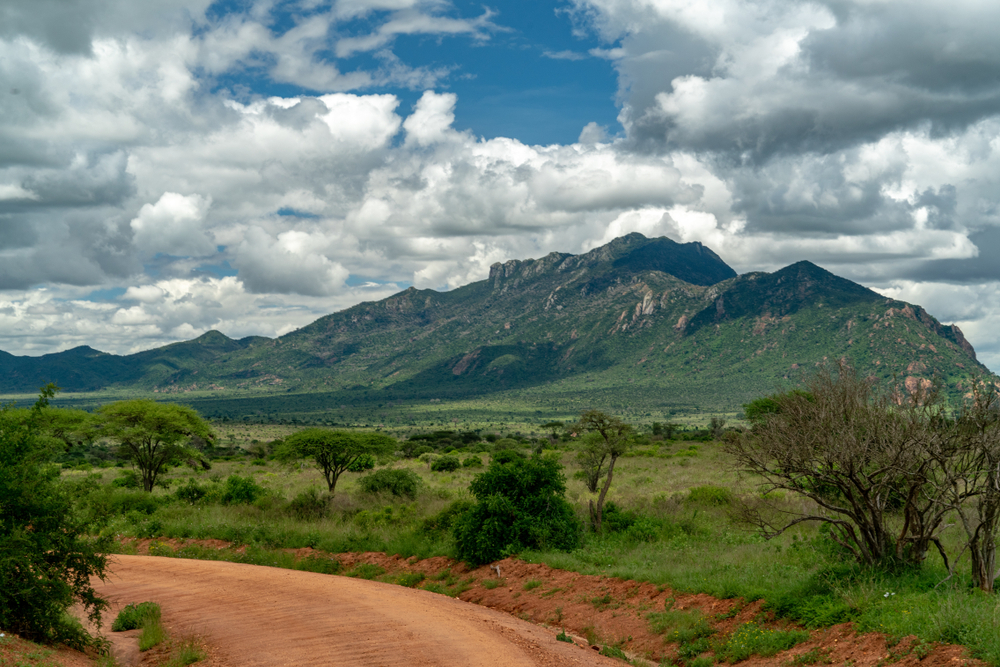
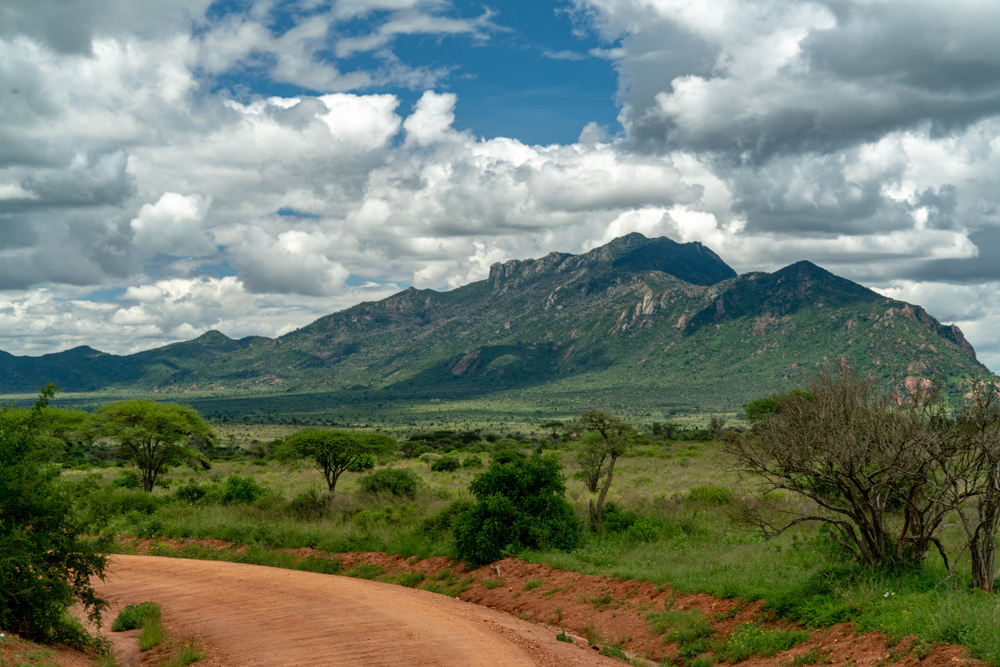
Tsavo West is known for its rugged terrain, volcanic landscapes, and diverse habitats that contrast sharply with the flatter plains of Tsavo East. The park’s combination of mountains, lava flows, wetlands, and savannah creates one of Kenya’s most scenic safari destinations.

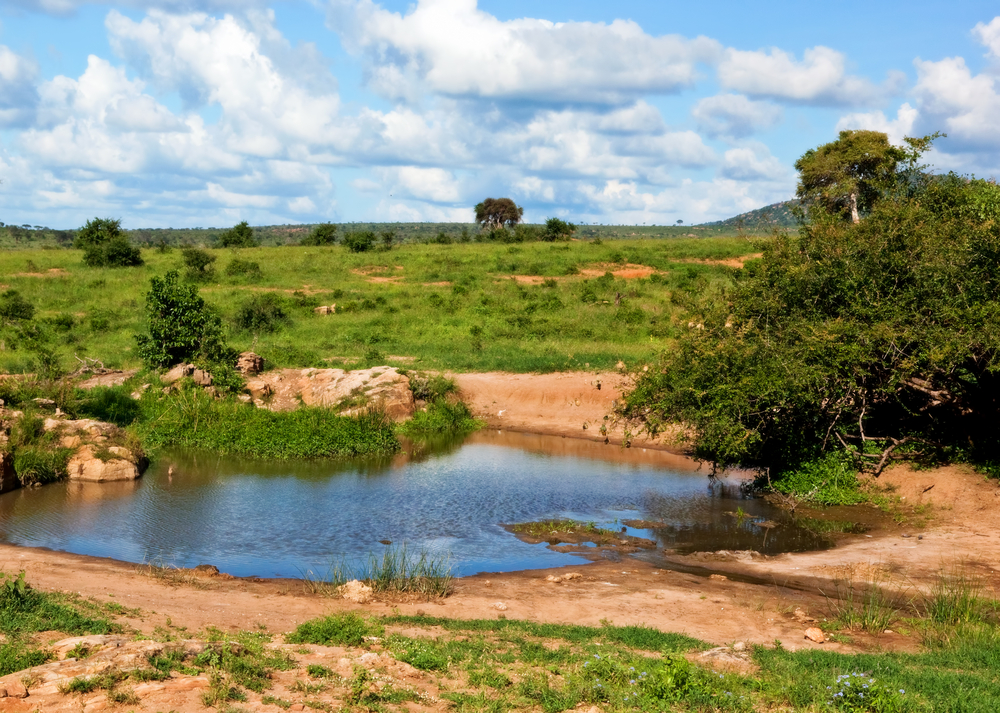
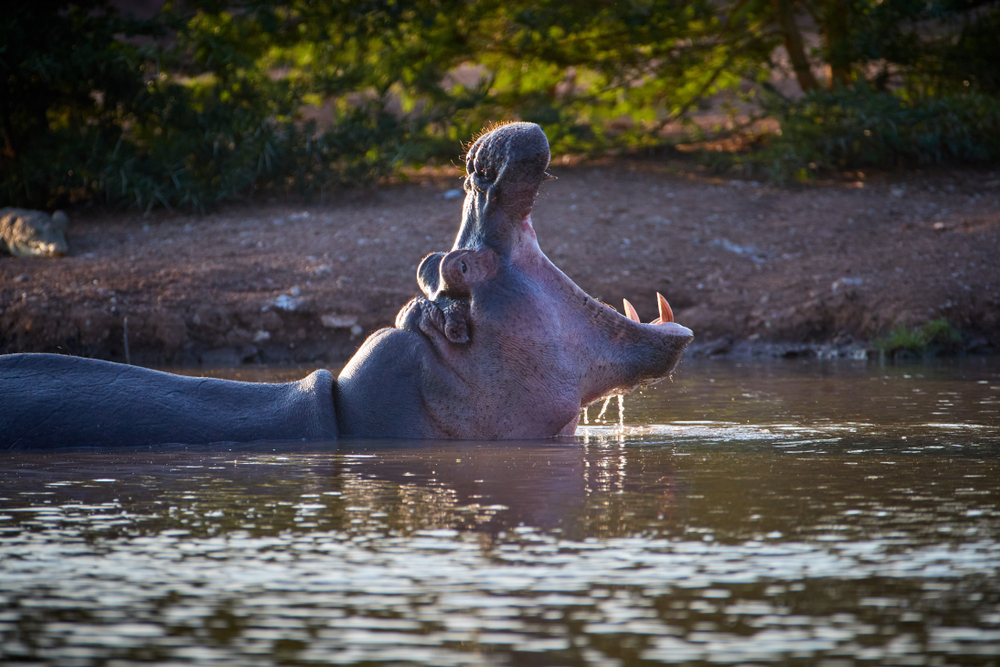
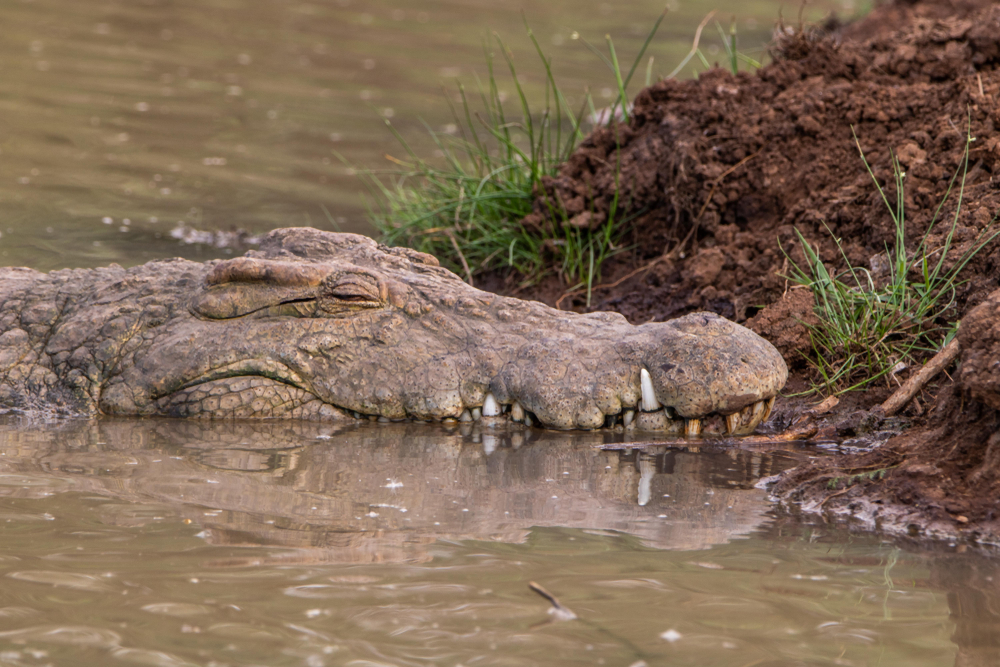
Tsavo West National Park is best known for its dramatic scenery, volcanic features, and excellent wildlife viewing opportunities. One of the park’s most famous attractions is Mzima Springs, a series of crystal-clear pools fed by underground water flowing from the Chyulu Hills. Hippos, crocodiles, fish, and aquatic birds gather around these springs, creating one of the park’s most popular wildlife viewing areas.

Visitors are also drawn to the Shetani Lava Flow, a vast black volcanic field formed by relatively recent volcanic activity. Tsavo West offers classic safari experiences combined with spectacular landscapes that often feel more rugged and varied than many other East African parks. The park’s quieter atmosphere and wide-open wilderness appeal to travelers seeking a more peaceful safari experience.

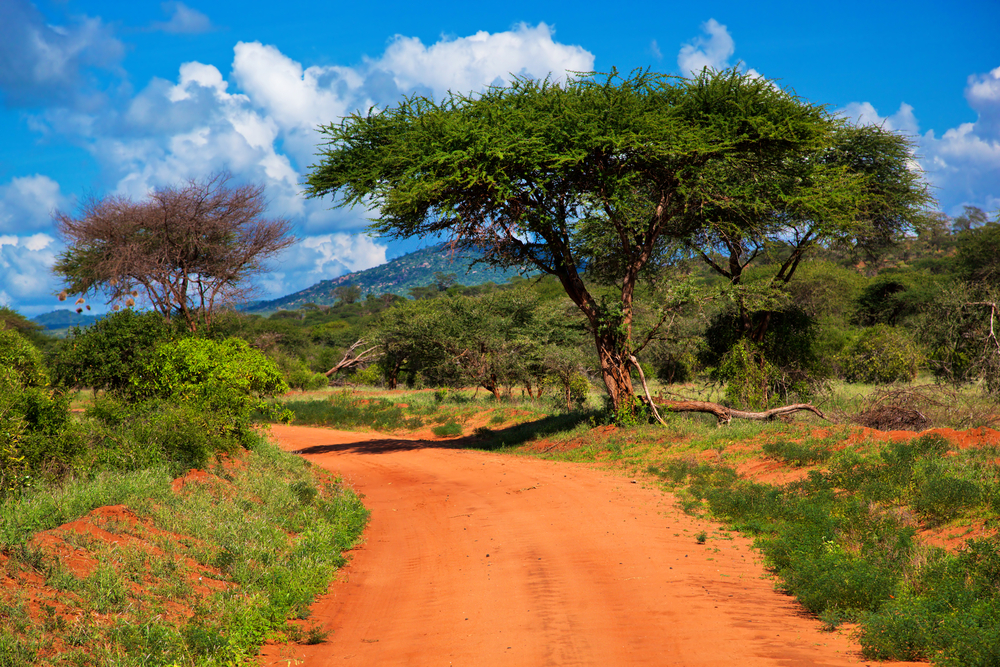
The geography of Tsavo West National Park is incredibly diverse. Volcanic hills, lava plains, rocky ridges, open savannah, acacia woodland, and permanent springs shape the landscape across the park. The Chyulu Hills rise along the park’s northern edge and provide sweeping views across the surrounding wilderness.

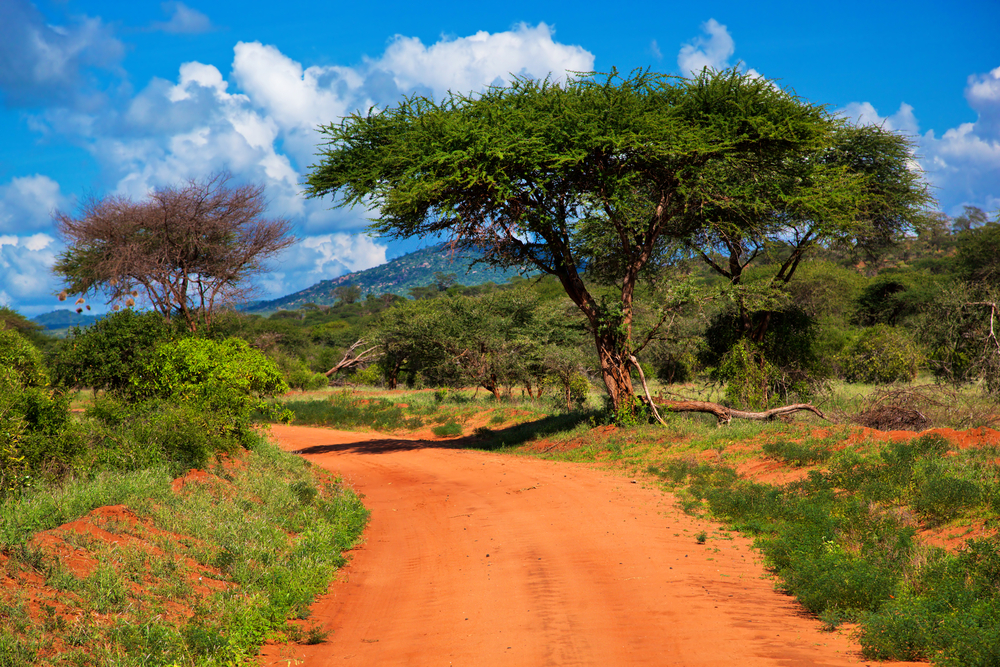
Dense vegetation near water sources contrasts with dry plains and volcanic terrain found elsewhere in the park. Massive baobab trees and thorny bushland dominate many sections while seasonal rivers support greener habitats during rainy periods. The park’s volcanic history remains visible through lava flows, craters, caves, and underground water systems that sustain wildlife even during drought conditions.

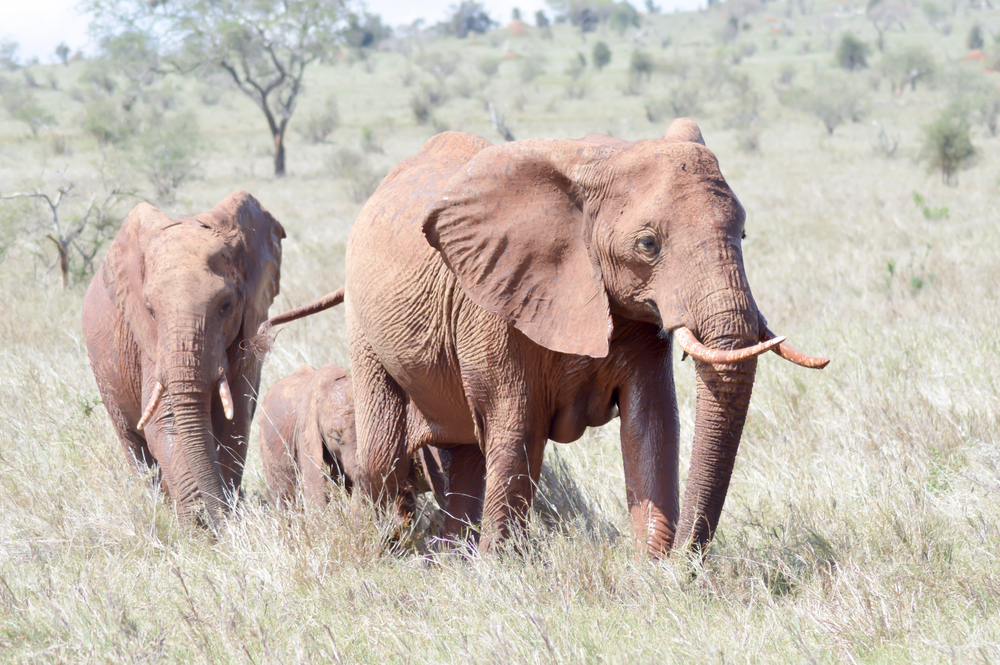
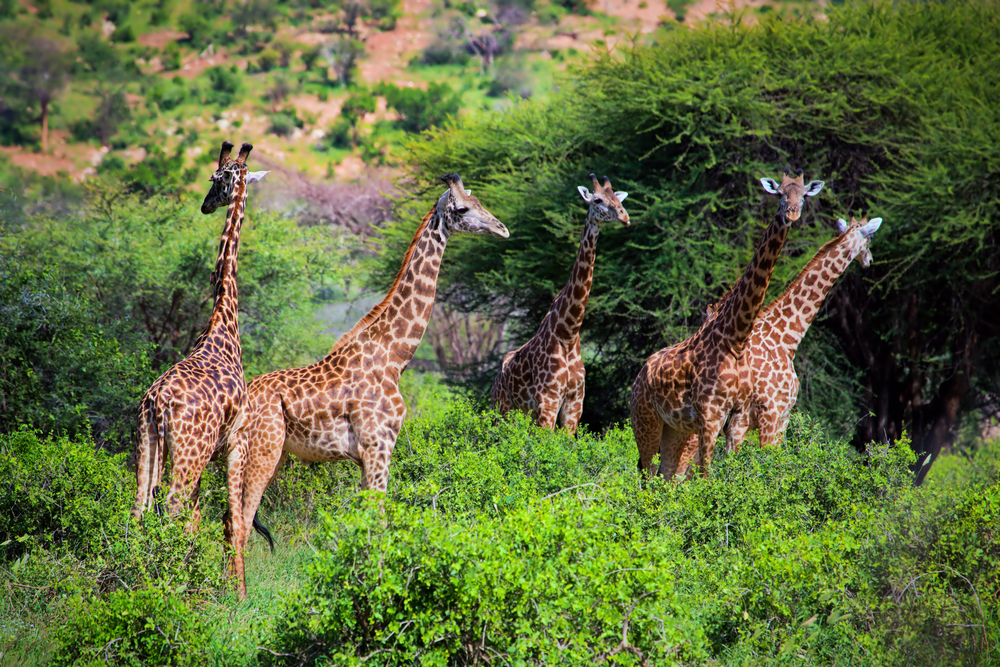
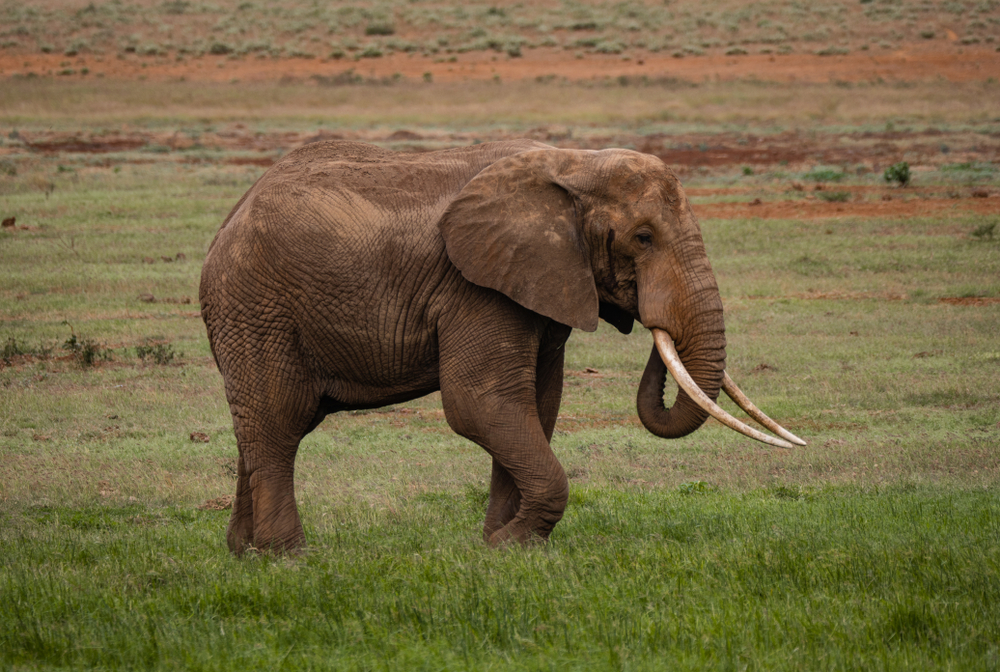
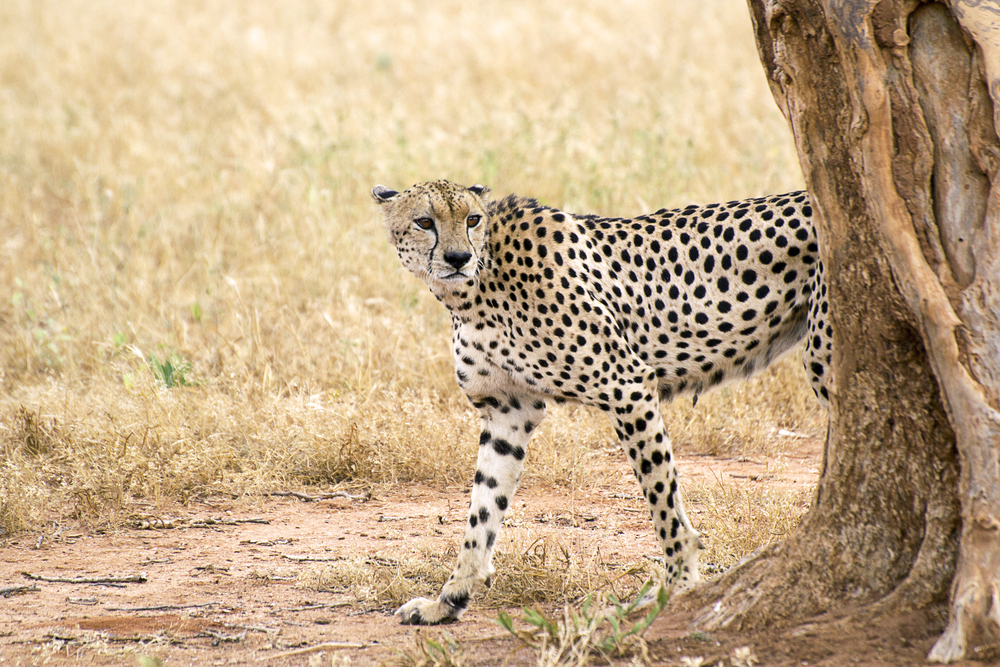
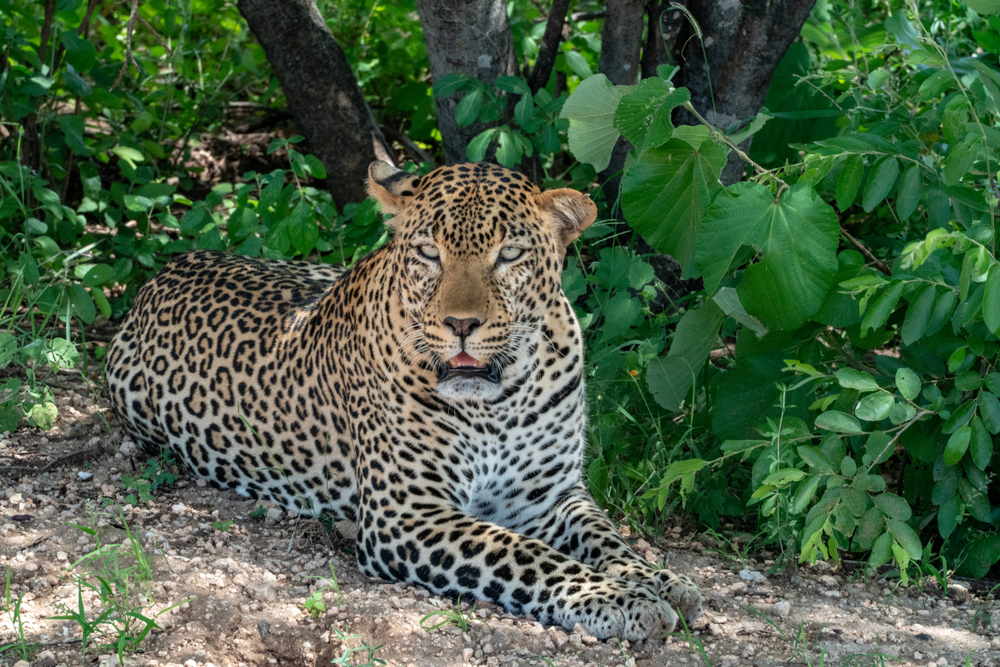
Tsavo West National Park supports a remarkable diversity of wildlife. African elephants are among the park’s signature species and are often seen moving through woodland and grassland habitats covered in red dust from the region’s iron-rich soils. Lions, leopards, cheetahs, buffalo, giraffes, zebras, hippos, crocodiles, and numerous antelope species inhabit the park.

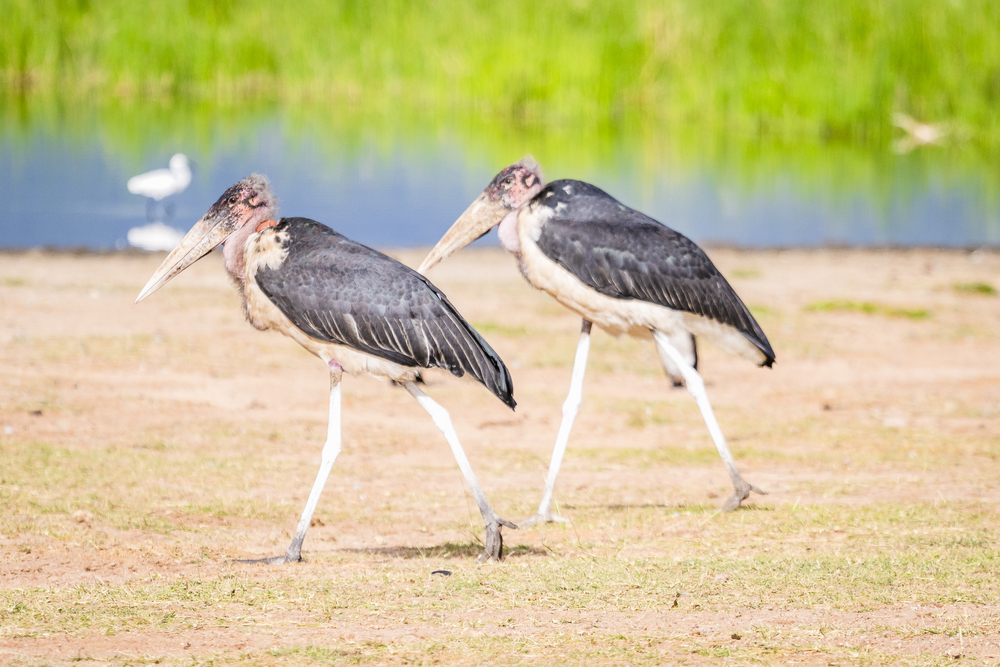
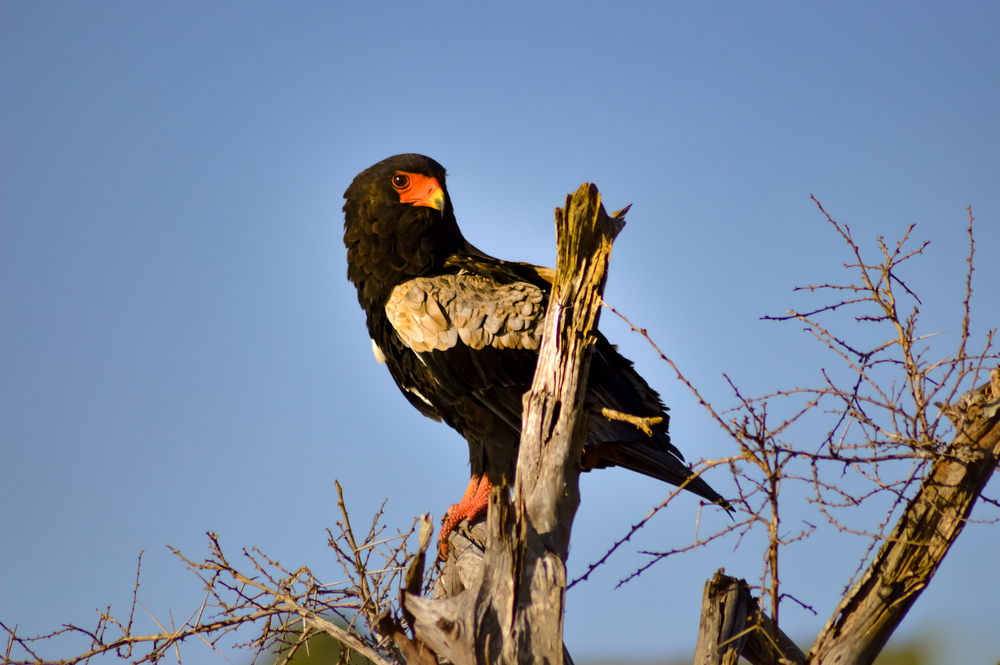
Rhinos are also protected within a secure sanctuary area established to support black rhino conservation. Birdlife is abundant with more than 600 recorded species, making the park one of Kenya’s top birdwatching destinations. Eagles, hornbills, kingfishers, bee-eaters, and migratory birds thrive across the park’s wetlands and woodland ecosystems.

Tsavo West National Park plays a vital role in conserving large-scale wildlife habitats and migration corridors across southeastern Kenya. Together with Tsavo East, it forms one of the largest protected wildlife systems in Africa. The park safeguards important elephant populations and protects volcanic landscapes and water systems critical to biodiversity.

Compared to heavily visited parks such as Maasai Mara National Reserve or Serengeti National Park, Tsavo West offers a more rugged and secluded safari experience with extraordinary geological diversity. Its combination of wildlife, volcanic scenery, and remote wilderness makes it one of Kenya’s most remarkable conservation areas. Tsavo West National Park remains a powerful example of East Africa’s natural beauty and ecological importance.

Things to See

The mountainous and diverse landscapes combined with the diverse and abundant wildlife are the highlights of Tsavo West National Park.

Predators

Predators

Tsavo West National Park, with its rugged terrain, volcanic landscapes, and lush springs, contrasts sharply with its eastern counterpart, offering a sanctuary for a diverse array of wildlife species. Beyond the shadow of its celebrated predators, the park is teeming with other inhabitants that play crucial roles in its ecological network, from the smallest bird to the largest mammal.

African Elephant – Tsavo West is renowned for its “red” elephants, covered in the park’s red volcanic dust, symbolizing the essence of African wilderness.

Giraffe – Towering gracefully above the landscape, giraffes in Tsavo West browse on the high branches of acacias, a serene presence in the savanna.

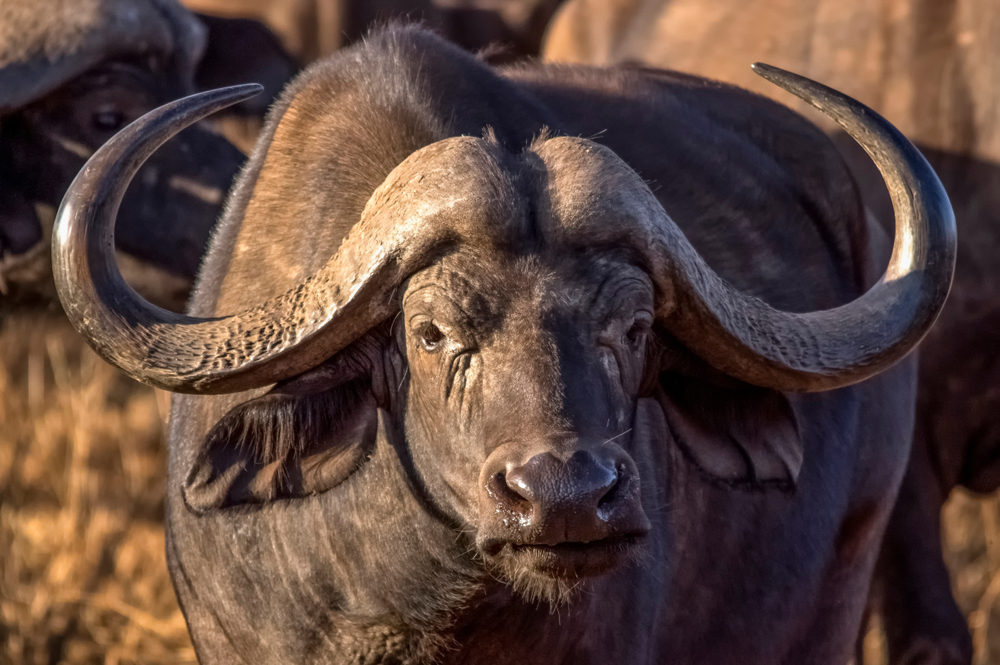
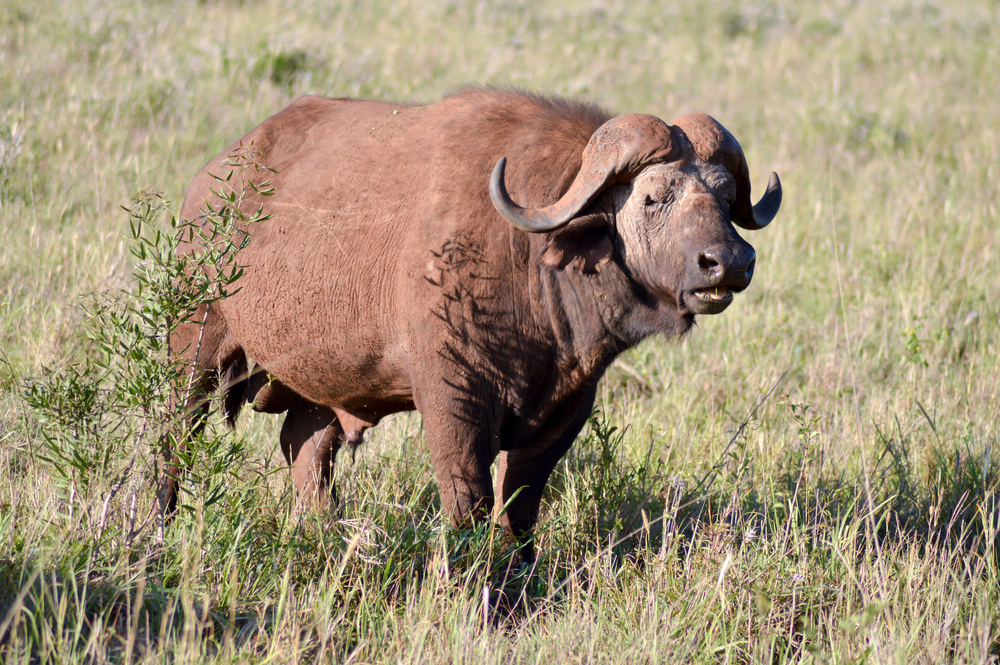
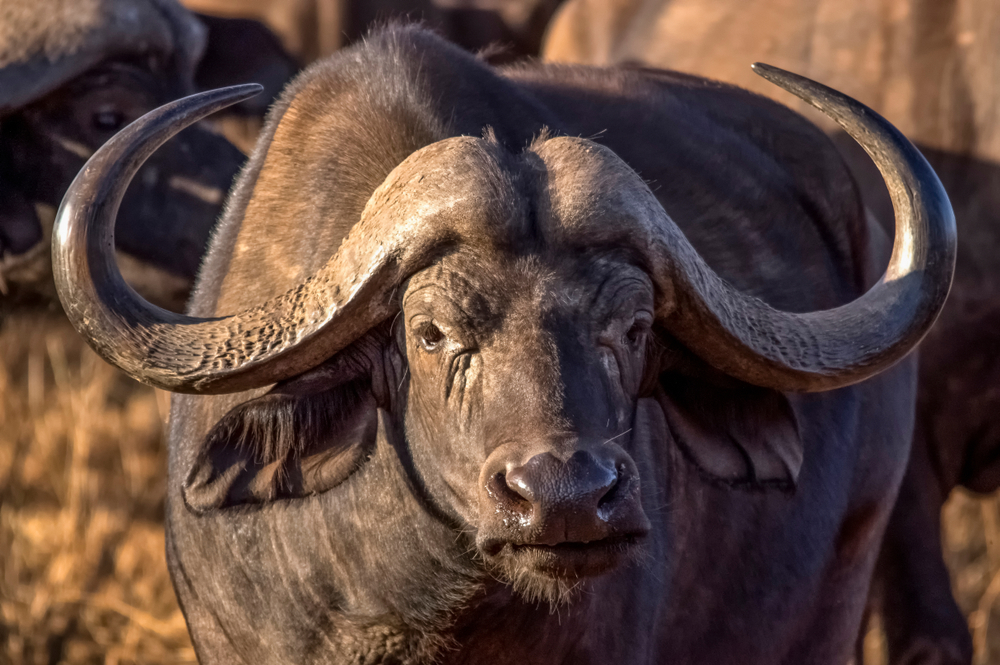
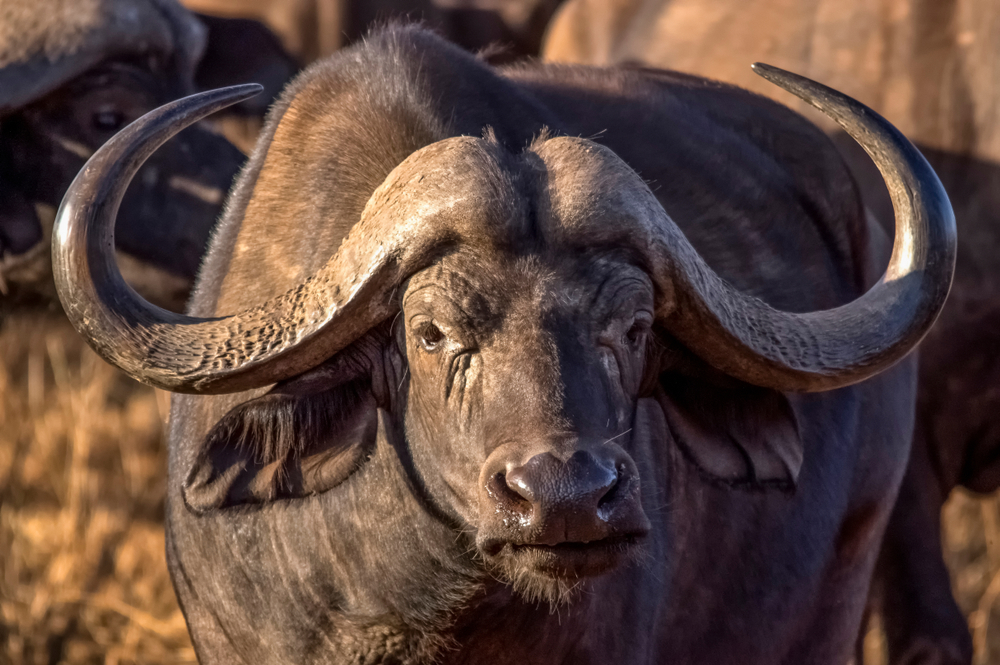
African Buffalo – Formidable and powerful, the African Buffalo moves in large herds through the park, a testament to the wild’s untamed spirit.

Zebra – The stark stripes of zebras provide a vivid contrast against the park’s greenery and red soil, epitomizing the visual splendor of the African savanna.

Hippo – Mzima Springs in Tsavo West offers a unique opportunity to observe hippos in clear waters, providing a glimpse into their aquatic lifestyle.

Impala – Agile and elegant, impalas are a common sight, their herds gracefully navigating the landscape, always alert to the presence of predators.

Waterbuck – With their shaggy coats and distinctive white ring on the rump, waterbucks are often seen near the park’s water sources, embodying the blend of aquatic and terrestrial life.

Bushbuck – Shy and elusive, bushbucks navigate the underbrush of the park’s more wooded areas, their dappled coats a perfect camouflage against predators.

Eland – The majestic eland, the largest of antelopes, showcases both size and agility, a sight to behold as it moves through Tsavo West’s diverse habitats.

Lesser Kudu – The striking lesser kudu, with its spiraled horns and striped body, is a testament to the park’s role as a haven for antelope diversity.

Each of these species contributes to the vibrant tapestry of life in Tsavo West National Park, making it a vital conservation area and a must-visit destination for those keen to experience the full spectrum of Kenya’s wildlife heritage.

Birds

Birds

Tsavo West National Park, a landscape of rugged beauty and diverse habitats, offers a haven for an impressive array of bird species. From the dense woodlands and riverine vegetation to the open savannah and rocky peaks, the park’s varied environments support a rich avian life, attracting birdwatchers and nature enthusiasts from across the globe to marvel at its feathered inhabitants.

African Fish Eagle – A symbol of the African sky, the African Fish Eagle’s piercing call is a familiar sound over the park’s water bodies, where it hunts for fish.

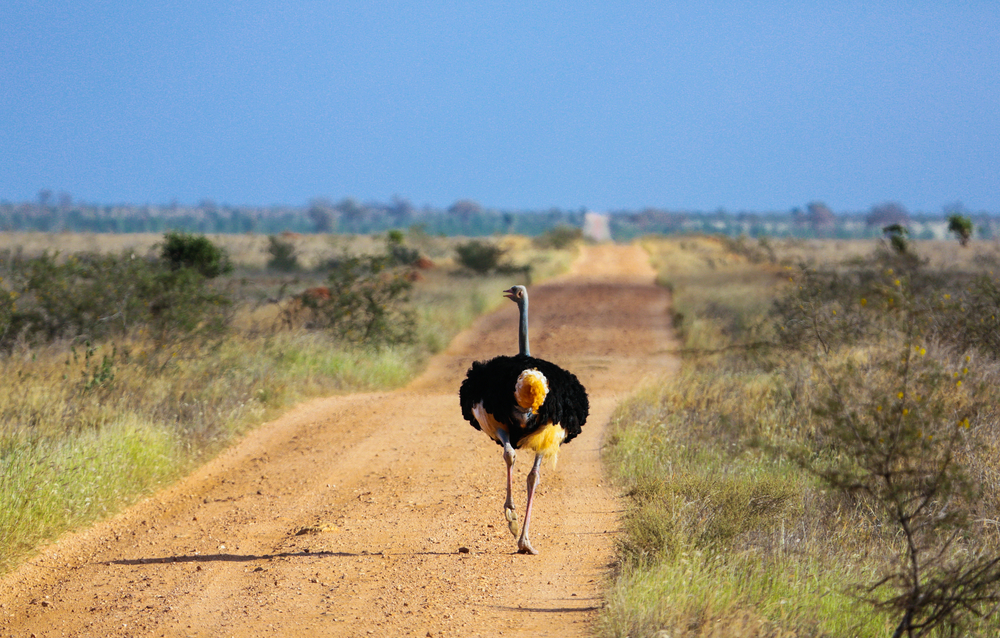
Secretary Bird – Striding across the savannah, the Secretary Bird is an unusual sight with its long legs and eagle-like body, hunting snakes and rodents on the ground.

Von der Decken’s Hornbill – This striking bird, with its bold black and white plumage and prominent casque on the males, is a common sight in the park’s dry bushland.

Lilac-breasted Roller – Renowned for its breathtaking beauty, the Lilac-breasted Roller displays a kaleidoscope of colors, making it one of Africa’s most photographed birds.

Red-and-Yellow Barbet – Often found near termite mounds, this colorful barbet is known for its vibrant red and yellow feathers and its distinctive, trilling call.

Taita Falcon – A rare and elusive bird, the Taita Falcon is prized by birdwatchers for its speed and agility, nesting in the park’s rocky cliffs.

Southern Ground Hornbill – With its striking black coloration and vibrant red face, the Southern Ground Hornbill is a formidable presence on the Tsavo landscape, foraging in family groups.

Superb Starling – This glossy, iridescent bird is not only a visual treat but also known for its varied and melodious songs, adding to the park’s auditory landscape.

White-headed Buffalo Weaver – Easily identifiable by its white head and contrastingly black body, this weaver is often seen in small flocks, busy constructing their large communal nests.

African Grey Hornbill – A frequent sight in Tsavo West, this hornbill is characterized by its long, curved beak and distinctive flying pattern, contributing to the park’s diverse birdlife.

Tsavo West National Park’s bird species, from the common to the rare, illustrate the incredible avian diversity of the region, making the park a prime destination for birding expeditions and wildlife observation.

Mystical Exploration

Mystical Exploration

The Shetani Lava Flows in Tsavo West National Park are a mesmerizing testament to the park’s volcanic history. These ancient lava flows, named after the Swahili word for “devil,” sprawl across the landscape in a stark contrast of black against the surrounding greenery.

Stretching over 50 square kilometers, or approximately 19 square miles, the flows were formed by volcanic eruptions from the nearby Chyulu Hills. Walking amidst the rugged terrain, visitors are immersed in a surreal landscape of jagged rocks and twisted formations, with eerie silence punctuated only by the occasional rustle of wildlife.

The lava flows provide a unique opportunity to witness the raw power of nature and marvel at the forces that shaped the region millions of years ago.

It’s an ideal destination for photographers, geology enthusiasts, and anyone seeking a glimpse into the Earth’s tumultuous past.

Things To Do

Engaging Tsavo West

Game Drives

Tsavo West National Park offers some of the most thrilling safari experiences in Kenya. Safari drives allow visitors to explore the vast savannahs, dense forests, and volcanic landscapes of the park while spotting a diverse range of wildlife.

From the iconic “Big Five” to rare species such as the gerenuk and fringe-eared oryx, the park is teeming with animal encounters waiting to be discovered.

Climb to Roaring Rocks

Roaring Rocks is a prominent cliff formation in Tsavo West that offers breathtaking panoramic views of the surrounding plains and distant mountains.

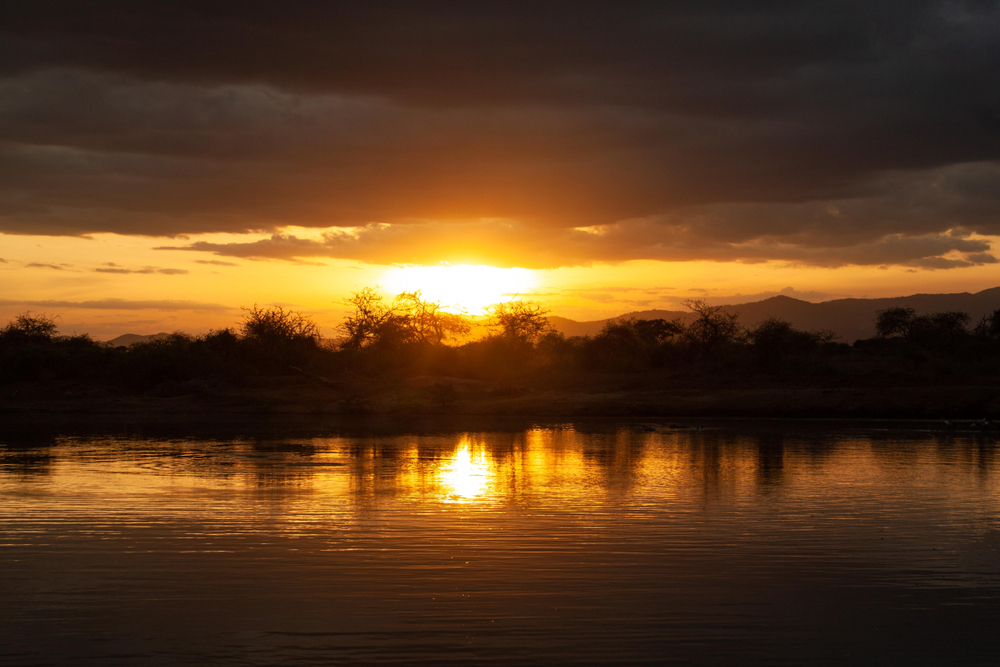
Adventurous travelers can embark on a guided hike to the summit of Roaring Rocks, where they can witness stunning sunsets or sunrises while listening to the distant rumble of wildlife echoing across the savannah.

Exploring Shetani Lava Flows

The Shetani Lava Flows are a geological wonder within Tsavo West, formed by ancient volcanic activity. Visitors can embark on guided walks or drives to explore these eerie black lava fields, which stretch for miles across the landscape. The dramatic scenery offers a glimpse into the park’s tumultuous volcanic past and provides a unique backdrop for photography enthusiasts.

Game Drives

Tsavo West National Park offers some of the most thrilling safari experiences in Kenya. Safari drives allow visitors to explore the vast savannahs, dense forests, and volcanic landscapes of the park while spotting a diverse range of wildlife.

From the iconic “Big Five” to rare species such as the gerenuk and fringe-eared oryx, the park is teeming with animal encounters waiting to be discovered.

Climb to Roaring Rocks

Roaring Rocks is a prominent cliff formation in Tsavo West that offers breathtaking panoramic views of the surrounding plains and distant mountains.

Adventurous travelers can embark on a guided hike to the summit of Roaring Rocks, where they can witness stunning sunsets or sunrises while listening to the distant rumble of wildlife echoing across the savannah.

Exploring Shetani Lava Flows

The Shetani Lava Flows are a geological wonder within Tsavo West, formed by ancient volcanic activity. Visitors can embark on guided walks or drives to explore these eerie black lava fields, which stretch for miles across the landscape. The dramatic scenery offers a glimpse into the park’s tumultuous volcanic past and provides a unique backdrop for photography enthusiasts.

Tsavo West National Park Trails

There are no trails for self-guided hiking in the national park.  However, there are guided walks along the Tsavo River.  This is a great way to personally take in the landscapes of the area with chances for wildlife viewing as well.

placeholder

Chaimu Crater Trail

Rating: Moderate to Difficult

Distance and Elevation Gain: 2.5 miles (4 km) with an elevation gain of 656 feet (200 meters)

Description: The Chaimu Crater Trail offers a challenging hike to the summit of Chaimu Crater, a prominent volcanic cone in Tsavo West National Park.

Hikers will ascend steep slopes and rocky terrain, passing through sparse vegetation and volcanic ash fields.

Enjoy panoramic views of the surrounding landscapes and wildlife-rich plains from the crater rim, making this trail a rewarding adventure for experienced hikers.

placeholder

Mzima Springs Trail

Rating: Easy

Distance and Elevation Gain: 2 miles (3.2 km) with minimal elevation gain

Description: The Mzima Springs Trail provides a leisurely walk through lush vegetation to the crystal-clear Mzima Springs, a vital water source in Tsavo West National Park.

Hikers will stroll along shaded pathways, observing hippos, crocodiles, and various fish species in the springs’ pools.

Enjoy sightings of birds and monkeys while immersing yourself in the tranquil ambiance of this scenic natural oasis.

placeholder

Roaring Rocks Trail

Rating: Moderate

Distance and Elevation Gain: 3 miles (4.8 km) with an elevation gain of 492 feet (150 meters)

Description: The Roaring Rocks Trail leads hikers to a scenic viewpoint overlooking the vast plains of Tsavo West National Park.

Trek through rocky terrain and acacia woodlands, encountering wildlife such as elephants and antelopes along the way.

Arrive at Roaring Rocks, where you can listen to the distant rumble of elephants and enjoy panoramic vistas of the park’s diverse landscapes.

placeholder

Rhino Valley Circuit Trail

Rating: Moderate

Distance and Elevation Gain: 5 miles (8 km) with minimal elevation gain

Description: The Rhino Valley Circuit Trail offers a moderate hike through Rhino Valley, known for its diverse wildlife populations in Tsavo West National Park.

Hikers will traverse open grasslands and wooded areas, encountering rhinos, buffaloes, and other plains game along the way.

Enjoy the scenic beauty of the valley and the opportunity to observe wildlife in their natural habitat on this popular hiking route.

placeholder

Shetani Lava Flow Trail

Rating: Easy to Moderate

Distance and Elevation Gain: 4 miles (6.4 km) with an elevation gain of 328 feet (100 meters)

Description: The Shetani Lava Flow Trail takes hikers on a fascinating journey through ancient lava fields in Tsavo West National Park.

Trek across barren landscapes and volcanic rock formations, marveling at the power of past volcanic eruptions.

Learn about the park’s geological history and witness the resilience of nature as vegetation slowly reclaims the lava fields, making this an educational and visually stunning hiking experience.

placeholder

Chaimu Crater Trail

Rating: Moderate to Difficult

Distance and Elevation Gain: 2.5 miles (4 km) with an elevation gain of 656 feet (200 meters)

Description: The Chaimu Crater Trail offers a challenging hike to the summit of Chaimu Crater, a prominent volcanic cone in Tsavo West National Park.

Hikers will ascend steep slopes and rocky terrain, passing through sparse vegetation and volcanic ash fields.

Enjoy panoramic views of the surrounding landscapes and wildlife-rich plains from the crater rim, making this trail a rewarding adventure for experienced hikers.

placeholder

Mzima Springs Trail

Rating: Easy

Distance and Elevation Gain: 2 miles (3.2 km) with minimal elevation gain

Description: The Mzima Springs Trail provides a leisurely walk through lush vegetation to the crystal-clear Mzima Springs, a vital water source in Tsavo West National Park.

Hikers will stroll along shaded pathways, observing hippos, crocodiles, and various fish species in the springs’ pools.

Enjoy sightings of birds and monkeys while immersing yourself in the tranquil ambiance of this scenic natural oasis.

placeholder

Roaring Rocks Trail

Rating: Moderate

Distance and Elevation Gain: 3 miles (4.8 km) with an elevation gain of 492 feet (150 meters)

Description: The Roaring Rocks Trail leads hikers to a scenic viewpoint overlooking the vast plains of Tsavo West National Park.

Trek through rocky terrain and acacia woodlands, encountering wildlife such as elephants and antelopes along the way.

Arrive at Roaring Rocks, where you can listen to the distant rumble of elephants and enjoy panoramic vistas of the park’s diverse landscapes.

placeholder

Rhino Valley Circuit Trail

Rating: Moderate

Distance and Elevation Gain: 5 miles (8 km) with minimal elevation gain

Description: The Rhino Valley Circuit Trail offers a moderate hike through Rhino Valley, known for its diverse wildlife populations in Tsavo West National Park.

Hikers will traverse open grasslands and wooded areas, encountering rhinos, buffaloes, and other plains game along the way.

Enjoy the scenic beauty of the valley and the opportunity to observe wildlife in their natural habitat on this popular hiking route.

placeholder

Shetani Lava Flow Trail

Rating: Easy to Moderate

Distance and Elevation Gain: 4 miles (6.4 km) with an elevation gain of 328 feet (100 meters)

Description: The Shetani Lava Flow Trail takes hikers on a fascinating journey through ancient lava fields in Tsavo West National Park.

Trek across barren landscapes and volcanic rock formations, marveling at the power of past volcanic eruptions.

Learn about the park’s geological history and witness the resilience of nature as vegetation slowly reclaims the lava fields, making this an educational and visually stunning hiking experience.

FAQ’s

What is Tsavo West National Park most known for?

Tsavo West National Park is renowned for its dramatic landscapes, diverse wildlife, and fascinating geological features.

From the iconic Mzima Springs to the imposing lava flows of Shetani, every corner of the park offers a unique experience.

Visitors flock to Tsavo West to witness the breathtaking vistas of the Chyulu Hills, spot the famous “red elephants,” and explore the labyrinthine lava caves. The park’s rich history, coupled with its natural splendor, makes it a favorite destination for safari enthusiasts and nature lovers alike.

How does Tsavo West differ from Tsavo East?

Tsavo West and Tsavo East, though part of the same ecosystem, offer distinct experiences for visitors.

While Tsavo East is characterized by vast open plains and the Galana River, Tsavo West boasts rugged terrain, volcanic landscapes, and dense vegetation.

Tsavo West is also home to the Ngulia Rhino Sanctuary, a protected area dedicated to the conservation of endangered black rhinos, which is not found in Tsavo East.

Additionally, Tsavo West features a series of natural attractions such as Mzima Springs and the Chyulu Hills, setting it apart from its eastern counterpart.

What is unique to Tsavo West and not in Tsavo East?

Tsavo West National Park is distinguished by its diverse array of geological features and unique attractions not found in Tsavo East.

One of its standout features is the Mzima Springs, a series of crystal-clear pools fed by underwater springs, providing a vital water source for wildlife.

Tsavo West is also known for the Shetani Lava Flows, vast expanses of hardened lava that offer a stark contrast to the surrounding savannah.

The park is also home to the Ngulia Rhino Sanctuary, a haven for endangered black rhinos.

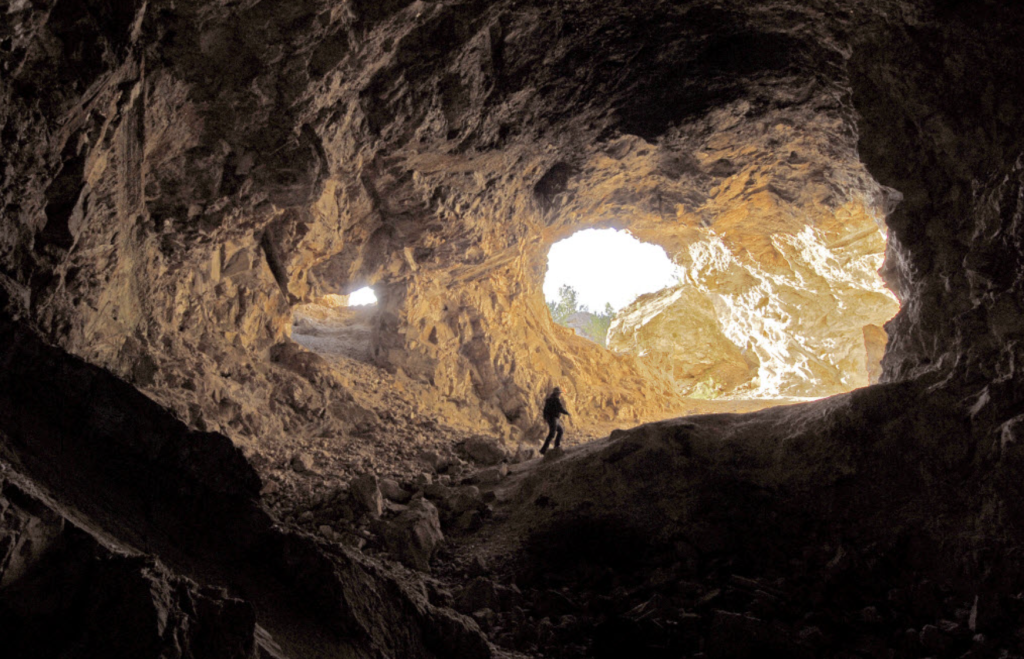
Additionally, the park’s proximity to the Chyulu Hills provides opportunities for hiking and exploring ancient lava caves, offering a truly immersive experience in the heart of Kenya’s wilderness.

What is Tsavo West National Park most known for?

Tsavo West National Park is renowned for its dramatic landscapes, diverse wildlife, and fascinating geological features.

From the iconic Mzima Springs to the imposing lava flows of Shetani, every corner of the park offers a unique experience.

Visitors flock to Tsavo West to witness the breathtaking vistas of the Chyulu Hills, spot the famous “red elephants,” and explore the labyrinthine lava caves. The park’s rich history, coupled with its natural splendor, makes it a favorite destination for safari enthusiasts and nature lovers alike.

How does Tsavo West differ from Tsavo East?

Tsavo West and Tsavo East, though part of the same ecosystem, offer distinct experiences for visitors.

While Tsavo East is characterized by vast open plains and the Galana River, Tsavo West boasts rugged terrain, volcanic landscapes, and dense vegetation.

Tsavo West is also home to the Ngulia Rhino Sanctuary, a protected area dedicated to the conservation of endangered black rhinos, which is not found in Tsavo East.

Additionally, Tsavo West features a series of natural attractions such as Mzima Springs and the Chyulu Hills, setting it apart from its eastern counterpart.

What is unique to Tsavo West and not in Tsavo East?

Tsavo West National Park is distinguished by its diverse array of geological features and unique attractions not found in Tsavo East.

One of its standout features is the Mzima Springs, a series of crystal-clear pools fed by underwater springs, providing a vital water source for wildlife.

Tsavo West is also known for the Shetani Lava Flows, vast expanses of hardened lava that offer a stark contrast to the surrounding savannah.

The park is also home to the Ngulia Rhino Sanctuary, a haven for endangered black rhinos.

Additionally, the park’s proximity to the Chyulu Hills provides opportunities for hiking and exploring ancient lava caves, offering a truly immersive experience in the heart of Kenya’s wilderness.

Sources