About

Matobo National Park, the park is located in southwestern Zimbabwe approximately 22 miles (35 km) south of the city of Bulawayo. The park covers approximately 164 square miles (424 sq km) and forms the core of the larger Matobo Hills region, a UNESCO World Heritage Site.

Established in 1926, Matobo is the oldest national park in Zimbabwe and protects one of Africa’s most distinctive cultural and geological landscapes. The park lies southeast of Hwange National Park and preserves a remarkable combination of granite hills, wildlife habitats, and archaeological treasures. Its unique scenery and rich cultural heritage make it one of Zimbabwe’s most significant protected areas.

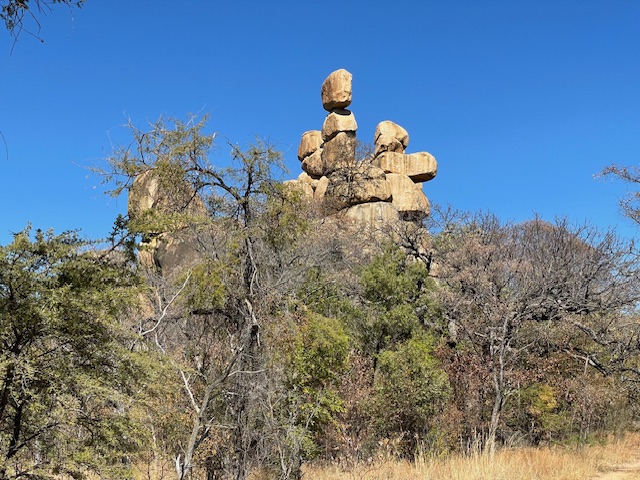
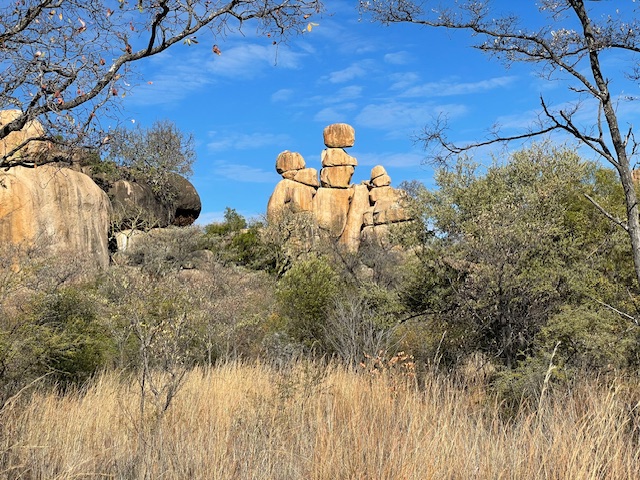
Matobo National Park is best known for its spectacular granite rock formations, ancient rock art, and exceptional concentrations of rhinoceroses. The landscape is dominated by balancing rock formations, massive granite domes, and weathered hills known locally as “kopjes.” These dramatic features have inspired generations of visitors and hold deep spiritual significance for local communities.

The park is also famous for its archaeological sites, which contain thousands of years of human history preserved in rock paintings created by the San people. Visitors come to explore scenic viewpoints, cultural heritage sites, wildlife habitats, and one of southern Africa’s most visually distinctive landscapes.

The geography of Matobo National Park is unlike any other in Africa. The region consists of ancient granite formations that were created more than two billion years ago and later sculpted by erosion into rounded hills, caves, and striking balancing rocks. Valleys, seasonal streams, grasslands, and woodlands weave through the rocky terrain, creating a mosaic of habitats.

Vegetation includes savanna grasslands, acacia woodlands, riverine forests, and patches of shrubland. The rugged topography provides shelter for wildlife while creating scenic vistas that stretch across the surrounding countryside. These geological formations have also created numerous caves and overhangs that contain important archaeological and cultural sites.

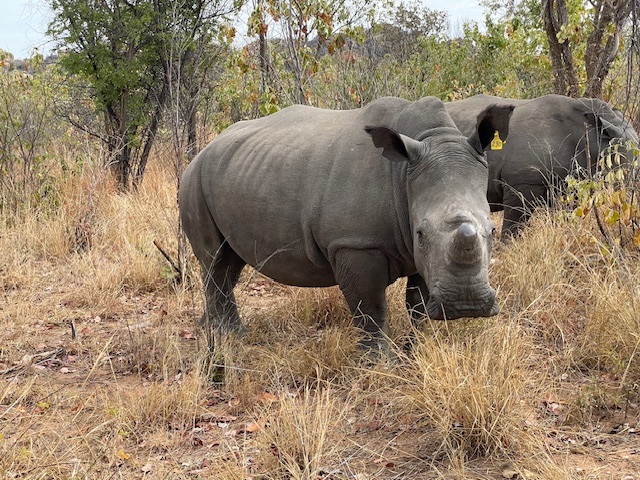
Wildlife within Matobo National Park is both diverse and conservation-focused. The park is internationally recognized as one of the best places in Africa to observe both black and white rhinoceroses. Other large mammals include leopard, giraffe, zebra, sable antelope, impala, kudu, and warthog. Although lions and elephants are absent from the park, Matobo supports one of the highest densities of leopards in Africa.

Birdlife is equally impressive, with more than 300 recorded species. The park is particularly renowned for its raptors, including Verreaux’s eagle, which nests among the granite cliffs. Vultures, falcons, hornbills, kingfishers, and numerous woodland birds further enrich the park’s biodiversity.

Matobo National Park plays a vital role in protecting both natural and cultural heritage. The park safeguards endangered rhinoceroses, important bird populations, and one of Africa’s most significant collections of prehistoric rock art. Its conservation value extends beyond wildlife to include sacred cultural landscapes and archaeological sites that provide insight into thousands of years of human history.

The park’s significance is often compared to places such as Tsodilo Hillsand Twyfelfontein, where natural beauty and cultural heritage are inseparably linked. Today, Matobo National Park stands as one of Zimbabwe’s most treasured protected areas, preserving a landscape where geology, wildlife, history, and culture come together in a truly extraordinary setting.

Things to See
Popular

Popular

Matobo National Park, located in the Matobo Hills of Zimbabwe, is renowned for its unique landscapes and rich biodiversity. Here are ten of the most popular species found within Matobo National Park:

White Rhinoceros (Ceratotherium simum): Matobo National Park is home to a significant population of white rhinos. These majestic creatures can often be seen grazing in open grasslands, playing a crucial role in maintaining the ecosystem’s balance.

Black Rhinoceros (Diceros bicornis): The park also hosts the critically endangered black rhino. Unlike their white counterparts, black rhinos are browsers and prefer dense thickets where they feed on bushes and trees.

Leopards (Panthera pardus): Leopards are elusive and solitary animals in Matobo National Park. They are adept climbers and often haul their prey into trees to avoid scavengers.

Spotted Hyenas (Crocuta crocuta): These social animals are both efficient hunters and scavengers. Known for their complex social structures, they often hunt in packs and can take down large prey.

Verreaux’s Eagles (Aquila verreauxii): Also known as black eagles, these birds of prey are a common sight in Matobo. They are known for their impressive hunting skills, often preying on rock hyraxes.

Rock Hyraxes (Procavia capensis): These small, herbivorous mammals are commonly found in the rocky outcrops of Matobo. They live in colonies and are an important prey species for Verreaux’s eagles.

Cape Buffalo (Syncerus caffer): These large herbivores are often found in the park’s savannah areas. They are social animals, typically seen in large herds.

Giraffes (Giraffa camelopardalis): Giraffes are occasionally spotted in Matobo, feeding on the leaves of acacia trees. Their presence adds to the park’s diverse wildlife.

Klipspringer (Oreotragus oreotragus): This small antelope is well-adapted to the rocky terrain of Matobo. They are agile climbers, often seen perched on steep slopes and rocky outcrops.

These species contribute to the rich biodiversity of Matobo National Park and play vital roles in its ecosystem. The park’s management focuses on the conservation of these species, ensuring the stability and continuity of this vibrant natural habitat

Rocky Landscapes

Rocky Landscapes

Matobo National Park, also known as Matopos National Park, is renowned for its breathtaking rock formations and unique landscapes, which create a dramatic and picturesque environment. These geological wonders are among the oldest on Earth, with their origins dating back over two billion years.

Granite Kopjes

The most striking feature of Matobo National Park is its granite kopjes (pronounced “copies”), which are massive, dome-shaped rock outcrops that dot the landscape. These kopjes are formed from the erosion and weathering of ancient granite, creating smooth, rounded domes that rise abruptly from the surrounding terrain. The kopjes vary in size, with some towering hundreds of feet above the ground, providing panoramic views of the park.

Balancing Rocks

One of the park’s most iconic features is the balancing rocks. These precariously balanced boulders are formed through a combination of natural erosion and weathering processes. Over time, the softer rock eroded away, leaving behind these unique and seemingly gravity-defying formations. These rocks are often seen stacked on top of one another, creating visually stunning and intriguing shapes that have become a symbol of the park.

Whaleback Ridges

Whaleback ridges are another notable geological feature in Matobo National Park. These elongated, smooth ridges resemble the backs of whales and are formed by the gradual erosion of granite. The ridges provide a striking contrast to the surrounding landscape and offer excellent vantage points for viewing the park’s wildlife and scenery.

Renowned Cave Art

Renowned Cave Art

Matobo National Park is a UNESCO World Heritage site featuring one of the most renowned collections of historical rock art.

Ancient Caves and Shelters

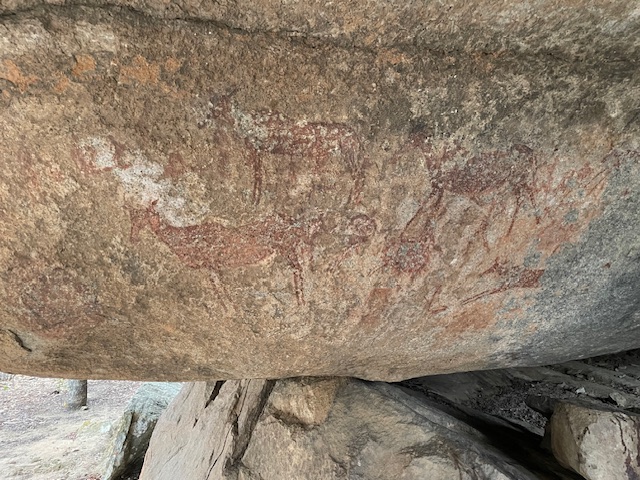
The park is home to numerous caves and rock shelters, many of which contain ancient rock art created by the San (Bushmen) people. These shelters have protected the rock art from the elements, preserving it for thousands of years. The paintings depict various aspects of the San’s daily life, including hunting scenes, animals, and spiritual rituals, offering a glimpse into the lives of these ancient inhabitants.

Cultural and Spiritual Significance

The Matobo Hills hold great cultural and spiritual significance for the local Ndebele people. The hills are considered sacred, and many of the rock formations are believed to be the dwelling places of ancestral spirits. This spiritual connection adds an extra layer of depth to the natural beauty of the park, making it a place of both ecological and cultural importance.

Cecil Rhodes’ Grave

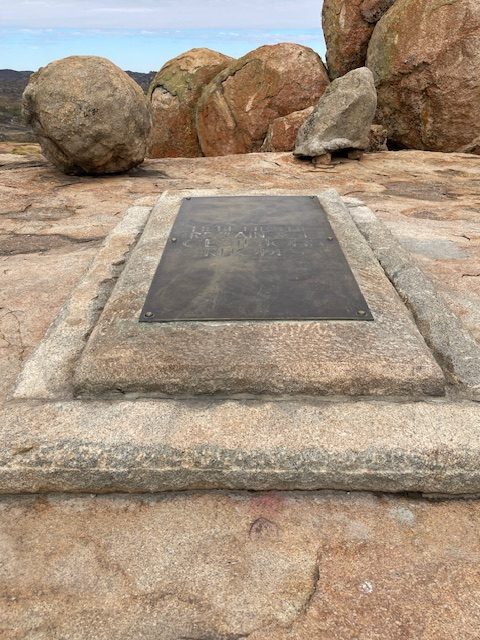
Among the notable features within the rock landscapes is the grave of Cecil Rhodes, the British colonialist, located at a site known as “World’s View.” This spot offers breathtaking panoramic views of the surrounding rock formations and the expansive landscape beyond.

Matobo National Park’s rock formations and landscapes are a testament to the power of natural forces over millions of years. Their beauty and uniqueness make the park a must-visit destination for anyone interested in geology, history, and the natural world.

Things To Do

Engaging Matobo National Park
Rhino Walks

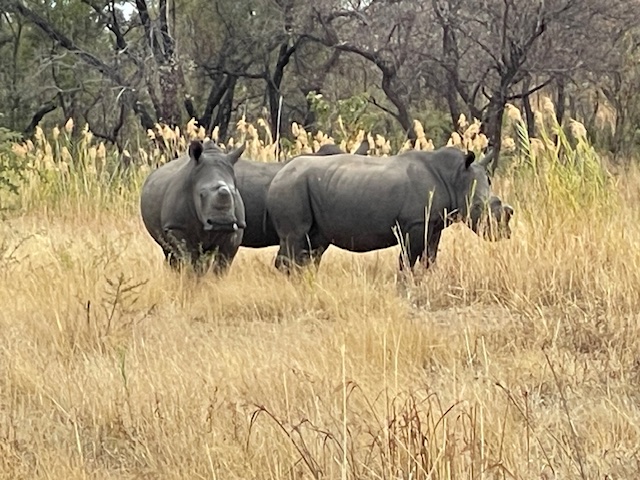
The Rhino Walks in Matobo National Park offer a unique and exhilarating experience for wildlife enthusiasts. Located in Zimbabwe, Matobo National Park is renowned for its significant populations of both white and black rhinoceros. Guided by knowledgeable and experienced park rangers, these walks provide visitors with the rare opportunity to observe these magnificent creatures up close in their natural habitat.

The walks typically take place in the early morning or late afternoon, when the rhinos are most active. As you traverse the park’s diverse landscapes, including open grasslands and wooded valleys, the rangers share insights about rhino behavior, conservation efforts, and the challenges these animals face.

The Rhino Walks not only offer unforgettable wildlife encounters but also support conservation initiatives aimed at protecting these endangered species. This eco-friendly activity ensures that future generations can continue to admire and appreciate the beauty of rhinos in the wild.

Game Drives

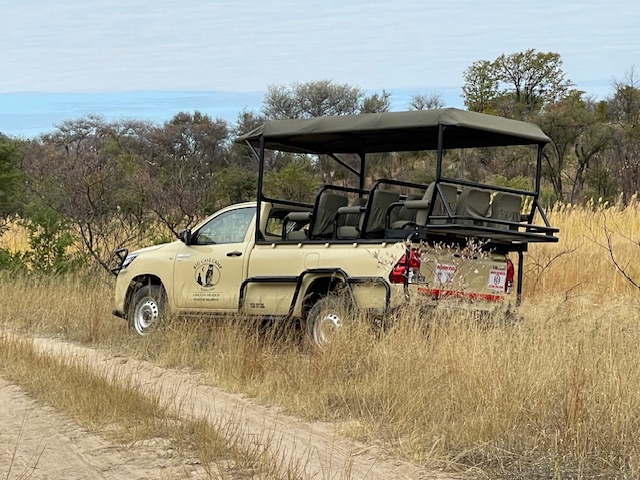
Game Drives in Matobo National Park provide an unforgettable safari experience, showcasing the park’s rich wildlife and stunning landscapes. Located in Zimbabwe, Matobo is known for its dramatic granite kopjes and diverse fauna.

Guided by experienced rangers, game drives typically occur in the early morning or late afternoon when wildlife is most active. Visitors can expect to see an array of animals, including white and black rhinoceroses, leopards, giraffes, zebras, and various antelope species. The park is also home to numerous bird species, including the majestic Verreaux’s eagle.

As you traverse the park’s varied terrain, rangers share their extensive knowledge of the ecosystem, animal behavior, and conservation efforts. These drives offer an intimate glimpse into the park’s natural beauty and biodiversity.

Game drives in Matobo National Park are not only thrilling but also support vital conservation initiatives, ensuring the protection of this unique ecosystem for future generations.

Rock Art Tours

The rock art in Matobo National Park is one of the park’s most fascinating attractions, offering a window into the lives of ancient civilizations. Located in Zimbabwe, Matobo is home to some of the most well-preserved and extensive rock art sites in southern Africa, with paintings dating back over 13,000 years.

Created by the San (Bushmen) people, these intricate paintings depict a variety of scenes, including hunting expeditions, dances, and everyday activities. The artwork also features numerous animals, such as giraffes, antelopes, and rhinos, showcasing the rich wildlife that has long inhabited the area.

Guided tours of these rock art sites allow visitors to explore the caves and shelters where the paintings are found. Knowledgeable guides provide insights into the cultural and spiritual significance of the art, explaining the techniques used and the stories behind the images.

Visiting the rock art in Matobo National Park is a captivating journey through history, connecting visitors with the rich heritage and artistic legacy of the region’s earliest inhabitants.

FAQ’s

What is Matobo National Park known for?

Matobo National Park, located in Zimbabwe, is renowned for several distinctive features that make it a unique and captivating destination:

  1. Stunning Rock Formations: The park is famous for its dramatic granite kopjes and balancing rocks, which create a breathtaking and rugged landscape. These ancient geological formations are among the oldest on Earth, dating back over two billion years.
  2. Rich Wildlife: The park is home to diverse wildlife, including significant populations of white and black rhinoceroses, leopards, giraffes, zebras, and various antelope species. Bird enthusiasts can also find a variety of bird species, including the majestic Verreaux’s eagle.
  3. Ancient Rock Art: Matobo National Park boasts some of the most well-preserved and extensive rock art sites in southern Africa. The rock paintings, created by the San (Bushmen) people, date back over 13,000 years and depict scenes of hunting, daily life, and spiritual rituals.
  4. Cultural and Spiritual Significance: The Matobo Hills are considered sacred by the local Ndebele people and are believed to be the dwelling place of spirits. This spiritual connection adds a profound cultural dimension to the park’s natural beauty.
  5. Cecil Rhodes’ Grave: The grave of British colonialist Cecil Rhodes is located at a site known as “World’s View” within the park. This spot offers stunning panoramic views of the surrounding landscape and is a popular viewpoint for visitors.
  6. Rhino Walks and Game Drives: The park offers unique wildlife experiences such as guided rhino walks and game drives, allowing visitors to observe and learn about the park’s diverse fauna in their natural habitat.

Matobo National Park’s combination of geological wonders, rich biodiversity, ancient art, and cultural heritage makes it a must-visit destination for anyone traveling to Zimbabwe.

How big is Matobo National Park?

Matobo National Park, located in Zimbabwe, covers an area of 164 square miles (424 square kilometers). This expansive park is known for its unique and dramatic landscapes, rich biodiversity, and cultural significance. The park’s size allows for the preservation of its diverse ecosystems, which include granite kopjes, wooded valleys, and open grasslands, providing a habitat for a wide range of wildlife and plant species.

Sources

Expert Africa, Matobo National Park, https://www.expertafrica.com/zimbabwe/matobo-national-park, retrieved July 2024.

UNESCO, Matobo Hills, https://whc.unesco.org/en/list/306/, retrieved July 2024.

Zimbabwe Connections, Rhodes Matopas National Park, http://www.zimbabweconnections.com/matopas-np/, retrieved July 2024.

Zimbabwe Tourism Authority, Matobo National Park, https://zimbabwetourism.net/portfolios/matobo-hills/, retrieved July 2024.