

About
Kazuma Pan National Park, the park is located in northwestern Zimbabwe near the borders of Botswana and Zambia. The park covers approximately 121 square miles (313 sq km) and forms part of the greater conservation landscape surrounding Hwange National Park, Chobe National Park, and the Kazungula Region.
Established as a national park in 1979, Kazuma Pan protects an important wildlife corridor within one of southern Africa’s most significant transboundary ecosystems. Although less well known than nearby flagship parks, its strategic location and rich wildlife populations make it an important conservation area in the region.
Kazuma Pan National Park is best known for its seasonal wetlands, open grasslands, and exceptional wildlife viewing opportunities during the dry season. The park takes its name from the Kazuma Pan, a large seasonal depression that collects water during periods of rainfall and attracts wildlife from surrounding areas.
Visitors are drawn to the park’s peaceful atmosphere and uncrowded safari experience. Unlike many heavily visited destinations, Kazuma Pan offers opportunities to observe wildlife in relative solitude. The seasonal pan and nearby water sources become gathering points for large mammals and birds, creating excellent opportunities for photography and wildlife observation.
The geography of Kazuma Pan National Park is characterized by flat grasslands, seasonal floodplains, woodlands, and shallow wetlands. The park lies within the Kalahari Basin and consists primarily of sandy soils and gently undulating terrain. During the rainy season, water accumulates in the pan and surrounding low-lying areas, transforming portions of the landscape into productive wetland habitats.
As the dry season progresses, wildlife concentrates around remaining water sources, creating dynamic ecological interactions. Vegetation includes open savannas, acacia woodlands, mopane stands, and grass-covered plains that support a wide variety of herbivores and bird species. The park’s relatively open terrain provides excellent visibility for wildlife viewing.
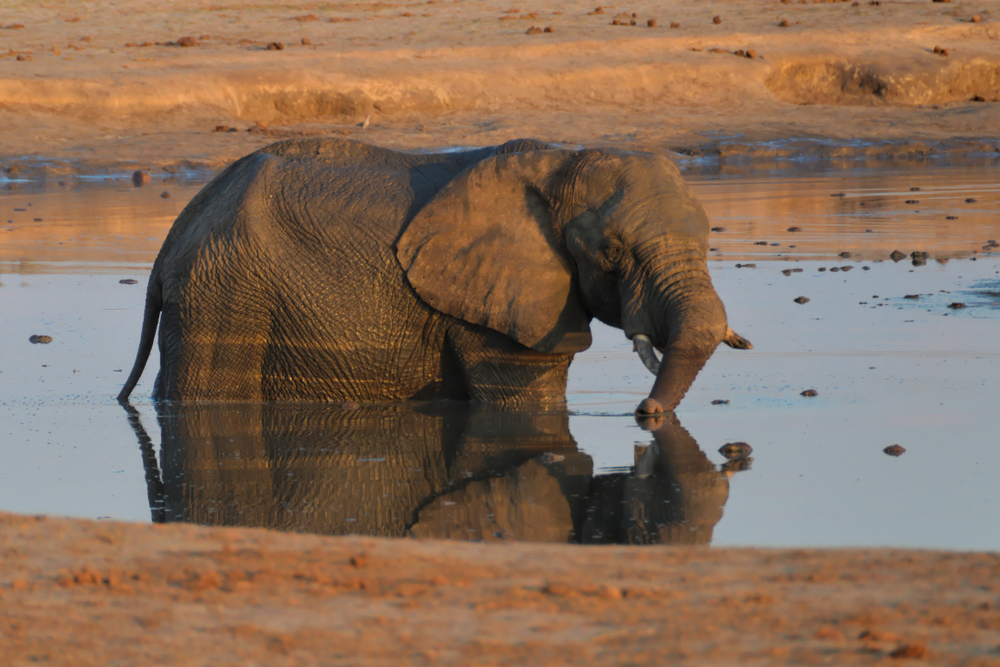
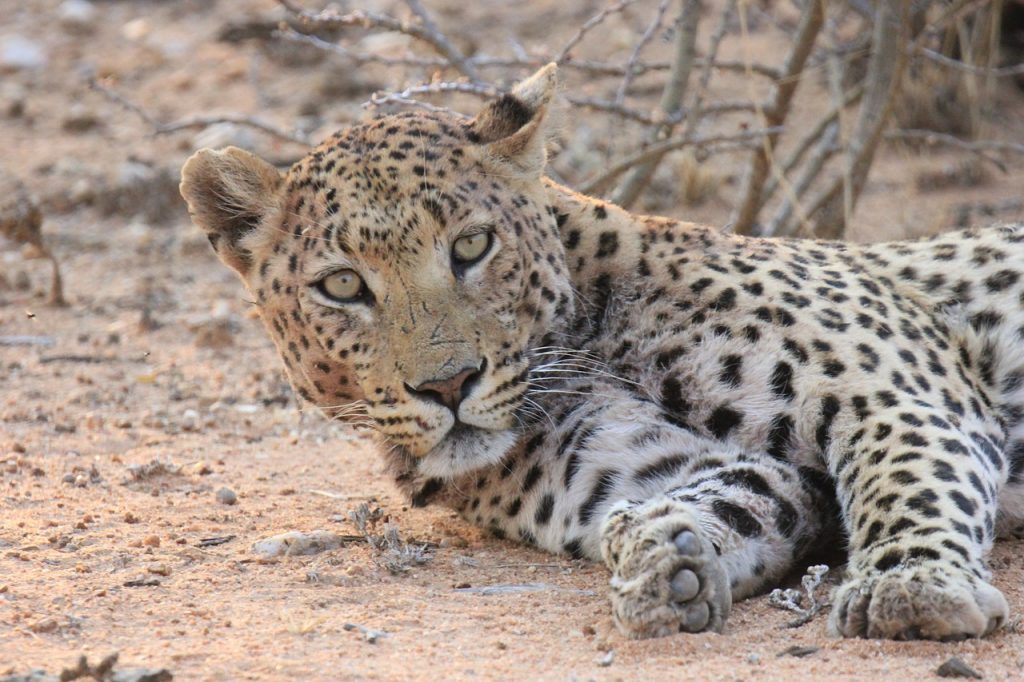
Wildlife is one of the park’s greatest attractions. Kazuma Pan National Park supports populations of elephant, buffalo, zebra, giraffe, sable antelope, roan antelope, wildebeest, and numerous other grazing species. Predators such as lion, leopard, cheetah, and spotted hyena also move through the area, often following seasonal wildlife movements.
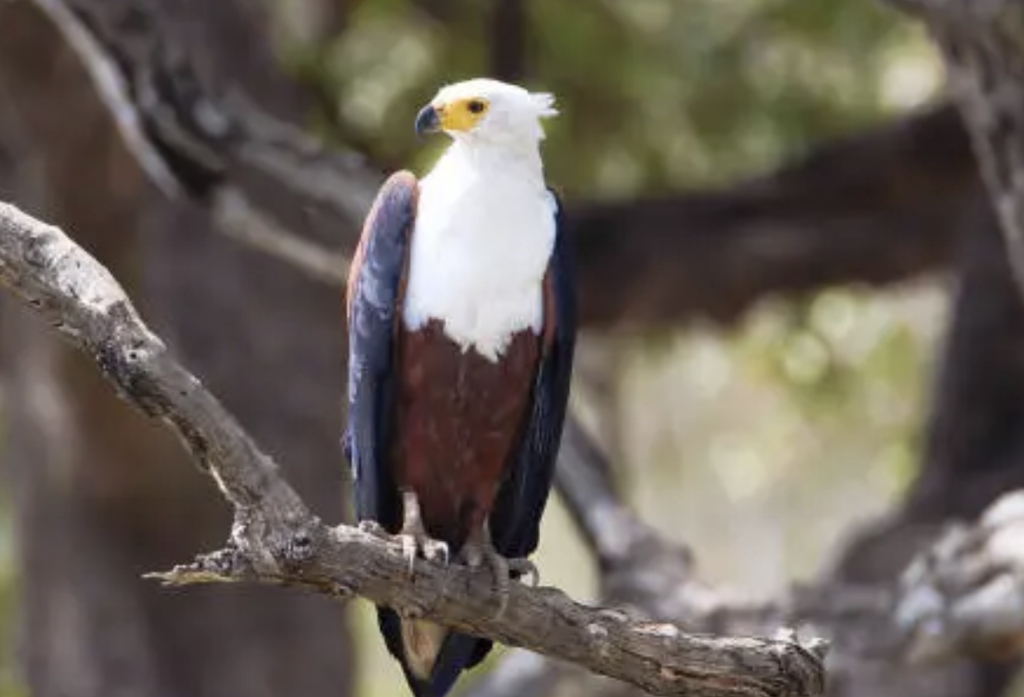
The park’s location within a broader wildlife corridor allows animals to migrate between Zimbabwe, Botswana, and Zambia. Birdlife is especially abundant around seasonal wetlands and includes storks, herons, cranes, eagles, hornbills, and numerous migratory species. During favorable conditions, the pan becomes an important refuge for waterbirds and contributes significantly to regional biodiversity.
Kazuma Pan National Park plays a vital role in conserving an important wildlife corridor within the greater Kavango-Zambezi ecosystem, one of the largest transboundary conservation landscapes in the world. The park helps maintain ecological connectivity between major protected areas while safeguarding habitats used by migratory wildlife and wetland-dependent species.
Its conservation significance is closely tied to nearby parks such as Hwange National Park and Chobe National Park, which together support some of Africa’s largest elephant populations. While smaller and less famous than its neighbors, Kazuma Pan provides critical habitat that contributes to the health and resilience of the entire region. Today, the park remains an important refuge for wildlife and a valuable component of southern Africa’s conservation network.
Things to See
Things To Do
Engaging Kazuma Pan National Park
