

About
Nyika National Park, the park is located in northeastern Zambia along the border with Malawi. The park covers approximately 31 square miles (80 sq km) and protects the Zambian portion of the greater Nyika Plateau ecosystem, most of which lies within neighboring Nyika National Park on the Malawian side of the border.
Established to preserve this unique highland environment, the Zambian section forms part of one of southern Africa’s most important montane grassland ecosystems. The park is situated within Zambia’s Northern Province and contributes to a transboundary conservation landscape that safeguards rare habitats, watersheds, and wildlife populations across the plateau. Though smaller and less visited than many of Zambia’s larger national parks, Nyika offers a distinctive wilderness experience unlike anywhere else in the country.
Nyika National Park is best known for its rolling high-altitude grasslands, sweeping vistas, and remarkable floral diversity. Visitors are drawn to landscapes that resemble temperate uplands more than the savannas typically associated with southern Africa. During the rainy season, the plateau transforms into a colorful display of wildflowers, including numerous orchids and endemic plant species.
The park offers excellent opportunities for hiking, birdwatching, wildlife viewing, and photography. Its cool climate, open scenery, and peaceful atmosphere create a unique destination for travelers seeking mountain landscapes and ecological diversity rather than traditional safari experiences.
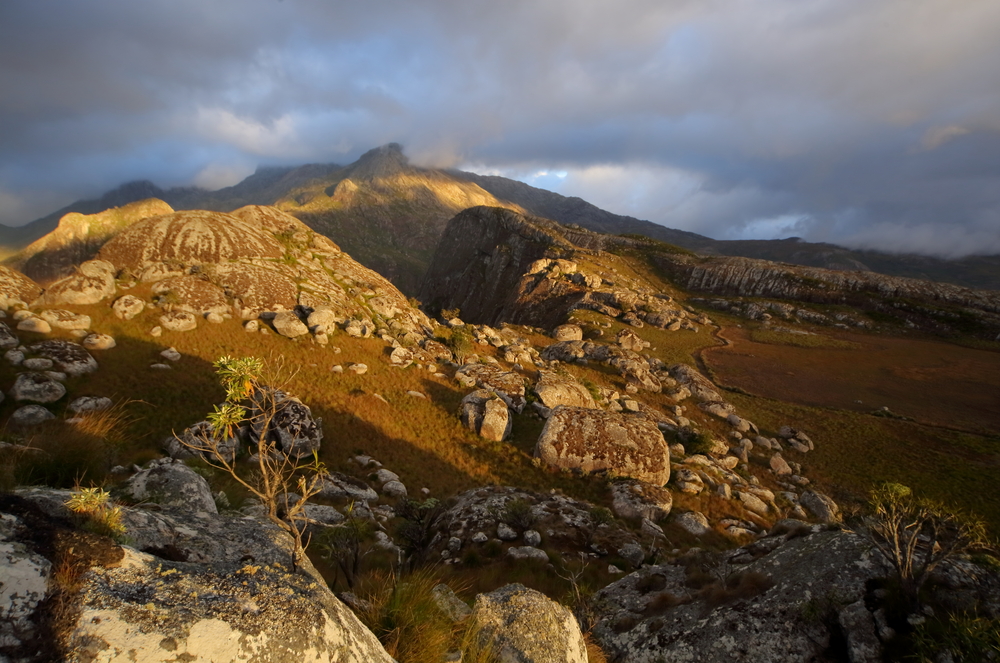
The geography of Nyika National Park is dominated by the Nyika Plateau, a broad elevated landscape characterized by rolling grasslands, shallow valleys, forest patches, and scattered rocky outcrops. Elevations range from approximately 6,500 to over 8,000 feet (2,000 to 2,500 meters), creating a cool and moist climate that supports unique plant communities.
Numerous streams and rivers originate on the plateau, contributing to important regional watersheds. The landscape includes montane grasslands, evergreen forests, wetlands, and heathlands that support a wide range of species. Frequent mist, seasonal rainfall, and fertile soils help sustain one of the most botanically rich environments in southern Africa.
Wildlife within Nyika National Park reflects its distinctive highland habitats. Large mammals include eland, zebra, reedbuck, roan antelope, bushbuck, and occasionally leopard. Smaller mammals, including servals and various rodents, inhabit the grasslands and forest margins. Birdlife is particularly impressive, with the plateau supporting numerous montane and grassland species that are uncommon elsewhere in Zambia. Raptors, cranes, sunbirds, pipits, and endemic highland birds thrive within the park’s varied habitats.
The abundance of wildflowers also supports diverse butterfly and insect populations. While wildlife densities are generally lower than in Zambia’s major safari parks, the park’s biodiversity and scenic beauty provide exceptional opportunities for nature observation.
Nyika National Park plays a critical role in conserving one of southern Africa’s most important montane ecosystems. The park protects rare grasslands, endemic plant species, and headwaters that support ecosystems beyond its boundaries. Its conservation significance is often compared to other African highland parks such as Nyanga National Park and Mount Elgon National Park, where elevation creates distinctive ecological communities.
As part of the larger Nyika Plateau conservation landscape, the park contributes to regional biodiversity protection and transboundary conservation efforts between Zambia and Malawi. Today, Nyika National Park remains one of Zambia’s most unique protected areas, preserving a landscape of rolling highland wilderness, rare wildlife, and extraordinary natural beauty.
Things to See
Things To Do
Engaging Nyika National Park
