About

Nyanga National Park is located in eastern Zimbabwe along the border with Mozambique within the country’s scenic Eastern Highlands. The park covers approximately 182 square miles (471 sq km) and protects some of Zimbabwe’s highest mountains, deepest valleys, and most spectacular landscapes.

Established in 1926, Nyanga is one of Zimbabwe’s oldest national parks and lies north of the nearby Chimanimani National Park. The park encompasses the country’s highest peak, Mount Nyangani, and forms part of a broader highland ecosystem known for its cool climate, lush vegetation, and exceptional natural beauty. Its dramatic scenery and diverse outdoor recreation opportunities have made it one of Zimbabwe’s most beloved protected areas.

Nyanga National Park is best known for its breathtaking mountain vistas, waterfalls, trout streams, and hiking opportunities. Unlike Zimbabwe’s famous wildlife safari parks, Nyanga attracts visitors seeking outdoor adventure and scenic exploration in a highland setting. Mount Nyangani, rising to approximately 8,504 feet (2,592 meters), offers challenging hikes and panoramic views across the Eastern Highlands.

Other popular attractions include the picturesque Pungwe Gorge, Mutarazi Falls, and numerous rivers that wind through rolling grasslands and forested valleys. Visitors can enjoy hiking, fishing, horseback riding, birdwatching, and nature photography while experiencing some of the most beautiful landscapes in southern Africa.

The geography of Nyanga National Park is defined by rugged mountains, deep valleys, rolling plateaus, rivers, and waterfalls. The park’s elevation creates a cool, temperate climate that differs significantly from much of Zimbabwe. Numerous rivers originate within the highlands, including tributaries that contribute to major regional watersheds. Grasslands dominate much of the higher elevations, while forests, heathlands, and riverine vegetation occupy sheltered valleys and slopes.

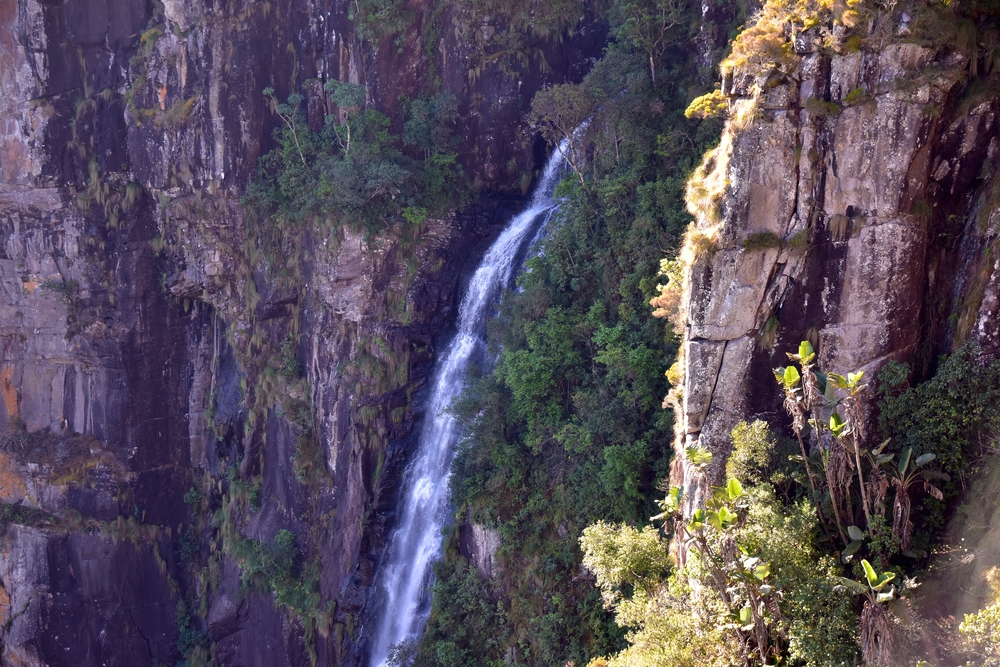
Mutarazi Falls, Zimbabwe’s highest waterfall, plunges more than 2,500 feet (762 meters) through a dramatic gorge, creating one of the country’s most impressive natural landmarks. The park’s varied topography supports a rich diversity of habitats and contributes to its exceptional scenic appeal.

Wildlife within Nyanga National Park is adapted to the cooler mountain environment. Mammals include sable antelope, kudu, waterbuck, reedbuck, bushbuck, leopard, and several smaller species. Although large predators are uncommon, the park supports a healthy diversity of herbivores and mountain wildlife.

Birdlife is particularly notable, with species such as the blue swallow, augur buzzard, crowned eagle, and numerous montane forest birds inhabiting the region. The park’s rivers and wetlands support amphibians, reptiles, and aquatic life, while its grasslands provide habitat for a variety of insects and small mammals. The combination of highland ecosystems and relatively isolated habitats has allowed unique plant and animal communities to flourish.

Nyanga National Park plays a critical role in protecting Zimbabwe’s montane ecosystems, watersheds, and biodiversity. The park safeguards important headwaters that provide freshwater resources for surrounding regions while preserving habitats for rare plants and wildlife. Its conservation significance is often compared to highland protected areas such as Drakensberg uKhahlamba Park and Mount Elgon National Park, where mountain environments support unique ecological communities.

However, Nyanga’s rolling highland landscapes, dramatic waterfalls, and temperate climate give it a distinctive character all its own. Today, the park remains one of Zimbabwe’s premier natural destinations, protecting a remarkable blend of scenic beauty, biodiversity, and outdoor recreation opportunities for future generations.

Things to See
Mount Nyangani

Mount Nyangani, standing at 2,592 meters (8,504 feet), is the highest peak in Zimbabwe and a crown jewel of Nyanga National Park in the Eastern Highlands. Known for its breathtaking views and mystic allure, the mountain is a popular destination for hikers, nature enthusiasts, and adventure seekers.

The hike to the summit of Mount Nyangani offers a moderately challenging but rewarding experience. Trails wind through dense montane forests, open grasslands, and rocky outcrops, revealing stunning landscapes unique to the region. Along the way, visitors may encounter endemic plant species, including heathers and wildflowers, as well as a variety of birdlife such as sunbirds and the majestic augur buzzard. The mountain is also home to small mammals like hyraxes and the elusive blue duiker.

Once at the summit, visitors are greeted with panoramic vistas of the surrounding Nyanga National Park, including the lush valleys, rolling hills, and sparkling rivers below. On clear days, the views stretch as far as Mozambique. However, the weather on Mount Nyangani is unpredictable, with mist and sudden rain adding to its mystique.

Local legends enhance the mountain’s appeal, as it is believed to be a sacred place with spiritual significance. Visitors are often advised to show respect and stay on marked trails. The cool climate, combined with its rugged beauty and cultural importance, makes Mount Nyangani an unforgettable experience for those seeking adventure and a deeper connection to nature.

Mutarazi Falls

Mutarazi Falls, located in the Eastern Highlands of Zimbabwe within Nyanga National Park, is a breathtaking natural wonder and the tallest waterfall in the country. Cascading an impressive 762 meters (2,500 feet) into the Honde Valley below, it is also one of the tallest waterfalls in Africa. The falls are formed by the Mutarazi River, which plunges dramatically over the edge of a towering escarpment, creating a sheer drop that is both awe-inspiring and humbling.

Visitors to Mutarazi Falls are treated to stunning views of the falls and the surrounding landscapes. The Mutarazi Skywalk, a series of suspended walkways and viewing platforms, offers a thrilling way to experience the grandeur of the falls up close. For the adventurous, the Mutarazi Skyline zipline provides an exhilarating ride above the gorge, offering unparalleled perspectives of the cascading water and the lush valley below.

The surrounding area is equally captivating, with montane forests and grasslands providing a habitat for diverse flora and fauna. Birdwatchers may spot species like the black eagle and the forest-loving Livingstone’s turaco. The cool, misty climate adds to the charm, making it an ideal destination for both nature lovers and thrill-seekers.

Mutarazi Falls is not only a visual spectacle but also a serene escape into nature, combining stunning scenery with opportunities for adventure and exploration. It remains one of Zimbabwe’s most iconic and unmissable landmarks.

Popular

Popular

Nyanga National Park, situated in Zimbabwe’s Eastern Highlands, offers a unique high-altitude ecosystem that sustains a variety of fascinating mammals adapted to its cooler climate and rugged terrain.

Cape Eland
The Cape eland, one of Africa’s largest antelope, grazes on the park’s grasslands and is often seen in small herds.

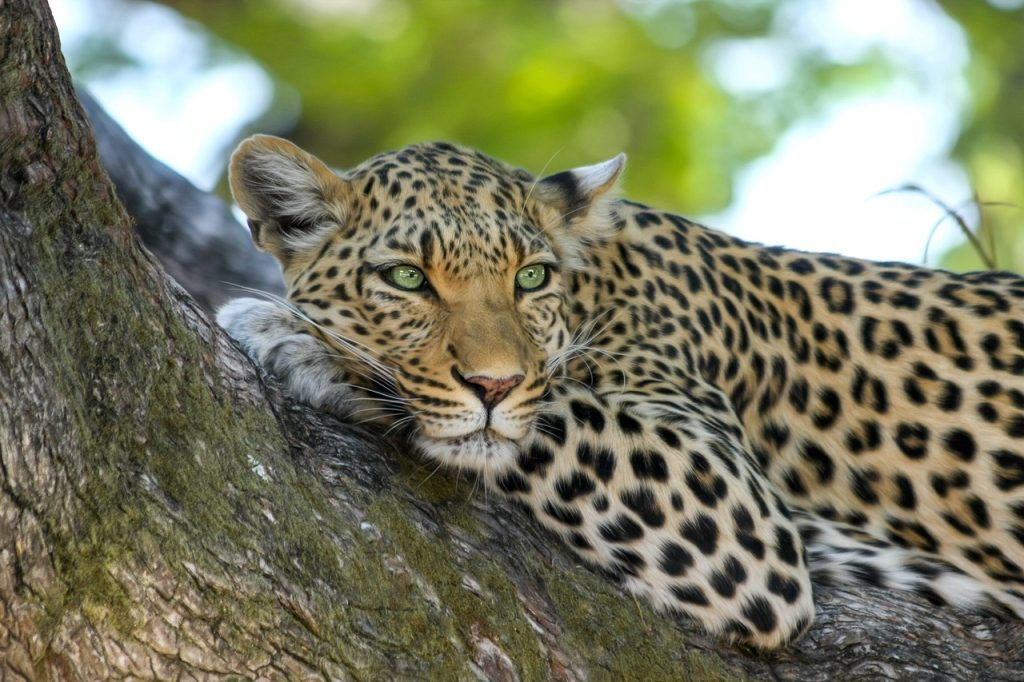
Leopard
This elusive predator roams the park’s forests and rocky outcrops, using its stealth and camouflage to hunt its prey.

Samango Monkey
An arboreal primate, the Samango monkey is a playful presence in the park’s montane forests, often seen foraging for fruits.

Klipspringer
This small antelope is well-adapted to the rocky cliffs of the park, where it leaps with ease across steep and rugged terrain.

Bushbuck
A shy and solitary grazer, the bushbuck can be spotted in the park’s wooded valleys, blending into the dense foliage.

Civet
This nocturnal carnivore prowls the park’s forest floors, hunting small mammals and insects under the cover of darkness.

Reedbuck
A graceful antelope, the reedbuck frequents the park’s wetlands, feeding on the lush grasses near water sources.

Porcupine
This nocturnal rodent, covered in sharp quills, is often found foraging for roots and tubers in the park’s grasslands.

Serval
A medium-sized wild cat with long legs and large ears, the serval is an agile hunter of rodents and birds in the park’s open areas.

Aardvark
This shy, nocturnal mammal uses its powerful claws to dig for termites, contributing to soil aeration and pest control in the ecosystem.

Birds

Nyanga National Park’s combination of montane forests, grasslands, and wetlands creates a haven for bird species, many of which are rare and endemic to the region.

Cape Batis
A small and colorful bird, the Cape batis flits through the park’s forests, feeding on insects in the undergrowth.

Chorister Robin-Chat
Known for its melodious calls, the chorister robin-chat is often found in the park’s dense forested areas.

Augur Buzzard
This large raptor, with its striking black and white plumage, soars above the park’s cliffs in search of small mammals.

Malachite Sunbird
A vibrant nectar-loving bird, the malachite sunbird is frequently seen darting among flowering plants in the park.

Bronze Sunbird
This elegant sunbird adds flashes of metallic sheen to the park’s grasslands as it flits between nectar-rich flowers.

Drakensberg Prinia
An endemic species, the Drakensberg prinia inhabits the park’s grassy slopes, often seen darting through the vegetation.

Gurney’s Sugarbird
This specialized nectar-feeder is often spotted perched on proteas, which are abundant in the park’s higher altitudes.

Knysna Turaco
A striking bird with vivid green and red plumage, the Knysna turaco is a prized sight for birdwatchers exploring the park’s forests.

African Black Duck
A secretive waterfowl, the African black duck frequents the park’s streams and wetlands, foraging along the water’s edge.

Cape Eagle-Owl
This majestic owl inhabits the park’s cliffs and rocky areas, hunting for small mammals and birds during the night.

Things To Do

Engaging Nyanga National Park

placeholder

Trekking

Hiking to the summit of Mount Nyangani, Zimbabwe’s highest peak, is an exhilarating experience for outdoor enthusiasts. The trail winds through misty forests, grassy slopes, and rugged terrain, offering breathtaking views of the surrounding landscapes.

Along the way, hikers may encounter wildlife such as klipspringers or samango monkeys. The summit itself provides a panoramic vista of the Eastern Highlands, with rolling hills and valleys stretching as far as the eye can see.

Guides often accompany trekkers, sharing insights into the mountain’s cultural significance and ecological importance. This activity combines physical challenge with the serenity of nature, making it a must for adventurers.

placeholder

Hiking

The Mutarazi Falls, one of the tallest waterfalls in Africa, is a spectacular natural wonder within Nyanga National Park. Visitors can view the cascading waters from designated viewpoints or, for the adventurous, experience the Mutarazi Skywalk—a series of suspension bridges and walkways that offer unparalleled perspectives of the falls and surrounding gorge.

Guided tours provide insights into the geology of the area and the rich biodiversity of the park. This activity is perfect for those seeking a mix of adrenaline and awe-inspiring natural beauty, with photo opportunities at every turn.

placeholder

Fishing

Rhodes Dam, nestled within the park’s serene landscape, offers a tranquil retreat for fishing and boating enthusiasts. The dam is well-stocked with trout, making it a popular spot for fly fishing, while rowboats are available for leisurely exploration of the calm waters.

Surrounding picnic spots provide a peaceful setting to relax and enjoy the scenic beauty. Guides are often available to assist novice anglers or to share stories about the history of the dam and its role in the park. This activity combines relaxation with the charm of Nyanga’s picturesque environment, catering to visitors of all ages.