

About
Cát Tiên National Park (Vietnamese: Vườn Quốc gia Cát Tiên) is located in southern Vietnam approximately 90 miles (150 km) northeast of Ho Chi Minh City. Established in 1992 through the merger of several protected areas, the park covers approximately 278 square miles (720 sq km) across Đồng Nai, Lâm Đồng, and Bình Phước provinces.
Cát Tiên is one of Vietnam’s largest and most important national parks, protecting extensive lowland tropical forests, wetlands, rivers, and grasslands. Recognized as a UNESCO Biosphere Reserve, the park serves as one of the country’s most significant centers of biodiversity conservation.
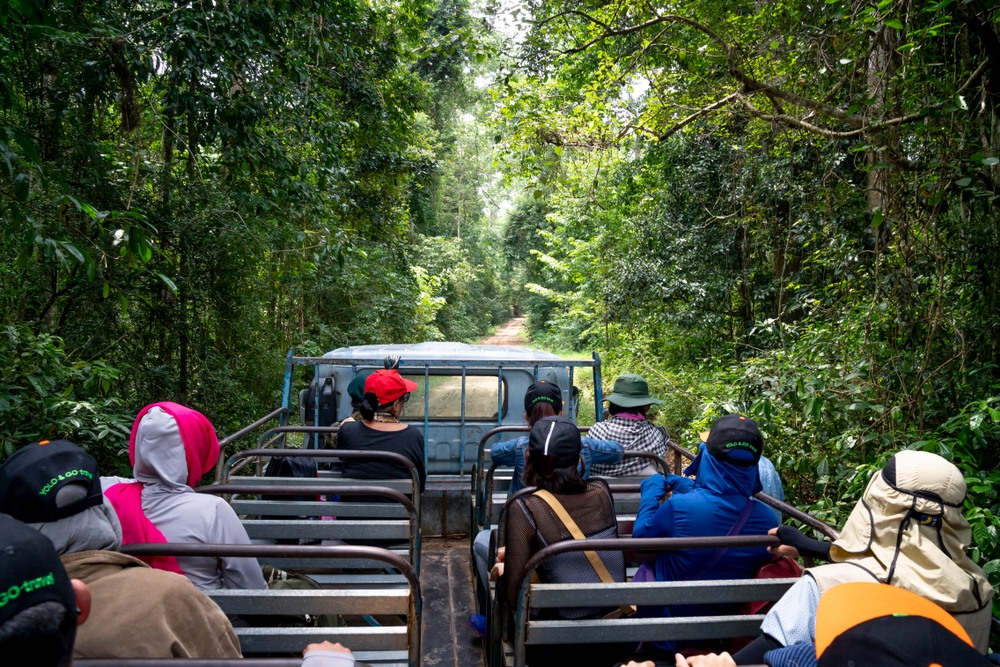
The park is best known for its rich wildlife, ancient forests, and outstanding birdwatching opportunities. Visitors are drawn to its dense jungles, scenic river landscapes, and the chance to encounter some of Southeast Asia’s rarest species. Popular activities include guided wildlife safaris, birdwatching excursions, cycling, hiking, and nighttime wildlife viewing.
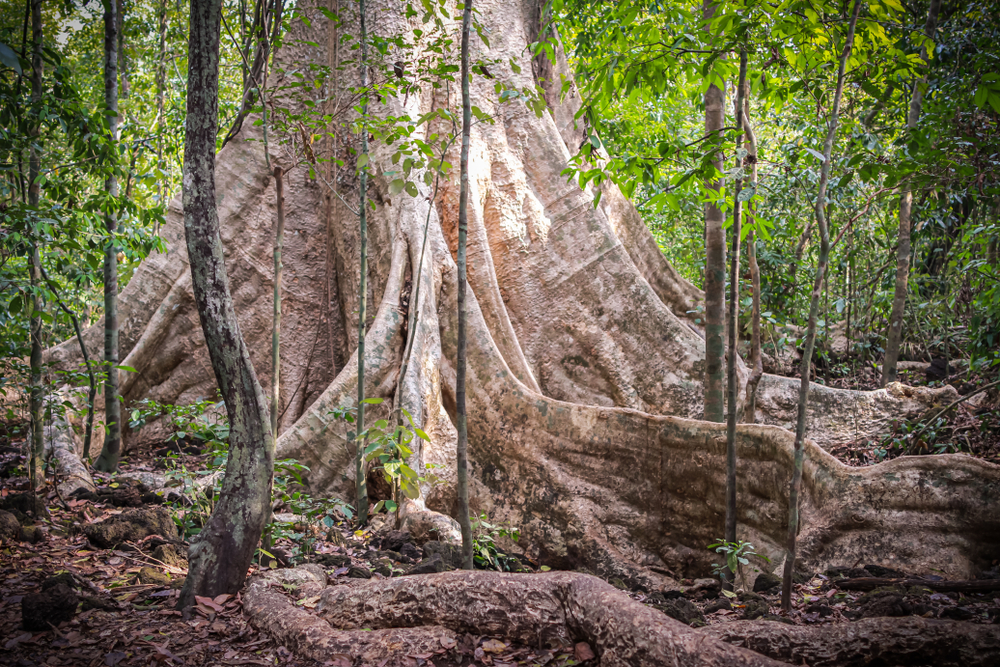
One of the park’s most famous attractions is the ancient Tung Tree forest, where towering trees hundreds of years old dominate the landscape. The park also contains archaeological sites, including remnants of an ancient Hindu civilization that once flourished in the region.
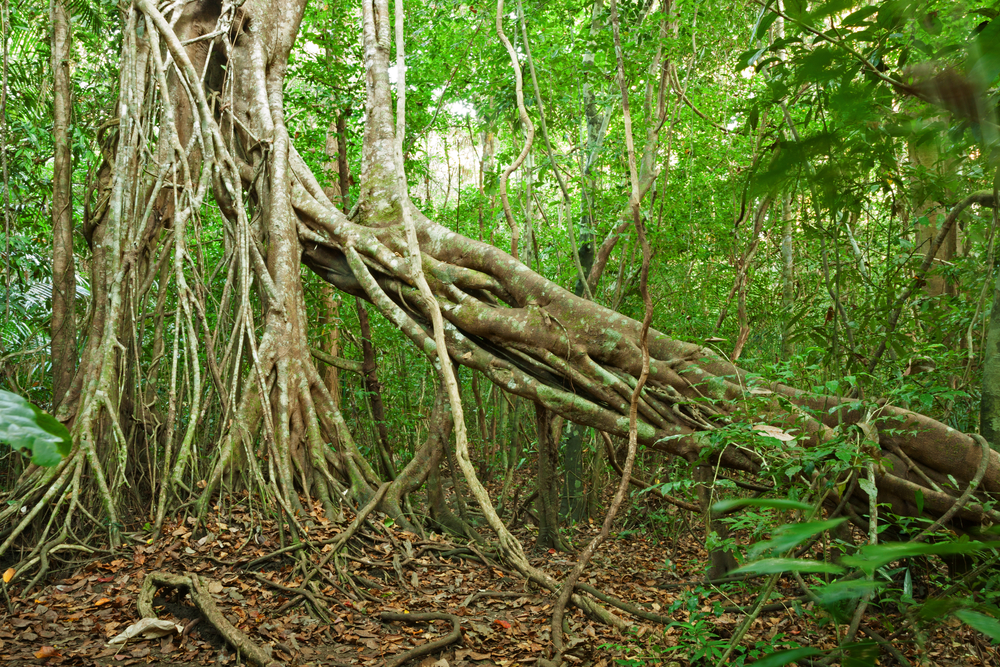
Geographically, Cát Tiên National Park lies within the lowland forests of southern Vietnam and is bisected by the Đồng Nai River. The landscape consists of evergreen forests, semi-evergreen forests, bamboo stands, wetlands, lakes, and seasonally flooded grasslands. The park’s relatively low elevation and tropical climate support lush vegetation year-round.
Wetland areas such as Crocodile Lake provide critical habitat for aquatic species and create important ecological diversity within the park. The combination of forest and wetland ecosystems makes Cát Tiên one of the most biologically productive protected areas in Vietnam.
Wildlife is the defining feature of Cát Tiên National Park. More than 100 mammal species have been recorded, including Asian elephants, gaur, sun bears, civets, macaques, gibbons, and sambar deer. Although the Javan rhinoceros once survived here, the species was declared extinct in Vietnam in 2011, highlighting the importance of ongoing conservation efforts.
The park remains one of the best places in Vietnam to observe primates, particularly black-shanked douc langurs and yellow-cheeked gibbons. Birdlife is exceptional, with more than 350 species recorded, including green peafowl, Siamese firebacks, hornbills, kingfishers, and numerous migratory birds. Reptiles, amphibians, butterflies, and freshwater species further contribute to the park’s remarkable biodiversity.
Cát Tiên National Park plays a vital role in preserving southern Vietnam’s remaining lowland tropical forests and wetlands. The park protects critical habitat for endangered species, safeguards important watersheds, and supports scientific research and conservation programs.
Its ecological significance is often compared to Khao Yai National Park and Taman Negara National Park because of its rich biodiversity, large mammal populations, and extensive forest ecosystems. Through its ancient rainforests, rare wildlife, wetland habitats, and conservation importance, Cát Tiên National Park stands as one of Vietnam’s greatest natural treasures and a cornerstone of biodiversity protection in Southeast Asia.
Things to See
Things To Do
Engaging Cat Tien National Park

FAQ’s
What is Cat Tien National Park known for?
Cat Tien National Park is known for its rich biodiversity, lush forests, and unique ecosystems. The park is one of the largest protected areas in Vietnam and is recognized as a UNESCO Biosphere Reserve.
Cat Tien is particularly renowned for its population of endangered species, including the Javan rhinoceros, Asian elephant, and Siamese crocodile. It’s also home to a variety of other wildlife, such as gibbons, deer, and over 350 bird species.
Visitors to Cat Tien National Park can explore its scenic landscapes, trek through pristine forests, and embark on wildlife watching tours, offering unforgettable experiences in the heart of Vietnam’s wilderness.
Sources
Cat Tien, Park Site, https://cattiennationalpark.com.vn/en/page-chu/, retrieved April 2024.
Local Vietnam, Cat Tien National Park, https://localvietnam.nl/blog/cat-tien-national-park/, retrieved April 2024.
Vinpearl, Cat Tien National park, https://vinpearl.com/en/cat-tien-national-park-a-green-sanctuary-with-rare-species, retrieved April 2024.
UNESCO, Cat Tien National Park, https://whc.unesco.org/en/tentativelists/5070/, retrieved April 2024.