

About
Wrangell–St. Elias National Park and Preserve is located in southeastern Alaska in the United States near the border with Canada’s Yukon Territory. Covering approximately 20,625 square miles (53,321 sq km), it is the largest national park in the United States and one of the largest protected areas in the world.
Established in 1980 through the Alaska National Interest Lands Conservation Act, the park protects an immense wilderness of mountains, glaciers, rivers, volcanoes, forests, and tundra. Together with neighboring Canadian protected areas, including Kluane National Park and Reserve, Tatshenshini-Alsek Provincial Park, and Glacier Bay National Park and Preserve, it forms part of the UNESCO-designated Kluane / Wrangell–St. Elias / Glacier Bay / Tatshenshini-Alsek World Heritage Site. The park’s sheer scale exceeds that of several U.S. states and makes it one of the most remarkable wilderness areas on Earth.
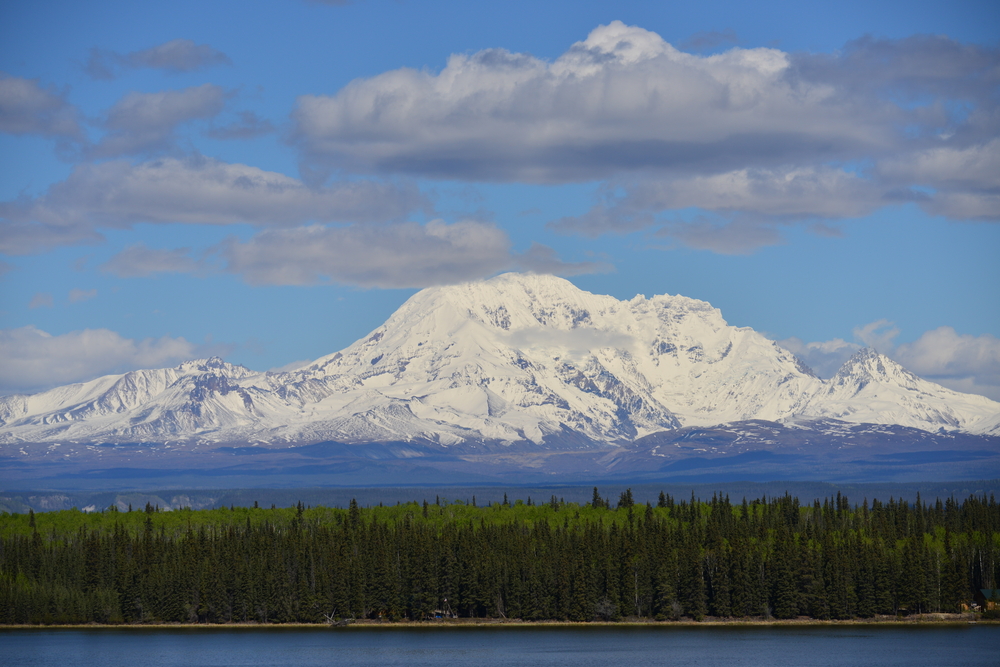
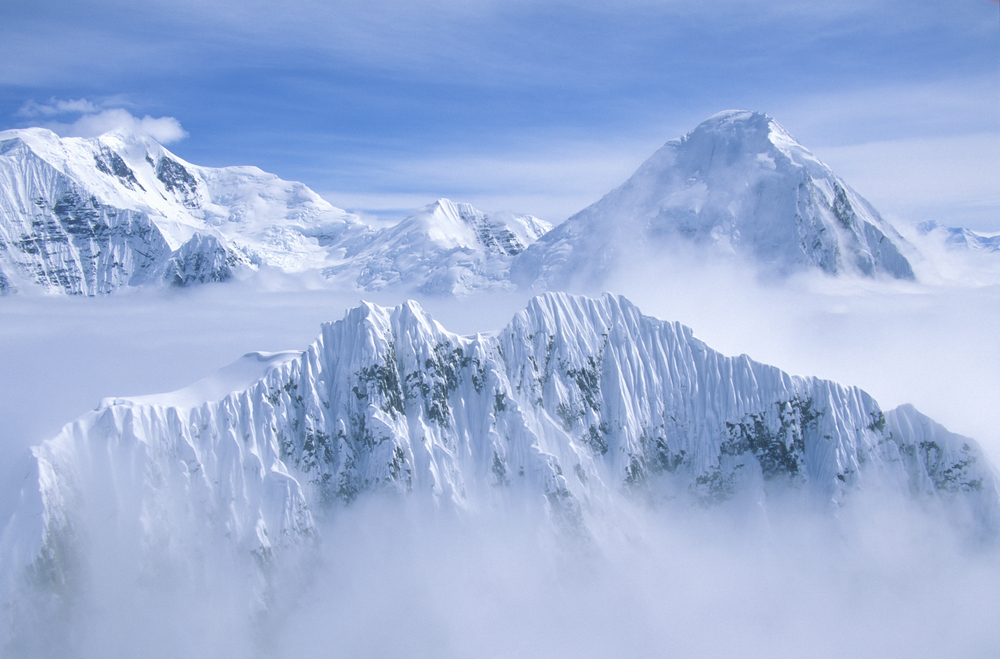
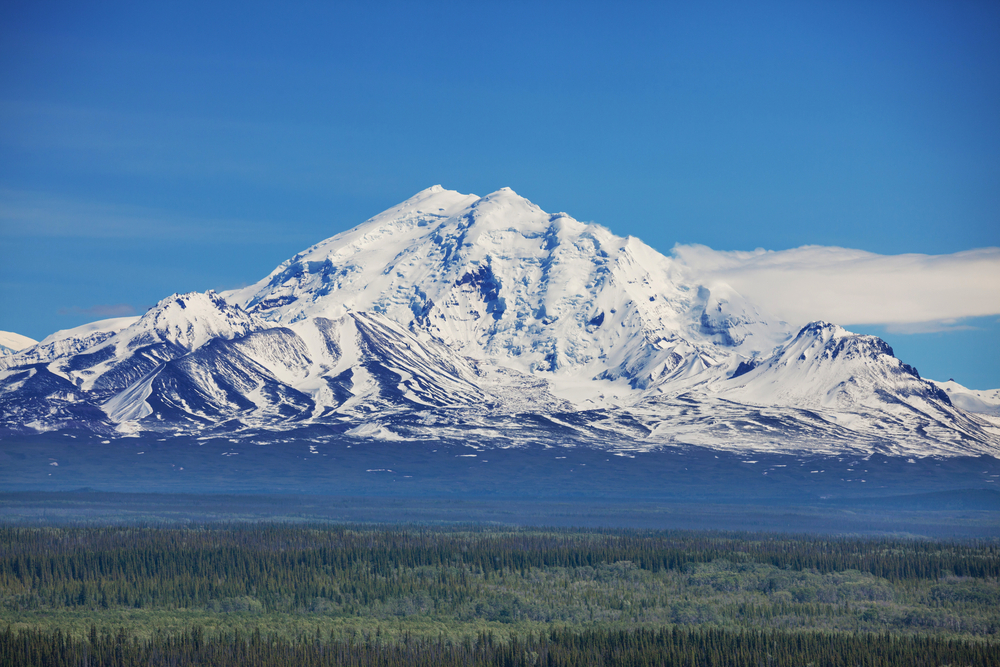
Wrangell–St. Elias National Park and Preserve is best known for its immense mountain ranges, active volcanoes, and vast glacier systems. Visitors are drawn to a landscape that contains nine of the sixteen highest peaks in the United States, including Mount Saint Elias, which rises to 18,008 feet (5,489 meters). The park offers extraordinary opportunities for mountaineering, backpacking, wildlife viewing, rafting, flightseeing, photography, and exploration of remote wilderness.
Unlike many national parks that concentrate visitors in developed areas, Wrangell–St. Elias National Park remains largely wild and undeveloped, providing an experience of true frontier Alaska. Historic mining communities such as Kennecott Mines National Historic Landmark add a fascinating cultural dimension to the park’s natural wonders.
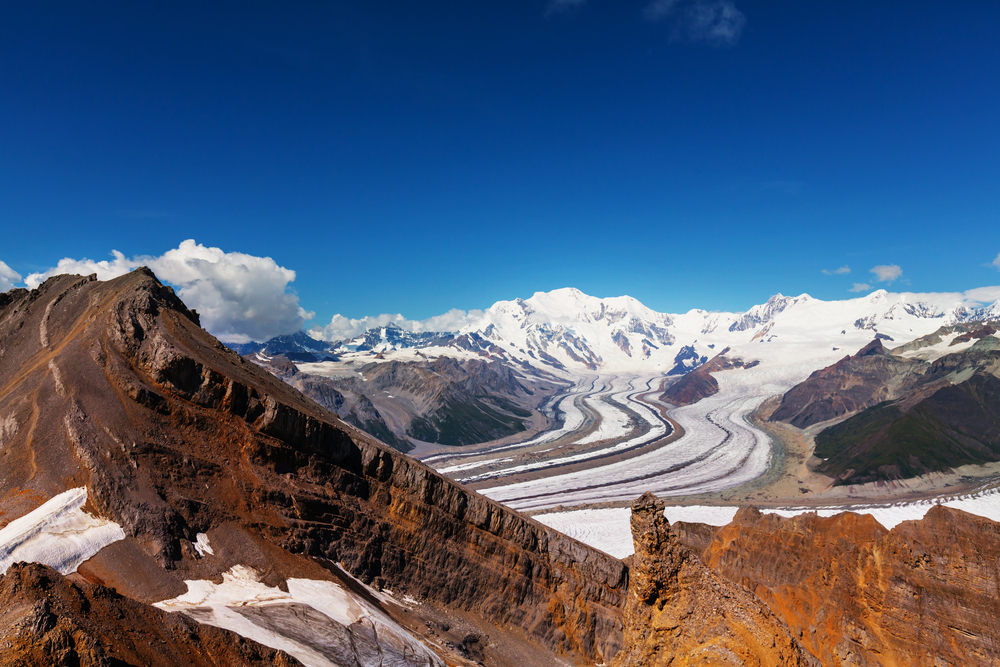
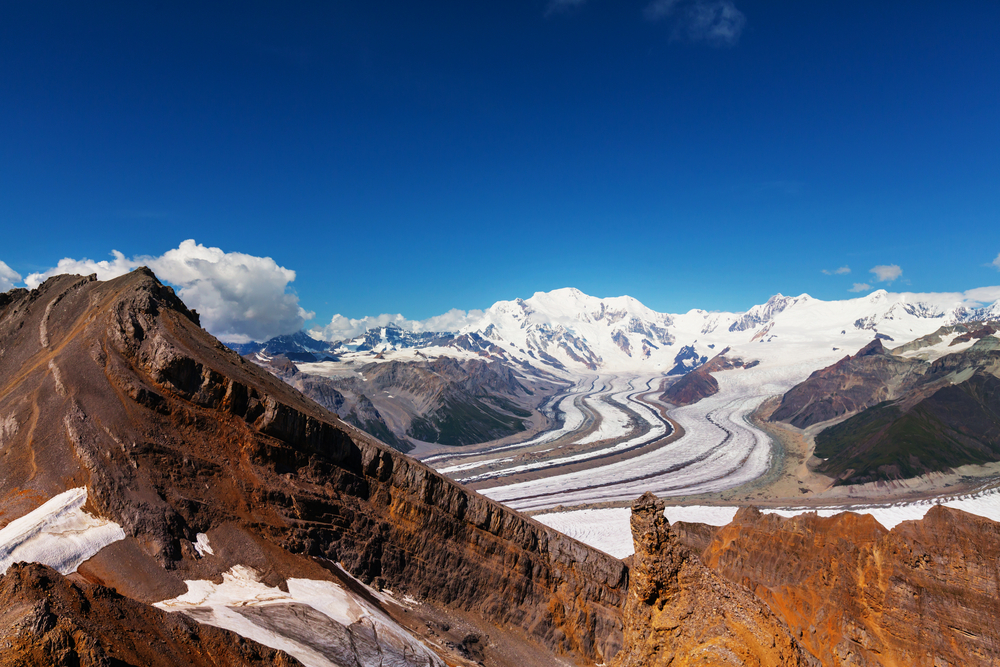
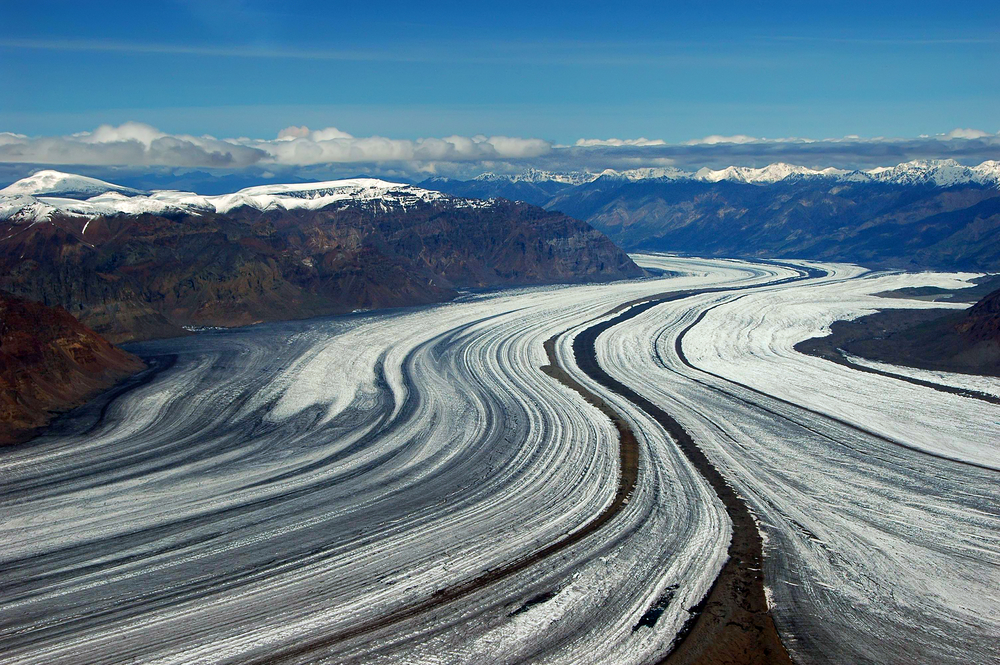
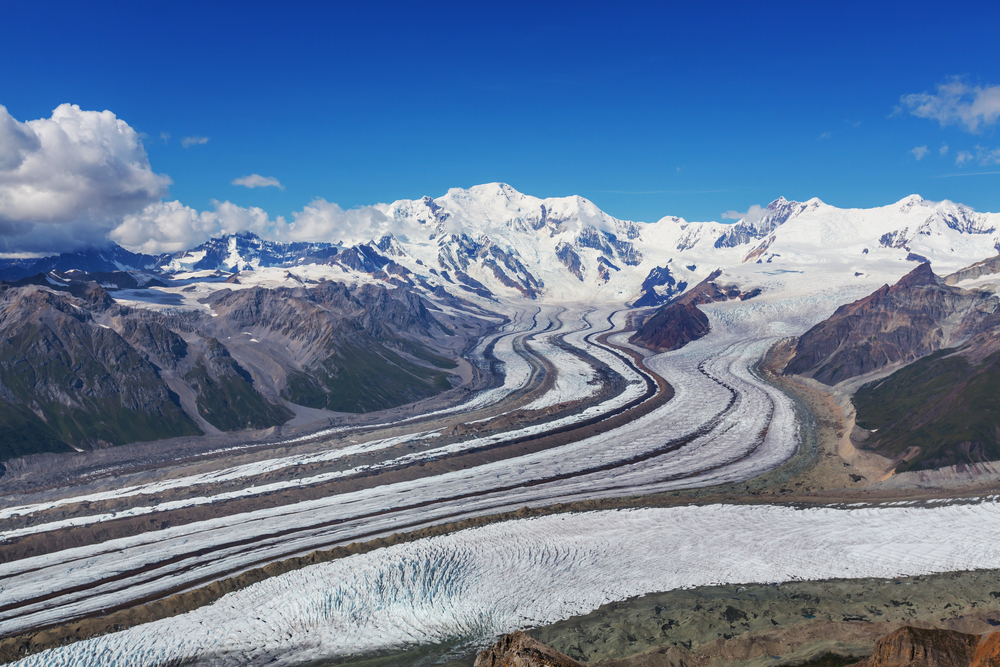
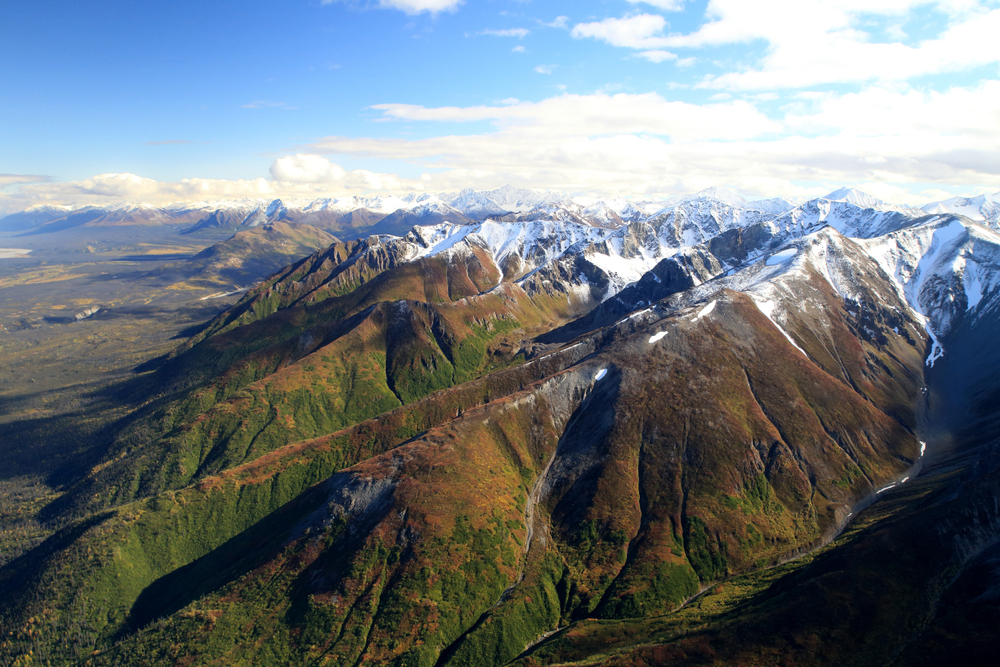
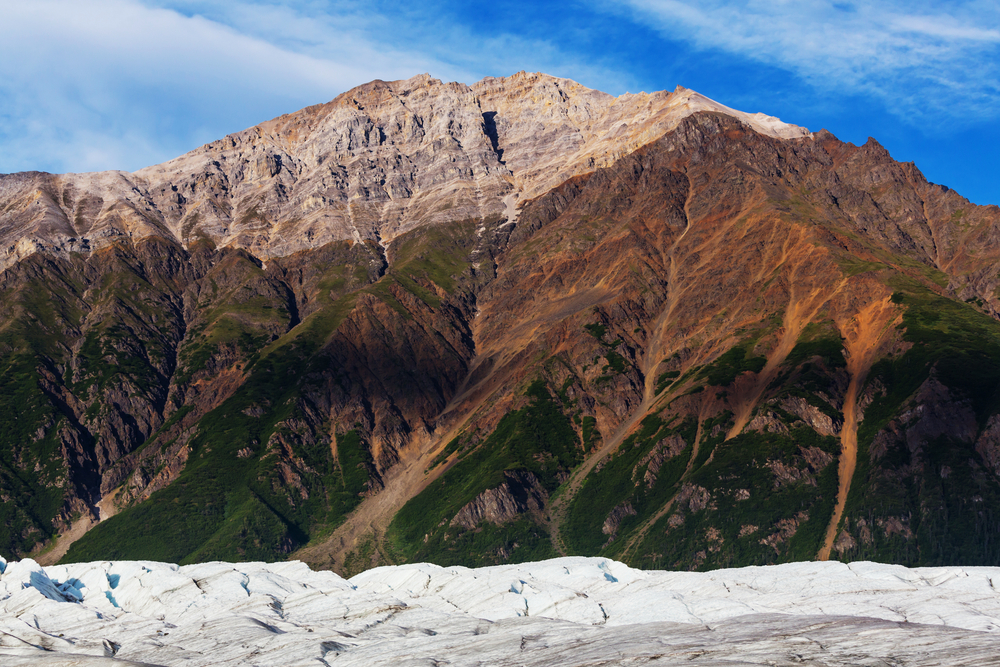
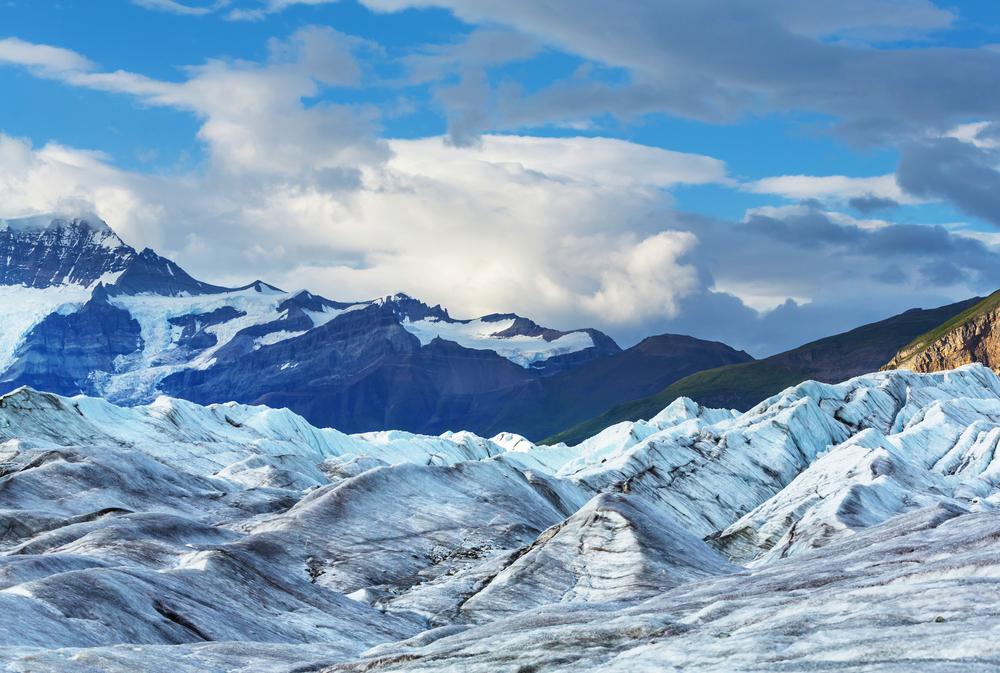
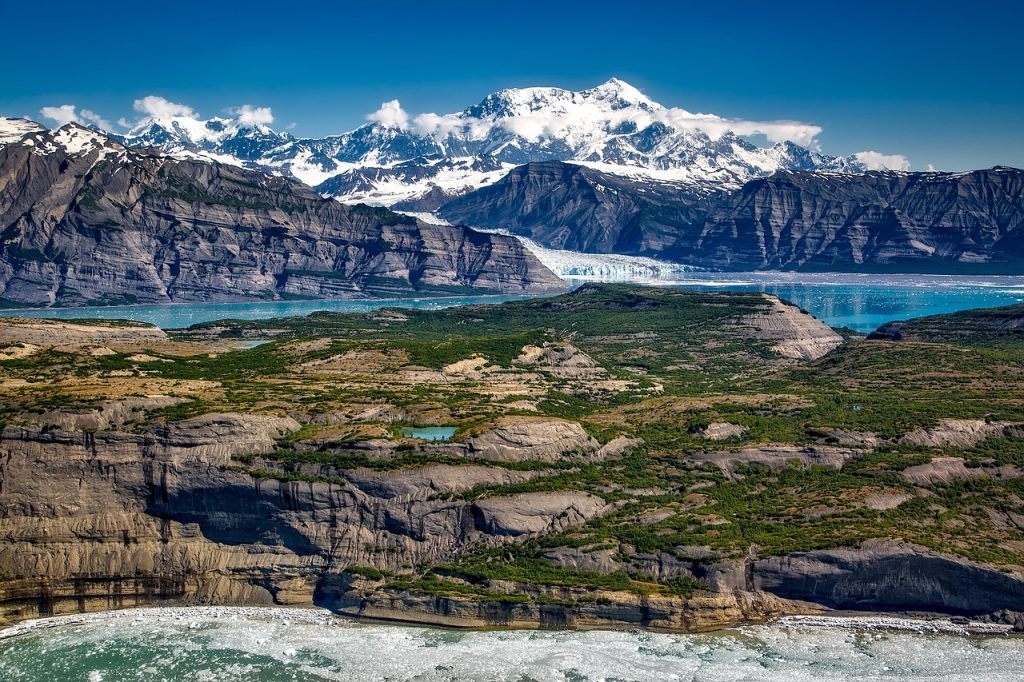
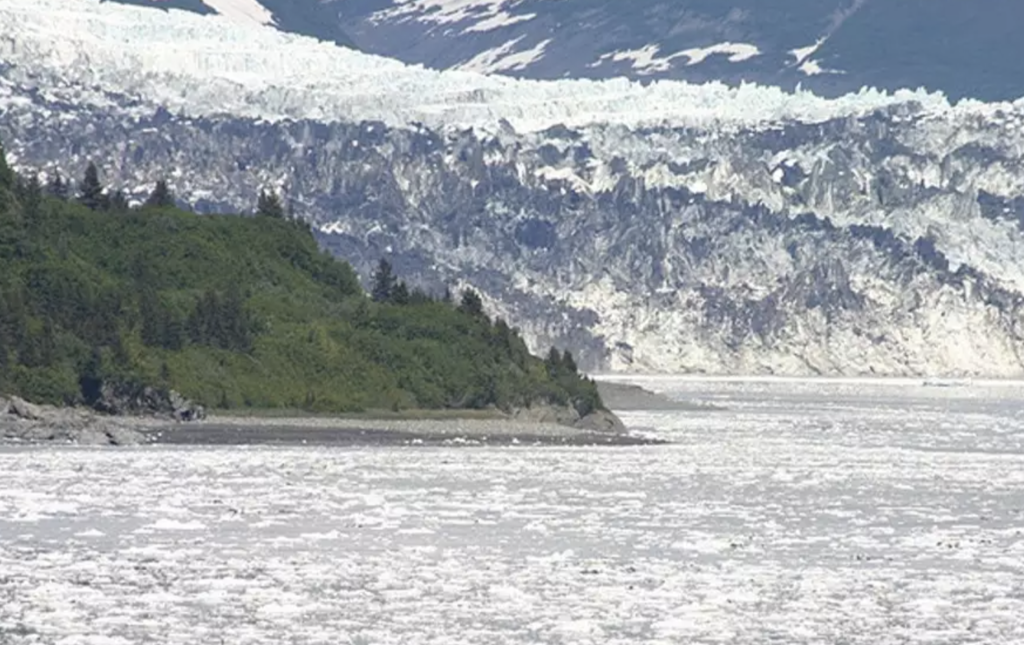
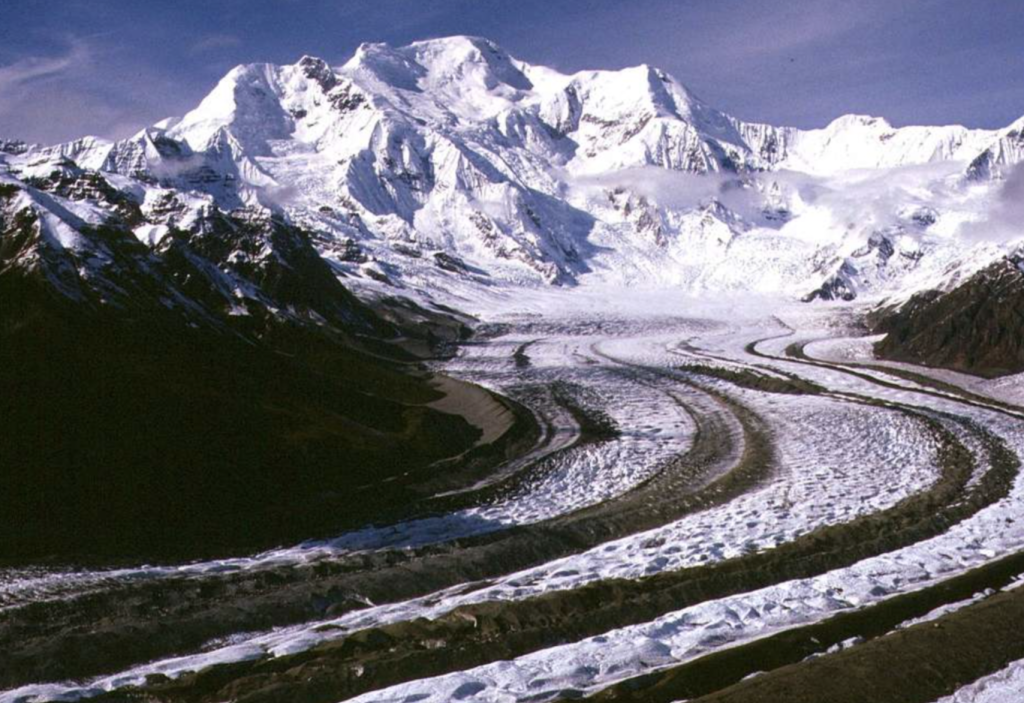
The geography of Wrangell–St. Elias National Park and Preserve is among the most dramatic on the planet. The park encompasses four major mountain ranges: the Wrangell Mountains, Saint Elias Mountains, Chugach Mountains, and portions of the Alaska Range. Massive glaciers dominate the landscape, including the Malaspina Glacier, one of the largest piedmont glaciers in North America. Several volcanoes, including Mount Wrangell, remain geologically active.
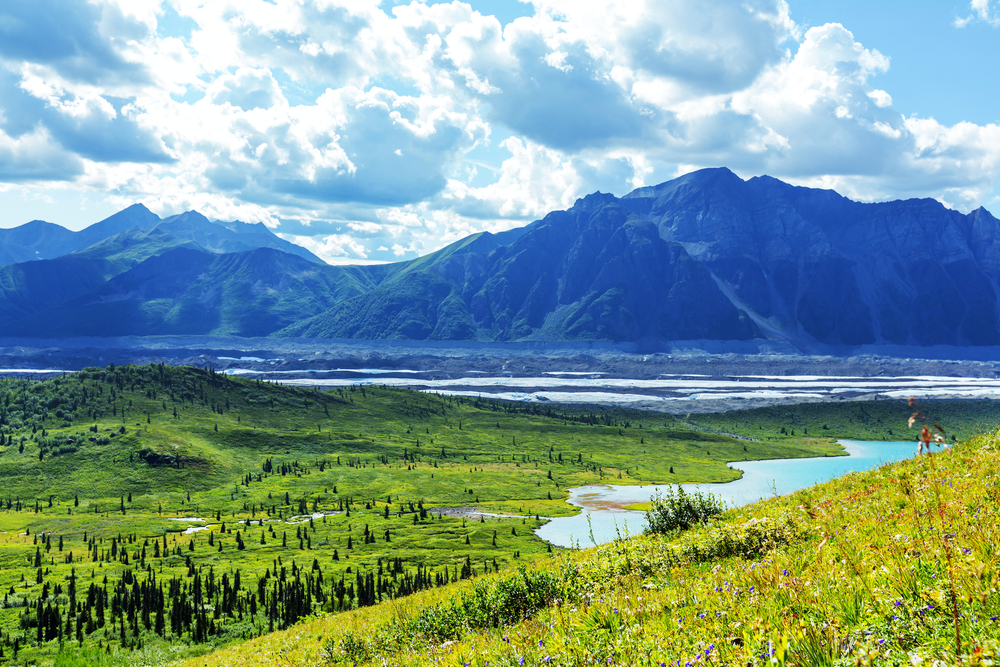
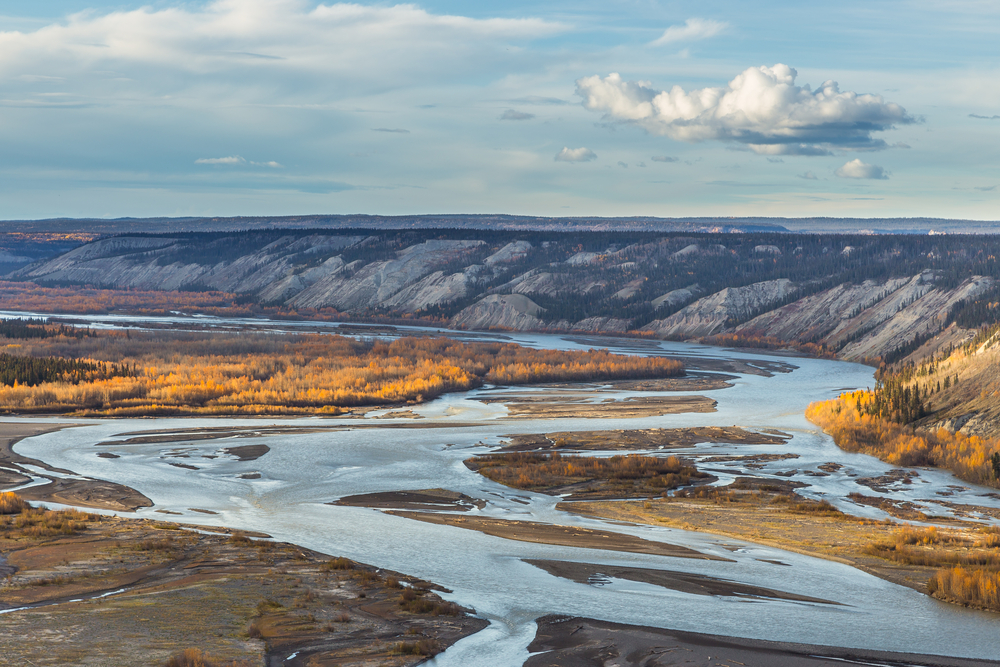
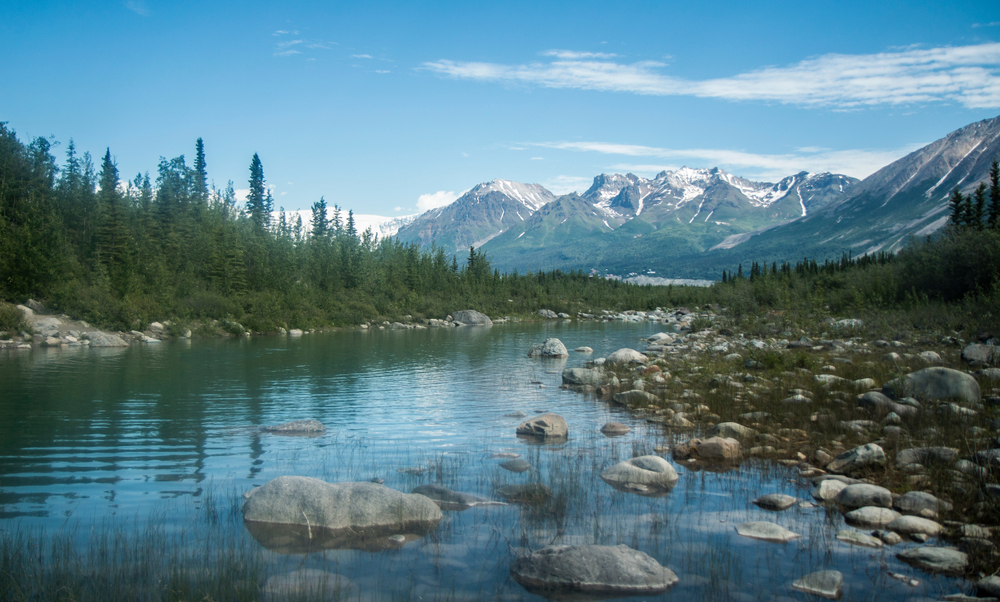
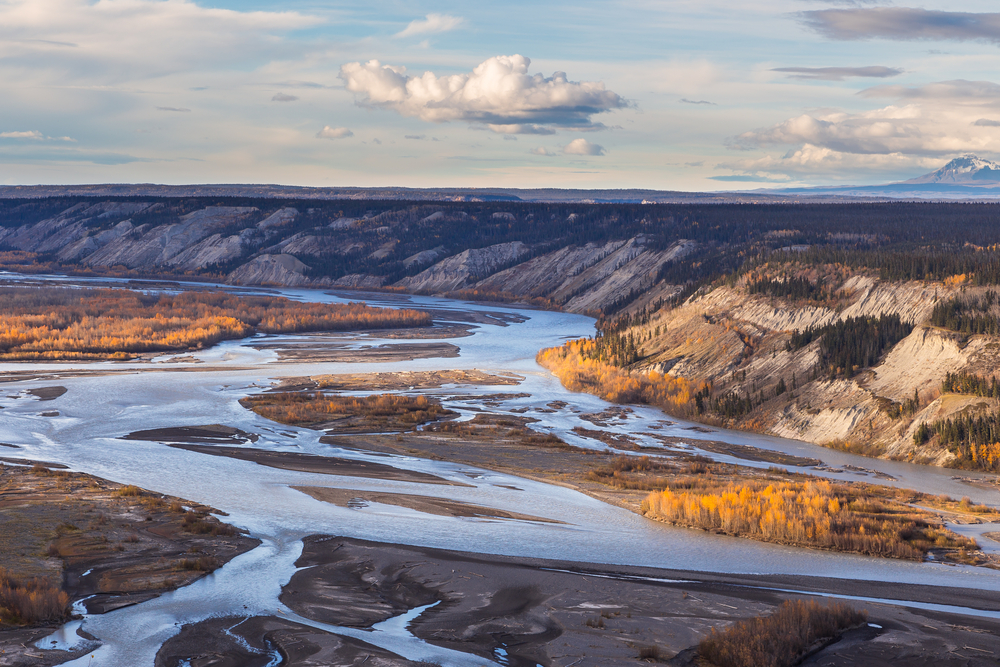
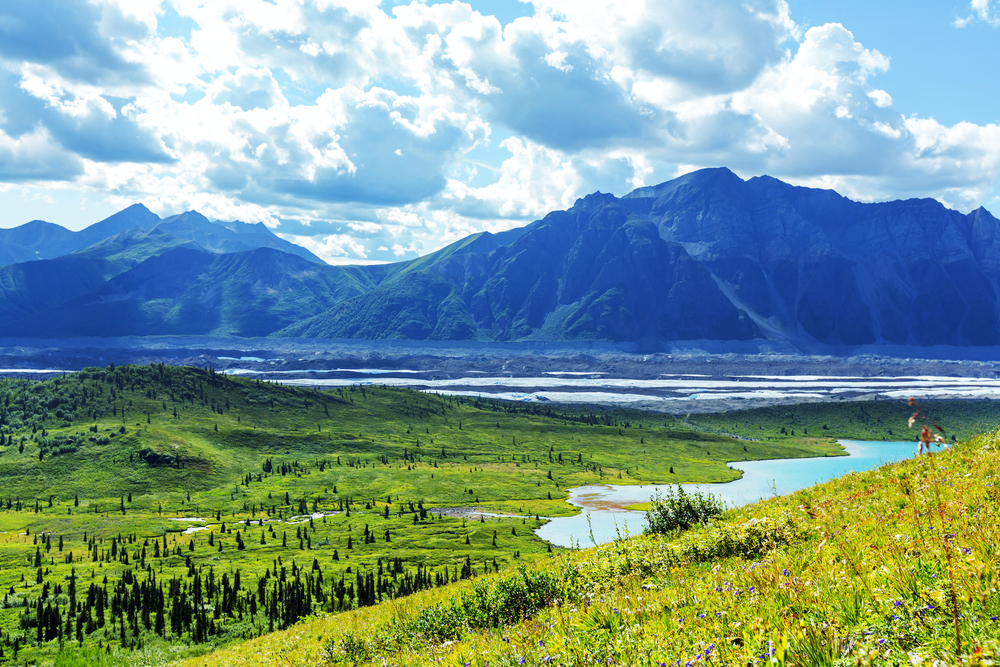
Rivers originating from glaciers carve broad valleys through the mountains, while forests, tundra, wetlands, and alpine environments create a remarkable diversity of habitats. The interaction of mountains, ice, and climate has shaped one of the most spectacular wilderness landscapes in North America.
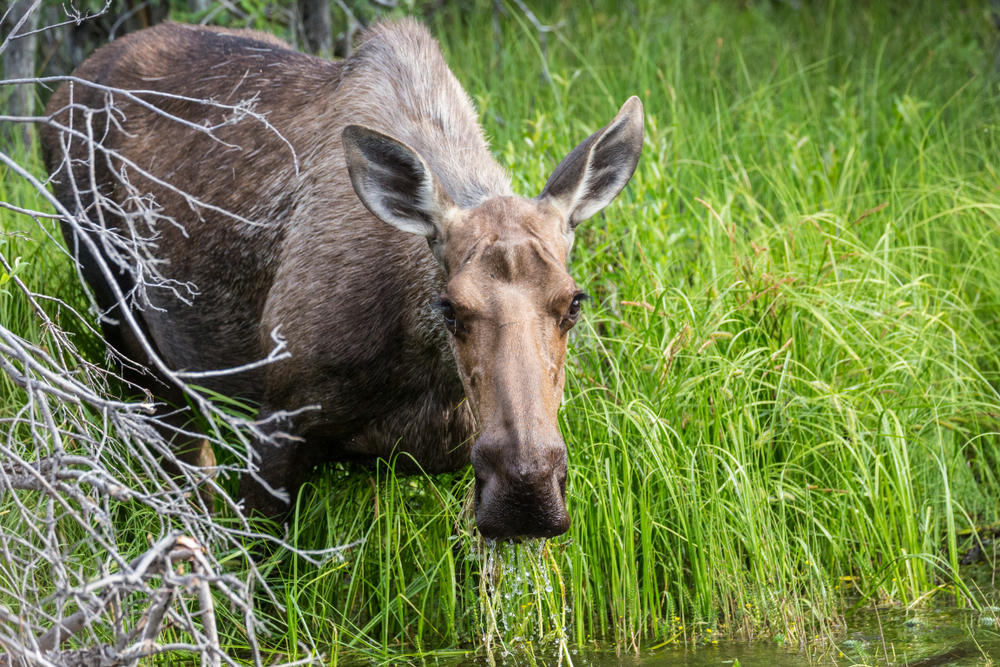
Wildlife within Wrangell–St. Elias National Park and Preserve thrives across its vast and varied ecosystems. Large mammals include grizzly bears, black bears, moose, Dall sheep, mountain goats, wolves, wolverines, lynx, and caribou. The park supports some of Alaska’s most important wildlife populations due to its size and ecological integrity.
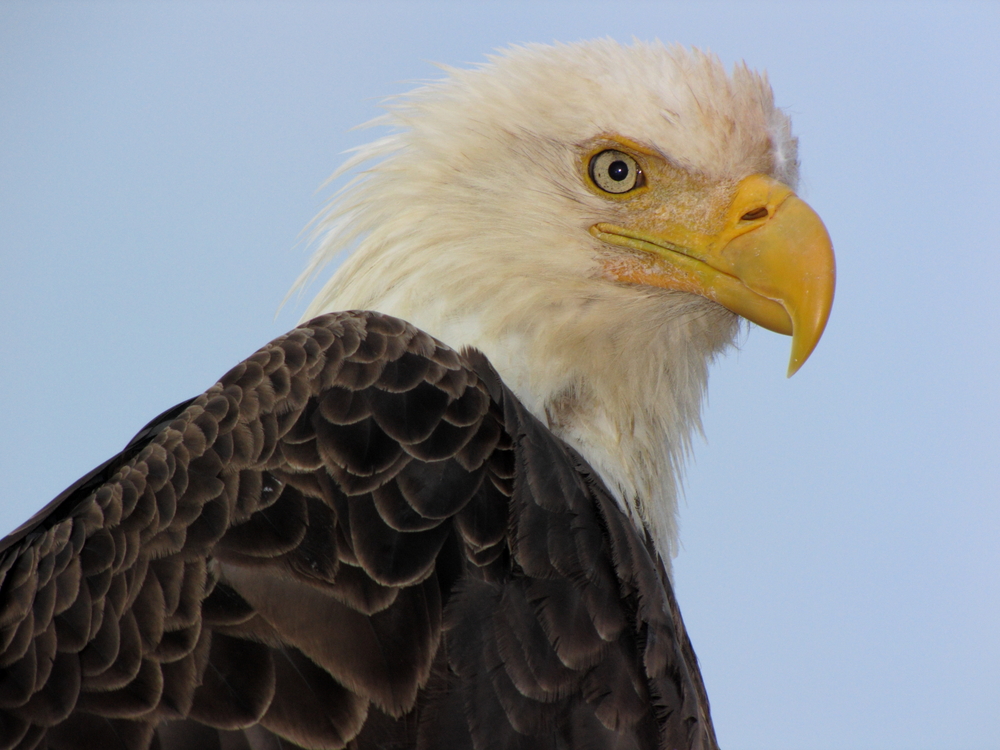
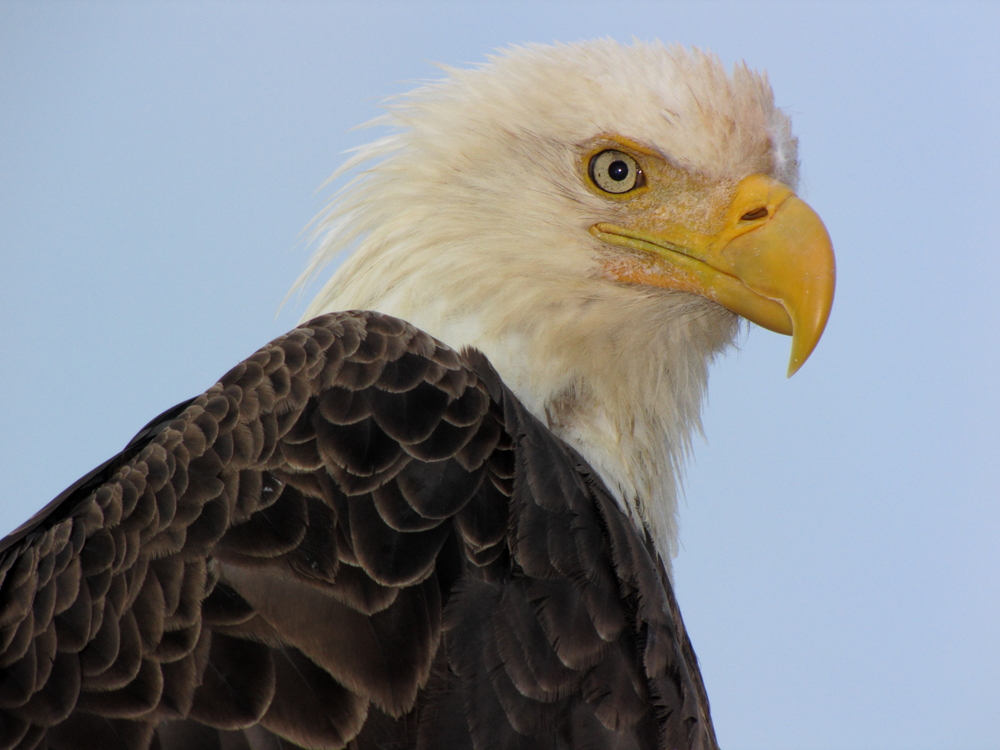
Birdlife is equally impressive, with bald eagles, golden eagles, trumpeter swans, ptarmigan, gyrfalcons, and numerous migratory species inhabiting the region. Salmon-filled rivers support aquatic ecosystems that sustain bears, birds, and countless other species. The diversity of habitats allows wildlife to flourish across one of the most intact ecosystems remaining in North America.
Wrangell–St. Elias National Park and Preserve plays a critical role in conserving one of the largest wilderness ecosystems on Earth. The park protects vast glacier systems, active volcanic landscapes, critical wildlife habitats, and cultural resources that reflect Alaska’s rich mining and Indigenous heritage. Its conservation significance is often compared to Denali National Park and Preserve and Yellowstone National Park because of its ecological importance and global recognition.
However, Wrangell–St. Elias surpasses nearly all protected areas in North America in terms of size, wilderness character, and geological diversity. Today, it remains one of the world’s greatest natural treasures, preserving an awe-inspiring landscape where mountains, glaciers, wildlife, and history coexist on a truly monumental scale.
Photos
Things to See
Things To Do
Engaging Wrangell-St. Elias
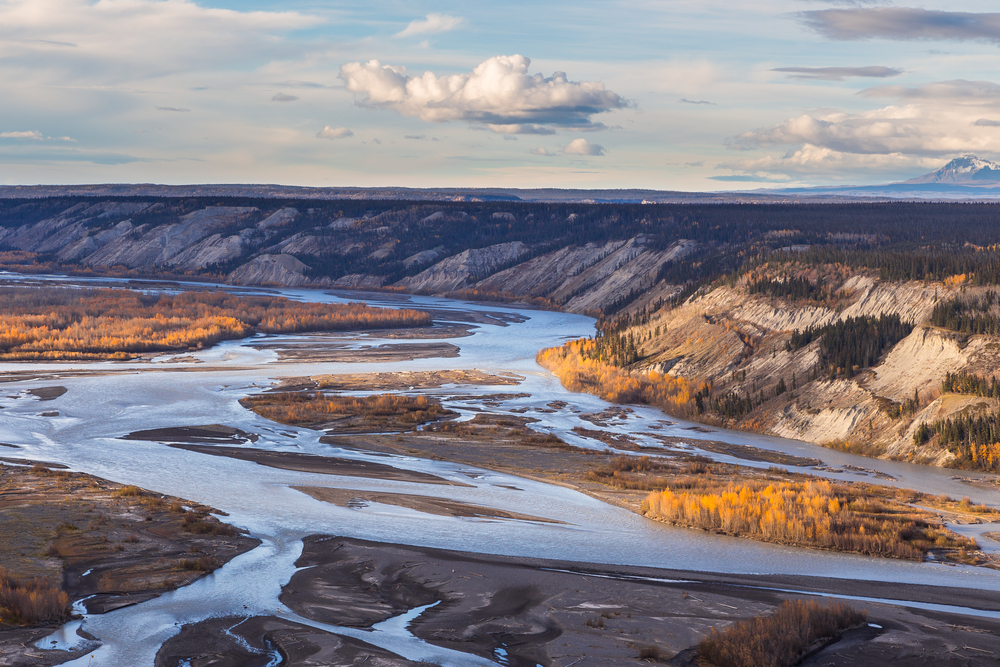
Wrangell-St. Elias National Park Trails
Hiking can be rather adventurous in the national park with backpacking endeavors being one of the common ways to explore all that this Alaskan gem has to offer those who venture off into the pristine wilderness. Remember this is the largest national park in the United States, so you can expect longer trails and limitless hiking opportunities.

Park Protection
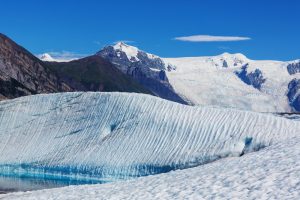 Wrangell–St. Elias National Park was created to protect an immense wilderness of glaciers, mountains, rivers, and coastal ecosystems in southeastern Alaska. The park provides critical habitat for grizzly bears, gray wolves, Dall sheep, mountain goats, moose, and numerous migratory bird species. Its rivers and coastal waters support important salmon populations that sustain both wildlife and ecological processes throughout the region.
The park is the largest national park in the United States and contains some of the world’s most extensive protected glacier systems. It includes nine of the sixteen highest peaks in the United States and protects the continent’s largest collection of glaciers and icefields outside the polar regions. Together, Wrangell–St. Elias National Park safeguards vast wilderness ecosystems, critical wildlife habitat, globally significant glaciers, and one of the most spectacular mountain landscapes on Earth.
FAQ’s
What is Wrangell-St. Elias National Park known for?
Wrangell-St. Elias National Park is renowned for its immense scale and spectacular wilderness, embodying the essence of Alaska’s raw beauty.
As the largest national park in the United States, it covers an area of over 13 million acres (52,600 km²), making it larger than the countries of Switzerland, Andorra, and San Marino combined.
The park is known for its extraordinary diversity of geological formations, including the volcanoes of the Wrangell Mountain range, the rugged peaks of the St. Elias Mountains, and the vast icefields that feed some of the world’s most spectacular glaciers, such as the Malaspina Glacier, which is larger than the state of Rhode Island.
Wrangell-St. Elias is also home to Mount St. Elias, which, at 18,008 feet (5,489 meters), is the second-highest peak in both the United States and Canada.
Adventure and solitude are in ample supply here, with opportunities for backcountry hiking, mountaineering, kayaking, and flightseeing. Despite its size and the array of activities it offers, the park sees relatively few visitors compared to other national parks, offering an unparalleled sense of wilderness and adventure.
The park is also part of a larger UNESCO World Heritage Site due to its outstanding natural values, including significant glaciology, geology, and ecology components, making it a prime destination for nature lovers, adventurers, and scientists alike.
What is the main reason people visit Wrangell–St. Elias National Park?
Wrangell–St. Elias National Park is primarily visited for its immense wilderness, massive glaciers, towering mountains, historic mining sites, wildlife viewing, and backcountry adventure opportunities. Located in southeastern Alaska, the park protects more than 13 million acres (5.3 million hectares), making it the largest national park in the United States.
Visitors come to experience one of the world’s largest protected ecosystems, explore glaciers, view some of North America’s tallest mountains, visit the historic Kennecott mining town, and enjoy unparalleled wilderness experiences.
What animals can visitors hope to see in Wrangell–St. Elias National Park?
Wrangell–St. Elias National Park supports approximately 45 mammal species and a wide variety of birds, fish, reptiles, and amphibians.
Some of the most notable animals found in Wrangell–St. Elias National Park include:
- Grizzly Bear
- American Black Bear
- Gray Wolf
- Moose
- Dall Sheep
- Mountain Goat
- Caribou
- Elk (localized populations)
- Canada Lynx
- Wolverine
- Red Fox
- Coyote
- River Otter
- American Beaver
- Mink
- American Marten
- Fisher
- Ermine
- Porcupine
- Snowshoe Hare
- Arctic Ground Squirrel
- Hoary Marmot
- Red Squirrel
- Northern Flying Squirrel
- Deer Mouse
- Meadow Vole
- Tundra Vole
- Muskrat
- Collared Pika
- Northern Bog Lemming
- Shrew Species
- Little Brown Bat
- Hoary Bat
- Keen’s Myotis
- Silver-haired Bat
- Harbor Seal (near coastal portions)
- Dall Porpoise (near coastal waters)
- Humpback Whale (adjacent coastal waters)
- Orca (adjacent coastal waters)
- Pacific Salmon Species
- Rainbow Trout
- Dolly Varden
- Arctic Grayling
- Lake Trout
- Northern Pike
- Wood Frog
- Western Toad
- Long-toed Salamander
- Rough-skinned Newt
- Various Freshwater Fish Species
What birds can visitors hope to see in Wrangell–St. Elias National Park?
Wrangell–St. Elias National Park is home to more than 200 bird species. Its mountains, tundra, wetlands, forests, and river systems support a remarkable variety of birds.
Some of the most popular birds seen in Wrangell–St. Elias National Park include:
- Bald Eagle
- Golden Eagle
- Northern Goshawk
- Rough-legged Hawk
- Red-tailed Hawk
- Peregrine Falcon
- Gyrfalcon
- Merlin
- American Kestrel
- Great Horned Owl
- Northern Hawk Owl
- Boreal Owl
- Snowy Owl
- Common Raven
- Gray Jay
- Black-billed Magpie
- Common Loon
- Pacific Loon
- Red-throated Loon
- Trumpeter Swan
- Tundra Swan
- Canada Goose
- Greater White-fronted Goose
- Mallard
- Northern Pintail
- Green-winged Teal
- Harlequin Duck
- Barrow’s Goldeneye
- Common Goldeneye
- Spruce Grouse
- Willow Ptarmigan
- Rock Ptarmigan
- Sandhill Crane
- American Dipper
- Varied Thrush
- Hermit Thrush
- American Robin
- Bohemian Waxwing
- Cedar Waxwing
- Pine Grosbeak
- Evening Grosbeak
- Pine Siskin
- Red Crossbill
- White-winged Crossbill
- Dark-eyed Junco
- White-crowned Sparrow
- Fox Sparrow
- Yellow Warbler
- Blackpoll Warbler
- Northern Waterthrush
Is Wrangell–St. Elias National Park worth visiting?
Yes, Wrangell–St. Elias National Park is absolutely worth visiting and is one of the most spectacular wilderness destinations in the world.
The park offers enormous glaciers, rugged mountain ranges, historic mining towns, exceptional wildlife viewing, remote backcountry experiences, and some of the largest protected landscapes in North America. Visitors often describe the scale of the park as difficult to comprehend, even after seeing it in person.
The primary hesitation is that the park is remote, services are limited, and many of the most impressive areas require significant travel planning or guided excursions.
What is the best time to visit Wrangell–St. Elias National Park?
The best time to visit Wrangell–St. Elias National Park is from June through early September.
Typical conditions include:
- June: 40–70°F (4–21°C)
- July: 45–75°F (7–24°C)
- August: 40–70°F (4–21°C)
- September: 30–60°F (-1–16°C)
During this period:
- Roads are generally accessible.
- Hiking conditions are favorable.
- Wildlife viewing is excellent.
- Flightseeing tours operate regularly.
- Daylight hours are long.
Winter visits are possible but require specialized preparation and equipment.
How many days do you need to visit Wrangell–St. Elias National Park?
Most visitors should plan for 3 to 5 days.
- 1 day: Kennecott and McCarthy area.
- 2–3 days: Glacier hikes and historic exploration.
- 4–5 days: Flightseeing, backcountry travel, and wildlife viewing.
- 6+ days: Extensive wilderness adventures and remote exploration.
Because of the park’s immense size, longer visits provide a far richer experience.
How do you get to Wrangell–St. Elias National Park?
Wrangell–St. Elias National Park is located in southeastern Alaska, approximately 200 miles (322 km) east of Anchorage.
The closest major airport is:
- Ted Stevens Anchorage International Airport
Most visitors follow this route:
- Fly into Anchorage.
- Rent a vehicle or join a guided tour.
- Travel east along the Glenn Highway and Richardson Highway.
- Enter the park via the McCarthy Road, Nabesna Road, or other access points.
Important: The Largest National Park in the United States
Wrangell–St. Elias National Park covers more than 13 million acres.
To put its size into perspective:
- Larger than Yellowstone, Yosemite, and Switzerland combined.
- Nearly six times larger than Yellowstone National Park.
- Contains four major mountain ranges.
- Includes some of the largest glaciers in North America.
Visitors should plan carefully because travel distances inside and around the park are substantial.
McCarthy and Kennecott
The most popular visitor destination is:
- Kennecott Mines National Historic Landmark
Reached via:
- McCarthy Road
Highlights include:
- Historic copper mining buildings.
- Glacier access.
- Guided tours.
- Hiking opportunities.
- Scenic mountain views.
The nearby community of:
- McCarthy
serves as the primary visitor hub for this region.
Root Glacier
One of the park’s most popular adventures is visiting:
- Root Glacier
Visitors can:
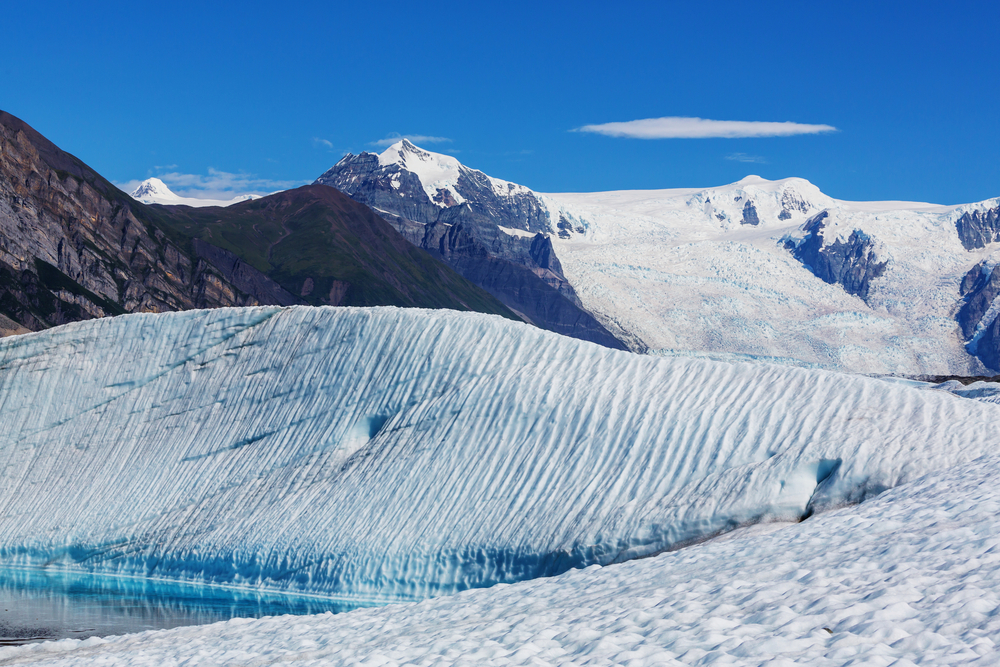
- Hike directly onto the glacier with guides.
- Explore ice formations.
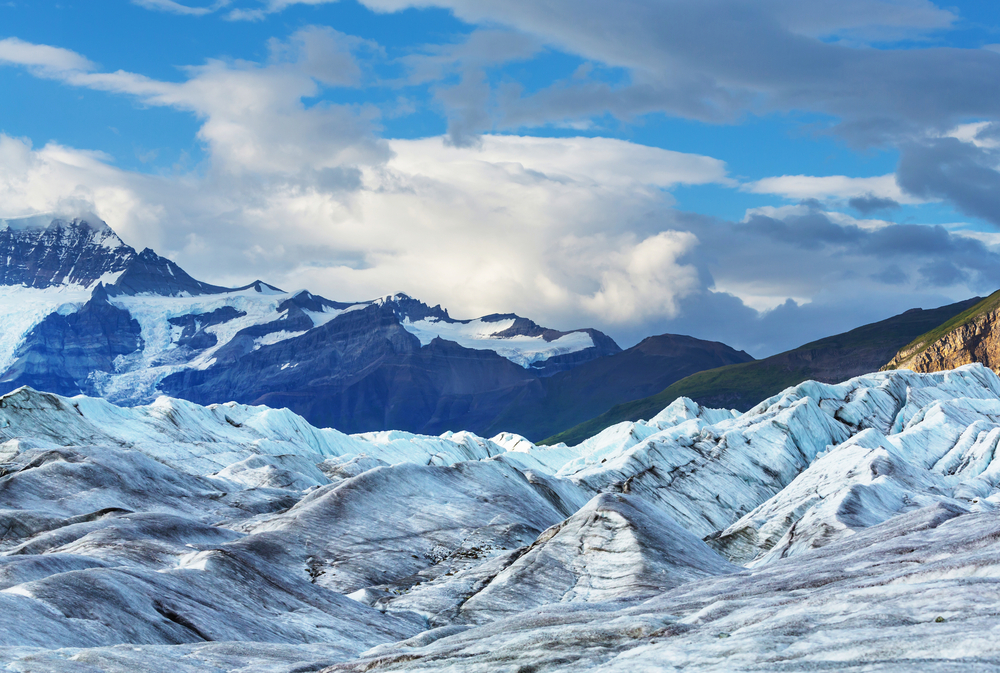
- View crevasses and glacial features.
- Experience one of Alaska’s most accessible glacier adventures.
Nabesna Road
Another major access route is:
- Nabesna Road
This less-visited area offers:
- Wildlife viewing.
- Backcountry hiking.
- Fewer crowds.
- Access to remote wilderness.
Mountains and Glaciers
The park contains several major peaks, including:
- Mount Saint Elias
- Mount Wrangell
- Mount Blackburn
The park also contains some of North America’s largest glaciers, including:
- Malaspina Glacier
- Nabesna Glacier
Flightseeing Tours
Because of the park’s immense size, many visitors choose:
- Flightseeing tours.
These excursions provide aerial views of:
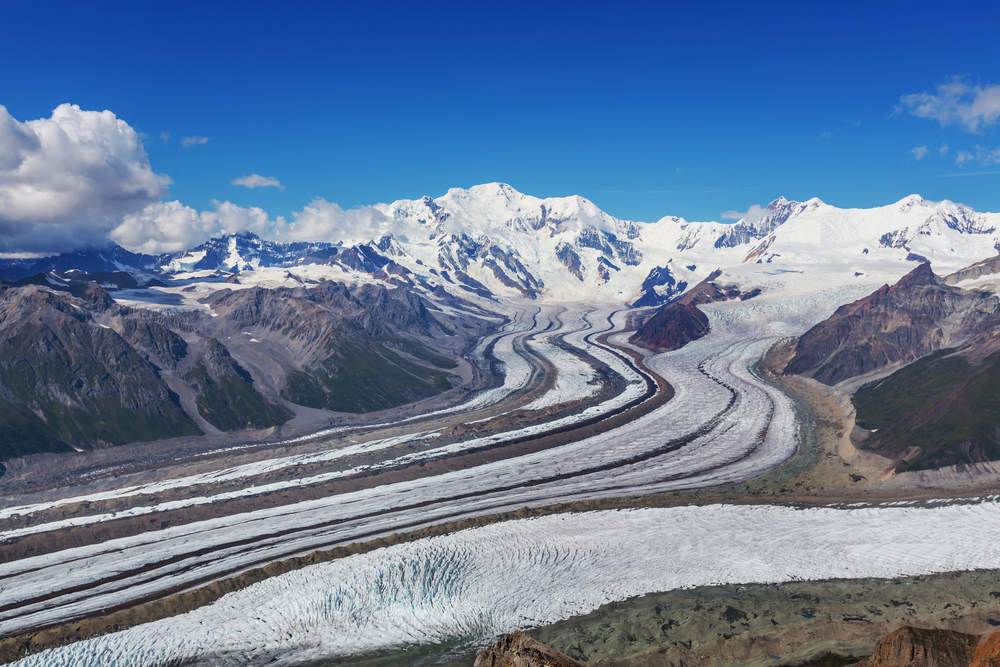
- Massive glaciers.
- Remote mountains.
- Icefields.
- Wildlife habitat.
Many of the park’s most spectacular landscapes are best appreciated from the air.
Travel Times
Typical travel times include:
- Anchorage to Glennallen: approximately 4 hours.
- Anchorage to McCarthy Road junction: approximately 5 hours.
- McCarthy Road junction to McCarthy: approximately 2 hours.
- Anchorage to Nabesna Road: approximately 5–6 hours.
- Kennecott to Root Glacier trail access: approximately 30–45 minutes on foot.
Visitors should allow significant travel time because distances are large and road conditions may vary.
Sources
- Britannica, Wrangell Mountains, https://www.britannica.com/place/Wrangell-Mountains, retrieved June 2020.
- Britannica, Wrangell-Saint Elias National Park, https://www.britannica.com/place/Wrangell-Saint-Elias-National-Park-and-Preserve, retrieved June 2020.
- National Geographic, Complete National Parks of the United States, National Geographic Publishing, Washington DC.
- National Geographic, Guide to the National Parks of the United States, National Geographic Society, 2003.
- National Geographic, National Parks of North America, Canada-United States-Mexico, National Geographic Society, 1995.
- National Park Service, Wrangell-St. Elias, https://www.nps.gov/wrst/index.htm, retrieved June 2020.
- Travel Alaska, Wrangell-St. Elias National Park, https://www.travelalaska.com/Destinations/Parks-and-Public-Lands/Wrangell-St-Elias-National-Park.aspx, retrieved June 2020.
- UNESCO, Kluane / Wrangell-St. Elias / Glacier Bay / Tatshenshini-Alsek, https://whc.unesco.org/en/list/72/, retrieved June 2020.
- US Department of the Interior, 10 Things You Didn’t Know About Wrangell-St. Elias National Park & Preserve, https://www.doi.gov/blog/10-things-you-didnt-know-about-wrangell-st-elias-national-park-preserve, retrieved June 2020.