

About
Pinnacles National Park is located in central California in the United States and covers approximately 42 square miles (109 sq km). Established as a national monument in 1908 and redesignated as a national park in 2013,
Pinnacles protects a unique landscape of towering rock spires, dramatic cliffs, caves, and chaparral-covered hills. The park lies east of Monterey and southeast of San Jose. Nearby protected areas include Los Padres National Forest and the scenic mountain ranges of California’s Coast Range.
Although one of the smaller national parks in the United States, Pinnacles preserves one of the most geologically distinctive landscapes in the country and offers exceptional opportunities for exploration and wildlife viewing.
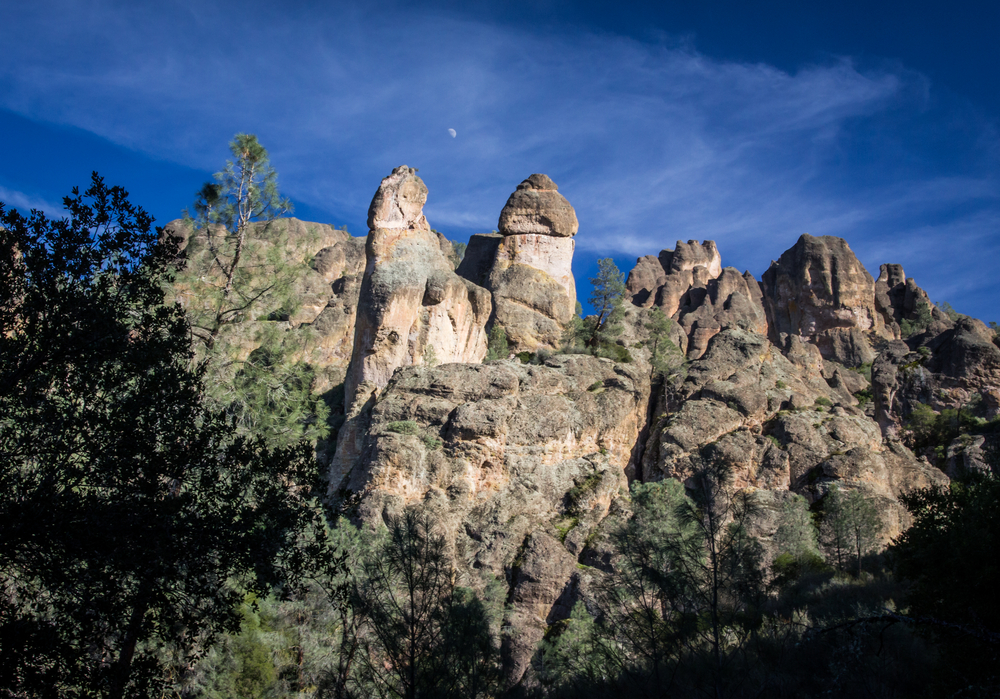
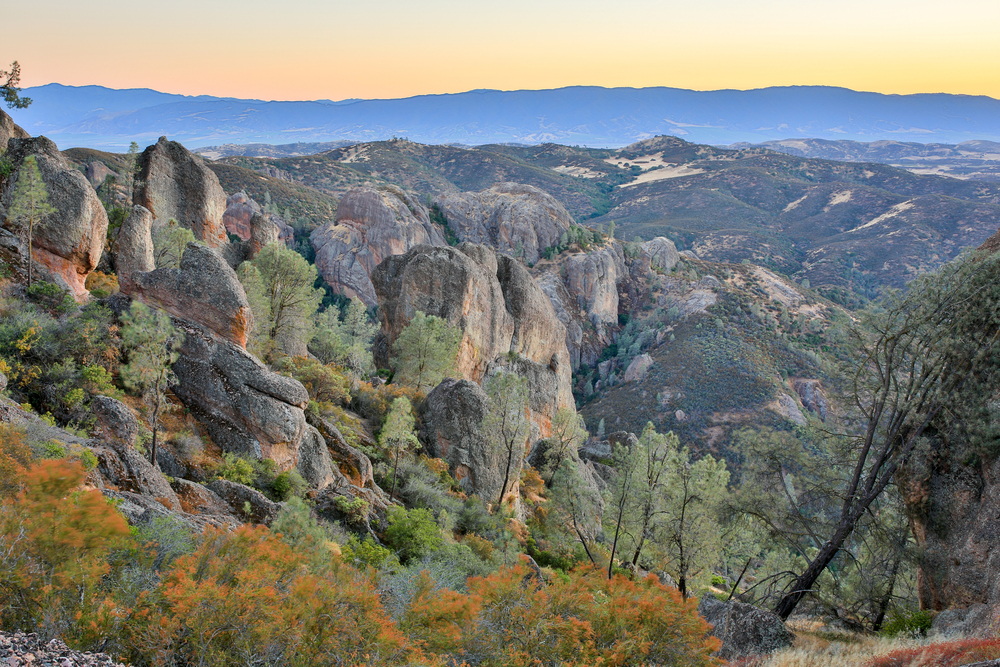
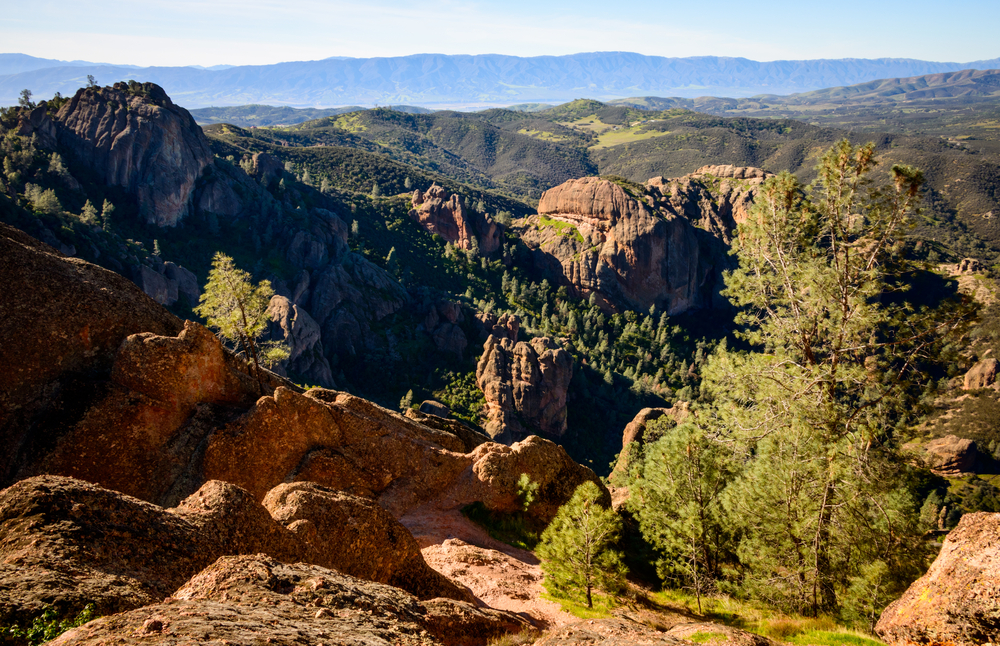
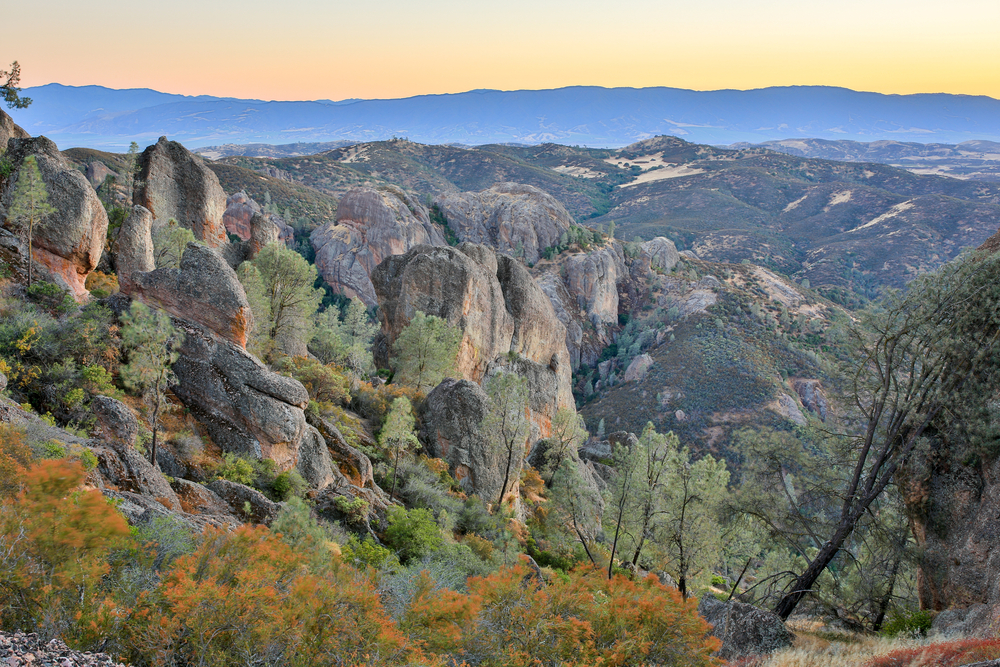
Pinnacles National Park is best known for its spectacular rock formations, which rise dramatically above the surrounding hills. These towering spires and cliffs are remnants of an ancient volcanic field that formed more thousands of years ago. Visitors are drawn to the park’s unique scenery, extensive hiking trails, rock climbing opportunities, and fascinating talus caves.
Popular destinations include Bear Gulch Cave, Balconies Cave, and High Peaks Trail, where hikers can experience narrow passages, steep stairways, and panoramic views across the rugged terrain. The park’s relatively remote location provides a quieter and less crowded experience than many larger national parks, allowing visitors to enjoy a stronger sense of connection with nature.
The geography of Pinnacles National Park reflects a remarkable geological journey. The volcanic rocks that form the park originated hundreds of miles south of their present location. Movement along the San Andreas Fault gradually transported these formations northward over thousands of years. Erosion then sculpted the landscape into jagged pinnacles, cliffs, monoliths, and deep canyons.
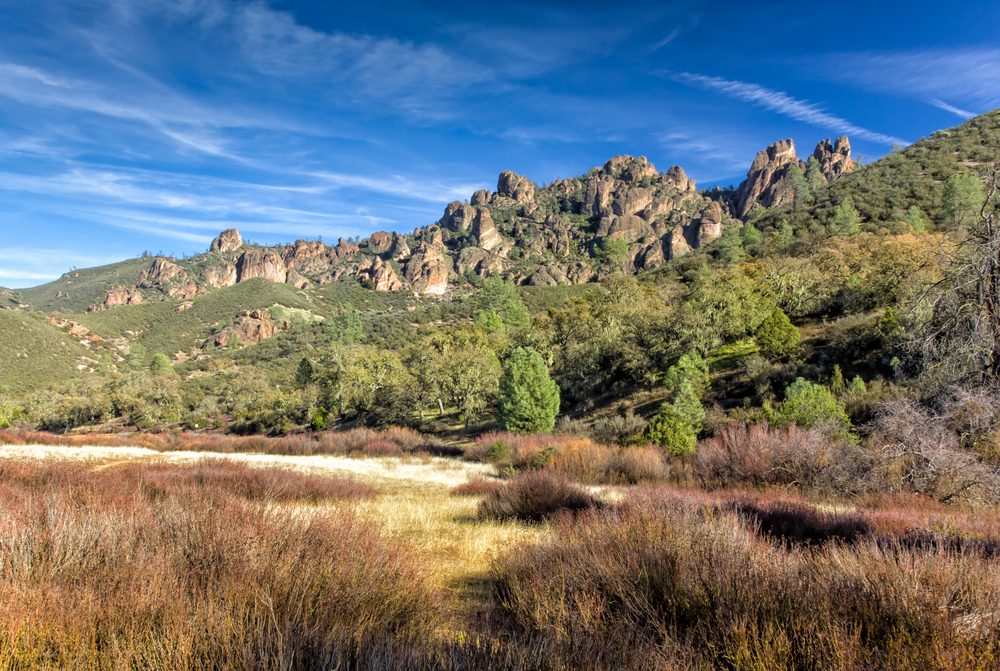
Elevations range from approximately 800 feet (244 meters) to over 3,300 feet (1,006 meters), creating a variety of habitats and viewpoints. Vegetation includes chaparral, oak woodlands, grasslands, riparian corridors, and scattered pine forests. Seasonal wildflower displays add vibrant colors to the hillsides during spring and contribute to the park’s scenic beauty.
Wildlife within Pinnacles National Park is surprisingly diverse. More than 400 bee species have been documented in the park, making it one of the richest bee habitats known in North America. Mammals include bobcats, coyotes, gray foxes, mule deer, bats, and mountain lions. Birdlife is especially notable, with over 180 species recorded throughout the park.
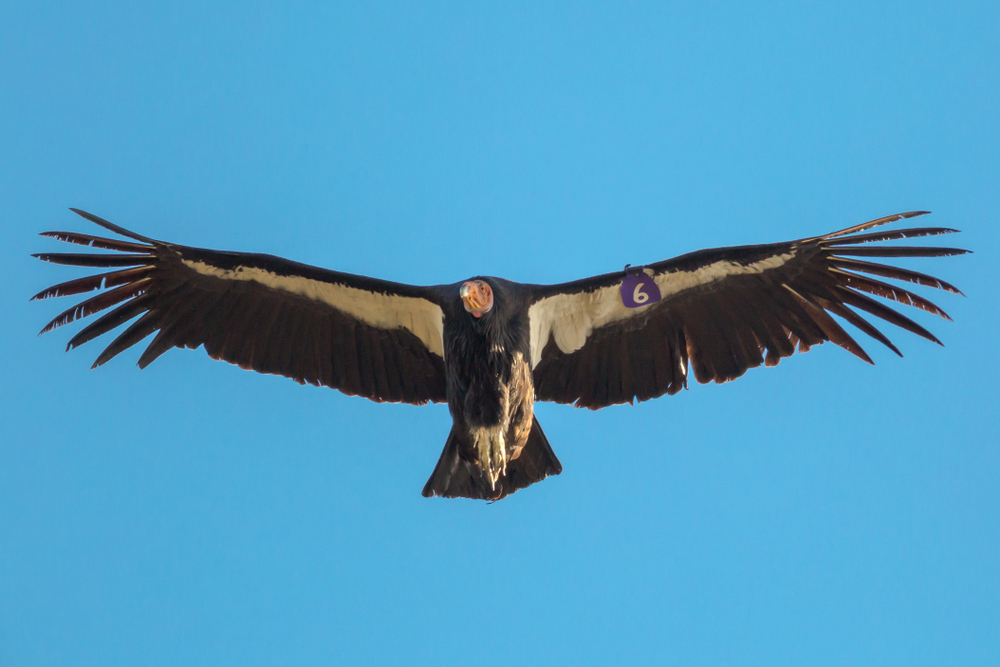
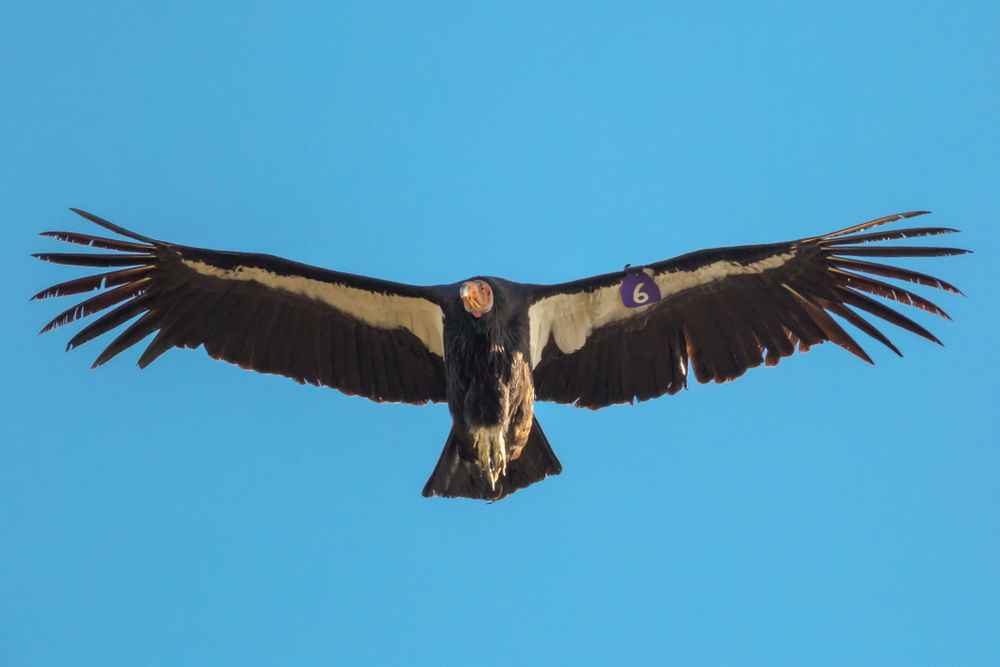
The most celebrated resident is the endangered California condor, one of the rarest birds in the world. Pinnacles serves as a critical release and recovery site for condor conservation efforts. Visitors may also observe golden eagles, prairie falcons, red-tailed hawks, and numerous songbirds. Reptiles, amphibians, and native pollinators further contribute to the park’s ecological richness.
Pinnacles National Park plays a vital role in protecting unique geological formations and important wildlife habitats within California’s Coast Range. The park safeguards critical nesting and foraging habitat for California condors while preserving rare plant communities and diverse pollinator populations. Conservation efforts focus on habitat restoration, species recovery, and maintaining ecological connectivity across the region.
Pinnacles is often compared to Arches National Park and City of Rocks National Reserve because of its striking rock formations and recreational opportunities. Another similar comparison occurs with Nambung National Park in Australia. However, its volcanic origins, talus caves, and role in condor recovery make it uniquely significant. Today, Pinnacles National Park stands as one of California’s hidden treasures, preserving a landscape where geology, wildlife, and adventure come together in remarkable harmony.
Photos



Things to See
Things To Do
Engaging Pinnacles National Park
Pinnacles National Park Trails
There are several trails that have been established for hikers. The trails allow visitors to hike and view the hills, pinnacles, rock formations, and valleys in a more intimate manner. The park has more than 30 miles of hiking trails to discover and explore what pinnacles have to offer.

Park Protection
 was created to protect a unique landscape of volcanic rock spires, talus caves, chaparral habitats, and oak woodlands in central California. The park provides critical habitat for the endangered California condor, one of the rarest birds in North America. Ongoing recovery efforts have made Pinnacles one of the best places to observe these magnificent scavengers in the wild. The park also supports bobcats, mountain lions, prairie falcons, and a wide variety of reptiles and native plant species.
The park is especially notable for preserving remnants of an ancient volcanic field that has been transported northward along the San Andreas Fault over millions of years. Its talus caves provide important habitat for bats and other wildlife. Together, Pinnacles National Park safeguards endangered California condors, rare geological formations, and diverse ecosystems that make it one of California’s most distinctive protected landscapes.
FAQ’s
What is Pinnacles National Park known for?
Pinnacles National Park, located in central California, is known for its dramatic rock formations, rugged landscapes, and diverse wildlife. The park is renowned for its unique geological features, including towering spires, sheer cliffs, and hidden caves, which were formed by volcanic activity thousands of years ago.
Pinnacles is also famous for its extensive network of hiking trails, which wind through rocky canyons, oak woodlands, and chaparral-covered hillsides, offering stunning views of the surrounding landscapes.
In addition to its geological wonders, Pinnacles National Park is home to a rich diversity of plant and animal life, including California condors, which were successfully reintroduced to the park in the 1980s.
Visitors to Pinnacles can explore the park’s wilderness areas and encounter a variety of wildlife, from elusive mountain lions and bobcats to colorful wildflowers and oak trees. With its rugged beauty, abundant wildlife, and opportunities for outdoor recreation, Pinnacles National Park offers visitors a chance to experience the wonders of California’s natural landscapes.
What is the main reason people visit Pinnacles National Park?
Pinnacles National Park is primarily visited for its dramatic rock spires, unique volcanic formations, cave systems, hiking trails, and exceptional wildlife viewing opportunities. Located in central California east of the Salinas Valley, the park protects the remnants of an ancient volcanic field that has been reshaped by thousands of years of tectonic activity and erosion.
Visitors come to hike among towering rock formations, explore talus caves, observe California condors, enjoy rock climbing, and experience one of California’s most distinctive geological landscapes.
What animals can visitors hope to see in Pinnacles National Park?
Pinnacles National Park supports approximately 49 mammal species and a rich variety of reptiles, amphibians, and insects. The park’s chaparral, oak woodlands, grasslands, and rocky cliffs create diverse habitats for wildlife.
Some of the most notable animals found in Pinnacles National Park include:
- California Condor
- Mule Deer
- Bobcat
- Coyote
- Gray Fox
- Mountain Lion
- Raccoon
- Striped Skunk
- Long-tailed Weasel
- American Badger
- Black-tailed Jackrabbit
- Desert Cottontail
- Brush Rabbit
- California Ground Squirrel
- Rock Squirrel
- Botta’s Pocket Gopher
- Deer Mouse
- Brush Mouse
- California Mouse
- Harvest Mouse
- Meadow Vole
- California Vole
- Big Brown Bat
- Hoary Bat
- Western Red Bat
- Pallid Bat
- Mexican Free-tailed Bat
- Townsend’s Big-eared Bat
- Yuma Myotis
- California Myotis
- Long-eared Myotis
- Fringed Myotis
- Western Mastiff Bat
- Ringtail
- Virginia Opossum
- Wild Pig (occasional)
- California Pocket Mouse
- Western Gray Squirrel
- Dusky-footed Woodrat
- Various Small Mammals
- Western Rattlesnake
- Gopher Snake
- California Kingsnake
- Coachwhip
- Western Fence Lizard
- Southern Alligator Lizard
- Western Skink
- California Whiptail
- Pacific Tree Frog
- California Newt
What birds can visitors hope to see in Pinnacles National Park?
Pinnacles National Park is home to more than 180 bird species. The park is particularly famous as one of the best places in North America to observe the endangered California condor.
Some of the most popular birds seen in Pinnacles National Park include:
- California Condor
- Golden Eagle
- Bald Eagle
- Red-tailed Hawk
- Red-shouldered Hawk
- Cooper’s Hawk
- Sharp-shinned Hawk
- Prairie Falcon
- Peregrine Falcon
- American Kestrel
- Great Horned Owl
- Barn Owl
- Western Screech-Owl
- Common Raven
- American Crow
- California Scrub-Jay
- Steller’s Jay
- Oak Titmouse
- Bushtit
- White-breasted Nuthatch
- Pygmy Nuthatch
- Bewick’s Wren
- Canyon Wren
- Rock Wren
- Blue-gray Gnatcatcher
- Western Bluebird
- Mountain Bluebird
- American Robin
- California Thrasher
- Northern Mockingbird
- Cedar Waxwing
- Loggerhead Shrike
- Phainopepla
- Yellow-rumped Warbler
- Orange-crowned Warbler
- Wilson’s Warbler
- Western Tanager
- Black-headed Grosbeak
- Lazuli Bunting
- California Towhee
- Spotted Towhee
- White-crowned Sparrow
- Dark-eyed Junco
- Chipping Sparrow
- Bullock’s Oriole
- Acorn Woodpecker
- Hairy Woodpecker
- Downy Woodpecker
- Northern Flicker
- Lewis’s Woodpecker
Is Pinnacles National Park worth visiting?
Yes, Pinnacles National Park is absolutely worth visiting and is one of California’s most underrated national parks.
The park offers spectacular volcanic rock formations, scenic hiking trails, talus caves, outstanding birdwatching, rock climbing, and opportunities to see the endangered California condor. Its dramatic landscape and relatively small crowds make it an excellent destination for visitors seeking a unique outdoor experience.
The primary hesitation is that the park is smaller than many national parks and lacks the famous glaciers, waterfalls, or giant mountains found in some western parks. However, its geology and wildlife make it exceptionally rewarding.
What is the best time to visit Pinnacles National Park?
The best time to visit Pinnacles National Park is from February through May and October through November.
Typical conditions include:
- Spring: 45–80°F (7–27°C)
- Summer: 60–100°F (16–38°C)
- Fall: 45–85°F (7–29°C)
- Winter: 35–65°F (2–18°C)
During these periods:
- Hiking conditions are comfortable.
- Wildflowers may be abundant in spring.
- Wildlife activity is high.
- Temperatures are generally pleasant.
Summer temperatures can become extremely hot, particularly on exposed trails.
How many days do you need to visit Pinnacles National Park?
Most visitors should plan for 1 to 2 days.
- Half day: Major viewpoints and short hikes.
- 1 day: Talus caves, condor viewing, and hiking.
- 2 days: Additional trails, climbing, and wildlife photography.
- 3+ days: Extensive exploration and rock climbing.
A full day is usually sufficient for most visitors to experience the park’s highlights.
How do you get to Pinnacles National Park?
Pinnacles National Park is located in central California between Monterey and Fresno, approximately 80 miles (129 km) southeast of San Jose.
The closest airports include:
- Monterey Regional Airport – approximately 1.5 hours away.
- San Jose Mineta International Airport – approximately 1.5 hours away.
- Fresno Yosemite International Airport – approximately 2 hours away.
- San Francisco International Airport – approximately 2.5 hours away.
Most visitors follow this route:
- Fly into San Jose, Monterey, or Fresno.
- Rent a vehicle.
- Drive to either the east or west entrance.
- Explore the park via its trail network.
Important: East and West Entrances Do Not Connect by Road
One of the most important things visitors should know is that there is no road through Pinnacles National Park.
The park has:
- East Entrance near Hollister.
- West Entrance near Soledad.
Visitors can hike between the two sides of the park, but vehicles cannot drive through the park from one entrance to the other.
East Entrance
The East Entrance is the most popular and provides access to:
- Visitor center facilities.
- Campground.
- Bear Gulch Area.
- Condor Gulch Trail.
- High Peaks Trail.
- Bear Gulch Cave.
Most first-time visitors choose this entrance.
West Entrance
The West Entrance provides access to:
- Balconies Cave.
- Chaparral Trailhead.
- Juniper Canyon Trail.
- High Peaks Trail access.
This side is often quieter and less crowded.
Major Attractions
Popular destinations include:
- High Peaks Trail
- Bear Gulch Cave
- Balconies Cave
- Condor Gulch
- Bear Gulch Reservoir
Travel Times
Typical travel times include:
- San Jose to East Entrance: approximately 1.5 hours.
- Monterey to West Entrance: approximately 1.5 hours.
- Fresno to East Entrance: approximately 2 hours.
- San Francisco to East Entrance: approximately 2.5 hours.
- East Entrance to West Entrance by road: approximately 1.5 hours outside the park.
Visitors should plan carefully and choose the entrance closest to the attractions they wish to visit.
Who is involved in protecting and supporting Pinnacles National Park?
Several organizations help protect and support Pinnacles National Park:
- National Park Service – manages Pinnacles National Park.
- Pinnacles National Park Conservancy – supports education, conservation, and visitor programs.
- National Park Foundation – supports projects throughout the National Park System.
- Ventana Wildlife Society – supports California condor recovery efforts.
- Local conservation organizations and Indigenous communities connected to the region.
Sources
- All Trails, Best Trails in Pinnacles National Park, https://www.alltrails.com/parks/us/california/pinnacles-national-park, retrieved June 2020.
- American Southwest, Pinnacles National Park, https://www.americansouthwest.net/california/pinnacles-nps/national-monument.html, retrieved June 2020.
- Britannica, Pinnacles National Park, https://www.britannica.com/place/Pinnacles-National-Monument, retrieved June 2020.
- California Dream Big, Spotlight: Pinnacles National Park, https://www.visitcalifornia.com/destination/spotlight-pinnacles-national-park, retrieved June 2020.
- National Geographic, Pinnacles National Park, https://www.nationalgeographic.com/travel/national-parks/pinnacles-national-park/, retrieved June 2020.
- National Geographic, Complete National Parks of the United States, National Geographic Publishing, Washington DC.
- National Geographic, Guide to the National Parks of the United States, National Geographic Society, 2003.
- National Park Service, Bryce Canyon, https://www.nps.gov/brca/index.htm, retrieved June 2020.