About

Arches National Park is located in the western United States in the east part of the state of Utah.  The national park boundaries encompass an area of 119.8 square miles (310.3 sq km) and run along the Colorado River.

The park is part of the Colorado Plateau with a high desert biosphere.  The elevation ranges from 4,085 feet (1,245 m) to 5,653 feet (1,723 m) at Elephant Butte which is the highest point of the park.  Elephant Butte is a picturesque sandstone rock formation rising above the surrounding area.

Arches National Park is renowned for the over 2,000 naturally occurring sandstone arches found within the park.  The most famous is Delicate Arch which reaches a height of 52 feet (16 m).  There are numerous rock formation attractions found within the park.

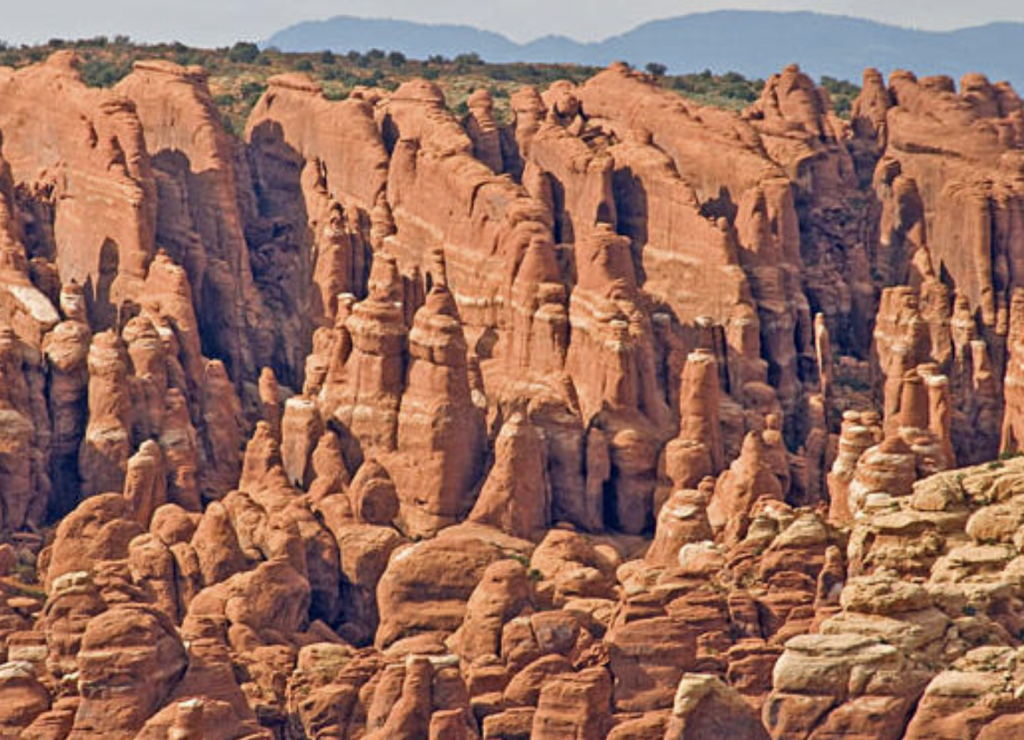
Balanced Rock, Courthouse Towers, Dark Angel, Devils Garden, and Double Arch are just some of the many targeted attractions of the park.  Fiery Furnace is a scenic area of narrow passages surrounded by towers of rock similar to a sandstone created maze.

Things to See

The naturally occurring sandstone arches are the highlight of the national park.  The most renowned is Delicate Arch, but with over 2,000 arches and rock formations, there is an abundance of nature’s art on display.

Hiking is the best way to experience the outdoors but touring, biking, backpacking, and canyoneering are all popular ways to explore Arches National Park.  Climbing on the arches and certain rock formations like Balanced Rock is forbidden.

Delicate Arch

Delicate Arch

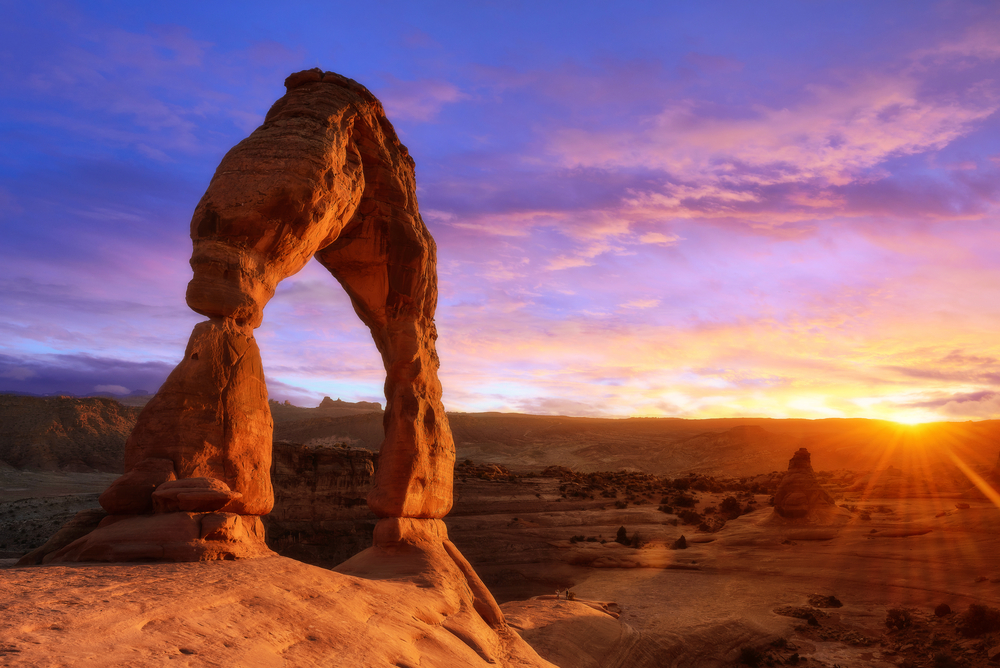
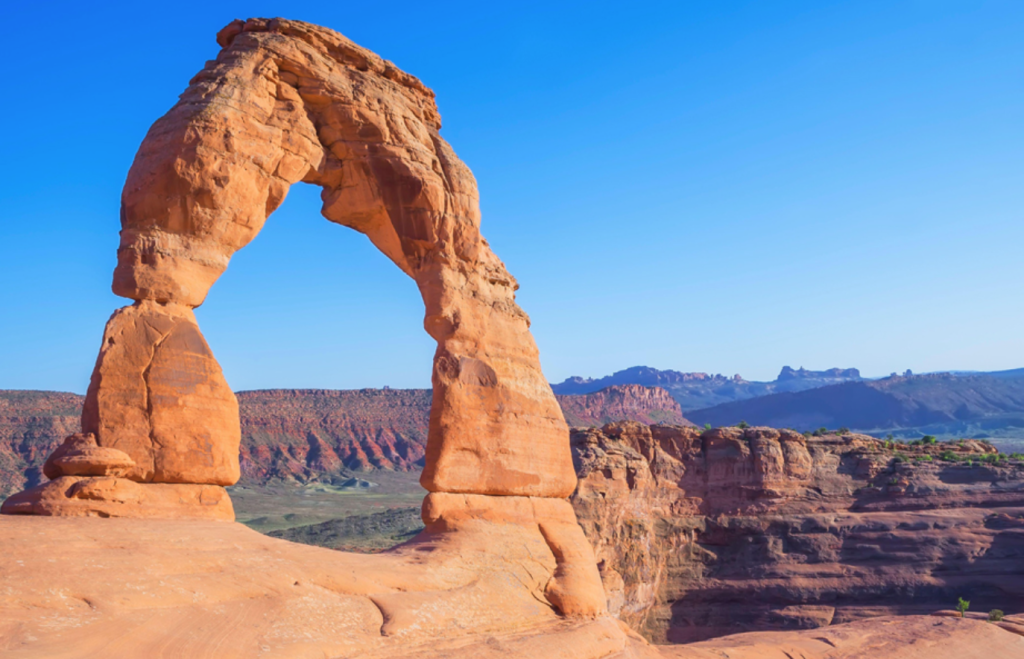
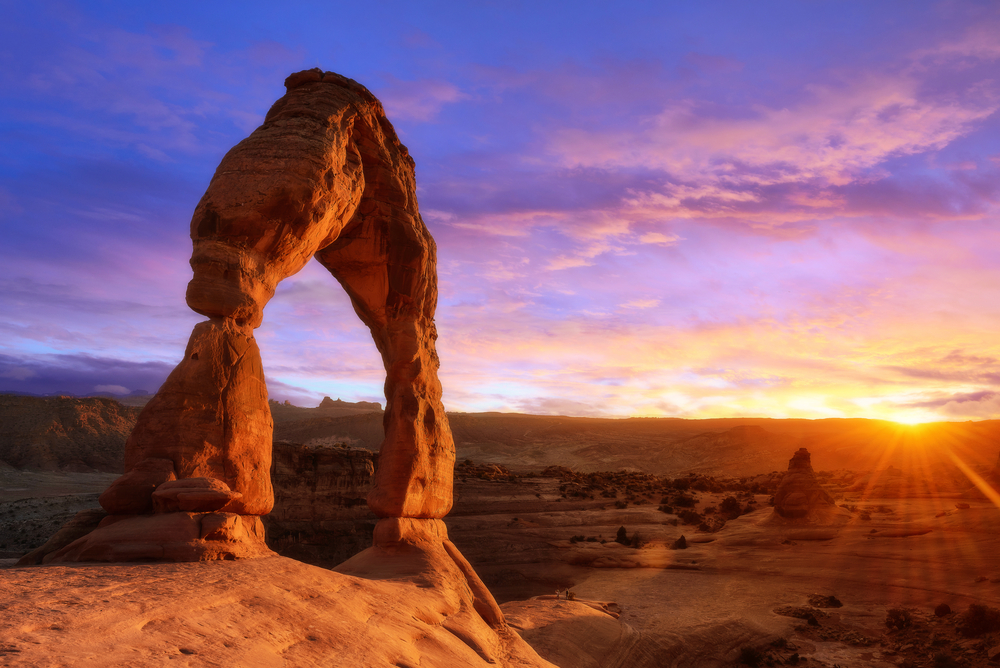
Standing as an emblem of Arches National Park, Delicate Arch is a symbol of Utah’s rugged beauty. This freestanding natural arch spans 52 feet (16 meters) and is a sight to behold against the vast desert landscape.

Visitors can embark on the Delicate Arch Trail, a 3-mile round trip hike that leads to stunning views of this iconic formation.

Landscape Arch

Landscape Arch

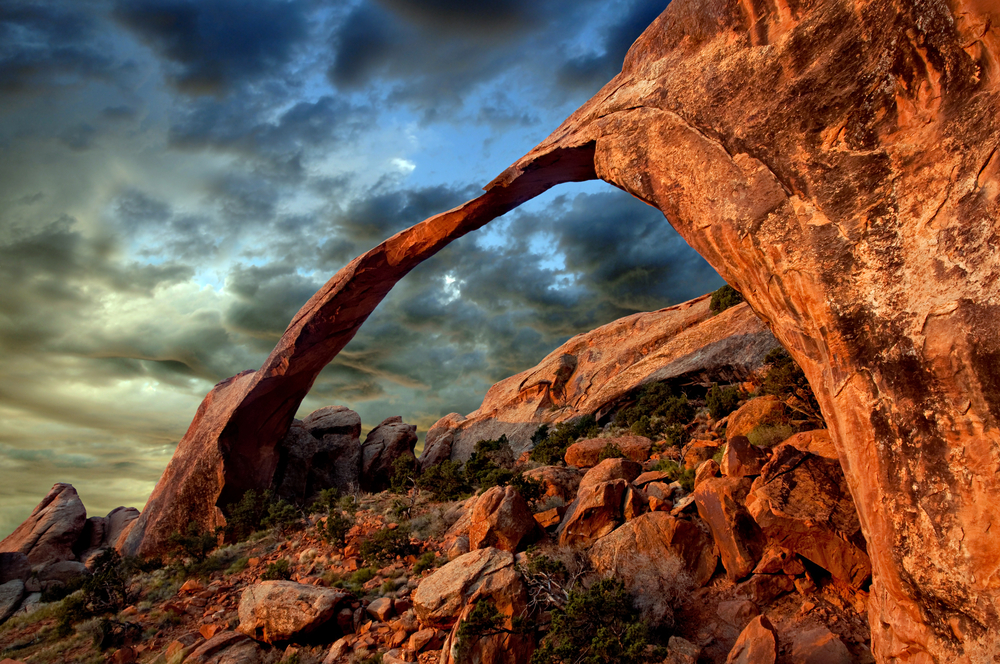
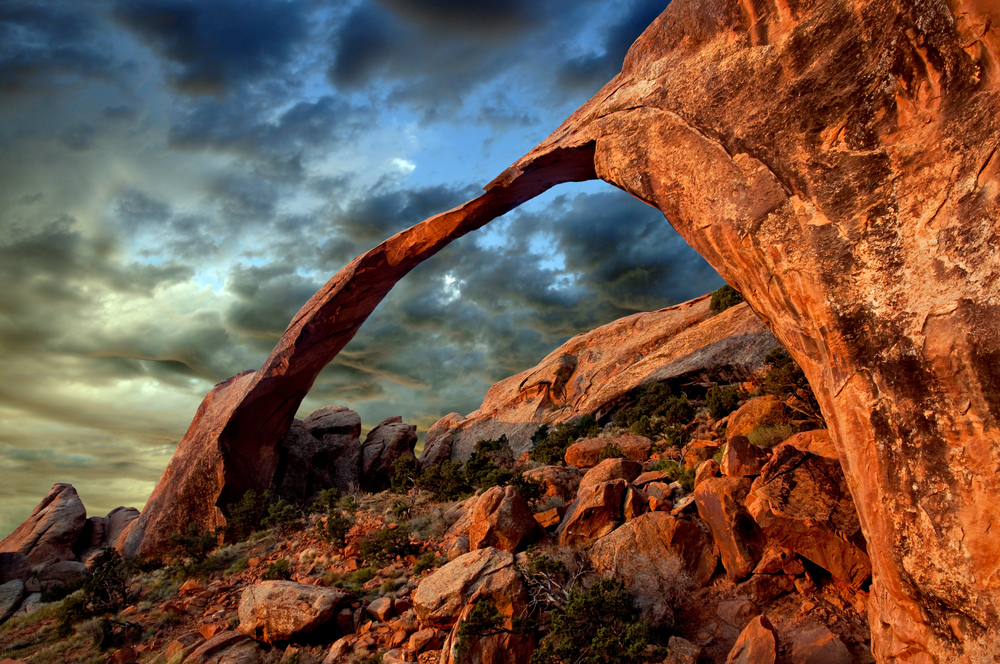
Stretching an impressive 306 feet (93 meters) across, Landscape Arch is one of the longest natural arches in the world.

Visitors can marvel at its delicate, slender structure while hiking along the Devil’s Garden Trail, which offers stunning viewpoints of this captivating formation.

Double Arch

Double Arch

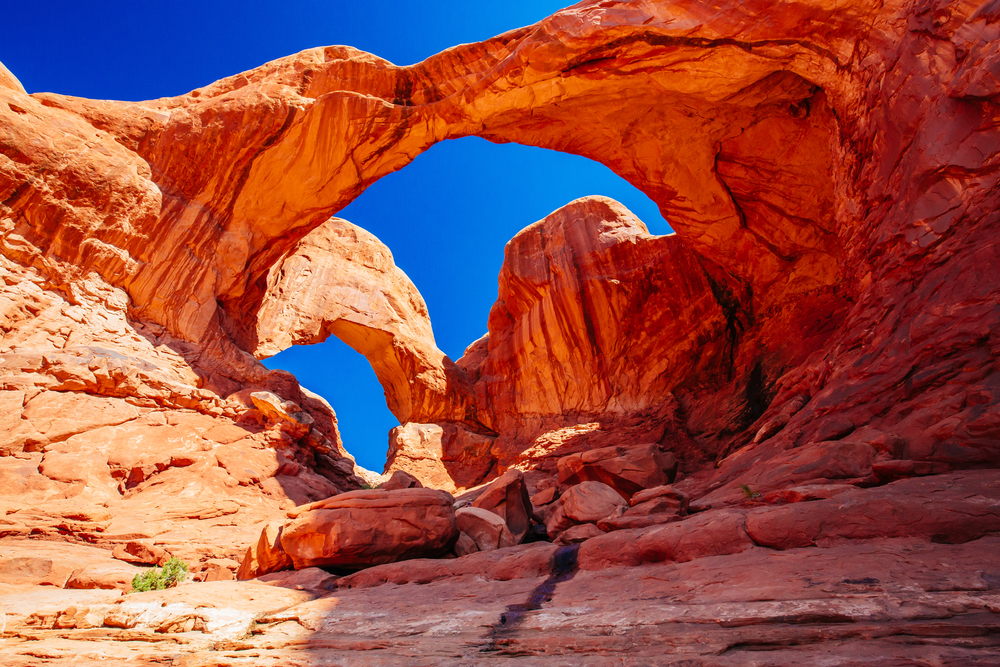
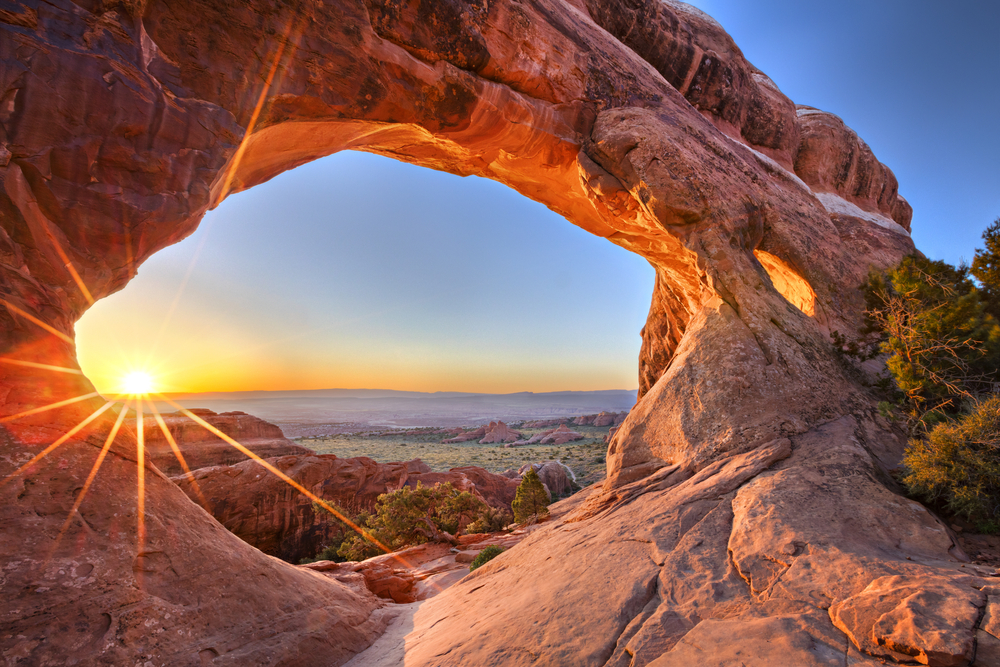
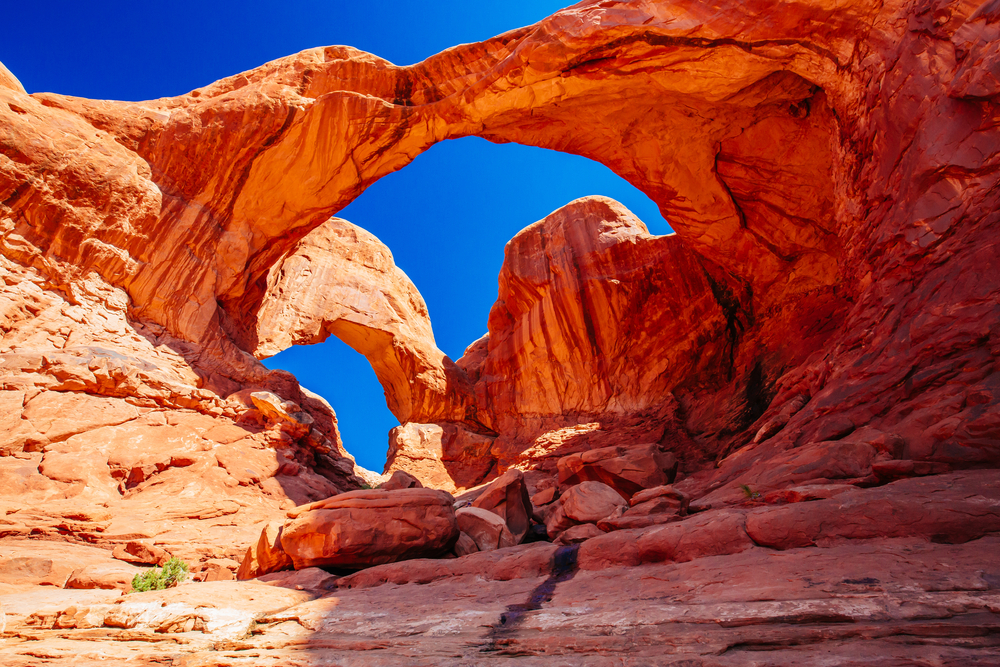
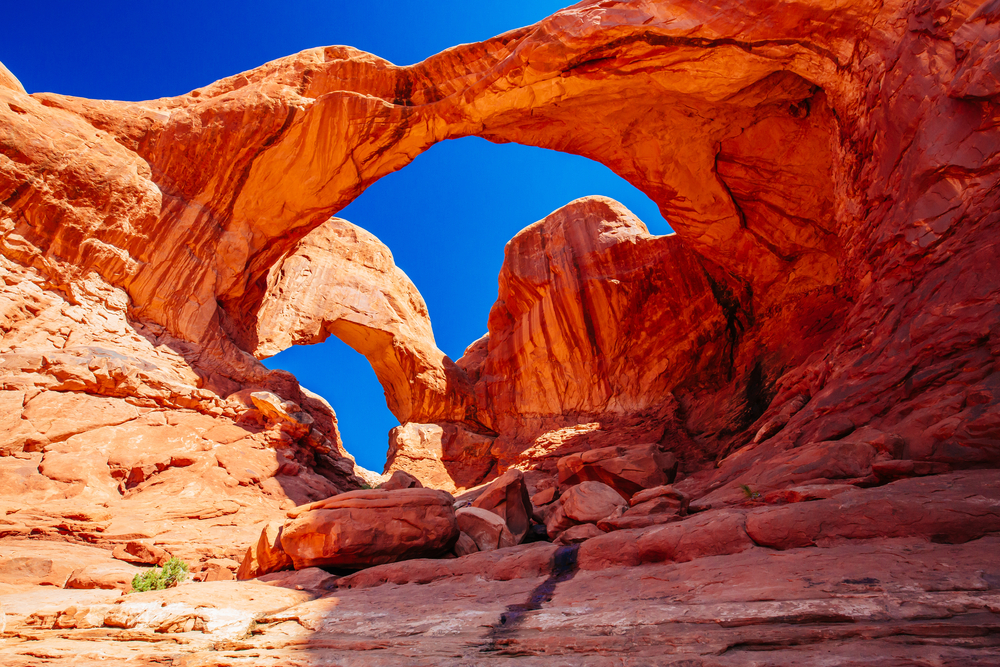
Double Arch is a unique spectacle featuring two massive arches joined at the base, creating an awe-inspiring natural wonder. Visitors can take a short stroll along the easy Double Arch Trail to admire this breathtaking formation up close.

Windows Arch

Windows Arch

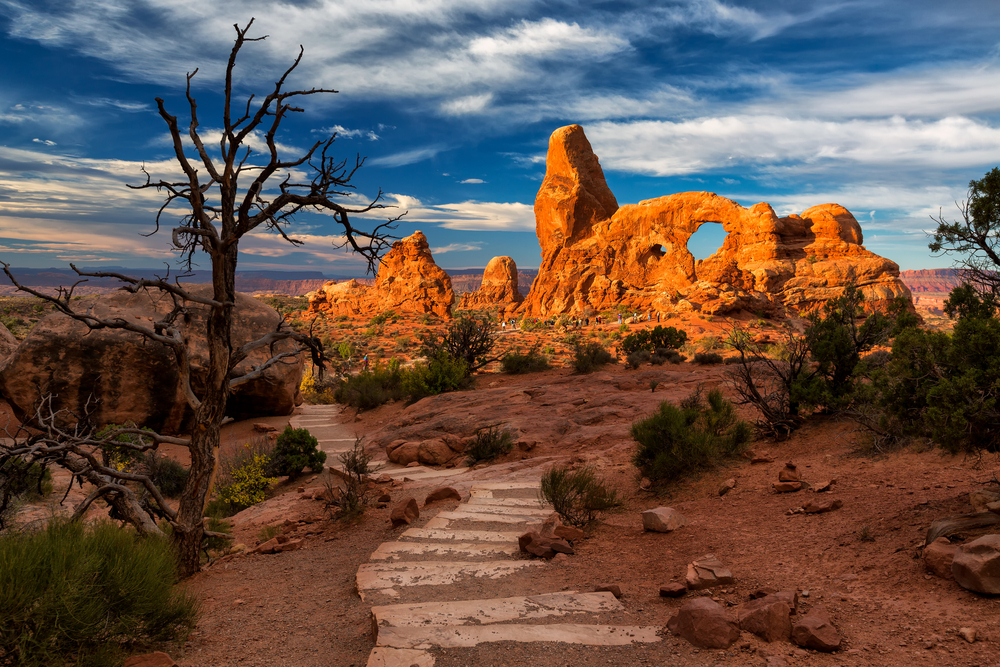
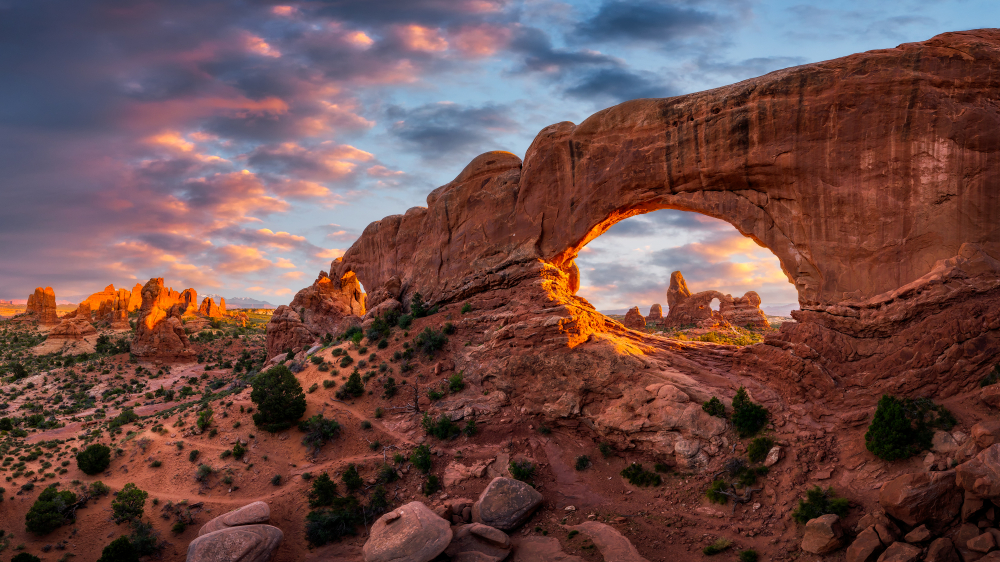
Windows Arch encompasses North Window, South Window, and Turret Arch, forming a captivating trio of natural arches.

Visitors can explore the Windows Section of the park to witness these magnificent formations and enjoy panoramic views of the surrounding landscape.

Balanced Rock

Balanced Rock

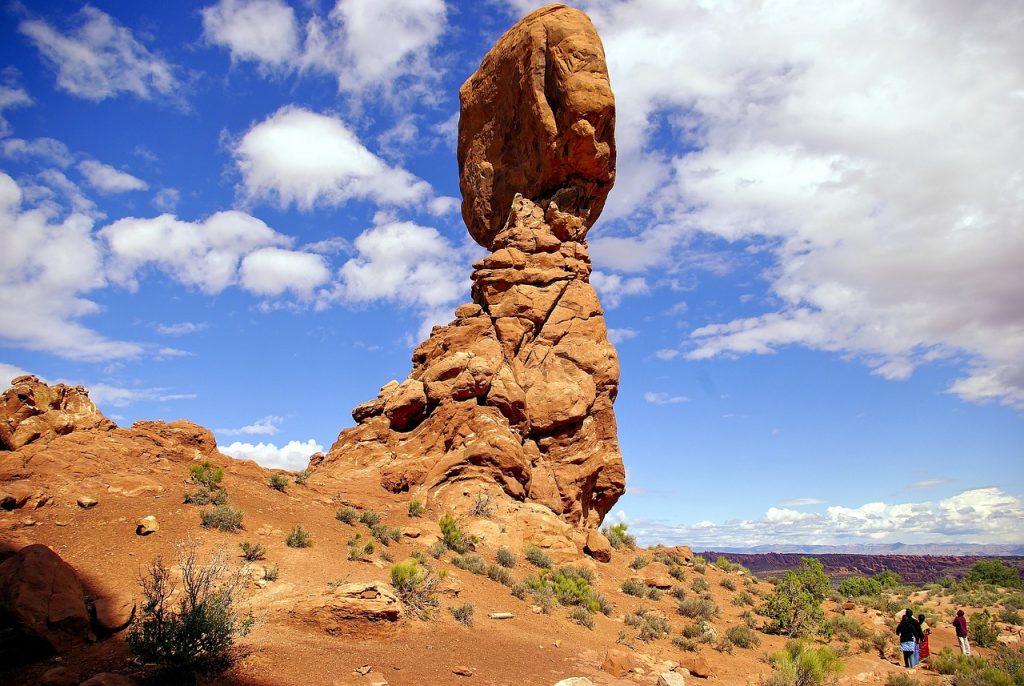
Balanced Rock is a striking geological feature where a massive boulder precariously balances atop a slender pedestal.

Standing at 128 feet (39 meters) tall, this iconic formation is visible from various viewpoints within the park and serves as a testament to the forces of erosion and time.

Arches Abound

Arches Abound

Arches National Park boasts over 2,000 natural sandstone arches, the highest concentration in the world. These magnificent geological formations have been sculpted by millions of years of erosion and weathering, resulting in an otherworldly landscape of graceful curves and towering rock formations.

Among the park’s most popular arches are Delicate Arch, known for its iconic silhouette against the Utah skyline; Landscape Arch, spanning an impressive 306 feet and considered one of the longest natural arches in the world; Double Arch, featuring two massive arches joined at the base; Windows Arch, a captivating trio of arches including North Window, South Window, and Turret Arch; and Balanced Rock, a striking formation where a massive boulder seems to defy gravity atop a slender pedestal.

These arches are not only geological wonders but also iconic symbols of Arches National Park’s breathtaking beauty.

Popular

Popular

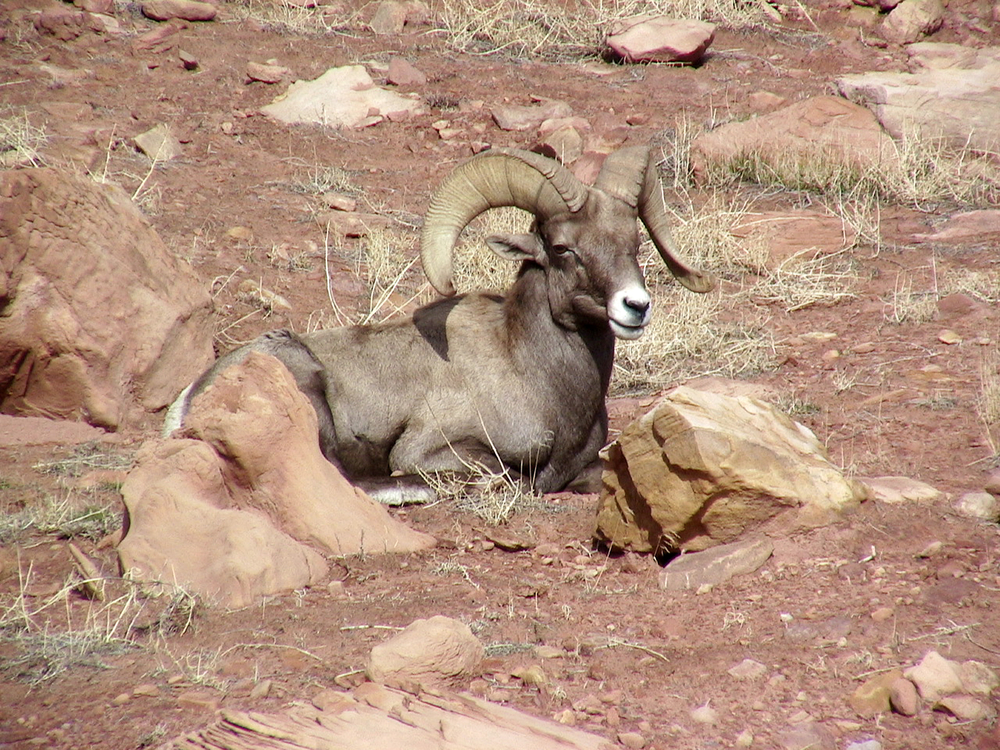
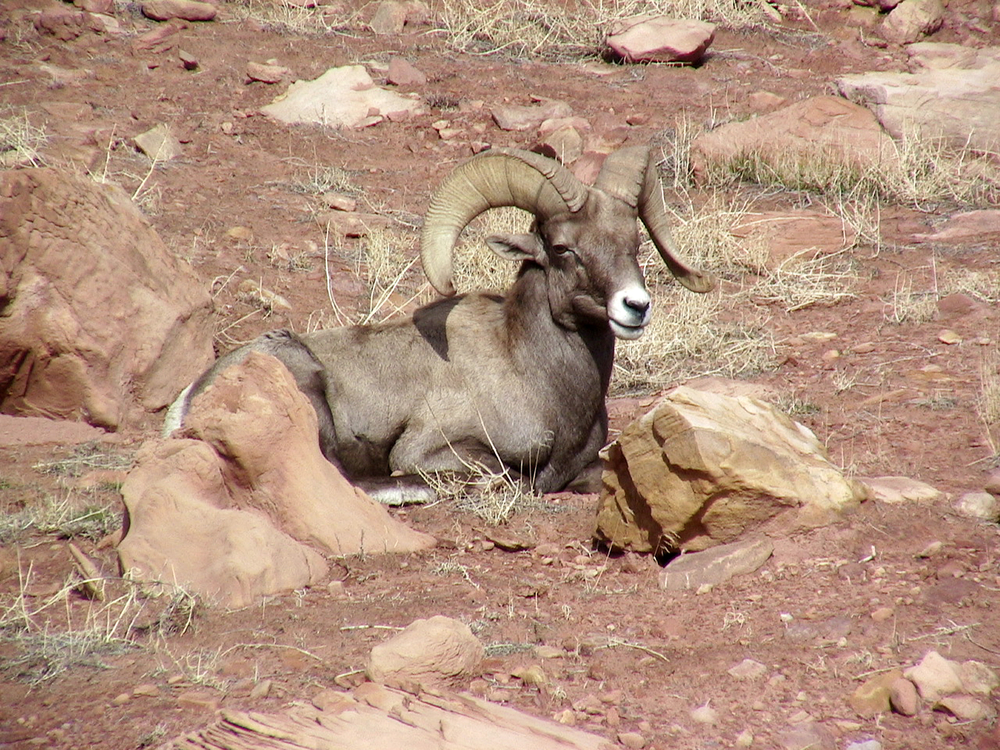
Arches National Park, renowned for its natural sandstone arches and rugged terrain, also serves as a habitat for a variety of wildlife species adapted to the desert environment. Amidst the stark beauty of the Utah landscape, these animals thrive, each contributing to the ecological diversity of the park and offering visitors a glimpse into the resilience of desert life.

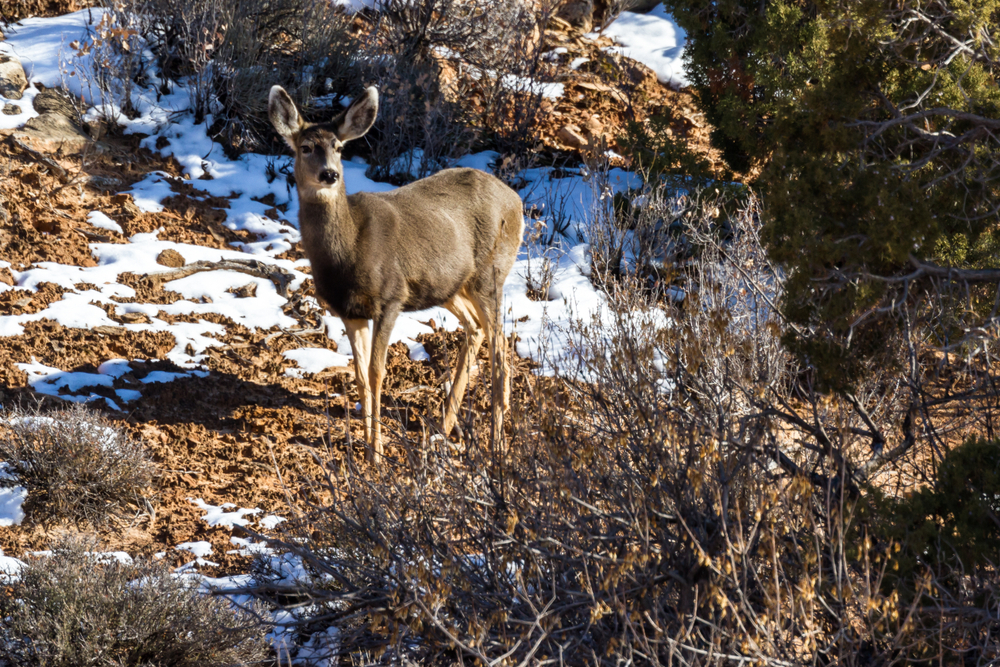
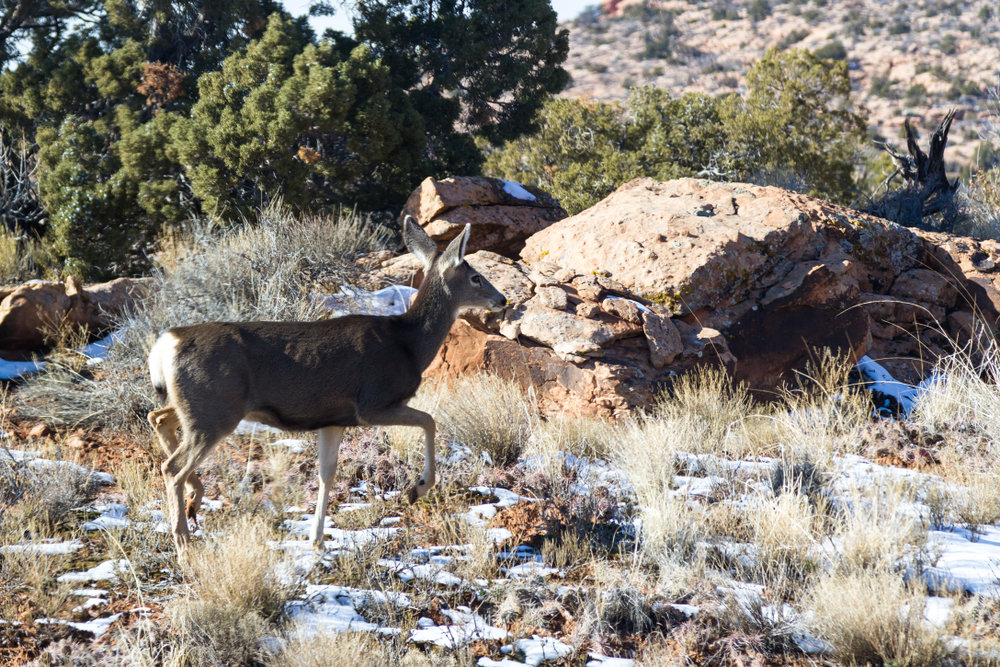
Mule Deer – With their large ears resembling those of a mule, Mule Deer are a common sight, gracefully navigating the rocky terrain in search of vegetation.

Desert Cottontail – These small rabbits, with their distinctive fluffy white tails, are often spotted at dawn and dusk, nibbling on the sparse desert vegetation.

Red-tailed Hawk – Soaring high above the park, the Red-tailed Hawk is easily identified by its reddish tail, keenly scanning the ground for prey.

Peregrine Falcon – The world’s fastest bird, the Peregrine Falcon nests on the park’s cliffs, diving at incredible speeds to catch smaller birds mid-flight.

Rock Wren – Adapted to the rocky environment, Rock Wrens are often heard before seen, their melodious songs echoing among the stone formations.

Common Raven – Intelligent and adaptable, Common Ravens are frequently observed across the park, their black plumage and large size making them unmistakable.

Mountain Lion – Though elusive and rarely seen, Mountain Lions roam the park, apex predators perfectly adapted to the desert’s challenges.

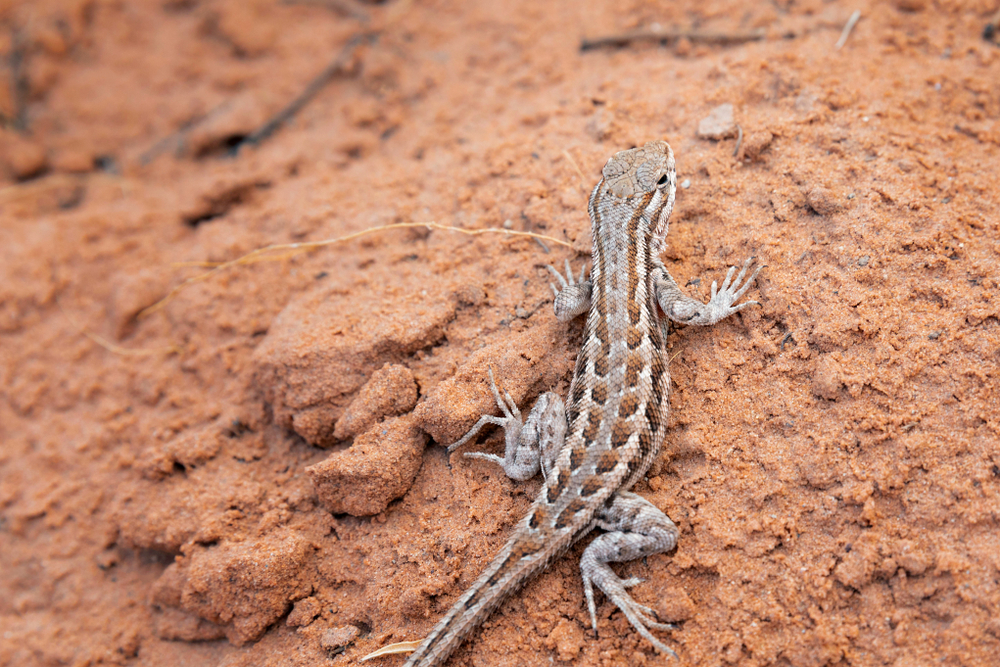
Collared Lizard – Vibrant and active during the day, Collared Lizards, with their distinctive neck bands, can be seen sunning on rocks or sprinting after insects.

Western Rattlesnake – A symbol of the wild desert, the Western Rattlesnake is respected by visitors and wildlife alike for its potent venom and iconic rattle.

Spotted Towhee – With their striking black, white, and orange plumage, Spotted Towhees are often found rummaging through the underbrush, their call a familiar sound.

Arches National Park’s wildlife, from the agile mule deer to the soaring peregrine falcon, showcases the adaptability of life in the desert, reminding visitors of the natural world’s enduring beauty and resilience.

Things To Do

Engaging Arches National Park
Hiking to Delicate Arch:

Embark on a memorable hike to witness the iconic Delicate Arch, a symbol of Arches National Park. The trail offers stunning views of the surrounding red rock formations and culminates in an awe-inspiring sight of the arch against the backdrop of the Utah landscape.

Scenic Drive along Park Avenue

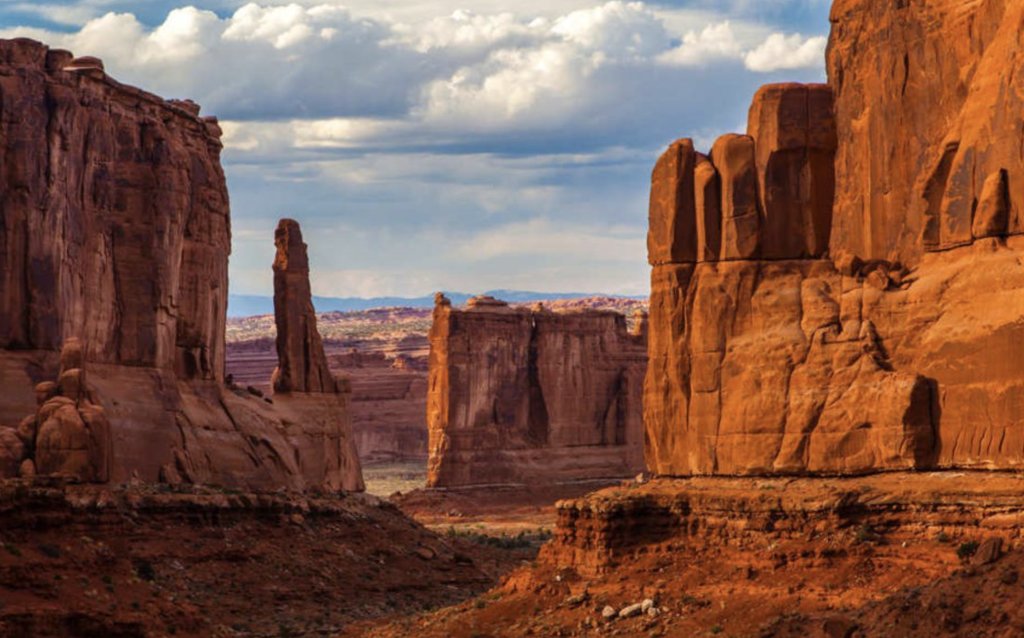
Embark on a scenic drive along Park Avenue, a captivating stretch of road flanked by towering sandstone monoliths resembling skyscrapers. This leisurely drive offers numerous pull-offs and viewpoints, allowing visitors to admire the dramatic geological features of the park.

Photography at Windows Section

Capture the beauty of Arches National Park at the Windows Section, renowned for its stunning arch formations including North Window, South Window, and Turret Arch. Golden hour and sunset provide ideal lighting conditions for photography enthusiasts to capture breathtaking images of these natural wonders.

Exploring Fiery Furnace

Navigate the labyrinthine passages of Fiery Furnace, a unique area known for its maze-like sandstone fins and narrow canyons. Guided tours or permits for self-guided exploration are available, offering adventurers a chance to discover hidden arches, towering spires, and intriguing rock formations.

Hiking to Delicate Arch:

Embark on a memorable hike to witness the iconic Delicate Arch, a symbol of Arches National Park. The trail offers stunning views of the surrounding red rock formations and culminates in an awe-inspiring sight of the arch against the backdrop of the Utah landscape.

Scenic Drive along Park Avenue

Embark on a scenic drive along Park Avenue, a captivating stretch of road flanked by towering sandstone monoliths resembling skyscrapers. This leisurely drive offers numerous pull-offs and viewpoints, allowing visitors to admire the dramatic geological features of the park.

Photography at Windows Section

Capture the beauty of Arches National Park at the Windows Section, renowned for its stunning arch formations including North Window, South Window, and Turret Arch. Golden hour and sunset provide ideal lighting conditions for photography enthusiasts to capture breathtaking images of these natural wonders.

Exploring Fiery Furnace

Navigate the labyrinthine passages of Fiery Furnace, a unique area known for its maze-like sandstone fins and narrow canyons. Guided tours or permits for self-guided exploration are available, offering adventurers a chance to discover hidden arches, towering spires, and intriguing rock formations.

Arches National Park Trails

There are several trails through the national park that allow you to experience the abundance of arches in a more personal way.

placeholder

Double Arch

This is an easy half-mile (.8 km) loop that travels from the parking to the viewing point of the arch.  Once you reach the arch, you can climb up to view alternative sides of the arch as well as climb down below to experience the bowl beneath the arch.

placeholder

Sand Dune and Broken Arch

This is an easy trail travels a distance of only .3 mile to experience amazing sandstone walls.  Some visitors will call it done and return back to the trailhead; however, the journey continues for a total of 1.7 miles (2.74 km) to Broken Arch.  This arch is not broken but it is wearing thinner.

placeholder

Delicate Arch Trail

This three-mile round trip trail takes you to Delicate Arch which is one of the most iconic attractions of the park.  Although it is a more challenging hike, it is almost a mandatory endeavor.  The last portion of the trail features a steep ascent.

placeholder

Devil’s Garden Trail

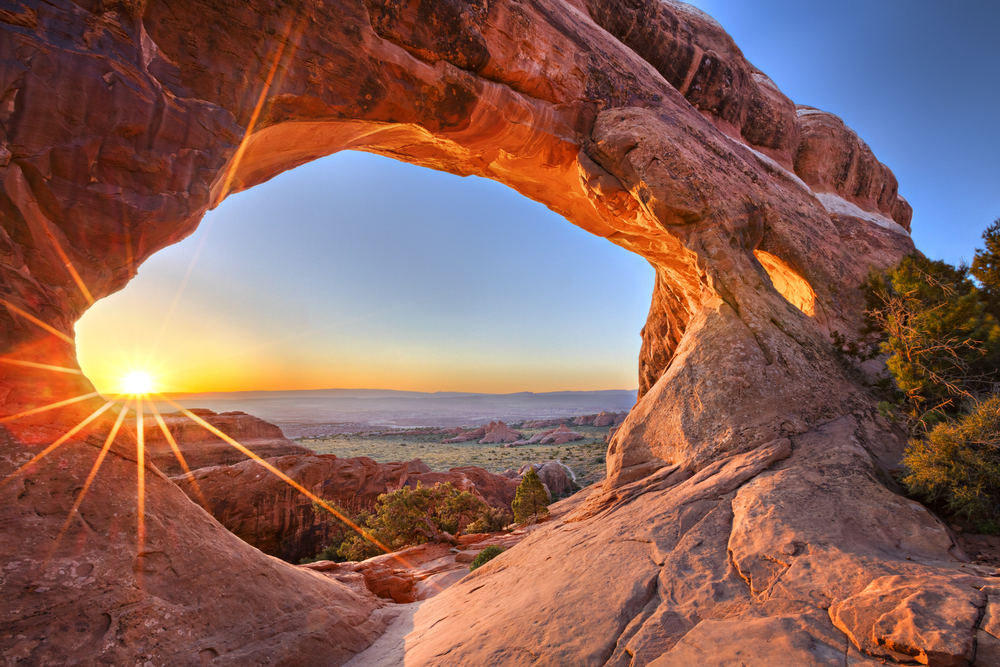
This loop trail is 7.2 miles (11.58 km) and is more of a rough trail but another one that is worth exploring.  Visitors who embark on the trail will see Tunnel Arch, Pine Tree Arch, Navajo Arch, Partition Arch, Wall Arch, Double O Arch, and Landscape Arch.  Each of these arches is fairly unique to the park.

placeholder

Fiery Furnace

This is one of the more intimate outings that take hikers through a series of paths along narrow canyons.  The sandstone pillars and walls encompass hikers from all angles and provide an intimate encounter with the colorful rock formations.  A permit is required, or you have the option to go on a guided hike with one of the rangers.

Arches National Park

Delicate Arch Trail

Rating: Moderate

Distance and Elevation Gain: 3 miles round trip with an elevation gain of about 480 feet (146 meters).

Description: This iconic trail leads to Utah’s most famous natural arch, offering an unforgettable view of the Delicate Arch standing majestically against the backdrop of the La Sal Mountains. The hike is moderately strenuous with no shade, but the path’s awe-inspiring endpoint rewards hikers with one of the most iconic sights in the American Southwest.

Arches National Park

Devils Garden Trail

Rating: Moderate to Difficult

Distance and Elevation Gain: 7.8 miles round trip with an elevation gain of about 1,000 feet (305 meters) for the full loop, including primitive trails

Description: Devils Garden Trail offers an adventure through a stunning landscape of sandstone fins, vast panoramas, and eight magnificent arches, including Landscape Arch. The primitive loop section adds a sense of solitude and challenge, traversing narrow ledges and sandy washes, making it a rewarding hike for those seeking a bit more adventure.

Arches National Park

Double Arch Trail

Rating: Easy

Distance and Elevation Gain: 0.5 miles round trip with minimal elevation gain

Description: This short, easy trail leads to the breathtaking Double Arch, an impressive formation featuring two giant arches intertwined. The trail and the arch itself are family-friendly and provide an up-close experience with one of Arches National Park’s most remarkable structures, ideal for photographers and families.

Arches National Park

Windows Loop Trail

Rating: Easy

Distance and Elevation Gain: 1 mile round trip with an elevation gain of about 150 feet (46 meters)

Description: Offering some of the best quick views in the park, the Windows Loop takes hikers to North and South Window Arches, as well as Turret Arch. This easy loop is suitable for all ages and fitness levels, providing stunning vistas and close encounters with massive arch formations.

Arches National Park

Park Avenue Trail

Rating: Easy to Moderate

Distance and Elevation Gain: 2 miles round trip with an elevation gain of about 320 feet (98 meters), if returning the same way

Description: This trail showcases the park’s classic desert scenery, leading through a dramatic canyon flanked by towering sandstone walls reminiscent of New York City’s skyscrapers. The hike offers a relatively gentle path with magnificent views of the Park Avenue and Courthouse Towers area, making it a perfect introduction to the park’s landscape.

Arches National Park

Delicate Arch Trail

Rating: Moderate

Distance and Elevation Gain: 3 miles round trip with an elevation gain of about 480 feet (146 meters).

Description: This iconic trail leads to Utah’s most famous natural arch, offering an unforgettable view of the Delicate Arch standing majestically against the backdrop of the La Sal Mountains. The hike is moderately strenuous with no shade, but the path’s awe-inspiring endpoint rewards hikers with one of the most iconic sights in the American Southwest.

Arches National Park

Devils Garden Trail

Rating: Moderate to Difficult

Distance and Elevation Gain: 7.8 miles round trip with an elevation gain of about 1,000 feet (305 meters) for the full loop, including primitive trails

Description: Devils Garden Trail offers an adventure through a stunning landscape of sandstone fins, vast panoramas, and eight magnificent arches, including Landscape Arch. The primitive loop section adds a sense of solitude and challenge, traversing narrow ledges and sandy washes, making it a rewarding hike for those seeking a bit more adventure.

Arches National Park

Double Arch Trail

Rating: Easy

Distance and Elevation Gain: 0.5 miles round trip with minimal elevation gain

Description: This short, easy trail leads to the breathtaking Double Arch, an impressive formation featuring two giant arches intertwined. The trail and the arch itself are family-friendly and provide an up-close experience with one of Arches National Park’s most remarkable structures, ideal for photographers and families.

Arches National Park

Windows Loop Trail

Rating: Easy

Distance and Elevation Gain: 1 mile round trip with an elevation gain of about 150 feet (46 meters)

Description: Offering some of the best quick views in the park, the Windows Loop takes hikers to North and South Window Arches, as well as Turret Arch. This easy loop is suitable for all ages and fitness levels, providing stunning vistas and close encounters with massive arch formations.

Arches National Park

Park Avenue Trail

Rating: Easy to Moderate

Distance and Elevation Gain: 2 miles round trip with an elevation gain of about 320 feet (98 meters), if returning the same way

Description: This trail showcases the park’s classic desert scenery, leading through a dramatic canyon flanked by towering sandstone walls reminiscent of New York City’s skyscrapers. The hike offers a relatively gentle path with magnificent views of the Park Avenue and Courthouse Towers area, making it a perfect introduction to the park’s landscape.

FAQ’s

How many arches are there in Arches National Park?

Arches National Park, a mesmerizing landscape sculpted by time, wind, and water, is home to over 2,000 natural stone arches.

This incredible concentration of natural arches, forged from the park’s Entrada and Navajo sandstone, creates a unique and awe-inspiring desert landscape that attracts visitors from around the globe.

What is the largest arch in Arches national park?
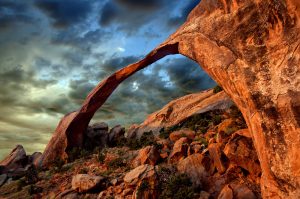
 

Narrow arch in Arches National Park

The largest arch within the park is Landscape Arch. Stretching an impressive length of about 306 feet (93 meters), Landscape Arch is one of the longest natural stone arches in the world.

Its delicate frame, with certain sections measuring only 6 feet (1.8 meters) in diameter, makes it a remarkable sight and a testament to the natural forces that shaped this landscape.

What is the easiest arch to see in the park?
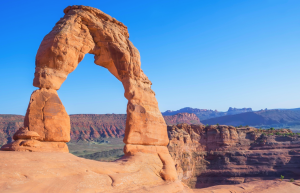
 

Delicate Arch Arches National Park

For visitors seeking an easily accessible and iconic feature of Arches National Park, Delicate Arch is the most straightforward to visit and undoubtedly one of the park’s most famous symbols.

Standing alone on the edge of a slickrock bowl with a dramatic backdrop of the La Sal Mountains, Delicate Arch is accessible via a 3-mile (4.8 km) round-trip hike that is considered moderate in difficulty.

Its solitary form, standing 46 feet (14 meters) high and 32 feet (9.8 meters) wide, has become synonymous with the state of Utah and offers one of the most recognizable and photographed scenes in the park.

How many arches are there in Arches National Park?

Arches National Park, a mesmerizing landscape sculpted by time, wind, and water, is home to over 2,000 natural stone arches.

This incredible concentration of natural arches, forged from the park’s Entrada and Navajo sandstone, creates a unique and awe-inspiring desert landscape that attracts visitors from around the globe.

What is the largest arch in Arches national park?


Narrow arch in Arches National Park

The largest arch within the park is Landscape Arch. Stretching an impressive length of about 306 feet (93 meters), Landscape Arch is one of the longest natural stone arches in the world.

Its delicate frame, with certain sections measuring only 6 feet (1.8 meters) in diameter, makes it a remarkable sight and a testament to the natural forces that shaped this landscape.

What is the easiest arch to see in the park?


Delicate Arch Arches National Park

For visitors seeking an easily accessible and iconic feature of Arches National Park, Delicate Arch is the most straightforward to visit and undoubtedly one of the park’s most famous symbols.

Standing alone on the edge of a slickrock bowl with a dramatic backdrop of the La Sal Mountains, Delicate Arch is accessible via a 3-mile (4.8 km) round-trip hike that is considered moderate in difficulty.

Its solitary form, standing 46 feet (14 meters) high and 32 feet (9.8 meters) wide, has become synonymous with the state of Utah and offers one of the most recognizable and photographed scenes in the park.

Sources