

About
Kenai Fjords National Park is located on the Kenai Peninsula in south-central Alaska in the United States and covers approximately 1,047 square miles (2,712 sq km). Established in 1980 through the Alaska National Interest Lands Conservation Act, the park protects one of the most spectacular glacial and coastal landscapes in North America.
It lies southeast of Anchorage and borders the Gulf of Alaska near the coastal community of Seward. Nearby protected areas include Lake Clark National Park and Preserve and Katmai National Park and Preserve. Kenai Fjords National Park preserves a dynamic landscape where glaciers, mountains, forests, and ocean ecosystems meet in dramatic fashion. It offers visitors one of the finest opportunities in the world to witness the power of ice shaping the natural environment.
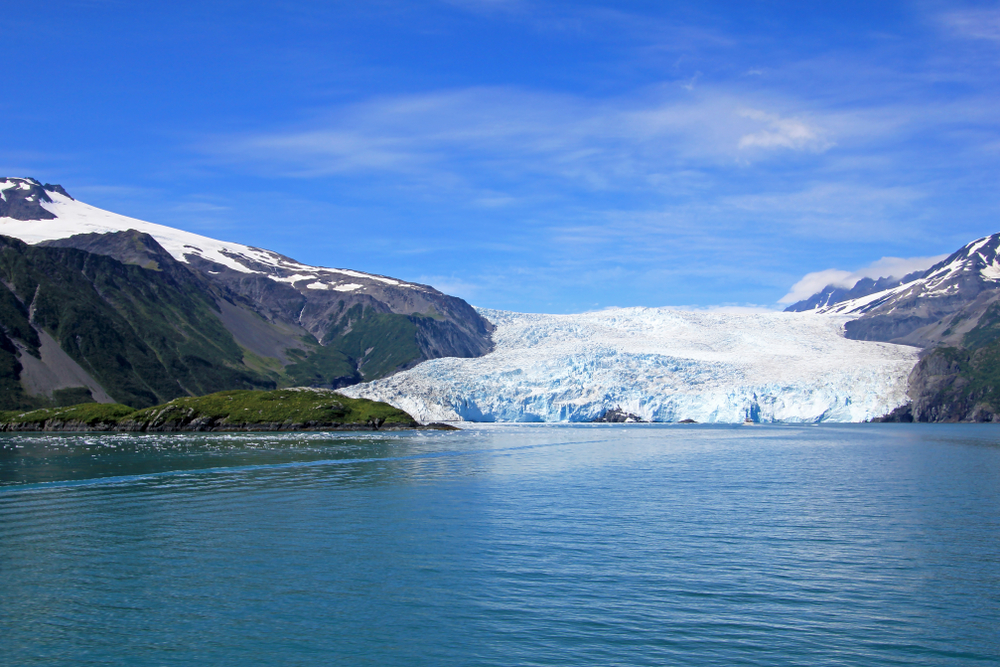
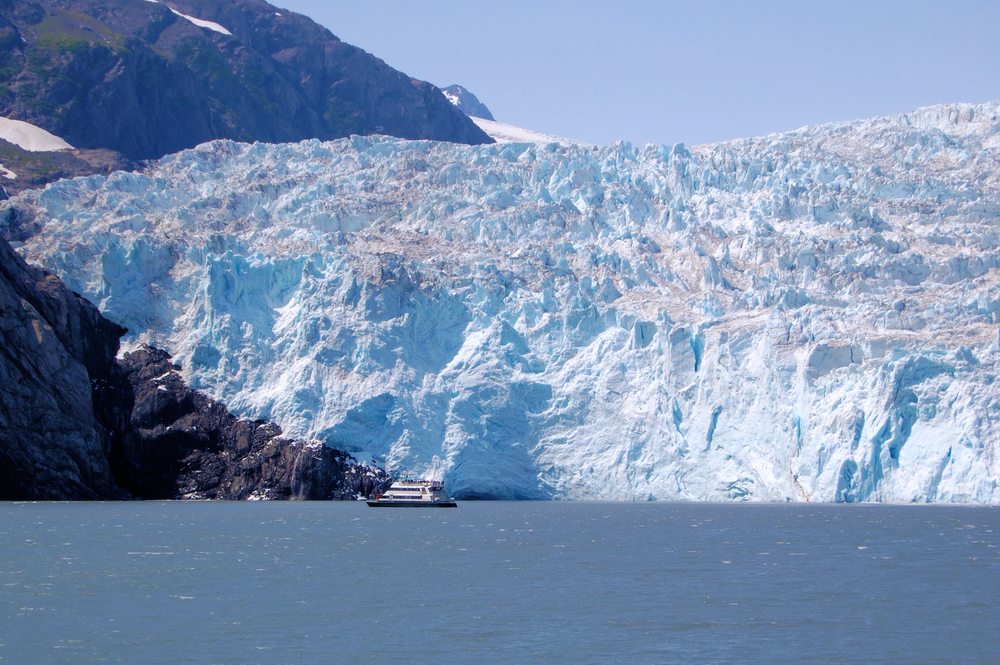
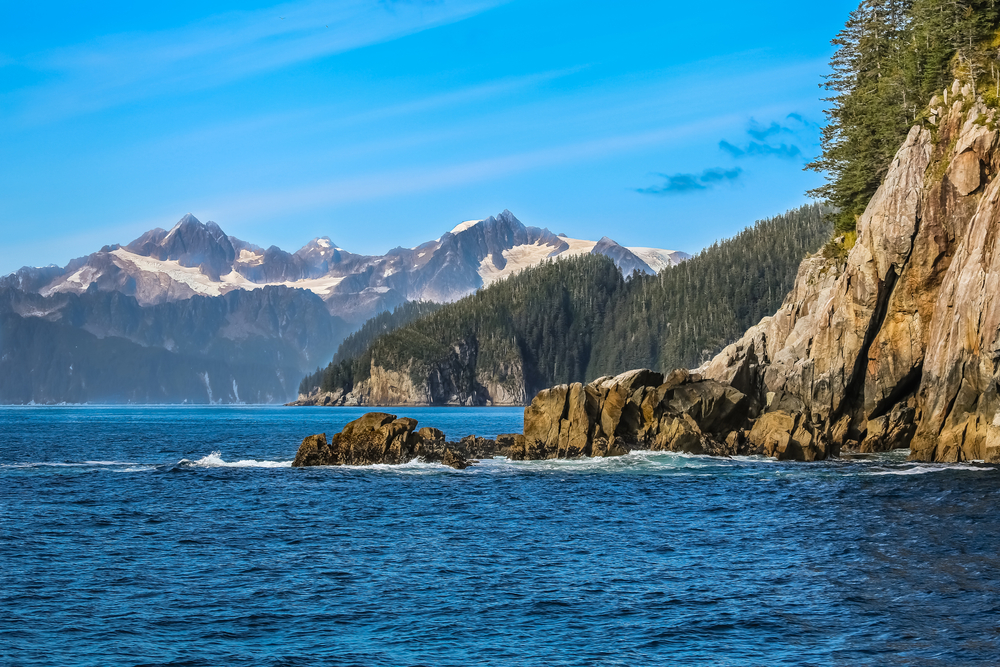
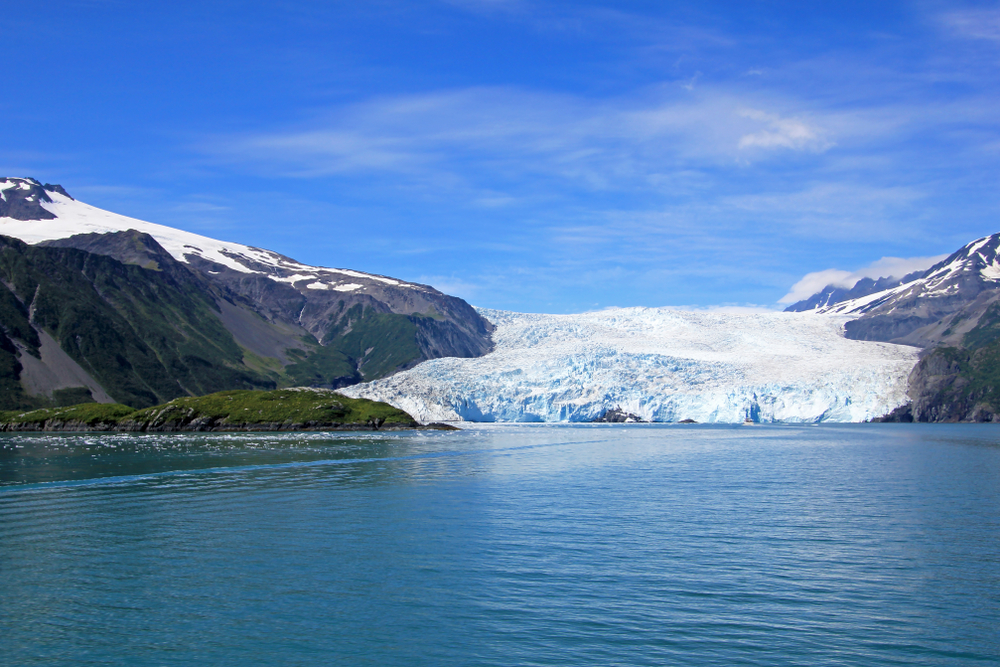
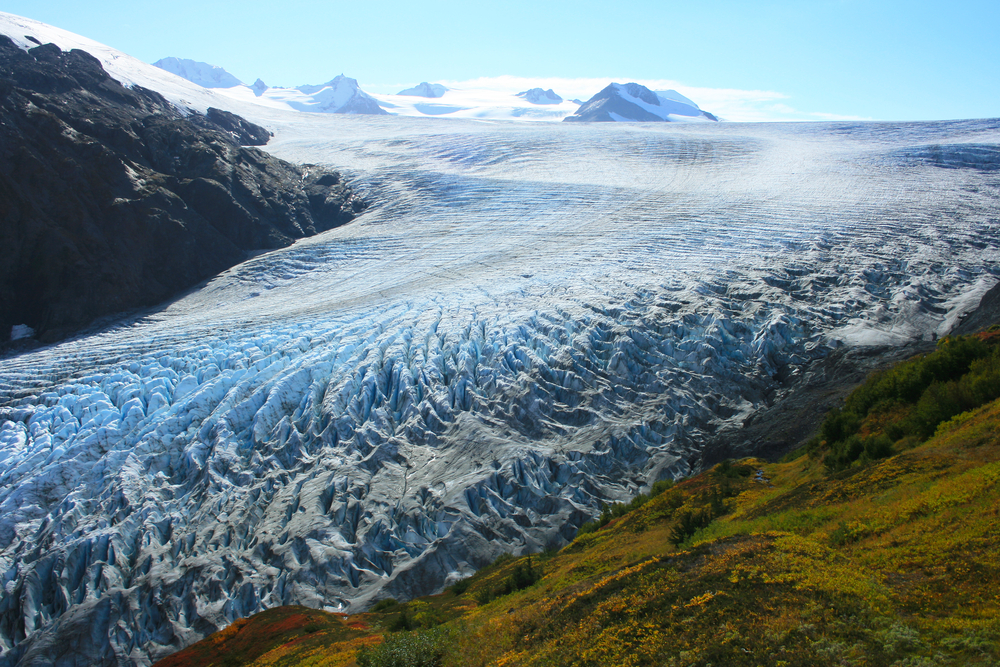
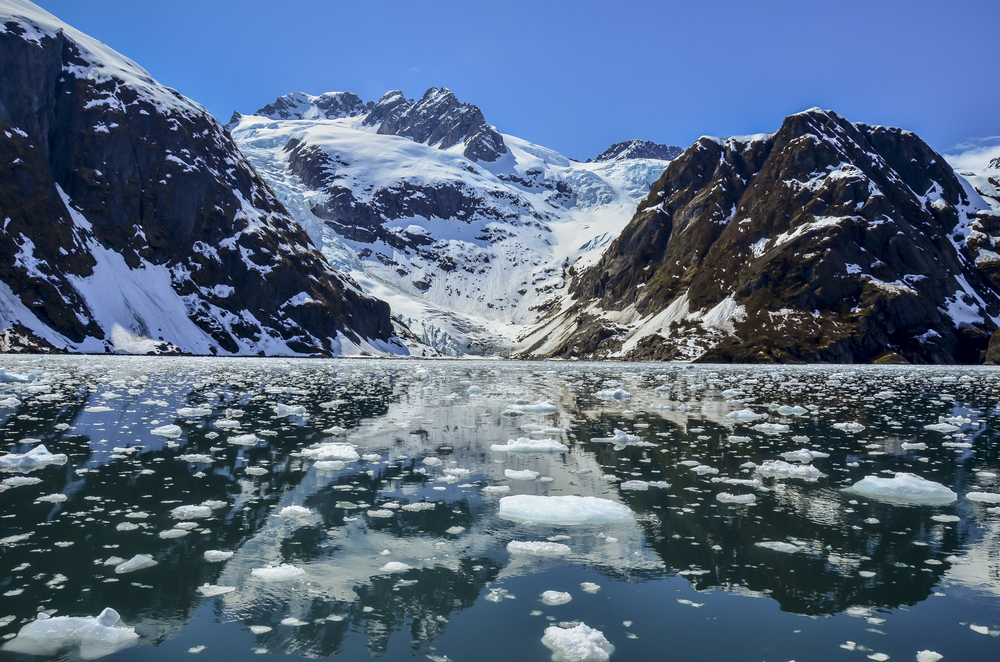
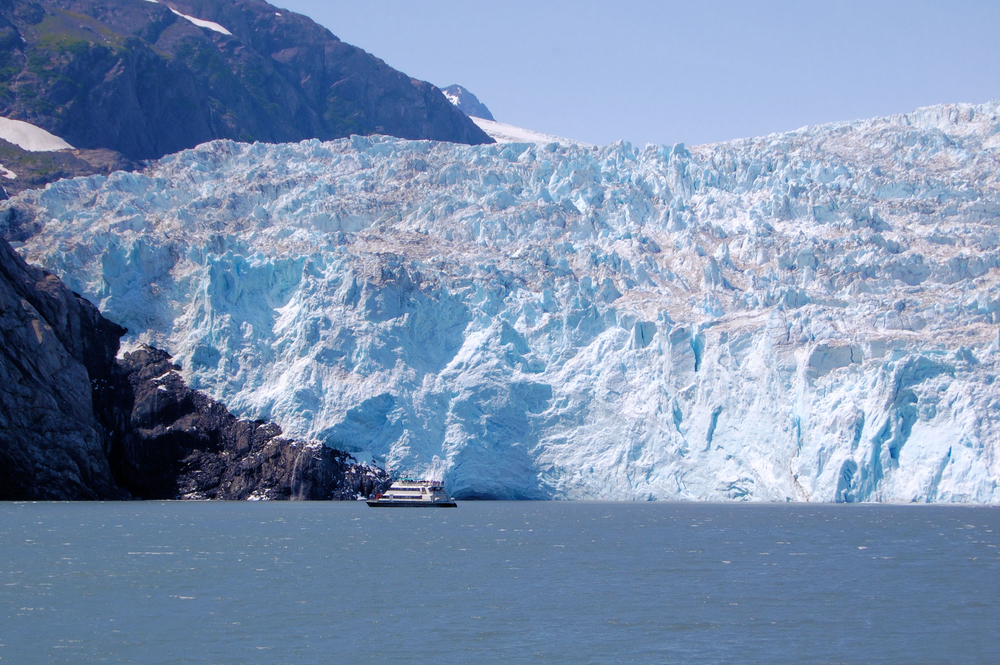
Kenai Fjords National Park is best known for its glaciers and spectacular fjords. More than half of the park is covered by ice, much of it originating from the immense Harding Icefield, one of the largest icefields in the United States. Visitors are drawn to towering tidewater glaciers that flow directly into the sea, where massive chunks of ice periodically break away in dramatic calving events.
Boat tours provide close-up views of glaciers, marine wildlife, and rugged coastal scenery. Popular activities include hiking, kayaking, wildlife viewing, photography, camping, and flightseeing. The combination of glacier-carved landscapes and abundant marine life creates an unforgettable experience that showcases the wild beauty of Alaska.
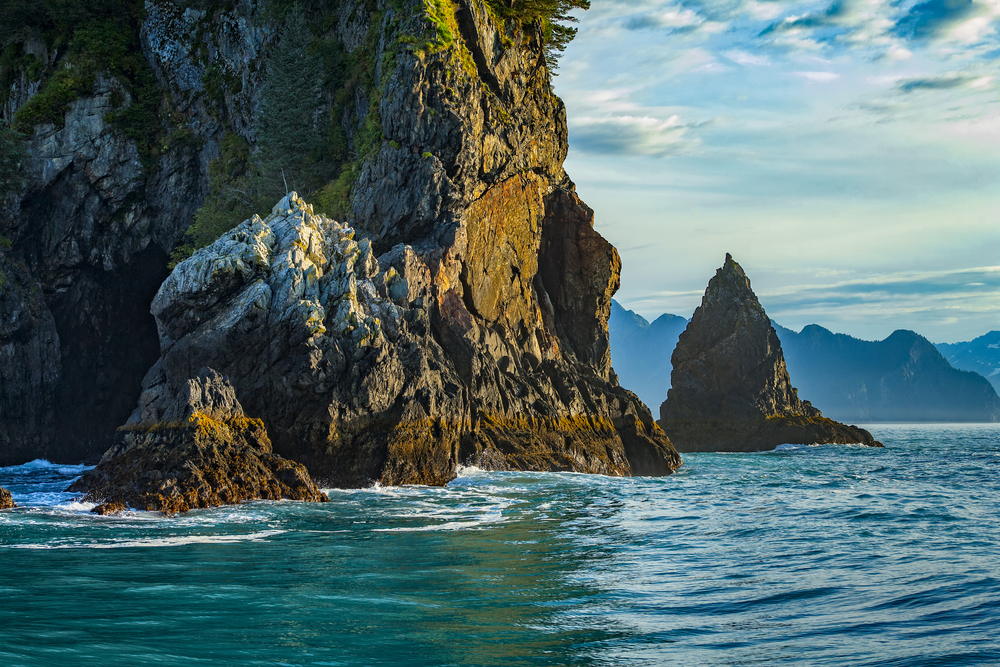
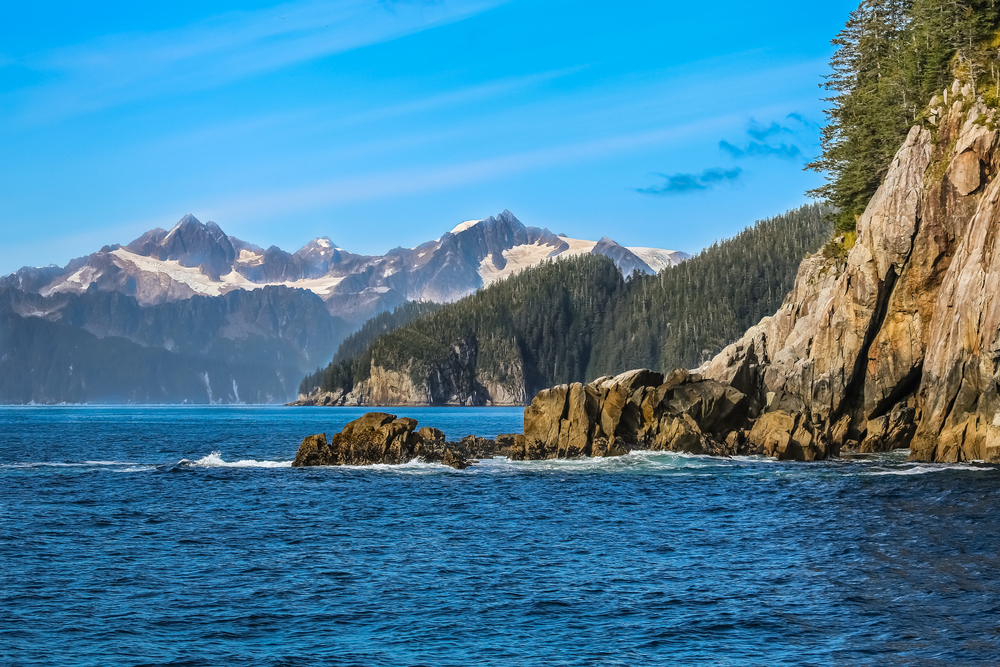
The geography of Kenai Fjords National Park reflects thousands of years of glacial activity. The Harding Icefield stretches across hundreds of square miles and feeds dozens of glaciers that descend through mountain valleys toward the coast. Deep fjords carved by advancing ice now form narrow inlets connected to the Gulf of Alaska. Jagged peaks rise above the ice and forests, creating dramatic scenery throughout the park.
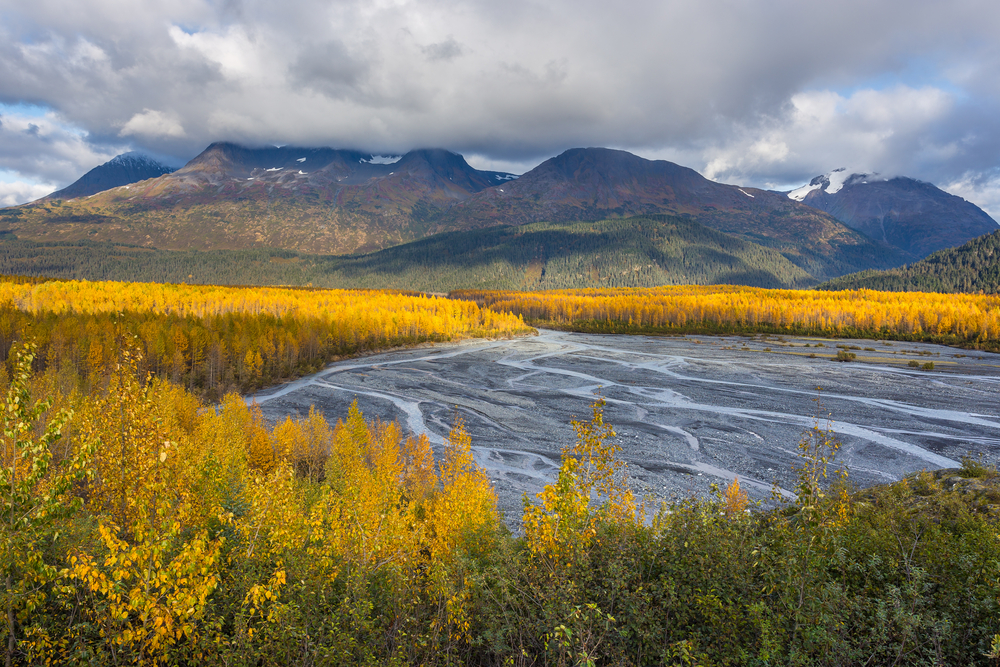
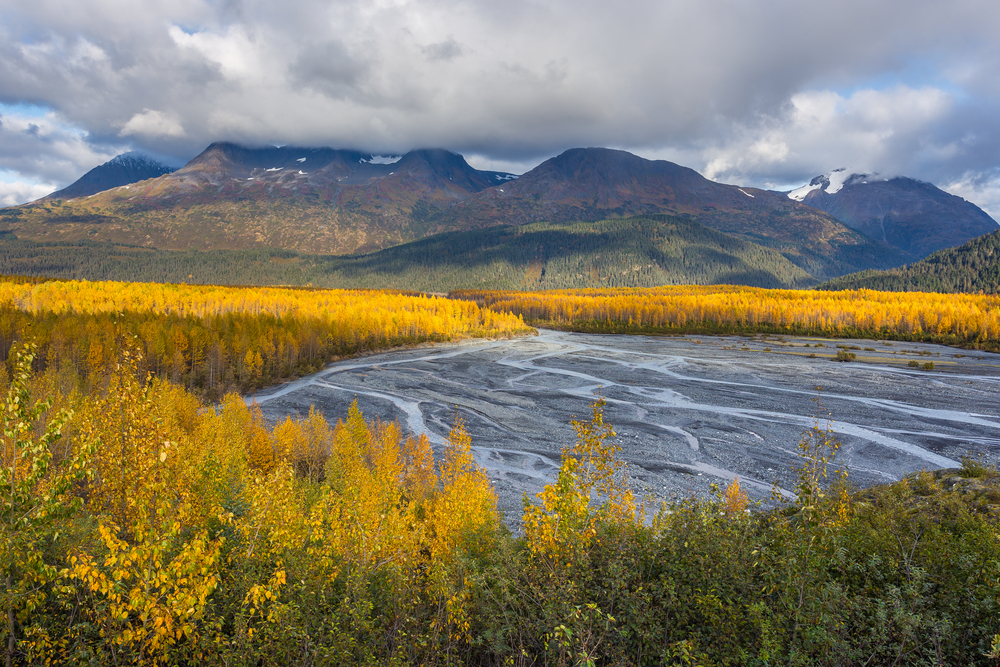
Elevations range from sea level to more than 6,000 feet (1,829 meters), producing diverse ecological zones. Coastal forests of Sitka spruce and western hemlock thrive at lower elevations, while alpine tundra and permanent ice dominate the higher terrain. Rivers, waterfalls, and glacial streams contribute to the park’s constantly changing landscape.
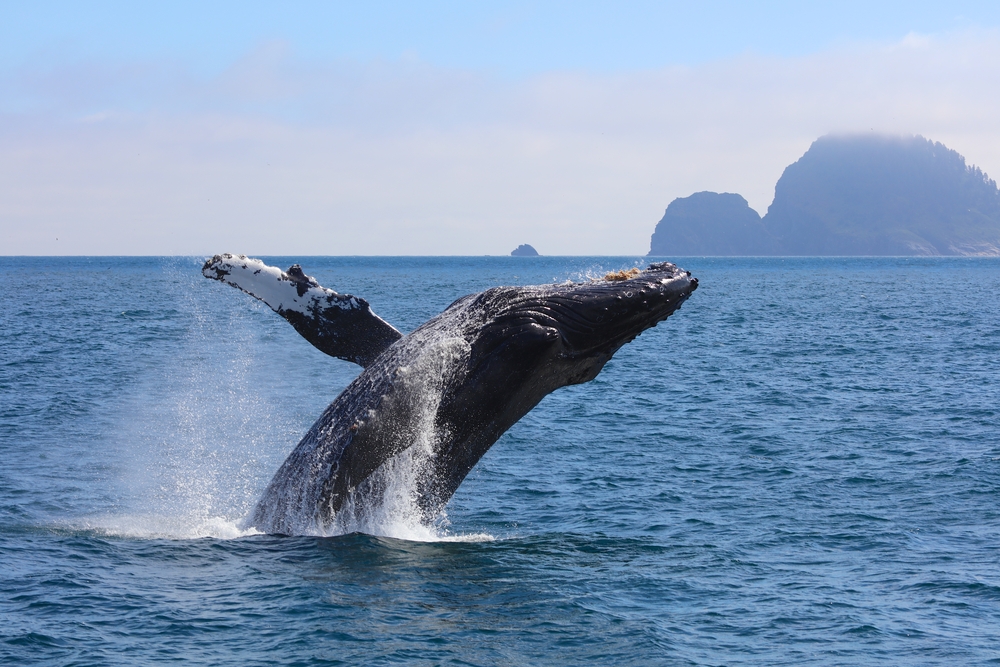
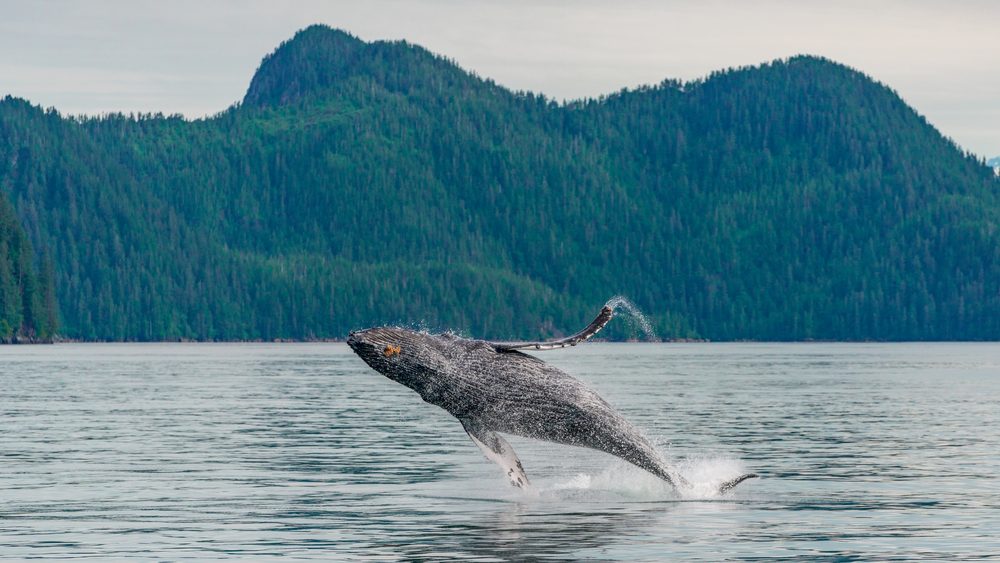
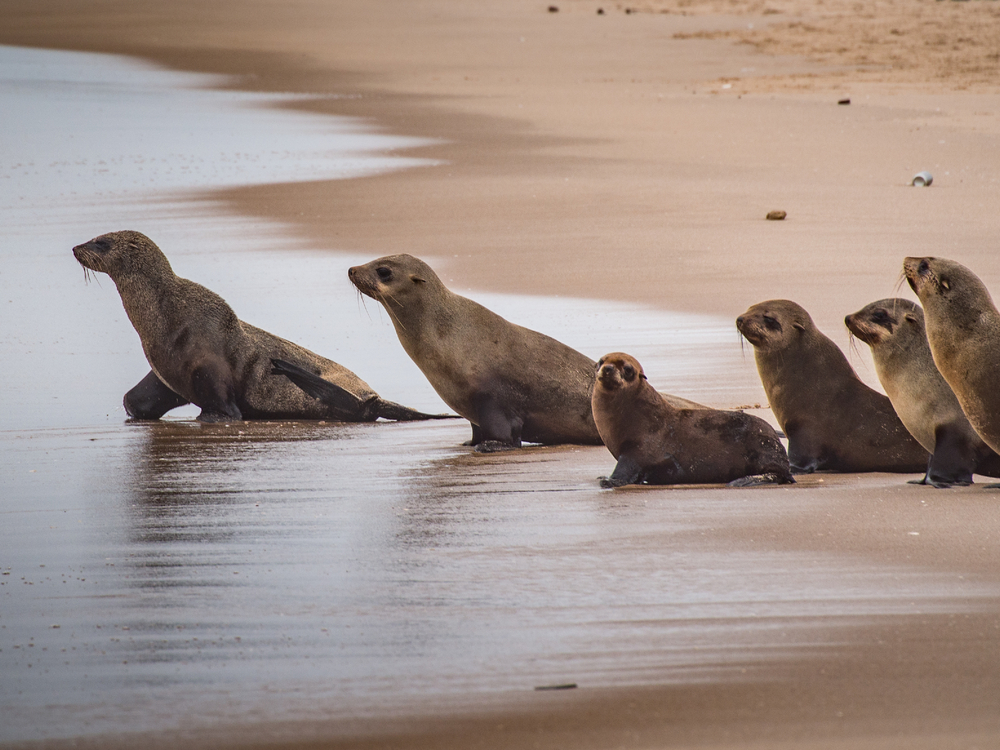
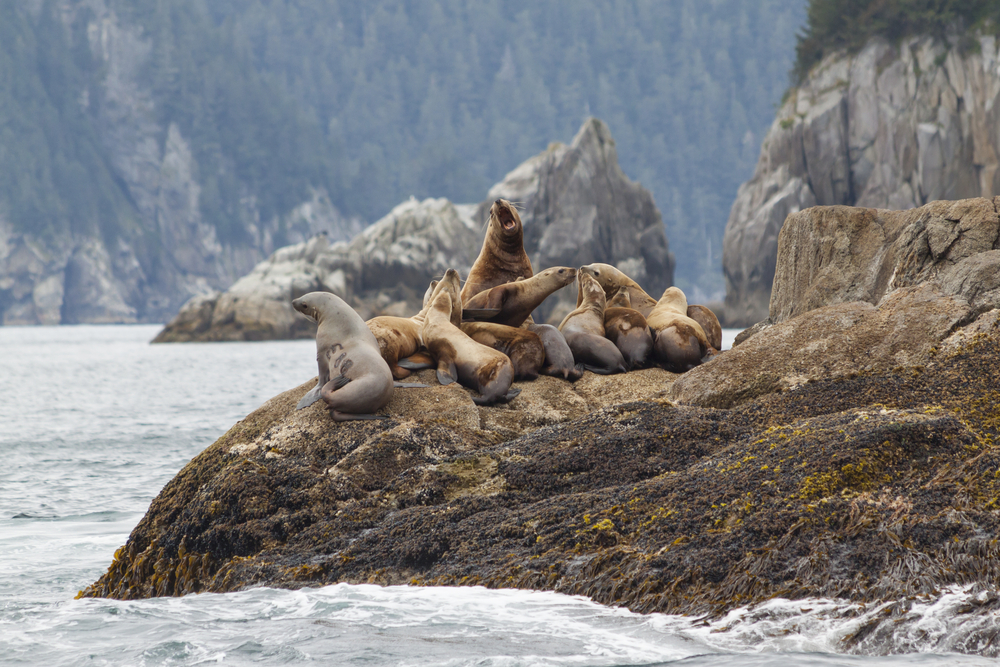
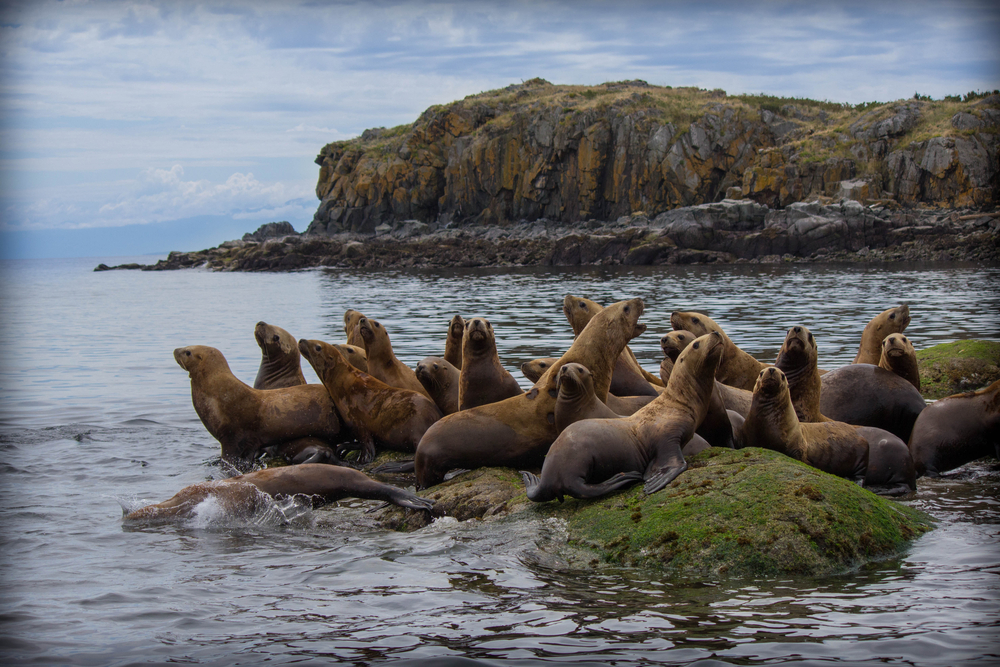
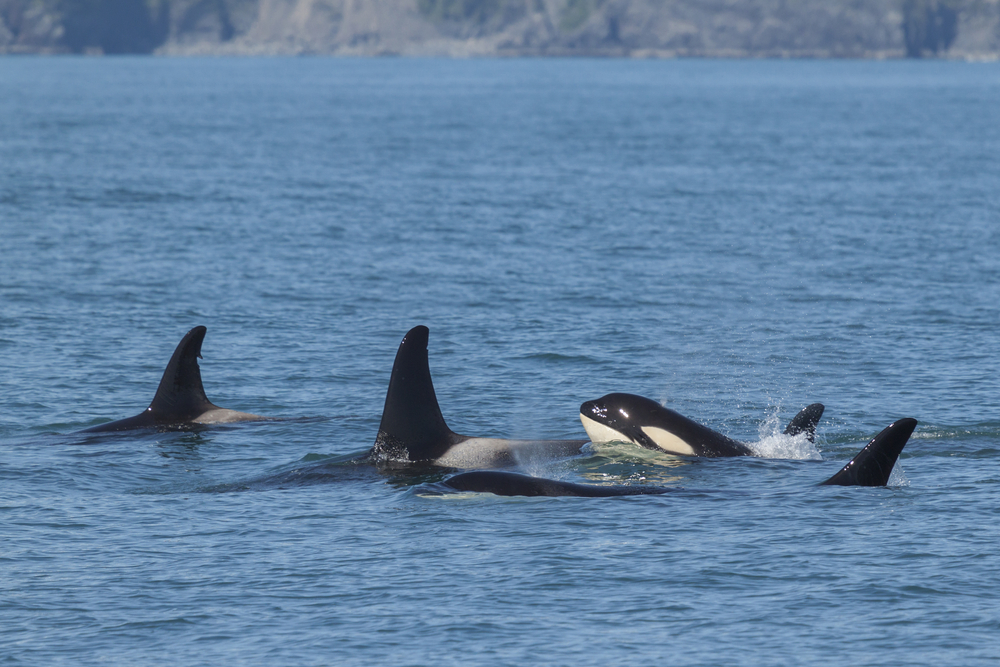
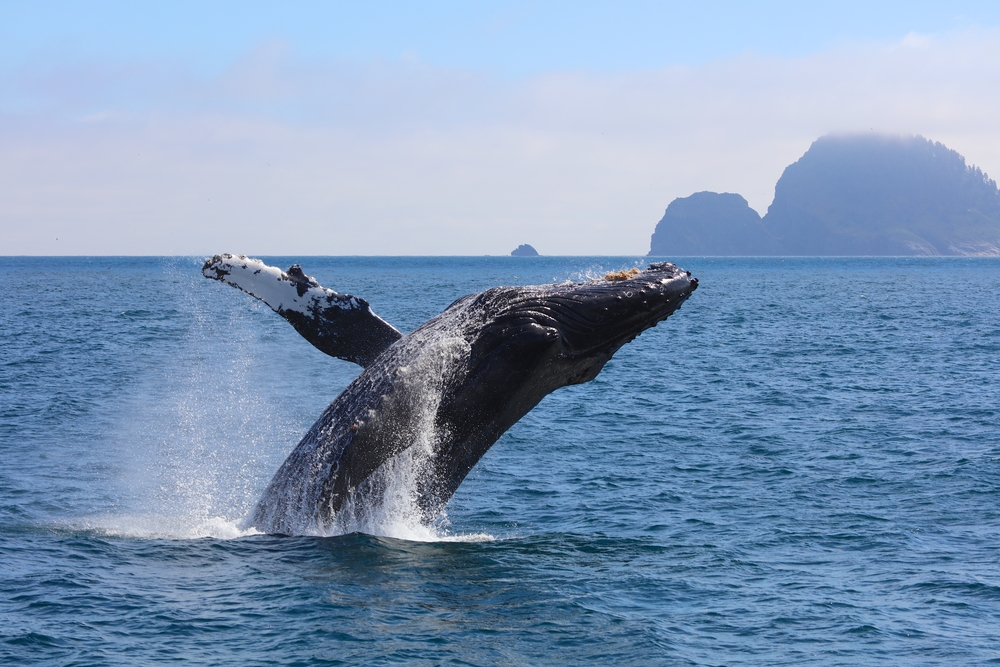
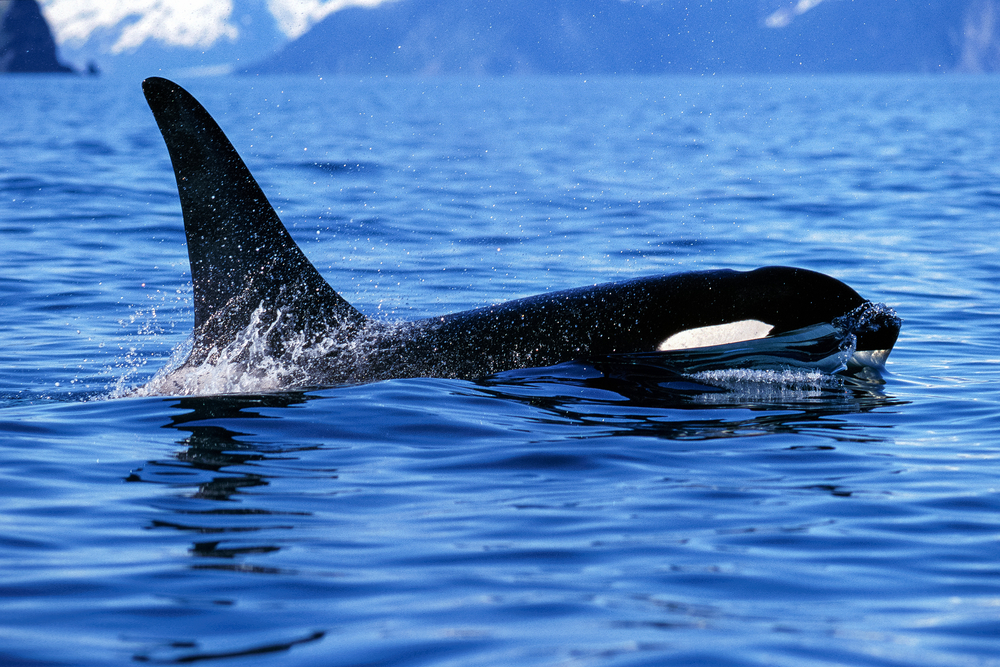
Wildlife within Kenai Fjords National Park is exceptionally rich due to the productive marine environment. The park is one of Alaska’s premier destinations for viewing marine mammals. Visitors commonly observe humpback whales, orcas, gray whales, sea otters, harbor seals, Steller sea lions, and Dall’s porpoises.
On land, black bears, mountain goats, moose, wolves, and marmots inhabit the park’s forests and mountains. Birdlife is equally impressive, with puffins, bald eagles, murres, kittiwakes, cormorants, and numerous seabirds nesting along the cliffs and coastlines. Salmon-rich waters support both marine and terrestrial ecosystems, linking ocean habitats with the surrounding landscape in a complex web of life.
Kenai Fjords National Park plays a critical role in protecting one of the most important glacial and marine ecosystems in North America. The park safeguards tidewater glaciers, old-growth coastal forests, productive marine habitats, and critical breeding and feeding grounds for wildlife. Conservation efforts focus on monitoring glacier retreat, preserving marine biodiversity, and protecting sensitive coastal environments.
Kenai Fjords is often compared to Glacier Bay National Park and Preserve and Fiordland National Park because of its spectacular fjords and glacier-dominated landscapes. Yet the accessibility of the Harding Icefield and the concentration of marine wildlife give Kenai Fjords a distinctive identity. Today, the park remains one of Alaska’s most treasured natural destinations, preserving a landscape where ice, ocean, mountains, and wildlife continue to shape one another in extraordinary ways.
Photos




Things to See
Things To Do
Engaging Kenai Fjords
Kenai Fjords National Park Trails
Kenai Fjords offers an array of hiking trails to explore the park and access the pristine nature of the area. Here are some of the more popular trails:

Park Protection
 Kenai Fjords National Park was created to protect the spectacular glacial landscapes, fjords, coastal ecosystems, and marine habitats of Alaska’s Kenai Peninsula. The park provides critical habitat for several species of conservation concern, including the threatened humpback whale and the endangered fin whale. Its waters support sea otters, Steller sea lions, harbor seals, orcas, and abundant seabird populations, while the surrounding forests and mountains provide habitat for black bears, mountain goats, and moose.
The park is especially significant for protecting the massive Harding Icefield, one of the largest icefields entirely within the United States. Nearly 40 glaciers flow from this vast reservoir of ice, shaping the park’s dramatic fjords and coastline. Together, Kenai Fjords National Park safeguards active glacial processes, rich marine ecosystems, and one of North America’s most spectacular coastal wilderness landscapes.
FAQ’s
What is Kenai Fjords National Park known for?
Kenai Fjords National Park, located in Alaska, is known for its stunning fjords, towering glaciers, and diverse wildlife. The park’s rugged coastline is characterized by deep fjords carved by ancient glaciers, which provide breathtaking vistas of icy cliffs, sparkling waters, and towering mountains.
Visitors come to Kenai Fjords to explore its pristine wilderness and witness the dramatic forces of nature at work. The park is also renowned for its abundant wildlife, including whales, sea otters, seals, and seabirds, making it a popular destination for wildlife viewing and photography.
Additionally, Kenai Fjords offers opportunities for hiking, kayaking, and boat tours, allowing visitors to immerse themselves in the park’s natural beauty and experience the wonders of Alaska’s wilderness..
What is the main reason people visit Kenai Fjords National Park?
Kenai Fjords National Park is primarily visited for its spectacular glaciers, dramatic fjords, abundant marine wildlife, and breathtaking coastal scenery. Located on Alaska’s Kenai Peninsula, the park protects nearly 670,000 acres of rugged mountains, icefields, glaciers, forests, and marine waters.
Visitors come to witness tidewater glaciers calving into the sea, watch whales and sea otters, kayak among fjords, hike to glaciers, and experience one of the most accessible glacier environments in Alaska.
What animals can visitors hope to see in Kenai Fjords National Park?
Kenai Fjords National Park supports approximately 40 mammal species and relatively few reptiles and amphibians due to its cold maritime climate. The park is especially known for its marine mammals and coastal wildlife.
Some of the most notable animals found in Kenai Fjords National Park include:
- Brown Bear
- Black Bear
- Gray Wolf
- Moose
- Mountain Goat
- Sitka Black-tailed Deer
- Canada Lynx
- Wolverine
- River Otter
- Sea Otter
- American Beaver
- Mink
- Marten
- Ermine
- Snowshoe Hare
- Red Squirrel
- Northern Flying Squirrel
- Deer Mouse
- Meadow Vole
- Northern Red-backed Vole
- Harbor Seal
- Steller Sea Lion
- Northern Fur Seal
- Harbor Porpoise
- Dall’s Porpoise
- Pacific White-sided Dolphin
- Humpback Whale
- Killer Whale (Orca)
- Gray Whale
- Minke Whale
- Fin Whale
- Sea Lion Pup
- Harbor Seal Pup
- Porcupine
- Water Shrew
- Masked Shrew
- Little Brown Bat
- Hoary Bat
- Silver-haired Bat
- Various Small Mammals
- Pacific Salmon Species
- Rainbow Trout
- Dolly Varden
- Arctic Char
- Halibut
- Rockfish Species
- Lingcod
- Pacific Cod
- Herring
- Various Marine Fish Species
What birds can visitors hope to see in Kenai Fjords National Park?
Kenai Fjords National Park is home to more than 190 bird species. The park’s fjords, coastal cliffs, islands, forests, and marine waters support one of Alaska’s richest seabird communities.
Some of the most popular birds seen in Kenai Fjords National Park include:
- Bald Eagle
- Golden Eagle
- Peregrine Falcon
- Merlin
- Northern Harrier
- Great Horned Owl
- Short-eared Owl
- Common Raven
- Gray Jay
- Boreal Chickadee
- American Robin
- Hermit Thrush
- Varied Thrush
- Red-breasted Nuthatch
- Brown Creeper
- Pacific Wren
- Pine Grosbeak
- Common Redpoll
- Pine Siskin
- White-winged Crossbill
- Red Crossbill
- Dark-eyed Junco
- Fox Sparrow
- Savannah Sparrow
- White-crowned Sparrow
- Yellow Warbler
- Wilson’s Warbler
- Sandhill Crane
- Trumpeter Swan
- Canada Goose
- Harlequin Duck
- Common Goldeneye
- Barrow’s Goldeneye
- Surf Scoter
- Black Scoter
- Common Merganser
- Red-breasted Merganser
- Great Blue Heron
- Black-legged Kittiwake
- Glaucous-winged Gull
- Herring Gull
- Arctic Tern
- Common Tern
- Tufted Puffin
- Horned Puffin
- Rhinoceros Auklet
- Common Murre
- Thick-billed Murre
- Pigeon Guillemot
- Marbled Murrelet
Is Kenai Fjords National Park worth visiting?
Yes, Kenai Fjords National Park is absolutely worth visiting and is widely regarded as one of Alaska’s most spectacular national parks.
The park offers incredible glacier viewing, abundant marine wildlife, scenic boat tours, sea kayaking, hiking opportunities, and stunning coastal landscapes. Many visitors consider Kenai Fjords one of the best places in North America to experience glaciers and marine ecosystems in a relatively accessible setting.
The primary hesitation is that much of the park can only be accessed by boat or aircraft, which can increase travel costs.
What is the best time to visit Kenai Fjords National Park?
The best time to visit Kenai Fjords National Park is from June through early September.
Typical conditions include:
- June: 45–65°F (7–18°C)
- July: 50–70°F (10–21°C)
- August: 50–68°F (10–20°C)
- September: 40–60°F (4–16°C)
During this period:
- Boat tours operate regularly.
- Wildlife viewing is excellent.
- Glaciers are easily accessible.
- Hiking trails are generally snow-free.
- Daylight hours are long.
July and August typically offer the warmest weather and best wildlife viewing opportunities.
How many days do you need to visit Kenai Fjords National Park?
Most visitors should plan for 2 to 3 days.
- 1 day: Exit Glacier and a fjord boat tour.
- 2 days: Wildlife cruises and hiking.
- 3 days: Kayaking, glacier exploration, and marine wildlife viewing.
- 4+ days: Multi-day kayaking expeditions and backcountry adventures.
Longer stays allow visitors to experience both the coastal and glacier regions of the park.
How do you get to Kenai Fjords National Park?
Kenai Fjords National Park is one of Alaska’s most accessible national parks and is centered around the coastal community of Seward.
Most visitors begin by flying into Ted Stevens Anchorage International Airport, which serves as Alaska’s primary transportation hub.
The most common route is:
- Fly into Anchorage.
- Travel approximately 125 miles (201 km) south to Seward.
- Enter the park through the Exit Glacier area or join a marine tour departing from Seward Harbor.
Visitors have several options for traveling between Anchorage and Seward:
By Car
Driving is the most popular option. The scenic Seward Highway is considered one of the most beautiful drives in North America. The trip typically takes 2.5 to 3 hours and passes dramatic mountain scenery, glaciers, waterfalls, forests, and coastal views along Turnagain Arm.
By Train
The Alaska Railroad offers daily summer service between Anchorage and Seward. The journey takes approximately 4 hours and is widely regarded as one of the most scenic train rides in North America.
By Bus or Shuttle
Several private shuttle companies operate daily service between Anchorage and Seward during the summer tourist season.
Accessing the Park
Once in Seward, visitors can access the park in two primary ways:
Exit Glacier Area
- Approximately 12 miles (19 km) from downtown Seward.
- Accessible by paved road.
- The only portion of the park accessible by automobile.
- Offers hiking trails, glacier viewpoints, and ranger programs.
Marine Fjord Region
- Accessible only by boat, kayak, or aircraft.
- Most visitors join wildlife and glacier cruises departing directly from Seward Harbor.
- Tours typically range from 4 to 9 hours and visit tidewater glaciers, wildlife colonies, and remote fjords.
Travel times from major locations:
- Anchorage to Seward: 2.5–3 hours by car.
- Anchorage to Seward: approximately 4 hours by train.
- Seward to Exit Glacier: approximately 20 minutes by vehicle.
- Seward Harbor to major glacier viewing areas: approximately 2–4 hours by boat depending on destination.
Because wildlife cruises and lodging can fill quickly during summer, advance reservations are strongly recommended.
Who is involved in protecting and supporting Kenai Fjords National Park?
Several organizations help protect and support Kenai Fjords National Park:
- National Park Service – manages Kenai Fjords National Park.
- Alaska Geographic – supports education and interpretation programs.
- National Park Foundation – supports projects throughout the National Park System.
- Alaska SeaLife Center – supports marine research and conservation efforts.
- The Alutiiq People and other Indigenous communities who maintain longstanding cultural ties to the region.
What is the most famous glacier in Kenai Fjords National Park?
Exit Glacier is the park’s most famous and most accessible glacier. It is the only area of the park that can be reached by road.
Can you see whales in Kenai Fjords National Park?
Yes. Kenai Fjords is one of Alaska’s premier whale-watching destinations. Visitors frequently observe Humpback Whale, orcas, gray whales, and other marine mammals during boat tours.
Sources
- Alaska, Exit Glacier, https://www.alaska.org/detail/visit-exit-glacier, retrieved June 2020.
- Alaska, Kenai Fjords Britannica, Kenai Fjords National Park, https://www.britannica.com/place/Kenai-Fjords-National-Park, retrieved June 2020.
- All Trails, Best trails in Kenai Fjords National Park, https://www.alltrails.com/parks/us/alaska/kenai-fjords-national-park, retrieved June 2020.
- Anchorage Daily News, Harding Icefield loses mass; Exit Glacier shows big one-year retreat, https://www.adn.com/science/article/harding-icefield-loses-mass-exit-glacier-shows-big-one-year-retreat/2014/10/27/, retrieved June 2020.
- Britannica, Kenai Peninsula, https://www.britannica.com/place/Kenai-Peninsula, retrieved June 2020.
- National Geographic, Complete National Parks of the United States, National Geographic Publishing, Washington DC.
- National Geographic, Guide to the National Parks of the United States, National Geographic Society, 2003.
- National Geographic, National Parks of North America, Canada-United States-Mexico, National Geographic Society, 1995.
- National Park Service, Bryce Canyon, https://www.nps.gov/kefj/index.htm, retrieved June 2020.
- Travel Alaska, Kenai Fjords National Park, https://www.travelalaska.com/Destinations/Parks-and-Public-Lands/Kenai-Fjords-National-Park.aspx, retrieved June 2020.