

About
Joshua Tree National Park is located in southeastern California where the Mojave and Colorado deserts converge. Established as a national monument in 1936 and redesignated as a national park in 1994, the park encompasses approximately 1,235 square miles (3,200 sq km) of rugged desert wilderness.
Named after the distinctive Joshua tree that dominates much of the landscape, the park protects a remarkable blend of desert ecosystems, granite mountains, ancient rock formations, and unique plant and animal communities. Its striking scenery and accessibility from Southern California have made it one of the most visited national parks in the United States.
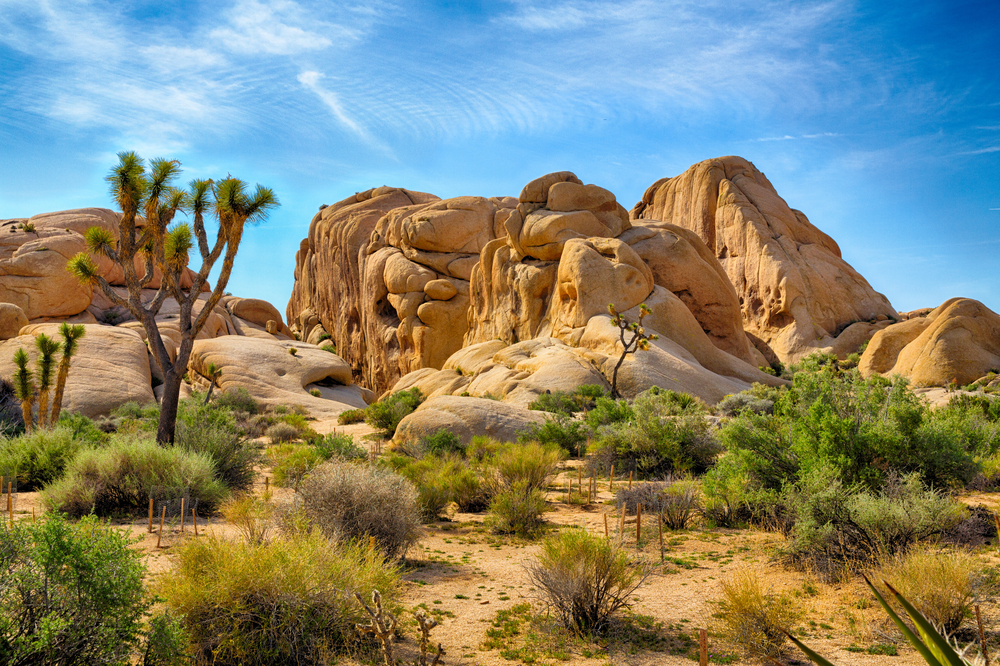
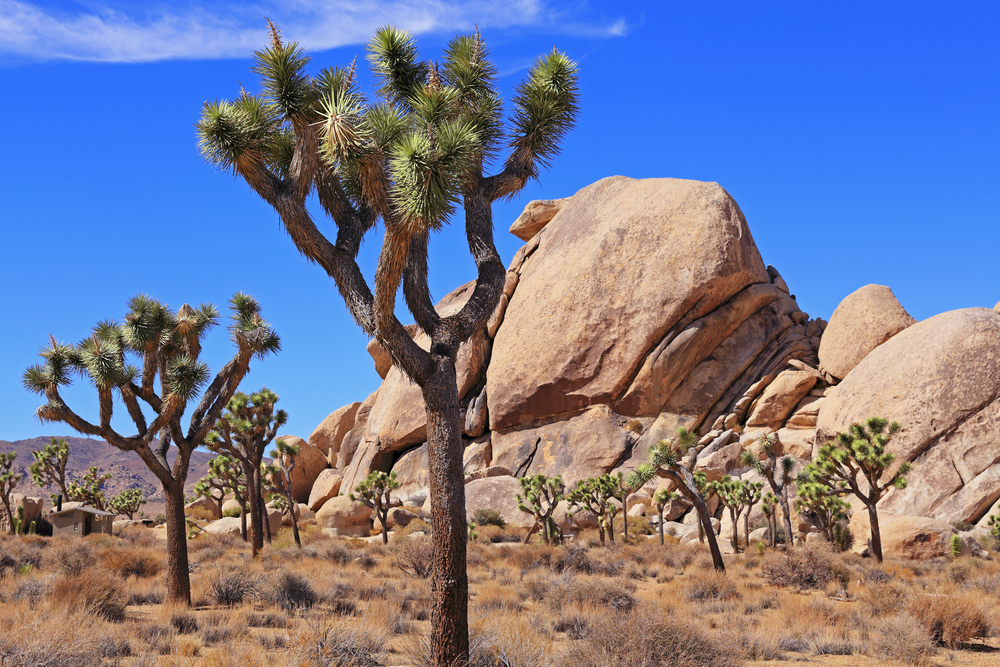
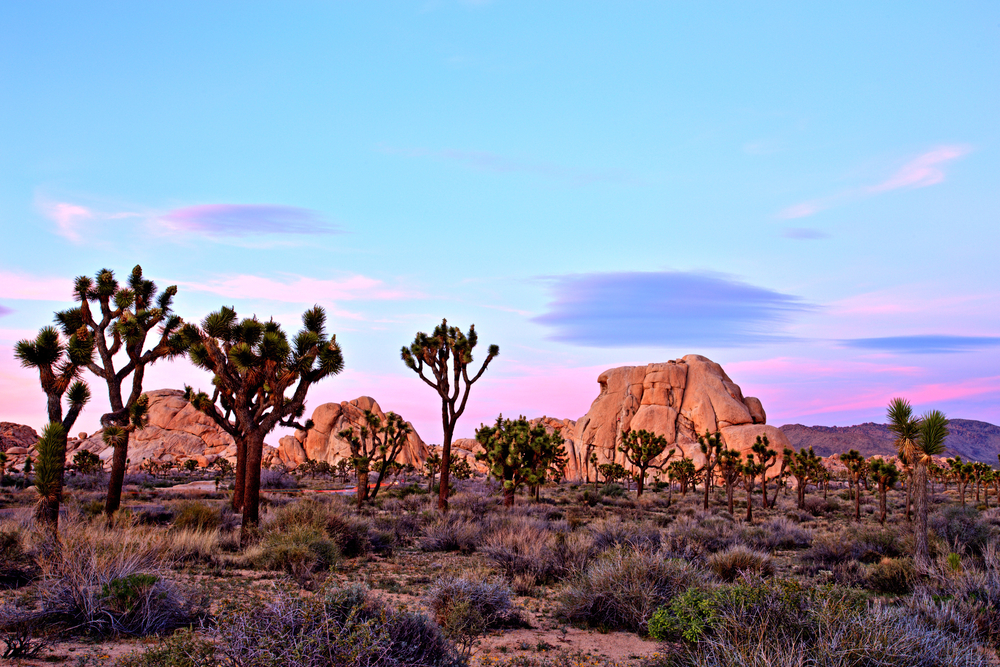
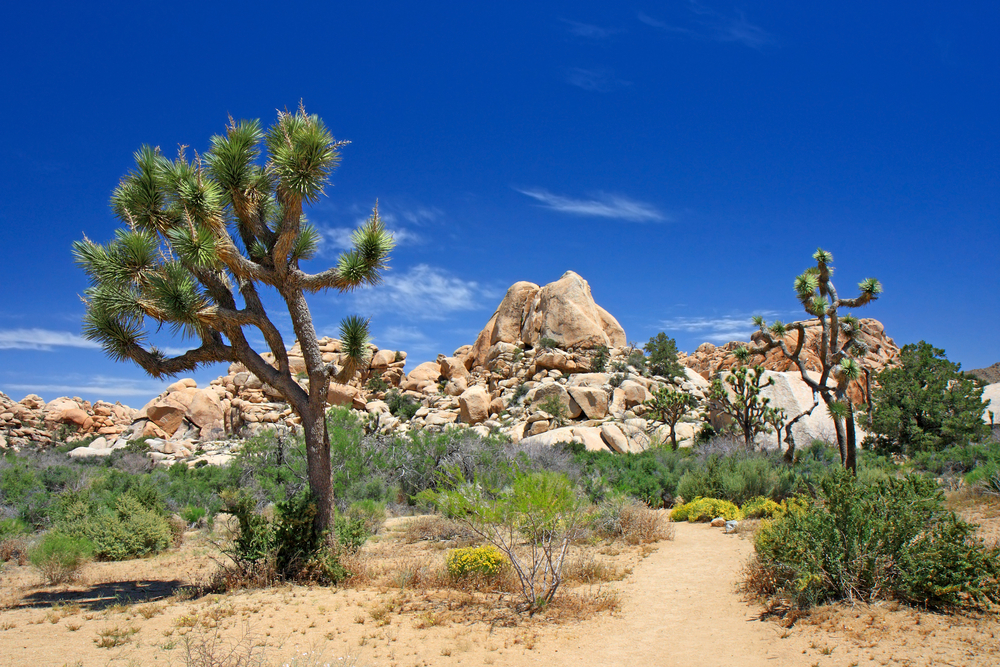
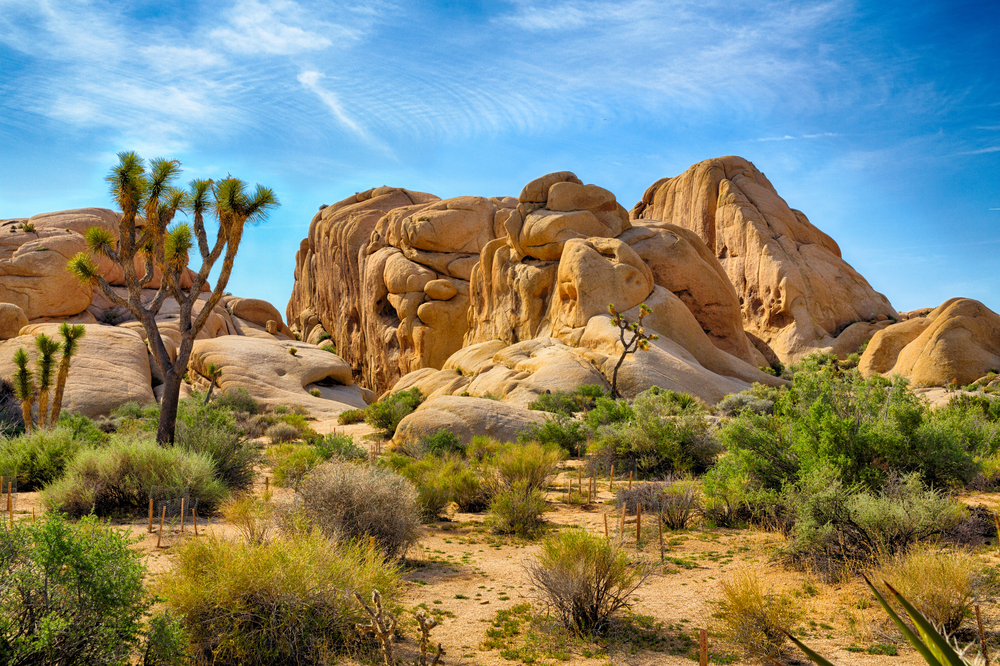
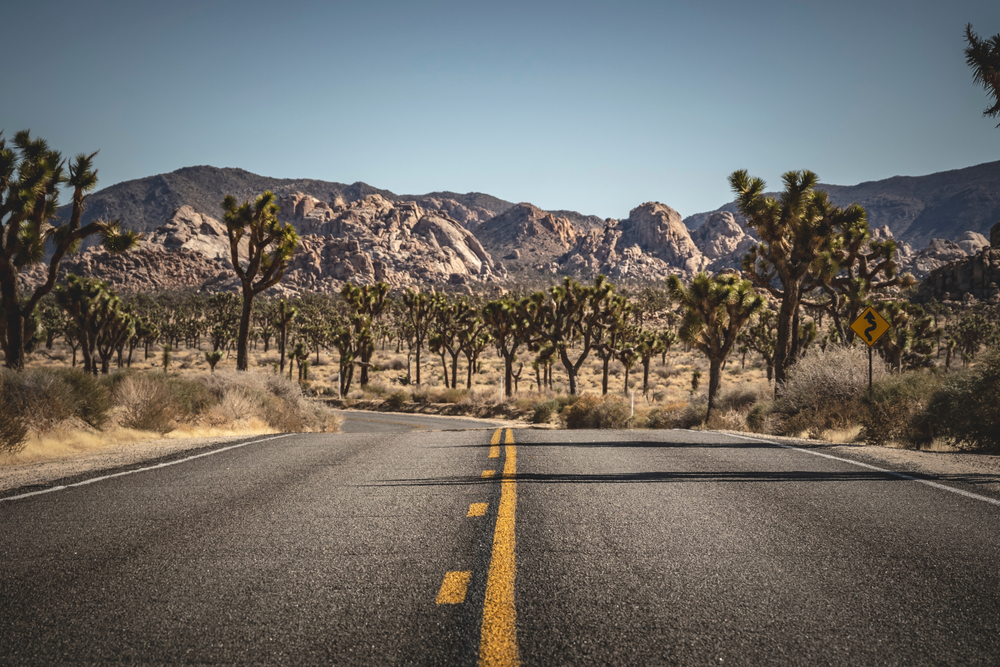
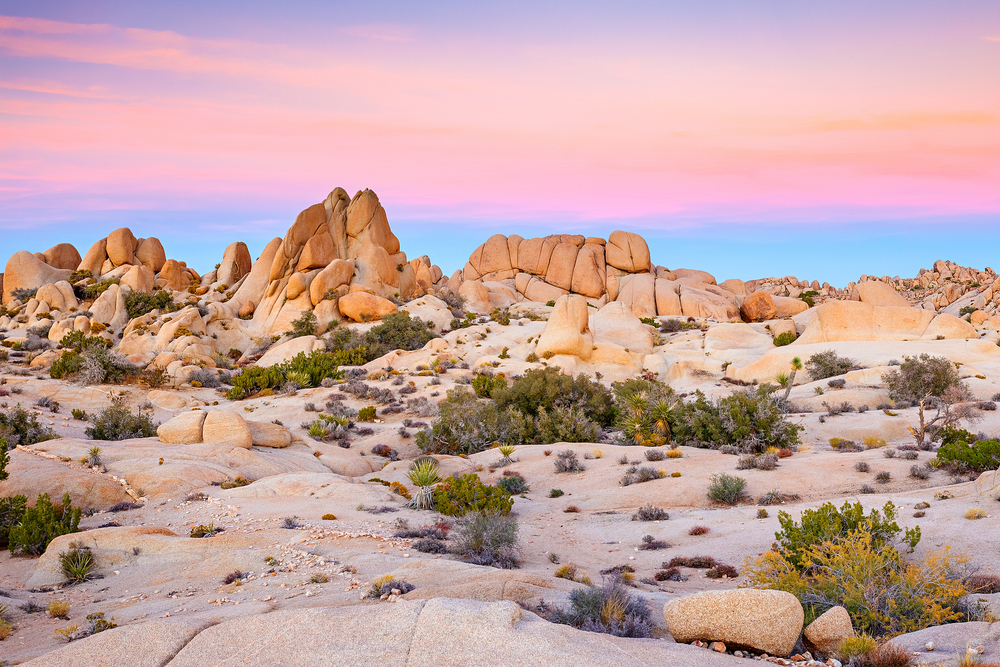
The park is best known for its iconic Joshua Tree forests and surreal desert landscapes. Visitors are drawn to vast expanses of Joshua trees, enormous granite boulder formations, dramatic sunsets, and some of the best rock climbing opportunities in North America.
Popular destinations include Hidden Valley, a scenic valley surrounded by massive rock formations; Keys View, which offers sweeping views of the Coachella Valley and Salton Sea; and Skull Rock, a naturally sculpted granite formation. Hiking, camping, stargazing, photography, wildlife observation, and rock climbing are among the park’s most popular activities.
Geographically, Joshua Tree National Park lies at the meeting point of two distinct desert ecosystems. The higher-elevation Mojave Desert supports Joshua tree woodlands and cooler temperatures, while the lower-elevation Colorado Desert features creosote scrub, ocotillo, cholla cactus, and warmer conditions.
Elevations range from below 1,000 feet (300 m) in the eastern desert to over 5,800 feet (1,770 m) atop mountain ridges. The landscape is characterized by granite monoliths, desert basins, dry washes, rugged mountains, and volcanic remnants. Seasonal wildflower blooms occasionally transform portions of the desert into colorful displays following periods of sufficient rainfall.
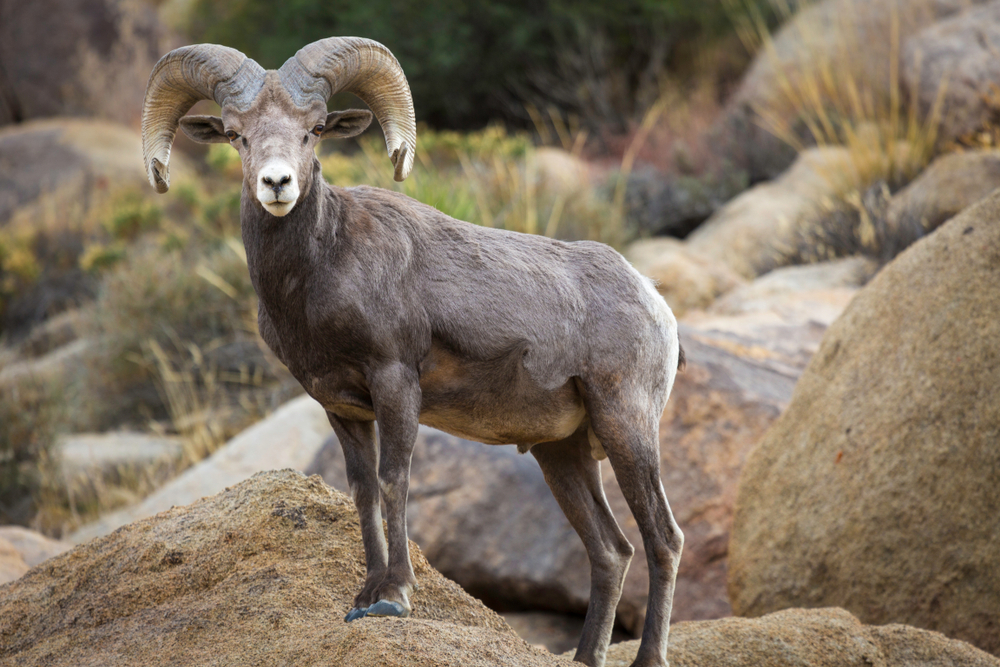
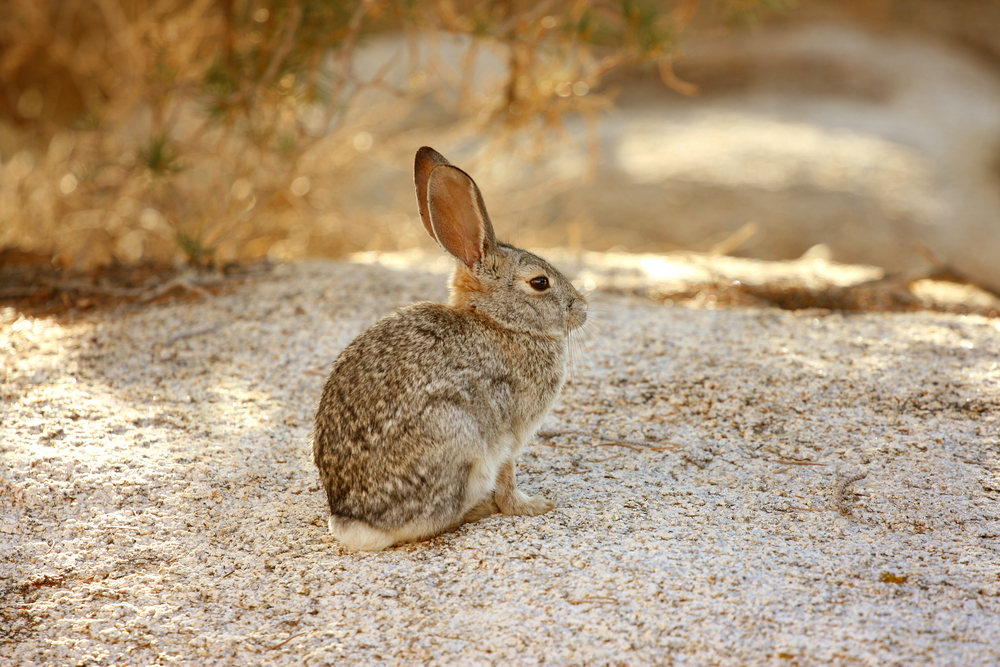
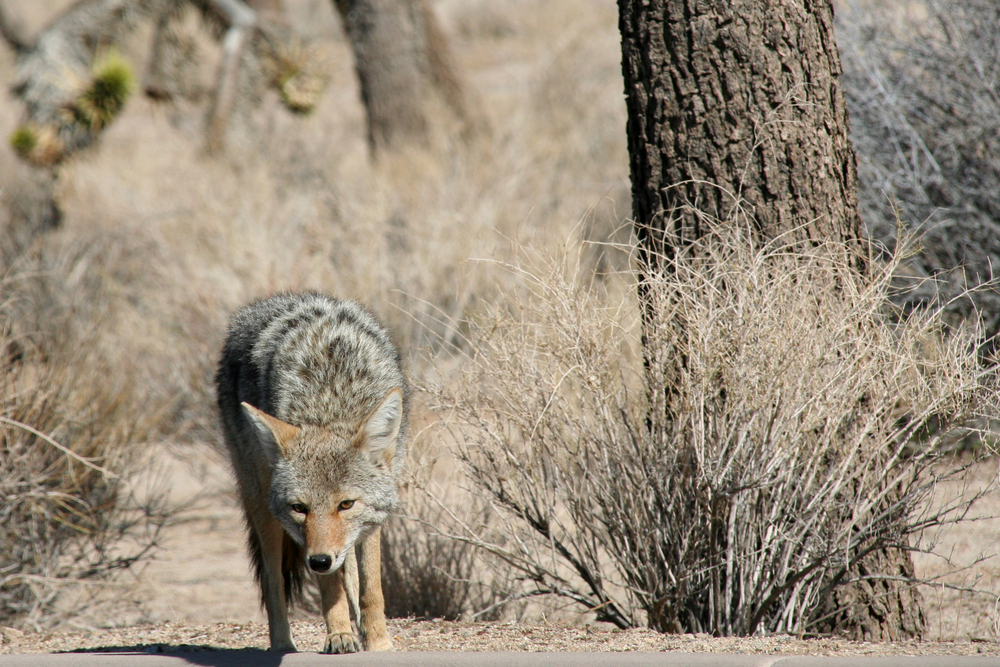
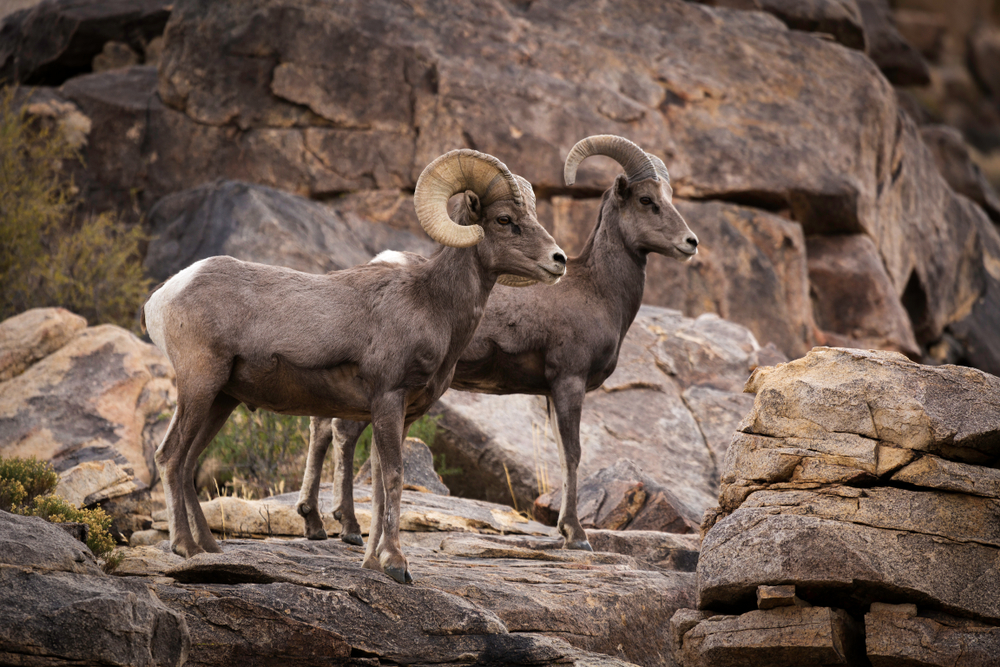
Wildlife within Joshua Tree National Park is highly adapted to desert conditions. Mammals include coyotes, bobcats, desert cottontails, black-tailed jackrabbits, kangaroo rats, bighorn sheep, and kit foxes. Birdlife is diverse, with greater roadrunners, cactus wrens, golden eagles, red-tailed hawks, Gambel’s quail, and numerous migratory species inhabiting the park.
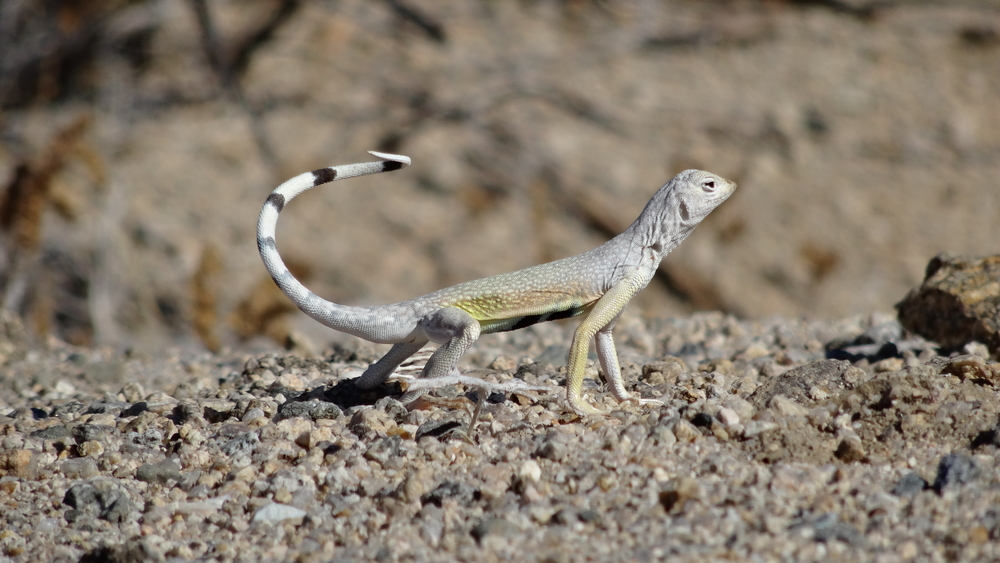
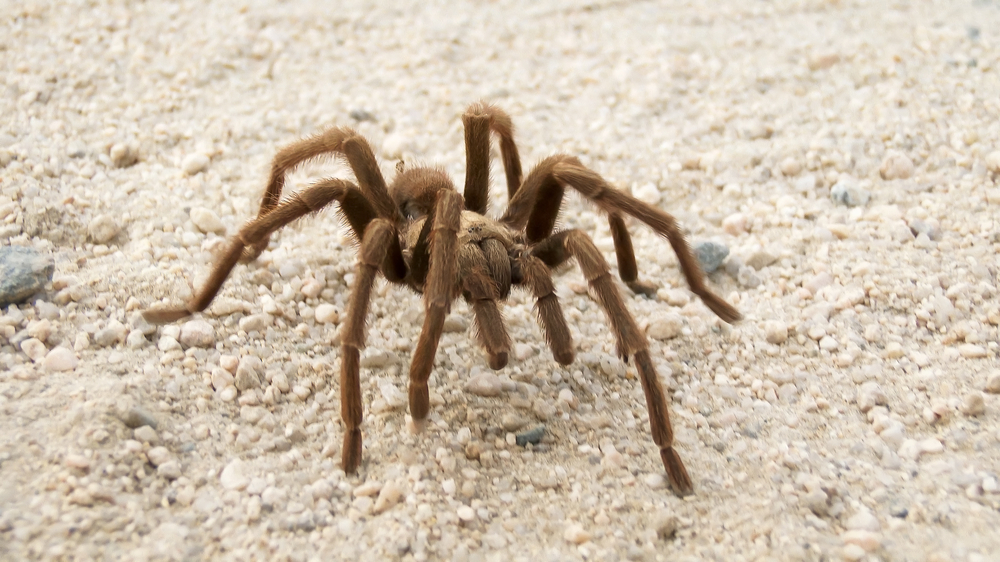
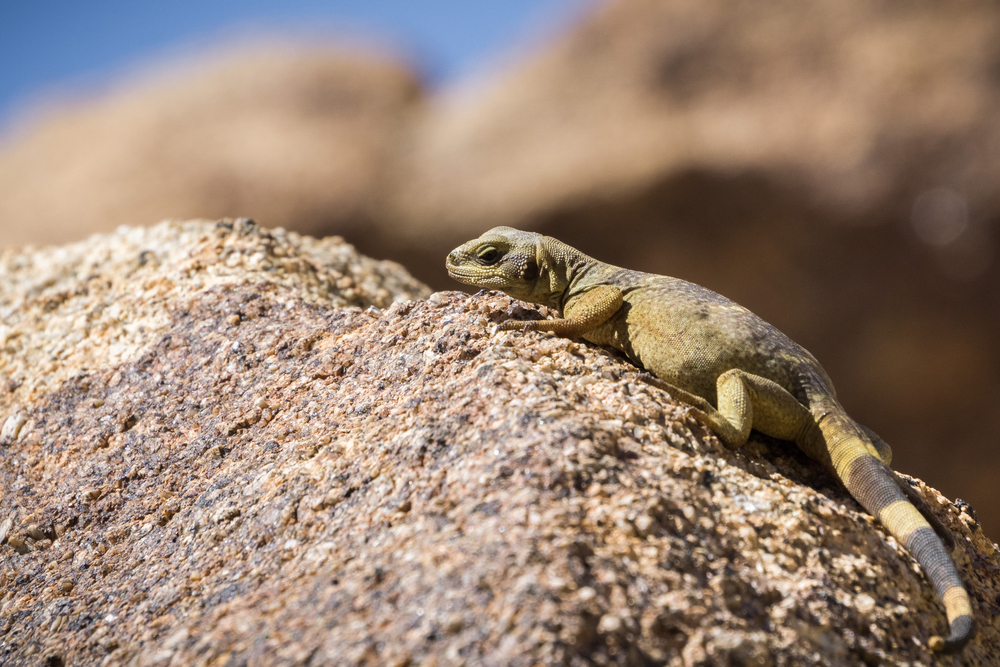
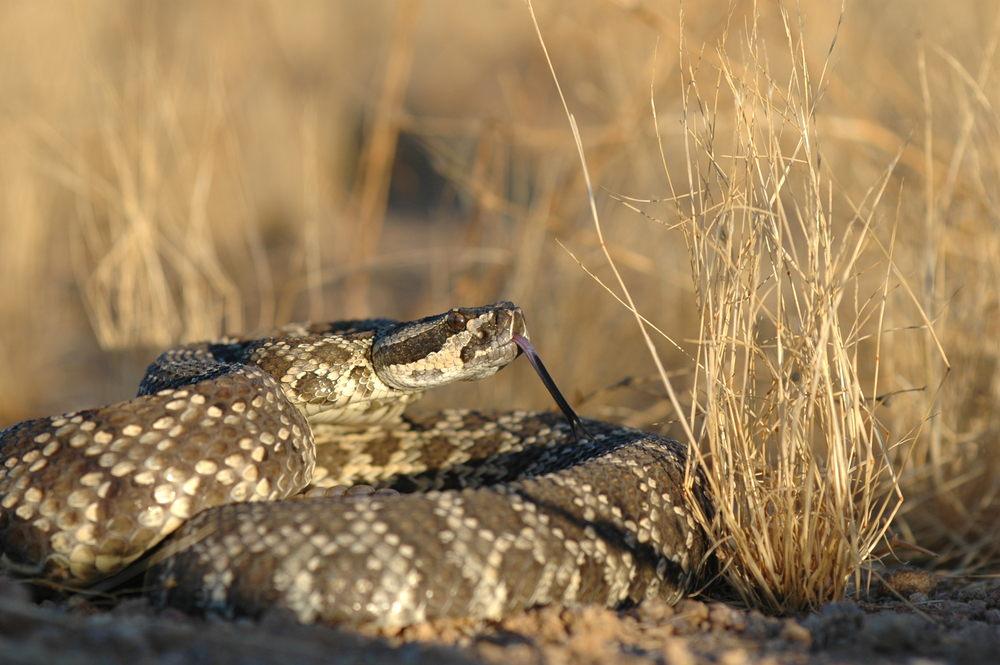
Reptiles thrive in the desert environment and include desert tortoises, chuckwallas, horned lizards, rattlesnakes, and geckos. The park’s remarkable plant diversity includes Joshua trees, yuccas, cacti, desert fan palms, and hundreds of wildflower species that support a variety of pollinators and insects.
Joshua Tree National Park plays a crucial role in protecting the unique ecosystems where two major North American deserts meet. The park safeguards fragile desert habitats, preserves geological features thousands of years in the making, and supports research into desert ecology and climate change.
Its conservation significance is often compared to Death Valley National Park and Saguaro National Park because of its iconic desert landscapes, biodiversity, and ecological importance. Through its twisted Joshua trees, massive granite formations, dark night skies, and resilient wildlife, Joshua Tree National Park stands as one of America’s most distinctive protected areas and a symbol of the beauty and resilience of the desert Southwest.
Photos
Things to See
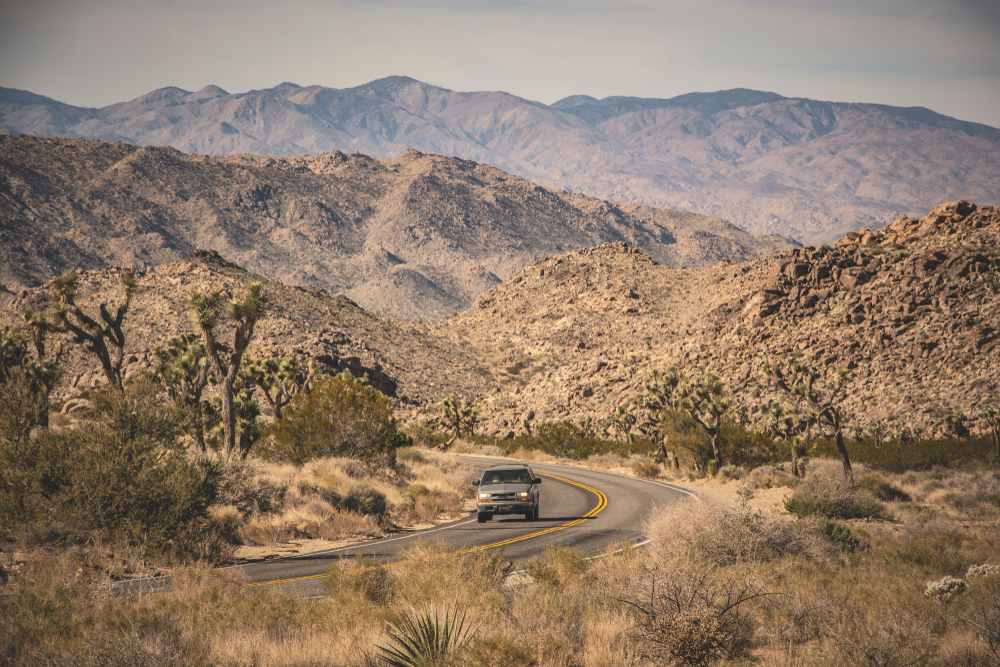
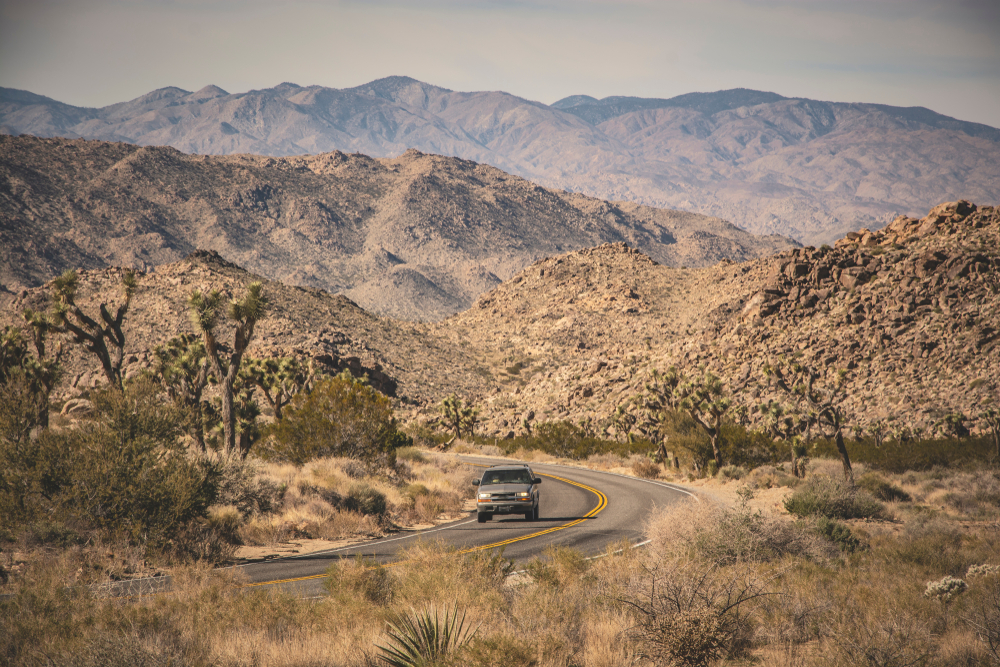
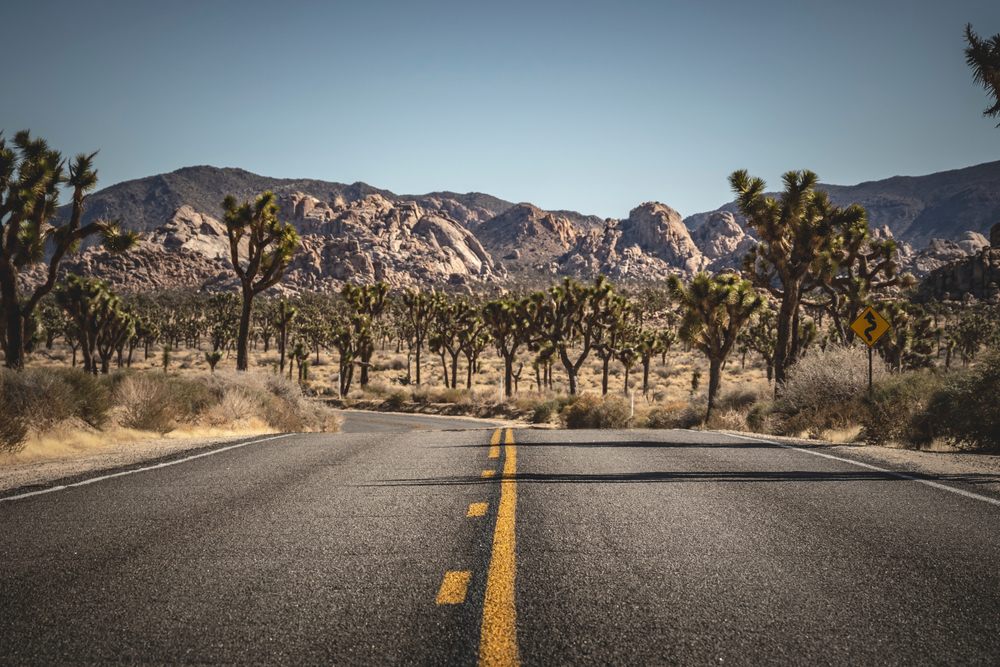
 This is a scenic drive that traverses across the park. It provides insights into the majority of the scenic aspects of the park. One of the unique features of the Park Boulevard is the contrast in desert ecosystems you will witness as you drive up out of the Colorado Desert ecosystem crossing into the Mojave Desert ecosystem.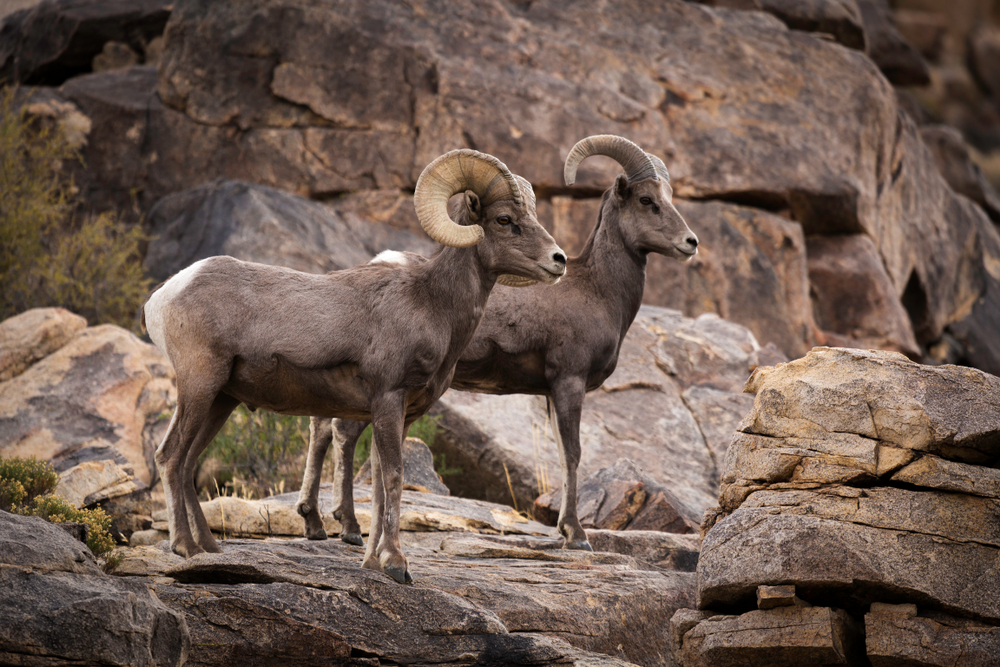
Things To Do
Engaging Joshua Tree National Park
Joshua Tree National Park Trails
There are numerous trails to hike within the park. This is desert, so be prepared for warmer temperatures and drink lots of water.

Park Protection
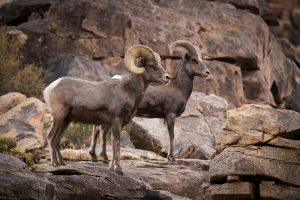 Joshua Tree National Park was created to protect the meeting point of the Mojave and Colorado Deserts, where diverse desert ecosystems support an extraordinary variety of plants and wildlife. The park provides habitat for desert bighorn sheep, desert tortoises, kit foxes, and numerous reptiles and birds adapted to arid conditions. The threatened desert tortoise is one of the park’s most important protected species.
The park is best known for protecting extensive stands of the Joshua tree, a distinctive member of the yucca family that occurs primarily within the Mojave Desert. Its dramatic rock formations, desert washes, and high-elevation habitats create a remarkable range of ecological niches. Together, Joshua Tree National Park safeguards iconic desert landscapes, specialized wildlife, and the unique ecosystems that exist where two great North American deserts converge.
FAQ’s
What is Joshua Tree National Park known for?
Joshua Tree National Park, located in southeastern California, is known for its stunning desert landscapes, iconic Joshua trees, and unique rock formations.
The park is named after the distinctive Joshua tree, a species of yucca plant that thrives in the Mojave Desert.
Visitors come to Joshua Tree National Park to explore its otherworldly scenery, which includes towering rock formations, rugged mountains, and vast expanses of desert wilderness.
The park is also renowned for its exceptional rock climbing opportunities, with thousands of climbing routes ranging from beginner-friendly to expert-level.
Additionally, Joshua Tree National Park offers opportunities for hiking, camping, stargazing, and wildlife viewing, making it a popular destination for outdoor enthusiasts and nature lovers alike.
What is the main reason people visit Joshua Tree National Park?
Joshua Tree National Park is primarily visited for its otherworldly desert landscapes, iconic Joshua trees, massive granite rock formations, world-class stargazing, and outstanding hiking and climbing opportunities. Located in southern California, the park sits at the intersection of the Mojave and Colorado Deserts, creating a unique environment where two distinct desert ecosystems meet.
Visitors come to hike among Joshua tree forests, climb giant boulders, photograph dramatic desert scenery, observe wildlife, enjoy some of the darkest skies in Southern California, and experience one of the most distinctive landscapes in the American Southwest.
What animals can visitors hope to see in Joshua Tree National Park?
Joshua Tree National Park supports approximately 57 mammal species and more than 45 reptile species. Despite its harsh desert environment, the park contains an impressive diversity of wildlife adapted to arid conditions.
Some of the most notable animals found in Joshua Tree National Park include:
- Desert Bighorn Sheep
- Coyote
- Bobcat
- Mountain Lion
- Gray Fox
- Kit Fox
- American Badger
- Raccoon
- Black-tailed Jackrabbit
- Desert Cottontail
- Antelope Ground Squirrel
- Round-tailed Ground Squirrel
- White-tailed Antelope Squirrel
- Rock Squirrel
- Merriam’s Kangaroo Rat
- Desert Kangaroo Rat
- Pocket Mouse
- Deer Mouse
- Cactus Mouse
- Woodrat
- Desert Woodrat
- California Pocket Mouse
- California Ground Squirrel
- Desert Shrew
- Pallid Bat
- Big Brown Bat
- Hoary Bat
- Mexican Free-tailed Bat
- Western Red Bat
- Canyon Bat
- Townsend’s Big-eared Bat
- California Myotis
- Yuma Myotis
- Fringed Myotis
- Long-legged Myotis
- Spotted Bat
- Ringtail
- Long-tailed Weasel
- Striped Skunk
- Desert Kit Fox
- Mule Deer
- Desert Mule Deer
- Porcupine
- Muskrat
- Beaver
- California Leaf-nosed Bat
- Western Mastiff Bat
- Pocket Gopher
- Harvest Mouse
- Various Small Mammals
What birds can visitors hope to see in Joshua Tree National Park?
Joshua Tree National Park is home to more than 250 bird species. The park’s desert habitats, mountain oases, and seasonal water sources attract a surprising variety of resident and migratory birds.
Some of the most popular birds seen in Joshua Tree National Park include:
- Golden Eagle
- Bald Eagle
- Red-tailed Hawk
- Red-shouldered Hawk
- Ferruginous Hawk
- Cooper’s Hawk
- Sharp-shinned Hawk
- Prairie Falcon
- Peregrine Falcon
- American Kestrel
- Great Horned Owl
- Barn Owl
- Burrowing Owl
- Western Screech-Owl
- Common Raven
- Pinyon Jay
- Woodhouse’s Scrub-Jay
- Black-throated Sparrow
- Sage Sparrow
- Brewer’s Sparrow
- Chipping Sparrow
- White-crowned Sparrow
- Dark-eyed Junco
- Cactus Wren
- Rock Wren
- Canyon Wren
- Bewick’s Wren
- Loggerhead Shrike
- Greater Roadrunner
- Phainopepla
- Verdin
- Black-tailed Gnatcatcher
- California Towhee
- Green-tailed Towhee
- Western Bluebird
- Mountain Bluebird
- Say’s Phoebe
- Ash-throated Flycatcher
- Western Kingbird
- Scott’s Oriole
- Hooded Oriole
- Bullock’s Oriole
- Ladder-backed Woodpecker
- Northern Flicker
- White-throated Swift
- Costa’s Hummingbird
- Black-chinned Hummingbird
- Rufous Hummingbird
- Gambel’s Quail
- Mountain Quail
Is Joshua Tree National Park worth visiting?
Yes, Joshua Tree National Park is absolutely worth visiting and is one of the most iconic desert destinations in the United States.
The park offers spectacular desert scenery, unique Joshua tree forests, giant granite monoliths, excellent hiking, world-class rock climbing, exceptional photography opportunities, and some of the best stargazing in Southern California. Visitors often describe the landscape as surreal and unlike anywhere else in North America.
The primary hesitation is the extreme heat that occurs during summer, when daytime temperatures frequently exceed 100°F (38°C).
What is the best time to visit Joshua Tree National Park?
The best time to visit Joshua Tree National Park is from October through April.
Typical conditions include:
- October–November: 50–85°F (10–29°C)
- December–February: 35–70°F (2–21°C)
- March–April: 45–85°F (7–29°C)
During these months:
- Hiking conditions are ideal.
- Wildflowers may bloom in spring.
- Wildlife is more active.
- Temperatures are comfortable for outdoor activities.
Summer temperatures can exceed 110°F (43°C), making strenuous daytime hiking dangerous.
How many days do you need to visit Joshua Tree National Park?
Most visitors should plan for 1-2 days.
- 1 day: Major viewpoints and short hikes.
- 2 days: Hiking, rock formations, and stargazing.
- 3 days: More extensive exploration, climbing, and photography.
- 4+ days: Backcountry hiking and wilderness camping.
A weekend visit provides enough time to experience the park’s most famous attractions.
How do you get to Joshua Tree National Park?
Joshua Tree National Park is located in southeastern California between the cities of Palm Springs and Twentynine Palms.
The closest major airport is Palm Springs International Airport, located approximately 40 miles (64 km) from the park’s western entrances. Many visitors also fly into Ontario International Airport, approximately 90 miles (145 km) away, or Los Angeles International Airport, approximately 140 miles (225 km) away.
There are three primary entrances:
- West Entrance (Joshua Tree) – The most popular entrance, located near the town of Joshua Tree. This entrance provides quick access to Hidden Valley, Barker Dam, Ryan Mountain, and many of the park’s iconic Joshua tree forests.
- North Entrance (Twentynine Palms) – Located near Twentynine Palms, this entrance offers access to Oasis Visitor Center, Skull Rock, Arch Rock, and the northern portion of the park.
- South Entrance (Cottonwood) – Located along Interstate 10, approximately 25 miles (40 km) east of Indio. This entrance provides access to the Colorado Desert section of the park, Cottonwood Spring, and Pinto Basin.
Most visitors rent a car, as public transportation within the park is extremely limited. Driving between the West Entrance and North Entrance through the park takes approximately 1.5 to 2 hours depending on stops. The park is also commonly visited as a day trip from Palm Springs, a weekend getaway from Los Angeles, or as part of a larger Southern California road trip.
Who is involved in protecting and supporting Joshua Tree National Park?
Several organizations help protect and support Joshua Tree National Park:
- National Park Service – manages Joshua Tree National Park.
- Joshua Tree National Park Association – supports education, conservation, and visitor programs.
- National Park Foundation – supports projects throughout the National Park System.
- Mojave Desert Land Trust – supports regional conservation efforts.
- Local volunteers, researchers, and Indigenous communities connected to the Mojave and Colorado Deserts.
Sources
- AllTrails, Best Trails in Joshua Tree National Park, https://www.alltrails.com/parks/us/california/joshua-tree-national-park, retrieved June 2020.
- Britannica, Joshua Tree National Park, https://www.britannica.com/place/Joshua-Tree-National-Park, retrieved June 2020.
- California Dream Big, Spotlight Joshua Tree National Park, https://www.visitcalifornia.com/destination/spotlight-joshua-tree-national-park, retrieved June 2020.
- Greater Palm Springs, Joshua Tree National Park, https://www.visitgreaterpalmsprings.com/play/things-to-do/joshua-tree-national-park/, retrieved June 2020.
- National Geographic, Everything to Know About Joshua Tree National Park, https://www.nationalgeographic.com/travel/national-parks/joshua-tree-national-park/, retrieved June 2020.
- National Geographic, Complete National Parks of the United States, National Geographic Publishing, Washington DC.
- National Geographic, Guide to the National Parks of the United States, National Geographic Society, 2003.
- National Geographic, National Parks of North America, Canada-United States-Mexico, National Geographic Society, 1995.
- National Park Service, Bryce Canyon, https://www.nps.gov/brca/index.htm, retrieved June 2020.
- Palm Springs, Joshua Tree, https://www.palmsprings.com/attractions/joshua-tree/, retrieved June 2020.
- Recreation, Joshua Tree National Park, https://www.recreation.gov/camping/gateways/2782, retrieved June 2020.