

About
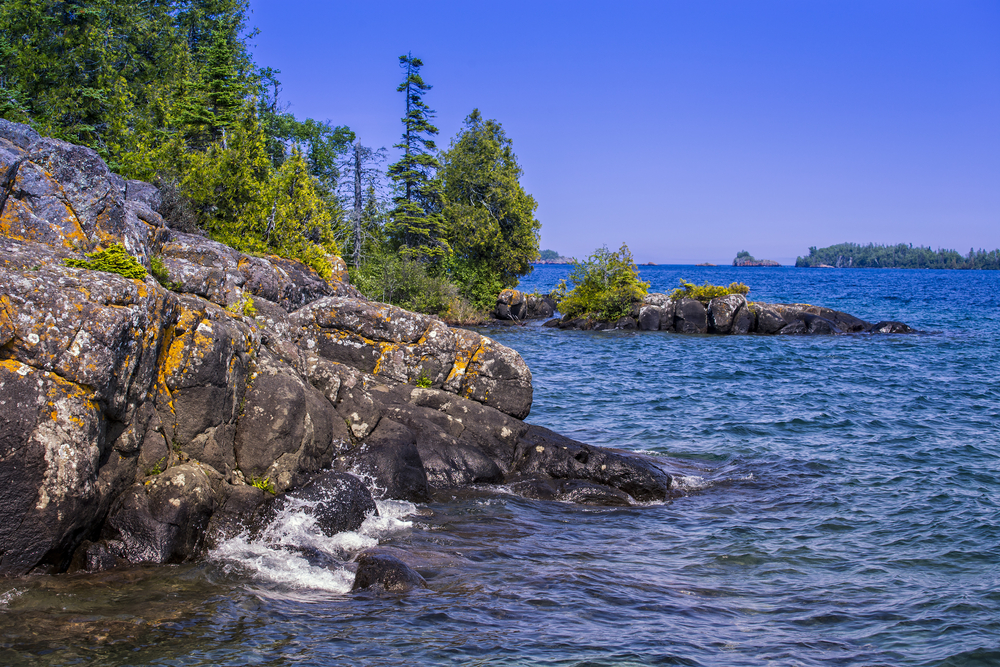
Isle Royale National Park is located in the northwestern portion of Lake Superior in the state of Michigan, United States, and covers approximately 894 square miles (2,315 sq km), most of which consists of water. Established in 1940, the park protects a remote archipelago of more than 450 islands and surrounding waters near the border with Canada.
Isle Royale lies southeast of Pukaskwa National Park and north of Michigan’s Upper Peninsula. Unlike most national parks, Isle Royale is accessible only by boat or seaplane, creating a sense of isolation that few protected areas in the continental United States can match. This remoteness has allowed the park to preserve a largely undisturbed wilderness ecosystem and has made it one of the most unique national parks in North America.
Isle Royale National Park is best known for its pristine wilderness, rugged shoreline, and long-running predator-prey research involving wolves and moose. Visitors come to experience a landscape largely free from roads, vehicles, and modern development. Hiking, backpacking, canoeing, kayaking, fishing, scuba diving, wildlife viewing, and boating are among the park’s most popular activities.
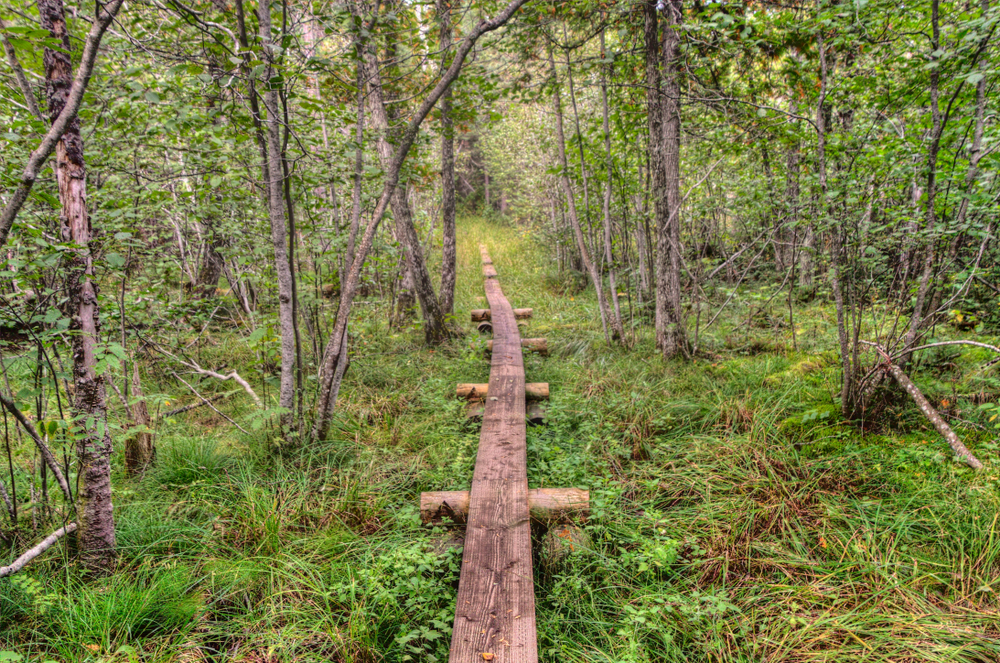
More than 165 miles of trails cross the island, including the famous Greenstone Ridge Trail, which traverses much of the main island’s length. The park’s secluded coves, rocky shorelines, inland lakes, and dense forests provide visitors with an immersive wilderness experience that feels far removed from the modern world.
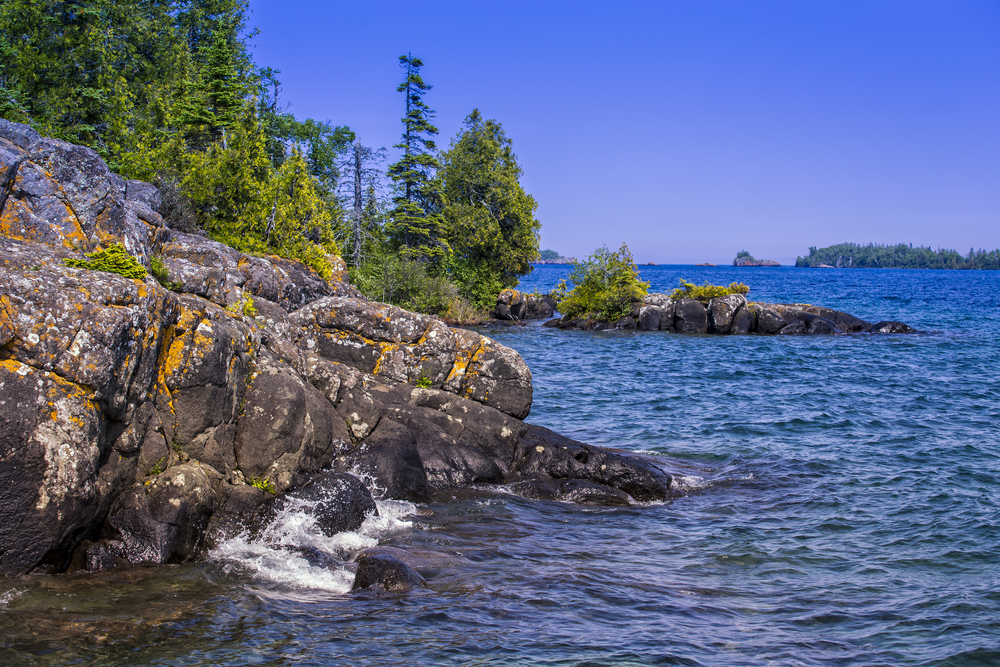
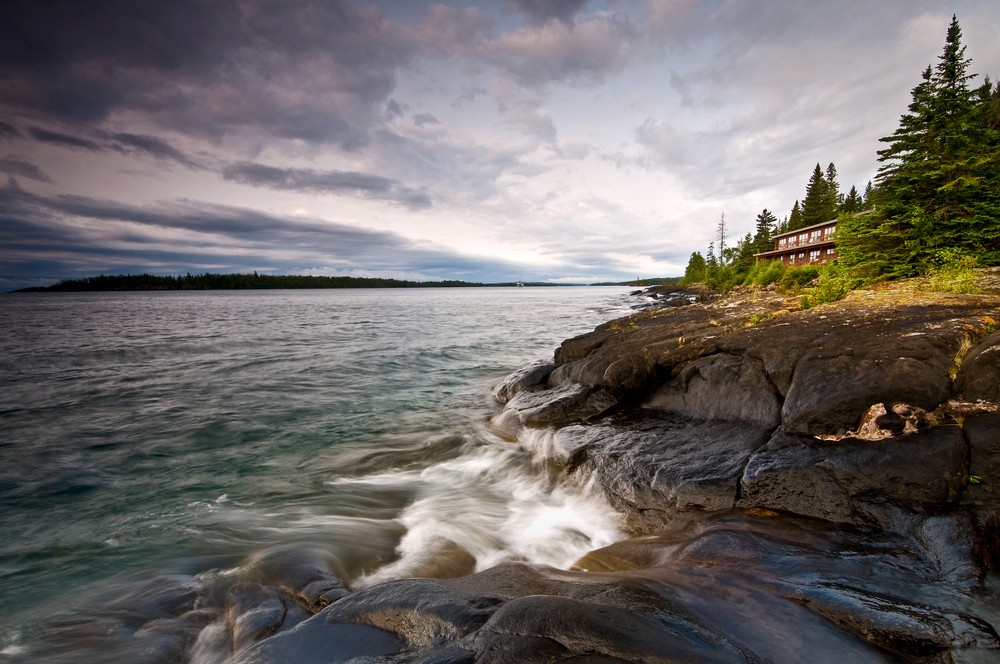
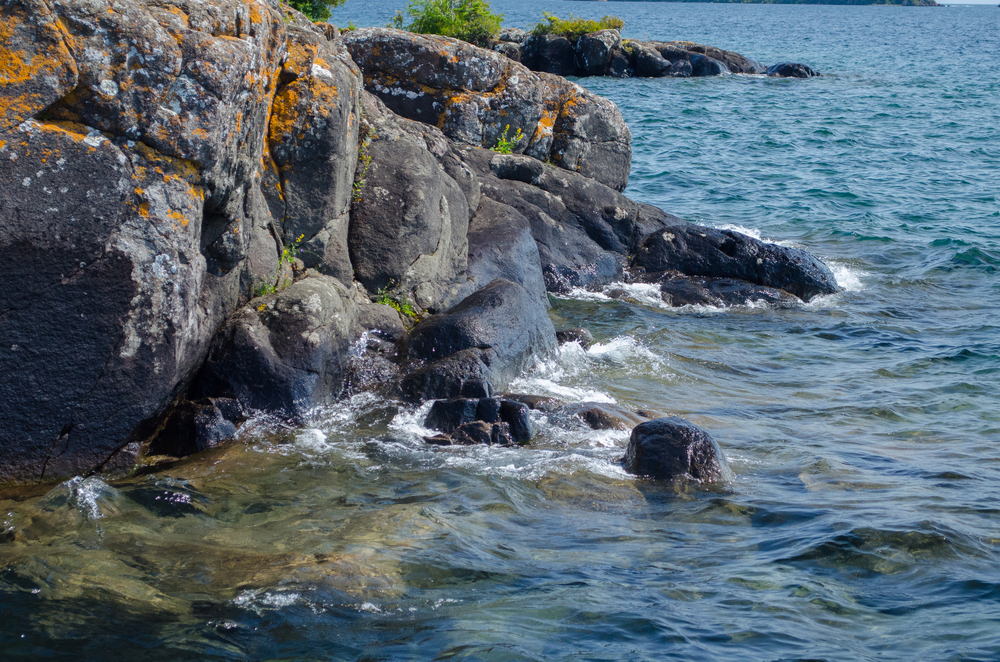
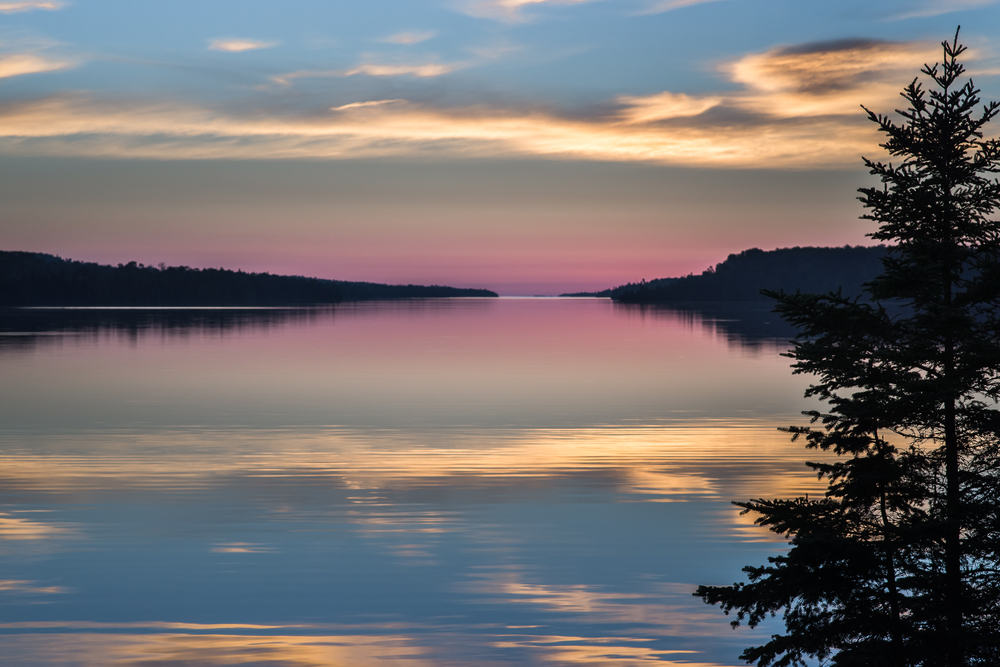
The geography of Isle Royale National Park was shaped by ancient volcanic activity and repeated glaciation. The main island stretches approximately forty-five miles from northeast to southwest and is characterized by parallel ridges, forested uplands, wetlands, and hundreds of inland lakes. Rocky shorelines, sheltered bays, and countless smaller islands create a complex freshwater coastal environment.
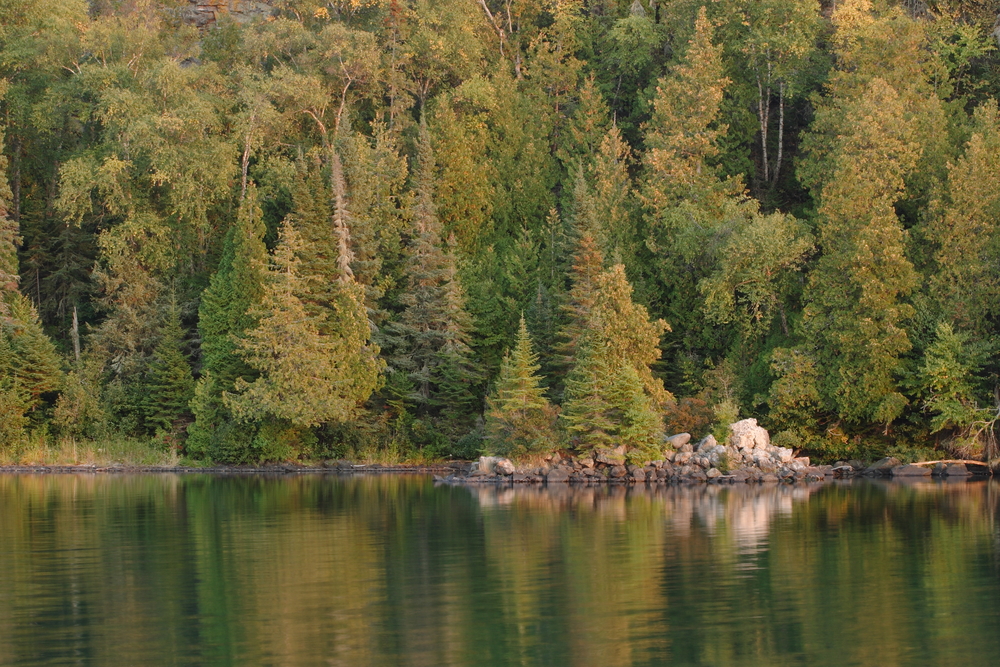
Elevations are modest compared to mountain parks, yet the ridges provide scenic views across Lake Superior, the largest freshwater lake by surface area in the world. Vegetation includes boreal forests dominated by spruce, fir, birch, and aspen, along with wetlands, mosses, lichens, and wildflowers that thrive in the cool northern climate.
Wildlife within Isle Royale National Park is one of its defining features. Moose are the park’s most iconic animals and play a central role in one of the world’s longest-running ecological studies. Wolves, which naturally colonized the island decades ago, have become equally famous as researchers have monitored their relationship with the moose population.
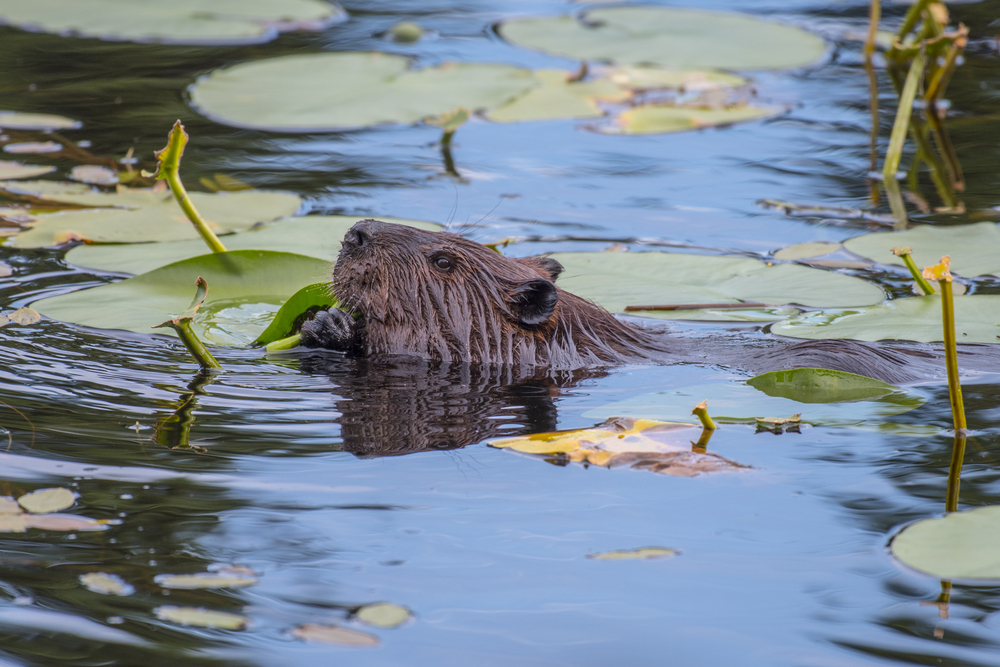
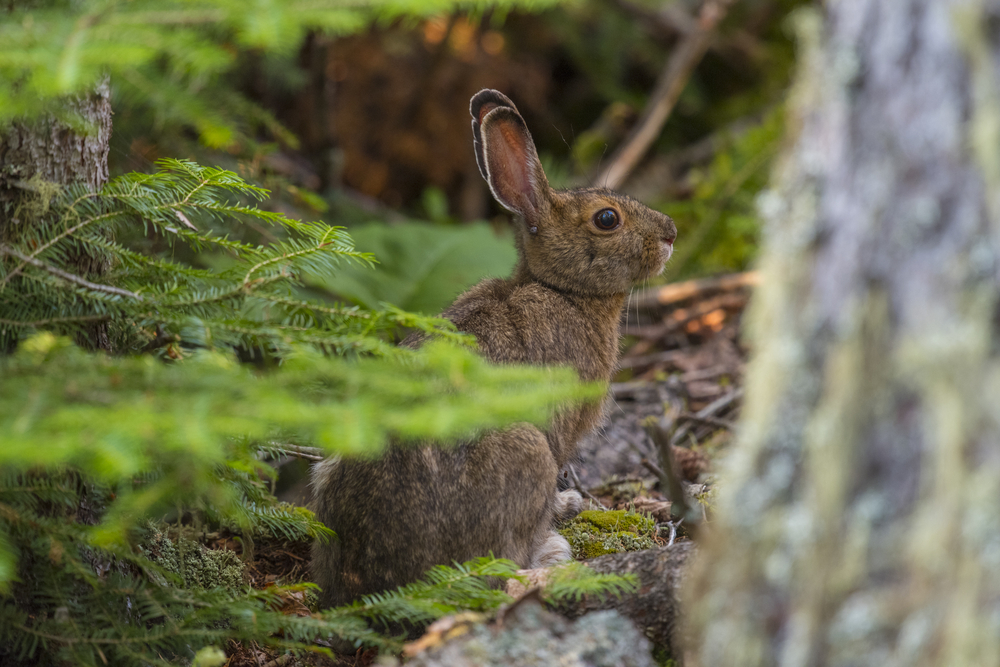
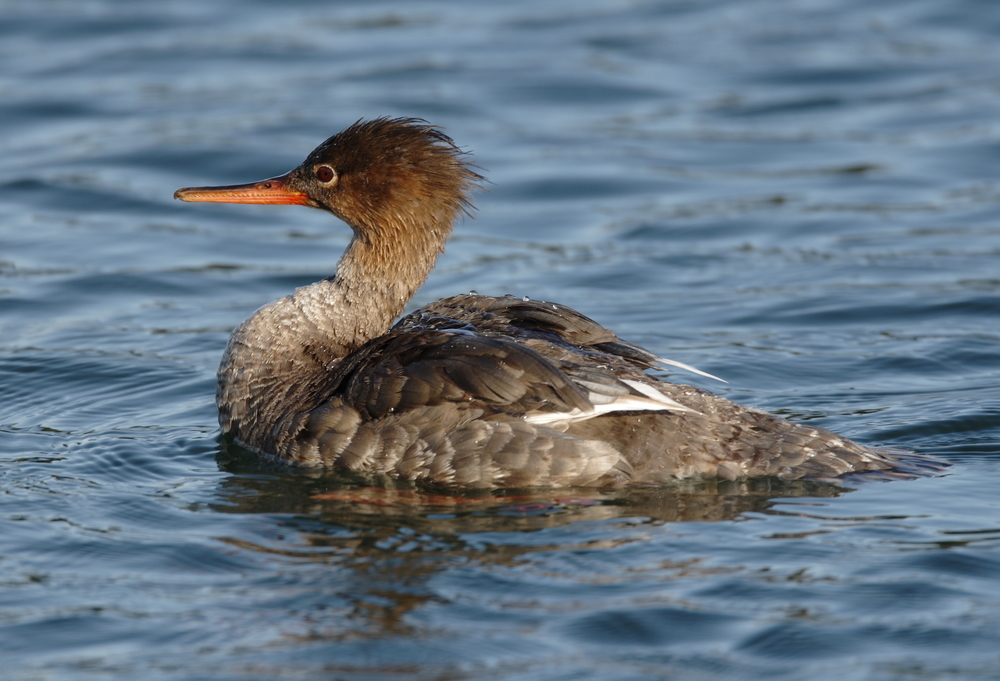
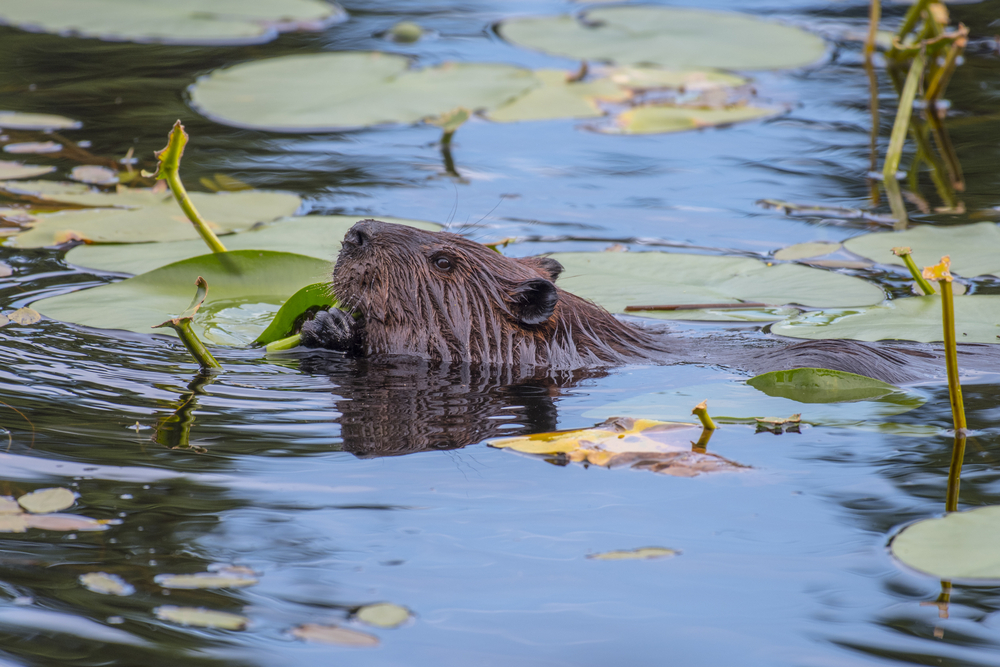
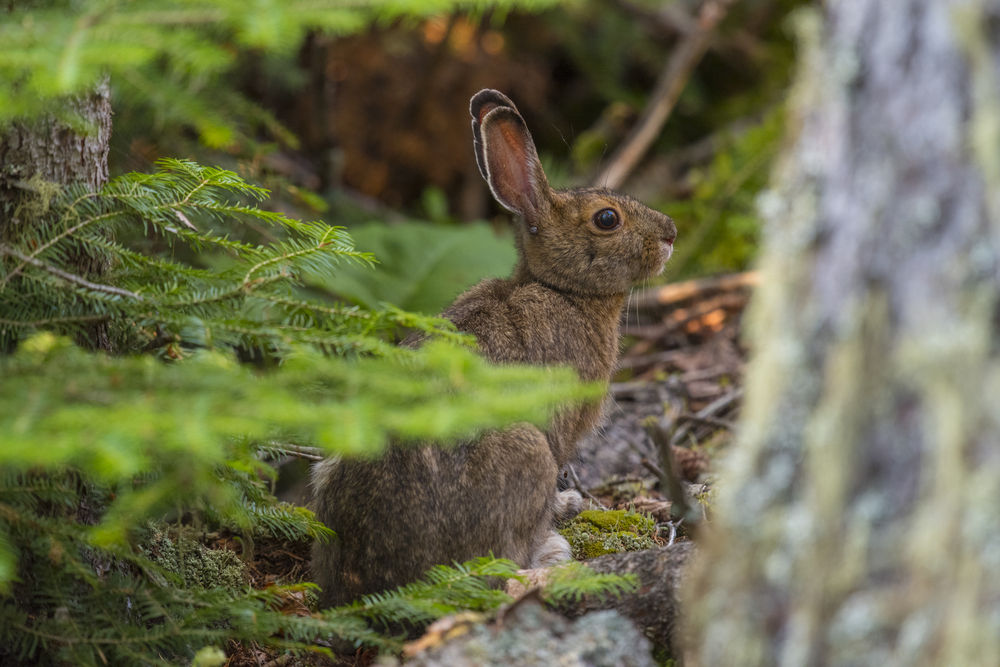
Other mammals include red foxes, beavers, river otters, snowshoe hares, pine martens, and bats. Birdlife is abundant, with loons, bald eagles, ospreys, warblers, gulls, and migratory waterfowl commonly observed throughout the park. The surrounding waters of Lake Superior support fish species such as lake trout, whitefish, and northern pike, while the island’s wetlands and forests provide habitat for a diverse range of smaller wildlife.
Isle Royale National Park plays a vital role in protecting one of the most intact freshwater wilderness ecosystems in North America. The park safeguards critical boreal forest habitats, freshwater environments, and ecological processes that have remained largely undisturbed for decades. Conservation efforts focus on preserving native species, maintaining ecosystem balance, and protecting the park’s internationally significant scientific research values.
Isle Royale is often compared to Voyageurs National Park and Pukaskwa National Park because of its remote wilderness and freshwater landscapes. Yet its island setting, wolf-moose ecology, and remarkable isolation make it truly distinctive. Today, Isle Royale National Park stands as one of America’s greatest wilderness treasures, preserving a landscape where nature continues to function much as it has for centuries.
Photos


Things to See
Things To Do
Engaging Isle Royale
Isle Royale National Park Trails
Although the park is comprised of a series of islands, there are over 165 miles (266 km) hiking trails to explore the area. Several of the campgrounds are only reachable by hiking or kayaking.

Park Protection
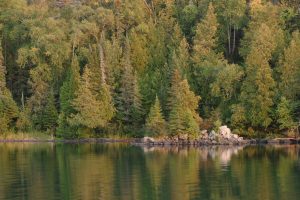 Isle Royale National Park was created to protect a remote island wilderness in Lake Superior and the surrounding archipelago of more than 400 smaller islands. The park provides habitat for a unique and internationally studied predator-prey relationship between wolves and moose. It also supports populations of loons, bald eagles, river otters, and numerous aquatic species within one of the most pristine freshwater environments in North America.
The park is especially significant because of its isolation, which has allowed ecological processes to unfold with minimal human influence. Long-term studies of wolves and moose conducted here have become some of the most important wildlife research projects in the world. Together, Isle Royale National Park safeguards a rare island ecosystem, exceptional freshwater habitats, and one of the best natural laboratories for understanding predator-prey dynamics in the wild.
FAQ’s
What is Isle Royle National Park known for?
Isle Royale National Park, located in Lake Superior off the coast of Michigan, is known for its remote wilderness, rugged landscapes, and pristine ecosystems.
The park encompasses Isle Royale and over 400 smaller islands, offering visitors a unique opportunity to explore an untouched wilderness area.
Isle Royale is renowned for its ancient forests, crystal-clear lakes, and abundant wildlife, including moose, wolves, and bald eagles.
The park’s extensive network of hiking trails provides opportunities for backpacking, camping, and wildlife viewing in a truly wild and remote setting.
Additionally, Isle Royale National Park is designated as a UNESCO Biosphere Reserve, highlighting its ecological significance and commitment to conservation.
What is the main reason people visit Isle Royale National Park?
Isle Royale National Park is primarily visited for its remote wilderness, pristine forests, rugged shorelines, outstanding backpacking opportunities, and exceptional wildlife viewing. Located in the northwestern portion of Lake Superior, the park consists of the main island and more than 400 smaller surrounding islands.
Visitors come to hike remote trails, paddle scenic waterways, observe moose and wolves, enjoy solitude, fish in pristine waters, and experience one of the least-visited and most untouched national parks in the United States.
What animals can visitors hope to see in Isle Royale National Park?
Isle Royale National Park supports approximately 18 mammal species and relatively few reptiles and amphibians due to its isolated island location and northern climate. The park is world-famous for its long-running predator-prey research involving wolves and moose.
Some of the most notable animals found in Isle Royale National Park include:
- Moose
- Gray Wolf
- Red Fox
- American Beaver
- River Otter
- Snowshoe Hare
- Red Squirrel
- Deer Mouse
- Southern Red-backed Vole
- Meadow Vole
- Woodland Vole
- Muskrat
- Short-tailed Weasel
- Mink
- Northern Water Shrew
- Masked Shrew
- Little Brown Bat
- Silver-haired Bat
- Common Garter Snake
- Red-bellied Snake
- Northern Red-bellied Snake
- Painted Turtle
- Common Snapping Turtle
- Wood Frog
- Mink Frog
- Green Frog
- Northern Leopard Frog
- Boreal Chorus Frog
- Blue-spotted Salamander
- Eastern Red-backed Salamander
- Four-toed Salamander
- Mudpuppy
- Lake Trout
- Coaster Brook Trout
- Northern Pike
- Walleye
- Yellow Perch
- Whitefish
- Cisco
- Burbot
- Lake Herring
- Slimy Sculpin
- Longnose Sucker
- White Sucker
- Various Minnow Species
- Freshwater Mussel Species
- Crayfish Species
- Aquatic Invertebrates
- Native Amphibian Species
- Various Freshwater Fish Species
What birds can visitors hope to see in Isle Royale National Park?
Isle Royale National Park is home to more than 200 bird species. The island’s forests, wetlands, inland lakes, and Lake Superior shoreline provide habitat for a wide variety of migratory and resident birds.
Some of the most popular birds seen in Isle Royale National Park include:
- Bald Eagle
- Golden Eagle
- Osprey
- Northern Harrier
- Sharp-shinned Hawk
- Cooper’s Hawk
- Merlin
- Peregrine Falcon
- Great Horned Owl
- Barred Owl
- Northern Saw-whet Owl
- Common Loon
- Red-throated Loon
- Double-crested Cormorant
- Great Blue Heron
- Canada Goose
- Common Goldeneye
- Common Merganser
- Bufflehead
- Surf Scoter
- Black Scoter
- Bonaparte’s Gull
- Herring Gull
- Ring-billed Gull
- Common Tern
- Black-backed Woodpecker
- Pileated Woodpecker
- Hairy Woodpecker
- Downy Woodpecker
- Northern Flicker
- Gray Jay
- Common Raven
- Black-capped Chickadee
- Boreal Chickadee
- Red-breasted Nuthatch
- Brown Creeper
- Winter Wren
- Hermit Thrush
- American Robin
- Cedar Waxwing
- Tennessee Warbler
- Magnolia Warbler
- Blackburnian Warbler
- Black-throated Green Warbler
- Palm Warbler
- Yellow-rumped Warbler
- White-throated Sparrow
- Dark-eyed Junco
- Purple Finch
- Pine Siskin
Is Isle Royale National Park worth visiting?
Yes, Isle Royale National Park is absolutely worth visiting and is considered one of the premier wilderness destinations in North America.
The park offers exceptional solitude, outstanding backpacking, scenic paddling routes, abundant wildlife, and a wilderness experience that is increasingly rare in the modern world. Visitors who enjoy remote adventures often rank Isle Royale among their favorite national parks.
The primary hesitation is accessibility. Reaching the park requires a ferry, seaplane, or private boat, and visitors must be prepared for a remote wilderness environment with limited services.
What is the best time to visit Isle Royale National Park?
The best time to visit Isle Royale National Park is from June through early September.
Typical conditions include:
- June: 40–70°F (4–21°C)
- July: 50–80°F (10–27°C)
- August: 50–75°F (10–24°C)
- Early September: 40–70°F (4–21°C)
During this period:
- Ferry and seaplane services operate.
- Hiking and paddling conditions are favorable.
- Wildlife viewing is excellent.
- Most visitor services are available.
The park is generally closed from November through mid-April due to severe winter conditions.
How many days do you need to visit Isle Royale National Park?
Most visitors should plan for 3 to 5 days.
- 1–2 days: Short hiking and sightseeing trips.
- 3–5 days: Backpacking, paddling, and wildlife viewing.
- 6–10 days: Extensive exploration of the island.
- 10+ days: Complete wilderness immersion and backcountry adventures.
Because travel to the island requires significant effort, longer visits are generally recommended.
How do you get to Isle Royale National Park?
Isle Royale National Park is accessible only by boat or seaplane.
Most visitors:
- Travel to gateway communities such as Houghton, Copper Harbor, or Grand Portage.
- Take a ferry or seaplane to the island.
- Explore the park on foot, by canoe, kayak, or private boat.
There are no roads connecting the park to the mainland.
Who is involved in protecting and supporting Isle Royale National Park?
Several organizations help protect and support Isle Royale National Park:
- National Park Service – manages Isle Royale National Park.
- Isle Royale and Keweenaw Parks Association – supports education, interpretation, and conservation programs.
- National Park Foundation – supports projects throughout the National Park System.
- Michigan Department of Natural Resources – collaborates on regional conservation efforts.
- Researchers, volunteers, and Indigenous communities including the Ojibwe People who maintain historic and cultural connections to the island.
Sources
- All Trails, Best Trails in Isle Royale National Park, https://www.alltrails.com/parks/us/michigan/isle-royale-national-park, retrieved June 2020.
- Britannica, Isle Royale National Park, https://www.britannica.com/place/Isle-Royale-National-Park, retrieved June 2020.
- Michigan, Isle Royale National Park, https://www.michigan.org/property/isle-royale-national-park, retrieved June 2020.
- National Geographic, Complete National Parks of the United States, National Geographic Publishing, Washington DC.
- National Geographic, Guide to the National Parks of the United States, National Geographic Society, 2003.
- National Geographic, National Parks of North America, Canada-United States-Mexico, National Geographic Society, 1995.
- National Park Service, Isle Royale, https://www.nps.gov/isro/index.htm, retrieved June 2020.