

About
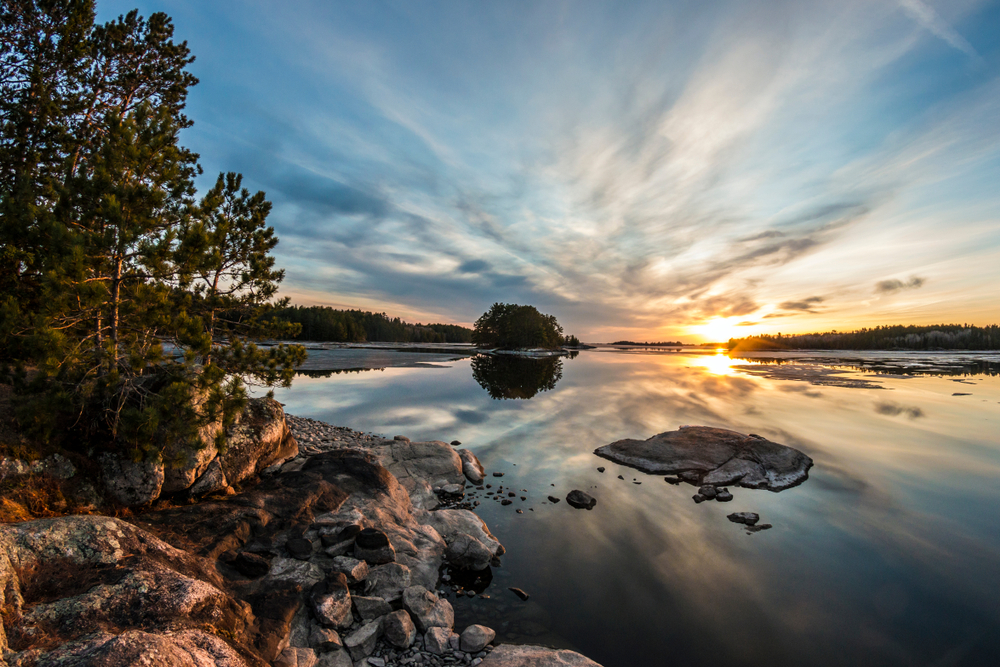
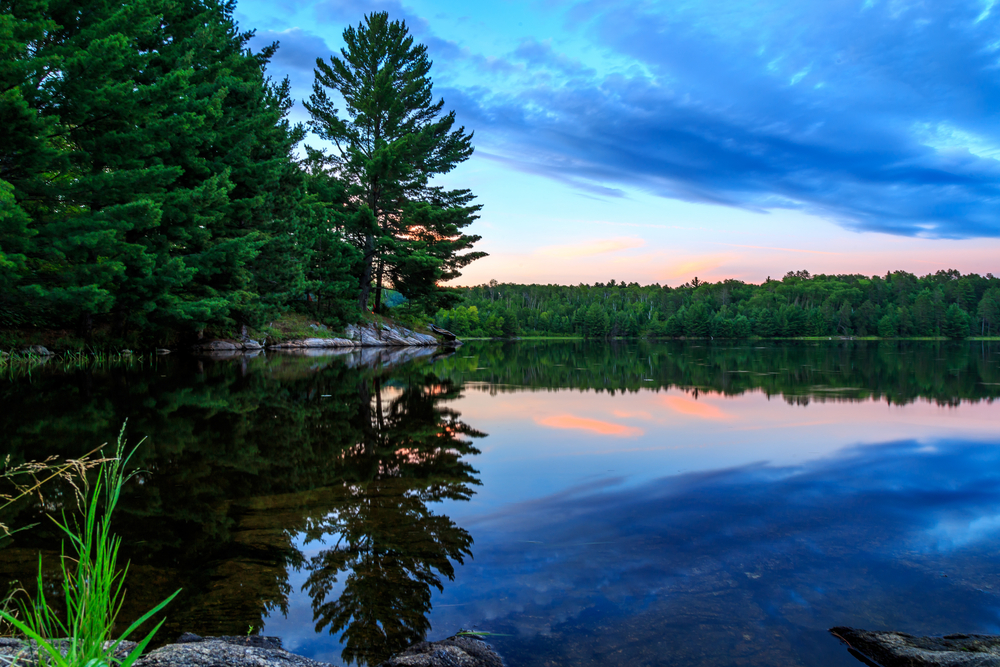
Voyageurs National Park is located in northern Minnesota of the United States along the border with Canada. Established in 1975, the park encompasses approximately 337 square miles (873 sq km) of interconnected lakes, forests, islands, wetlands, and waterways.
Named after the French-Canadian voyageurs who paddled these waters during the fur trade era, the park protects one of the most extensive freshwater ecosystems in the National Park System. Unlike most national parks, Voyageurs is primarily a water-based park, where boats serve as the primary means of transportation and exploration.
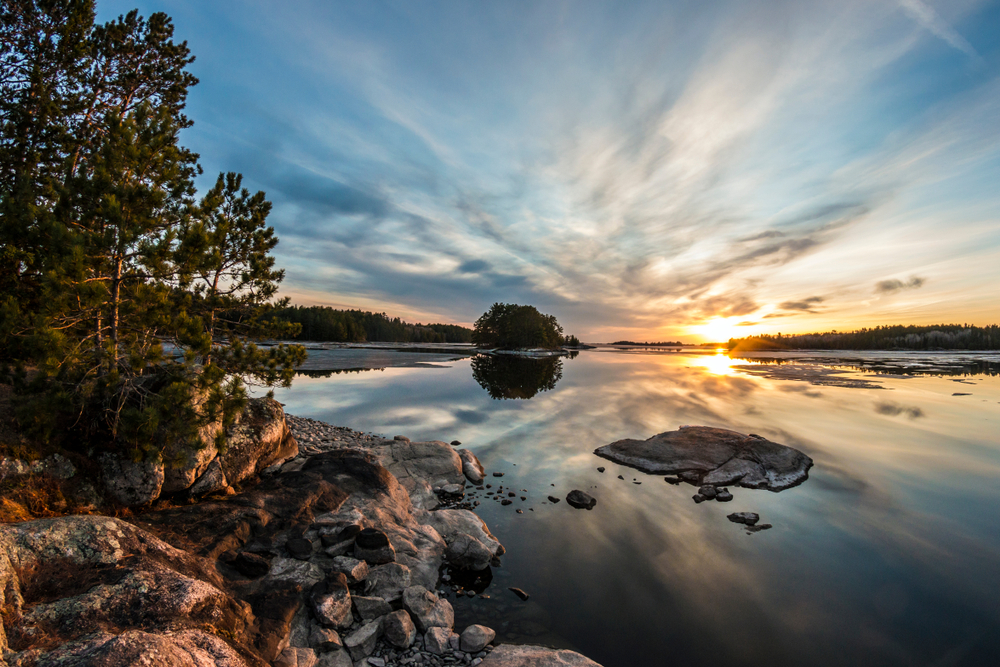
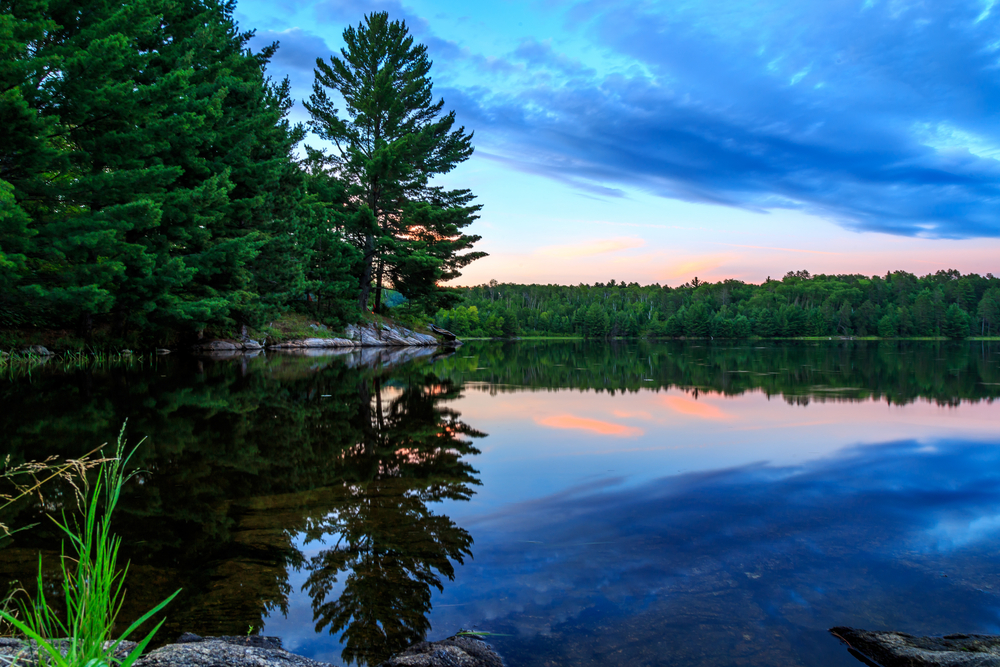
The park is best known for its vast network of lakes and exceptional recreational opportunities. Visitors are drawn to the park’s four major lakes—Rainy Lake, Kabetogama Lake, Namakan Lake, and Sand Point Lake—which are connected by a maze of channels, bays, and islands.
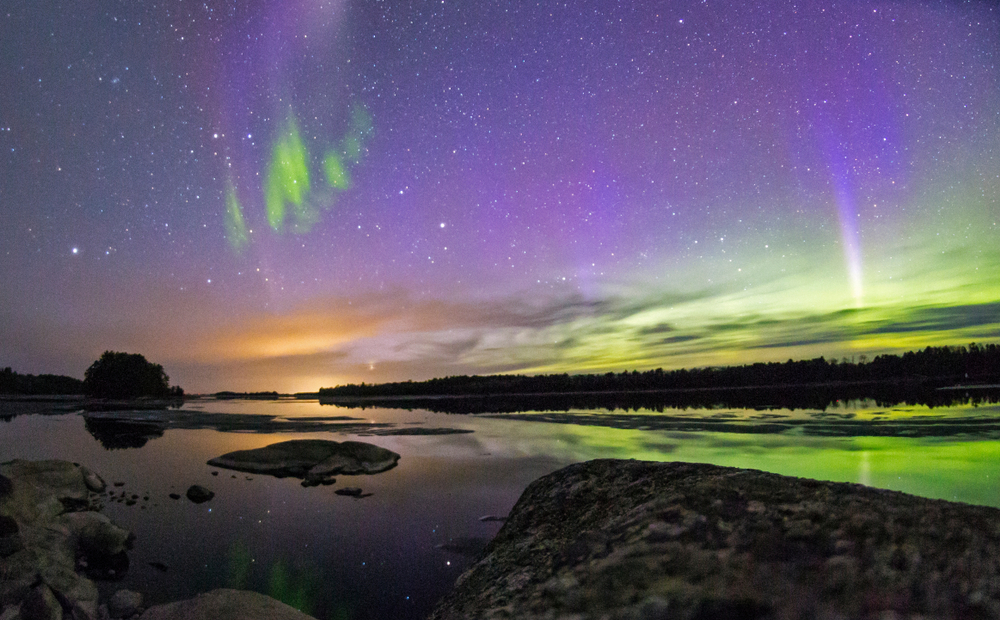
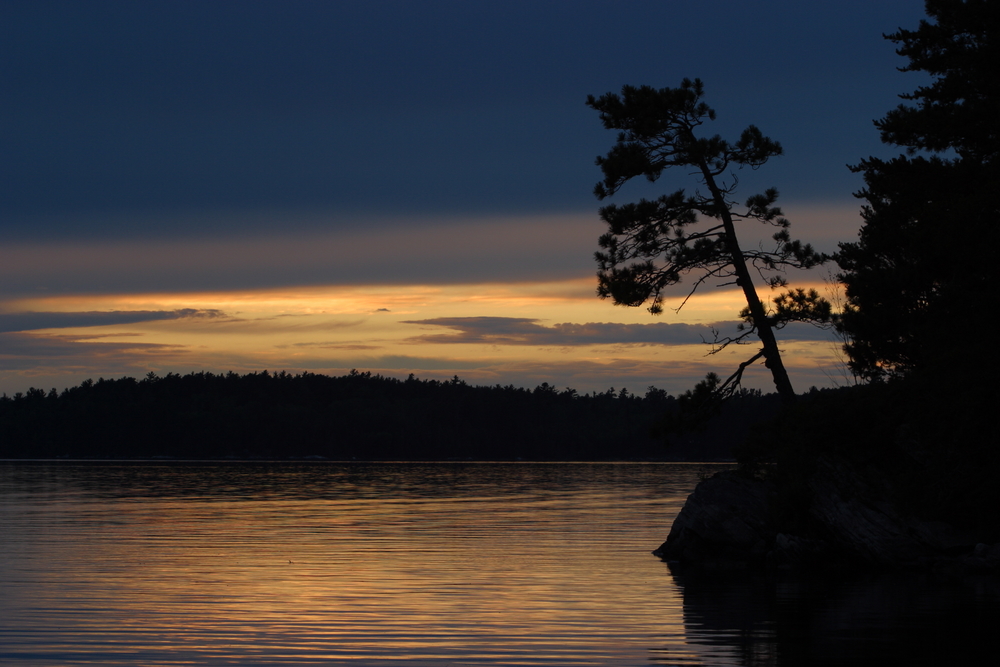
Boating, canoeing, kayaking, fishing, camping, wildlife viewing, and houseboat vacations are among the park’s most popular activities. Voyageurs is also internationally recognized for its dark skies and has been designated an International Dark Sky Park, making it one of the best places in the United States to view stars and the northern lights.
Geographically, Voyageurs National Park lies within the Canadian Shield, one of the oldest exposed geological formations on Earth. The landscape was sculpted by glaciers during the last Ice Age, creating thousands of islands, rocky shorelines, and interconnected waterways.
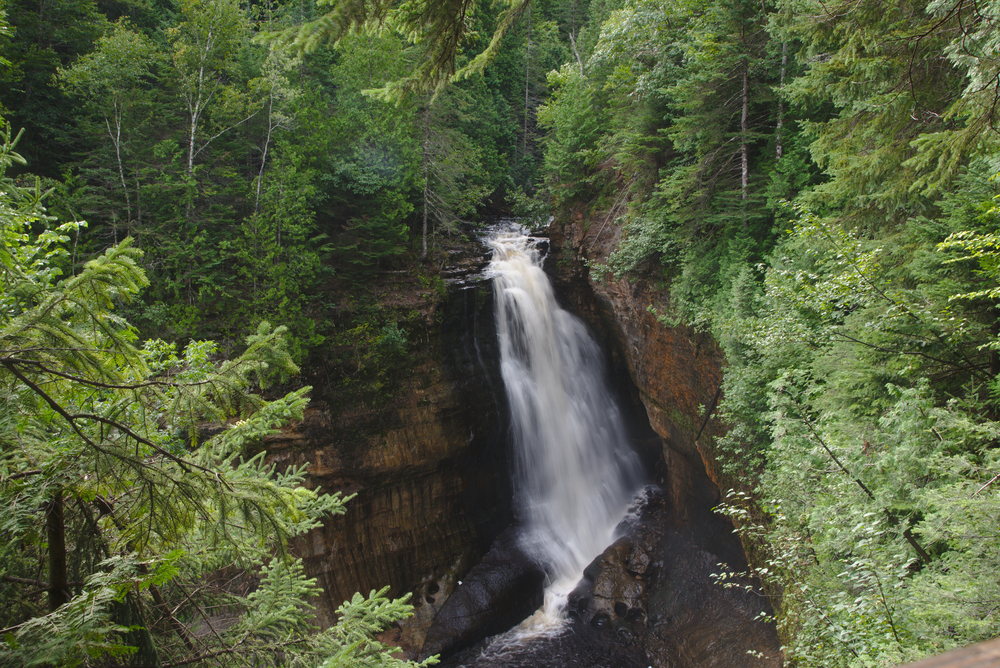
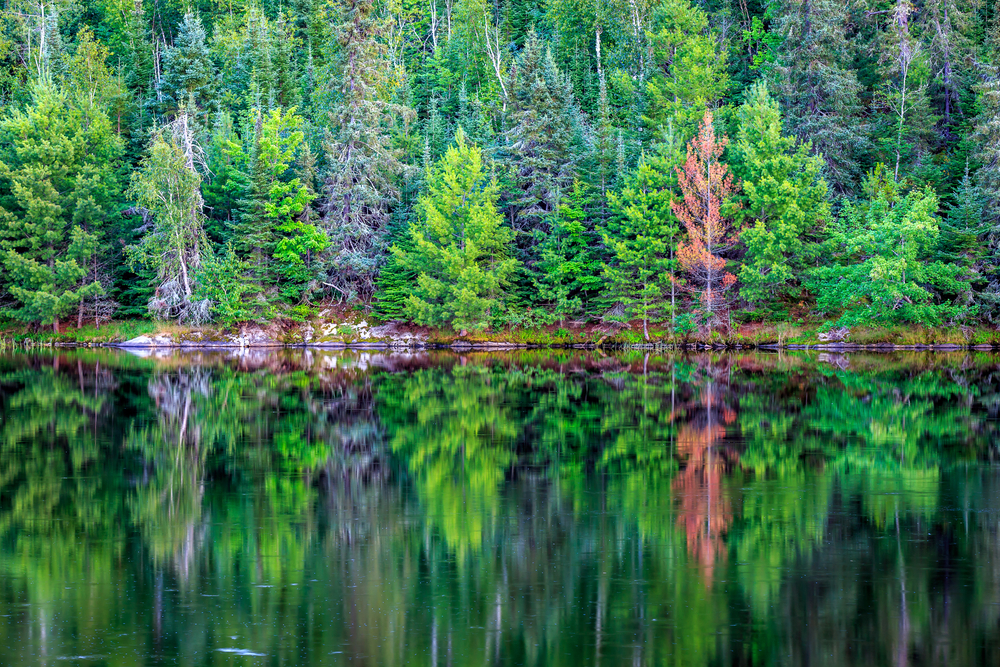
Forests of pine, spruce, fir, birch, and aspen cover much of the park, while wetlands and bogs provide important habitat for wildlife. Elevations are generally modest, but the combination of forests, lakes, and exposed bedrock creates a rugged and scenic wilderness unlike any other national park in the contiguous United States.
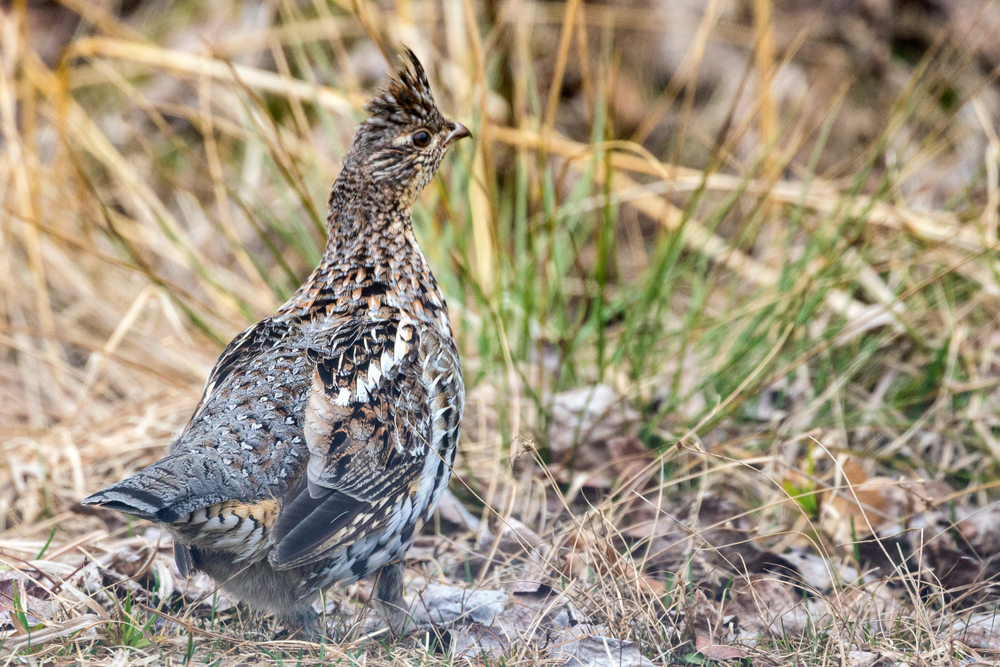
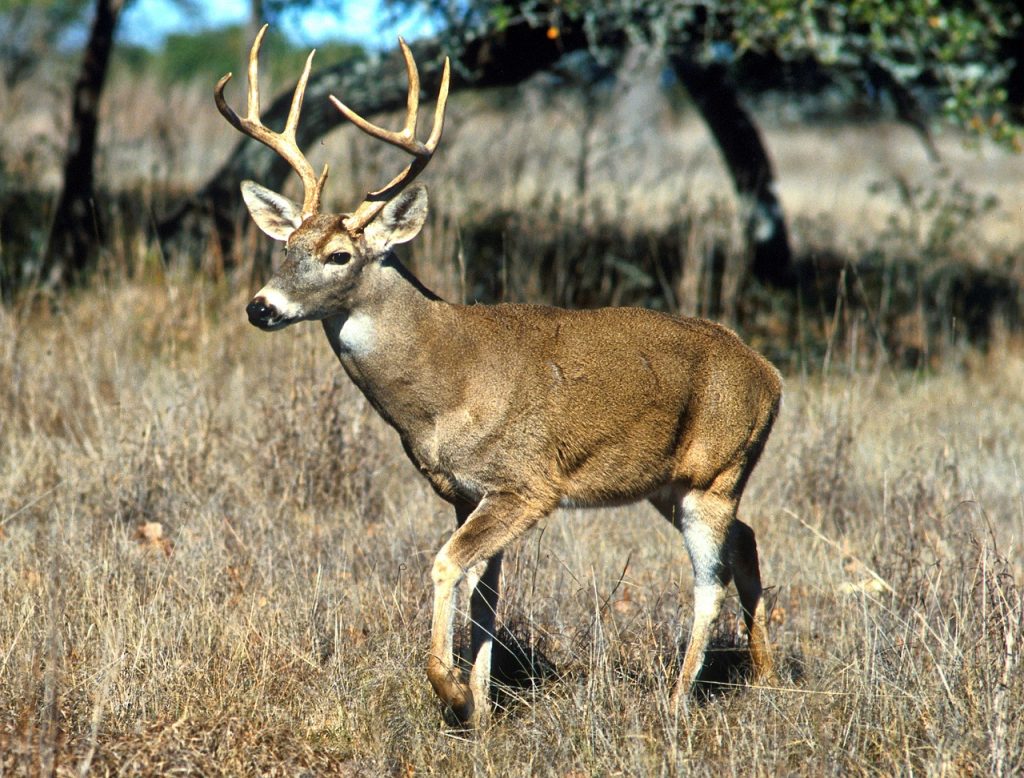
Wildlife within Voyageurs National Park is abundant and characteristic of the North Woods. Mammals include moose, black bears, gray wolves, river otters, beavers, bobcats, red foxes, and white-tailed deer. The park supports one of the most studied wolf populations in the United States.
Birdlife is especially impressive, with bald eagles, common loons, osprey, great blue herons, owls, and numerous migratory species inhabiting the region. The lakes support outstanding fisheries, including walleye, northern pike, smallmouth bass, and lake trout. Amphibians, reptiles, and countless aquatic organisms contribute to the health of this rich freshwater ecosystem.
Voyageurs National Park plays a critical role in protecting one of North America’s most significant freshwater wilderness landscapes. The park safeguards vital aquatic ecosystems, preserves important wildlife habitat, and protects cultural resources associated with Indigenous peoples and the historic fur trade.
Its conservation significance is often compared to Boundary Waters Canoe Area Wilderness and La Mauricie National Park because of its interconnected lakes, boreal forests, and wilderness recreation opportunities. Through its pristine waterways, rocky islands, abundant wildlife, and rich cultural heritage, Voyageurs National Park stands as one of America’s most distinctive protected areas and a premier destination for experiencing the beauty of the northern wilderness.
Photos
Things to See
Things To Do
Engaging Voyageurs National Park
Voyageurs National Park Trails
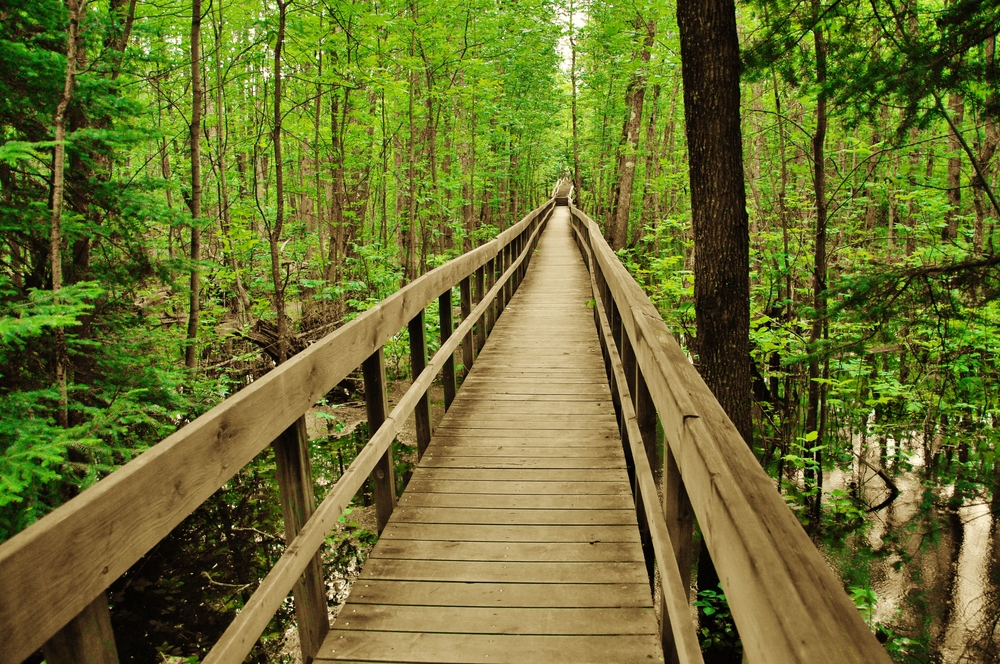
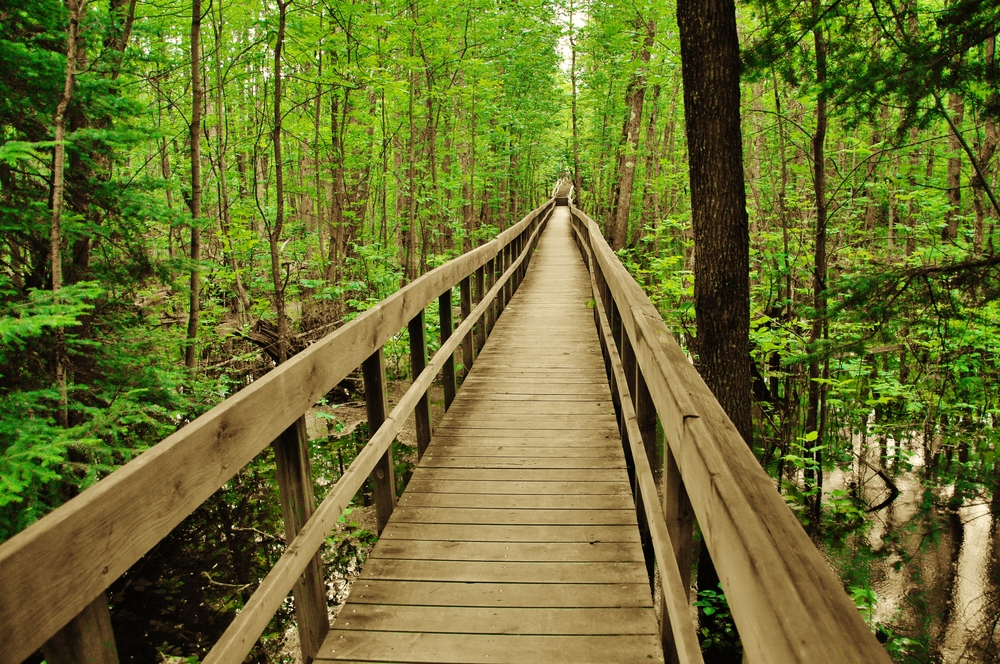
Although water is king, there are over 50 miles (80 km) of hiking trails that meander across the peninsula along with some on the islands. The majority of trails are through trees and along the shorelines which means that most are easy to moderate.

Park Protection
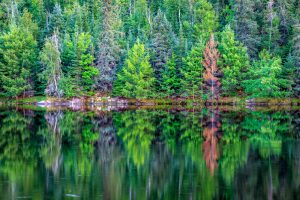 Voyageurs National Park was created to protect the interconnected lakes, forests, wetlands, and waterways of northern Minnesota near the Canadian border. The park provides habitat for several species of conservation concern, including gray wolves, Canada lynx, and bald eagles. Its waters support populations of northern pike, walleye, lake sturgeon, and numerous other fish species, while the surrounding boreal forests provide refuge for moose, black bears, and migratory birds.
The park is unique for its water-dominated landscape, where much of the area is accessible primarily by boat. It preserves an important transition zone between northern boreal forests and southern hardwood ecosystems, creating exceptional biodiversity. Together, Voyageurs National Park safeguards pristine freshwater habitats, northern wilderness ecosystems, important wildlife populations, and the historic waterways once traveled by French-Canadian fur traders known as voyageurs.
FAQ’s
What is Voyageurs National Park known for?
Voyageurs National Park, located in northern Minnesota, is renowned for its stunning water-based landscape, encompassing a network of pristine lakes, waterways, and islands.
This unique national park is a haven for boaters, kayakers, and anglers, offering visitors the chance to explore its scenic beauty through extensive water activities. The park is named after the French-Canadian fur traders, known as “voyageurs,” who navigated these waters centuries ago.
Voyageurs is also known for its diverse ecosystems, which include northern boreal forests and abundant wildlife such as bald eagles, moose, and wolves.
Its dark skies make it a fantastic location for stargazing, including views of the Northern Lights under the right conditions.
With its combination of historical significance, natural beauty, and recreational opportunities, Voyageurs National Park provides a unique wilderness experience in the heart of the American Midwest.
What is the main reason people visit Voyageurs National Park?
Voyageurs National Park is primarily visited for its vast interconnected lakes, boating, fishing, paddling, wildlife viewing, and exceptional wilderness experiences. Located in northern Minnesota along the Canadian border, the park protects more than 218,000 acres of lakes, islands, forests, and waterways. Unlike most national parks, water is the dominant feature, with nearly 40% of the park covered by water.
Visitors come to explore remote lakes, fish for trophy walleye and northern pike, kayak through island-studded waterways, observe wildlife, and experience one of the premier freshwater wilderness destinations in North America.
What animals can visitors hope to see in Voyageurs National Park?
Voyageurs National Park supports approximately 53 mammal species and a wide variety of reptiles, amphibians, fish, and aquatic wildlife.
Some of the most notable animals found in Voyageurs National Park include:
- Moose
- Gray Wolf
- American Black Bear
- Canada Lynx
- Bobcat
- Red Fox
- Coyote
- River Otter
- American Beaver
- Muskrat
- Mink
- Fisher
- American Marten
- Long-tailed Weasel
- Short-tailed Weasel
- Striped Skunk
- Porcupine
- White-tailed Deer
- Snowshoe Hare
- Woodland Jumping Mouse
- Meadow Vole
- Red-backed Vole
- Deer Mouse
- Woodland Vole
- Northern Flying Squirrel
- Red Squirrel
- Eastern Chipmunk
- Groundhog
- Water Shrew
- Masked Shrew
- Big Brown Bat
- Little Brown Bat
- Northern Long-eared Bat
- Hoary Bat
- Silver-haired Bat
- Eastern Red Bat
- Tri-colored Bat
- American Pygmy Shrew
- Star-nosed Mole
- Various Small Mammals
- Walleye
- Northern Pike
- Smallmouth Bass
- Largemouth Bass
- Lake Trout
- Yellow Perch
- Black Crappie
- Muskellunge
- Lake Whitefish
- Cisco
What birds can visitors hope to see in Voyageurs National Park?
Voyageurs National Park is home to more than 240 bird species. Its forests, wetlands, islands, and lakes provide exceptional habitat for both resident and migratory birds.
Some of the most popular birds seen in Voyageurs National Park include:
- Bald Eagle
- Golden Eagle
- Osprey
- Northern Harrier
- Cooper’s Hawk
- Sharp-shinned Hawk
- Merlin
- Peregrine Falcon
- American Kestrel
- Great Horned Owl
- Barred Owl
- Boreal Owl
- Northern Saw-whet Owl
- Common Loon
- Common Raven
- Blue Jay
- Gray Jay
- Black-capped Chickadee
- Boreal Chickadee
- White-breasted Nuthatch
- Red-breasted Nuthatch
- Brown Creeper
- Winter Wren
- House Wren
- Hermit Thrush
- Swainson’s Thrush
- American Robin
- Cedar Waxwing
- Evening Grosbeak
- Pine Grosbeak
- Pine Siskin
- Purple Finch
- Red Crossbill
- White-winged Crossbill
- Dark-eyed Junco
- White-throated Sparrow
- Song Sparrow
- Lincoln’s Sparrow
- Yellow Warbler
- Common Yellowthroat
- Blackburnian Warbler
- Black-throated Green Warbler
- Northern Parula
- Scarlet Tanager
- Rose-breasted Grosbeak
- Hairy Woodpecker
- Downy Woodpecker
- Pileated Woodpecker
- Black-backed Woodpecker
- Spruce Grouse
Is Voyageurs National Park worth visiting?
Yes, Voyageurs National Park is absolutely worth visiting and offers one of the most unique wilderness experiences in the United States.
The park provides outstanding boating, paddling, fishing, wildlife viewing, camping, and stargazing opportunities. Unlike many national parks that focus on mountains or deserts, Voyageurs is centered around an immense freshwater wilderness where lakes, islands, and forests create a landscape that feels remote and wild.
The primary hesitation is that many of the park’s best experiences require access by boat, canoe, kayak, or water taxi, making it different from most drive-through national parks.
What is the best time to visit Voyageurs National Park?
The best time to visit Voyageurs National Park is from June through September.
Typical conditions include:
- June: 45–75°F (7–24°C)
- July: 55–80°F (13–27°C)
- August: 50–80°F (10–27°C)
- September: 40–70°F (4–21°C)
During this period:
- Lakes are fully accessible.
- Boating and paddling conditions are excellent.
- Fishing is productive.
- Wildlife viewing is strong.
- Camping opportunities are abundant.
Winter is also popular for snowmobiling, cross-country skiing, snowshoeing, and northern lights viewing.
How many days do you need to visit Voyageurs National Park?
Most visitors should plan for 2 to 4 days.
- 1 day: Boat tour and visitor centers.
- 2 days: Boating, hiking, and wildlife viewing.
- 3–4 days: Camping, fishing, paddling, and island exploration.
The park is best experienced over multiple days because many destinations are accessible only by water.
How do you get to Voyageurs National Park?
Voyageurs National Park is located in northern Minnesota along the border with Canada.
The closest airports include:
- Falls International Airport – approximately 15 minutes from the park.
- Duluth International Airport – approximately 4 hours away.
- Minneapolis–Saint Paul International Airport – approximately 5 hours away.
Most visitors follow this route:
- Fly into International Falls, Duluth, or Minneapolis.
- Rent a vehicle.
- Travel to one of the park’s visitor centers or boat launches.
- Explore the park by boat, canoe, kayak, or guided tour.
Important: Voyageurs Is a Water-Based National Park
Unlike most national parks, there are very few roads within Voyageurs National Park.
Many of the park’s most spectacular destinations are accessible only by:
- Private boat.
- Houseboat.
- Canoe.
- Kayak.
- Guided boat tour.
- Water taxi.
Visitors should plan accordingly.
Rainy Lake Visitor Center
The park’s primary visitor center is:
- Rainy Lake Visitor Center
Located near:
- International Falls
This area provides:
- Park information.
- Exhibits.
- Boat access.
- Ranger programs.
Major Lakes
The park protects portions of four major lakes:
- Rainy Lake
- Kabetogama Lake
- Namakan Lake
- Sand Point Lake
These interconnected waterways form the heart of the park.
Kabetogama Area
One of the most popular access points is:
- Kabetogama Lake Visitor Center
This area offers:
- Boat rentals.
- Fishing access.
- Wildlife viewing.
- Guided tours.
Houseboats
Voyageurs is one of the few national parks where visitors can rent and stay on:
- Houseboats.
This unique experience allows travelers to explore the park while living directly on the water.
Travel Times
Typical travel times include:
- International Falls Airport to Rainy Lake Visitor Center: approximately 15 minutes.
- Duluth to International Falls: approximately 4 hours.
- Minneapolis to International Falls: approximately 5 hours.
- Kabetogama Visitor Center to central lake destinations: typically 30–90 minutes by boat.
Visitors should allow extra time because travel within the park often occurs by water rather than road.
Who is involved in protecting and supporting Voyageurs National Park?
Several organizations help protect and support Voyageurs National Park:
- National Park Service – manages Voyageurs National Park.
- Voyageurs Conservancy – supports education, conservation, and stewardship initiatives.
- National Park Foundation – supports projects throughout the National Park System.
- Voyageurs National Park Association – supports visitor education and conservation programs.
- Indigenous communities including the Bois Forte Band of Chippewa and Grand Portage Band of Lake Superior Chippewa, who maintain longstanding cultural connections to the region.
Do you need a boat to visit Voyageurs National Park?
No, but having access to a boat greatly enhances the experience. Many of the park’s most remote and scenic destinations are accessible only by water.
Can you see the Northern Lights in Voyageurs National Park?
Yes. Voyageurs is recognized as one of the best places in the continental United States to view the Aurora Borealis because of its dark skies and northern location.
What fish is Voyageurs National Park known for?
The park is particularly famous for fishing for Walleye, northern pike, smallmouth bass, and lake trout.
Sources
- All Trails, Best Trails in Voyageurs National Park, https://www.alltrails.com/parks/us/minnesota/voyageurs-national-park, retrieved June 2020.
- Britannica, Rainy Lake, https://www.britannica.com/place/Rainy-Lake, retrieved June 2020.
- Britannica, Voyageurs National Park, https://www.britannica.com/place/Voyageurs-National-Park, retrieved June 2020.
- National Geographic, Complete National Parks of the United States, National Geographic Publishing, Washington DC.
- National Geographic, Guide to the National Parks of the United States, National Geographic Society, 2003.
- National Geographic, National Parks of North America, Canada-United States-Mexico, National Geographic Society, 1995.
- National Park Service, Voyageurs, https://www.nps.gov/voya/index.htm, retrieved June 2020.
- Voyageurs National Park Association, Voyageurs, https://www.voyageurs.org/, retrieved June 2020.
- Wikipedia, Kabetogama Lake, https://en.wikipedia.org/wiki/Kabetogama_Lake, retrieved June 2020.