

About
Gates of the Arctic National Park and Preserve is located entirely north of the Arctic Circle in northern Alaska, United States. Covering approximately 13,238 square miles (34,287 sq km), it is the second-largest national park in the United States after Wrangell–St. Elias National Park and Preserve.
Established in 1980 through the Alaska National Interest Lands Conservation Act, the park protects one of the last truly untouched wilderness areas on Earth. Situated north of Fairbanks and encompassing much of the central Brooks Range, the park contains no roads, no developed trails, and no permanent visitor facilities within its boundaries. Its immense size and remoteness make it one of the wildest protected landscapes in North America.
Gates of the Arctic National Park and Preserve is best known for its pristine Arctic wilderness and unparalleled sense of solitude. The park takes its name from two dramatic mountain peaks, Frigid Crags and Boreal Mountain, which were described by wilderness advocate Robert Marshall as the “gates” to the Arctic.
Visitors who venture into the park experience an environment largely unchanged by modern development. Backpacking, wilderness trekking, rafting, wildlife photography, and backcountry exploration are among the primary activities. Unlike most national parks, there are no roads, campgrounds, visitor centers, or designated trails within the park itself, providing an authentic wilderness experience that few places in the world can match.
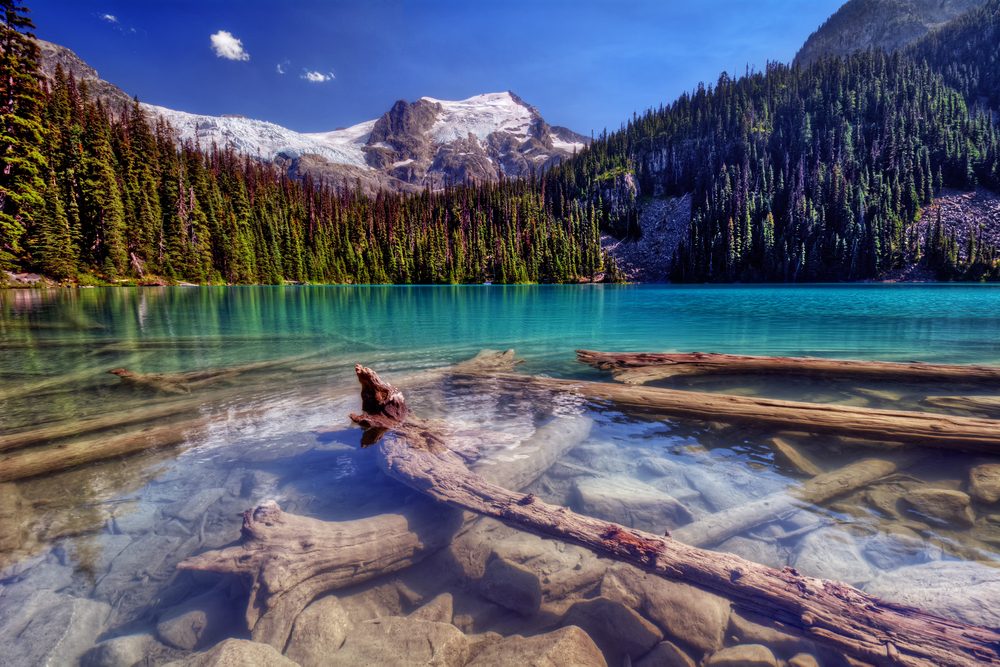
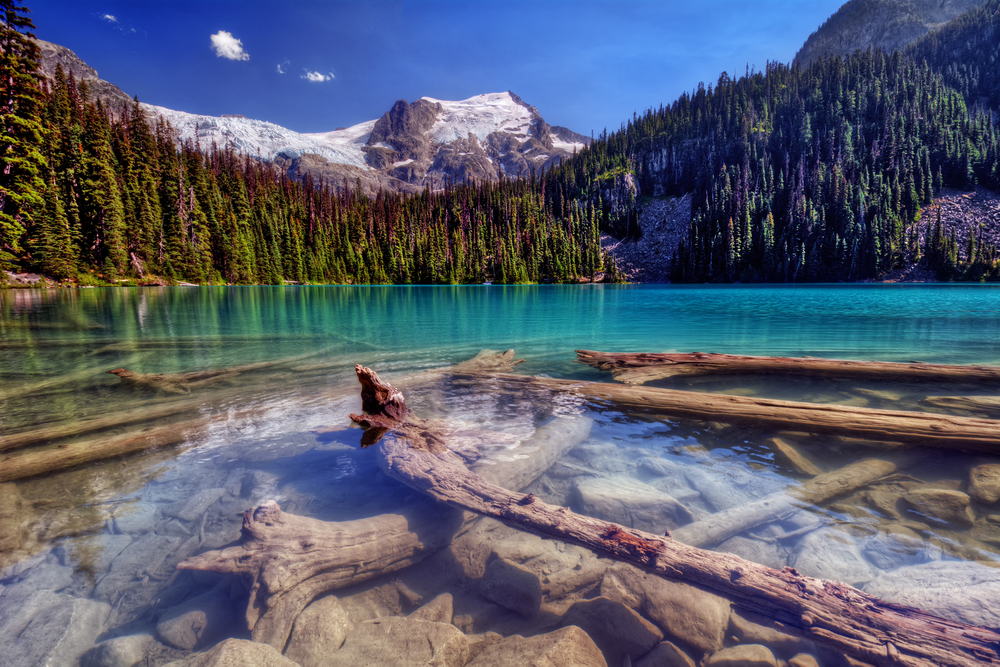
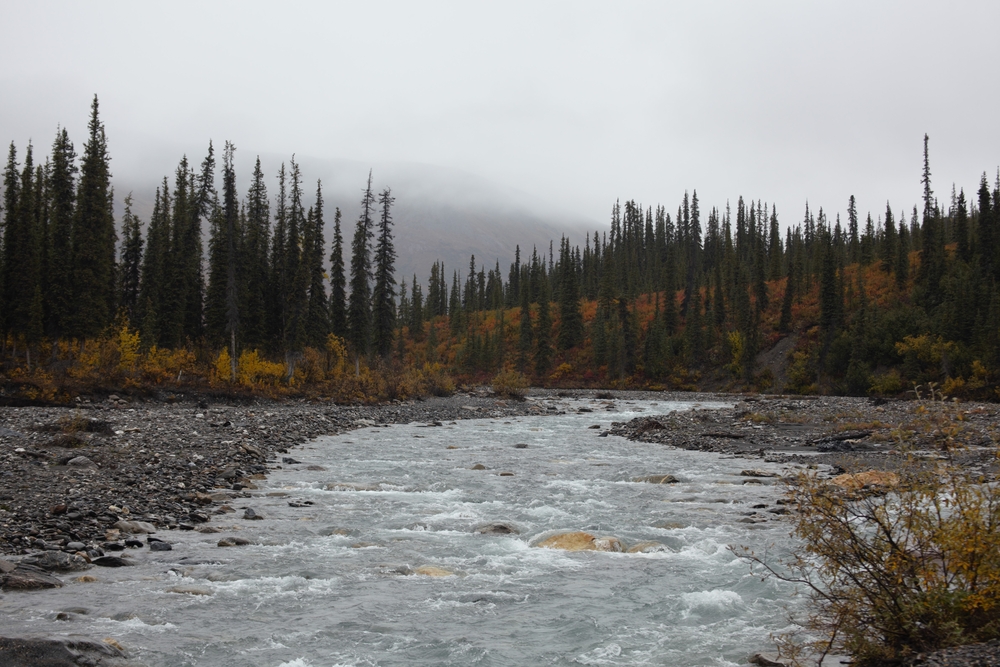
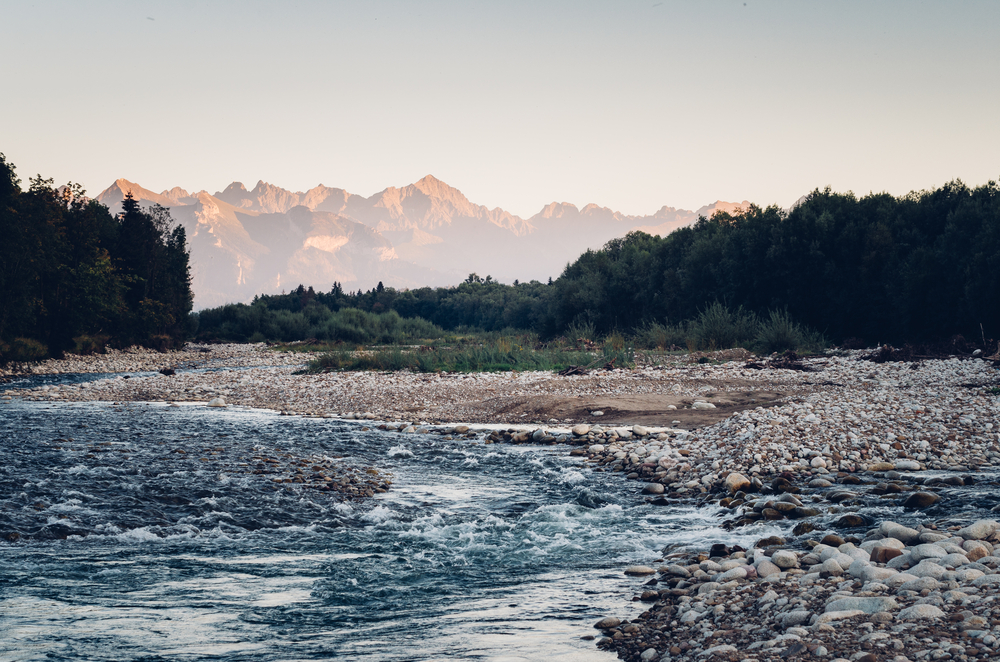
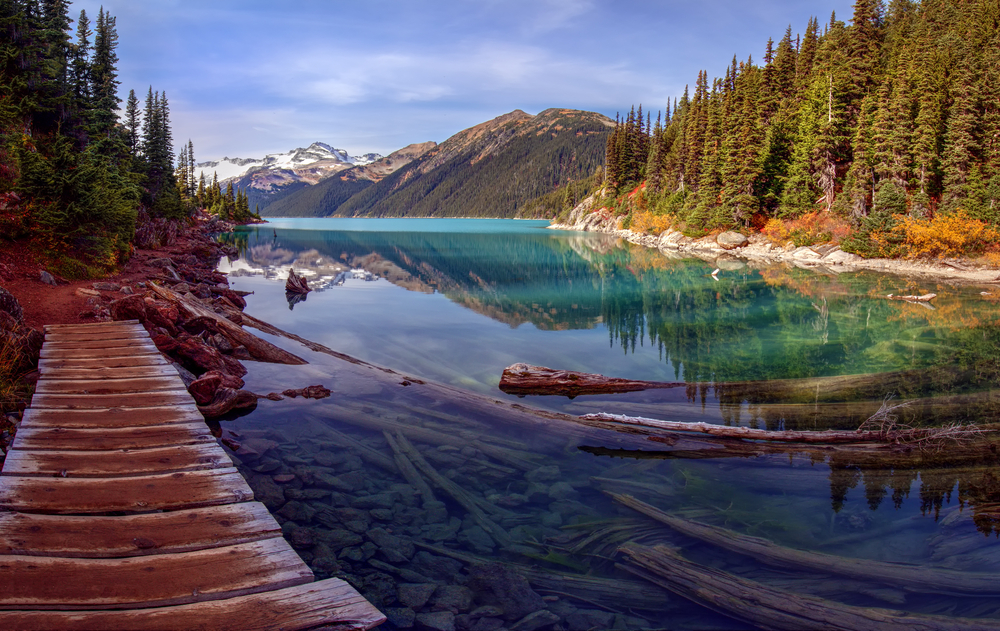
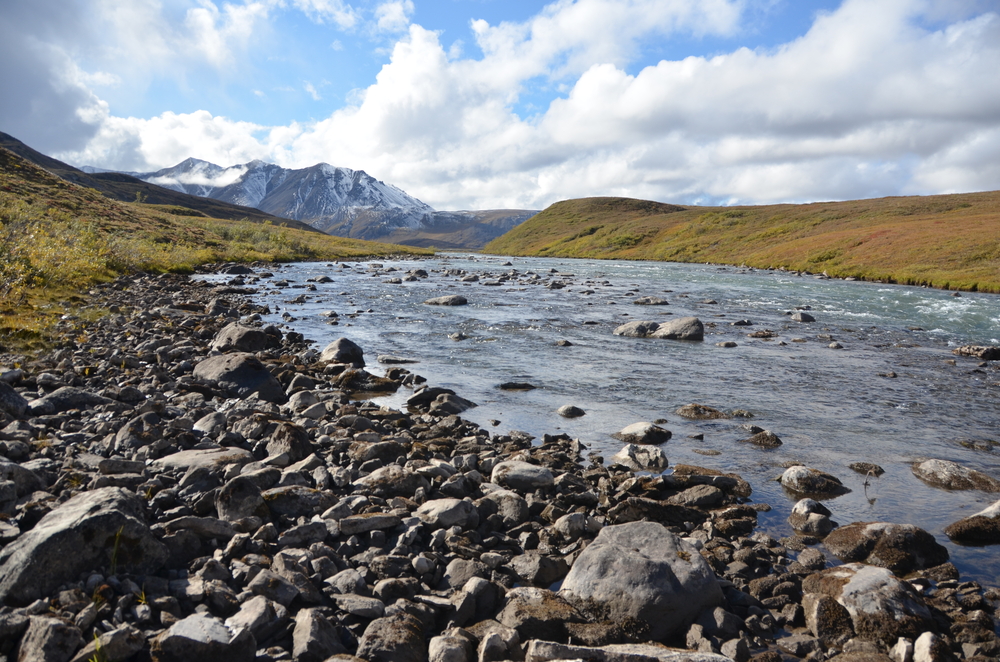
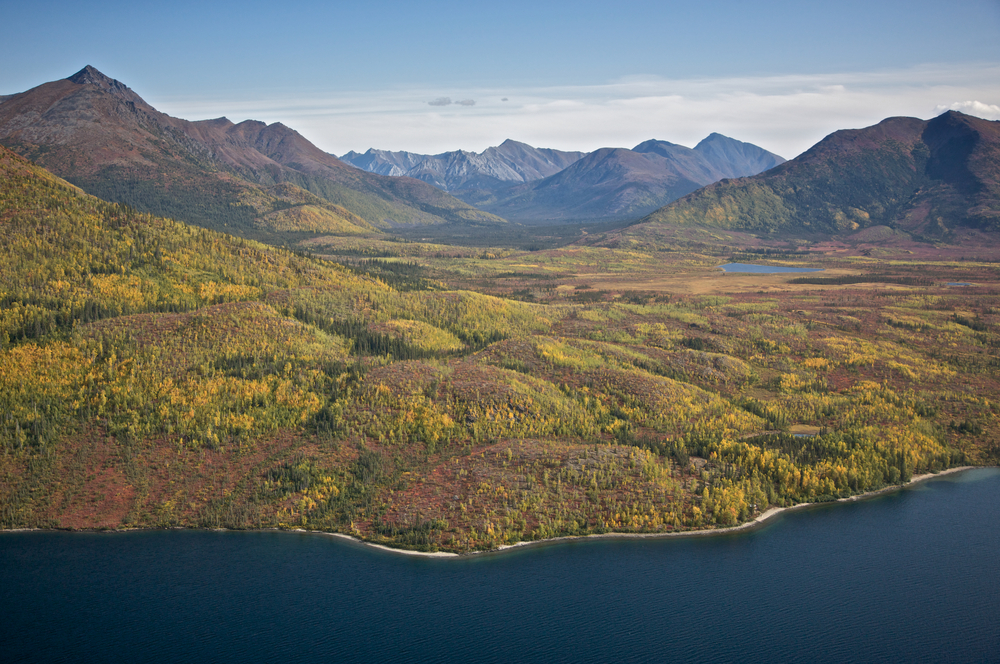
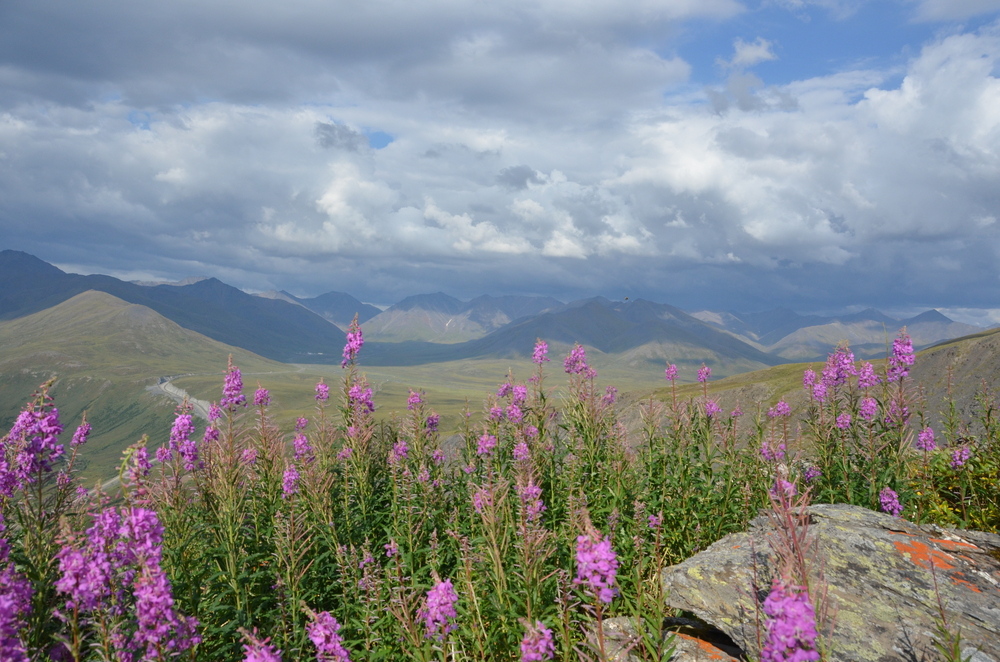
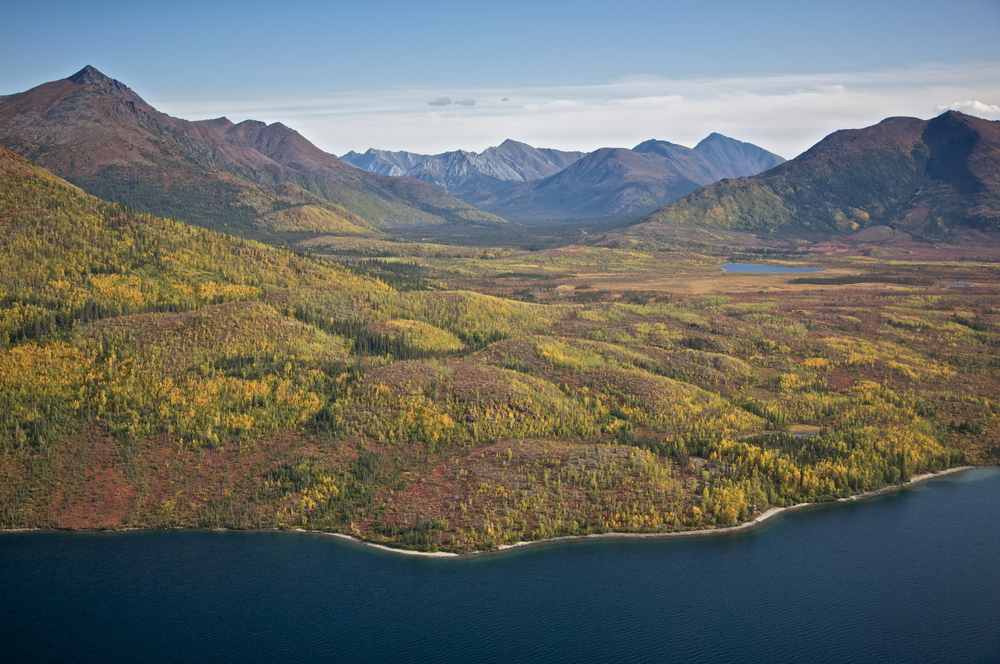
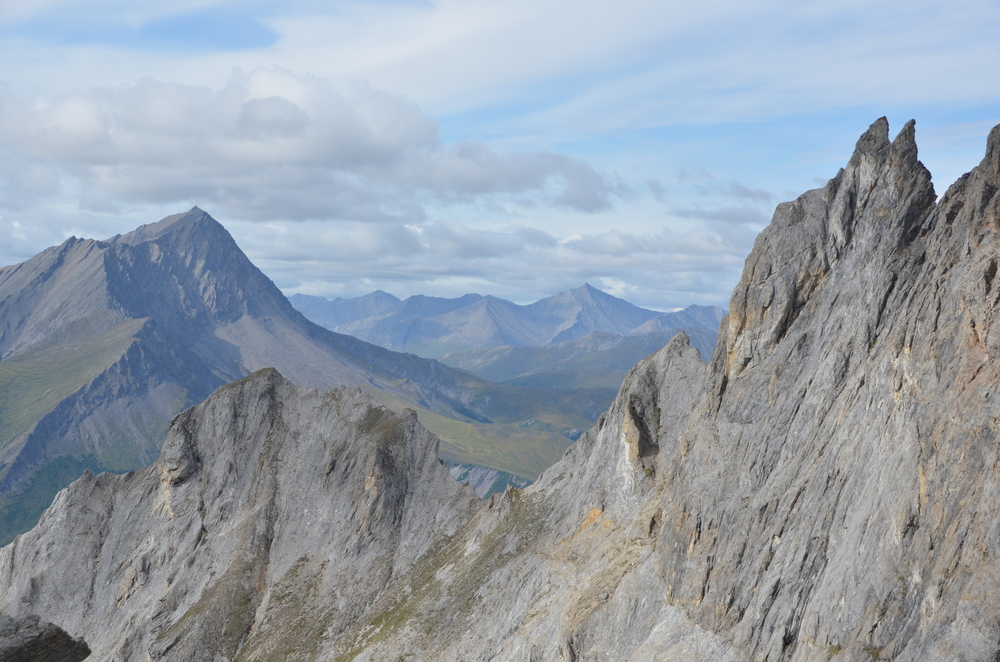
The geography of Gates of the Arctic National Park and Preserve is dominated by the rugged Brooks Range, a vast mountain system stretching across northern Alaska. The landscape includes jagged peaks, broad valleys, tundra-covered plains, alpine meadows, rivers, and glacially sculpted terrain. Major rivers such as the Alatna, Noatak, Kobuk, and John Rivers flow through the park, creating important wildlife corridors and opportunities for wilderness rafting.
Elevations range from low Arctic valleys to mountain summits exceeding 7,000 feet (2,100 meters). The park experiences long, cold winters and short but vibrant summers characterized by nearly continuous daylight. These extreme seasonal variations help shape one of the most distinctive ecosystems in North America.
Wildlife within Gates of the Arctic National Park and Preserve is remarkably abundant despite the harsh environment. The park supports one of the largest migrations of land mammals in North America, including the Western Arctic and Central Arctic caribou herds. Other large mammals include grizzly bears, black bears, wolves, wolverines, moose, Dall sheep, and Arctic foxes.
Birdlife is equally impressive during the summer months, when migratory species arrive from around the world. Golden eagles, gyrfalcons, rough-legged hawks, loons, tundra swans, and numerous waterfowl utilize the park’s rivers, wetlands, and mountain habitats. Fish such as Arctic grayling, char, and salmon inhabit the park’s pristine waterways, contributing to the ecological integrity of the region.
Gates of the Arctic National Park and Preserve plays a critical role in conserving one of the largest intact wilderness ecosystems on Earth. The park protects vast Arctic landscapes, migratory wildlife routes, pristine watersheds, and cultural resources associated with Indigenous peoples who have lived in the region for thousands of years. Its conservation significance is often compared to Denali National Park and Preserve and Wood Buffalo National Park because of its immense size and ecological importance.
However, Gates of the Arctic’s complete absence of roads and modern infrastructure gives it a wilderness character unmatched by almost any protected area in North America. Today, the park remains one of the world’s great natural sanctuaries, preserving an Arctic landscape where mountains, rivers, wildlife, and wilderness continue to exist on a truly epic scale.
Photos
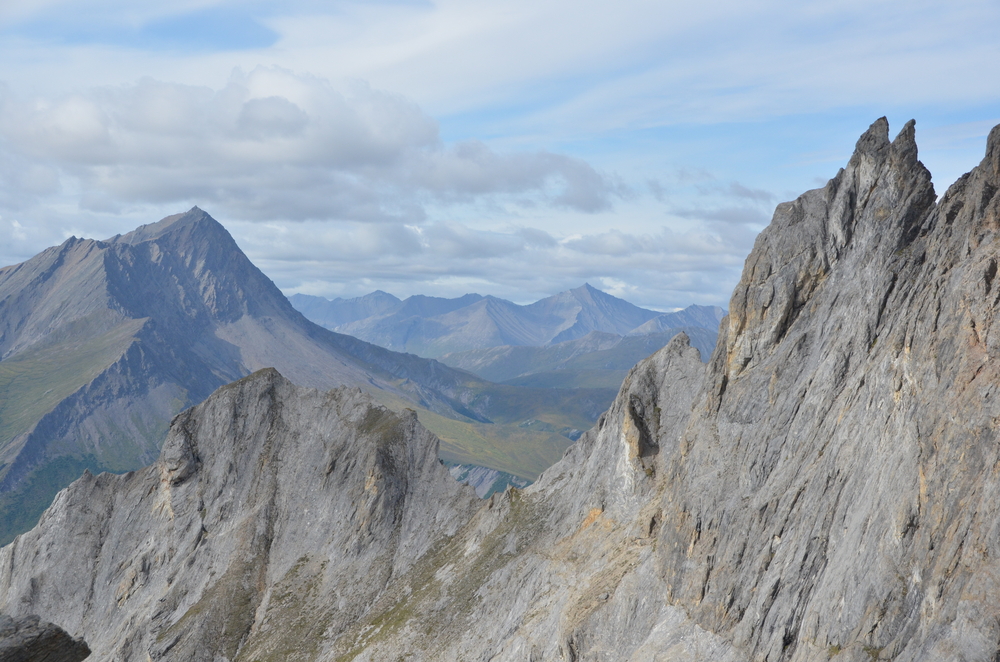

Things to See
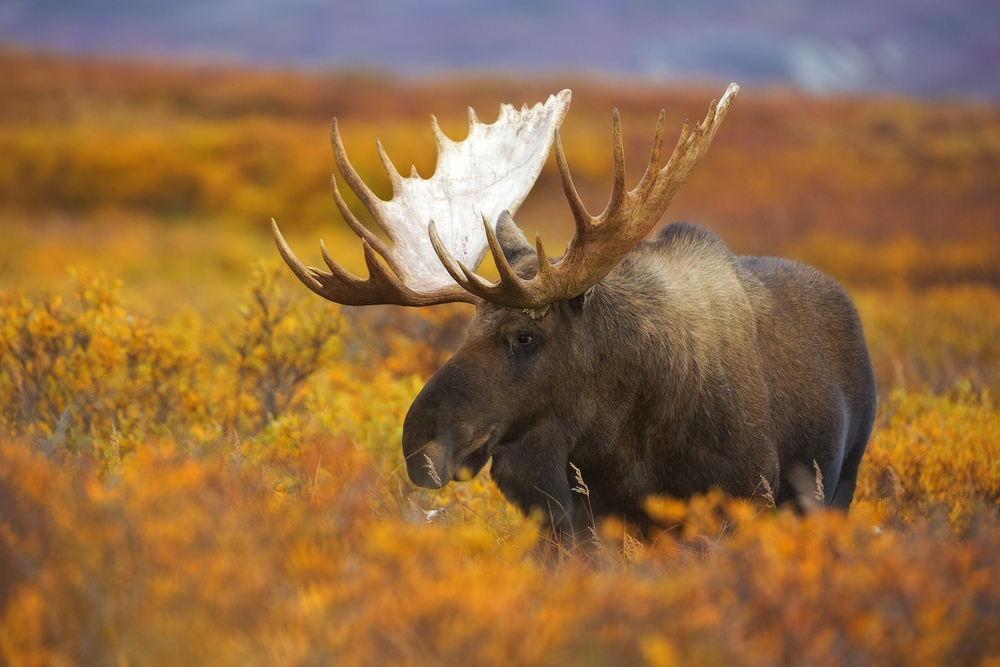
Things To Do
Engaging Gates of the Arctic
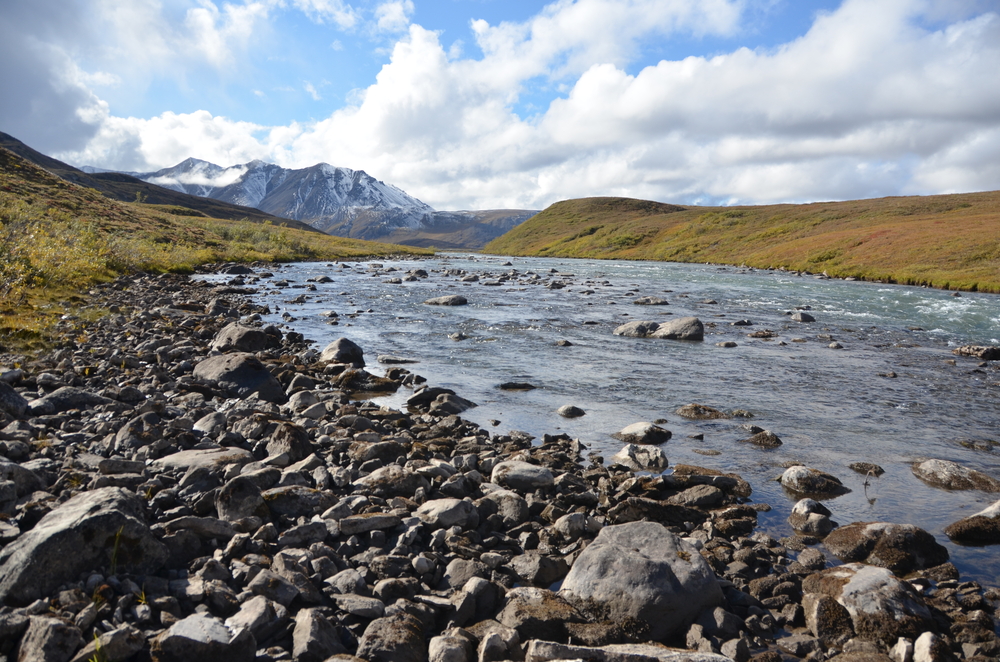
Gates of the Arctic National Park Trails
The Gates of the Arctic National Park is the epitome of wilderness. There are no roads nor designated trails to or in the national park. This is backpacking and backcountry camping in one of the most remote national parks in the world.
Hikers may create their own paths as they explore the 8.4 million acres of untouched astounding wilderness. It is imperative that you know what you’re doing, where you are going, and more importantly, how to get back. Cell phones do not work in the park.
There are outfitters and guide services that can help make your exploration more successful if you want to experience the wilderness but not a master of navigation.

Park Protection
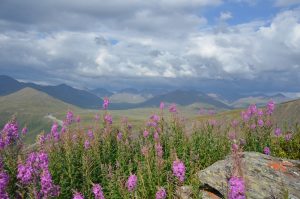 Gates of the Arctic National Park was created to protect an immense, untouched wilderness in northern Alaska, including the central Brooks Range, vast tundra landscapes, wild rivers, and boreal forests. The park provides critical habitat for large populations of caribou, grizzly bears, gray wolves, wolverines, and Dall sheep. It also supports migratory birds and other wildlife that depend on one of the most intact Arctic ecosystems remaining in North America.
The park is notable for having no roads, trails, or developed facilities, preserving a wilderness experience rarely found anywhere in the world. It protects a portion of the migration routes of the Western Arctic and Central Arctic caribou herds, among the largest wildlife migrations in North America. Together, Gates of the Arctic National Park safeguards pristine Arctic ecosystems, vast wilderness landscapes, and ecological processes that continue largely unchanged by modern development.
FAQ’s
What is Gates of the Arctic National Park known for?
Gates of the Arctic National Park is renowned for its pristine wilderness, rugged landscapes, and remote wilderness experience. As one of the least visited national parks in the United States, it offers unparalleled opportunities for adventure and solitude.
The park is characterized by its vast expanses of untouched wilderness, towering mountain ranges, sprawling tundra, and meandering rivers. Visitors can embark on backcountry backpacking trips, wildlife viewing excursions, and wilderness camping expeditions.
The park is home to diverse wildlife, including grizzly bears, caribou, wolves, and Dall sheep, providing ample opportunities for wildlife enthusiasts and photographers. With no roads or established trails, exploring Gates of the Arctic requires self-reliance, backcountry skills, and a spirit of adventure.
It’s a place where visitors can truly disconnect from the modern world and immerse themselves in the raw beauty of the Alaskan wilderness.
What is the main reason people visit Gates of the Arctic National Park?
Gates of the Arctic National Park is primarily visited for its vast wilderness, untouched Arctic landscapes, and unparalleled opportunities for remote adventure. Located entirely north of the Arctic Circle in Alaska, the park protects more than 8.4 million acres of mountains, rivers, tundra, and boreal forests.
Visitors come to experience true wilderness, backpack through remote valleys, raft wild rivers, observe Arctic wildlife, photograph spectacular scenery, and explore one of the least-visited and most pristine national parks in the United States.
What animals can visitors hope to see in Gates of the Arctic National Park?
Gates of the Arctic National Park supports approximately 45 mammal species and a small number of amphibians. Due to the Arctic climate, reptiles are virtually absent from the region. The park is internationally known for its large mammal populations and intact Arctic ecosystems.
Some of the most notable mammals found in Gates of the Arctic National Park include:
- Caribou
- Grizzly Bear
- Black Bear
- Gray Wolf
- Moose
- Dall Sheep
- Wolverine
- Canada Lynx
- Red Fox
- Arctic Fox
- Coyote
- River Otter
- American Beaver
- Mink
- Marten
- Ermine
- Least Weasel
- Hoary Marmot
- Arctic Ground Squirrel
- Red Squirrel
- Northern Flying Squirrel
- Snowshoe Hare
- Collared Pika
- Tundra Vole
- Meadow Vole
- Singing Vole
- Northern Bog Lemming
- Brown Lemming
- Deer Mouse
- Muskrat
- Water Shrew
- Masked Shrew
- Arctic Shrew
- Pygmy Shrew
- Little Brown Bat
- Keen’s Myotis
- Silver-haired Bat
- Hoary Bat
- Northern Red-backed Vole
- Meadow Jumping Mouse
- Porcupine
- Ground Squirrel Species
- Various Rodent Species
- Various Small Mammals
- Various Arctic Mammals
What birds can visitors hope to see in Gates of the Arctic National Park?
Gates of the Arctic National Park is home to more than 145 bird species. Many species migrate thousands of miles to breed in the park’s tundra, wetlands, rivers, and mountain habitats.
Some of the most popular birds seen in Gates of the Arctic National Park include:
- Golden Eagle
- Bald Eagle
- Gyrfalcon
- Peregrine Falcon
- Merlin
- Rough-legged Hawk
- Northern Harrier
- Short-eared Owl
- Snowy Owl
- Great Horned Owl
- Northern Hawk Owl
- Common Raven
- Gray Jay
- Black-billed Magpie
- Boreal Chickadee
- Black-capped Chickadee
- American Dipper
- Varied Thrush
- Hermit Thrush
- American Robin
- Northern Wheatear
- Lapland Longspur
- Smith’s Longspur
- Savannah Sparrow
- White-crowned Sparrow
- Fox Sparrow
- American Tree Sparrow
- Dark-eyed Junco
- Rusty Blackbird
- Pine Grosbeak
- Common Redpoll
- Hoary Redpoll
- Pine Siskin
- White-winged Crossbill
- Red Crossbill
- Wilson’s Warbler
- Yellow Warbler
- Orange-crowned Warbler
- Northern Waterthrush
- Sandhill Crane
- Trumpeter Swan
- Tundra Swan
- Canada Goose
- Greater White-fronted Goose
- Northern Pintail
- Green-winged Teal
- Harlequin Duck
- Long-tailed Jaeger
- Arctic Tern
- Red-throated Loon
Is Gates of the Arctic National Park worth visiting?
Yes, Gates of the Arctic National Park is absolutely worth visiting for adventurous travelers seeking one of the world’s last great wilderness experiences.
Unlike most national parks, there are no roads, trails, visitor facilities, or developed campgrounds within the park. Visitors experience complete immersion in an untouched Arctic landscape. For those seeking solitude, wilderness exploration, wildlife viewing, and backcountry adventure, Gates of the Arctic is among the most extraordinary protected areas on Earth.
However, it is not a typical tourist destination and requires significant planning and wilderness experience.
What is the best time to visit Gates of the Arctic National Park?
The best time to visit Gates of the Arctic National Park is:
- June through August
During these months:
- Temperatures are relatively mild.
- Rivers are generally ice-free.
- Wildlife is active.
- Nearly continuous daylight is available.
Winter visits are possible but require specialized Arctic travel skills and equipment.
How many days do you need to visit Gates of the Arctic National Park?
Most visitors should plan for 5 to 10 days.
- 3–4 days: Short fly-in wilderness experience.
- 5–7 days: Backpacking or rafting trips.
- 8–10 days: Extensive backcountry exploration.
- 10+ days: Remote wilderness expeditions.
The park’s remoteness often makes longer trips more rewarding.
How do you get to Gates of the Arctic National Park?
Gates of the Arctic National Park has no roads leading into the park.
Most visitors:
- Fly into Fairbanks.
- Travel to gateway communities such as Bettles, Coldfoot, or Anaktuvuk Pass.
- Access the park by bush plane, hiking, rafting, or other backcountry methods.
Most visitors enter via chartered aircraft.
Who is involved in protecting and supporting Gates of the Arctic National Park?
Several organizations help protect Gates of the Arctic National Park:
- National Park Service – manages Gates of the Arctic National Park.
- Alaska Geographic – supports educational and conservation initiatives in Alaska’s public lands.
- National Park Foundation – supports projects throughout the National Park System.
- Indigenous communities, including the Iñupiat People and Koyukon Athabaskan People, who maintain deep cultural connections to the region.
- Scientists, researchers, and conservation organizations working to preserve Arctic ecosystems.
Does Gates of the Arctic National Park have roads or trails?
No. Gates of the Arctic is unique among U.S. national parks because it has no roads, established trails, or developed visitor facilities within the park boundaries. Visitors experience true wilderness travel using navigation skills and backcountry techniques.
Can you see the Northern Lights in Gates of the Arctic National Park?
Yes. Gates of the Arctic is one of the best places in North America to view the Aurora Borealis. The dark skies, northern latitude, and lack of light pollution create exceptional viewing conditions, particularly from late August through April.
Sources
- All Trails, Best Trails in Gates of the Arctic National Park, https://www.alltrails.com/parks/us/alaska/gates-of-the-arctic-national-park-and-preserve, retrieved June 2020.
- Britannica, Gates of the Arctic National Park, https://www.britannica.com/place/Gates-of-the-Arctic-National-Park-and-Preserve, retrieved June 2020.
- National Geographic, Complete National Parks of the United States, National Geographic Publishing, Washington DC.
- National Geographic, Gates of the Arctic National Park, https://www.nationalgeographic.com/travel/national-parks/gates-arctic-national-park/, retrieved June 2020.
- National Geographic, Guide to the National Parks of the United States, National Geographic Society, 2003.
- National Geographic, National Parks of North America, Canada-United States-Mexico, National Geographic Society, 1995.
- National Park Service, Gates of the Arctic, https://www.nps.gov/gaar/index.htm, retrieved June 2020.
- Peak Bagger, Mount Igikpak, https://www.peakbagger.com/peak.aspx?pid=73, retrieved June 2020.
- Travel Alaska, Gates of the Arctic National Park and Preserve, https://www.travelalaska.com/Destinations/Parks-and-Public-Lands/Gates-of-the-Arctic-National-Park-and-Preserve.asp, retrieved June 2020.
- Wikipedia, Gates of the Arctic National Park and Preserve, https://en.wikipedia.org/wiki/Gates_of_the_Arctic_National_Park_and_Preserve, retrieved June 2020.