About

Crater Lake National Park is located in the south-central part of Oregon in the western United States.  The park covers an area of 286.29 square miles (741.48 sq km).  Apart from historic sites, it is the only national park in the state.

Crater Lake has the distinction of being the deepest lake in the United States and the ninth deepest in the world.  That statistical significance along with the stunning landscapes that the crater creates made it a strong candidate as one of the Seven Natural Wonders of North America.

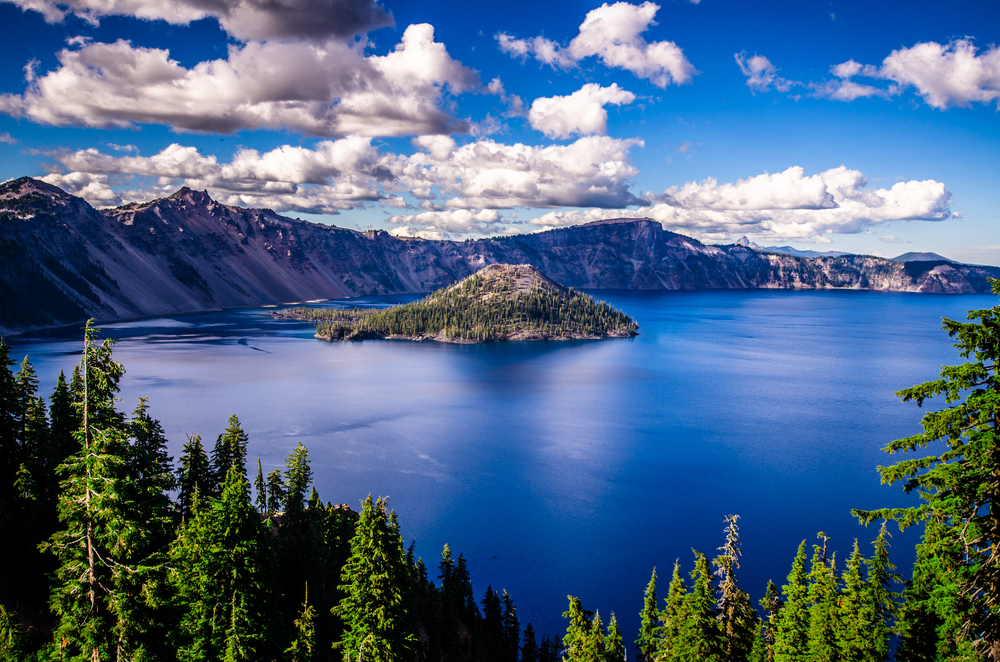
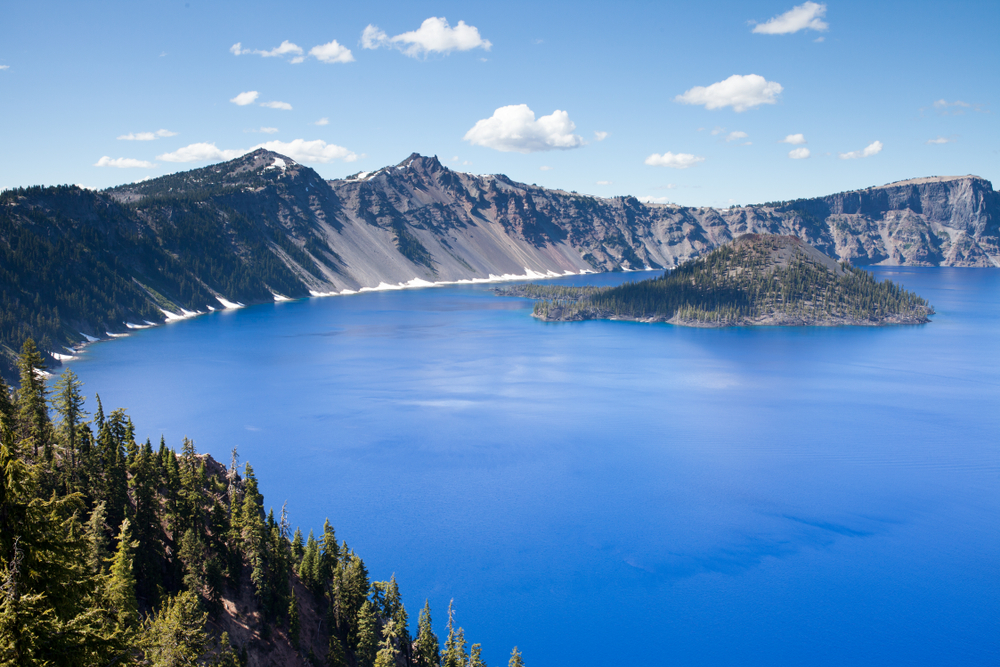
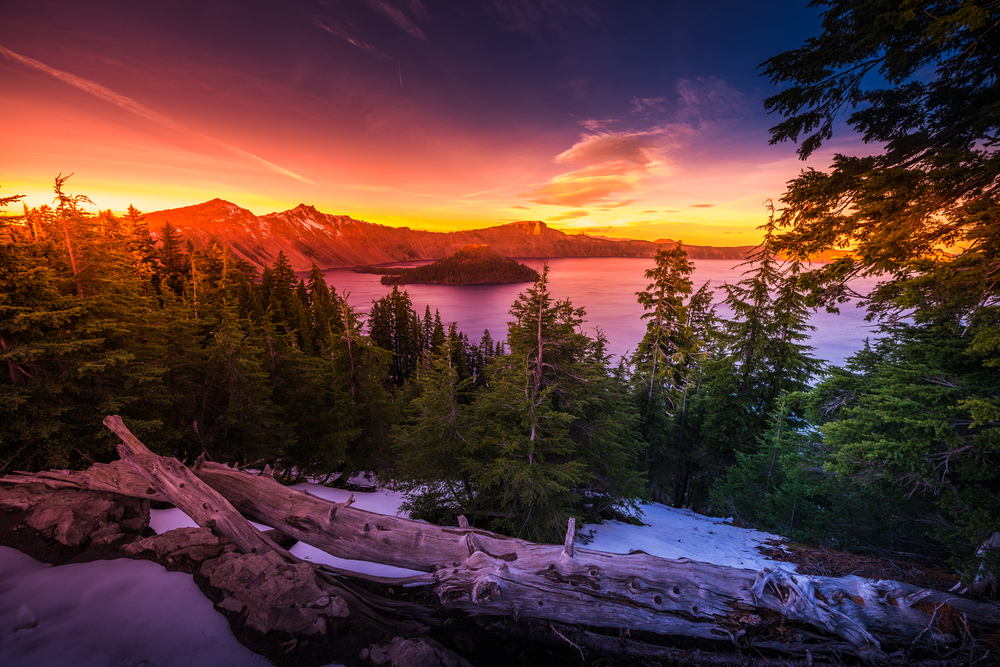
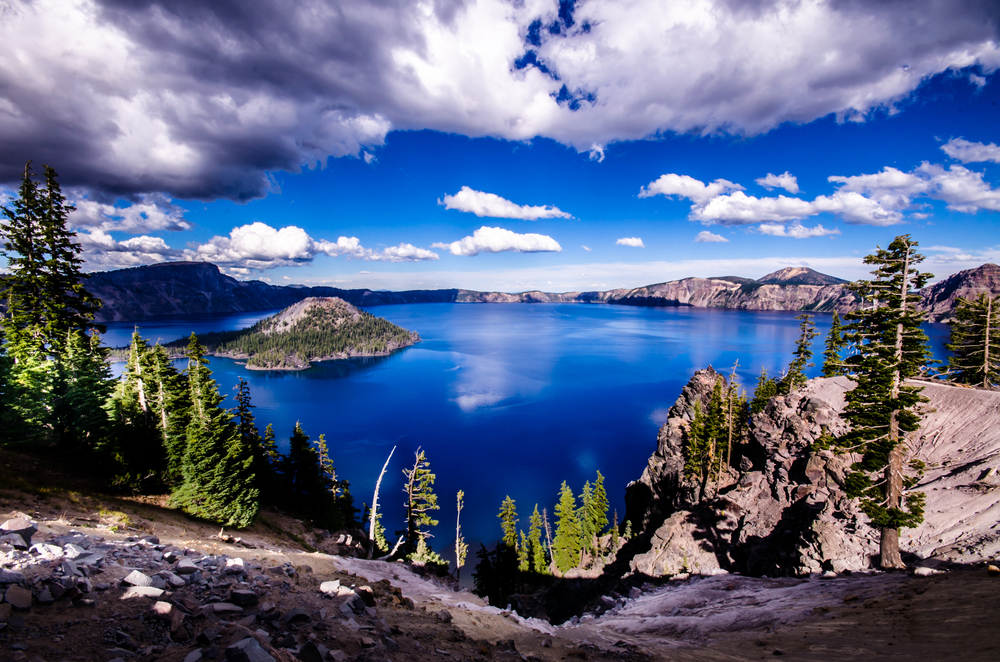
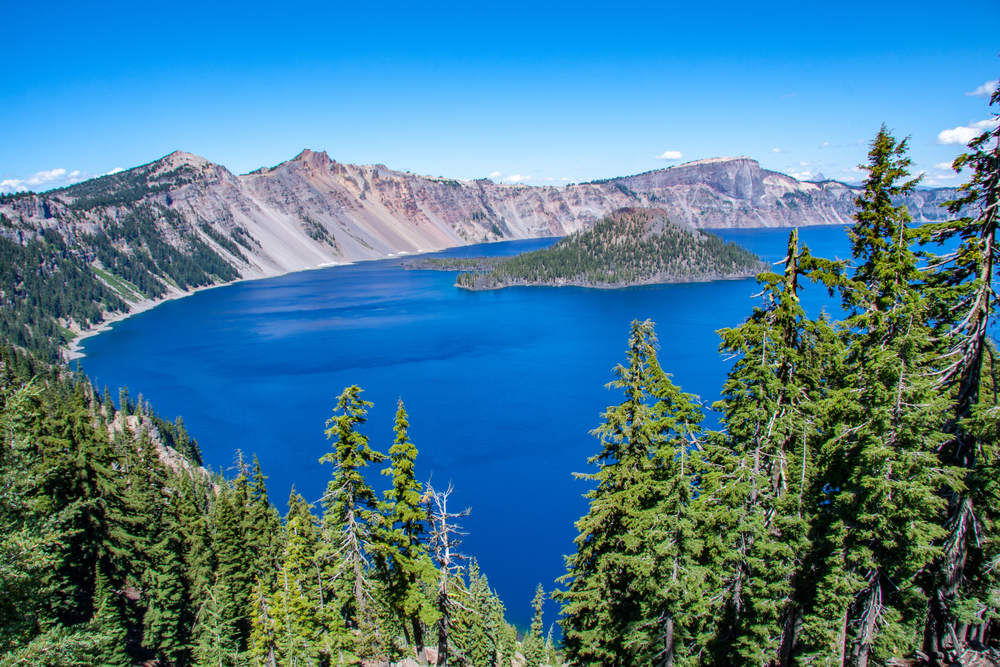
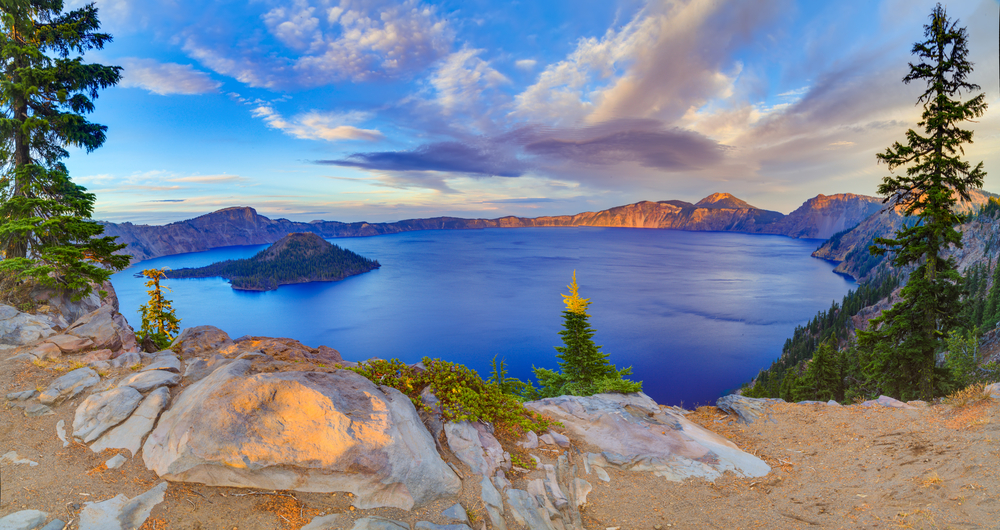
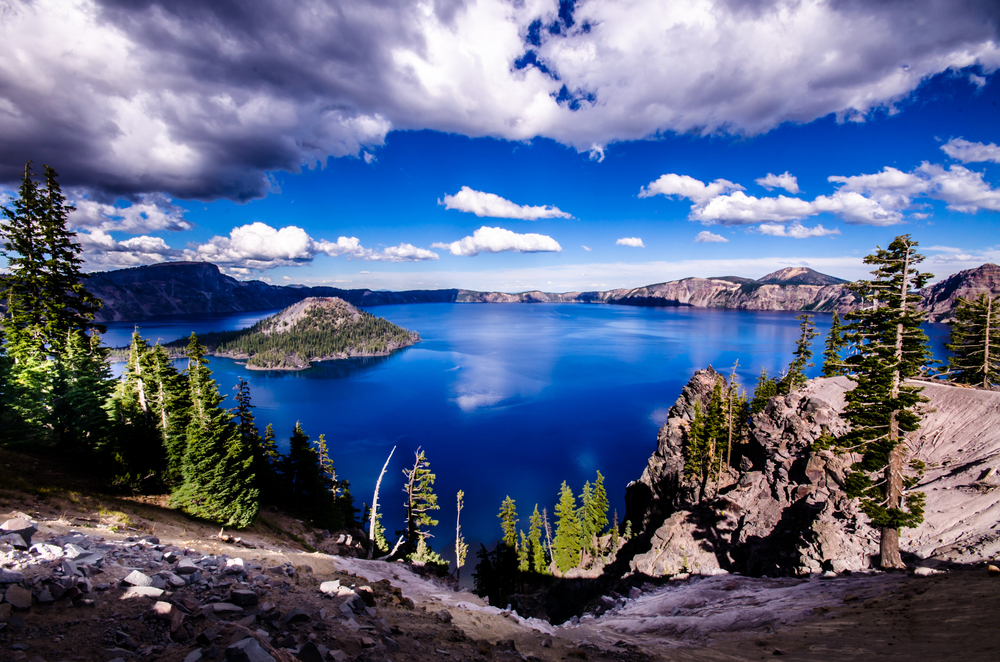
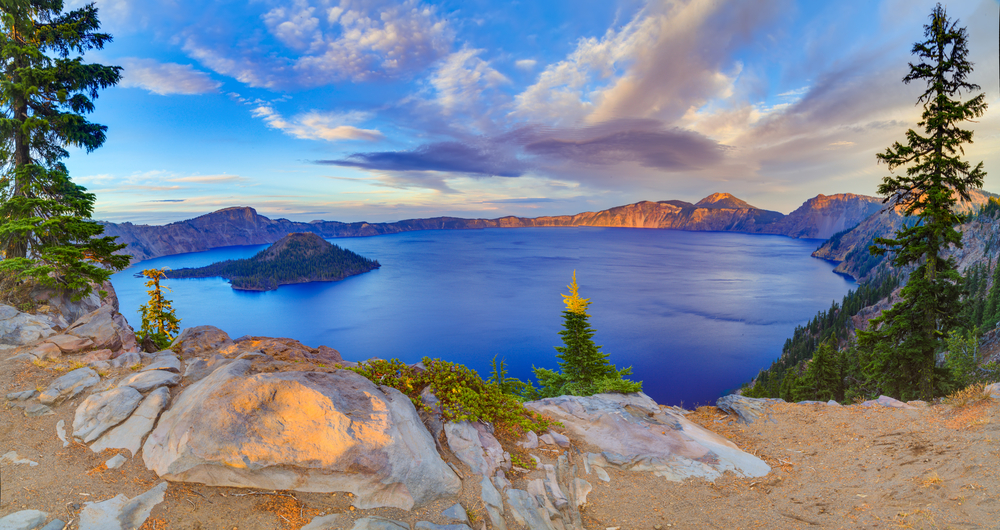
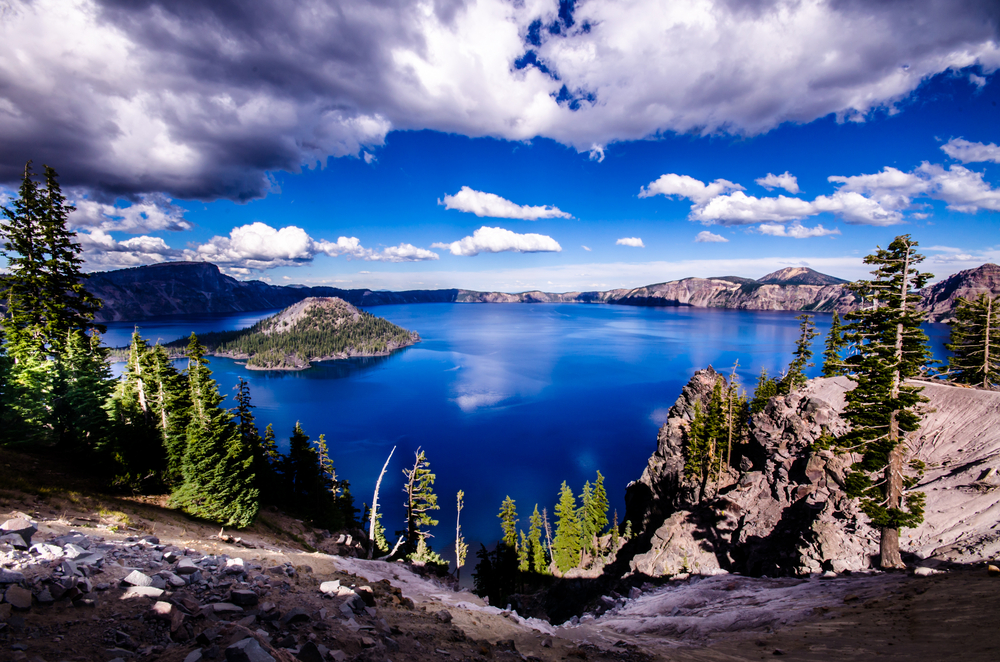
One of the most appealing aspects of the lake comes from its rich and vibrantly blue water combined with the various rust colors of the rugged rock walls.  It is an incredible contrast and complement of naturally occurring colors. The rim of crater lake has an elevation that ranges from 7,000 to 8,000 feet (2,100 to 2,400 m).

Mount Scott reaches a summit of 8,929 feet (2,722 m) and serves as the highest point in the national park.  If you adventure up the summit, it provides hikers on a clear day with a 100-mile view as well as a view of the entire caldera all at once.

The national park is comprised primarily of pine and fir trees.  In the late spring and summer months, wildflowers add to the serenity of the park’s beauty.

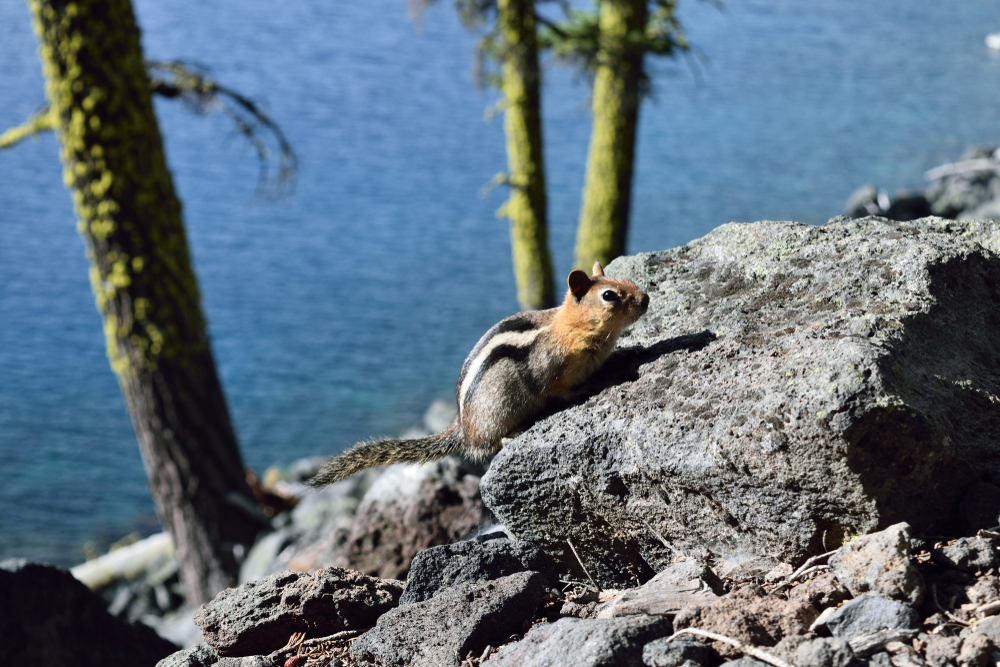
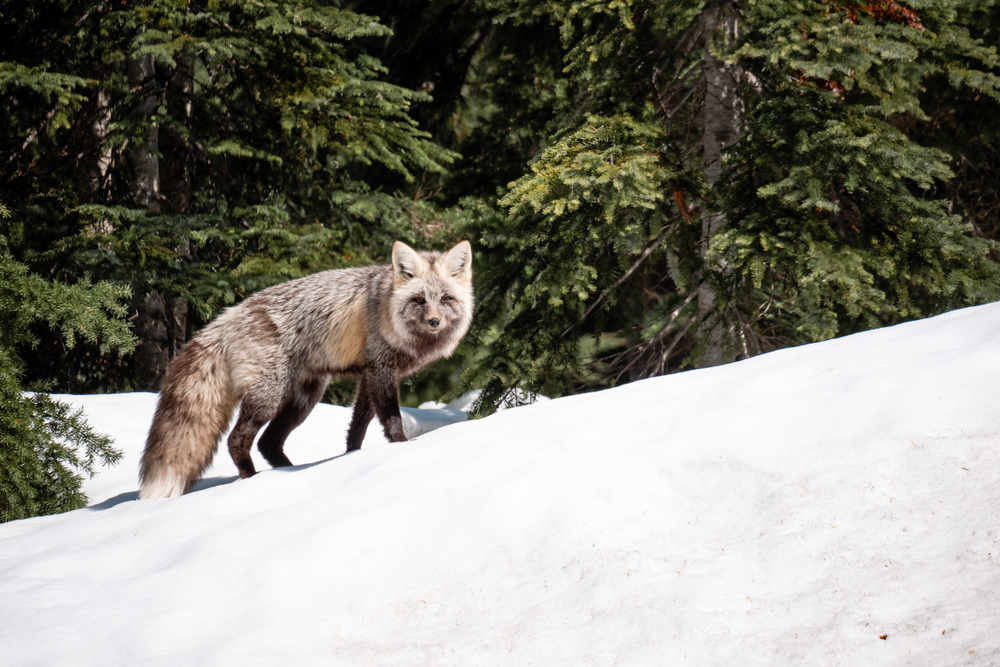
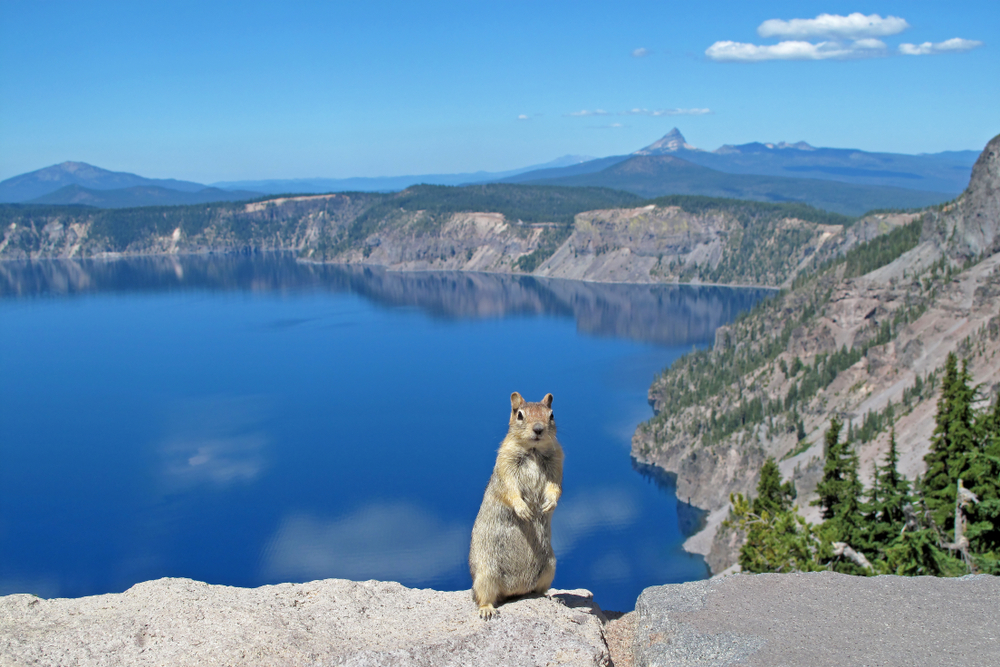
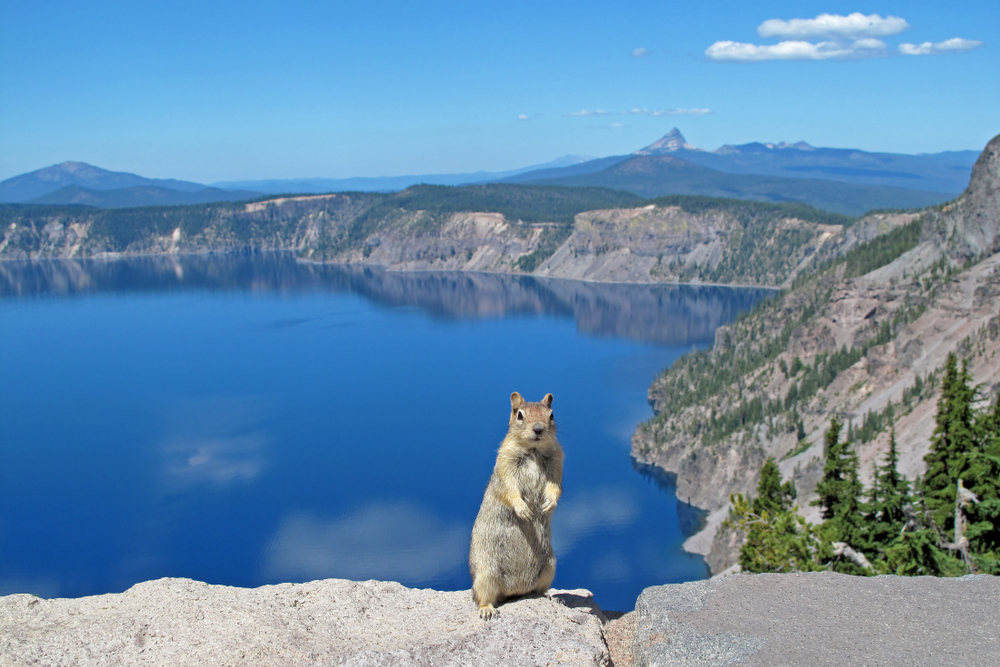
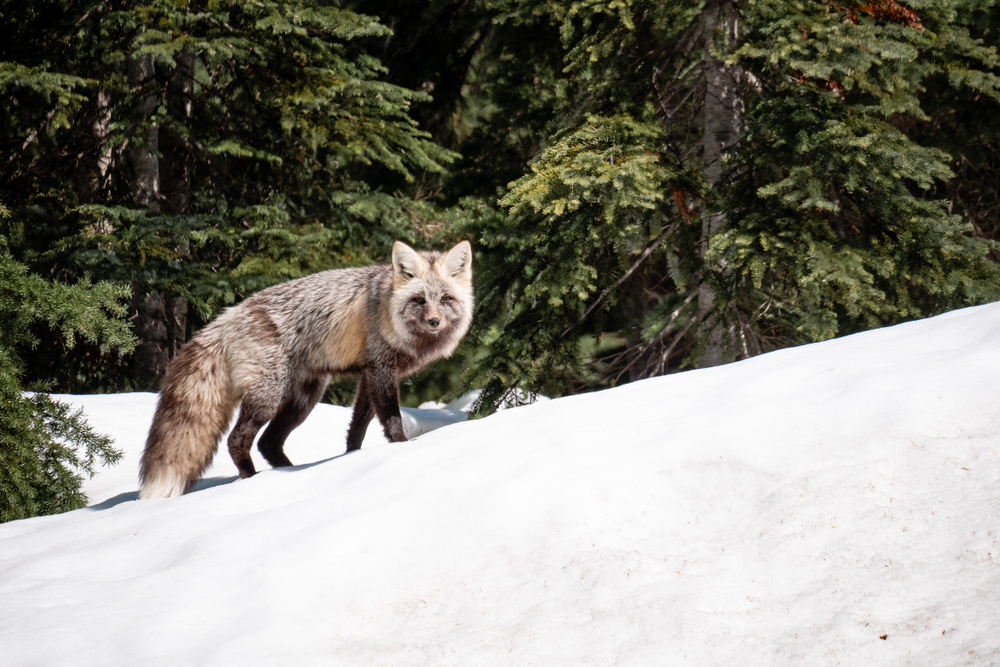
The natural draw of the park extends beyond the lake and surrounding wilderness.  Wildlife is another feature of the park that travelers hope to experience.  Popular species include badger, bear, beaver, bobcat, coyote, deer, elk, fox, different eagles and hawks, lynx, grouse, squirrels, and chipmunks.  There are several songbirds as well that complement the wildlife experiences.

The most popular activity is the Rim Drive around the lake.  The road travels 33-miles (53 km) around the caldera.  There are various stops along the way which provide some of the most spectacular picturesque landscapes of the lake, rugged caldera walls, and lake islands.

Things to See

The picturesque landscape of Crater Lake is the highlight of the national park.  The setting is stunning and creates incredible picturesque moments during each of the seasons.

Crater Lake

Crater Lake is the pinnacle attraction and draws of the national park.  The lake reaches a depth of 1,949 feet (594 m) making it the deepest lake in the United States and second deepest in North America.
However, based on its average depth of 1,148 feet (350 m), Crater Lake is the third deepest lake in the world, and the deepest in the Western Hemisphere.  The cone of the volcanic lake is close to a consistent 4,000-feet (1,200 m) deep all the way around. The lake ranges from 5-miles to 6-miles (8.0 – 9.7 km) across.

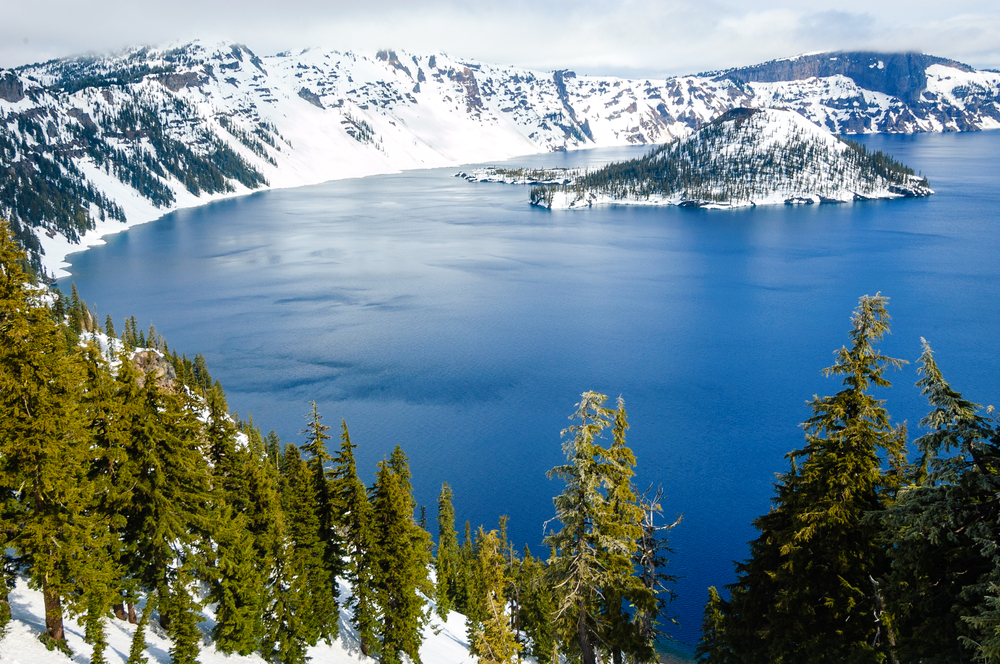
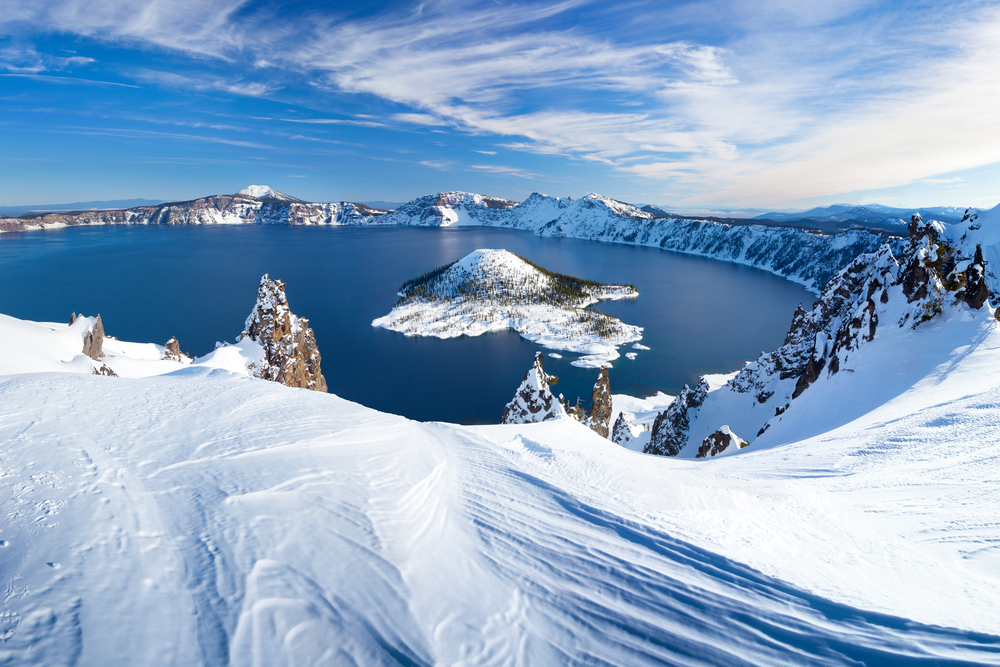
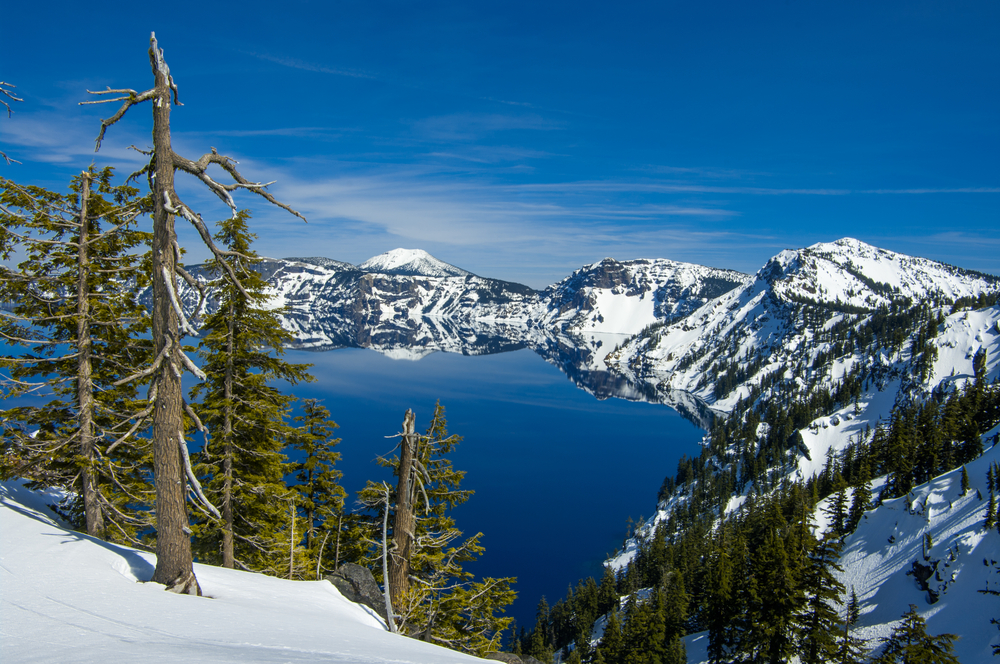
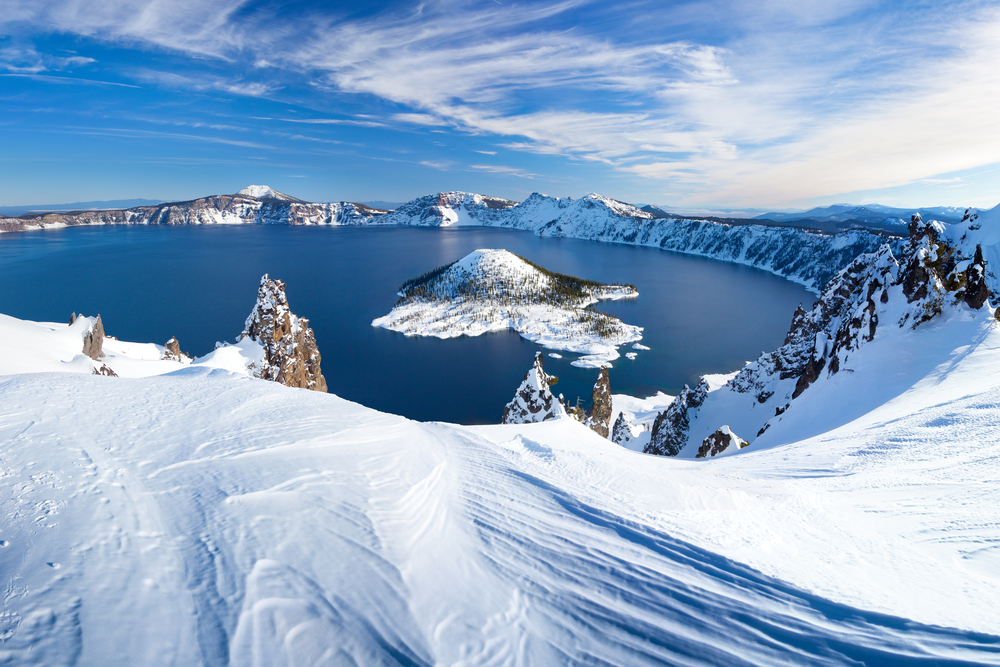
The entire body of water comes from rain and snow runoff with no streams or rivers flowing into the caldera.  Although it can vary slightly based on rain and evaporation, the official lake surface is registered at 6,178 feet (1,883 m).  Snow blankets the rim of Crater Lake about 8 months out of the year.

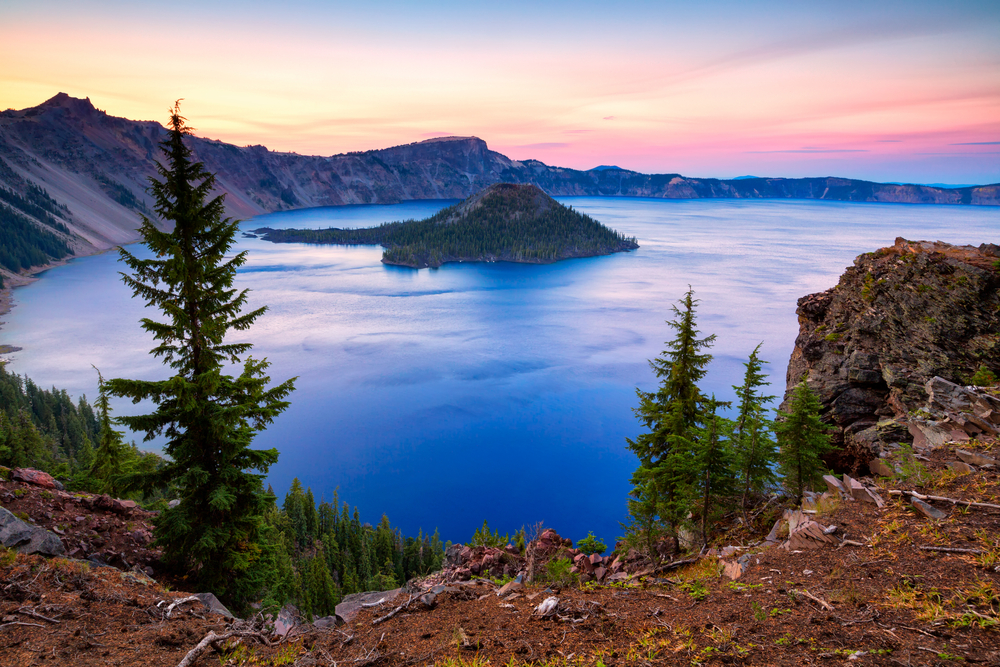
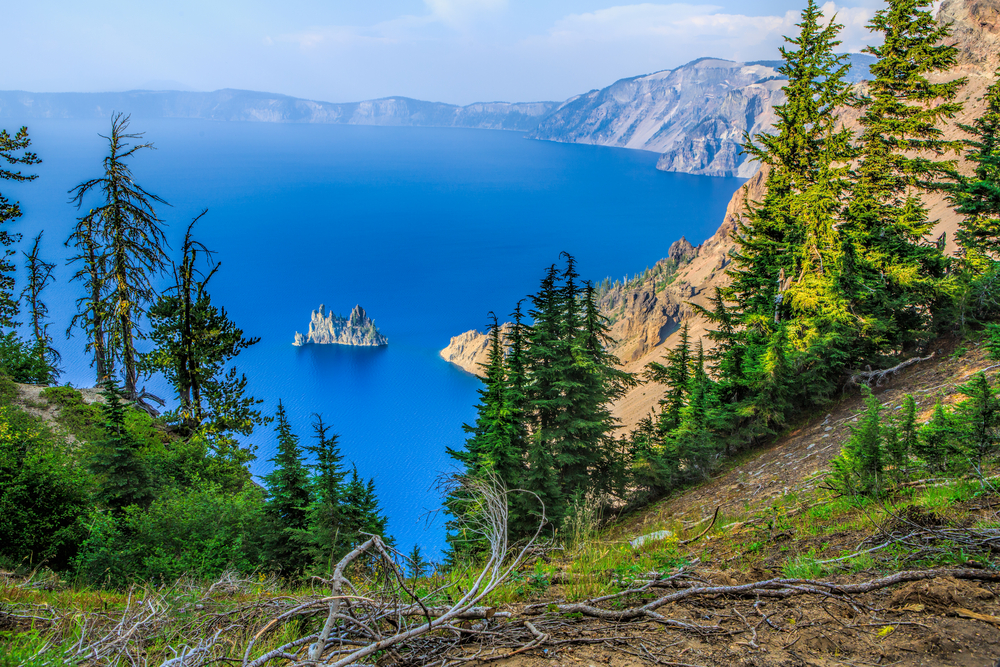
The lake showcases two islands along the western side of the lake.  The most famous is Wizard Island with the smaller island known as Phantom Ship.  The Wizard Island peak occurs at 6,933 feet (2,114 m), which leaves about 755 feet (230 m) of it above the water.

Popular

Popular

Crater Lake National Park, known for its stunning deep blue lake formed in the caldera of Mount Mazama, is also a refuge for diverse wildlife species that thrive in its forests, meadows, and rugged landscapes.

American Black Bear – While shy and elusive, the American Black Bear is occasionally spotted by visitors, foraging in the forests and meadows around the park.

Roosevelt Elk – Named after President Theodore Roosevelt, these majestic elk are among the largest in North America, often seen in the park’s open meadows.

Steller’s Jay – Vibrant and noisy, Steller’s Jays are recognized by their striking blue bodies and black crested heads, commonly found throughout the park.

American Dipper – Unique for its aquatic hunting techniques, the American Dipper can be seen diving into Crater Lake’s chilly waters in search of food.

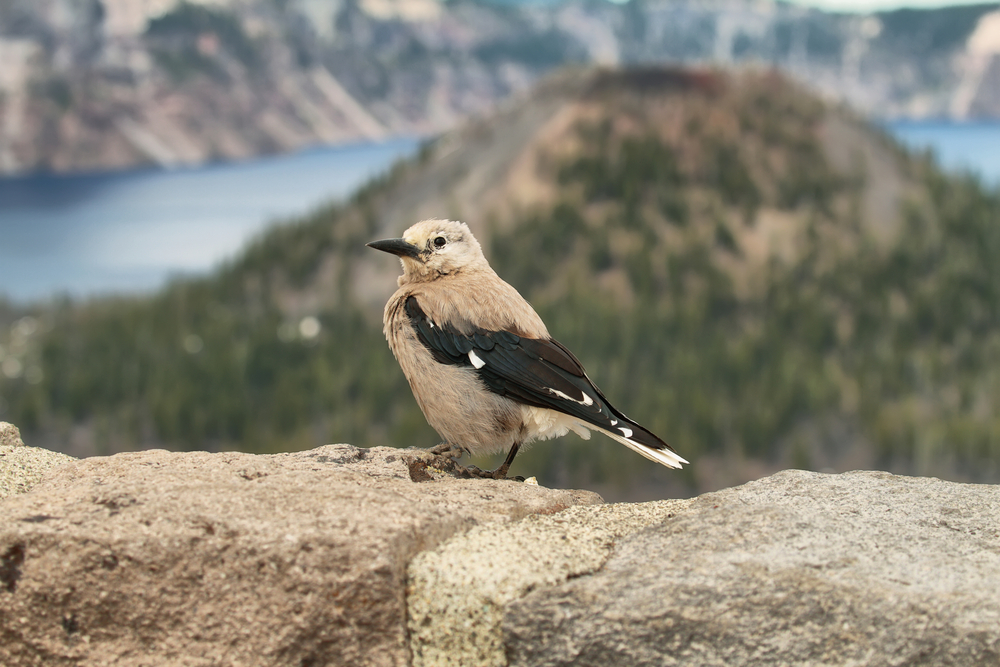
Clark’s Nutcracker – Often heard before seen, Clark’s Nutcracker is a resourceful bird, known for its role in dispersing pine seeds in the park.

Bald Eagle – A symbol of American wilderness, Bald Eagles are occasionally spotted soaring above Crater Lake, a majestic sight against the backdrop of blue waters.

Mountain Lion – These apex predators are seldom seen but roam the park’s wilderness, a reminder of the wildness that characterizes Crater Lake’s landscape.

Mazama Newt – Endemic to Crater Lake, the Mazama Newt, a subspecies of the Rough-skinned Newt, is adapted to life in and around the cold lake waters.

Pika – Adorable and hardy, Pikas live in the rocky alpine regions of the park, gathering vegetation to store for the long winter months.

Northern Flying Squirrel – Gliding between trees during twilight hours, Northern Flying Squirrels are a nocturnal presence in the park’s old-growth forests, feeding on fungi and seeds.

Crater Lake National Park’s array of wildlife, from the aquatic Mazama Newt to the elusive Mountain Lion, offers visitors a unique opportunity to connect with nature and witness the adaptability of species to this mesmerizing volcanic landscape.

Things To Do

Engaging Crater Lake

Scenic Drive Around Rim Road

Embark on a breathtaking scenic drive along Rim Road encircling Crater Lake. Marvel at the mesmerizing vistas of the cobalt-blue lake, framed by sheer cliffs and ancient forests. Numerous viewpoints offer panoramic views, providing ample opportunities for photography and contemplation of the lake’s majestic beauty.

Hiking and Nature Trails

Explore a network of hiking trails that wind through Crater Lake’s pristine wilderness, catering to hikers of all skill levels. From leisurely strolls to challenging treks, each trail offers unique perspectives of the park’s diverse landscapes, including old-growth forests, volcanic formations, and alpine meadows. Don’t miss the iconic Rim Trail, which offers stunning vistas of the lake from various vantage points.

Boat Tours on Crater Lake

Experience the splendor of Crater Lake up close with a boat tour across its crystal-clear waters. Learn about the lake’s formation, geology, and natural history from knowledgeable park rangers as you cruise to the submerged caldera known as Wizard Island. Enjoy unparalleled views of the surrounding cliffs and peaks from the tranquil expanse of the lake.

Snowshoeing and Winter Recreation

During the winter months, Crater Lake transforms into a snowy wonderland, offering opportunities for snowshoeing, cross-country skiing, and other winter activities. Traverse snow-covered trails and open meadows, immersing yourself in the serene beauty of the winter landscape while enjoying the solitude and tranquility of the park’s snowy vistas.

Crater Lake National Park Trails

Crater Lake features over 90 miles (145 km) of available hiking trails.  Here are insights into some of the most commonly engaged trails.

placeholder

Cleetwood Cove Trail

This is the only trail that leads hikers to the shoreline of the lake.  It descends 656 feet (200 m), which means you have to ascend back up after making the trek down.  The entire trail travels a distance of 4.5 miles (7.2 km).  It is considered a difficult trail because of the steep descent/ascent.

placeholder

Lightning Spring

This .75-mile trail (1.2 km) hike crosses along a meadow where it ends at Lightning Spring Creek.  The meadows are common feeding spots of deer, so keep your eyes open.  It does have an elevation gain of 250 feet (76 m).

placeholder

Plaikni Falls Trail

This trail travels 1.1 miles (1.8 km) where it ends at Plaikni Falls located on the eastern rim of the crater.  The waterfall is 20 feet (6.1 m) tall while sitting at an elevation of 6,656 feet (2,029 m).

placeholder

Watchman Trail

This is a short 0.8-mile (1.3 km) trail that ascends about 420 feet (130 m) and switchbacks that help keep the ascent focused.  The trail provides various views of Crater Lake and Wizard Island.  Several other mountains may be seen as well.

placeholder

Garfield Peak Trail

This is one of the more challenging trails in the park.  It features a 1,000-feet (300 m) elevation change of 1.7-miles (2.7 km) where it ends at Garfield Peak.  The trail also provides views of the Crater Lake island known as Phantom Ship.

placeholder

Watchman Peak Trail

Rating: Moderate

Distance and Elevation Gain: 1.6 miles round trip with an elevation gain of about 420 feet (128 meters)

Description: A relatively short hike to one of the best sunset spots in the park, Watchman Peak Trail offers stunning views of Crater Lake and Wizard Island. The trail ends at a historic fire lookout, providing an excellent vantage point for photography and wildlife spotting, including birds of prey.

placeholder

Wizard Island Summit Trail

Rating: Moderate

Distance and Elevation Gain: 2.2 miles round trip with an elevation gain of about 760 feet (232 meters), accessible only by boat

Description: After a boat ride to Wizard Island, hikers can ascend to its summit for a unique perspective of Crater Lake from within. The trail offers a moderately strenuous hike with panoramic views of the caldera, lake, and surrounding cliffs from the top.

placeholder

Plain Falls Trail

Rating: Easy

Distance and Elevation Gain: 2 miles round trip with minimal elevation gain

Description: This family-friendly trail leads through old-growth forests to the beautiful Plaikni Falls. The easy walk is accessible to most visitors and provides a chance to see a variety of wildflowers in the summer months, as well as the serene beauty of the waterfall itself, nestled in a lush, green setting.

Sources