

About
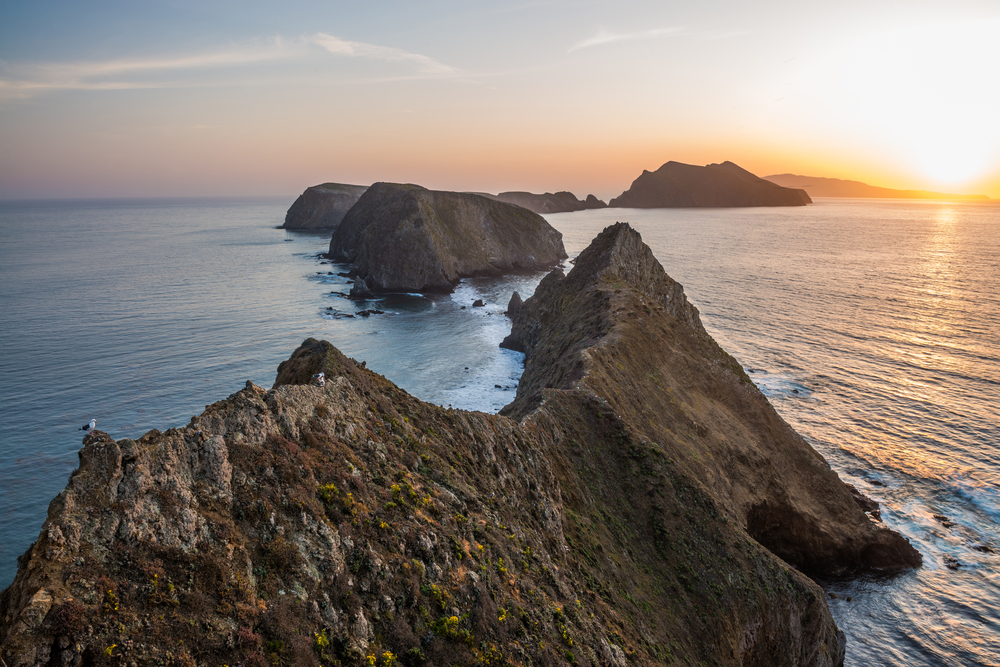
Channel Islands National Park is located off the coast of southern California in the Pacific Ocean. Established as a national park in 1980, the park protects five of the eight Channel Islands—Anacapa Island, Santa Cruz Island, Santa Rosa Island, San Miguel Island, and Santa Barbara Island—along with the surrounding marine environment.
Covering approximately 390 square miles (1,010 sq km), nearly half of which is ocean, the park is often called the “Galápagos of North America” because of its remarkable biodiversity, high level of endemism, and relative isolation from the mainland.
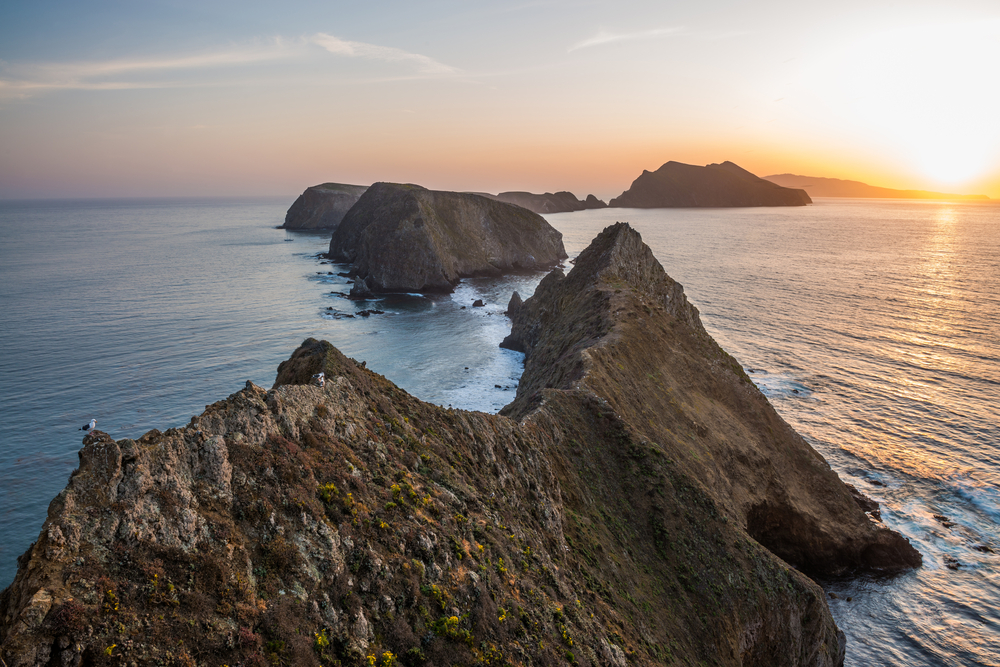
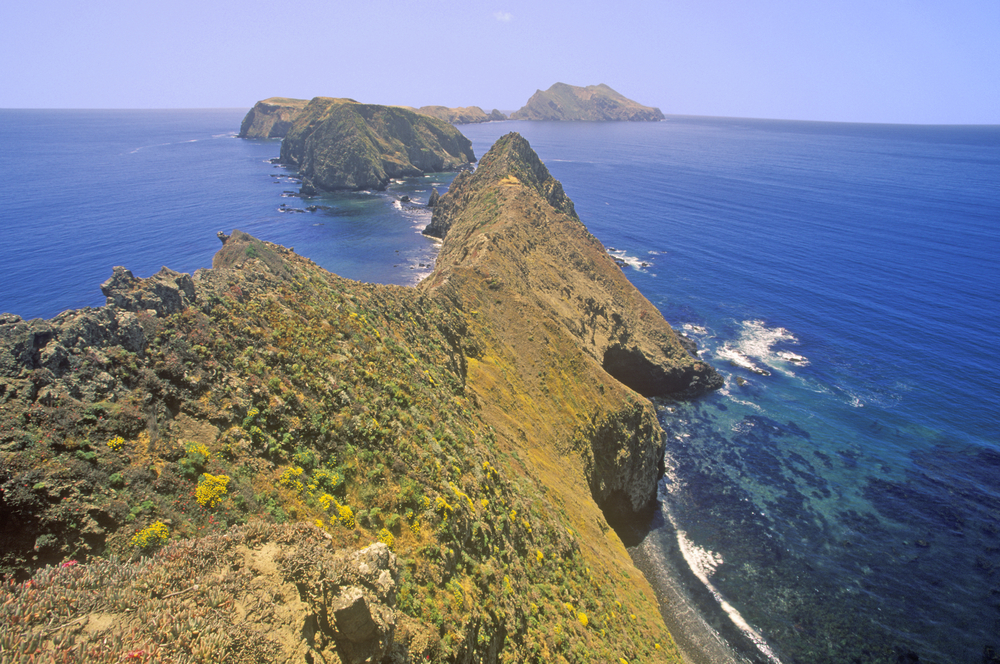
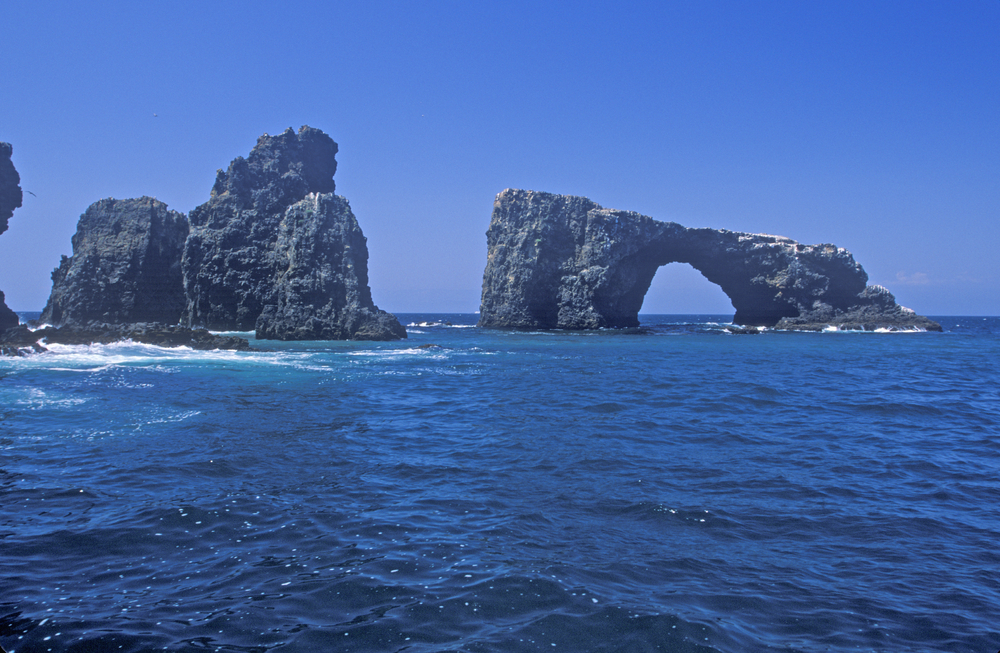
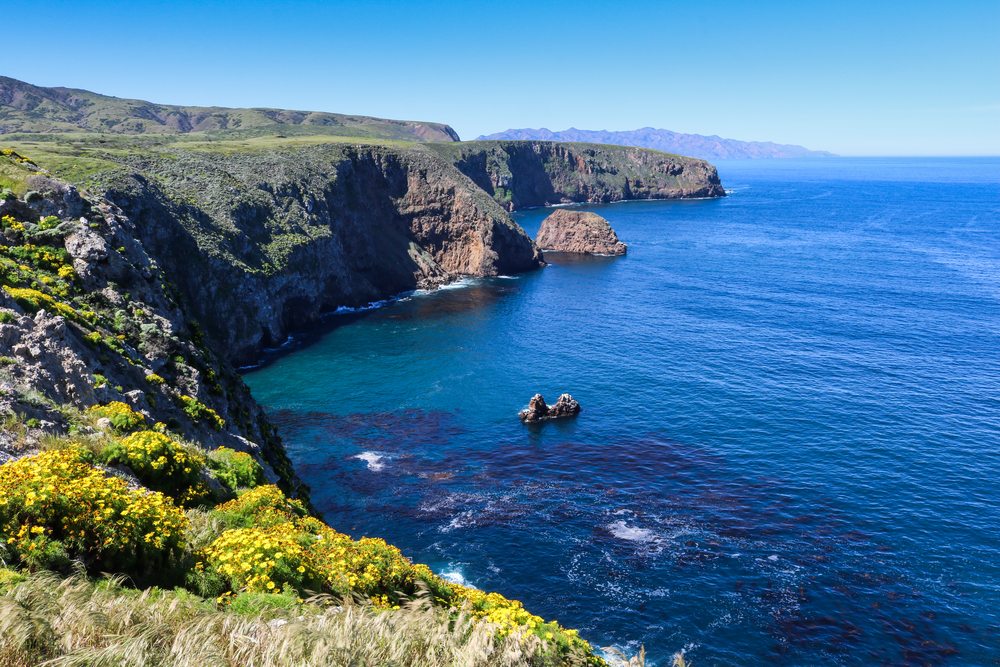
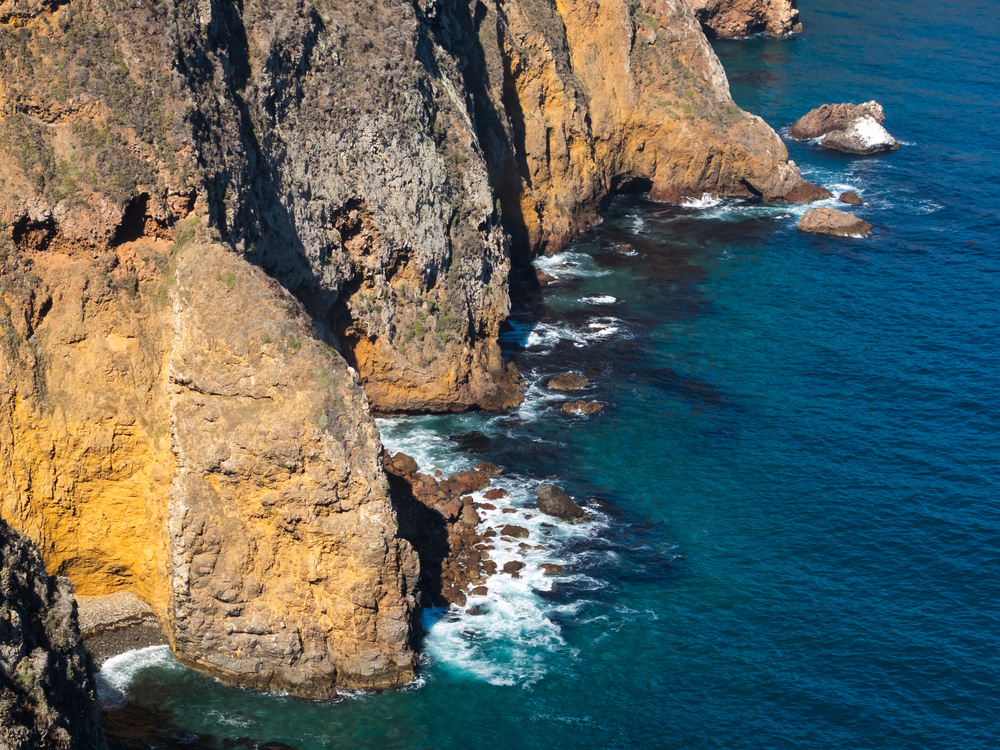
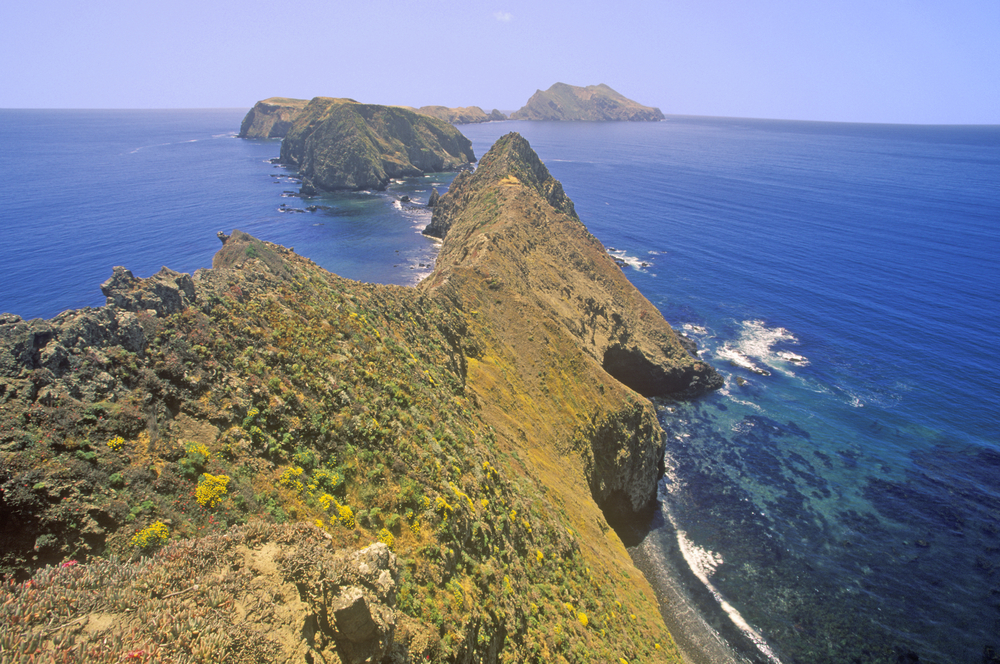
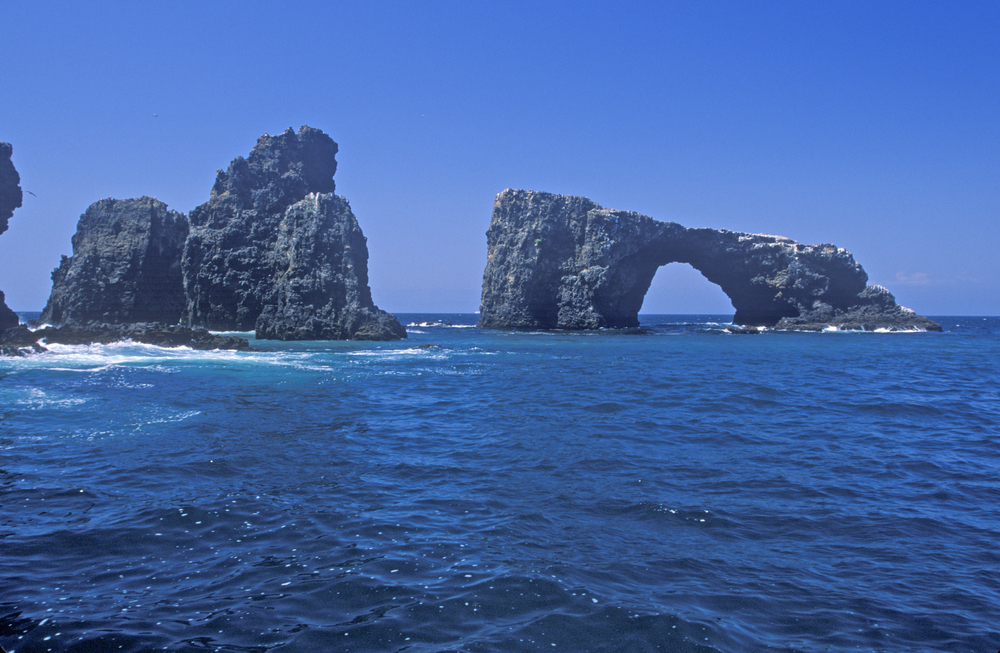
The park is best known for its pristine island ecosystems, dramatic coastal scenery, and abundant wildlife. Visitors are drawn to rugged sea cliffs, sea caves, sandy beaches, kelp forests, and opportunities to experience a largely untouched natural environment. One of the park’s most famous attractions is Painted Cave, one of the largest sea caves in the world.
Popular activities include hiking, kayaking, snorkeling, scuba diving, camping, whale watching, and wildlife photography. Because the islands are accessible only by boat or aircraft, visitor numbers remain relatively low compared to many mainland national parks, preserving a strong sense of wilderness.
Geographically, Channel Islands National Park consists of rugged volcanic and sedimentary islands separated from the California mainland by the Santa Barbara Channel. The islands feature dramatic cliffs, rolling grasslands, coastal bluffs, canyons, beaches, and marine terraces. Mediterranean climatic conditions produce mild winters and warm, dry summers.
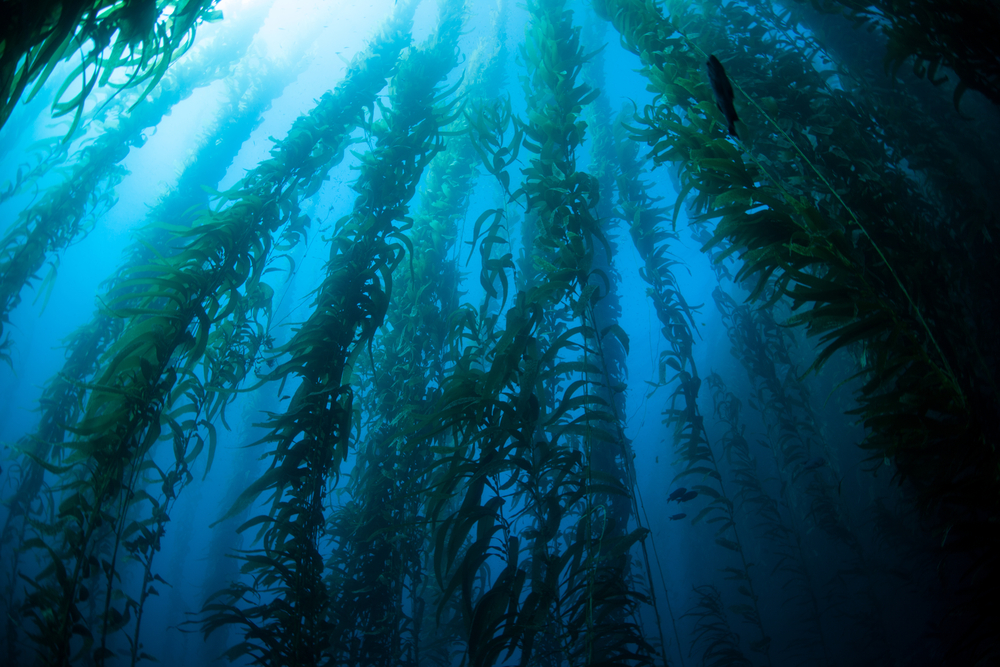
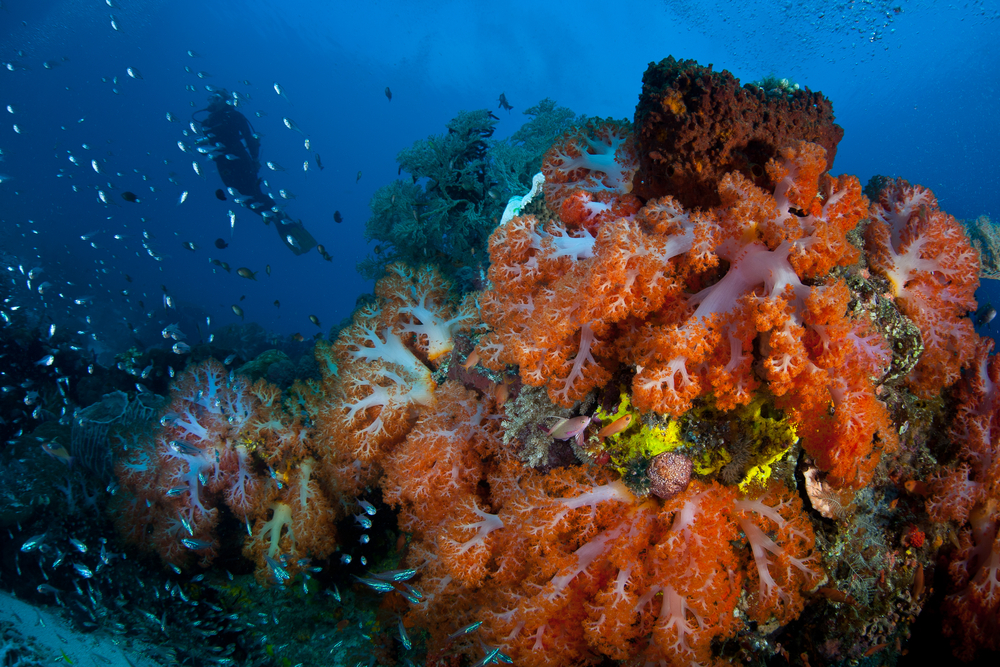
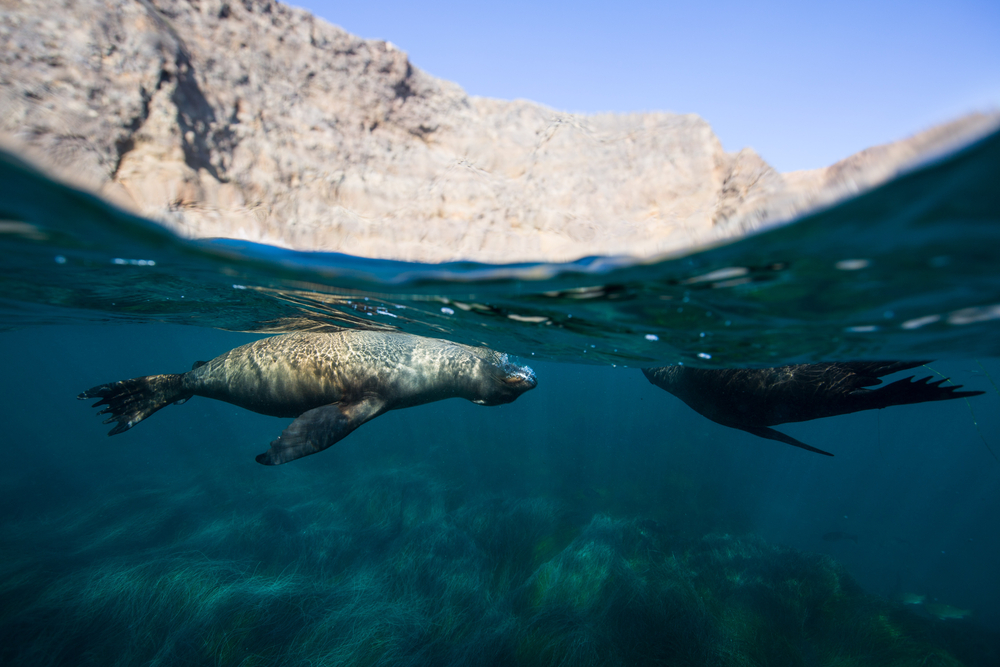
The surrounding waters are influenced by nutrient-rich ocean currents that support one of the most productive marine ecosystems on Earth. Extensive kelp forests thrive offshore, creating critical habitat for countless marine species and contributing significantly to the park’s ecological richness.
Wildlife within Channel Islands National Park is extraordinary. More than 2,000 plant and animal species occur on the islands, including over 145 species found nowhere else on Earth. The iconic Island Fox, once endangered, is one of the park’s most famous endemic species and a celebrated conservation success story.
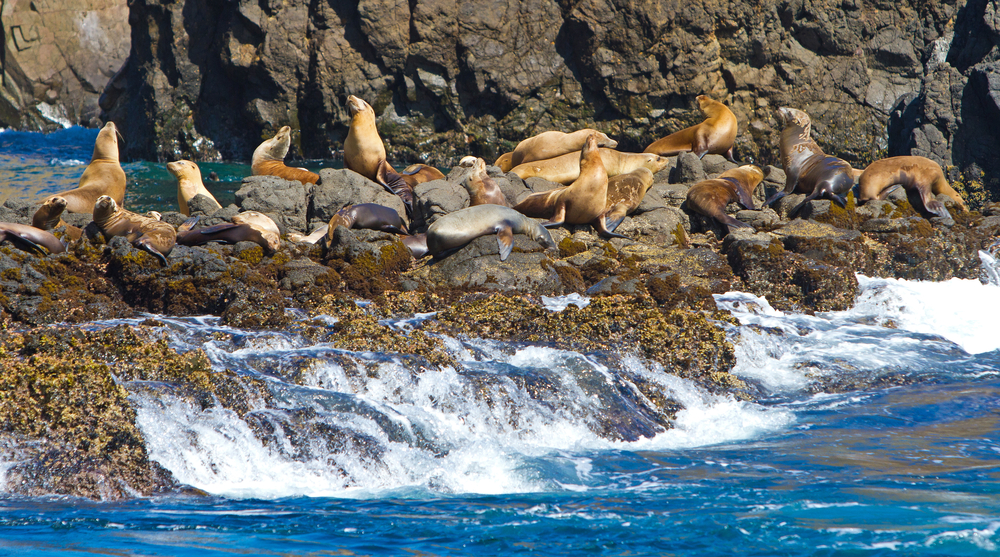
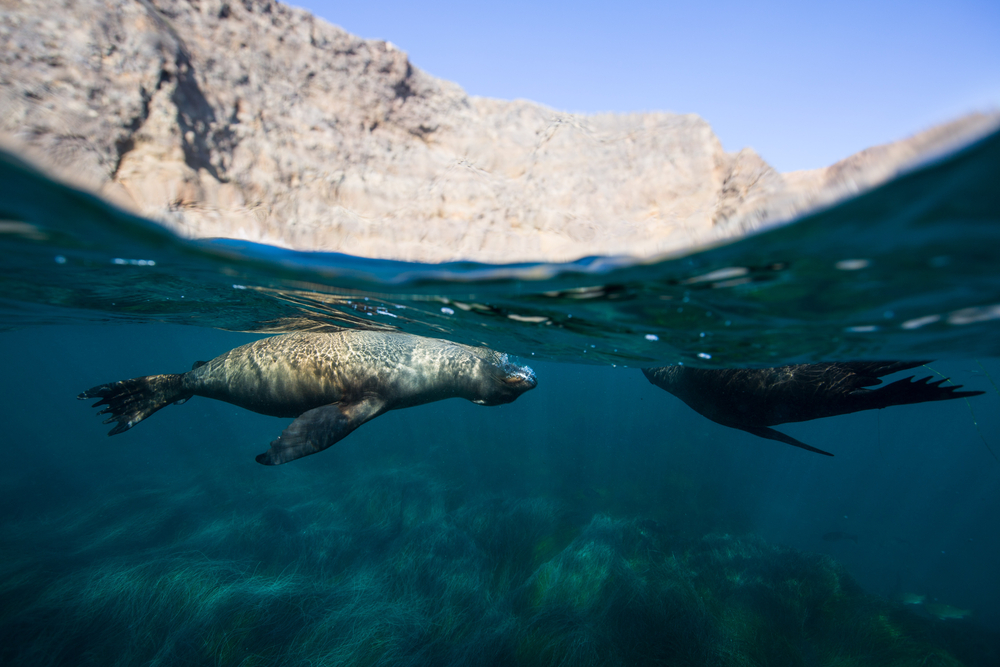
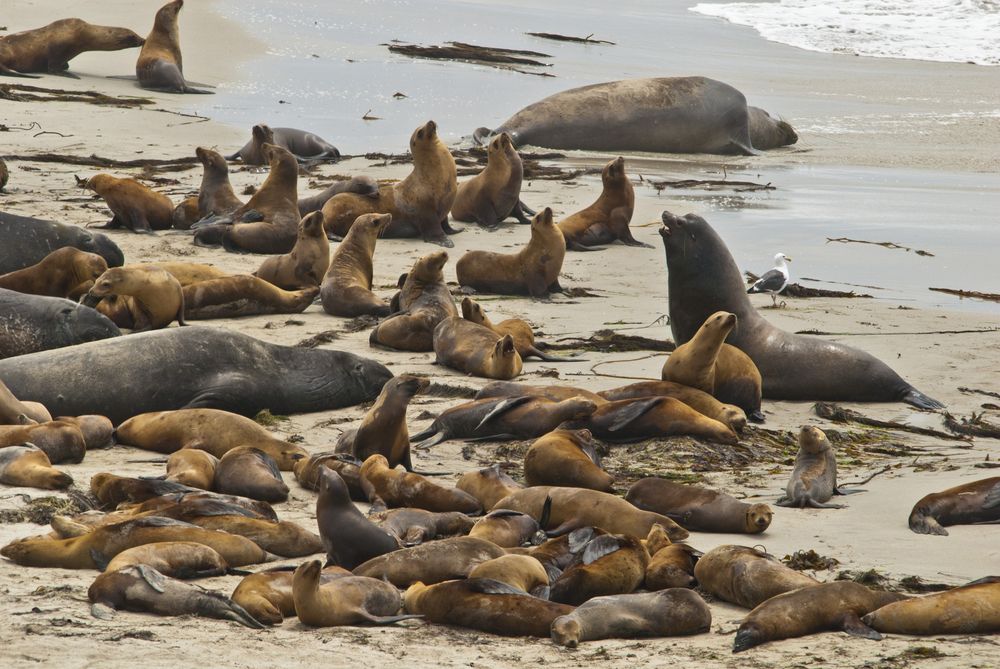
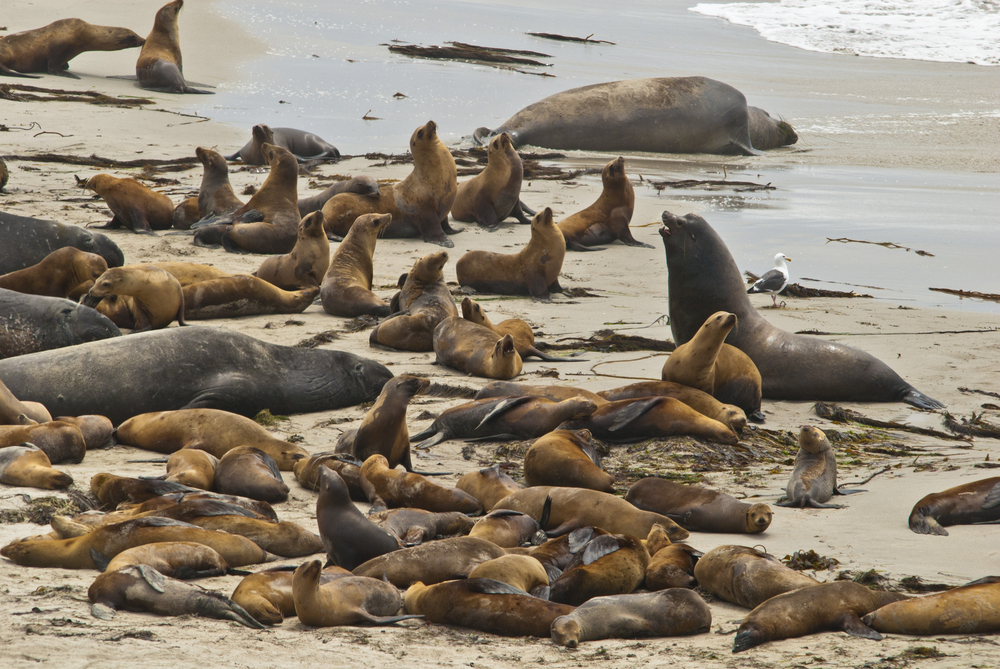
Other terrestrial wildlife includes deer mice, lizards, and numerous nesting seabirds. Marine life is equally impressive, with California sea lions, harbor seals, northern elephant seals, dolphins, and several whale species regularly observed in park waters. Birdlife includes bald eagles, peregrine falcons, brown pelicans, western gulls, and the endangered Ashy Storm-Petrel. The park’s marine habitats support colorful fish, sea stars, sea otters, and countless invertebrates.
Channel Islands National Park plays a critical role in conserving one of North America’s most unique island and marine ecosystems. The park protects fragile habitats, preserves endemic species, and safeguards important breeding grounds for marine mammals and seabirds.Its conservation significance is often compared to Galápagos National Park and Dry Tortugas National Park because of its island biodiversity, marine ecosystems, and ecological isolation. Through its rugged coastlines, rare wildlife, spectacular sea caves, and pristine ocean environments, Channel Islands National Park stands as one of America’s most remarkable protected areas and a living laboratory of evolution and conservation.
Photos
Things to See
Things To Do
Engaging the Channel Islands
Channel Islands National Park Trails
There are at least 24 different trails that meander across the different islands of the national park. Here is a look at some of the popular outings.

Park Protection
 Channel Islands National Park was created to protect a chain of five islands and their surrounding marine environments off the coast of southern California. The park provides critical habitat for numerous endangered and threatened species, including the island fox, which is found only on the Channel Islands and nowhere else on Earth. Other protected species include the California brown pelican, western snowy plover, and several rare marine mammals that depend on the productive waters surrounding the islands.
The park is often called the “Galápagos of North America” because of its remarkable concentration of endemic species. More than 150 plants and animals occur nowhere else in the world, having evolved in isolation over thousands of years. The surrounding marine sanctuary protects kelp forests, sea caves, coral-like communities, and important feeding grounds for whales and dolphins. Together, Channel Islands National Park safeguards one of North America’s richest centers of island biodiversity, preserving rare species, unique ecosystems, and exceptional marine habitats.
FAQ’s
What is Channel Islands National Park known for?
Channel Islands National Park is renowned for its stunning natural beauty and diverse ecosystems, including rugged coastline, pristine beaches, and rich marine life.
It comprises five rugged islands off the coast of Southern California, each offering unique opportunities for outdoor exploration and adventure.
The park is famous for its thriving marine environment, with kelp forests, sea caves, and abundant marine wildlife such as seals, sea lions, and dolphins. It is also known for its unique flora and fauna, including rare plant species and endemic wildlife found nowhere else on Earth.
Visitors to Channel Islands National Park can enjoy hiking, camping, snorkeling, kayaking, and wildlife watching, immersing themselves in the pristine wilderness and rich biodiversity of this remote island chain.
Whether exploring underwater wonders or hiking scenic trails, the park offers an unforgettable outdoor experience for nature lovers and adventurers alike.
What is the main reason people visit Channel Islands National Park?
Channel Islands National Park is primarily visited for its pristine islands, unique wildlife, dramatic coastal scenery, and exceptional outdoor recreation opportunities. Located off the coast of Southern California, the park protects five islands—Anacapa, Santa Cruz, Santa Rosa, San Miguel, and Santa Barbara—and the surrounding marine environment.
Visitors come to hike scenic trails, kayak through sea caves, observe marine mammals, snorkel and dive in crystal-clear waters, camp in remote settings, and experience what is often called the “Galápagos of North America.”
What animals can visitors hope to see in Channel Islands National Park?
Channel Islands National Park supports approximately 40 mammal species and more than 25 reptile and amphibian species, along with an extraordinary diversity of marine life. The park is famous for its endemic species found nowhere else on Earth.
Some of the most notable mammals and reptiles found in Channel Islands National Park include:
- Island Fox
- Island Spotted Skunk
- Mule Deer (Santa Rosa Island)
- Harbor Seal
- California Sea Lion
- Northern Elephant Seal
- Guadalupe Fur Seal
- Northern Fur Seal
- Pacific Harbor Porpoise
- Bottlenose Dolphin
- Common Dolphin
- Risso’s Dolphin
- Pacific White-sided Dolphin
- Dall’s Porpoise
- Gray Whale
- Blue Whale
- Humpback Whale
- Fin Whale
- Minke Whale
- Orca (occasionally)
- Coyote (historically present on some islands)
- Deer Mouse
- Harvest Mouse
- Little Brown Bat
- Hoary Bat
- Mexican Free-tailed Bat
- California Myotis
- Yuma Myotis
- Townsend’s Big-eared Bat
- Island Night Lizard
- Southern Alligator Lizard
- Western Fence Lizard
- Side-blotched Lizard
- California Kingsnake
- Gopher Snake
- Coast Patch-nosed Snake
- Ring-necked Snake
- Two-striped Garter Snake
- Pacific Chorus Frog
- Slender Salamander
- Leopard Shark
- Horn Shark
- Bat Ray
- California Moray
- Giant Sea Bass
- Garibaldi
- Kelp Bass
- California Sheephead
- Sea Otter (occasionally nearby)
- Numerous Marine Invertebrates
One of the park’s greatest conservation success stories is the recovery of the endemic Island Fox, once among the rarest canids in North America.
What birds can visitors hope to see in Channel Islands National Park?
Channel Islands National Park is one of the premier seabird destinations in North America, with more than 300 recorded bird species. The islands provide critical nesting habitat for numerous seabirds and migratory birds.
Some of the most popular birds seen in Channel Islands National Park include:
- Bald Eagle
- Golden Eagle
- Peregrine Falcon
- Osprey
- Red-tailed Hawk
- Barn Owl
- Burrowing Owl
- Western Gull
- California Gull
- Heermann’s Gull
- Glaucous-winged Gull
- Sooty Shearwater
- Pink-footed Shearwater
- Ashy Storm-Petrel
- Black Storm-Petrel
- Brandt’s Cormorant
- Pelagic Cormorant
- Double-crested Cormorant
- Brown Pelican
- American White Pelican
- Black Oystercatcher
- Wandering Tattler
- Willet
- Marbled Godwit
- Whimbrel
- Black Turnstone
- Surfbird
- Pigeon Guillemot
- Cassin’s Auklet
- Rhinoceros Auklet
- Common Murre
- Scripps’s Murrelet
- Tufted Puffin (rare)
- Western Bluebird
- Island Scrub-Jay (nearby region)
- Horned Lark
- Song Sparrow
- White-crowned Sparrow
- Savannah Sparrow
- House Finch
- Allen’s Hummingbird
- Anna’s Hummingbird
- Northern Mockingbird
- Bewick’s Wren
- Rock Wren
- Common Raven
- Black Phoebe
- Say’s Phoebe
- Orange-crowned Warbler
- Yellow Warbler
Is Channel Islands National Park worth visiting?
Yes, Channel Islands National Park is absolutely worth visiting and is often considered one of the most underrated national parks in the United States.
The park offers a unique combination of island wilderness, wildlife viewing, marine recreation, and solitude. Unlike many mainland parks, visitors experience a remote environment with limited development and outstanding opportunities for kayaking, snorkeling, whale watching, and hiking. Those seeking adventure and natural beauty often rank Channel Islands among California’s most rewarding national parks.
What is the best time to visit Channel Islands National Park?
The best time to visit Channel Islands National Park is:
- March through May
- September through November
During these months:
- Weather is generally mild.
- Wildflowers often bloom in spring.
- Ocean conditions can be favorable.
- Whale watching opportunities are excellent.
Summer offers warmer temperatures but can include fog, while winter often brings rougher seas.
How many days do you need to visit Channel Islands National Park?
Most visitors take a day to travel out and experience the park, you should plan for 2 to 4 days if you want to experience it all.
- 1 day: Visit one island and hike major trails.
- 2 days: Explore multiple sections of an island.
- 3–4 days: Camping, kayaking, snorkeling, and wildlife viewing.
- 5+ days: Visit multiple islands and enjoy backcountry experiences.
Many visitors return multiple times because each island offers a unique experience.
How do you get to Channel Islands National Park?
Channel Islands National Park is located off the coast of Southern California.
Most visitors:
- Fly into Los Angeles, Santa Barbara, or Oxnard.
- Travel to authorized ferry departure points.
- Take a boat operated by approved concessionaires to one of the islands.
There are no roads connecting the islands to the mainland, and access is primarily by boat.
Who is involved in protecting and supporting Channel Islands National Park?
Several organizations help protect Channel Islands National Park:
- National Park Service – manages Channel Islands National Park.
- Channel Islands National Park Foundation – supports conservation, education, and research initiatives.
- The Nature Conservancy – has played an important role in island restoration and habitat conservation.
- Channel Islands National Marine Sanctuary – protects surrounding marine ecosystems.
- Scientists, volunteers, and conservation partners who help restore native species and habitats.
Which islands are included in Channel Islands National Park?
Channel Islands National Park protects five islands:
- Anacapa Island
- Santa Cruz Island
- Santa Rosa Island
- San Miguel Island
- Santa Barbara Island
Together, they preserve some of the most important island ecosystems in North America.
Can you see whales in Channel Islands National Park?
Yes. Channel Islands National Park is one of California’s best whale-watching destinations. Depending on the season, visitors may see Gray Whale, Blue Whale, Humpback Whale, fin whales, and several dolphin species.
Sources
- Britannica, Channel Islands, https://www.britannica.com/place/Channel-Islands-California, retrieved June 2020.
- California Ventura, Channel Islands National Park, https://visitventuraca.com/channel-islands-national-park-overview/, retrieved June 2020.
- Channel Island Park Foundation, Supporting Channel Islands National Park, http://ciparkfoundation.org/, retrieved June 2020.
- National Park Service, Channel Islands, https://www.nps.gov/chis/index.htm, retrieved June 2020.
- Visit California, How to Explore Channel Islands, https://www.visitcalifornia.com/attraction/how-explore-channel-islands, retrieved June 2020.
- Visit Oxnard, Guide to the Channel Islands, https://visitoxnard.com/channel-islands-national-park/, retrieved June 2020.