

About
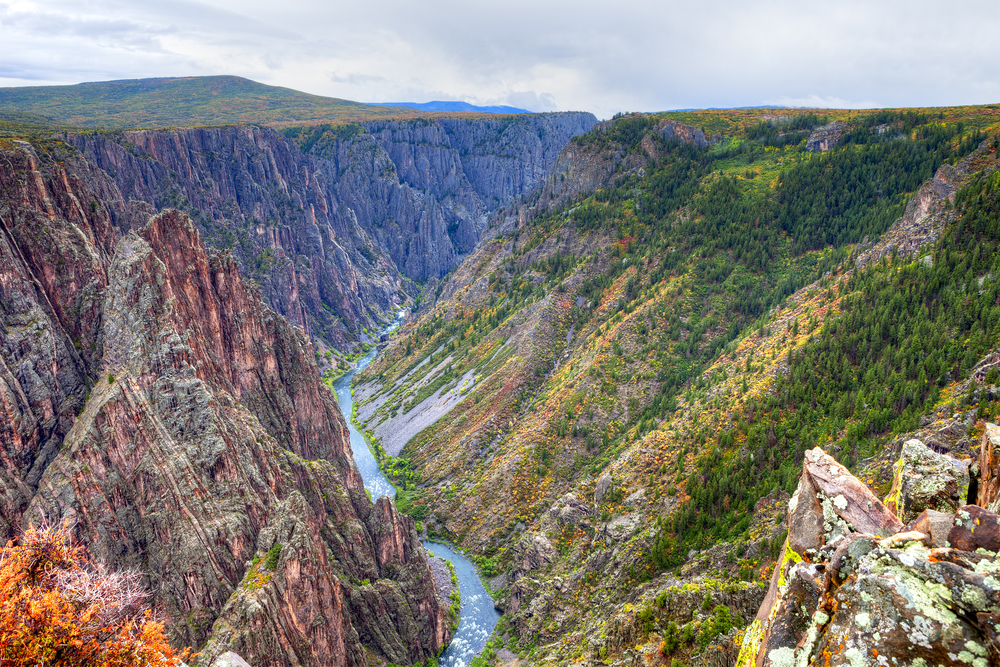
Black Canyon of the Gunnison National Park is located in western Colorado near the city of Montrose. Established as a national park in 1999, the park covers approximately 48 square miles (124 sq km) and protects one of the most dramatic and rugged canyons in the United States.
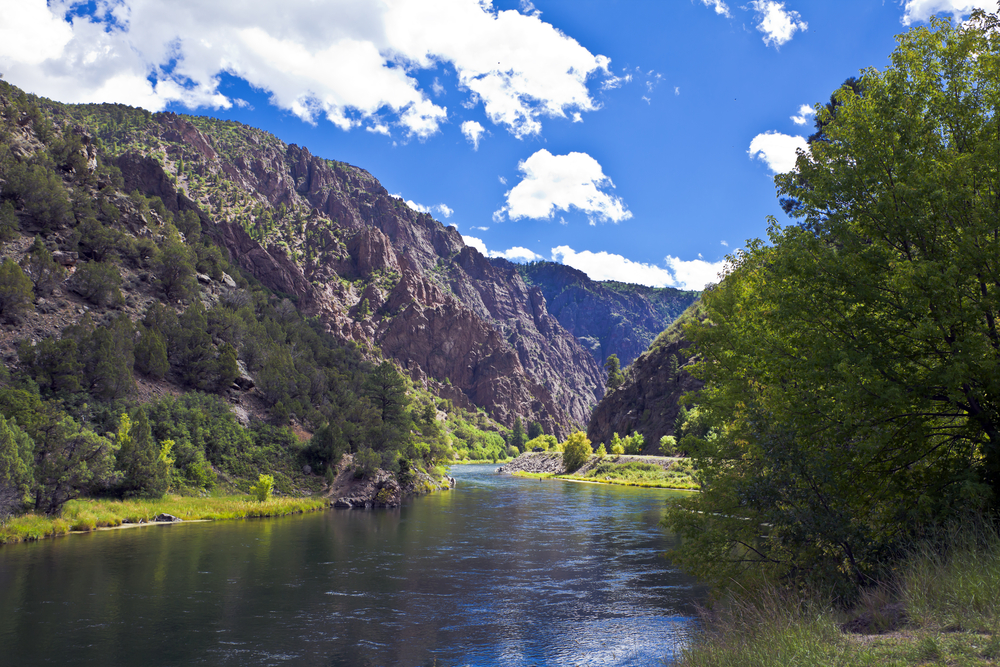
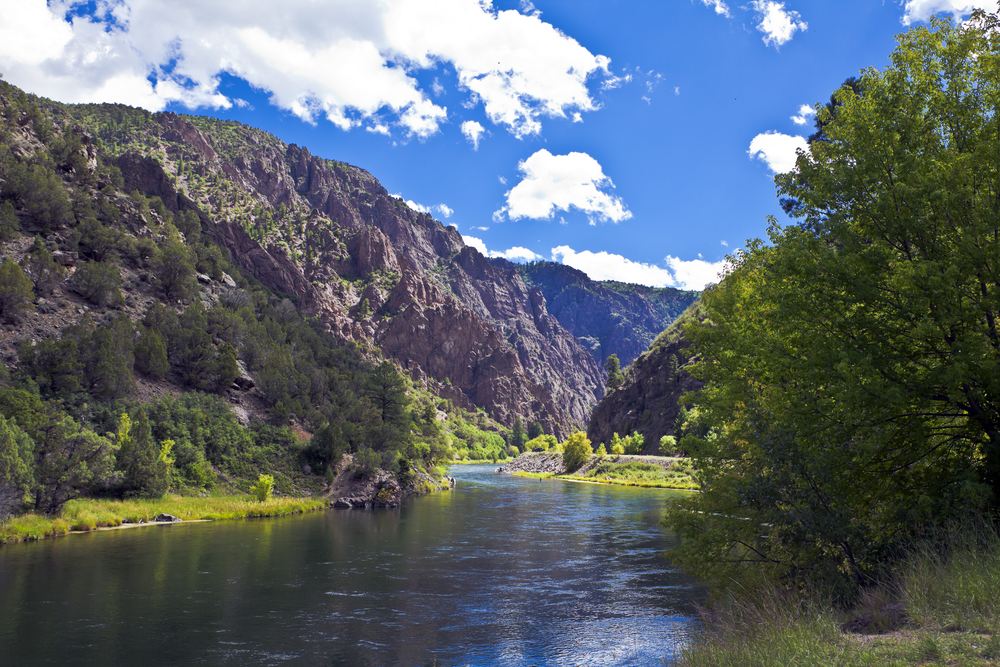
The park is centered on the Black Canyon of the Gunnison, a steep-walled gorge carved by the Gunnison River over thousands of years. Situated within Colorado’s Rocky Mountain region, the park lies near other notable protected areas including Curecanti National Recreation Area and Colorado National Monument. Despite its relatively small size, Black Canyon of the Gunnison contains some of the most spectacular canyon scenery in the United States.
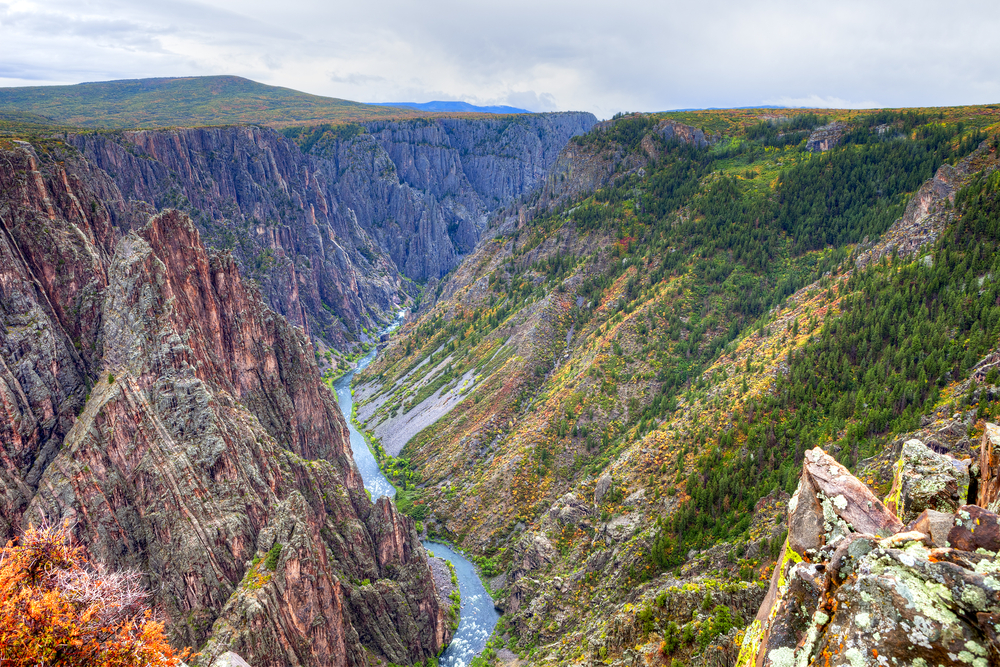
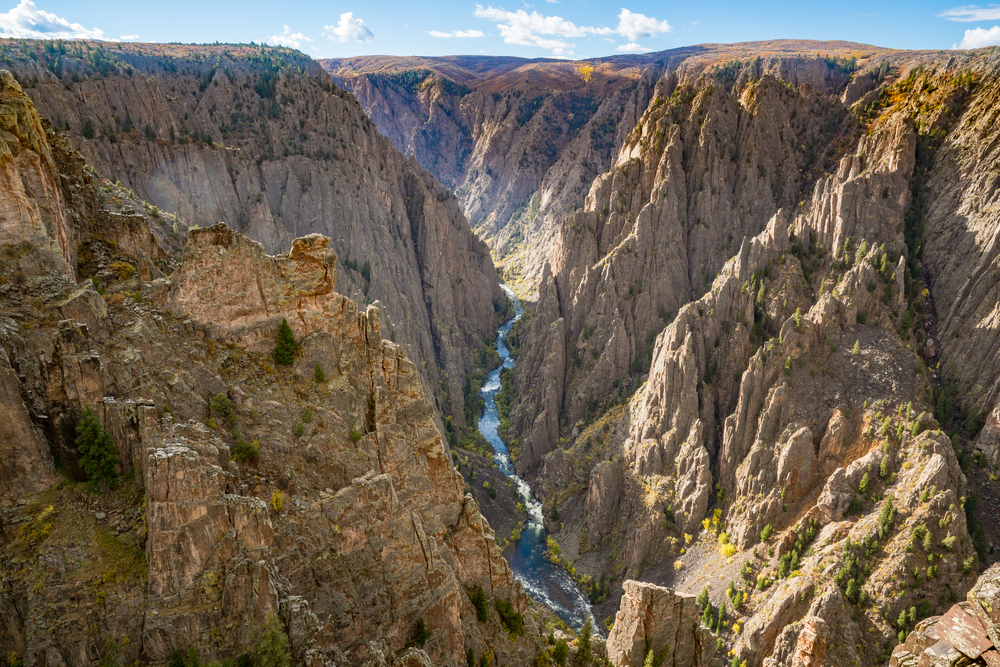
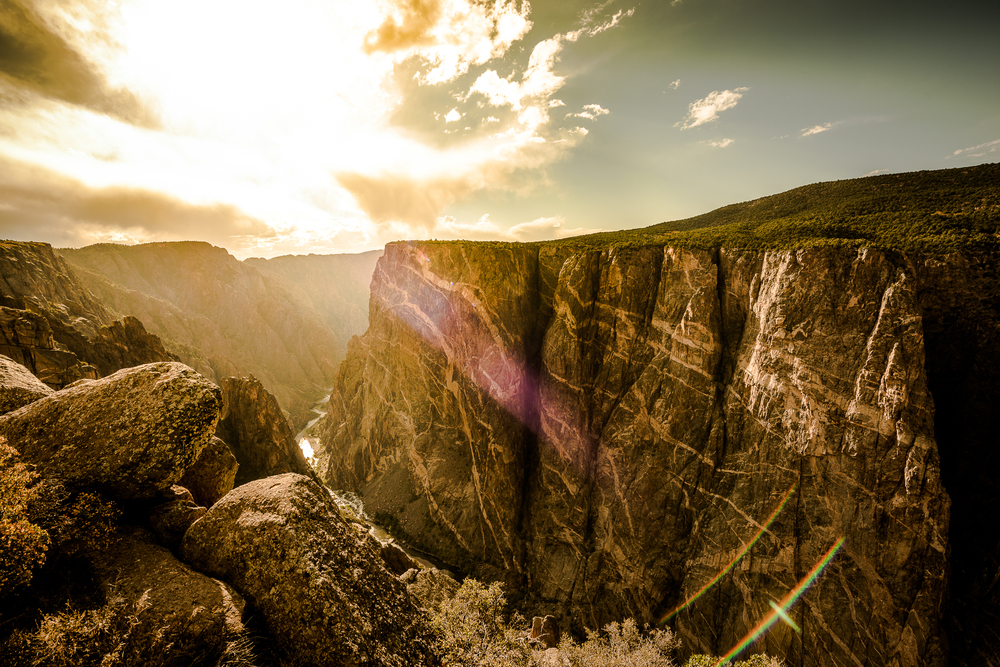
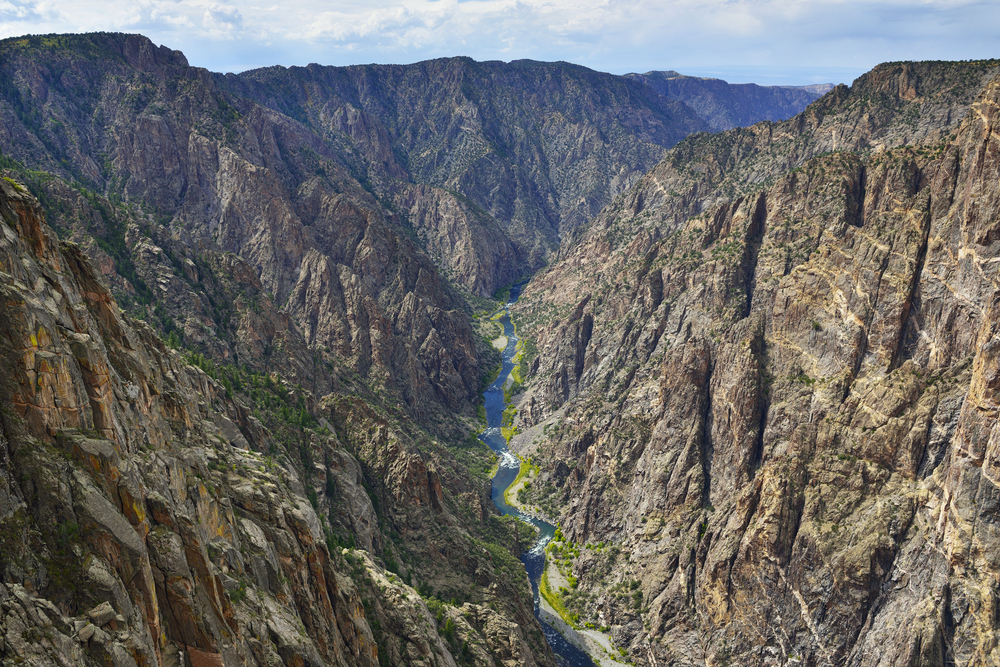
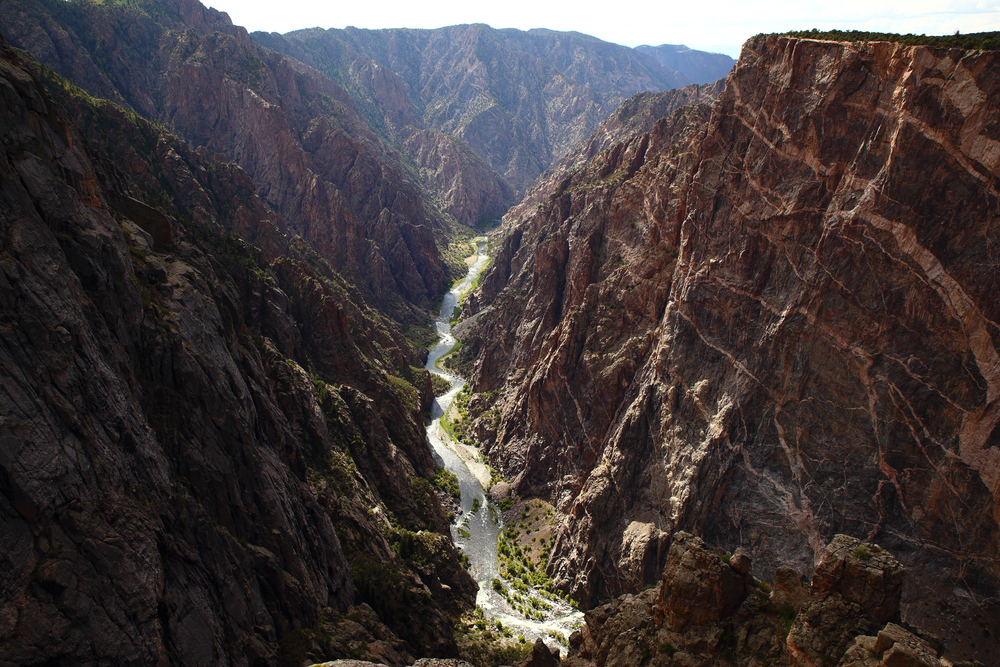
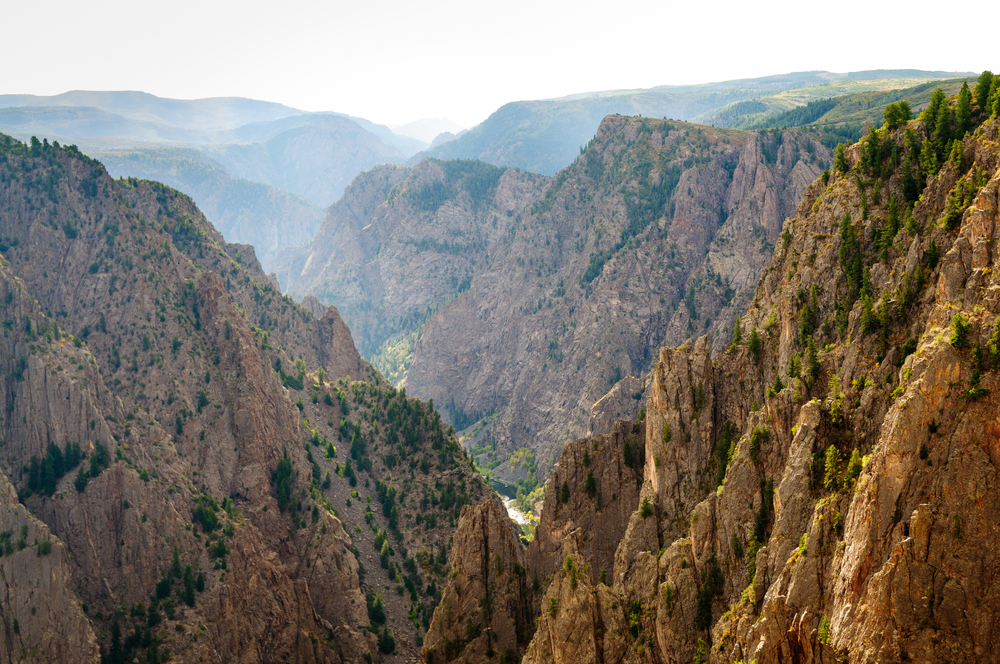
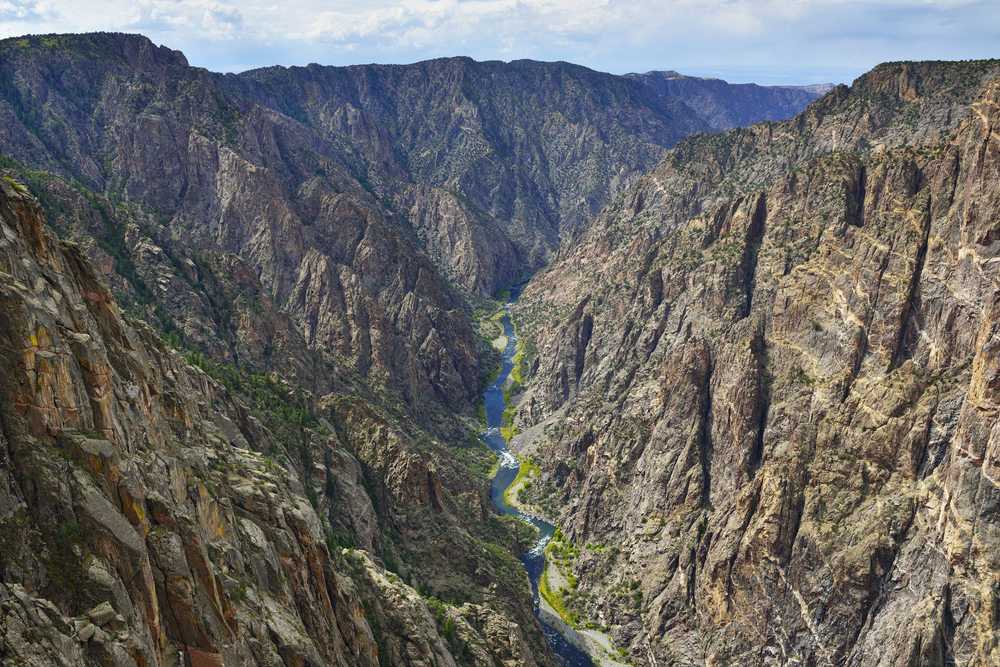
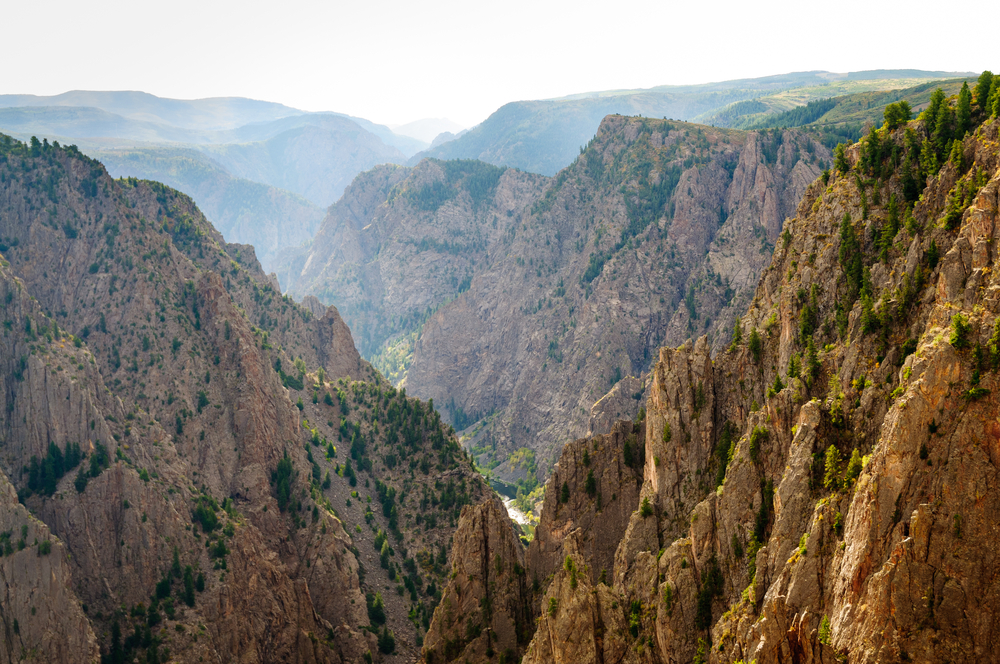
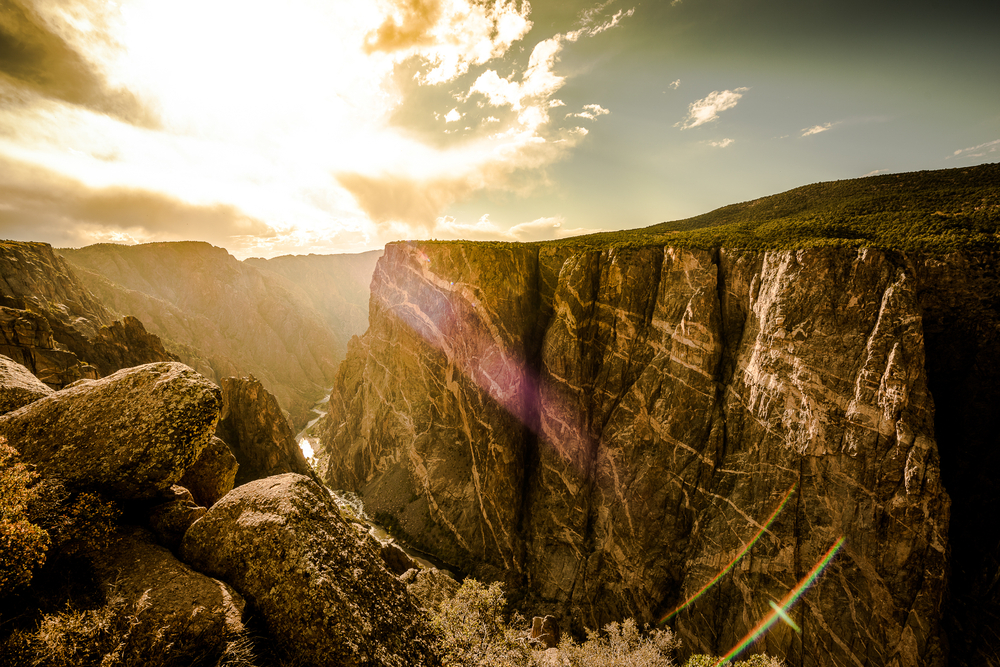
The park is best known for its sheer cliffs, extreme depth, and narrow canyon walls that create an awe-inspiring landscape. In some sections, the canyon drops more than 2,000 feet (610 m) from rim to river, while the canyon floor receives only limited sunlight. These conditions inspired the name “Black Canyon,” referring to the deep shadows that often darken the gorge.
Visitors are drawn to dramatic overlooks such as Gunnison Point, Chasm View, and Painted Wall, the latter being the tallest cliff in Colorado at approximately 2,250 feet (686 m). Scenic drives, hiking trails, rock climbing, and stargazing opportunities allow visitors to experience the park’s remarkable beauty from multiple perspectives.
Geographically, the Black Canyon is one of the steepest and oldest canyons in North America. The Gunnison River has cut through ancient Precambrian rock, some of which is nearly two billion years old. The canyon’s narrow profile and near-vertical walls are the result of powerful erosive forces acting over immense periods of time.
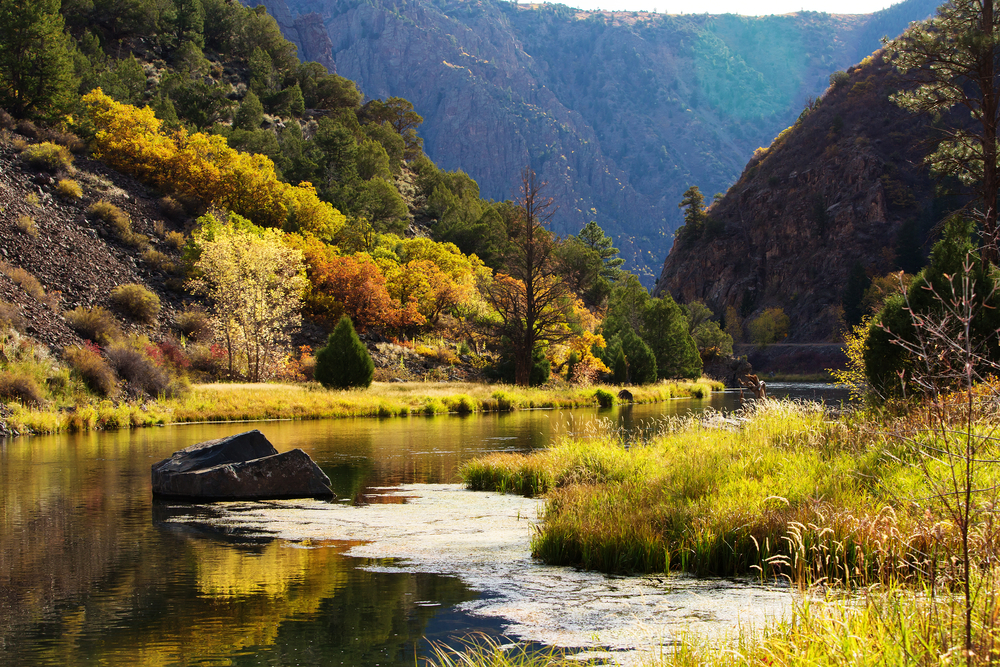
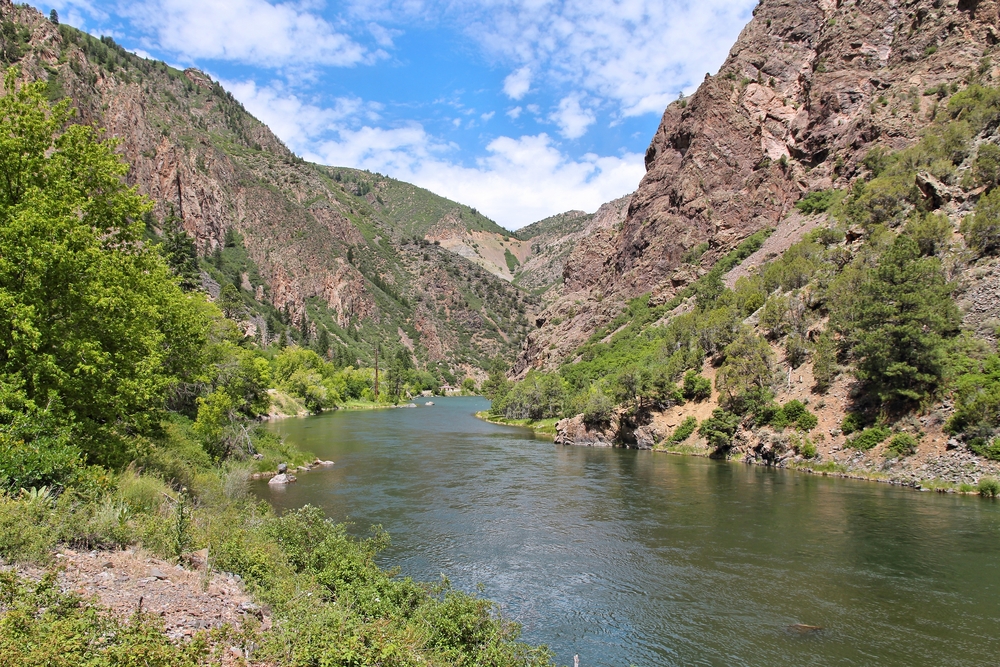
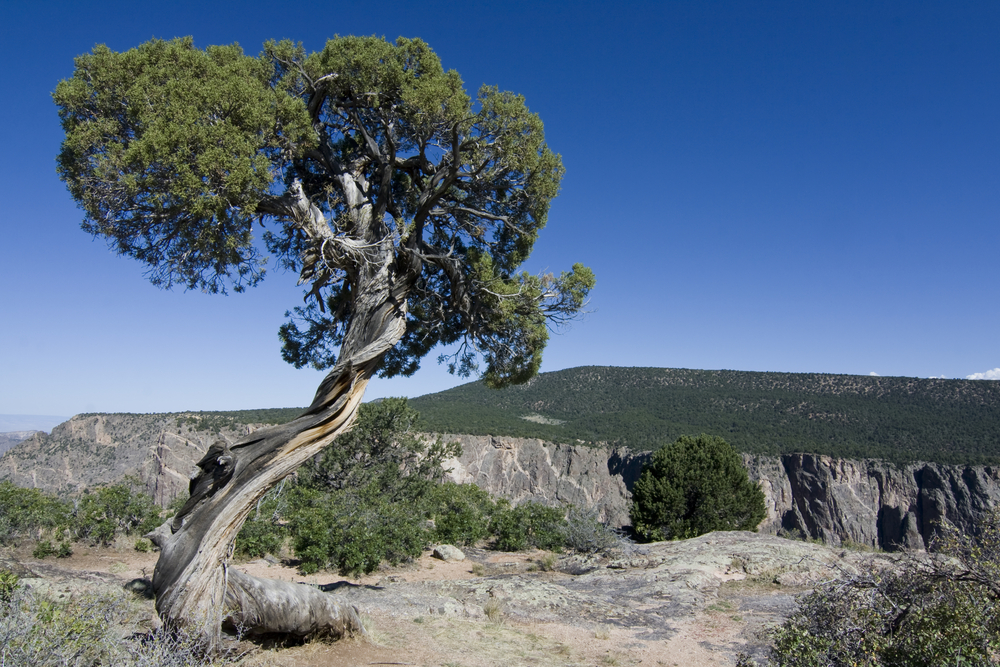
The park encompasses rugged cliffs, rocky slopes, high mesas, and riparian habitats along the river corridor. Vegetation varies with elevation and exposure, ranging from pinyon-juniper woodlands and sagebrush communities to ponderosa pine forests and riparian vegetation near water sources.
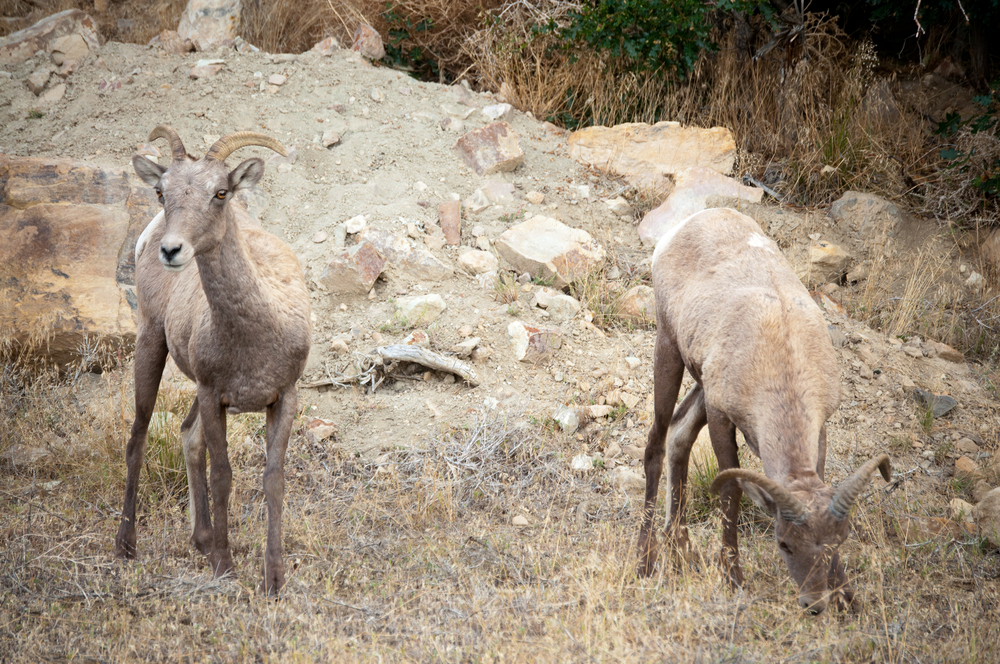
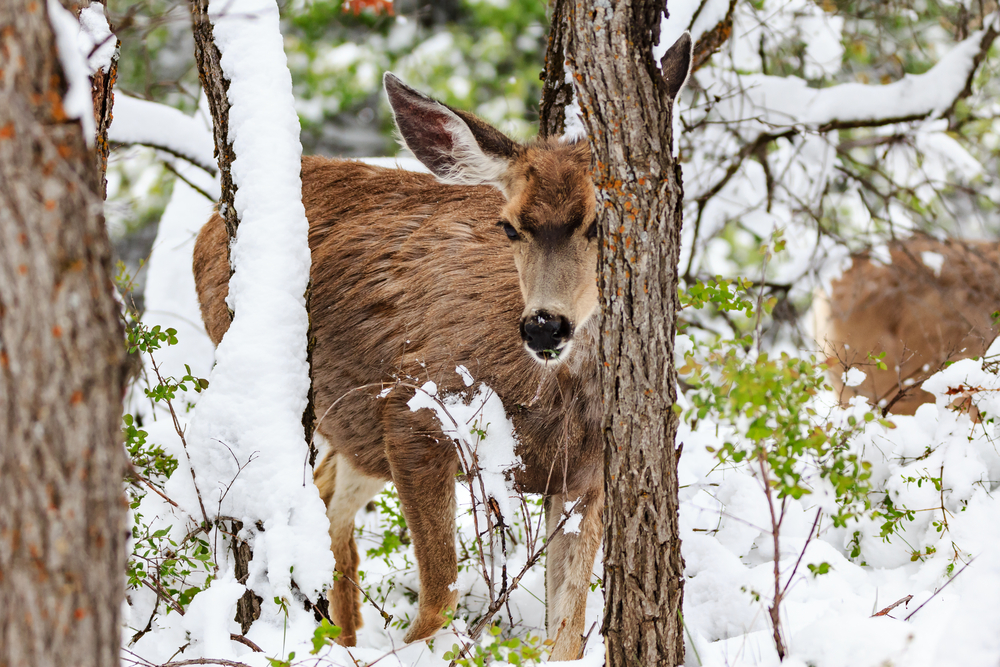
Wildlife thrives within the park’s varied habitats. Mammals commonly found in the park include mule deer, elk, coyotes, bobcats, mountain lions, black bears, and yellow-bellied marmots. The steep canyon walls provide nesting habitat for peregrine falcons, golden eagles, and other birds of prey.
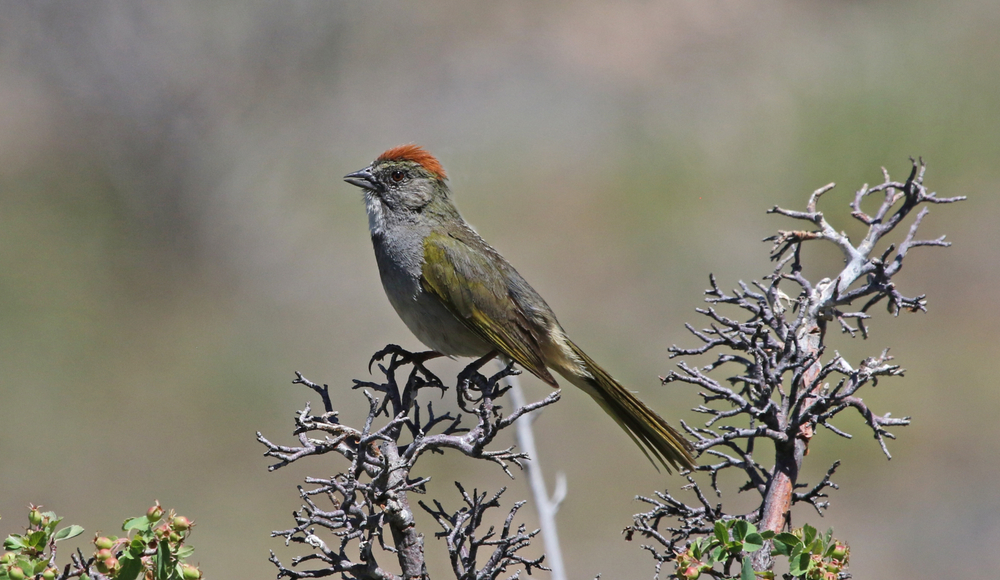
More than 175 bird species have been recorded, including canyon wrens, Steller’s jays, hummingbirds, and migratory songbirds. Reptiles such as lizards and rattlesnakes inhabit the warmer canyon slopes, while the Gunnison River supports fish species adapted to fast-flowing mountain waters. The park’s diverse habitats create an ecological richness that contrasts with its rugged appearance.
Black Canyon of the Gunnison National Park plays an important role in preserving one of North America’s most extraordinary geological formations. The park protects ancient rock exposures, unique canyon ecosystems, and important wildlife habitat while providing opportunities for scientific research and outdoor recreation.
Its dramatic topography is often compared to iconic canyon landscapes such as Grand Canyon National Park and Zion National Park, yet Black Canyon stands apart because of its extraordinary depth, narrowness, and steep cliffs. Through its ancient geology, dramatic scenery, diverse wildlife, and pristine night skies, Black Canyon of the Gunnison National Park remains one of America’s most impressive natural wonders and a testament to the power of erosion over geological time.
Photos

Things to See
Things To Do
Engaging the Black Canyon
Black Canyon of the Gunnison National Park Trails
The park is for the more adventurous and it is important to note that trails have access to the steep canyon walls. It is important to pay attention to where you walk and pay close attention to children.

Park Protection
 Black Canyon of the Gunnison National Park was created to protect one of North America’s most dramatic canyon landscapes, where the Gunnison River has carved a deep, narrow gorge through ancient Precambrian rock over millions of years. The park provides habitat for a variety of wildlife, including peregrine falcons, golden eagles, bighorn sheep, mule deer, and black bears. Its steep cliffs and remote wilderness areas offer important refuge for native species adapted to rugged canyon environments.
The park is particularly significant for preserving some of the oldest exposed rock formations in North America, with certain gneiss and schist formations dating back nearly two billion years. The canyon’s exceptional depth, sheer vertical walls, and narrow profile distinguish it from most other canyon systems in the United States. Together, Black Canyon of the Gunnison National Park protects a remarkable geological landscape, important wildlife habitat, and one of the continent’s most striking examples of river-carved canyon wilderness.
FAQ’s
What is the main reason people visit Black Canyon of the Gunnison National Park?
Black Canyon of the Gunnison National Park is primarily visited for its extraordinarily steep canyon walls, dramatic scenery, and rugged wilderness experience. Located in western Colorado, the park protects one of the deepest and narrowest canyons in North America.
Visitors come to admire breathtaking viewpoints, hike scenic trails, photograph towering cliffs, enjoy world-class rock climbing, fish the Gunnison River, and experience some of the darkest night skies in the United States.
What animals can visitors hope to see in Black Canyon of the Gunnison National Park?
Black Canyon of the Gunnison National Park supports approximately 60 mammal species and more than 20 reptile species. The park’s diverse habitats include canyon rims, pinyon-juniper woodlands, sagebrush communities, riparian corridors, and rugged canyon environments.
Some of the most notable mammals found in Black Canyon of the Gunnison National Park include:
- Mule Deer
- Elk
- Bighorn Sheep
- Black Bear
- Mountain Lion
- Bobcat
- Coyote
- Gray Fox
- Red Fox
- American Badger
- Raccoon
- Ringtail
- Long-tailed Weasel
- Short-tailed Weasel
- Striped Skunk
- Porcupine
- Beaver
- Muskrat
- River Otter
- Desert Cottontail
- Black-tailed Jackrabbit
- Snowshoe Hare
- Rock Squirrel
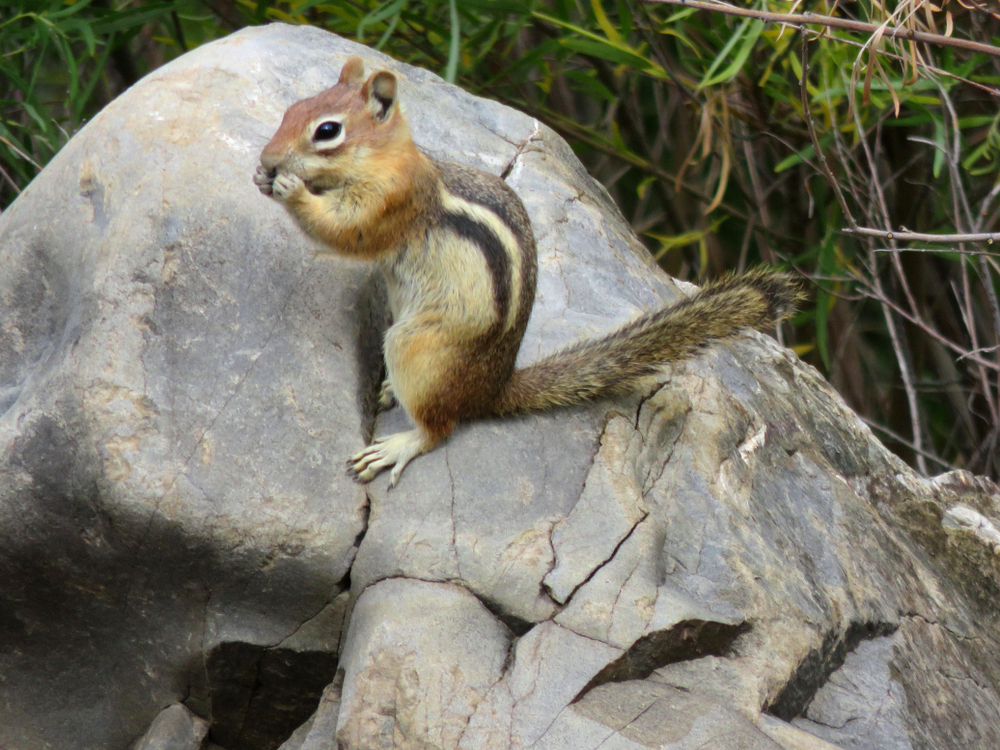
- Golden-mantled Ground Squirrel
- Cliff Chipmunk
- Uinta Chipmunk
- Deer Mouse
- Canyon Mouse
- Pocket Mouse
- Kangaroo Rat
- Woodrat
- Pocket Gopher
- Meadow Vole
- Montane Vole
- Harvest Mouse
- Shrew Species
- Big Brown Bat
- Hoary Bat
- Pallid Bat
- Townsend’s Big-eared Bat
- Mexican Free-tailed Bat
- Yuma Myotis
- Long-legged Myotis
- Fringed Myotis
- Silver-haired Bat
- Little Brown Bat
- Western Red Bat
- Desert Shrew
- Various Rodent Species
- Various Small Mammals
What birds can visitors hope to see in Black Canyon of the Gunnison National Park?
Black Canyon of the Gunnison National Park is home to more than 175 bird species. The park’s cliffs, forests, shrublands, and river habitats attract a variety of raptors, songbirds, and migratory species.
Some of the most popular birds seen in Black Canyon of the Gunnison National Park include:
- Golden Eagle
- Bald Eagle
- Peregrine Falcon
- Prairie Falcon
- Red-tailed Hawk
- Cooper’s Hawk
- Sharp-shinned Hawk
- Northern Goshawk
- American Kestrel
- Turkey Vulture
- Common Raven
- Black-billed Magpie
- Clark’s Nutcracker
- Pinyon Jay
- Woodhouse’s Scrub-Jay
- Steller’s Jay
- Mountain Bluebird
- Western Bluebird
- Canyon Wren
- Rock Wren
- Bewick’s Wren
- House Wren
- Black-throated Sparrow
- Brewer’s Sparrow
- Chipping Sparrow
- White-crowned Sparrow
- Dark-eyed Junco
- Western Meadowlark
- Horned Lark
- Say’s Phoebe
- Ash-throated Flycatcher
- Western Kingbird
- Violet-green Swallow
- Cliff Swallow
- Barn Swallow
- White-throated Swift
- Broad-tailed Hummingbird
- Black-chinned Hummingbird
- Rufous Hummingbird
- Northern Flicker
- Lewis’s Woodpecker
- Downy Woodpecker
- Hairy Woodpecker
- Juniper Titmouse
- Bushtit
- Yellow-rumped Warbler
- Orange-crowned Warbler
- American Robin
- Western Tanager
- Lazuli Bunting
Is Black Canyon of the Gunnison National Park worth visiting?
Yes, Black Canyon of the Gunnison National Park is absolutely worth visiting and is considered one of the most dramatic canyon parks in North America.
The park offers spectacular overlooks, towering cliffs, outstanding hiking opportunities, world-class rock climbing, excellent fishing, and remarkable solitude compared to many larger national parks. Visitors often describe it as one of the most underrated parks in the United States.
While it lacks the extensive facilities and crowds found at some larger parks, many travelers consider that part of its appeal.
What is the best time to visit Black Canyon of the Gunnison National Park?
The best time to visit Black Canyon of the Gunnison National Park is:
- May through October
During these months:
- Most park roads and facilities are open.
- Hiking conditions are favorable.
- Wildlife is active.
- Scenic viewpoints are fully accessible.
Summer offers warm weather, while fall provides colorful foliage and fewer visitors.
How many days do you need to visit Black Canyon of the Gunnison National Park?
Most visitors should plan for 1 to 2 days.
- Half day: South Rim scenic overlooks.
- 1 day: Major viewpoints and hiking trails.
- 2 days: Explore both North and South Rims.
- 3+ days: Rock climbing, fishing, and backcountry exploration.
Many visitors combine the park with other western Colorado destinations.
How do you get to Black Canyon of the Gunnison National Park?
Black Canyon of the Gunnison National Park is located near Montrose.
Most visitors:
- Fly into Montrose, Grand Junction, or Denver.
- Drive to the South Rim entrance.
- Access the North Rim via a longer route around the canyon.
The South Rim is the most frequently visited section of the park.
Who is involved in protecting and supporting Black Canyon of the Gunnison National Park?
Several organizations help protect Black Canyon of the Gunnison National Park:
- National Park Service – manages the park.
- Black Canyon Association – supports educational, scientific, and conservation programs.
- National Park Foundation – supports projects throughout the National Park System.
- Colorado Parks and Wildlife – assists with wildlife conservation and habitat management.
- Volunteers, researchers, and local communities who help preserve the park’s natural resources.
Why is it called Black Canyon of the Gunnison?
The canyon receives its name because many sections are so deep and narrow that sunlight reaches the bottom for only brief periods each day. Early explorers described the canyon as appearing black due to the limited light penetrating its steep walls.
Sources
- Britannica, Black Canyon of the Gunnison, https://www.britannica.com/place/Black-Canyon-of-the-Gunnison-National-Park, retrieved March 2020.
- Colorado, Explore Black Canyon of the Gunnison National Park, https://www.colorado.com/articles/explore-black-canyon-gunnison-national-pa…, retrieved March 2020.
- National Park Service, Black Canyon of the Gunnison, https://www.nps.gov/blca/index.htm, retrieved March 2020.
- Vandenbusche, Duane, Images of America – The Black Canyon of the Gunnison, Arcadia Publishing, March 2020.
- Visit Montrose, Black Canyon National Park, https://www.visitmontrose.com/outdoors/black-canyon-national-park/, retrieved March 2020.