About
Northumberland National Park is located in northeastern England along the border with Scotland. Covering approximately 405 square miles (1,049 sq km), it is the northernmost national park in England and one of the least populated protected landscapes in the United Kingdom.
Established in 1956, Northumberland National Park protects a diverse landscape of rolling hills, moorlands, forests, river valleys, and historic landmarks. The park stretches from the Cheviot Hills near the Scottish border southward toward the famous Hadrian’s Wall corridor. Situated northwest of Newcastle upon Tyne, the park preserves one of England’s most tranquil and unspoiled rural environments, offering visitors a unique combination of natural beauty and historical significance.
Northumberland National Park is best known for its expansive open landscapes, exceptional dark skies, and rich Roman heritage. Visitors are drawn to scenic hiking trails, peaceful countryside, and opportunities to explore one of Britain’s most important archaeological regions. A significant portion of Hadrian’s Wall, the ancient Roman frontier built during the reign of Hadrian, lies within or adjacent to the park and attracts history enthusiasts from around the world.
Outdoor activities include hiking, cycling, horseback riding, wildlife observation, and stargazing. The park forms the heart of the Northumberland International Dark Sky Park, one of the largest protected dark sky areas in Europe, making it a premier destination for astronomy and night-sky viewing.
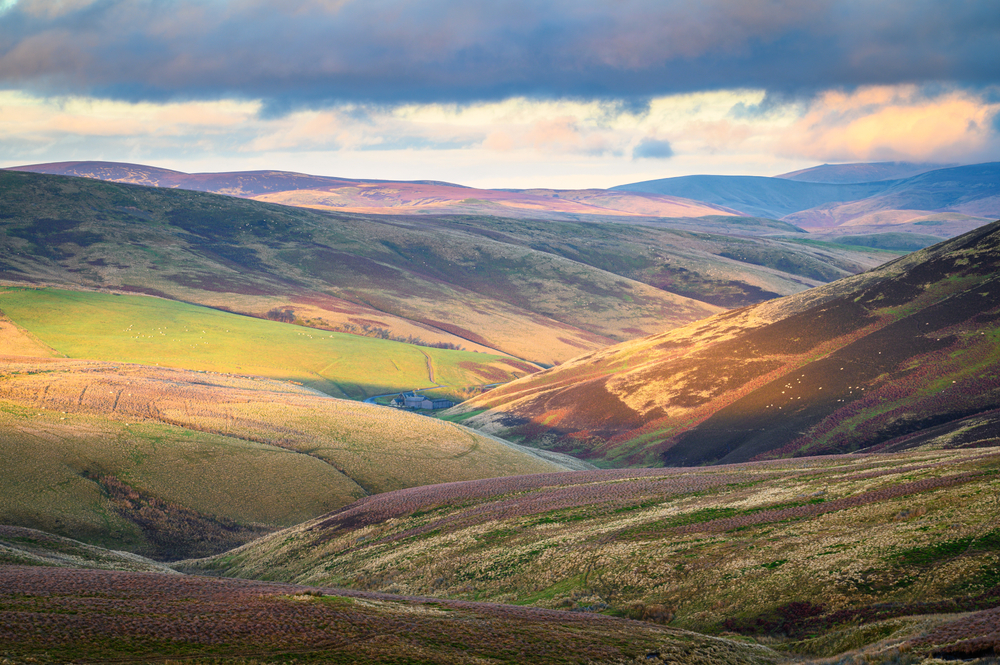
The geography of Northumberland National Park is characterized by rolling uplands, heather-covered moorlands, broad river valleys, and rugged hills. The Cheviot Hills dominate the northern portion of the park, with The Cheviot rising to approximately 2,674 feet (815 meters) as the highest summit in the region.
Rivers such as the North Tyne, Coquet, and Rede flow through the landscape, creating fertile valleys and supporting diverse ecosystems. Extensive moorlands, peat bogs, grasslands, and woodlands contribute to the park’s ecological richness. The relatively low level of development allows natural processes to continue across large areas, preserving a landscape that has changed little over centuries.
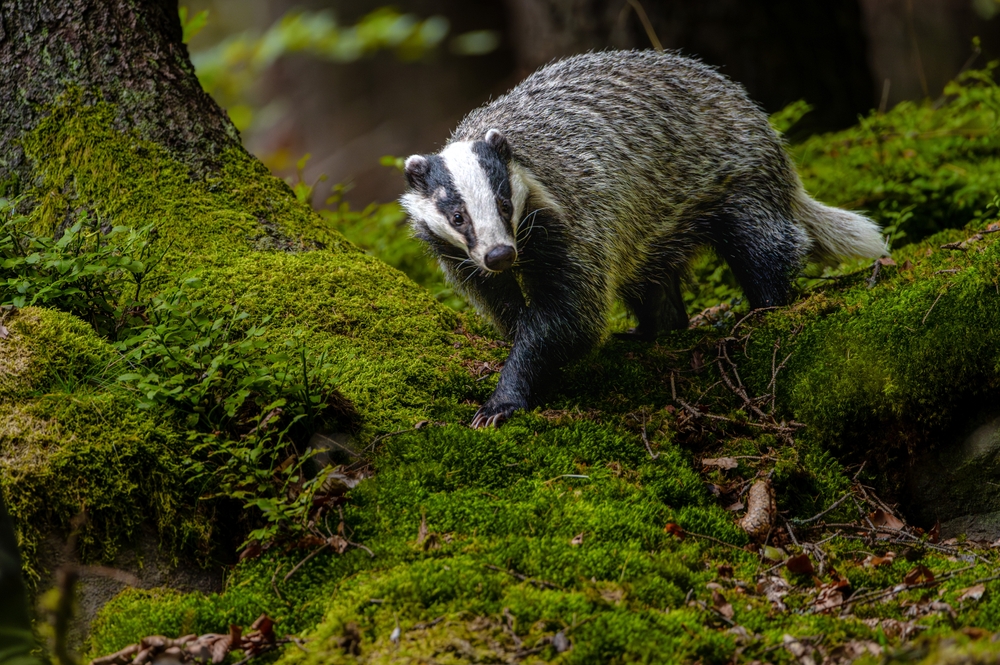
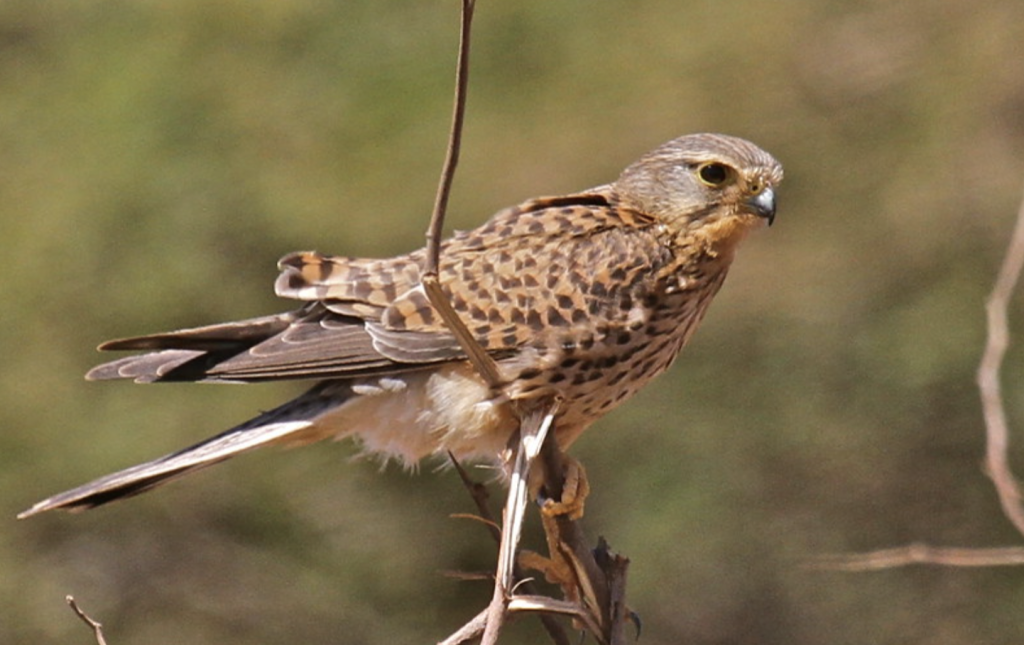
Wildlife within Northumberland National Park reflects the diversity of its upland habitats. Mammals include red squirrels, roe deer, otters, badgers, foxes, and mountain hares. The park is one of England’s most important refuges for the native red squirrel, whose populations have declined elsewhere. Birdlife is particularly impressive, with species such as golden plovers, curlews, black grouse, merlins, peregrine falcons, and hen harriers inhabiting the moorlands and valleys.
Rivers and wetlands support fish, amphibians, and aquatic invertebrates, while extensive heathlands provide habitat for specialized plants and insects. The park’s relatively undisturbed habitats support a rich variety of wildlife uncommon in more heavily populated parts of England.
Northumberland National Park plays a vital role in conserving England’s upland ecosystems, cultural heritage, and dark-sky environments. The park protects important habitats, watersheds, and archaeological sites while supporting sustainable recreation and traditional land management practices. Its conservation significance is often compared to Yorkshire Dales National Park and Dartmoor National Park because of its ecological value and scenic landscapes.
However, Northumberland’s combination of Roman history, vast moorlands, and internationally recognized dark skies gives it a distinctive identity. Today, the park remains one of Britain’s most treasured protected areas, preserving a landscape where history, wildlife, and wilderness coexist in remarkable harmony.