About
Dartmoor National Park is located in Devon in southwestern England within the United Kingdom. Covering approximately 368 square miles (954 sq km), Dartmoor is one of England’s largest and most distinctive protected landscapes.
Established in 1951 as one of the first national parks in England, Dartmoor protects a rugged upland region renowned for its open moorlands, granite tors, ancient woodlands, and rich cultural history. Situated west of Exeter and north of Dartmouth, the park occupies the highest land in southern England. Its wild scenery, archaeological treasures, and centuries-old traditions have made Dartmoor one of Britain’s most iconic national parks.
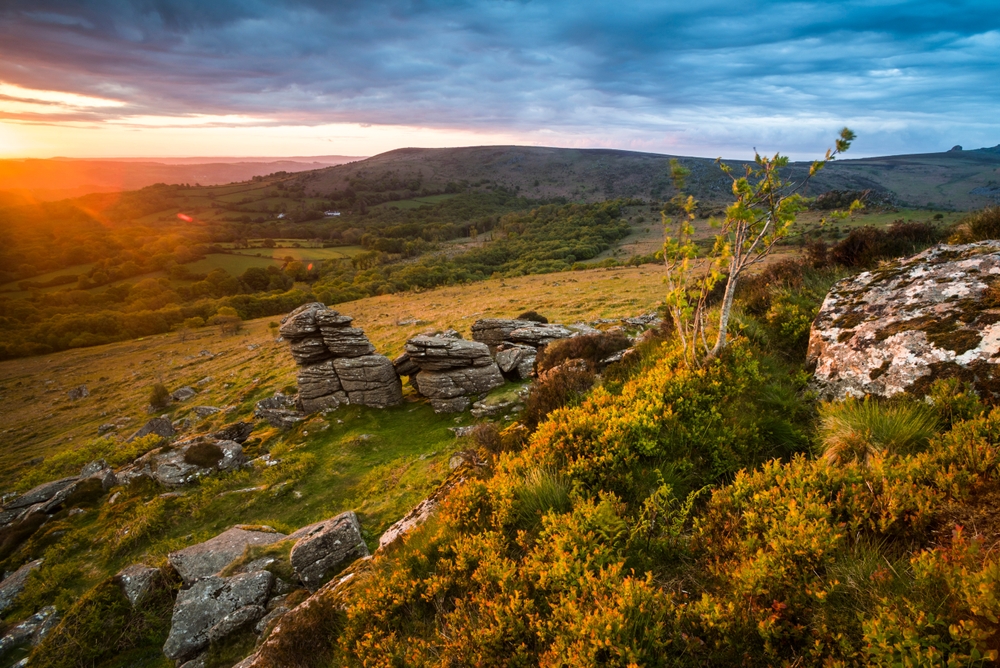
Dartmoor National Park is best known for its dramatic granite tors, expansive open moorland, and free-roaming ponies. Visitors are drawn to the park’s distinctive landscapes, where rocky outcrops rise above rolling heathlands and valleys carved by rivers over thousands of years. Dartmoor offers exceptional opportunities for hiking, cycling, horseback riding, wildlife observation, and photography.
The park is also famous for its literary connections, particularly through Sir Arthur Conan Doyle, whose famous novel helped cement Dartmoor’s reputation as a place of mystery and natural beauty. The combination of wilderness, folklore, and outdoor recreation attracts millions of visitors each year.
The geography of Dartmoor National Park is dominated by a granite plateau that rises above the surrounding countryside. The landscape features more than 160 tors, which are rocky hilltops formed by thousands of years of weathering and erosion. Numerous rivers, including the Dart, Teign, Tavy, and Plym, originate within the park and flow outward through deep valleys and wooded gorges.
Extensive areas of heather moorland, peat bogs, grasslands, and ancient oak woodlands create a diverse mosaic of habitats. The park’s upland climate is often characterized by mist, rain, and rapidly changing weather conditions, contributing to its rugged and atmospheric character.
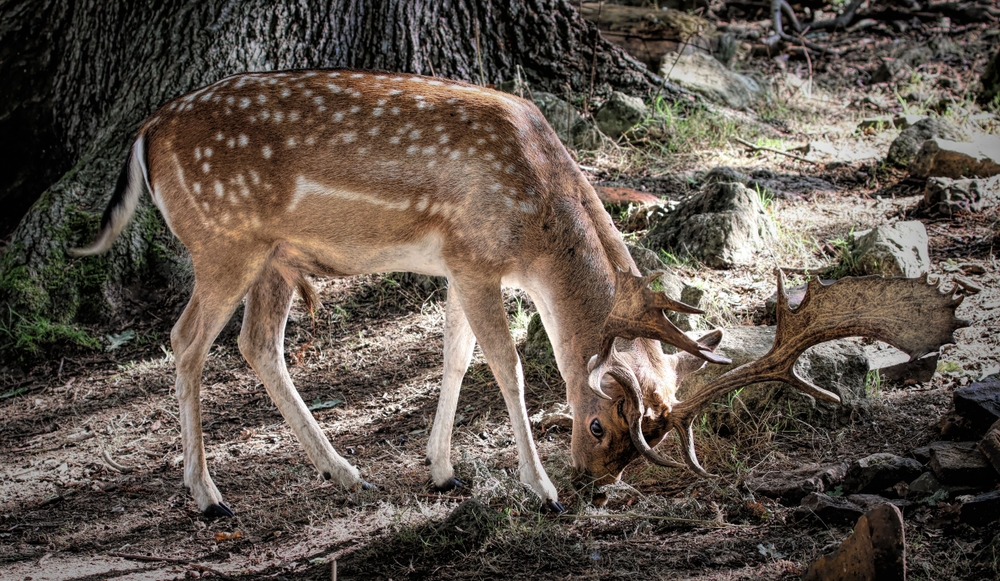
Wildlife within Dartmoor National Park reflects the diversity of its habitats. The park is perhaps most famous for the Dartmoor ponies that graze freely across the moorlands and have become an enduring symbol of the region. Other mammals include otters, badgers, foxes, deer, and numerous bat species.
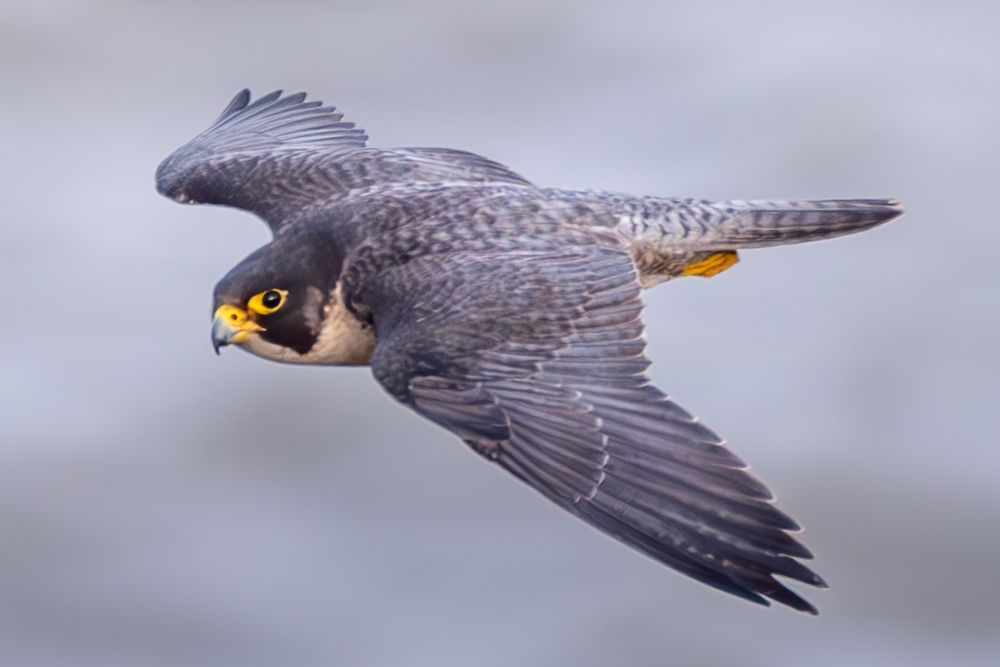
Birdlife is particularly rich, with species such as skylarks, curlews, buzzards, peregrine falcons, and ravens inhabiting the moors and valleys. The park’s wetlands and rivers support amphibians, fish, and aquatic invertebrates, while rare plants thrive in the unique conditions found within bogs and heathlands. Dartmoor’s varied ecosystems support one of the richest concentrations of biodiversity in southern England.
Dartmoor National Park plays a vital role in conserving England’s upland ecosystems, archaeological heritage, and traditional landscapes. The park contains thousands of prehistoric monuments, stone circles, burial sites, and ancient settlements that reveal human occupation dating back thousands of years.
Its conservation significance is often compared to Exmoor National Park and Yorkshire Dales National Park because of its ecological value and cultural importance. However, Dartmoor’s granite tors, expansive moorlands, and unique historical legacy give it a distinctive identity. Today, the park remains one of Britain’s most treasured natural areas, preserving a landscape where wildlife, history, and tradition continue to shape the character of the English countryside.