

About
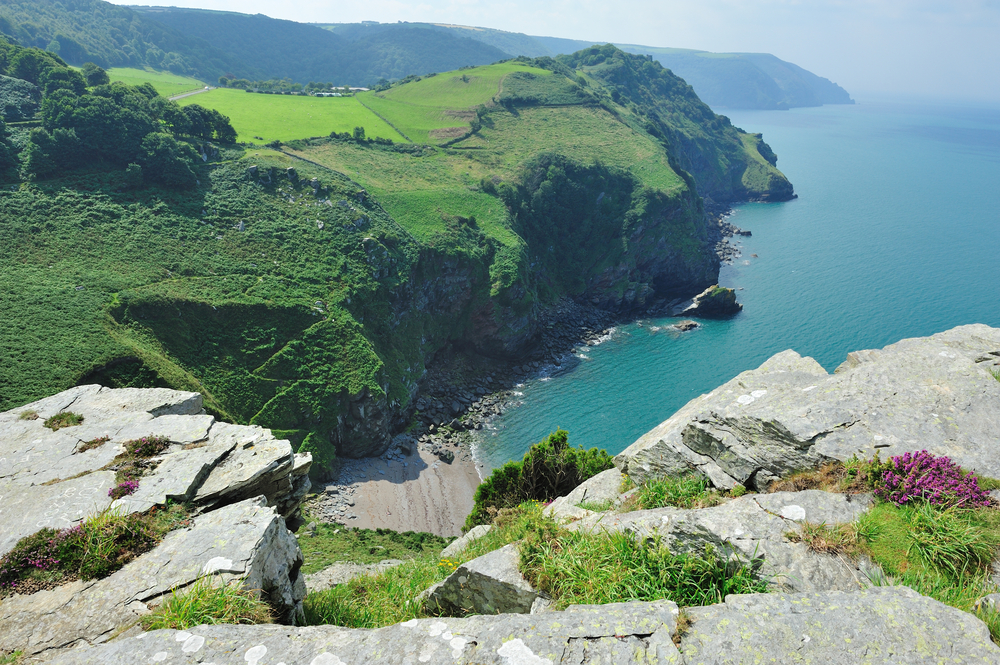
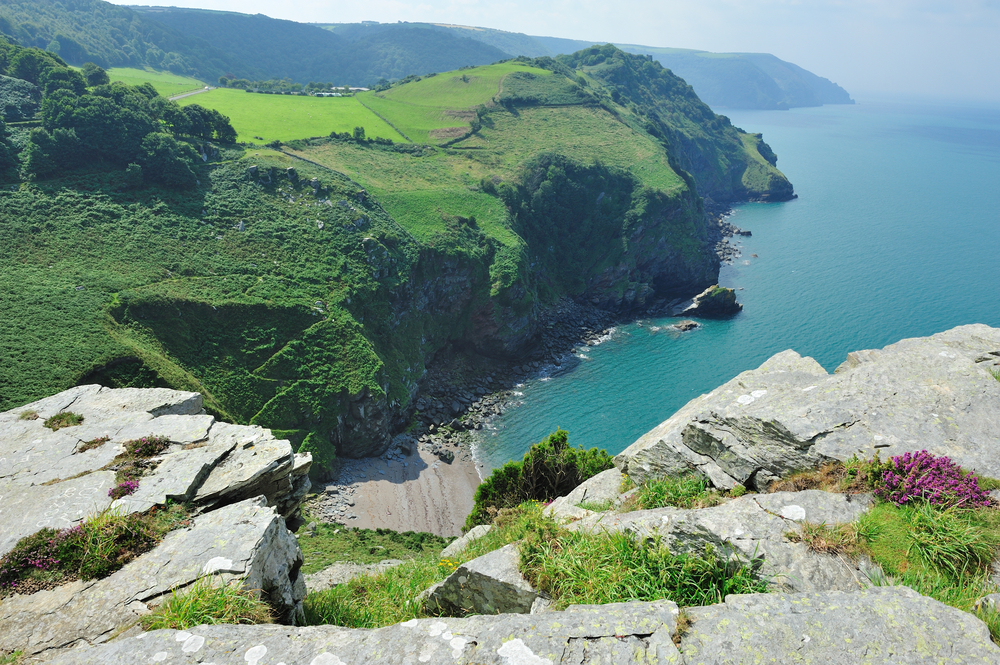
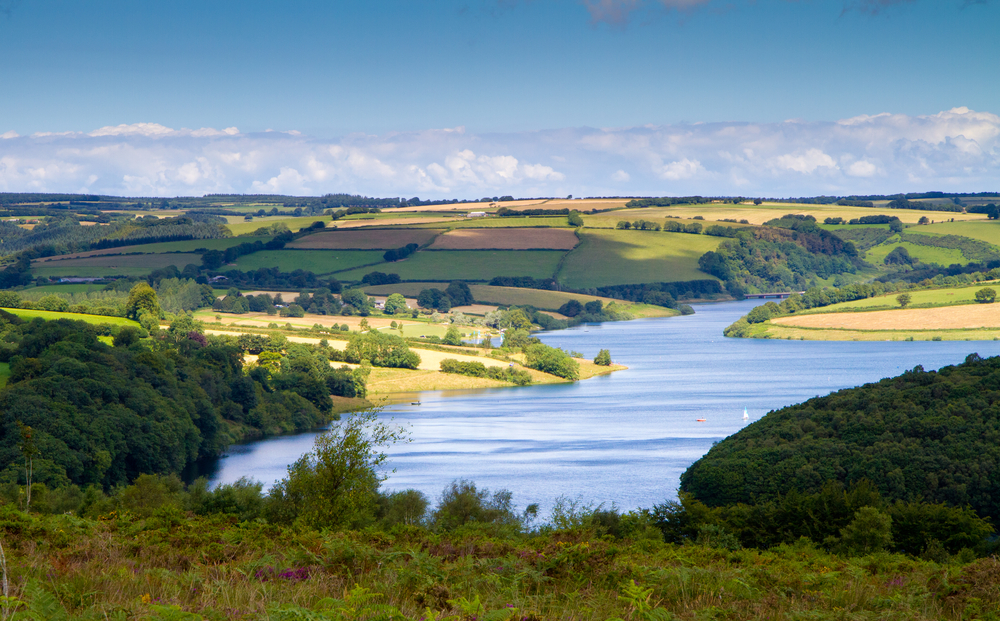
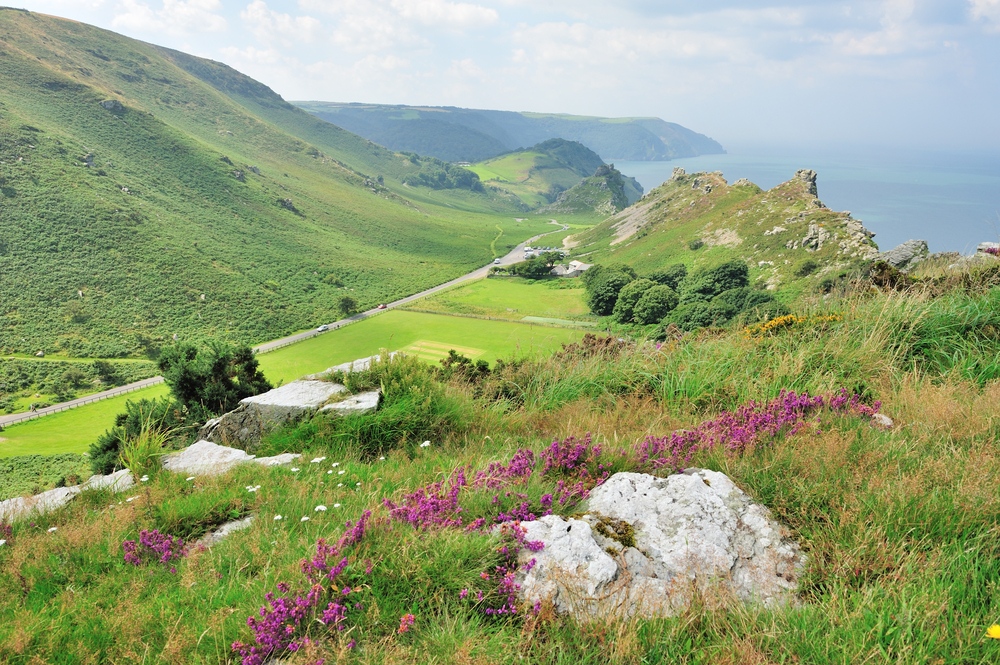
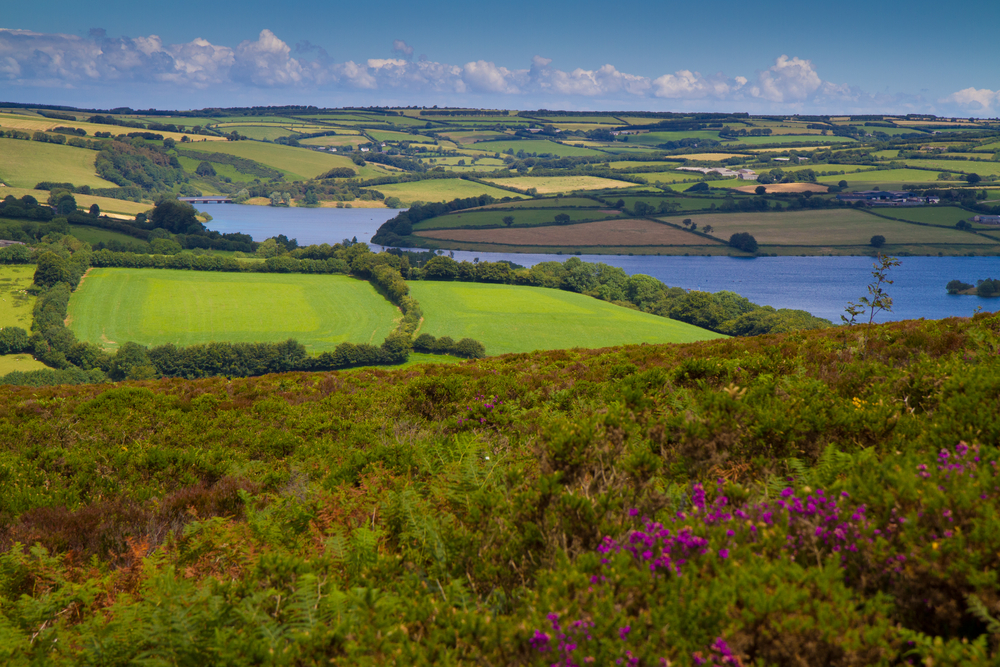
Exmoor National Park, the park is located in southwestern England across the counties of Devon and Somerset. Covering approximately 267 square miles (692 sq km), Exmoor protects a remarkable landscape of heather-covered moorlands, wooded valleys, rugged coastlines, and traditional rural countryside.
Established in 1954, the park preserves one of England’s most distinctive upland environments and contains some of the highest sea cliffs in Britain. Situated west of Taunton and northeast of Dartmoor National Park, Exmoor offers a unique blend of natural beauty, wildlife, and cultural heritage. Its combination of rolling moors and dramatic coastal scenery makes it one of England’s most cherished national parks.
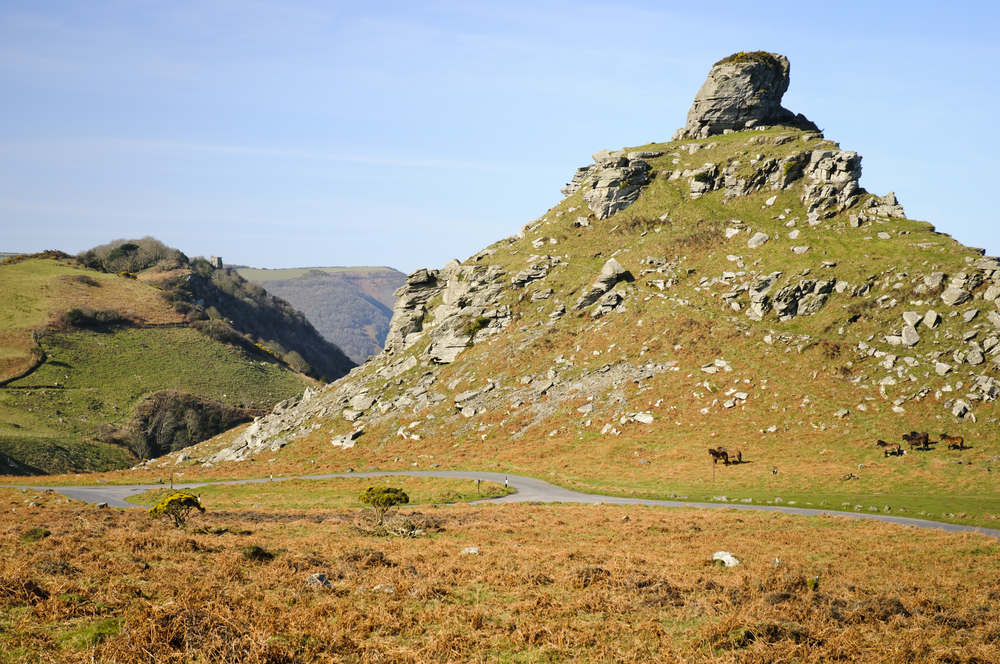
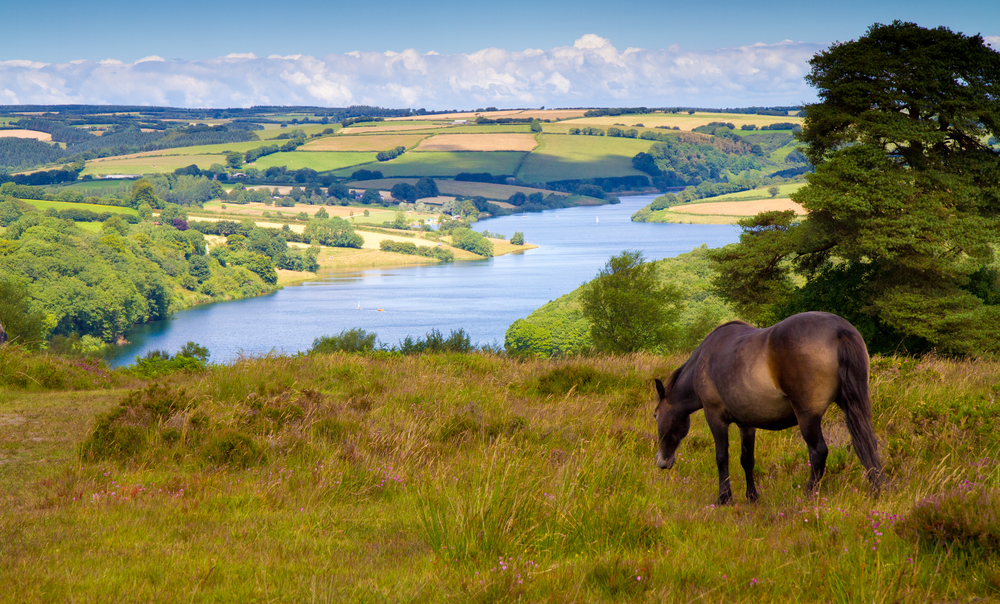
Exmoor National Park is best known for its sweeping moorlands and iconic free-roaming Exmoor ponies. Visitors are drawn to the park’s expansive open landscapes, scenic walking trails, historic villages, and breathtaking coastal viewpoints. Popular activities include hiking, cycling, horseback riding, wildlife watching, fishing, and photography.
The South West Coast Path traverses sections of the park’s coastline, providing spectacular views of cliffs, coves, and the Bristol Channel. Exmoor is also recognized as an International Dark Sky Reserve, offering some of the finest stargazing opportunities in England. The park’s peaceful atmosphere and diverse scenery make it a favorite destination for outdoor enthusiasts and nature lovers.
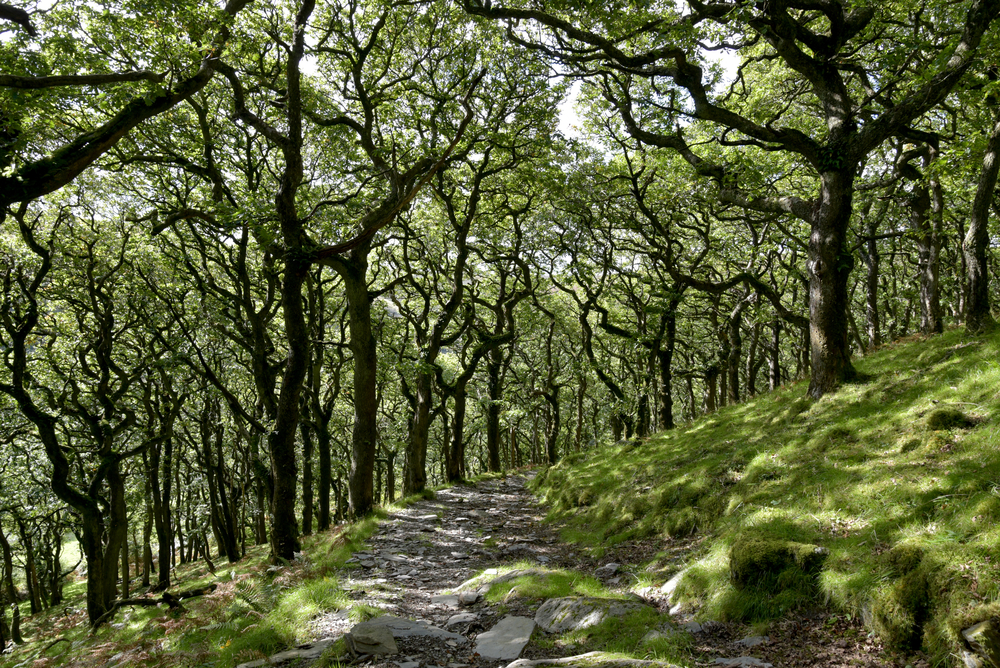
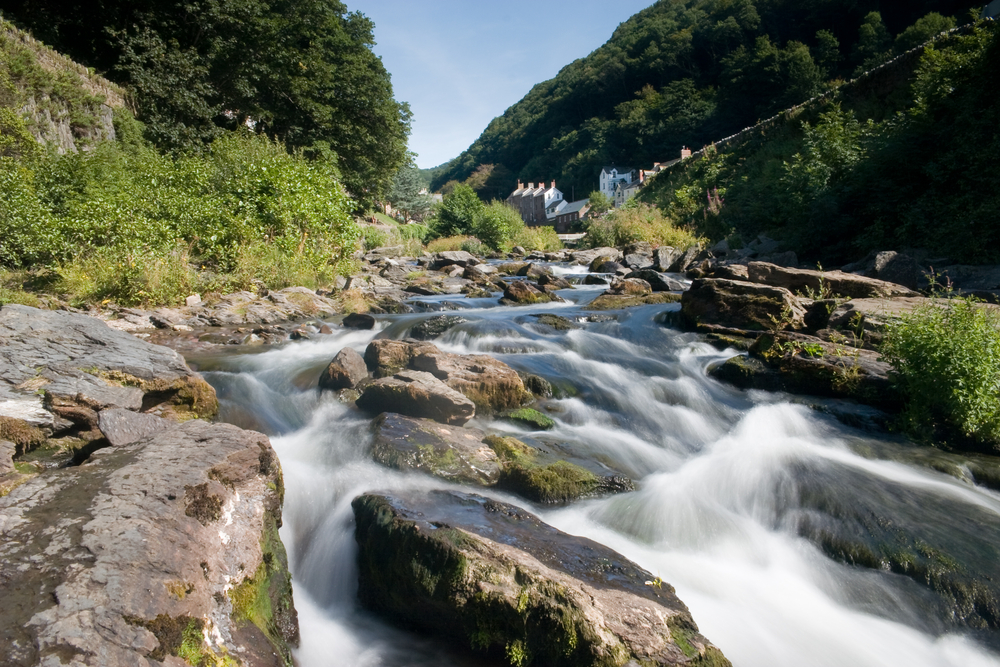
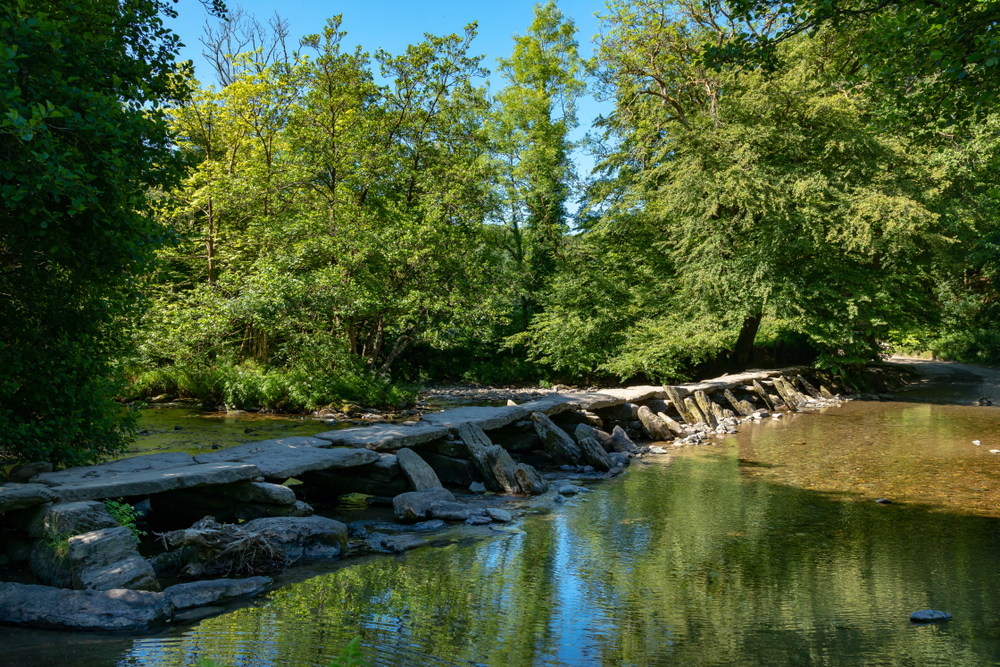
The geography of Exmoor National Park is characterized by rolling upland plateaus, steep-sided river valleys, ancient woodlands, and dramatic coastal cliffs. The moorlands rise gently from the surrounding countryside and are intersected by deep valleys carved by rivers such as the Exe, Barle, and Lyn.
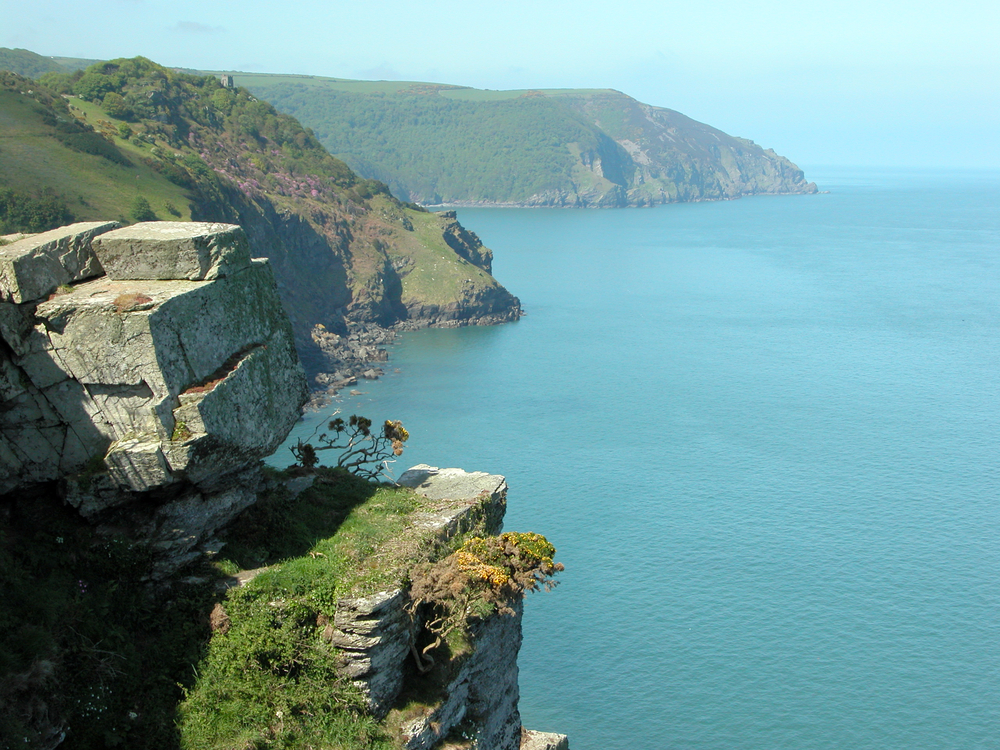
Along the northern boundary, towering cliffs plunge into the Bristol Channel, creating some of the most dramatic coastal scenery in England. Vegetation includes heather moorland, grasslands, oak woodlands, wetlands, and riverine habitats. The varied terrain supports a rich diversity of plant and animal communities while contributing to the park’s distinctive character.
Wildlife within Exmoor National Park is among its greatest attractions. The park is famous for its population of Exmoor ponies, one of Britain’s oldest and most distinctive native horse breeds. Red deer, the largest wild land mammals in England, roam the moorlands and forests, while foxes, badgers, otters, and numerous smaller mammals inhabit the park’s varied habitats.
Birdlife is especially notable, with species such as peregrine falcons, buzzards, ravens, skylarks, and red grouse regularly observed throughout the region. Coastal habitats support seabirds, while rivers provide habitat for salmon, trout, kingfishers, and aquatic invertebrates. The diversity of ecosystems contributes significantly to the park’s ecological importance.
Exmoor National Park plays a vital role in conserving England’s upland landscapes, wildlife habitats, and cultural heritage. The park protects important moorland ecosystems, ancient woodlands, archaeological sites, and traditional farming practices that have shaped the region for centuries.
Its conservation significance is often compared to Dartmoor National Park and Peak District National Park because of its ecological value and scenic beauty. However, Exmoor’s combination of wild moorlands, dramatic coastline, and iconic wildlife gives it a unique identity. Today, the park remains one of Britain’s most treasured protected areas, preserving a landscape where nature, history, and rural traditions continue to thrive.
Photos
Things to See
 The coastal shoreline of Exmoor is characterized by rugged rock faces and jagged cliffs. Little Hangman is a cliff reaching a height of 656 feet (200 m) located at the boundary start of the national park. Exmoor presents a series of coastal hills and rugged rocky shoreline landscapes that reach up to 1,358 feet (414 m) at the point known as Culbone Hill.
Exmoor National Park Trails
Hiking in Exmoor National Park is one of the best ways to experience the natural splendor it has to offer to travelers who venture through the park. There are numerous hiking trails ready to help you explore the natural wonders of the park. Here are some of the favorites.

Park Protection
The national park protects the area that was historically set aside as the royal hunting grounds for the kings and royal family of England. While protecting this historical and cultural aspect of the area, really the park is protecting the wilderness and wildlife that attracted the royal families in the first place.
The park is also protecting the pristine Heritage Coast that features cliffs, caves, waterfalls, and a picturesque rugged coastal landscape. These are some of the most striking ravine, cliff, cave, and coastal landscapes in the country.
The protected varied vegetation is an investment in the hundreds of species of birds that nest and migrate through the park’s borders. Human encroachment is the biggest threat now that the area is under protected status.
Sources
- All Trails, Best Trails in Exmoor National Park, https://www.alltrails.com/parks/england/somerset/exmoor-national-park, retrieved July 2020.
- Britannica, Exmoor National Park, https://www.britannica.com/place/Exmoor-National-Park, retrieved July 2020.
- Exmoor Magazine, Exmore National Park, https://www.exmoormagazine.co.uk/category/exmoor-national-park-news/, retrieved July 2020.
- Exmoor National Park, Government Site, https://www.exmoor-nationalpark.gov.uk/, retrieved July 2020.
- UNESCO, North Devon Biosphere Reserve, https://en.unesco.org/biosphere/eu-na/northdevon, retrieved July 2020.
- Visit Exmoor, Exmoor National Park, https://www.visit-exmoor.co.uk/, retrieved July 2020.