

About
Kidepo Valley National Park is located in the remote northeastern corner of Uganda near the borders of South Sudan and Kenya. The park covers approximately 557 square miles (1,442 sq km) and is surrounded by rugged mountain ranges and vast semi-arid plains.
Established as a national park in 1962, Kidepo Valley National Park is one of Uganda’s largest and most spectacular protected areas. It lies east of the Pian Upe Wildlife Reserve and forms part of a broader transboundary ecosystem that extends into neighboring countries. Its isolation has helped preserve an extraordinary wilderness character, earning it recognition as one of Africa’s most remarkable safari destinations.
Kidepo Valley National Park is best known for its dramatic landscapes, abundant wildlife, and authentic wilderness experience. Unlike Uganda’s more heavily visited parks, Kidepo offers visitors the opportunity to explore vast savannas with relatively few tourists. The park’s sweeping plains, distant mountain backdrops, and seasonal river valleys create scenery often compared to East Africa’s most famous safari regions.
Visitors are drawn by exceptional game viewing, birdwatching, cultural encounters with the Karamojong people, and the chance to experience one of Africa’s last truly wild frontiers. The sense of remoteness and natural beauty makes Kidepo a favorite among experienced travelers and wildlife enthusiasts.
The geography of Kidepo Valley National Park is defined by broad grasslands, seasonal river systems, rocky outcrops, and mountain ranges that frame the landscape. The Narus Valley and Kidepo Valley form the park’s two principal ecosystems. The Narus Valley contains permanent water sources that attract wildlife throughout the year, while the Kidepo Valley is characterized by seasonal rivers and expansive open plains.
Vegetation consists primarily of savanna grasslands, acacia woodlands, thorn scrub, and riverine habitats. The park’s semi-arid climate creates conditions that resemble the ecosystems of northern Kenya and South Sudan more closely than many other parts of Uganda. These varied habitats support exceptional biodiversity and contribute to the park’s unique ecological character.
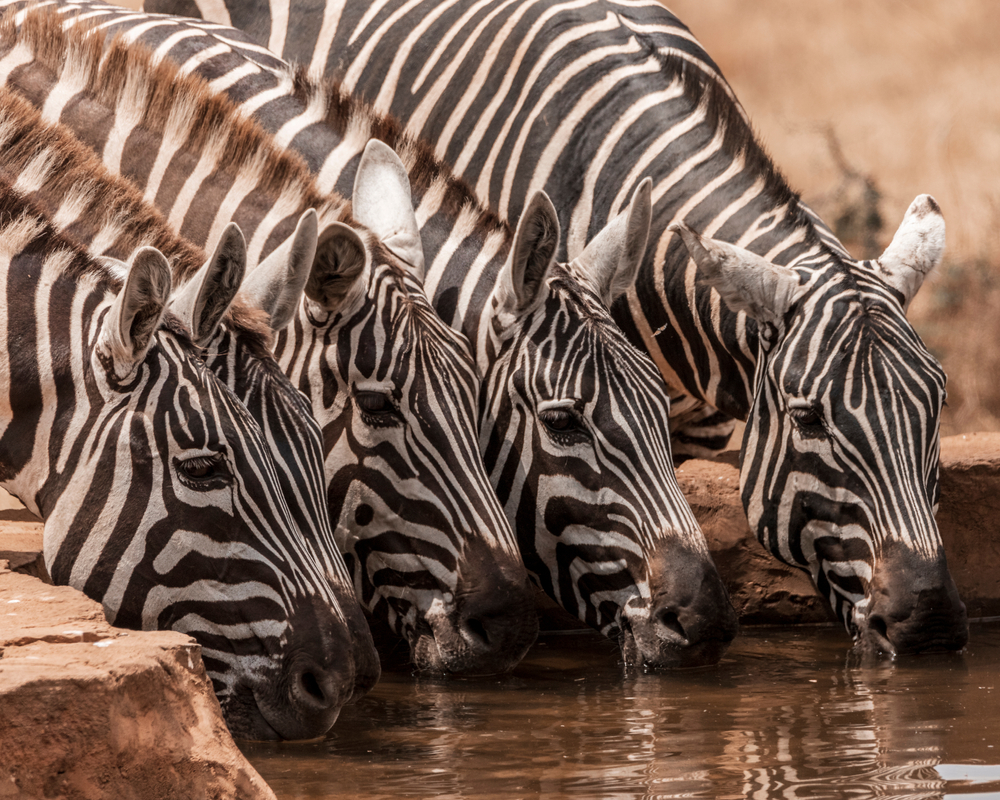
Wildlife viewing in Kidepo Valley National Park is among the best in East Africa. The park supports large populations of elephant, buffalo, giraffe, zebra, eland, hartebeest, and several species of antelope. Predators include lion, leopard, cheetah, spotted hyena, and black-backed jackal. Kidepo is one of the few places in Uganda where cheetahs occur naturally, adding to its conservation importance.
More than 475 bird species have been recorded within the park, making it one of Uganda’s premier birdwatching destinations. Ostriches, secretary birds, hornbills, eagles, and numerous raptors are commonly observed across the landscape. The diversity of wildlife, combined with the park’s uncrowded nature, provides exceptional opportunities for photography and wildlife observation.
Kidepo Valley National Park plays a critical role in conserving one of East Africa’s most intact savanna ecosystems. The park protects important wildlife populations, migration routes, and habitats that support species found nowhere else in Uganda. Its ecological significance is often compared to renowned wilderness areas such as Serengeti National Park and South Luangwa National Park, though Kidepo remains far less developed and more remote.
By safeguarding this vast landscape, the park preserves an extraordinary concentration of biodiversity while maintaining ecological processes that have functioned for centuries. Today, Kidepo Valley National Park stands as one of Africa’s greatest wilderness treasures and a shining example of Uganda’s natural heritage.
Things to See
Things To Do
Engaging Kidepo Valley National Park
