

About
Lake Manyara National Park is located in northern Tanzania at the base of the Great Rift Valley escarpment, approximately 78 miles (125 km) southwest of Arusha. Established in 1960, the park covers approximately 126 square miles (325 sq km), with nearly two-thirds of its area occupied by the shallow alkaline waters of Lake Manyara.
Although relatively small compared to many East African parks, Lake Manyara is renowned for its remarkable ecological diversity, combining groundwater forests, wetlands, open grasslands, acacia woodlands, and the expansive soda lake into one of Tanzania’s most scenic protected areas.
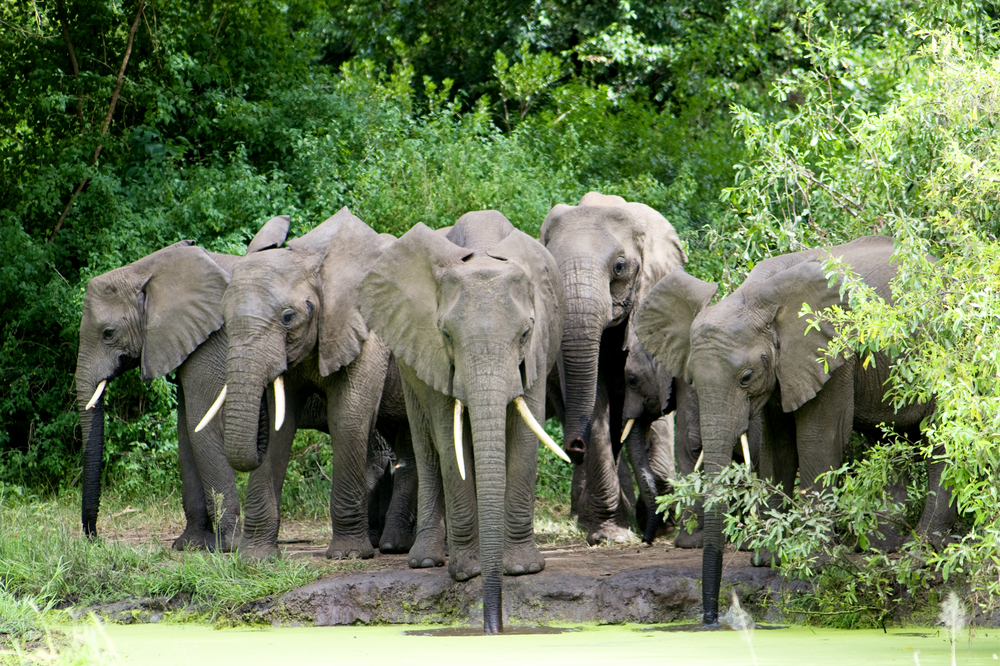
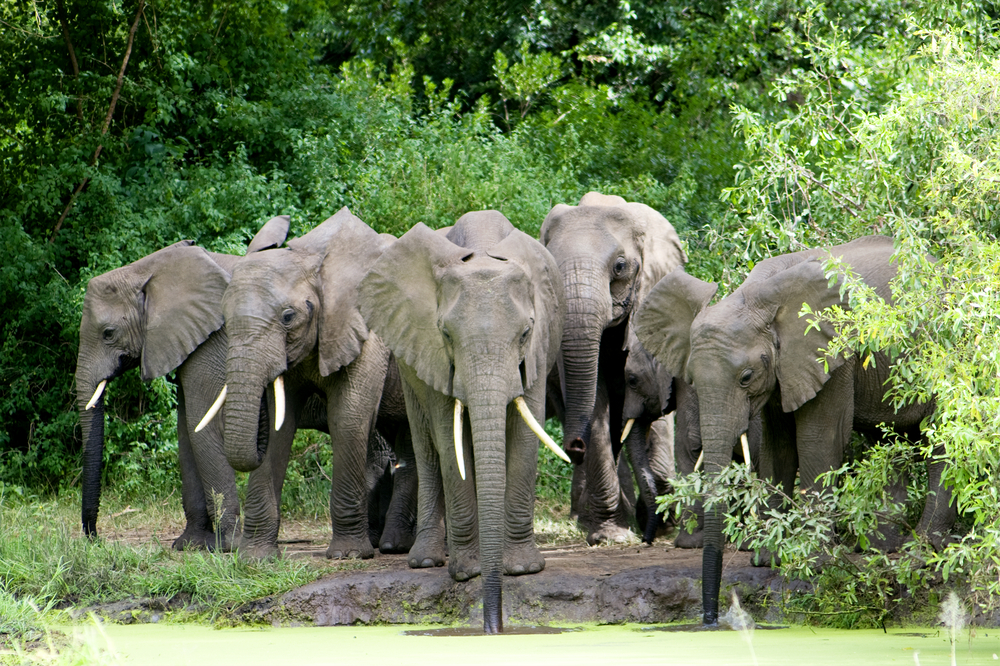
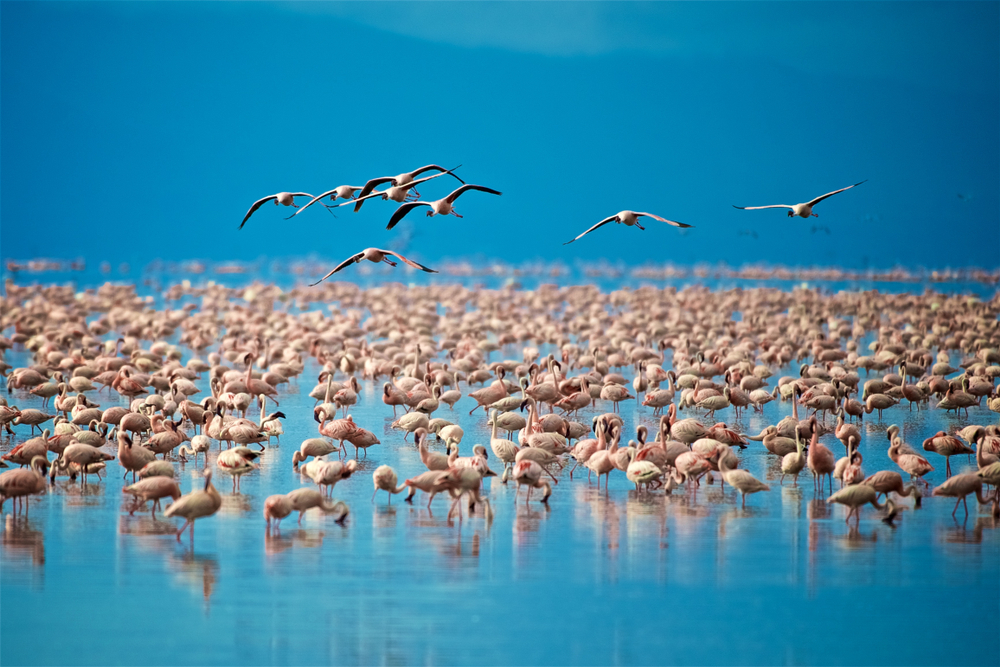
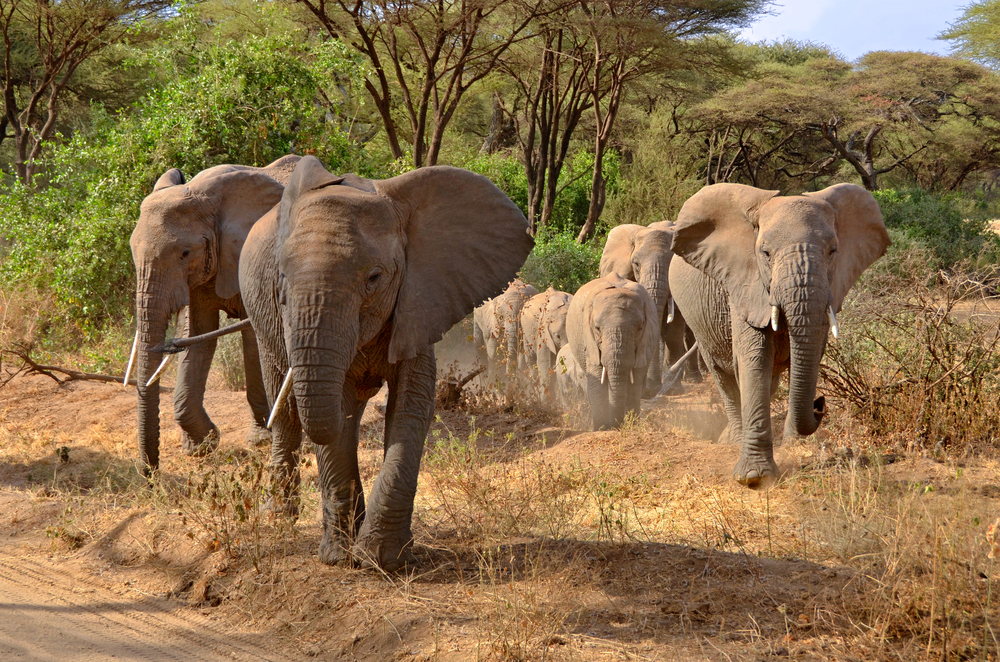
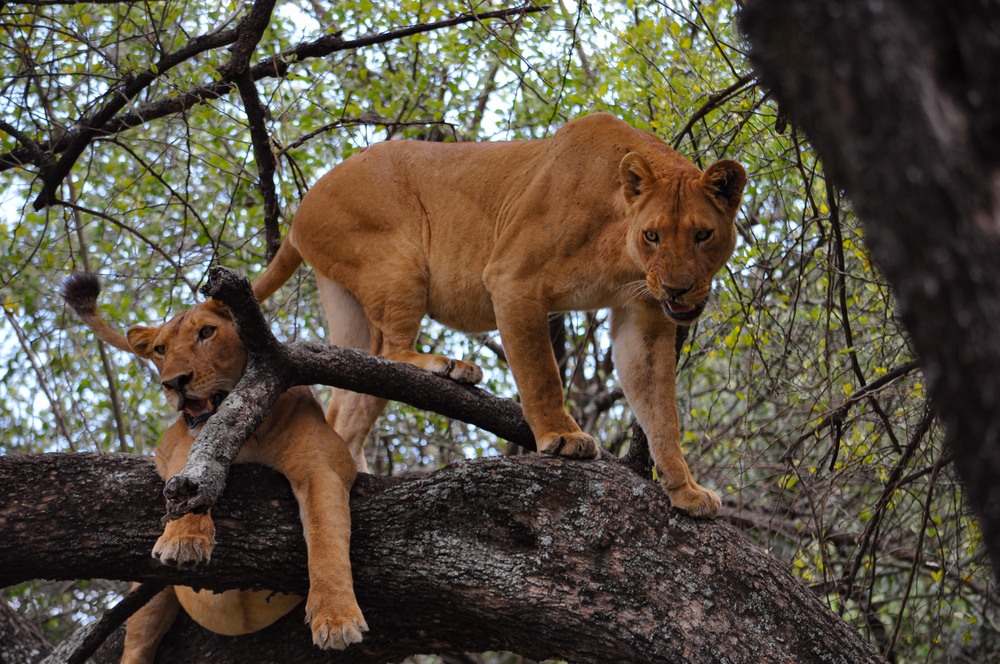
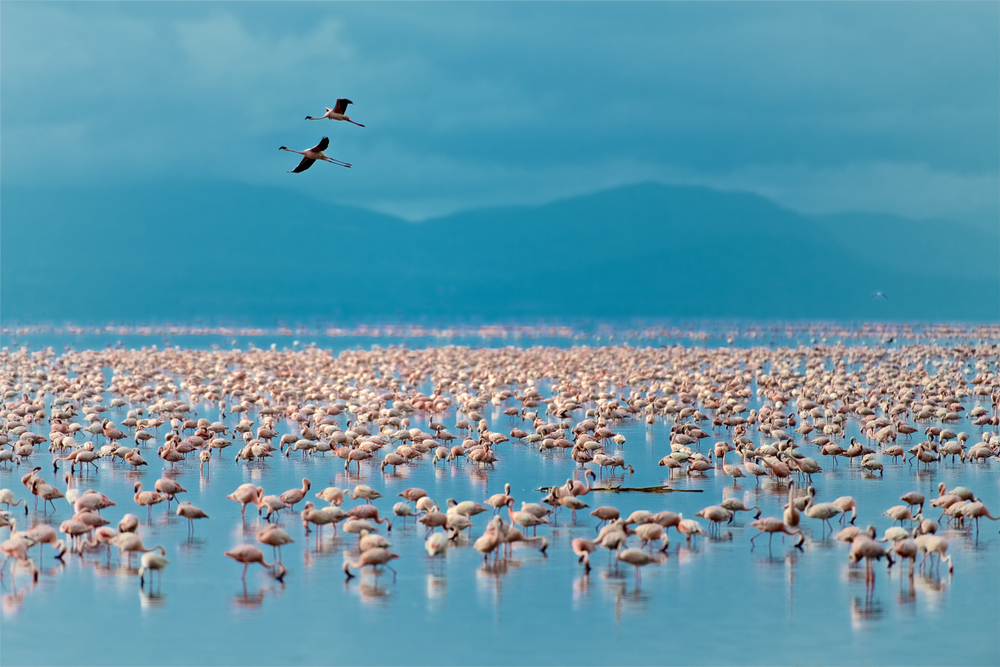
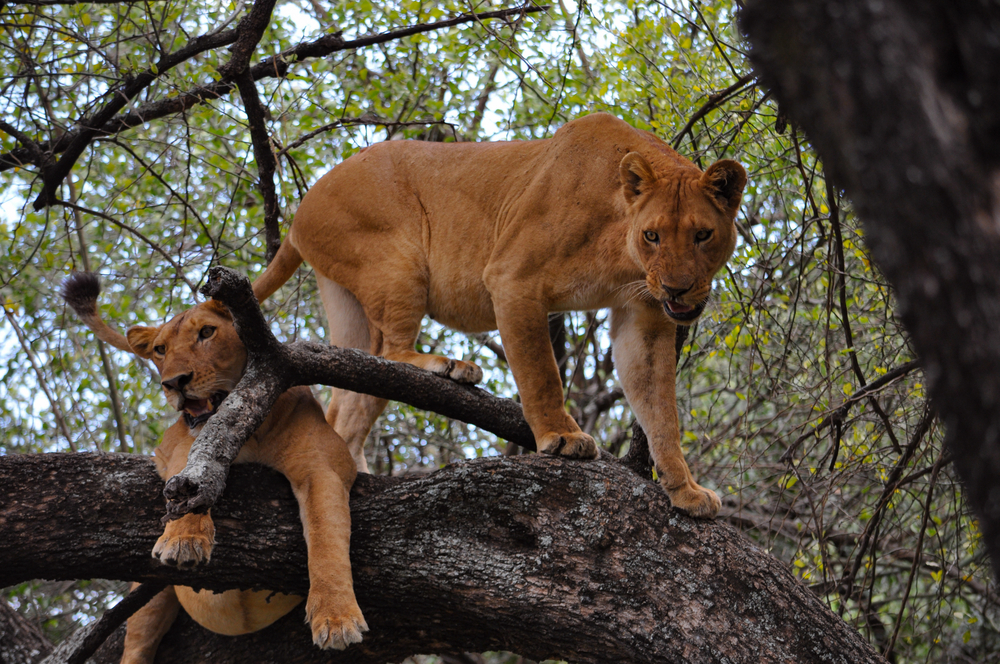
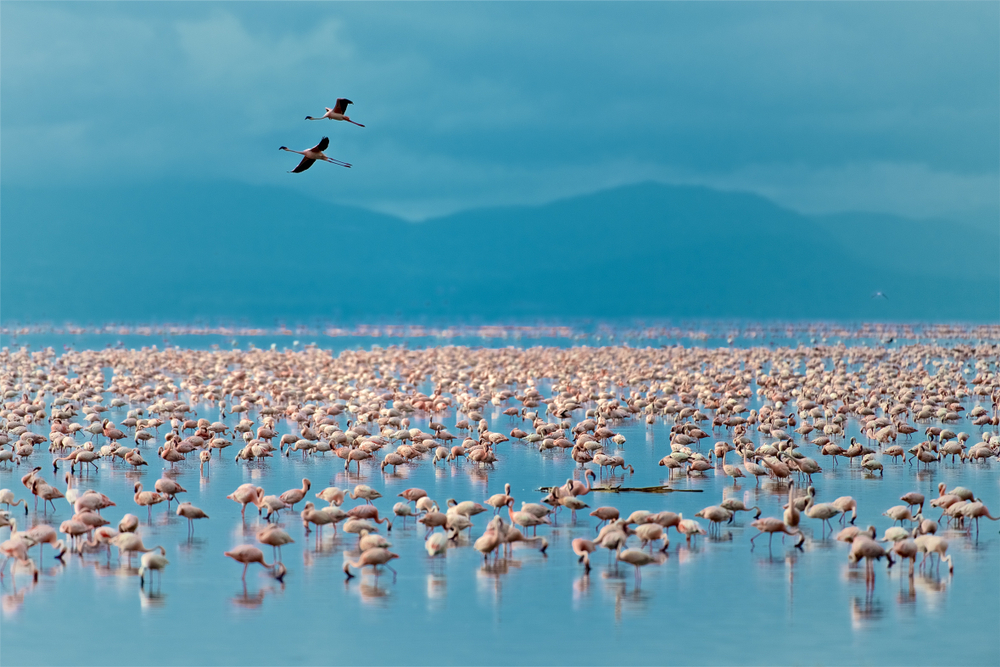
The park is best known for its famous tree-climbing lions, an unusual behavior rarely observed elsewhere in Africa. Visitors are also drawn to large herds of elephants, spectacular flocks of flamingos, and breathtaking views of the Great Rift Valley escarpment rising dramatically above the lake.
Popular activities include game drives, birdwatching, canoeing when water levels permit, guided nature walks in designated areas, and photography. Its location along Tanzania’s famous Northern Safari Circuit makes the park a popular destination alongside Serengeti, Ngorongoro, and Tarangire.
Geographically, Lake Manyara National Park occupies a narrow strip between the towering Great Rift Valley escarpment and Lake Manyara itself. The park features an exceptional range of habitats within a compact area, including lush groundwater forests fed by underground springs, marshes, floodplains, open savannas, hot springs, acacia woodlands, and alkaline lake shores. Seasonal fluctuations in lake levels dramatically influence the distribution of wildlife and birdlife. The varied habitats support one of the highest concentrations of biodiversity per square mile in Tanzania.
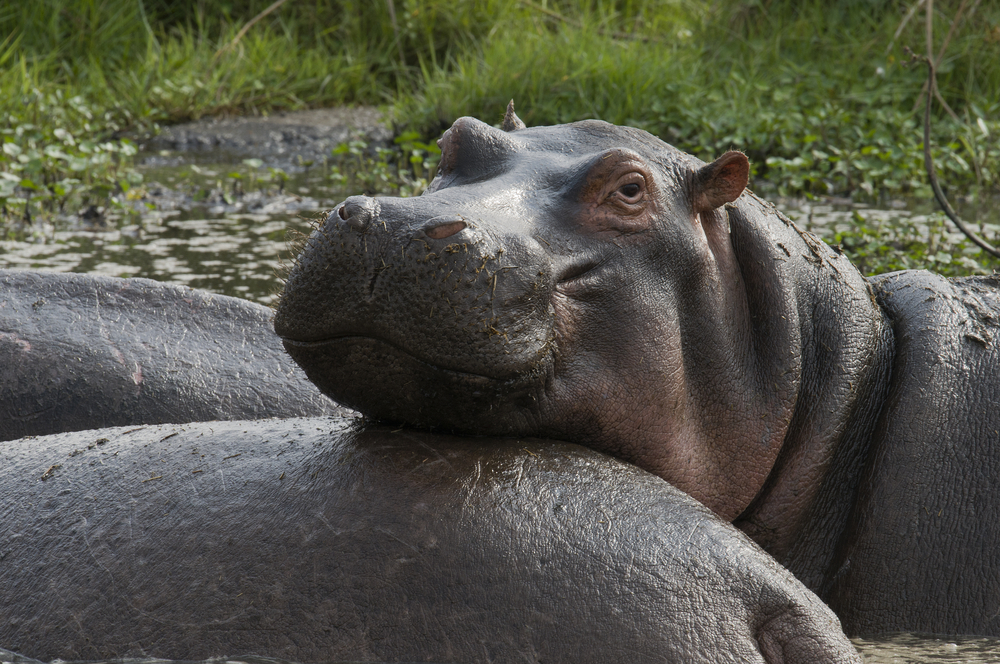
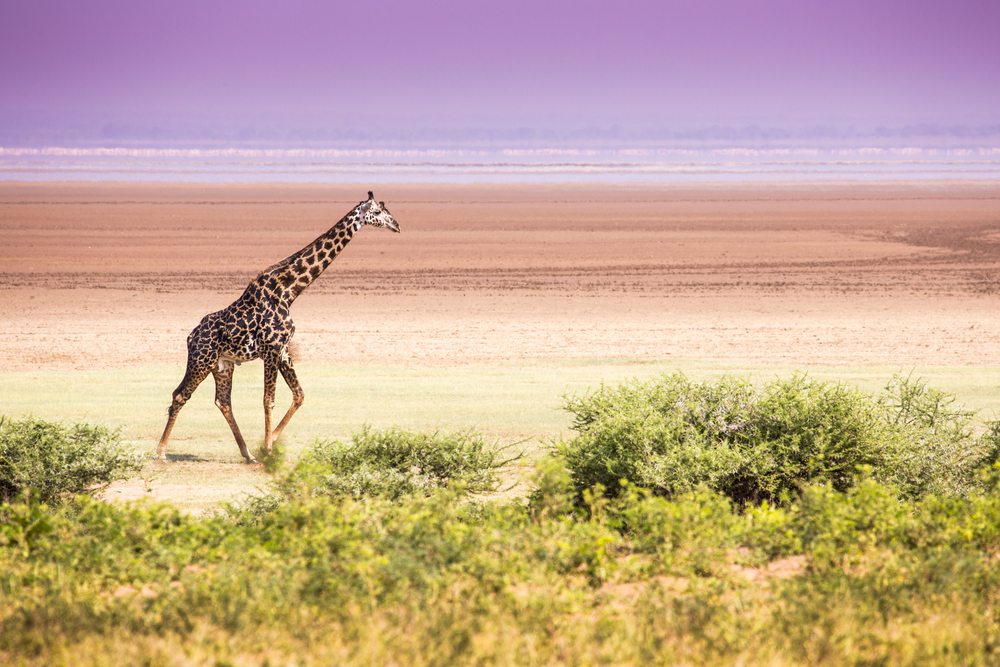
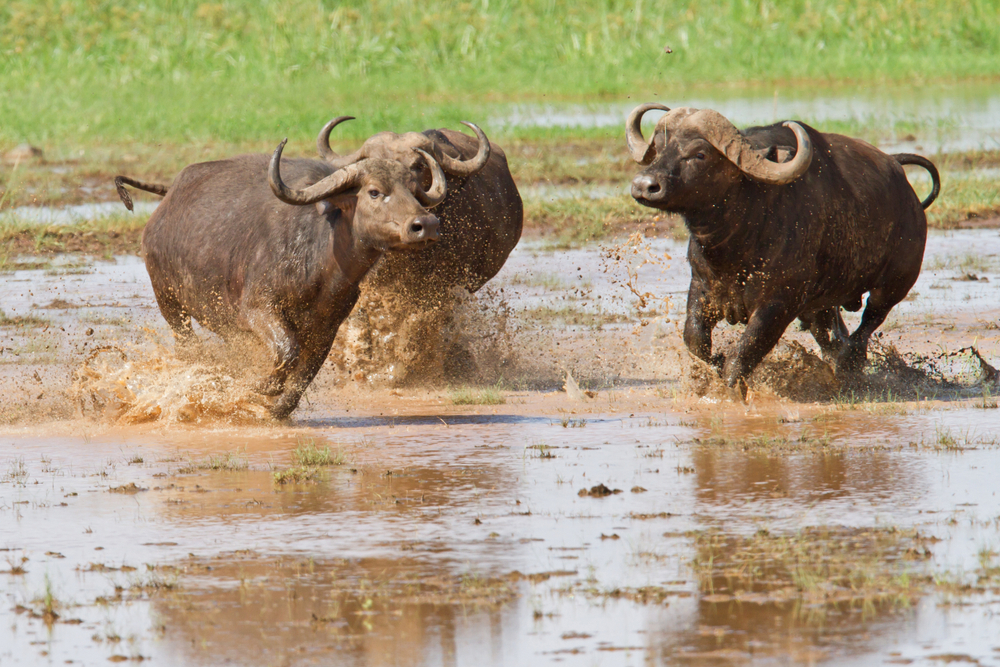
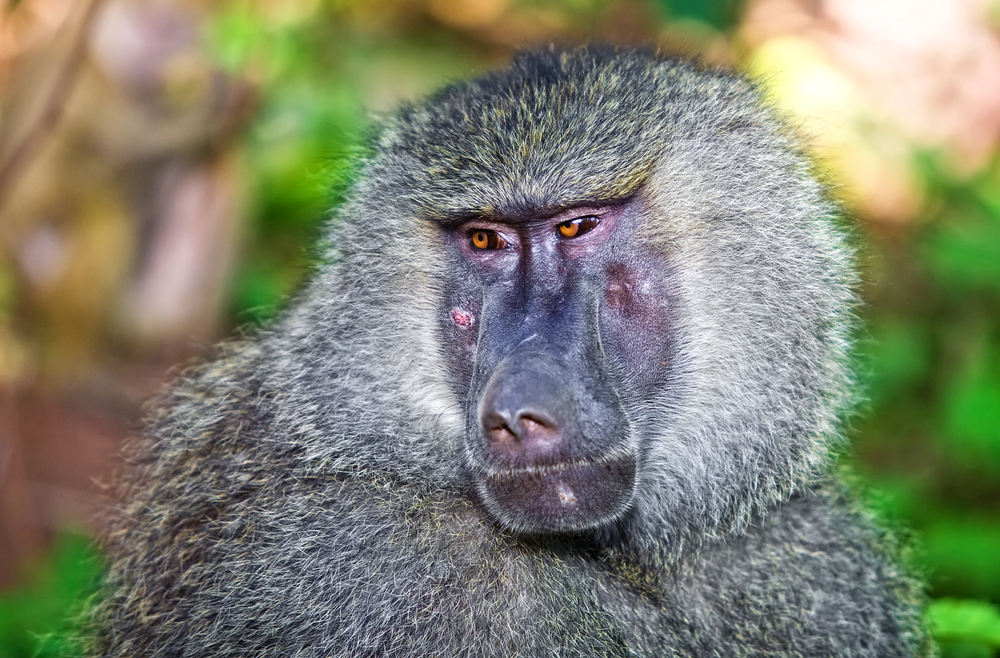
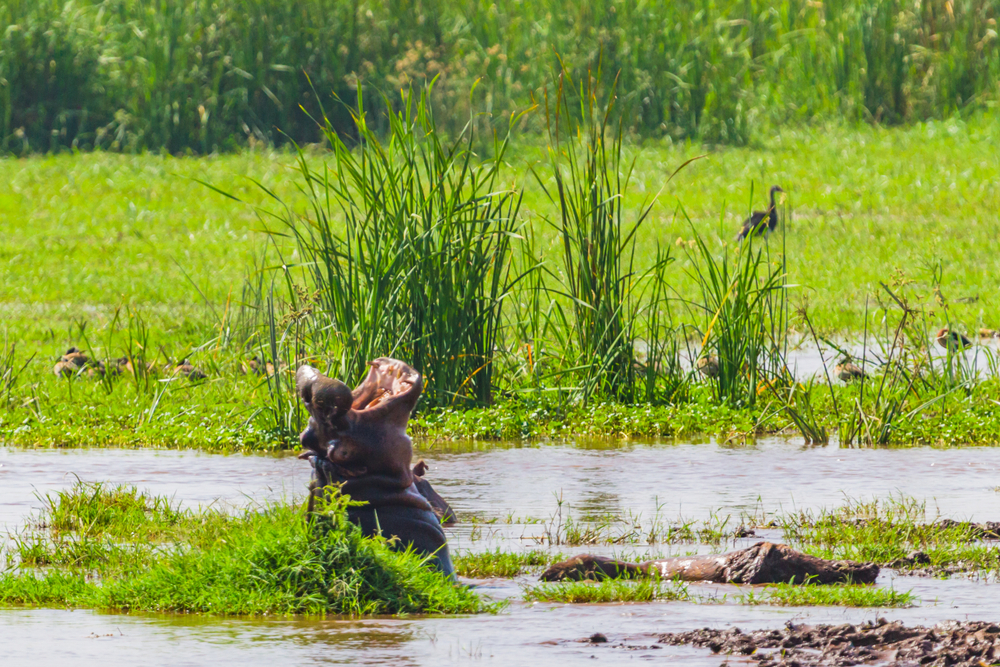
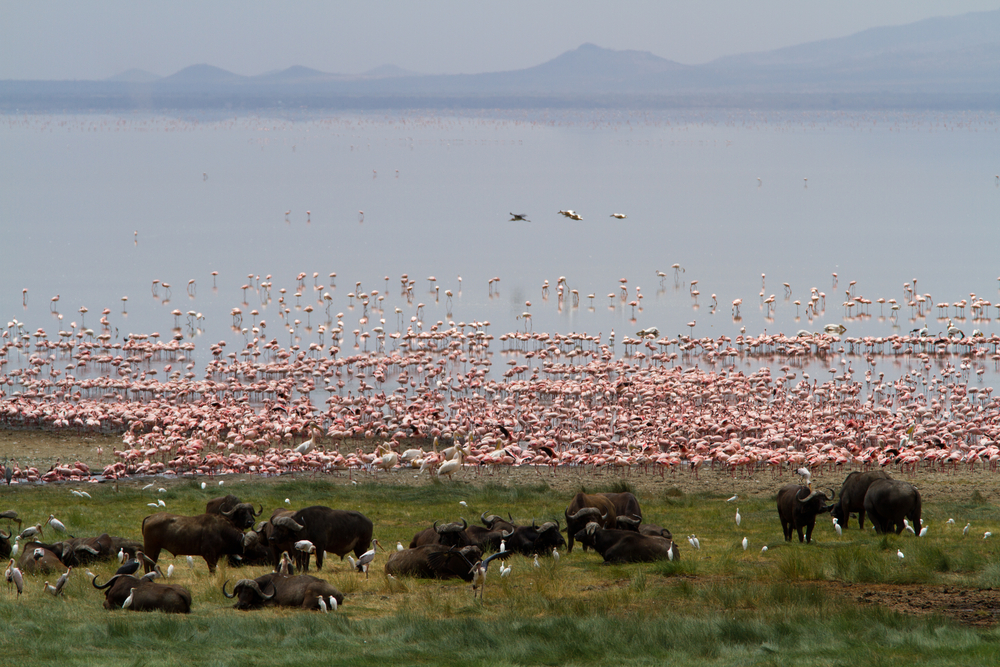
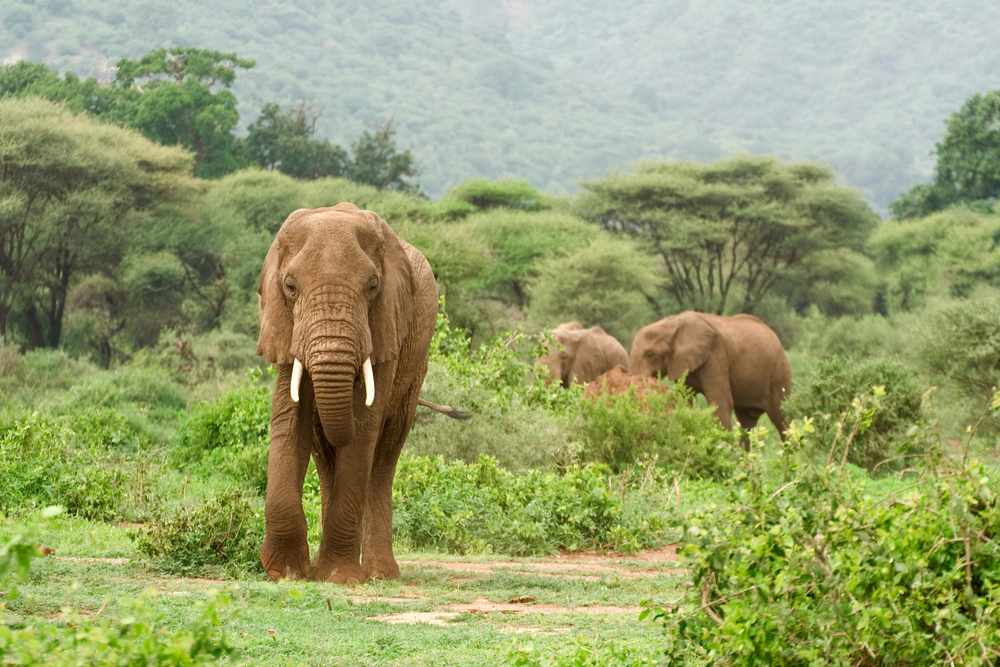
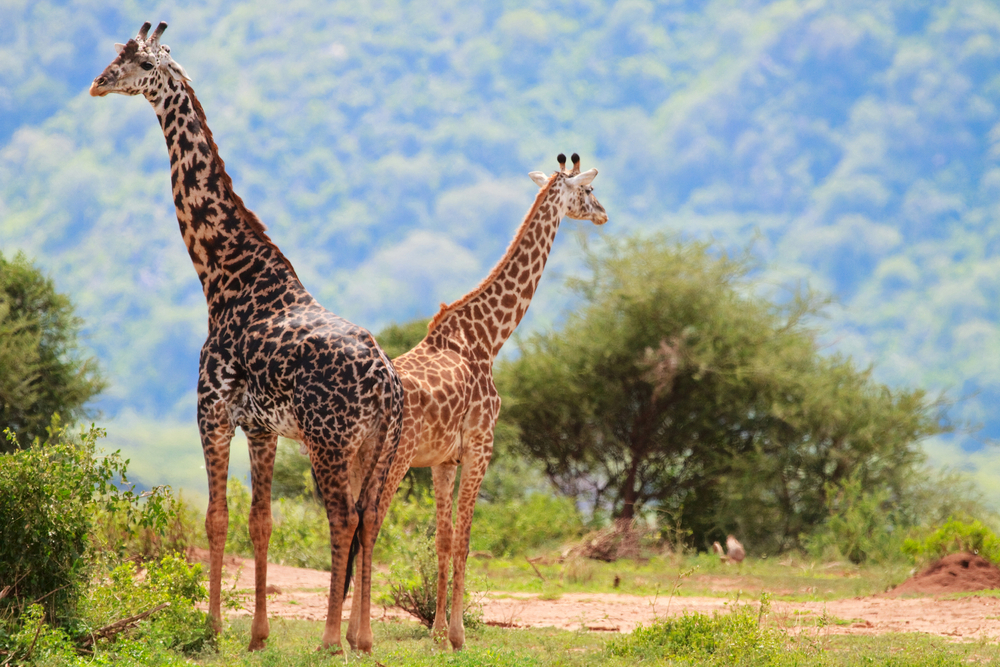
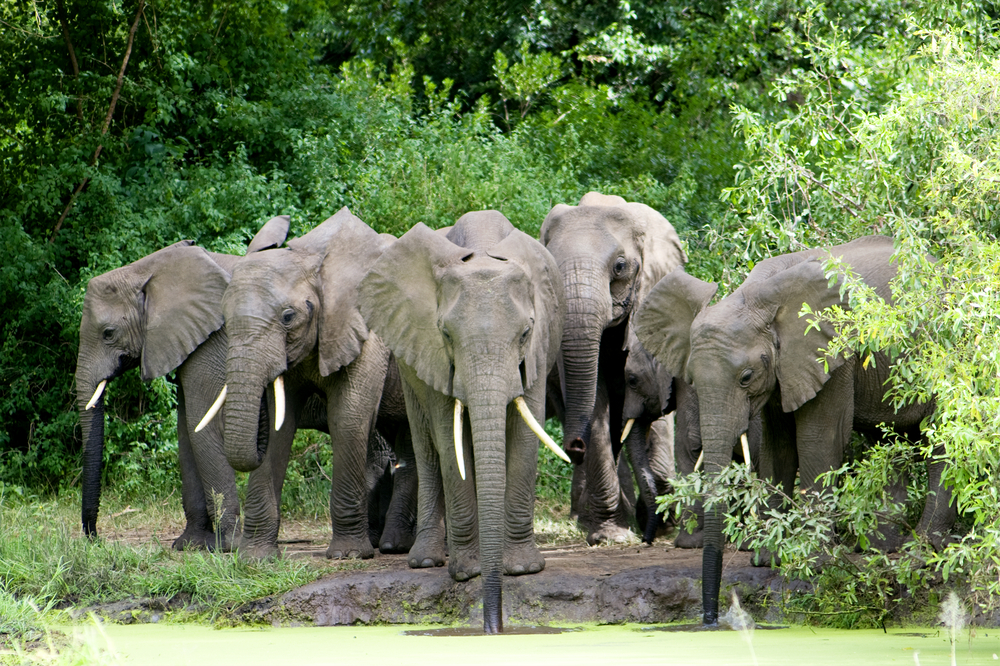
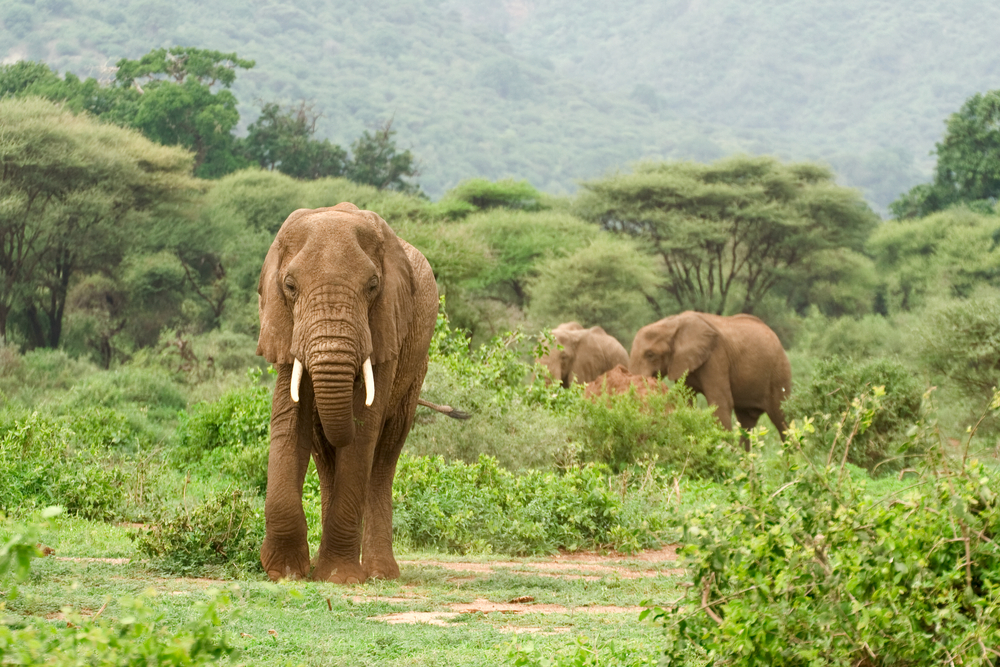
Wildlife within Lake Manyara National Park is extraordinarily diverse. Mammals include African elephants, Cape buffalo, giraffes, zebras, wildebeest, impalas, waterbucks, bushbucks, warthogs, blue monkeys, baboons, hippos, and the park’s celebrated tree-climbing lions. Leopards, spotted hyenas, and servals are also present, though less frequently seen.
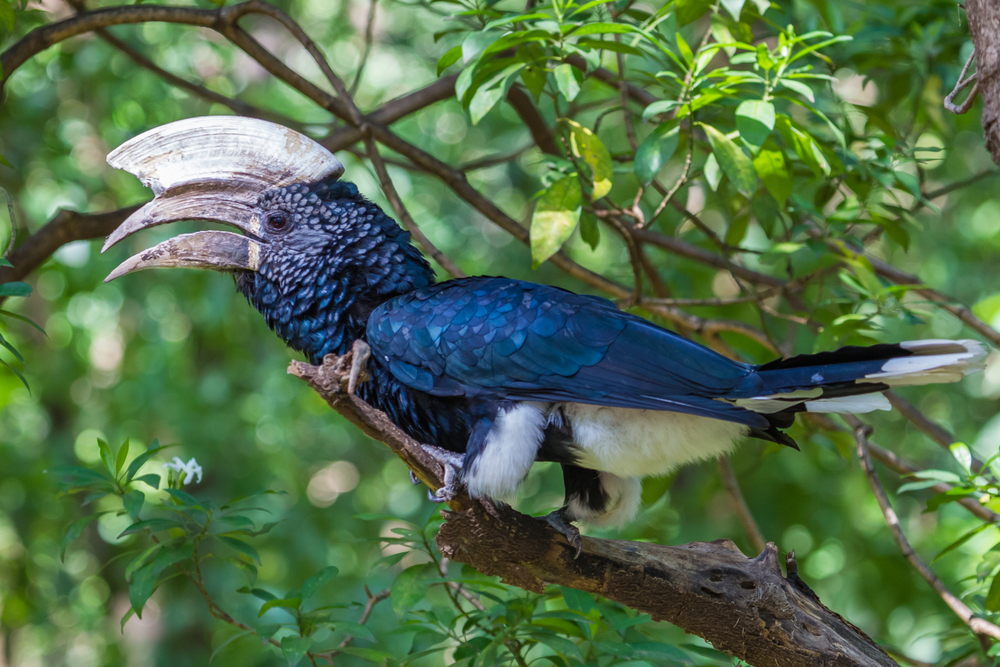
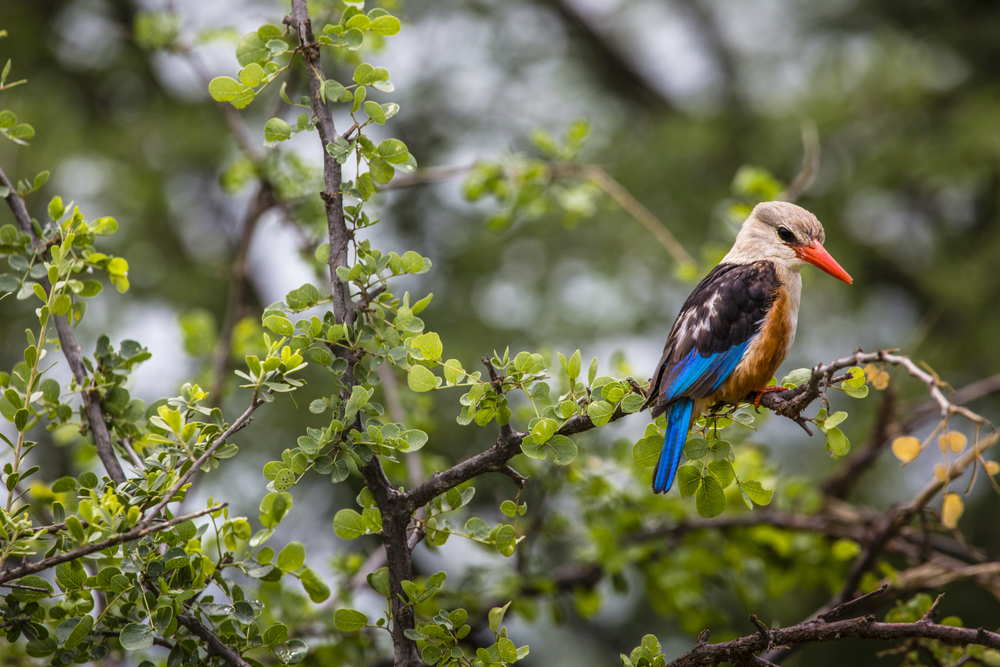
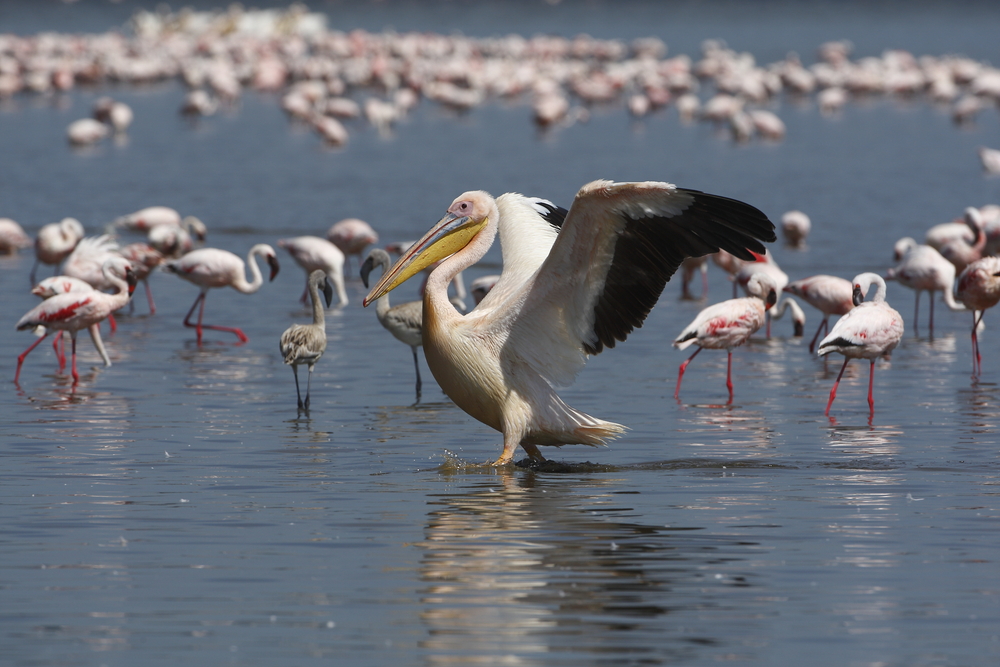
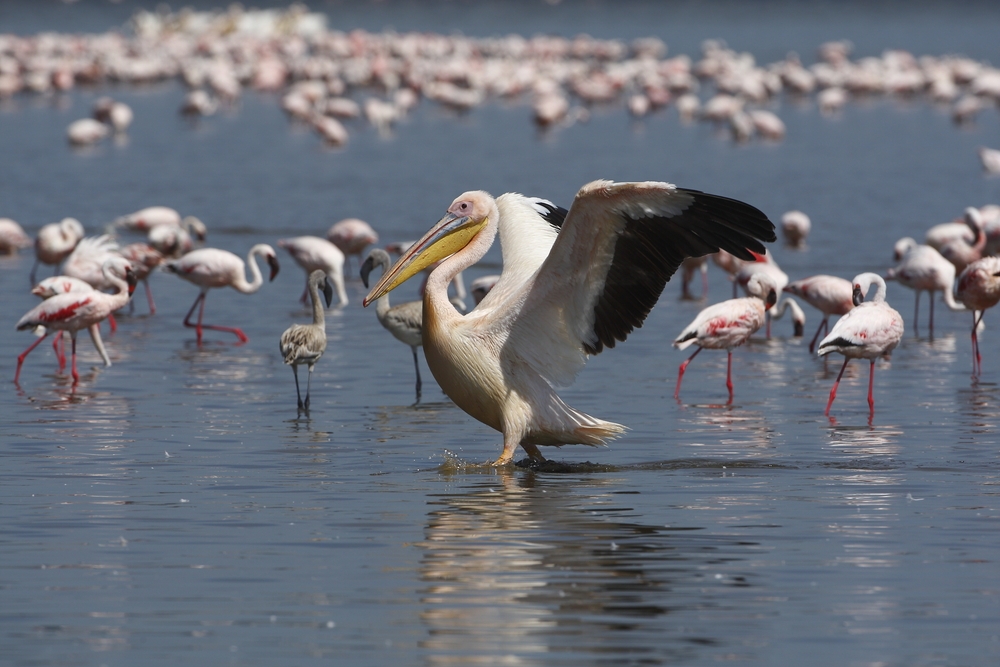
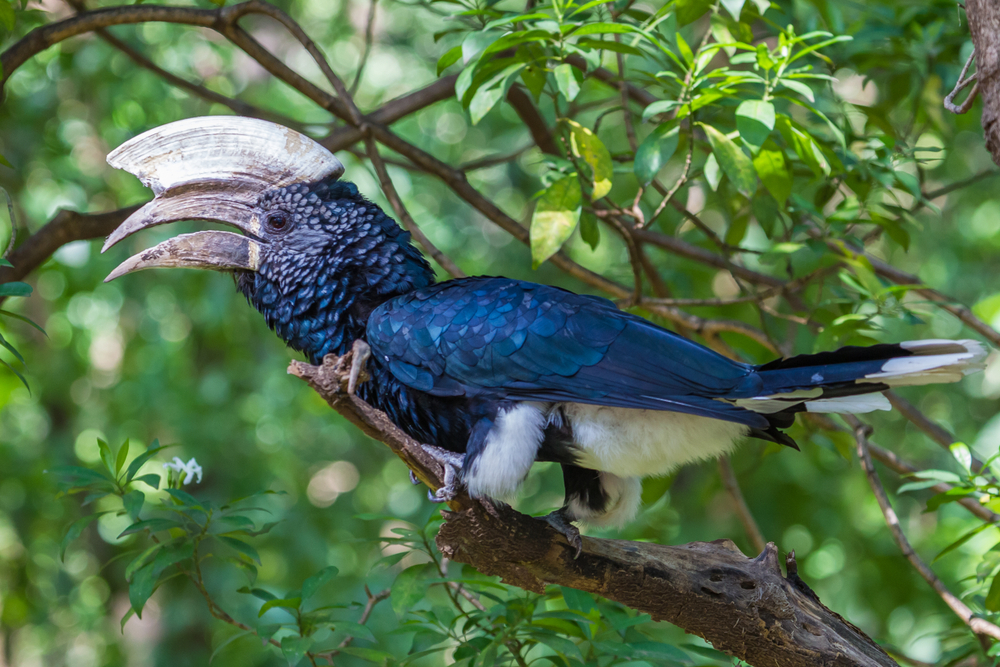
Birdlife is exceptional, with more than 400 recorded species including greater and lesser flamingos, pelicans, storks, African fish eagles, hornbills, kingfishers, bee-eaters, and numerous migratory waterbirds. The lake and surrounding wetlands provide vital habitat for both resident and seasonal bird populations.
Lake Manyara National Park plays a vital role in conserving one of East Africa’s most diverse ecosystems. The park protects important wetlands, groundwater forests, wildlife migration corridors, and bird habitats while safeguarding the ecological health of the Lake Manyara basin.
Its conservation significance is often compared to Tarangire National Park and Queen Elizabeth National Park because of its remarkable biodiversity, abundant birdlife, and iconic tree-climbing lions. Through its Rift Valley scenery, alkaline lake, thriving wildlife populations, and rich variety of habitats, Lake Manyara National Park stands as one of Tanzania’s most treasured protected areas and an essential destination for East African safari experiences.
Photos
Things to See
Things To Do
Engaging Lake Manyara
Lake Manyara National Park Trails
There are no trails for hiking in Lake Manyara National Park. However, there are guided hikes along the Great Rift Valley ridge which provides views out over the park. This is a great way to experience the outdoors and get closer to nature.

Park Protection
Lake Manyara National Park was created to protect the exceptional diversity of ecosystems surrounding Lake Manyara in northern Tanzania, including groundwater forests, acacia woodlands, floodplains, hot springs, and the alkaline lake itself. The park provides critical habitat for several threatened and endangered species, including the endangered African elephant, the endangered African wild dog, and the critically endangered white-backed vulture.
It also supports healthy populations of lions, leopards, giraffes, buffalo, hippopotamuses, zebras, blue monkeys, and numerous antelope species. The shallow alkaline waters of Lake Manyara sustain one of East Africa’s richest bird habitats, with more than 400 bird species recorded, including large seasonal flocks of lesser flamingos, pelicans, storks, and migratory waterbirds.
The park is especially significant for protecting an extraordinary concentration of habitats within a relatively small area, creating one of Tanzania’s most ecologically diverse protected landscapes. It is world-renowned for its tree-climbing lions, a rare behavioral adaptation observed more consistently here than almost anywhere else in Africa.
The park also forms an important part of the greater Tarangire-Manyara ecosystem, supporting seasonal wildlife movements between protected areas in northern Tanzania. Together, Lake Manyara National Park safeguards endangered wildlife, internationally important wetland habitats, exceptional bird diversity, and one of East Africa’s most remarkable ecological mosaics.
FAQ’s
What is the main reason people visit Lake Manyara National Park?
Lake Manyara National Park is primarily visited for its diverse ecosystems, tree-climbing lions, large elephant populations, spectacular birdlife, and scenic location along the Great Rift Valley escarpment.
Located in northern Tanzania, the park protects approximately 126 square miles (330 square kilometers), including the shallow alkaline waters of Lake Manyara, groundwater forests, acacia woodlands, floodplains, and wetlands.
Visitors come to experience one of Tanzania’s most diverse national parks, where elephants, hippos, monkeys, flamingos, and hundreds of bird species can often be seen within a relatively compact area.
What animals can visitors hope to see in Lake Manyara National Park?
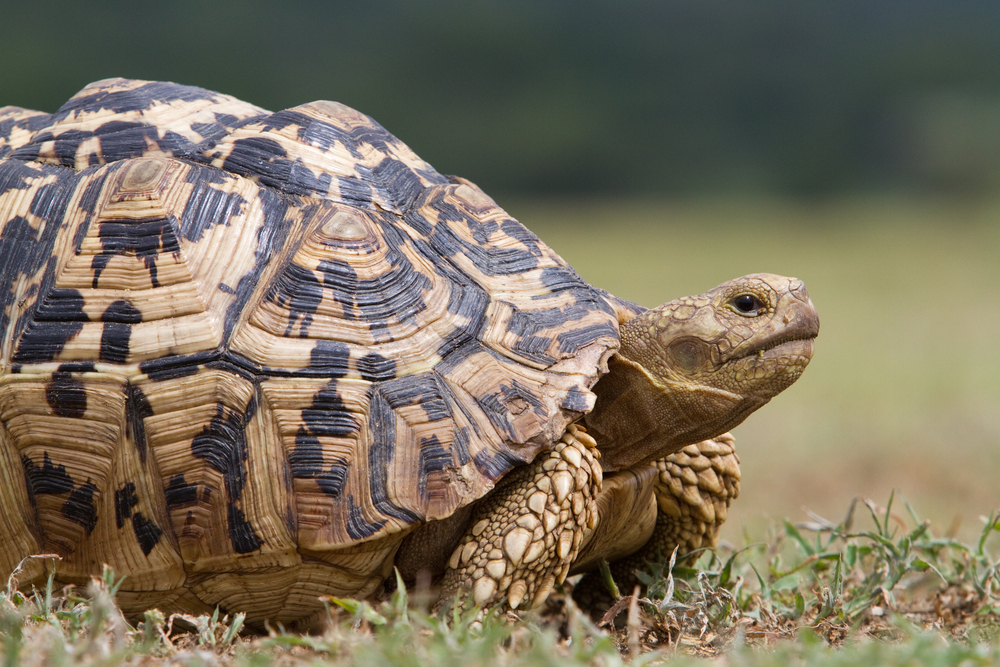
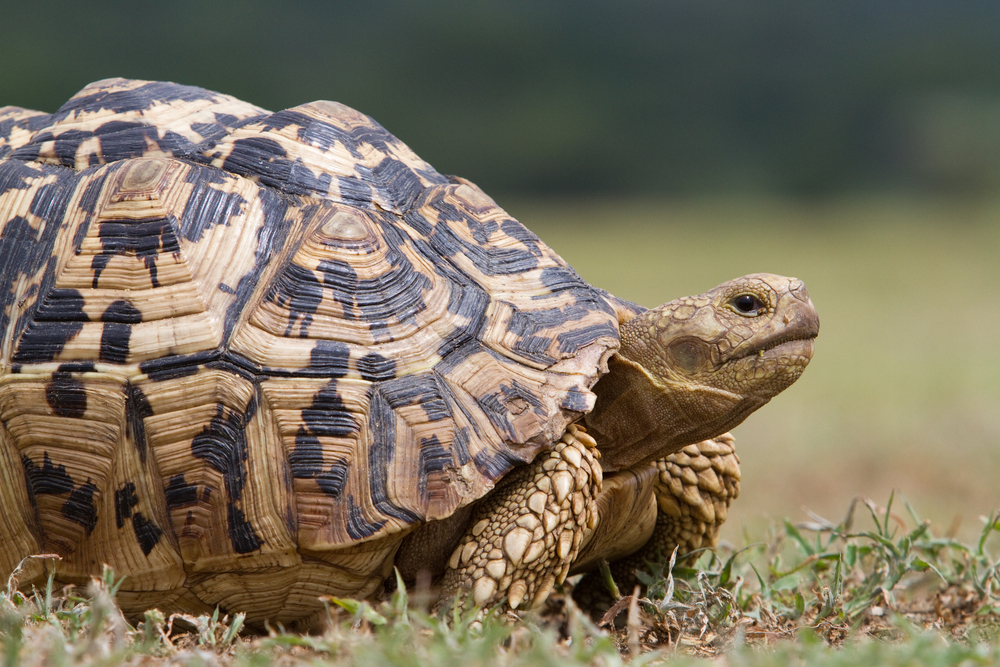
Lake Manyara National Park supports more than 60 mammal species and numerous reptiles and amphibians. Despite its relatively small size, the park contains an impressive diversity of wildlife.
Some of the most notable animals found in Lake Manyara National Park include:
- African Bush Elephant
- African Lion
- Leopard
- African Buffalo
- Spotted Hyena
- Black-backed Jackal
- Bat-eared Fox
- Serval
- Caracal
- African Wildcat
- Honey Badger
- African Civet
- Large-spotted Genet
- Banded Mongoose
- Dwarf Mongoose
- Slender Mongoose
- White-tailed Mongoose
- Hippopotamus
- Nile Crocodile
- Masai Giraffe
- Plains Zebra
- Blue Wildebeest
- Impala
- Grant’s Gazelle
- Thomson’s Gazelle
- Defassa Waterbuck
- Bushbuck
- Bohor Reedbuck
- Common Duiker
- Steenbok
- Warthog
- Bushpig
- Olive Baboon
- Blue Monkey
- Vervet Monkey
- Black-and-White Colobus Monkey
- Rock Hyrax
- Tree Hyrax
- Crested Porcupine
- African Hare
- Giant Forest Rat
- Four-toed Elephant Shrew
- Fruit Bat Species
- Horseshoe Bat Species
- Pipistrelle Species
- Nile Monitor
- African Rock Python
- Puff Adder
- Boomslang
- Chameleon Species
What birds can visitors hope to see in Lake Manyara National Park?
Lake Manyara National Park is home to more than 400 bird species, making it one of Tanzania’s finest birdwatching destinations. The lake, wetlands, forests, and grasslands support both resident and migratory species.
Some of the most popular birds seen in Lake Manyara National Park include:
- Greater Flamingo
- Lesser Flamingo
- African Fish Eagle
- Martial Eagle
- Bateleur
- Tawny Eagle
- Verreaux’s Eagle
- Secretary Bird
- Saddle-billed Stork
- Yellow-billed Stork
- Marabou Stork
- Woolly-necked Stork
- African Openbill
- Great White Pelican
- Pink-backed Pelican
- African Spoonbill
- Sacred Ibis
- Hadada Ibis
- Hamerkop
- Grey Crowned Crane
- Spur-winged Goose
- Egyptian Goose
- White-faced Whistling Duck
- African Jacana
- Black Crake
- Kori Bustard
- Crowned Lapwing
- Spur-winged Lapwing
- Ostrich
- Southern Ground Hornbill
- Yellow-billed Hornbill
- Red-billed Hornbill
- Von der Decken’s Hornbill
- Giant Kingfisher
- Pied Kingfisher
- Malachite Kingfisher
- Woodland Kingfisher
- Lilac-breasted Roller
- European Roller
- Purple Roller
- Northern Carmine Bee-eater
- White-fronted Bee-eater
- Superb Starling
- Hildebrandt’s Starling
- Fork-tailed Drongo
- African Paradise Flycatcher
- Yellow-billed Oxpecker
- Red-billed Oxpecker
- Silvery-cheeked Hornbill
- Crowned Eagle
Is Lake Manyara National Park worth visiting?
Yes, Lake Manyara National Park is absolutely worth visiting and is one of Tanzania’s most rewarding safari destinations.
The park offers a unique combination of forest, lake, wetland, and savanna habitats within a relatively small area. Visitors can enjoy excellent elephant viewing, large baboon troops, diverse birdlife, and the possibility of seeing the park’s famous tree-climbing lions.
The primary hesitation is that the park is smaller than Serengeti National Park or Ngorongoro Conservation Area, meaning visitors may see fewer large predators. However, its biodiversity, scenery, and accessibility make it an excellent addition to any Northern Tanzania safari itinerary.
What is the best time to visit Lake Manyara National Park?
Weather and Climate
The best time to visit Lake Manyara National Park is from June through October during the dry season.
Typical conditions include:
- June–August: 50–80°F (10–27°C)
- September–October: 55–88°F (13–31°C)
- November–December: 60–88°F (16–31°C)
- January–March: 60–86°F (16–30°C)
- April–May: 58–80°F (14–27°C)
During the dry season:
- Wildlife is easier to locate.
- Roads are generally in excellent condition.
- Elephant sightings are common.
- Predator viewing improves.
- Hiking and photography conditions are favorable.
The wet season brings lush vegetation, excellent birdwatching, and dramatic scenery.
How many days do you need to visit Lake Manyara National Park?
Most visitors should plan for 1 to 2 days in Lake Manyara National Park.
- Half day: Highlights of the groundwater forest and lake shoreline.
- 1 day: Complete game drive through the park’s primary wildlife-viewing areas.
- 2 days: Additional wildlife viewing, birdwatching, photography, and exploration of lesser-visited sections.
- 3+ days: Specialized birdwatching and nature-focused experiences.
For most travelers on Tanzania’s Northern Safari Circuit, one full day provides an excellent introduction to the park. Visitors can experience the groundwater forest, observe elephants and baboons, search for tree-climbing lions, and enjoy views of Lake Manyara’s birdlife.
Those particularly interested in birdwatching, photography, or a slower-paced safari experience may benefit from spending two days in the park. Because of its compact size and habitat diversity, Lake Manyara offers a very different experience from the open plains of the Serengeti and serves as an excellent complement to nearby destinations such as Tarangire National Park and the Ngorongoro Conservation Area.
How do you get to Lake Manyara National Park?
International Access
Lake Manyara National Park is located in northern Tanzania and is one of the easiest parks to access on the Northern Safari Circuit.
The primary international gateway is:
- Kilimanjaro International Airport
Most international visitors arrive through Kilimanjaro International Airport.
Regional Gateway
The primary safari city is:
- Arusha
Most safari tours begin from Arusha.
Driving from Arusha
Travel time:
- Approximately 80 miles (130 km)
- About 2–2.5 hours by road
The route follows the Northern Safari Circuit toward Ngorongoro and Serengeti.
Local Airport Access
Visitors may also arrive through:
- Lake Manyara Airport
This small airport receives charter and scheduled safari flights.
Main Attractions
Popular areas within the park include:
- Lake Manyara
- Groundwater Forest
- Hippo Pool
- Great Rift Valley Escarpment
Travel Times
Typical travel times include:
- Kilimanjaro Airport to Arusha: approximately 1 hour.
- Arusha to Lake Manyara: 2–2.5 hours.
- Lake Manyara to Ngorongoro Conservation Area: approximately 1 hour.
- Lake Manyara to Tarangire National Park: approximately 1 hour.
Who is involved in protecting and supporting Lake Manyara National Park?
Several organizations help protect and support Lake Manyara National Park:
- Tanzania National Parks Authority – manages Lake Manyara National Park.
- Tanzania Wildlife Research Institute – supports scientific research and monitoring.
- Frankfurt Zoological Society – supports conservation efforts within Tanzania’s protected areas.
- Honeyguide Foundation – supports community conservation initiatives.
- Local communities and conservation organizations that help protect the Lake Manyara ecosystem.
What is unique about Lake Manyara National Park?
Lake Manyara National Park is unique because it combines an alkaline lake, groundwater forest, acacia woodland, wetlands, and dramatic Rift Valley scenery within a relatively small protected area. The park is internationally famous for its tree-climbing lions, large elephant populations, and exceptional birdlife. Few African parks offer such a remarkable variety of habitats and wildlife experiences in a single day, making Lake Manyara one of Tanzania’s most diverse national parks.
Are the tree-climbing lions of Lake Manyara National Park real?
Yes. Lake Manyara National Park is one of the few places in Africa where lions are regularly observed resting and climbing in trees, although sightings are never guaranteed.
Can Lake Manyara National Park be visited as a day trip from Arusha?
Yes. Because the park is only about 2–2.5 hours from Arusha, it is one of the most popular day-trip safari destinations in northern Tanzania. However, spending a full day or overnight stay allows visitors to experience a greater variety of wildlife and habitats.
Sources
Here are sources you can explore for more information:
- AllTrails. Lake Manyara National Park. https://www.alltrails.com/tanzania/arusha/lake-manyara-national-park, retrieved July 2026.
- Encyclopaedia Britannica. Lake Manyara National Park. https://www.britannica.com/place/Lake-Manyara-National-Park, retrieved July 2026.
- Pilot Guides. Lake Manyara National Park. https://www.pilotguides.com/, retrieved July 2026.
- Protected Planet (UNEP-WCMC & IUCN). Lake Manyara National Park. https://www.protectedplanet.net/, retrieved July 2026.
- SafariBookings. Lake Manyara National Park. https://www.safaribookings.com/lake-manyara, retrieved July 2026.
- Tanzania National Parks Authority (TANAPA). Lake Manyara National Park. https://www.tanzaniaparks.go.tz/national_parks/lake-manyara-national-park, retrieved July 2026.
- Wikipedia. Lake Manyara National Park. https://en.wikipedia.org/wiki/Lake_Manyara_National_Park, retrieved July 2026.
- World Wildlife Fund (WWF). East African Montane Forests. https://www.worldwildlife.org/ecoregions/at0108, retrieved July 2026.