About

Kitulo National Park is located in the southern highlands of Tanzania between the Kipengere, Poroto, and Livingstone mountain ranges. The park covers approximately 159 square miles (413 sq km) and lies near the northern end of Lake Malawi. Established in 2005, Kitulo became Tanzania’s first national park created primarily to protect its botanical significance.

The park forms part of a broader highland ecosystem that includes important forest reserves and mountain habitats throughout the Southern Highlands. Its cool climate, sweeping grasslands, and extraordinary seasonal wildflower displays have earned it international recognition as one of Africa’s premier botanical destinations.

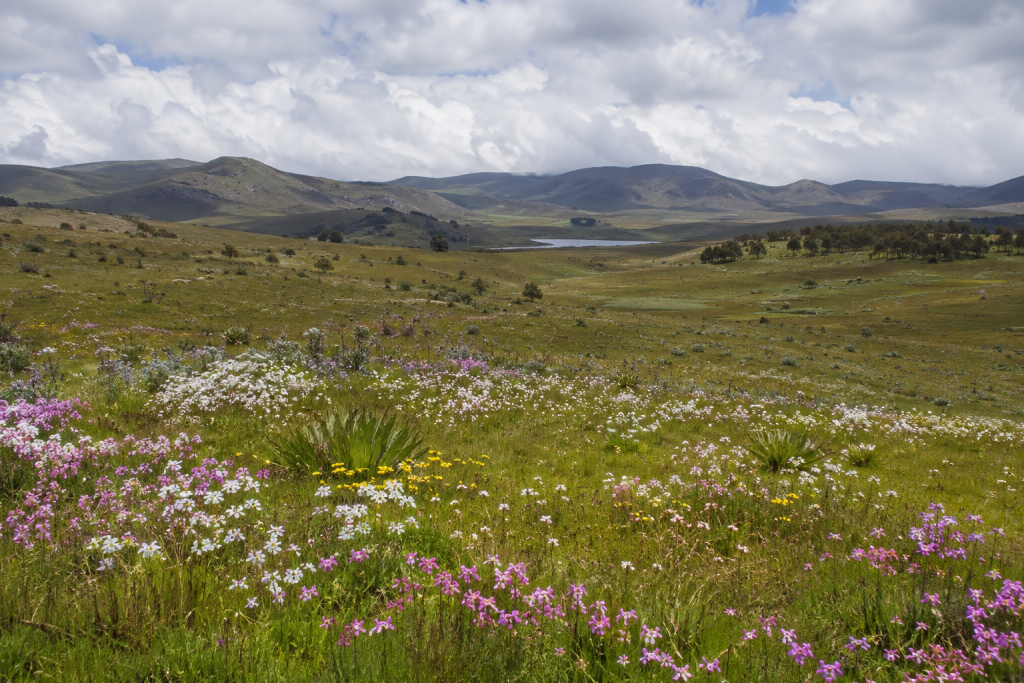
Kitulo National Park is best known for its spectacular floral diversity and seasonal blooms. During the rainy season, the highland plains transform into a vibrant carpet of wildflowers, attracting botanists, photographers, and nature enthusiasts from around the world. The park is often referred to as the “Garden of God” because of its remarkable concentration of flowering plants.

Visitors are drawn by the colorful displays of orchids, lilies, aloes, and daisies that cover the landscape. Unlike many African parks that focus primarily on large mammals, Kitulo offers an experience centered on botanical beauty, scenic hiking, birdwatching, and appreciation of one of the continent’s richest alpine grassland ecosystems.

The geography of Kitulo National Park is dominated by a high-altitude plateau situated at elevations ranging from approximately 8,500 to 9,000 feet (2,600 to 2,750 meters). Rolling grasslands stretch across the plateau, interrupted by streams, wetlands, rocky outcrops, and forested slopes. Frequent rainfall and cool temperatures create ideal conditions for an extraordinary diversity of plant life.

The park’s vegetation consists primarily of montane grasslands interspersed with wetlands and patches of mountain forest. During different seasons, the landscape changes dramatically, from lush green meadows to brilliant displays of colorful blooms. These highland habitats support a unique collection of species adapted to Tanzania’s cooler mountain environment.

Plant diversity is the defining feature of Kitulo National Park. More than 350 species of vascular plants have been recorded, including numerous orchids and several species found nowhere else in the world. The park contains one of the greatest concentrations of terrestrial orchids in Africa, with dozens of species flowering during the wet season.

Wildlife is less abundant than in Tanzania’s larger safari parks, but visitors may encounter eland, reedbuck, mountain reedbuck, and small mammals throughout the grasslands. Birdlife is particularly important, with species such as Denham’s bustard, blue swallow, and various raptors utilizing the park’s open habitats. The combination of rare plants and specialized wildlife makes Kitulo a valuable conservation area for both flora and fauna.

Kitulo National Park plays a critical role in protecting one of Africa’s most significant montane grassland ecosystems. The park safeguards numerous endemic and threatened plant species while preserving watersheds that support surrounding communities and ecosystems. Its botanical importance is often compared to famous floral regions such as Table Mountain National Park and the alpine meadows of the Drakensberg Mountains.

However, Kitulo possesses a unique concentration of East African highland flora found nowhere else on Earth. Today, the park stands as a remarkable sanctuary for biodiversity and a testament to Tanzania’s commitment to protecting not only wildlife, but also the extraordinary plant life that forms the foundation of healthy ecosystems.

Things to See

Predators

Known as the “Garden of God” for its floral beauty, Kitulo National Park also harbors a variety of elusive predators that thrive amidst its montane grasslands and woodland edges.

Leopard
Stealthy and solitary, the leopard moves gracefully through the park’s rocky hills and forests, ambushing antelopes and smaller mammals.

Serval
With its long legs and keen hearing, the serval prowls through tall grass, leaping high to pounce on rodents and small birds.

African Rock Python
This formidable constrictor lies in wait near water sources and grassy clearings, coiling tightly around unsuspecting prey.

Side-striped Jackal
The adaptable side-striped jackal hunts small mammals and scavenges in the park’s open grasslands and bushy landscapes.

Honey Badger
Fearless and relentless, the honey badger digs out snakes, insects, and small mammals, undeterred by larger competitors.

Spotted Hyena
Roaming the outskirts of the park, spotted hyenas are both skilled hunters and scavengers, feasting on any available opportunity.

Civet
Nocturnal and shy, the African civet hunts insects and small animals under the cover of darkness in woodland areas.

Wild Cat
The African wild cat, resembling a domestic feline, stealthily hunts rodents and small prey in the park’s grassy plains.

Bat-eared Fox
Distinguished by its large ears, the bat-eared fox uses sharp hearing to detect and dig out insects, particularly termites.

Black Mamba
Highly venomous and fast, the black mamba preys on rodents and birds, often found hiding in tall grasses or rocky crevices.

Popular

Kitulo National Park’s breathtaking grasslands and montane ecosystems provide sanctuary to a wide range of non-predatory wildlife, including some rare and endemic species.

Mountain Reedbuck
These agile antelope graze peacefully on the park’s rolling hills, blending into the grassy landscape with their tawny coats.

Eland
The majestic eland, Africa’s largest antelope, roams Kitulo’s open plains in search of tender grasses and foliage.

Zebra
Zebras, with their striking black-and-white stripes, are a common sight grazing in herds across the vast grasslands.

Bushbuck
The shy bushbuck prefers wooded patches and sheltered valleys, feeding quietly on shrubs and leaves.

Southern Reedbuck
This medium-sized antelope thrives in the park’s wet grasslands, where it grazes and stays vigilant for predators.

Klipspringer
The nimble klipspringer hops effortlessly across rocky outcrops, using its specialized hooves to maintain balance.

Rock Hyrax
Often seen sunbathing on boulders, the rock hyrax feeds on vegetation and lives in colonies in rocky crevices.

Bohor Reedbuck
These antelopes inhabit wetter parts of the park, staying close to water sources and foraging for grasses.

Chameleons
The park is home to a variety of colorful chameleons, camouflaging perfectly within its lush vegetation.

Hare
The African hare darts quickly through grasslands, foraging for plants and evading predators with its speed.

Birds

With its high-altitude grasslands, wetlands, and forest patches, Kitulo National Park is a hotspot for endemic and migratory bird species.

Denham’s Bustard
This large, ground-dwelling bird struts across open grasslands, feeding on insects and small reptiles.

Blue Swallow
A rare and migratory species, the blue swallow glides gracefully above the park’s grassy plains during its seasonal visits.

Malachite Sunbird
The iridescent green malachite sunbird flits between wildflowers, feeding on nectar with its long, curved bill.

Montane Nightjar
This nocturnal bird camouflages perfectly in rocky landscapes, emerging at dusk to hunt insects on the wing.

Red-collared Widowbird
Recognized by its long tail and vibrant red collar, this species is a striking sight during its elaborate mating displays.

Pallid Harrier
The pallid harrier soars low over the grasslands, scanning for small rodents and birds as prey.

African Stonechat
Perching atop grass stems, the African stonechat’s melodic calls fill the park’s open plains.

Striped Flufftail
A shy and secretive bird, the striped flufftail hides in the thick grass, emerging briefly to forage.

Yellow-billed Kite
With its distinctive forked tail, the yellow-billed kite patrols the skies, scavenging for food.

Augur Buzzard
This powerful raptor perches on high vantage points, using its sharp talons to capture rodents and reptiles.

Things To Do

Engaging Kitulo National Park

placeholder

Nature Walks

Guided nature walks through Kitulo’s montane trails offer visitors a chance to explore its diverse ecosystems on foot. The park’s trails wind through grassy slopes, hidden waterfalls, and rocky outcrops, offering encounters with wildlife such as klipspringers, reedbucks, and colorful chameleons.

Along the way, guides share insights into the park’s geology, flora, and conservation efforts while pointing out animal tracks and unique plants. The tranquility of walking through Kitulo’s unspoiled landscapes, paired with the opportunity to observe wildlife at close range, creates an intimate and educational experience for visitors seeking both adventure and relaxation.

placeholder

Hiking

Kitulo National Park is celebrated for its dazzling floral displays, making hiking expeditions a must for nature enthusiasts. Known as the “Serengeti of Flowers,” the park bursts into color during the rainy season, with orchids, lilies, and daisies blanketing the rolling hills.

Guided hikes take visitors through breathtaking meadows, where vibrant wildflowers bloom in intricate patterns against a backdrop of misty peaks. Expert guides highlight the park’s botanical wonders, sharing stories about rare and endemic plant species that make Kitulo unique.

These trails offer stunning photo opportunities, tranquil surroundings, and a chance to immerse oneself in one of Africa’s most spectacular floral landscapes.

placeholder

Birdwatching

For avid birdwatchers, Kitulo’s grasslands and montane habitats provide prime opportunities to spot some of East Africa’s rarest bird species. Guided tours lead visitors to key birding locations where Denham’s bustards, blue swallows, and red-collared widowbirds thrive.

The high-altitude meadows are alive with the calls of sunbirds, harriers, and flufftails, while forest edges reveal secretive species like the montane nightjar.

With binoculars in hand, visitors are treated to close encounters with these avian treasures, as guides provide expert commentary on behavior, habitats, and seasonal migrations. The serene beauty of Kitulo’s birdlife makes for an unforgettable experience.