

About
Located along the southwestern coast of South Africa, Table Mountain National Park protects one of the world’s most recognizable mountain landscapes and coastal ecosystems. The park covers approximately 85 square miles (221 sq km) and stretches across the Cape Peninsula surrounding the city of Cape Town.
Established in 1998, the park links mountains, beaches, forests, and rugged coastlines into one protected area. It includes famous sites such as Table Mountain, Cape Point, and the Cape of Good Hope. Despite its relatively small size, the park contains extraordinary biodiversity and serves as one of Africa’s most visited national parks.
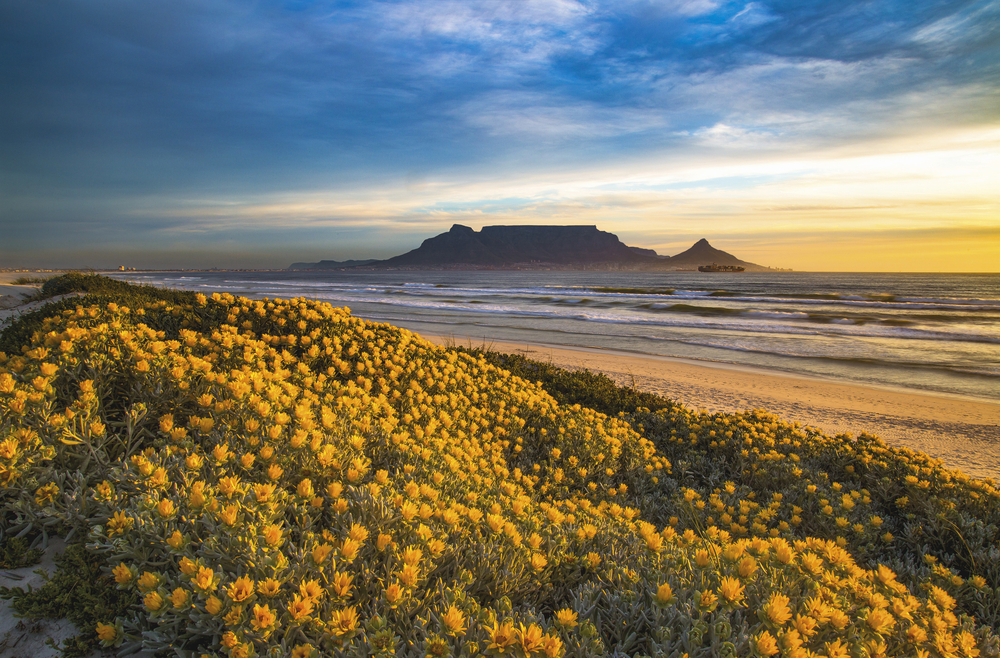
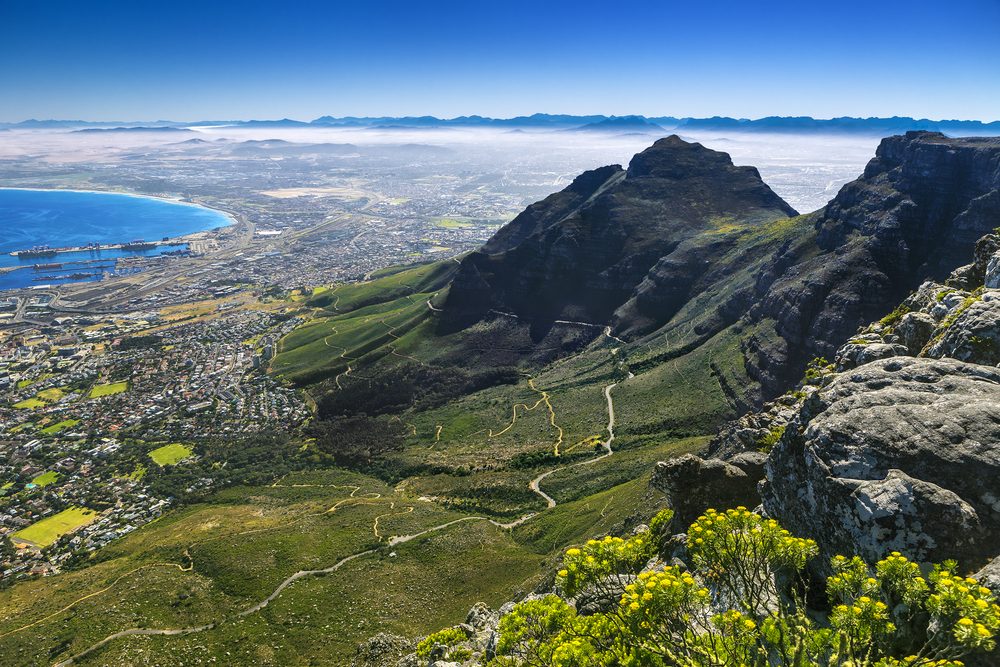
Table Mountain National Park is best known for the iconic flat-topped Table Mountain that rises dramatically above Cape Town and the Atlantic Ocean. The mountain has become a global symbol of South Africa and attracts millions of visitors each year. Travelers visit the park for hiking, cable car rides, panoramic viewpoints, wildlife observation, and scenic coastal drives.
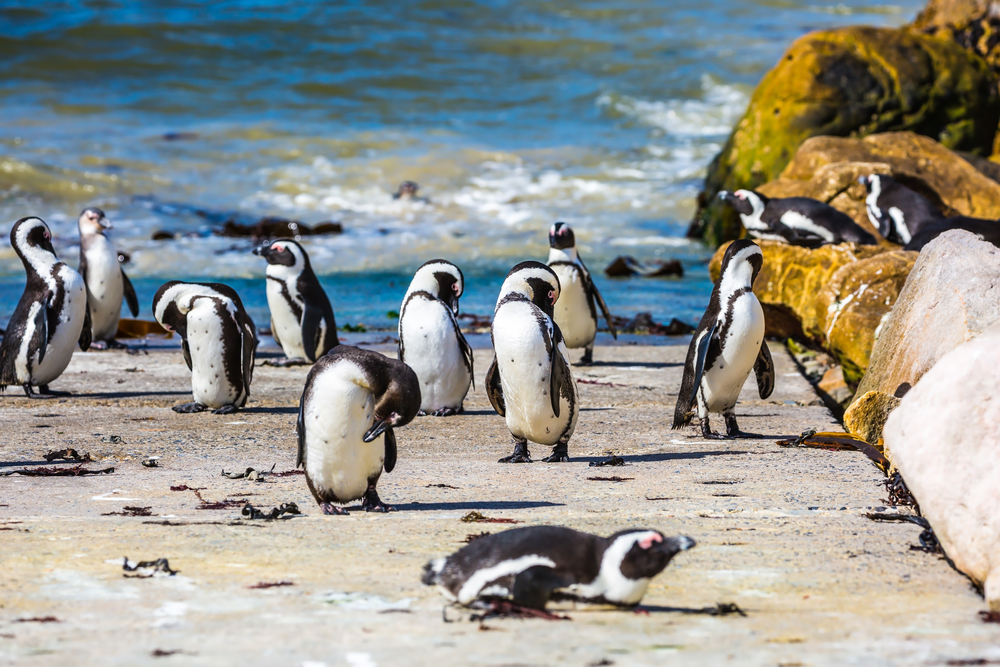
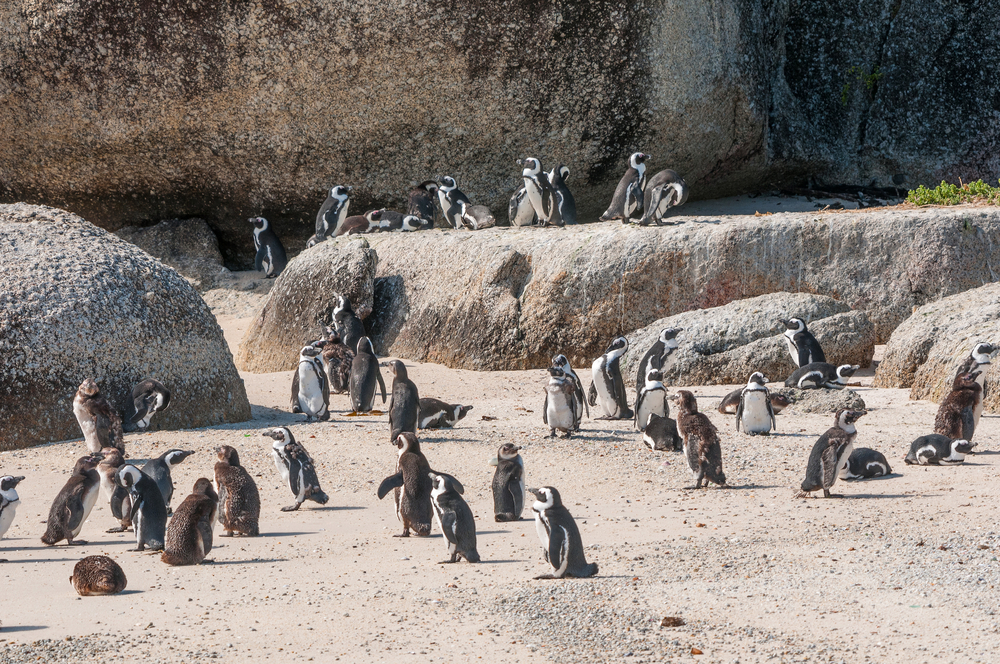
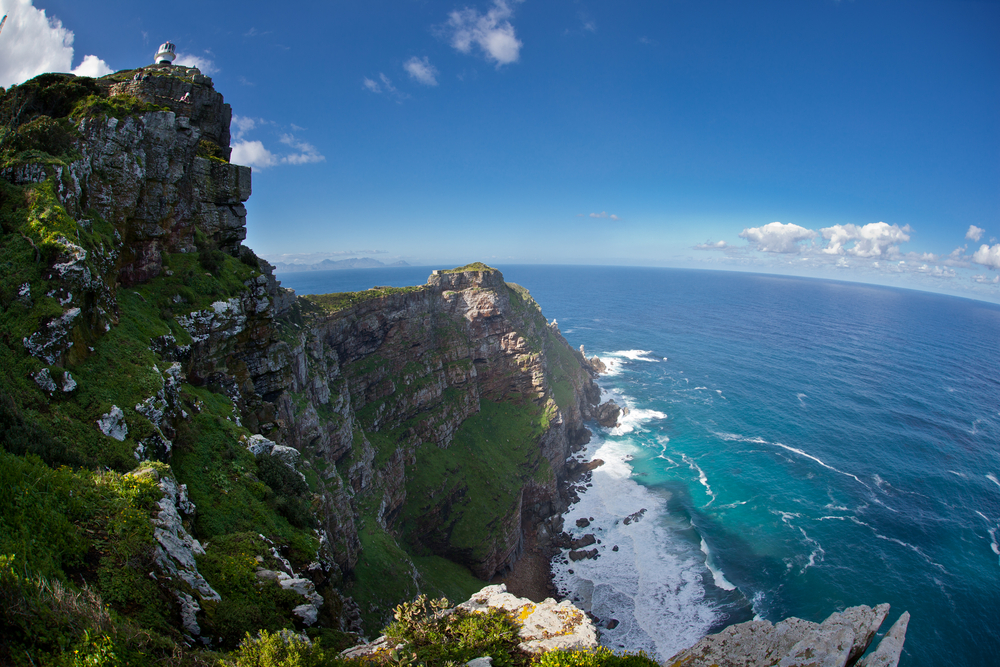
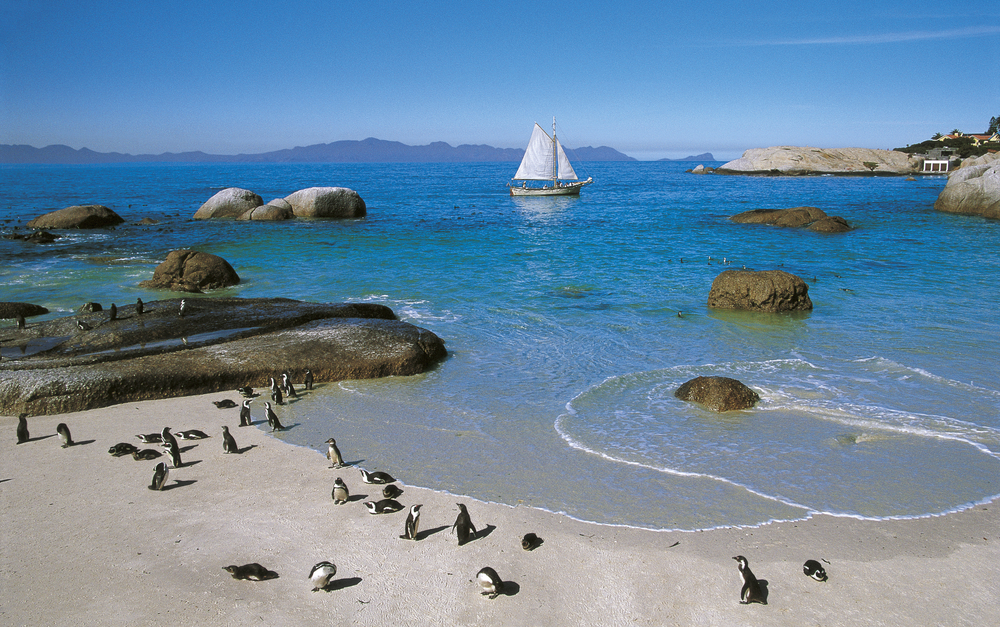
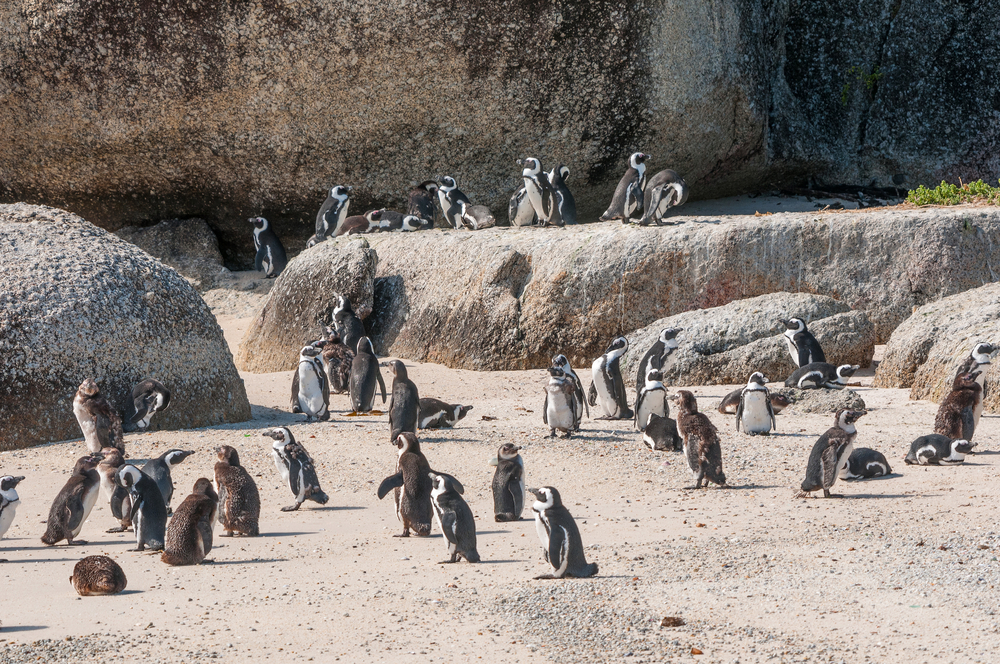
Cape Point and the Cape of Good Hope are especially popular destinations where steep cliffs meet crashing ocean waves. Boulders Beach, home to a colony of African penguins, offers another unforgettable wildlife experience. The combination of mountain scenery, ocean views, and accessible outdoor activities makes the park one of the most diverse tourism destinations in Africa.
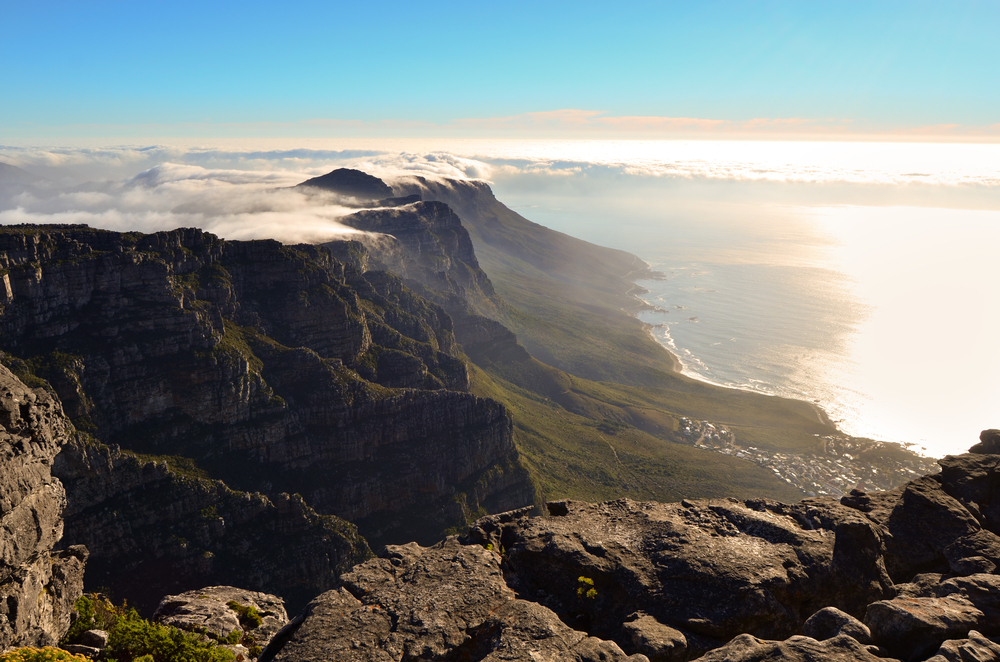
The geography of Table Mountain National Park is exceptionally varied. Towering sandstone cliffs, rugged peaks, sandy beaches, deep valleys, and rocky shorelines create dramatic scenery across the Cape Peninsula. Table Mountain itself rises approximately 3,563 feet (1,086 meters) above sea level and dominates the surrounding landscape.
The park also contains dense fynbos vegetation, a unique shrubland ecosystem found only in the Cape Floral Region. This vegetation includes proteas, ericas, and countless endemic plant species adapted to nutrient-poor soils and seasonal fires. Coastal sections feature windswept cliffs and turquoise waters where the Atlantic and Indian Oceans are often said to meet.
Wildlife within Table Mountain National Park is highly diverse despite its proximity to a major city. The park supports baboons, antelope species such as eland and bontebok, mongooses, tortoises, and numerous small mammals. Birdlife is especially rich and includes sunbirds, cormorants, owls, sugarbirds, and seabirds along the coastline.
African penguins at Boulders Beach are among the park’s most beloved residents and provide one of the few opportunities in the world to observe penguins in such close proximity. Marine life along the coast includes seals, dolphins, whales, and great white sharks in surrounding waters.
Table Mountain National Park plays a globally important role in conserving the Cape Floral Kingdom, one of the smallest yet richest plant kingdoms on Earth. Thousands of plant species occur within the region, many found nowhere else in the world. The park protects fragile ecosystems threatened by urban expansion, invasive species, and climate change.
Compared to other famous mountain parks such as Yosemite National Park or Cinque Terre National Park, Table Mountain National Park offers a uniquely accessible combination of biodiversity, mountain scenery, and coastal beauty directly beside a major city. Its remarkable landscapes and ecological importance make it one of Africa’s most treasured protected areas and a symbol of South Africa’s natural heritage.
Photos






Things to See

Things To Do
Engaging Table Mountain
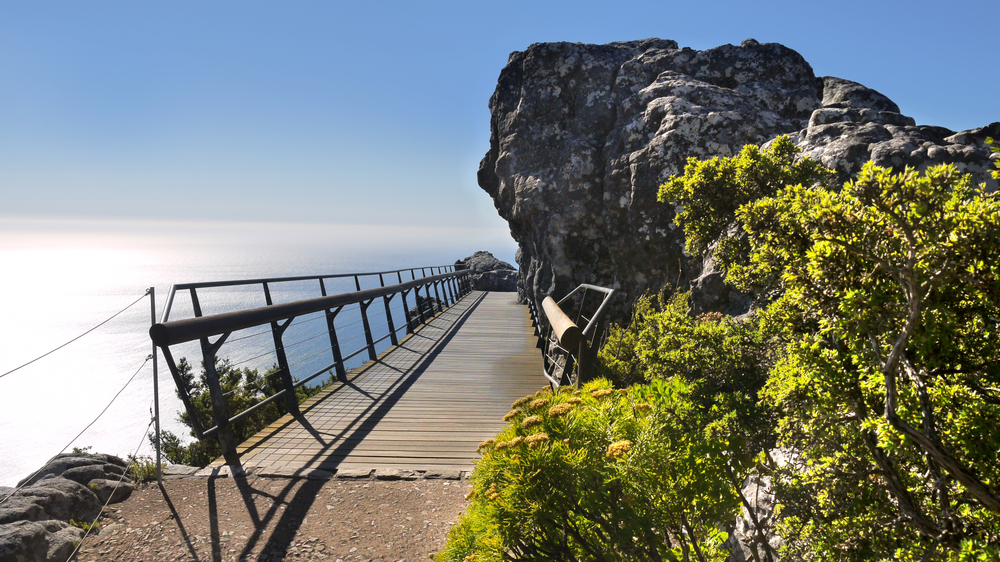

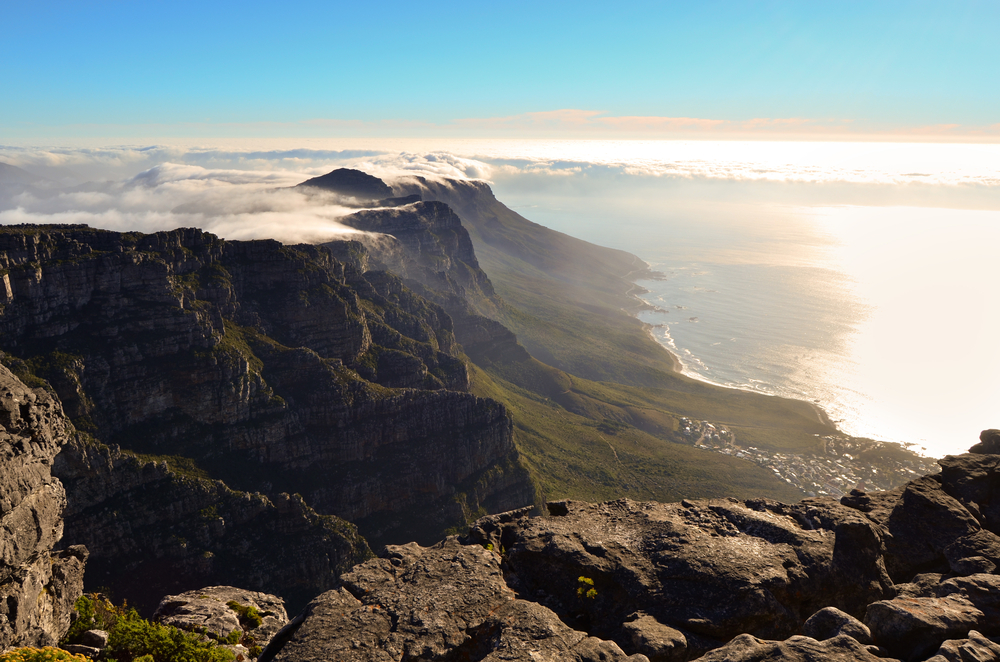
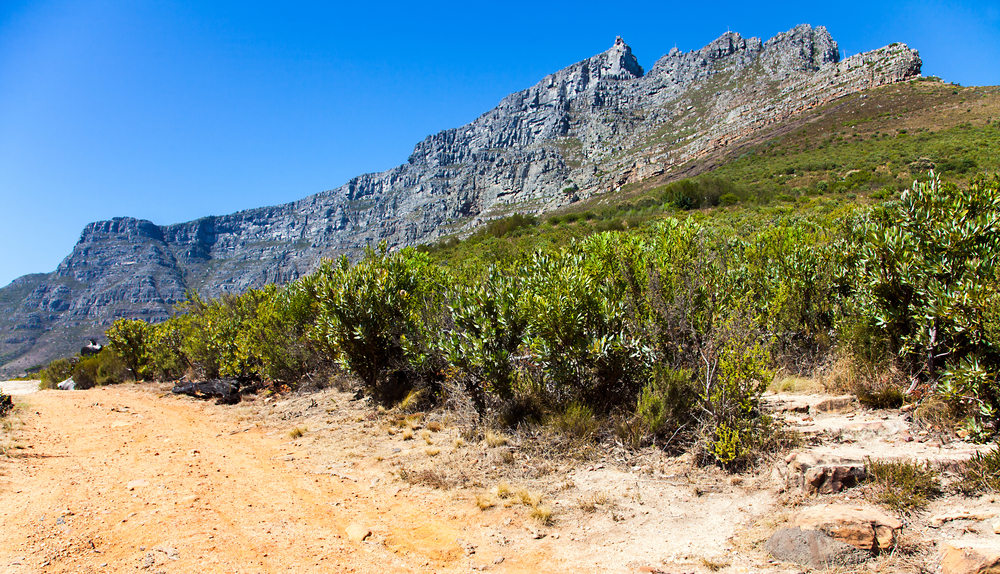
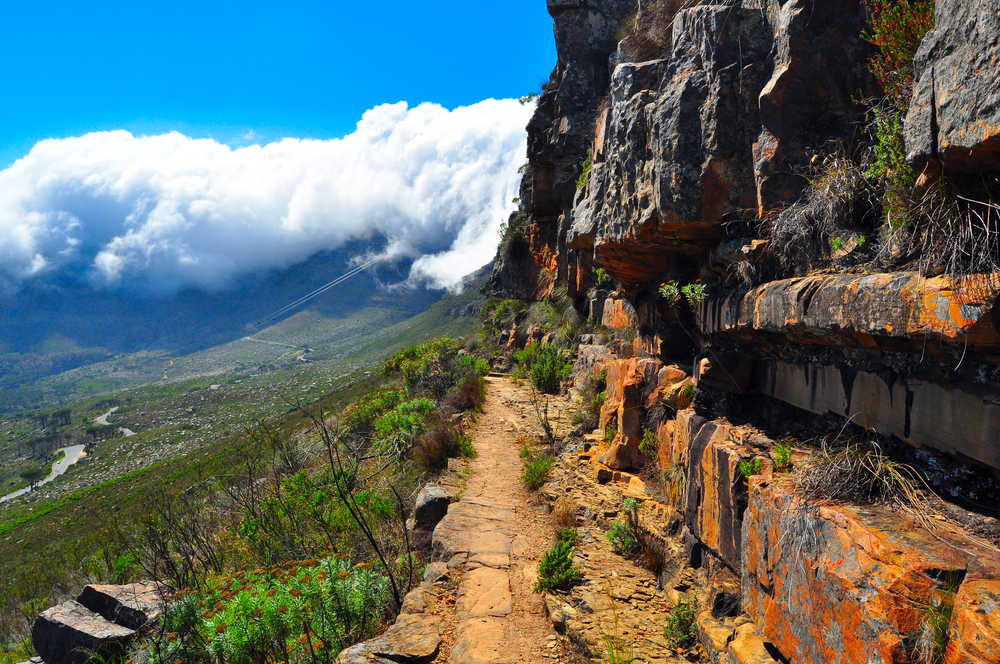
Table Mountain National Park Trails
Table Mountain is known for panoramic views over the city and the amazing coastline. There are numerous trails that allow hikers to explore around and atop the famous mountain. The majority of trails are rated moderate with some difficult trips to challenge the adventurous.

FAQ’s
What is Table Mountain National Park known for?
Table Mountain National Park, located in Cape Town, South Africa, is renowned for its iconic flat-topped mountain, diverse flora and fauna, and stunning natural landscapes. The park is centered around Table Mountain, a UNESCO World Heritage Site and one of the New Seven Wonders of Nature. Table Mountain’s distinctive shape dominates the city skyline and offers breathtaking panoramic views of Cape Town, the surrounding coastline, and the Atlantic Ocean.
Apart from its famous mountain, the park encompasses a range of diverse ecosystems, including rugged coastline, lush forests, and pristine beaches. It is home to a rich variety of plant and animal species, including many endemic and endangered species.
Table Mountain National Park is a popular destination for outdoor enthusiasts, offering numerous hiking trails, rock climbing routes, and scenic drives. Visitors can also enjoy activities such as birdwatching, picnicking, and wildlife spotting. Whether exploring the mountain’s summit or relaxing on its sandy shores, Table Mountain National Park provides an unforgettable natural experience in the heart of Cape Town.
Sources
- African Sky, Table Mountain National Park, https://www.africansky.com/african-travel/south-africa/destinations/national-parks/table-mountain-national-park, retrieved July 2020.
- All Trails, Best Trails in Table Mountain National Park, https://www.alltrails.com/parks/south-africa/western-cape/table-mountain-national-park, retrieved July 2020.
- Britannica, Table Mountain, https://www.britannica.com/place/Table-Mountain-South-Africa, retrieved July 2020.
- Culture Trip, Top 10 Highlights of Table Mountain National Park, https://theculturetrip.com/africa/south-africa/articles/the-top-10-highlights-of-table-mountain-national-park/, retrieved July 2020.
- South African National Park, Table Mountain National Park, https://www.sanparks.org/parks/table_mountain/, retrieved July 2020.
- Table Mountain National Park, Cape Town, https://tablemountainnationalpark.org/, retrieved July 2020.
- Wildlife Worldwide, Table Mountain National Park, https://www.wildlifeworldwide.com/locations/table-mountain-national-park, retrieved July 2020.