

About
Hluhluwe-iMfolozi Park is located in KwaZulu-Natal Province in eastern South Africa, approximately 170 miles (280 km) north of Durban. The park covers approximately 370 square miles (960 sq km) and is the oldest formally proclaimed nature reserve in Africa.
Established in 1895, Hluhluwe-iMfolozi Park combines the former Hluhluwe Game Reserve in the north with the iMfolozi Game Reserve in the south. Situated west of iSimangaliso Wetland Park and south of the Mozambique border region, the park protects a diverse landscape of rolling hills, river valleys, woodlands, and savannas. It is internationally recognized as one of Africa’s greatest conservation success stories and remains one of South Africa’s premier wildlife destinations.
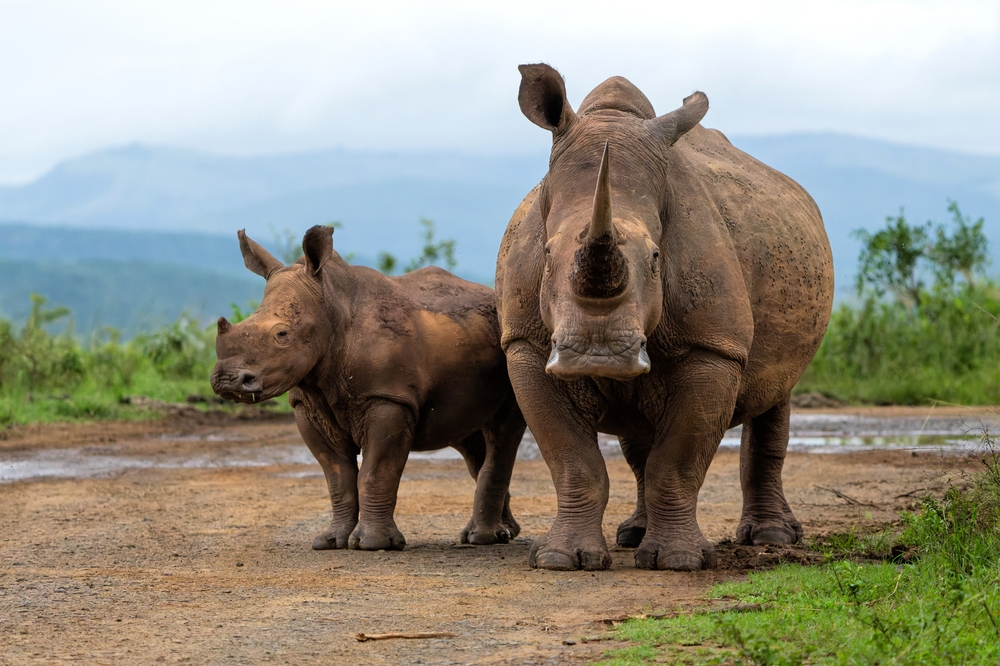
Hluhluwe-iMfolozi Park is best known for saving the white rhinoceros from extinction. During the mid-twentieth century, the park became the center of Operation Rhino, an ambitious conservation program that helped recover southern white rhinoceros populations when fewer than 100 individuals remained in the wild.
Today, visitors come to experience exceptional wildlife viewing, scenic landscapes, and the opportunity to observe one of the world’s most important rhinoceros conservation strongholds. The park offers game drives, guided walks, wilderness trails, birdwatching, and photography opportunities. Its combination of historical significance and outstanding wildlife experiences makes it one of Africa’s most celebrated protected areas.
The geography of Hluhluwe-iMfolozi Park is characterized by rolling hills, broad valleys, river systems, and diverse vegetation communities. The northern Hluhluwe section is generally hillier and wetter, while the southern iMfolozi region features more open savannas and riverine habitats. The Black and White iMfolozi Rivers flow through the park and contribute to its ecological diversity.
Vegetation includes acacia woodlands, grasslands, thornveld, riverine forests, and dense bushveld habitats. Seasonal rainfall patterns support productive ecosystems that sustain large populations of herbivores and predators. The varied terrain provides both scenic beauty and habitat diversity, contributing significantly to the park’s rich biodiversity.
Wildlife within Hluhluwe-iMfolozi Park is among the finest in southern Africa. The park supports all members of the Big Five, including elephant, lion, leopard, rhinoceros, and buffalo. White and black rhinoceroses remain among the park’s most important conservation species. Other large mammals include giraffe, zebra, wildebeest, kudu, nyala, impala, waterbuck, and warthog. Predators such as cheetah, spotted hyena, wild dog, and jackal also inhabit the park.
Birdlife is equally impressive, with more than 340 recorded species. Visitors may encounter African fish eagles, martial eagles, hornbills, kingfishers, bee-eaters, and a variety of woodland and wetland birds. The abundance and diversity of wildlife make the park one of South Africa’s most rewarding safari destinations.
Hluhluwe-iMfolozi Park plays a critical role in global wildlife conservation. The park’s successful recovery of the southern white rhinoceros is widely regarded as one of the greatest achievements in conservation history. It continues to serve as a source population for rhinoceros reintroduction efforts throughout Africa and beyond.
Its conservation significance is often compared to iconic protected areas such as Kruger National Park and Etosha National Park because of its contributions to species recovery and biodiversity protection. Today, Hluhluwe-iMfolozi Park remains a cornerstone of South African conservation, preserving a rich natural heritage while demonstrating the profound impact that dedicated wildlife management can achieve.
Things to See
Things To Do
Engage Hluhluwe-iMfolozi Park
