

About
Akagera National Park, known locally as Parc National de l’Akagera in French and Pariki y’Igihugu y’Akagera in Kinyarwanda, is located in eastern Rwanda along the border with Tanzania. The park covers approximately 433 square miles (1,122 sq km) and is Rwanda’s largest protected area.
Established in 1934, the park stretches along the Akagera River and encompasses an extensive network of lakes, wetlands, savannas, and woodlands. It lies east of Kigali and complements Rwanda’s other major protected areas, including Volcanoes National Park and Nyungwe Forest National Park. Together, these parks protect a remarkable range of ecosystems that make Rwanda one of Africa’s most biodiverse countries.
Akagera National Park is best known for offering Rwanda’s premier savanna safari experience. Unlike the country’s mountain and rainforest parks, Akagera features sweeping grasslands, open plains, and abundant large mammals that create classic African safari landscapes. Visitors are drawn by opportunities to observe the Big Five, including lion, leopard, elephant, buffalo, and rhinoceros.
Boat safaris on Lake Ihema provide close views of hippos, crocodiles, and waterbirds, while game drives reveal wildlife across the park’s diverse habitats. The park’s successful conservation story, which includes the reintroduction of lions and black rhinos, has transformed Akagera into one of Africa’s leading examples of wildlife restoration and protected area management.
The geography of Akagera National Park is shaped by the Akagera River system and a chain of interconnected lakes that form part of the upper Nile watershed. The landscape consists of rolling savannas, acacia woodlands, papyrus wetlands, seasonal floodplains, and forested hills. More than ten lakes occur within the park, including Lake Ihema, the second-largest lake in Rwanda.
The wetlands provide critical habitat for aquatic species, while grasslands and woodlands support large herbivores and predators. This remarkable variety of ecosystems creates a dynamic landscape where wildlife thrives throughout the year and contributes significantly to the park’s ecological richness.
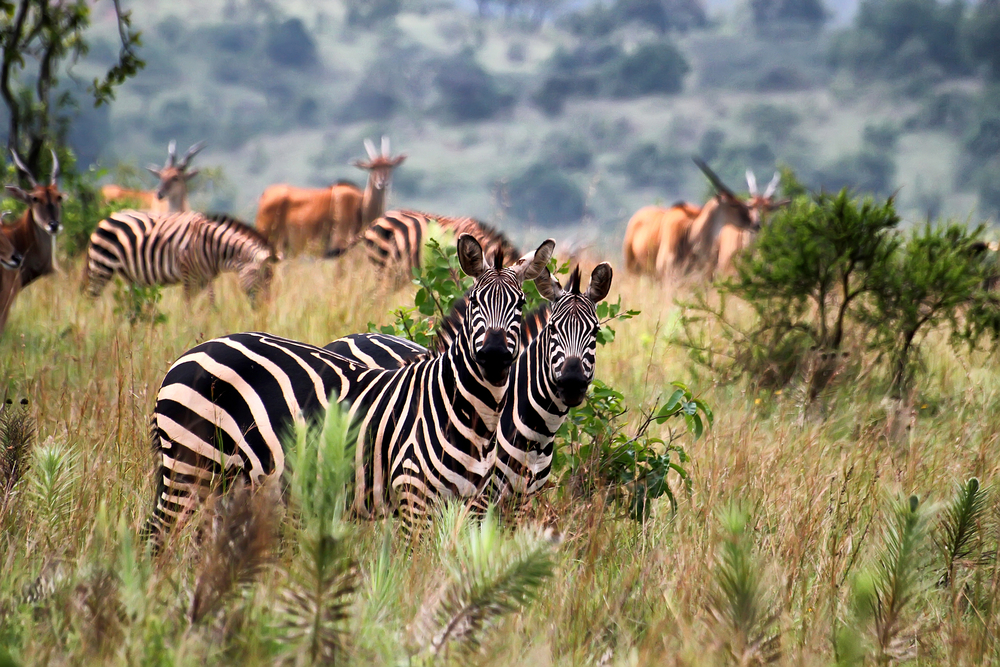
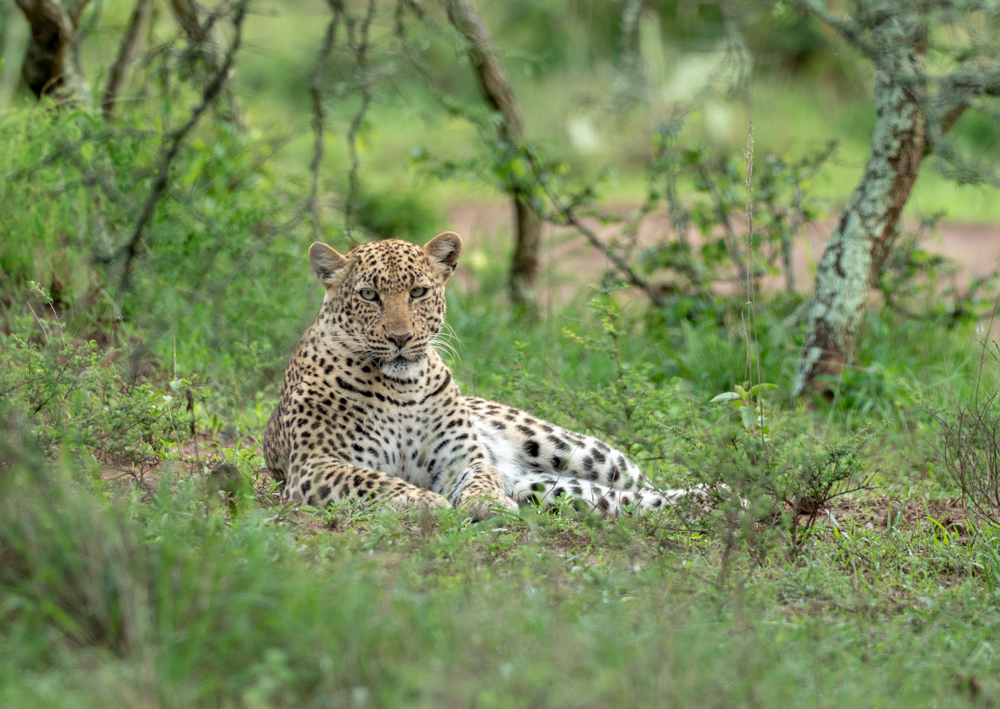
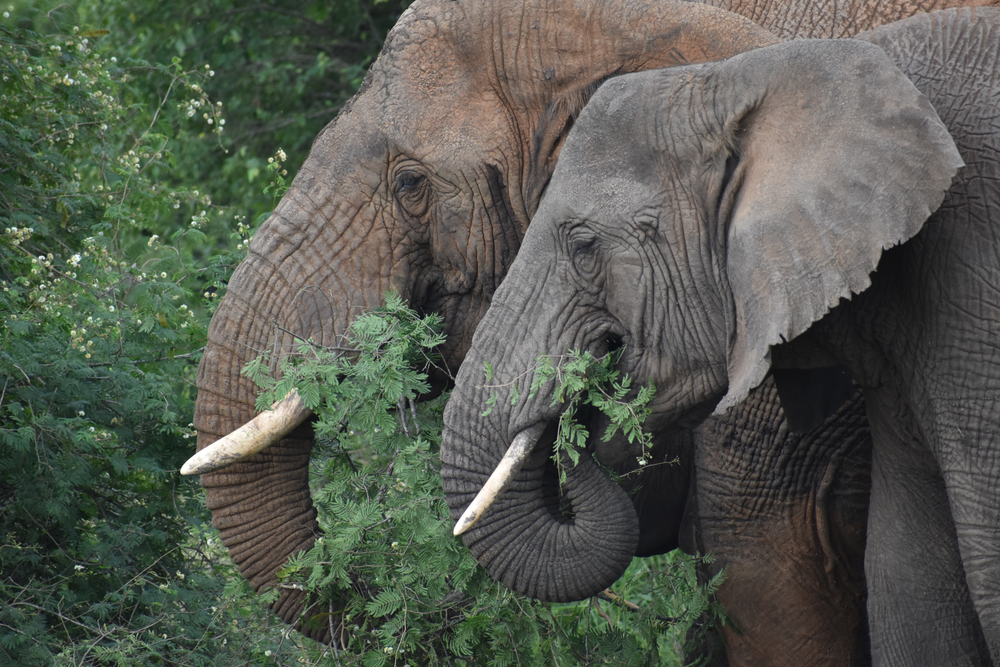
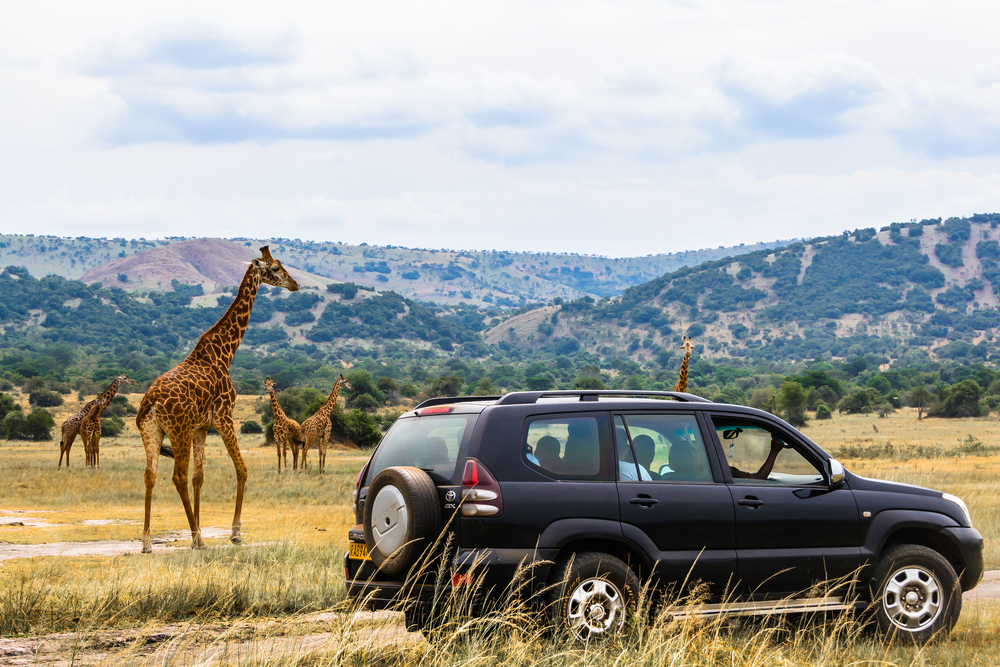
Wildlife is one of Akagera National Park’s greatest attractions. The park supports healthy populations of elephant, buffalo, giraffe, zebra, topi, eland, impala, waterbuck, and numerous other antelope species. Following successful reintroduction efforts, lions and black rhinos once again roam the park, restoring the complete Big Five experience. Leopards remain elusive but are regularly recorded throughout the protected area.
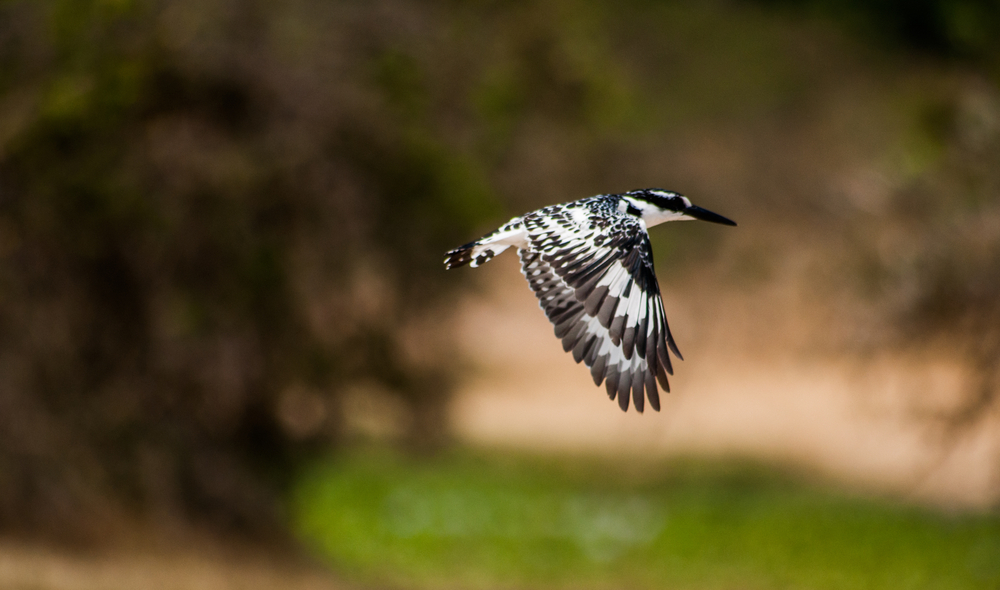
Hippopotamuses and Nile crocodiles inhabit the lakes and wetlands, while more than 500 bird species have been documented within the park. Notable birds include the rare shoebill, African fish eagle, papyrus gonolek, kingfishers, herons, and numerous migratory species. This diversity makes Akagera one of East Africa’s finest destinations for both wildlife viewing and birdwatching.
Akagera National Park plays a critical role in conserving Rwanda’s largest savanna ecosystem and one of the most important wetland complexes in the region. The park protects vital habitats for endangered species, safeguards important watersheds, and preserves ecological processes that support biodiversity across eastern Rwanda.
Its conservation success is often compared to restoration efforts in parks such as Gorongosa National Park, where long-term management has helped wildlife populations recover dramatically. Today, Akagera stands as a symbol of Rwanda’s commitment to conservation, offering visitors an extraordinary blend of wildlife, landscapes, and ecological resilience while protecting one of Africa’s most inspiring conservation success stories.
Things to See
Things To Do
Engaging Akagera National Park
Park Protection
Akagera National Park was created to protect the savannas, wetlands, lakes, woodlands, and river systems of eastern Rwanda. The park provides critical habitat for several threatened and endangered species, including the eastern black rhinoceros, lion, and African wild dog. It is also home to large populations of African elephants, buffalo, giraffes, zebras, hippos, crocodiles, and numerous antelope species. The park’s extensive wetlands and lakes support one of Central Africa’s richest bird communities, including the near-threatened shoebill and many migratory waterbirds.
The park is especially significant for protecting the largest protected wetland ecosystem in Rwanda and for its remarkable conservation recovery. Once heavily depleted by human pressures, Akagera has become a successful example of large-mammal restoration through the reintroduction of lions and black rhinoceroses, restoring Rwanda’s “Big Five” wildlife. Its network of lakes connected to the Akagera River creates a landscape unlike any other national park in Rwanda. Together, Akagera National Park safeguards endangered species, vital freshwater ecosystems, diverse savanna habitats, and one of Africa’s most inspiring conservation success stories.
FAQ’s
What is the main reason people visit Akagera National Park?
Akagera National Park is primarily visited for its Big Five safaris, diverse wildlife, scenic lakes, savanna landscapes, and remarkable conservation success story. Located in eastern Rwanda along the border with Tanzania, the park protects approximately 433 square miles (1,122 square kilometers) of savanna, wetlands, lakes, woodlands, and rolling hills.
Visitors come to see lions, elephants, rhinos, buffalo, leopards, giraffes, zebras, and hippos while enjoying one of East Africa’s most successful wildlife restoration programs.
What animals can visitors hope to see in Akagera National Park?
Akagera National Park supports more than 8,000 large mammals and is Rwanda’s premier safari destination.
Some of the most notable animals found in Akagera National Park include:
- African Bush Elephant
- African Lion
- Leopard
- Black Rhinoceros
- White Rhinoceros
- African Buffalo
- Masai Giraffe
- Plains Zebra
- Hippopotamus
- Nile Crocodile
- Topi
- Eland
- Impala
- Defassa Waterbuck
- Bushbuck
- Reedbuck
- Oribi
- Roan Antelope
- Sable Antelope
- Common Duiker
- Bohor Reedbuck
- Klipspringer
- Warthog
- Olive Baboon
- Vervet Monkey
- Blue Monkey
- Black-and-White Colobus Monkey
- Side-striped Jackal
- Black-backed Jackal
- Spotted Hyena
- Serval
- African Wildcat
- Caracal
- African Civet
- Large-spotted Genet
- Marsh Mongoose
- Egyptian Mongoose
- Slender Mongoose
- Honey Badger
- African Clawless Otter
- Cape Porcupine
- Giant Pouched Rat
- Cane Rat
- Tree Hyrax
- Rock Hyrax
- African Hare
- Fruit Bat Species
- Horseshoe Bat Species
- Forest Squirrel Species
- Various Reptiles and Amphibians
What birds can visitors hope to see in Akagera National Park?
Akagera National Park is home to more than 500 bird species, making it one of Africa’s premier birdwatching destinations.
Some of the most popular birds seen in Akagera National Park include:
- Shoebill
- African Fish Eagle
- Martial Eagle
- Bateleur
- Tawny Eagle
- Verreaux’s Eagle
- Secretary Bird
- Saddle-billed Stork
- Yellow-billed Stork
- Woolly-necked Stork
- Marabou Stork
- Great White Pelican
- Pink-backed Pelican
- African Openbill
- African Spoonbill
- Sacred Ibis
- Hadada Ibis
- Hamerkop
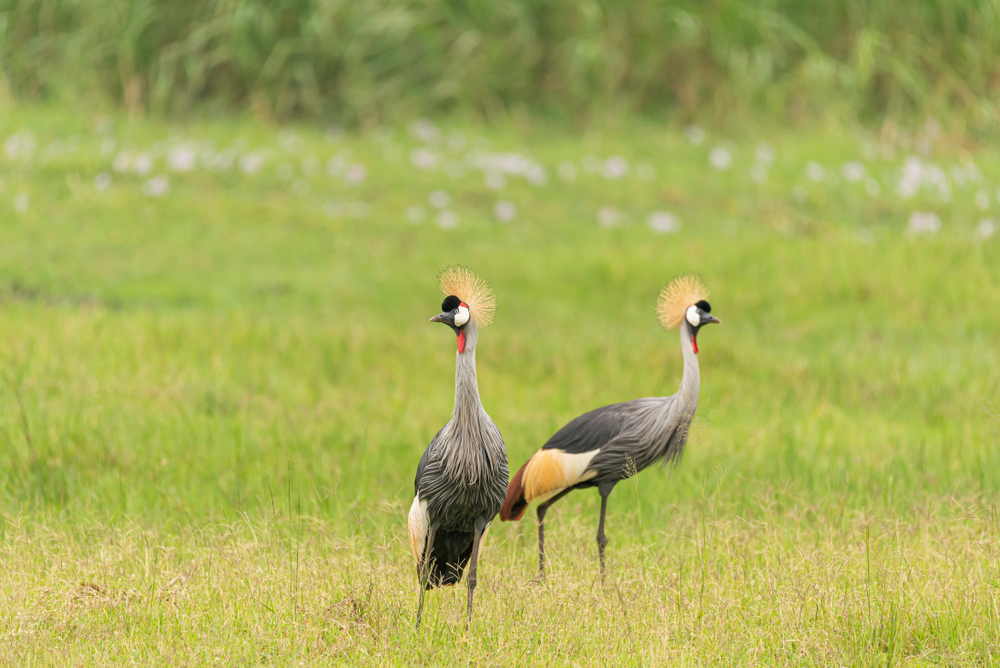
- Grey Crowned Crane
- Black Crake
- African Jacana
- Spur-winged Lapwing
- Crowned Lapwing
- Kori Bustard
- White-winged Warbler
- Papyrus Gonolek
- Carruthers’s Cisticola
- Swamp Flycatcher
- African Pygmy Goose
- Knob-billed Duck
- Egyptian Goose
- White-faced Whistling Duck
- African Darter
- Great Cormorant
- Pied Kingfisher
- Giant Kingfisher
- Malachite Kingfisher
- Woodland Kingfisher
- Lilac-breasted Roller
- Carmine Bee-eater
- Red-throated Bee-eater
- Southern Ground Hornbill
- African Grey Hornbill
- Ross’s Turaco
- Great Blue Turaco
- Black-headed Heron
- Goliath Heron
- Purple Heron
- Squacco Heron
- Yellow-billed Oxpecker
Is Akagera National Park worth visiting?
Yes, Akagera National Park is absolutely worth visiting and is considered one of Africa’s most impressive conservation success stories.
The park offers excellent Big Five wildlife viewing, beautiful lakes, boat safaris, outstanding birdwatching, and relatively uncrowded safari experiences. Visitors can enjoy traditional African safari wildlife while also witnessing how successful conservation efforts have restored a once-threatened ecosystem.
The primary hesitation is that wildlife densities may not be as high as those found in some of East Africa’s largest parks. However, Akagera’s scenic diversity and conservation achievements make it a rewarding destination.
What is the best time to visit Akagera National Park?
Weather and Climate
The best time to visit Akagera National Park is during Rwanda’s dry seasons:
- June through September
- December through February
Typical conditions include:
- Dry season: 60–85°F (16–29°C)
- Wet season: 60–82°F (16–28°C)
During the dry season:
- Wildlife concentrates around water sources.
- Roads are easier to navigate.
- Safari conditions improve.
- Wildlife viewing is excellent.
- Boat safaris remain productive.
The wet season offers greener landscapes and excellent birdwatching opportunities.
How many days do you need to visit Akagera National Park?
Recommended Length of Stay
Most visitors should plan for 2 to 3 days, but it is common for travelers to only take one day to explore the park.
- 1 day: Safari introduction.
- 2 days: Comprehensive game drives and boat safari.
- 3 days: Wildlife viewing, birdwatching, and photography.
- 4+ days: In-depth safari experience.
Two days is generally considered the minimum recommended visit.
How do you get to Akagera National Park?
International Access
Akagera National Park is located in eastern Rwanda near the Tanzanian border.
The primary international gateway is:
- Kigali International Airport
Most visitors:
- Fly into Kigali.
- Travel east by vehicle.
- Enter the park through the southern entrance.
- Begin safari activities.
Driving from Kigali
The most common route is:
- Kigali to Akagera National Park.
Travel time:
- Approximately 2.5–3 hours by road.
This makes Akagera one of the most accessible safari parks in Africa from a capital city.
Southern Entrance
Most visitors enter through:
- Akagera South Gate
This entrance provides access to the park’s primary game-viewing areas.
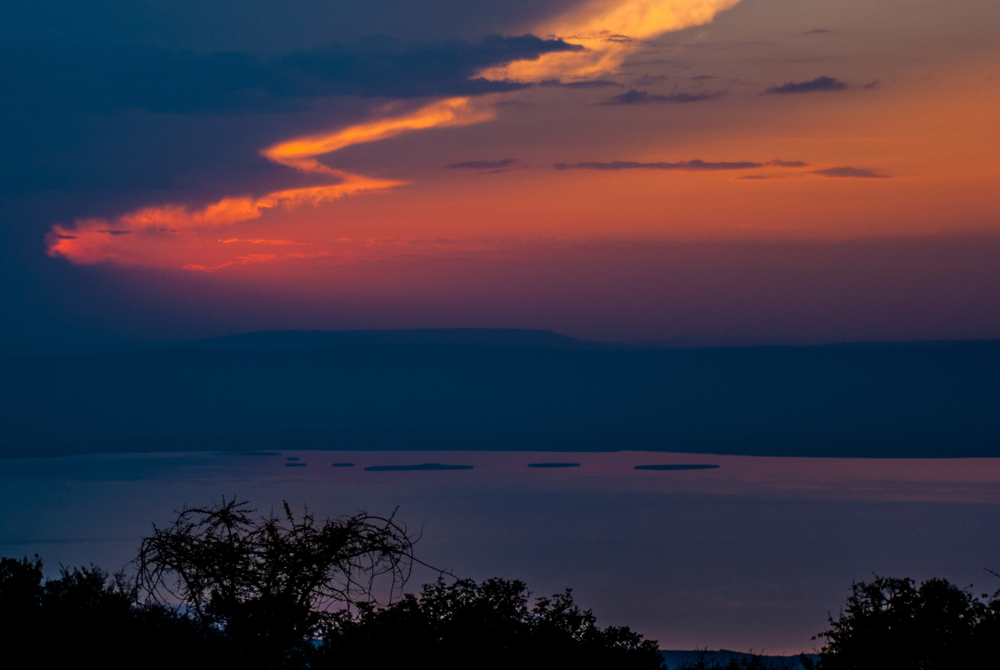
Lake Ihema
The park’s most famous waterbody is:
- Lake Ihema
Known for:
- Boat safaris.
- Hippopotamus sightings.
- Nile crocodiles.
- Waterbird viewing.
- Beautiful sunsets.
Northern Plains
The northern section of the park contains:
- Open savanna habitats.
- Large wildlife concentrations.
- Prime predator viewing areas.
- Excellent game-drive opportunities.
Boat Safaris
One of Akagera’s unique attractions is:
- Guided boat safaris on Lake Ihema.
Visitors frequently observe:
- Hippos.
- Crocodiles.
- Fish eagles.
- Storks.
- Waterbirds.
Travel Times
Typical travel times include:
- Kigali to Akagera: approximately 2.5–3 hours.
- South Gate to Lake Ihema: approximately 30–45 minutes.
- South Gate to northern plains: approximately 2–3 hours.
- Boat safaris: typically 1–2.5 hours.
Who is involved in protecting and supporting Akagera National Park?
Conservation and Park Management
Several organizations help protect and support Akagera National Park:
- Rwanda Development Board – oversees national park management.
- African Parks – co-manages Akagera National Park and has led its remarkable restoration.
- Howard G. Buffett Foundation – has provided significant conservation support.
- International Rhino Foundation – supports rhino conservation initiatives.
- Local communities surrounding the park that participate in conservation and ecotourism programs.
Can you see the Big Five in Akagera National Park?
Yes. Akagera National Park is home to all members of the Big Five:
- Lion
- Leopard
- Elephant
- Rhinoceros
- Buffalo
Why is Akagera considered a conservation success story?
After significant wildlife declines during the 1990s, extensive conservation efforts led by African Parks and the Rwanda Development Board restored wildlife populations, reintroduced lions and rhinos, strengthened anti-poaching measures, and transformed Akagera into a thriving safari destination.
What makes Akagera National Park unique?
Akagera National Park is unique because it combines classic African safari wildlife with Rwanda’s rolling hills, scenic lakes, and wetlands. Visitors can enjoy game drives, boat safaris, exceptional birdwatching, and Big Five encounters within a relatively compact park. Its extraordinary conservation recovery and accessibility from Kigali make it one of Africa’s most inspiring and rewarding safari destinations.
Sources
Africa Parks, Akagera National Park, https://www.africanparks.org/the-parks/akagera, retrieved August 2024.
Park Site, Akagera National Park, https://www.akageranationalpark.org/, retrieved August 2024.
Park site, Akagera National Park, https://www.akageranationalparkrwanda.org/, retrieved August 2024.
Visit Akagera, Akagera National Park, https://visitakageranationalpark.com/, retrieved August 2024.
Visit Rwanda, Akagera National Park, https://visitrwanda.com/destinations/akagera-national-park/, August 2024.