About
Peneda-Gerês National Park is located in northern Portugal along the border with Spain and covers approximately 270 square miles (702 sq km). Established in 1971, it is Portugal’s only national park and one of the most important protected landscapes on the Iberian Peninsula.
The park extends across the districts of Braga, Viana do Castelo, and Vila Real and adjoins Spain’s protected mountain regions within Galicia. Situated northeast of Braga, Peneda-Gerês National Park preserves a remarkable combination of rugged mountains, deep valleys, rivers, forests, traditional villages, and cultural heritage. The park is recognized as part of a UNESCO Biosphere Reserve and remains one of Portugal’s premier destinations for nature tourism and outdoor recreation.
Peneda-Gerês National Park is best known for its dramatic mountain scenery and centuries-old rural traditions. Visitors are drawn to the park’s granite peaks, cascading waterfalls, scenic viewpoints, and historic villages where traditional lifestyles continue to influence daily life. Popular activities include hiking, wildlife watching, mountain biking, kayaking, horseback riding, and photography.
The park contains numerous ancient trails, including routes once used by shepherds and traders crossing the mountains. Visitors can also explore Roman roads, medieval bridges, and stone villages that reflect the region’s rich cultural history. The combination of natural beauty and living heritage gives Peneda-Gerês a unique character among European national parks.
The geography of Peneda-Gerês National Park is dominated by rugged mountain ranges, including the Peneda, Soajo, Amarela, and Gerês mountains. Elevations rise above 5,000 feet (1,500 meters) in several areas, creating dramatic landscapes of rocky ridges, steep valleys, and highland plateaus.
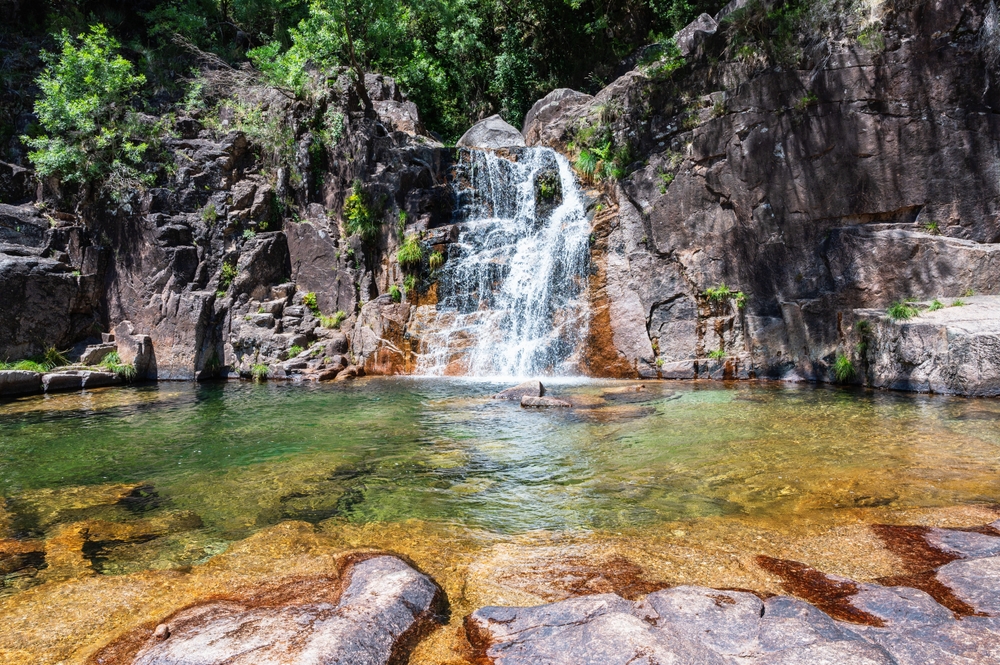
Numerous rivers and streams flow through the park, including portions of the Lima, Cávado, and Homem river systems. Waterfalls, reservoirs, and natural pools are common throughout the region. Vegetation varies with elevation and includes oak forests, pine woodlands, heathlands, shrublands, and mountain grasslands. The diversity of habitats supports exceptional biodiversity and contributes to the park’s scenic appeal.
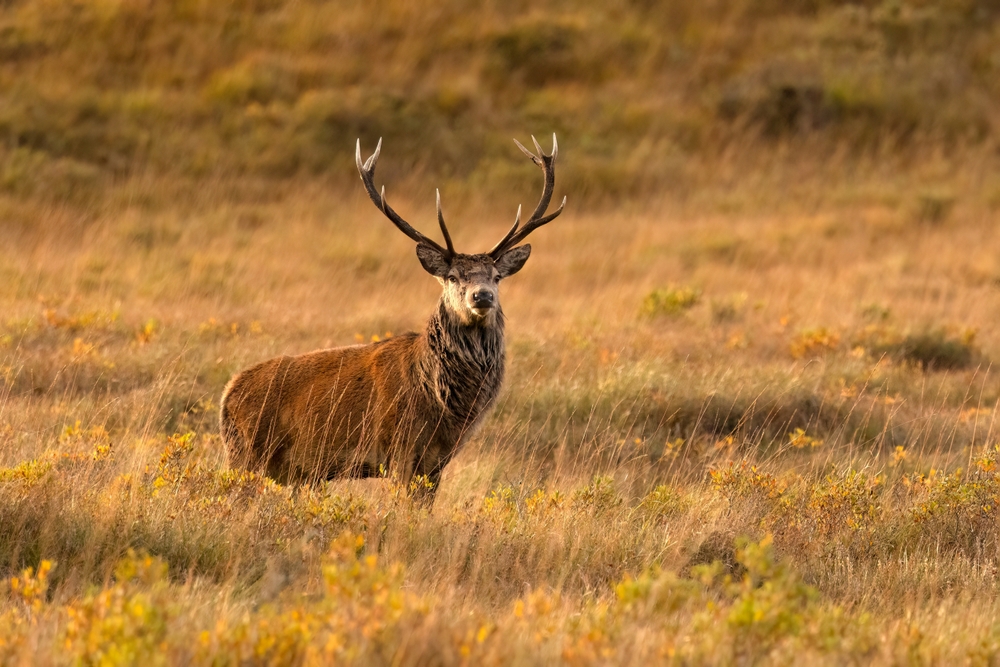
Wildlife within Peneda-Gerês National Park is among the richest in Portugal. Mammals include Iberian wolves, roe deer, wild boar, red foxes, otters, and several species of bats. The park provides one of the most important refuges for the endangered Iberian wolf in Portugal.
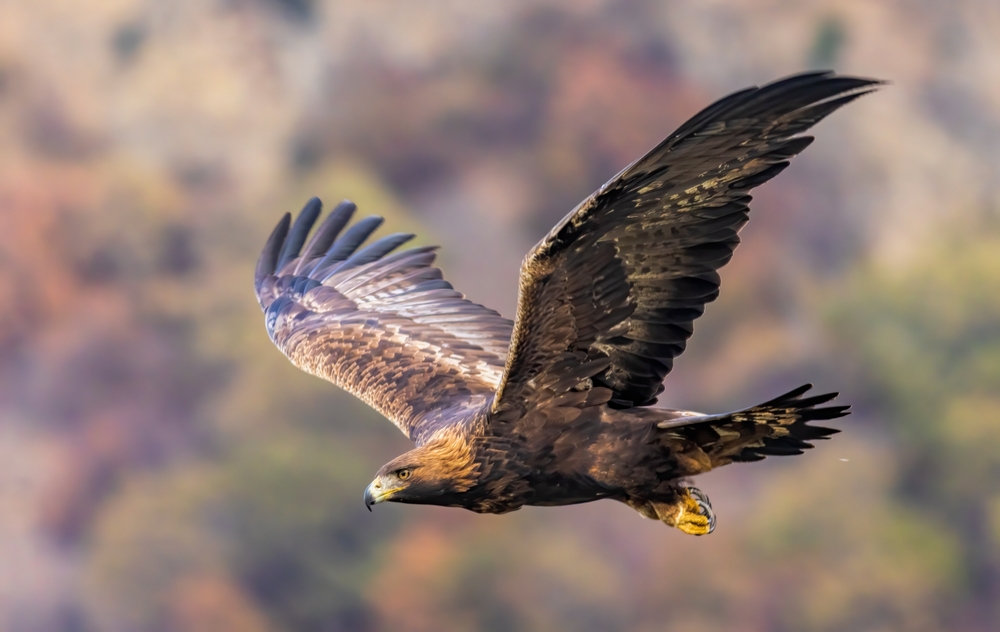
Birdlife is equally diverse, with golden eagles, peregrine falcons, Eurasian eagle-owls, griffon vultures, and numerous woodland species inhabiting the park. Rivers and wetlands support amphibians, reptiles, and native fish, while the park’s forests provide habitat for countless insects and pollinators. Traditional grazing practices have also helped maintain open habitats that support a variety of wildlife species.
Peneda-Gerês National Park plays a vital role in protecting Portugal’s natural and cultural heritage. The park safeguards important mountain ecosystems, old-growth forests, river corridors, and traditional agricultural landscapes that have evolved over centuries. Conservation efforts focus on habitat restoration, species protection, sustainable tourism, and preserving historic villages and cultural traditions.
Peneda-Gerês is often compared to Picos de Europa National Park and Ordesa y Monte Perdido National Park because of its mountainous terrain and biodiversity. However, its combination of rugged wilderness, historic communities, and status as Portugal’s only national park gives it a distinctive identity. Today, Peneda-Gerês National Park stands as one of Southern Europe’s most treasured protected landscapes, preserving a remarkable environment where mountains, wildlife, rivers, and cultural traditions continue to thrive together.