

About
Located in central-northern Namibia, Waterberg Plateau National Park protects one of the country’s most striking geological formations and important wildlife conservation areas. The park covers approximately 156 square miles (405 sq km) and is centered around the massive Waterberg Plateau, a sandstone mountain rising dramatically above the surrounding plains.
Situated east of Otjiwarongo, the park forms a natural oasis within an otherwise dry landscape. Its elevated plateau, reliable water sources, and isolated terrain have made it an ideal refuge for endangered wildlife and conservation programs throughout Namibia.
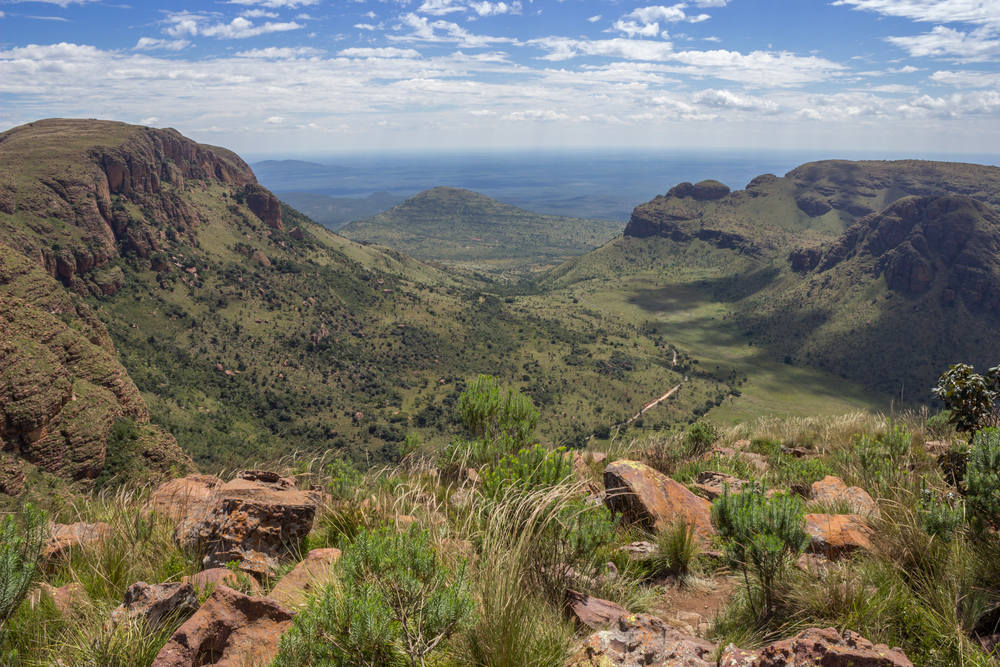
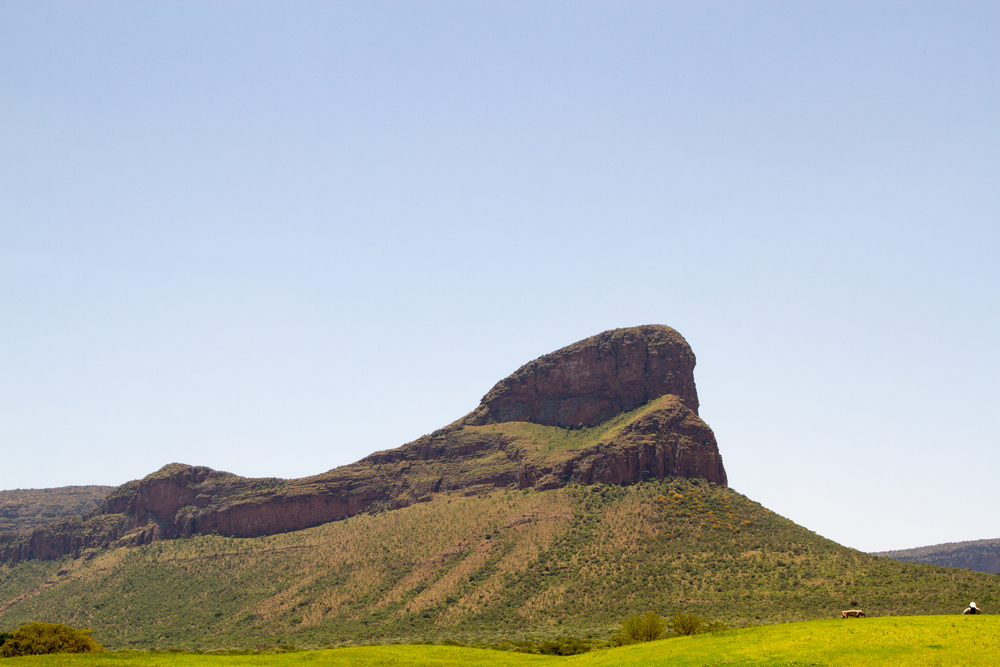
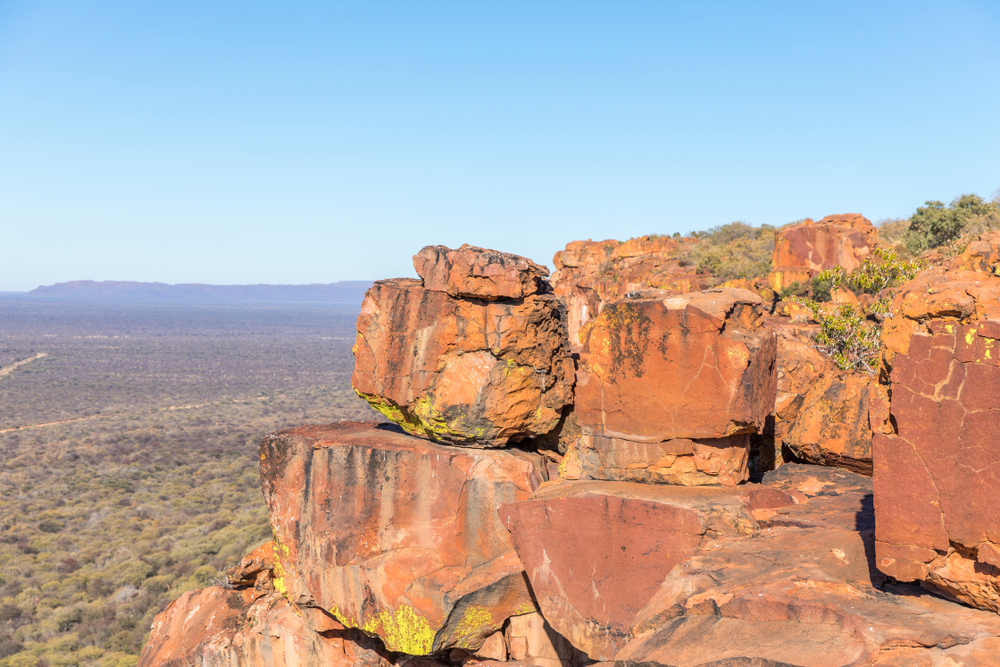
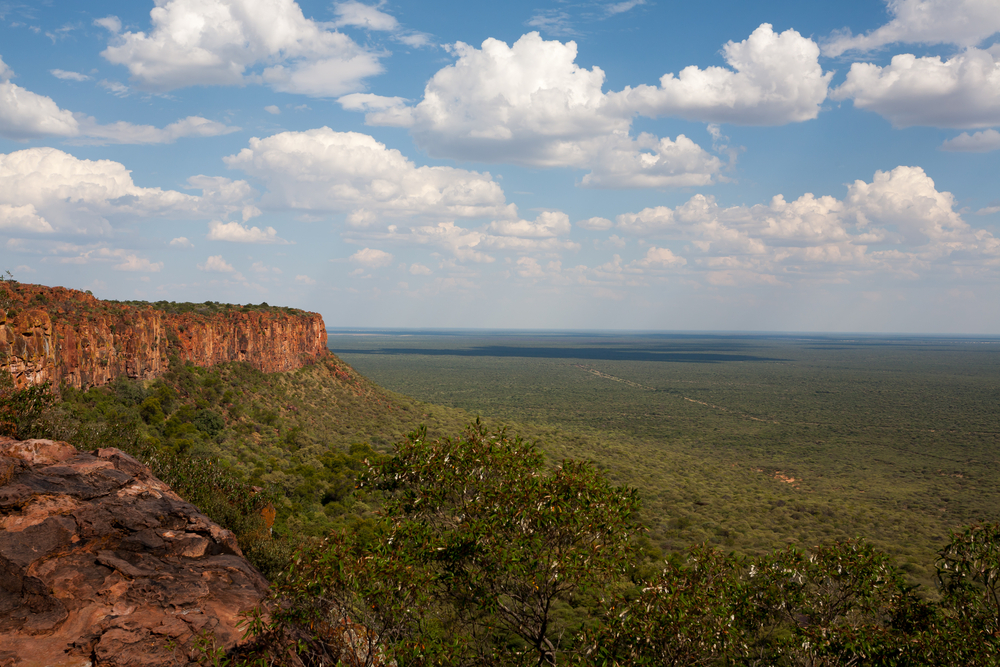
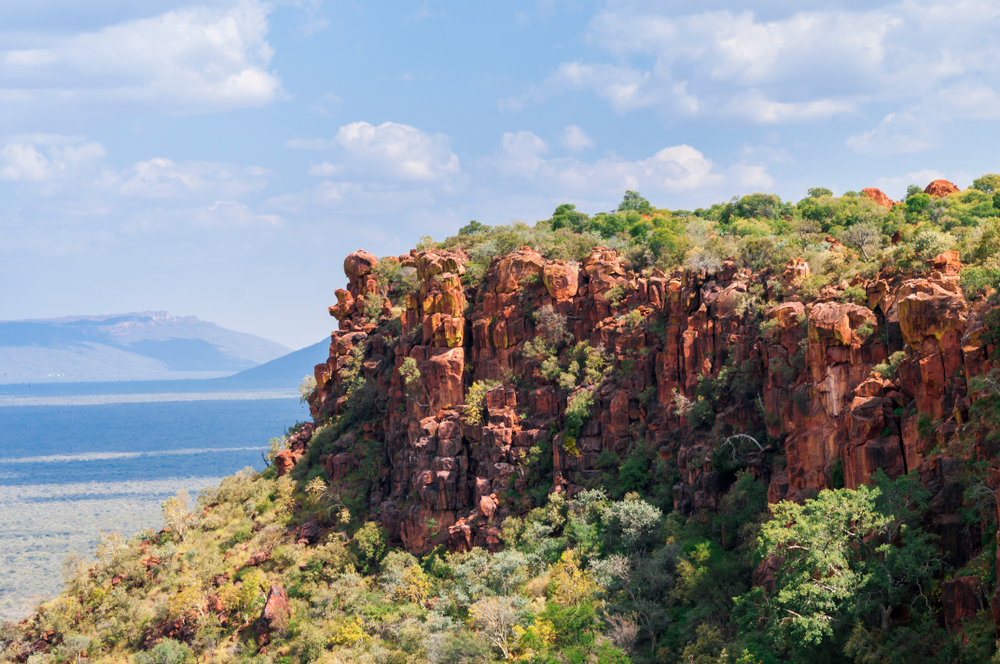
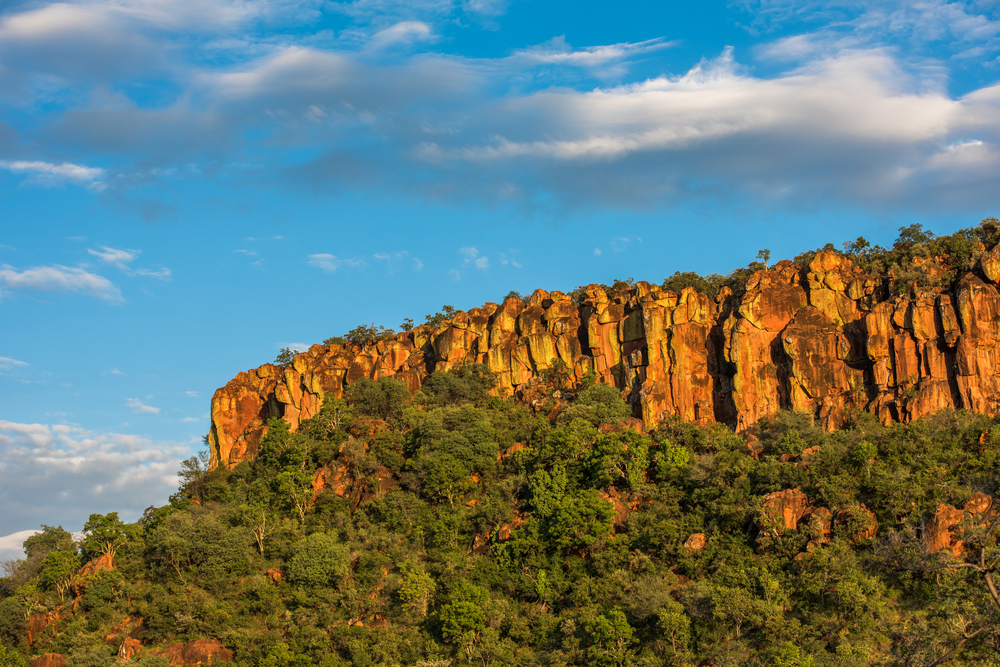
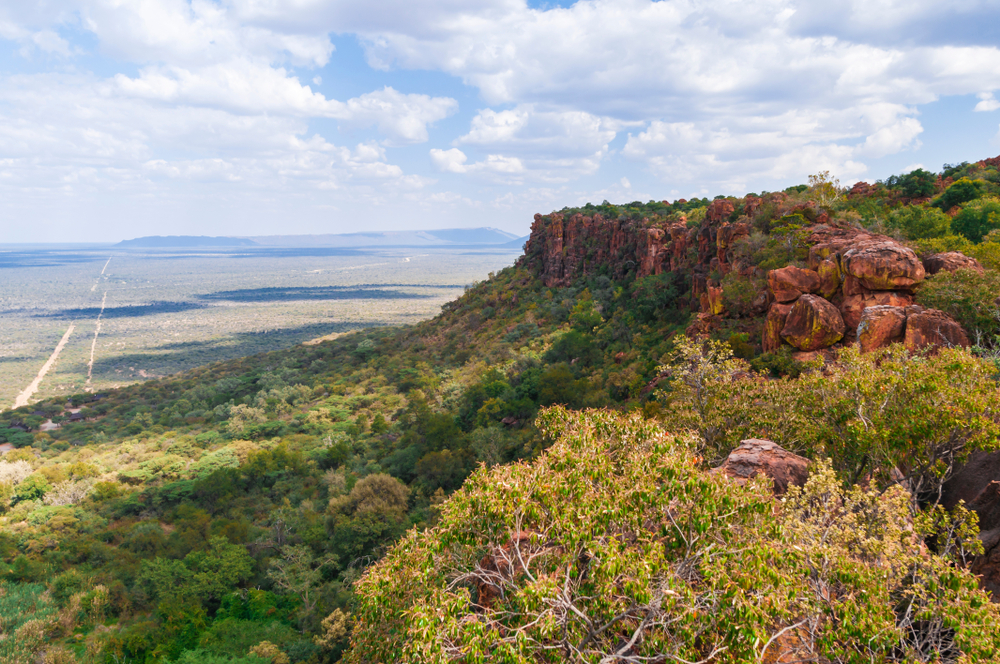
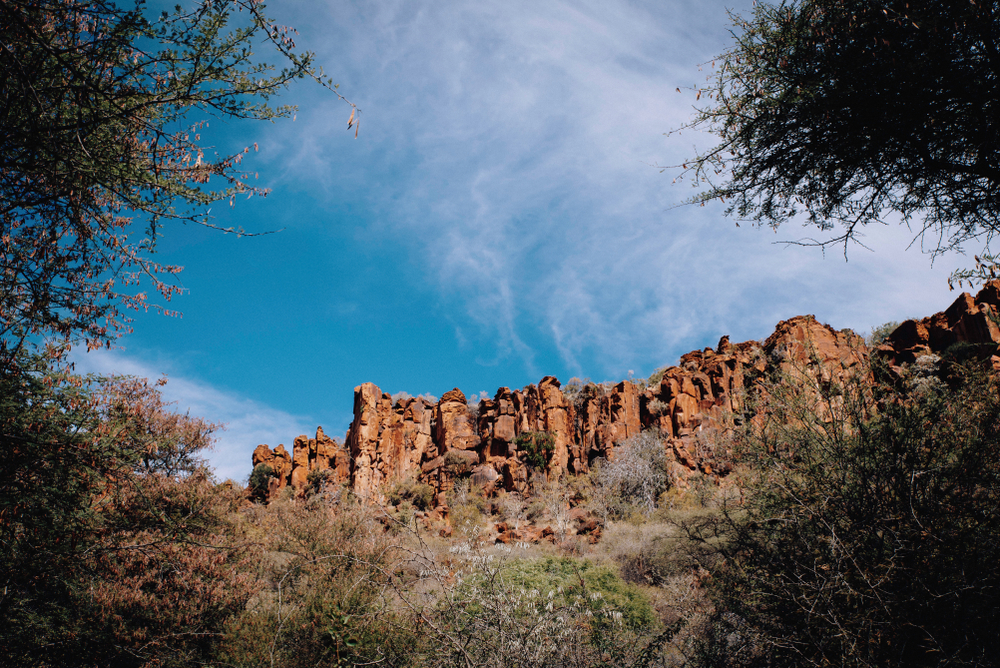
Waterberg Plateau National Park is best known for its towering red cliffs, scenic hiking trails, and successful wildlife conservation efforts. The plateau rises sharply from the surrounding savannah and creates a visually dramatic landscape visible from great distances. Visitors are drawn to the park for panoramic viewpoints overlooking endless plains below, as well as opportunities to observe wildlife in a quieter and less crowded environment than many southern African safari parks.
Hiking trails along the plateau edge reveal breathtaking scenery, especially during sunrise and sunset when the cliffs glow deep shades of red and orange. The park is also historically significant because it was the site of the Battle of Waterberg in 1904, an important and tragic event in Namibian history involving the Herero people.
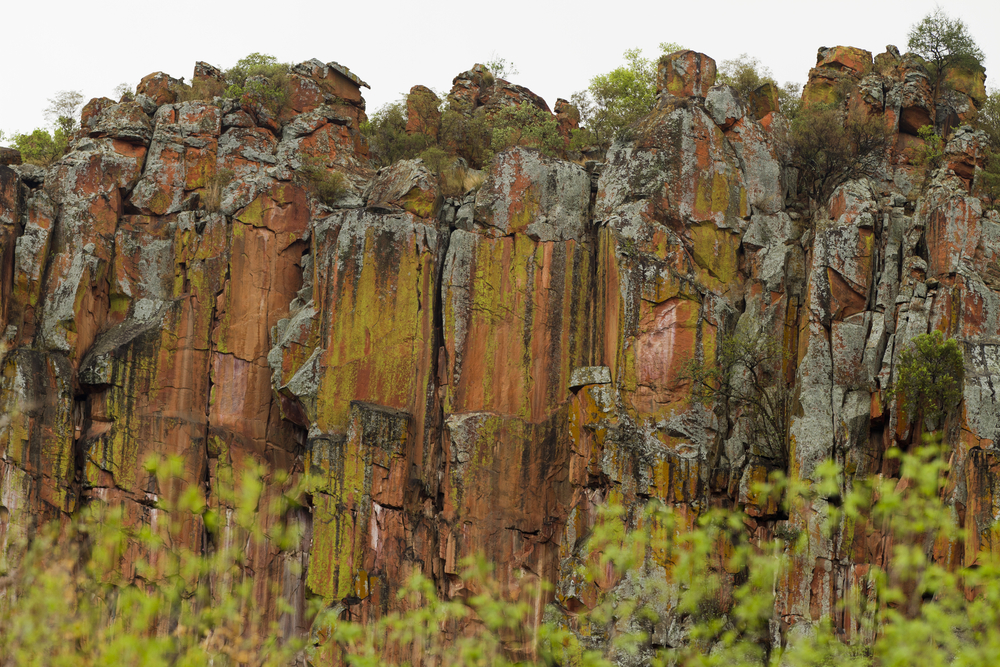
The geography of Waterberg Plateau National Park is dominated by the elevated sandstone plateau that stretches across the landscape like a natural fortress. Steep cliffs rise several hundred feet above surrounding grasslands and support vegetation not commonly found in nearby arid regions. The plateau captures rainfall and stores groundwater, creating springs and greener habitats that sustain wildlife throughout the year.
Dense vegetation grows on top of the plateau while lower elevations contain savannah grasslands, acacia woodland, and thorny shrubs adapted to Namibia’s dry climate. The contrast between the lush plateau and the surrounding plains creates unique ecological diversity within a relatively compact area.
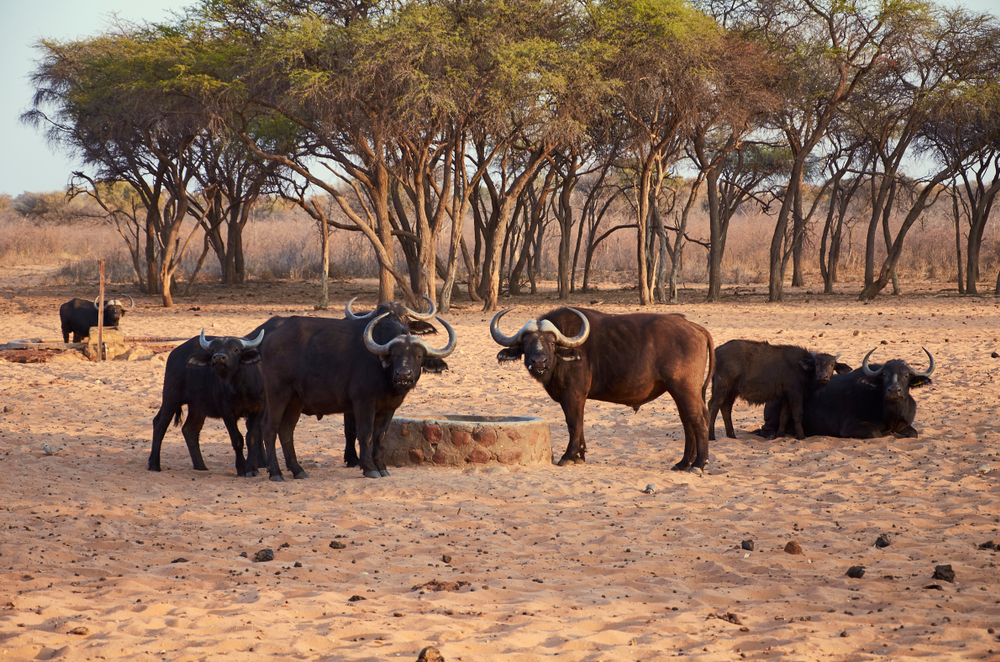
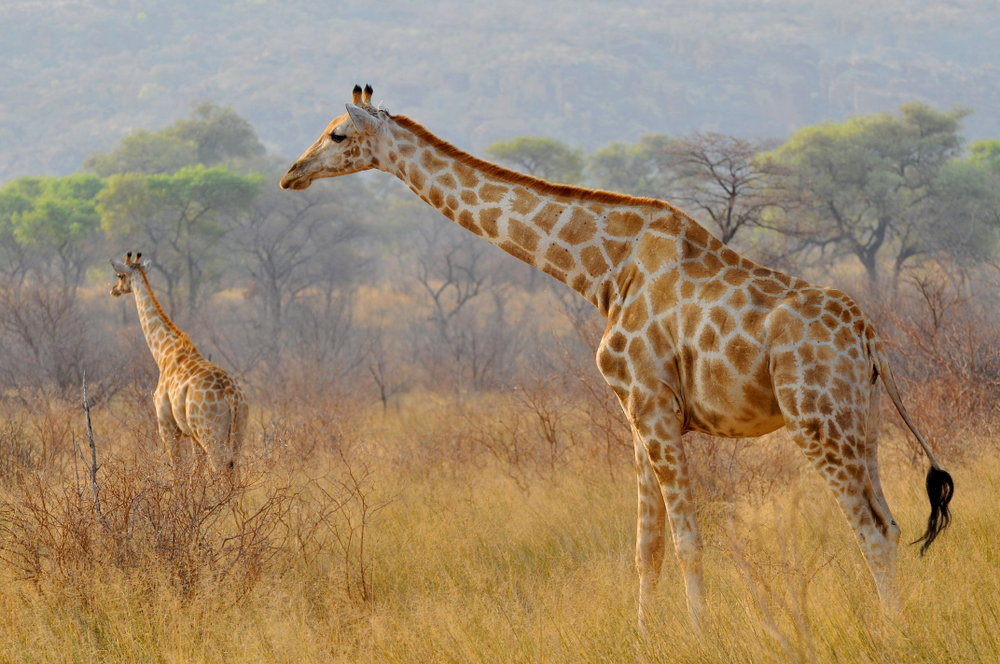
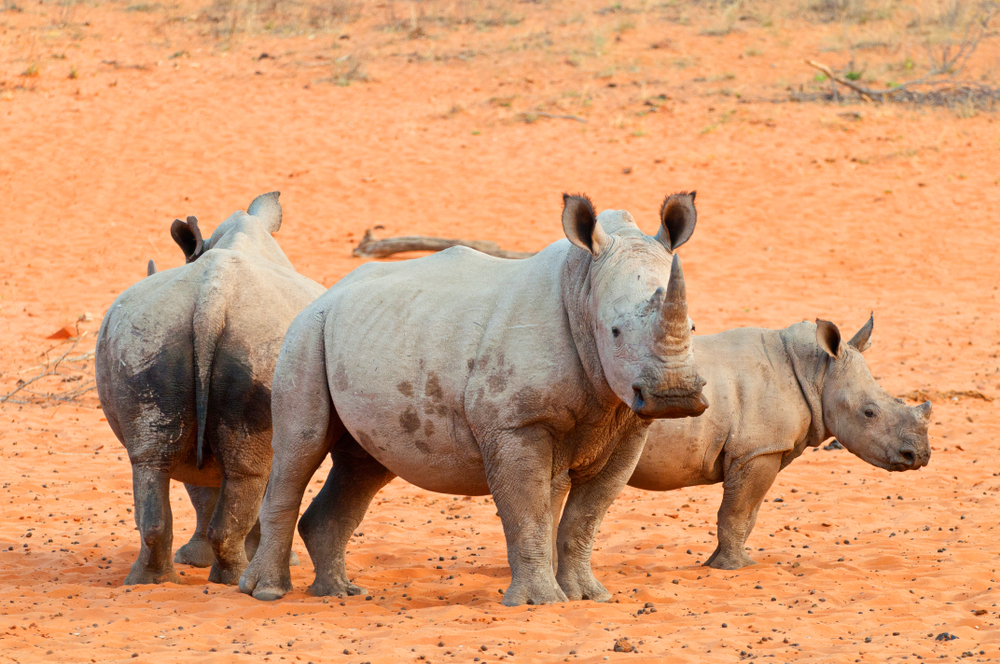
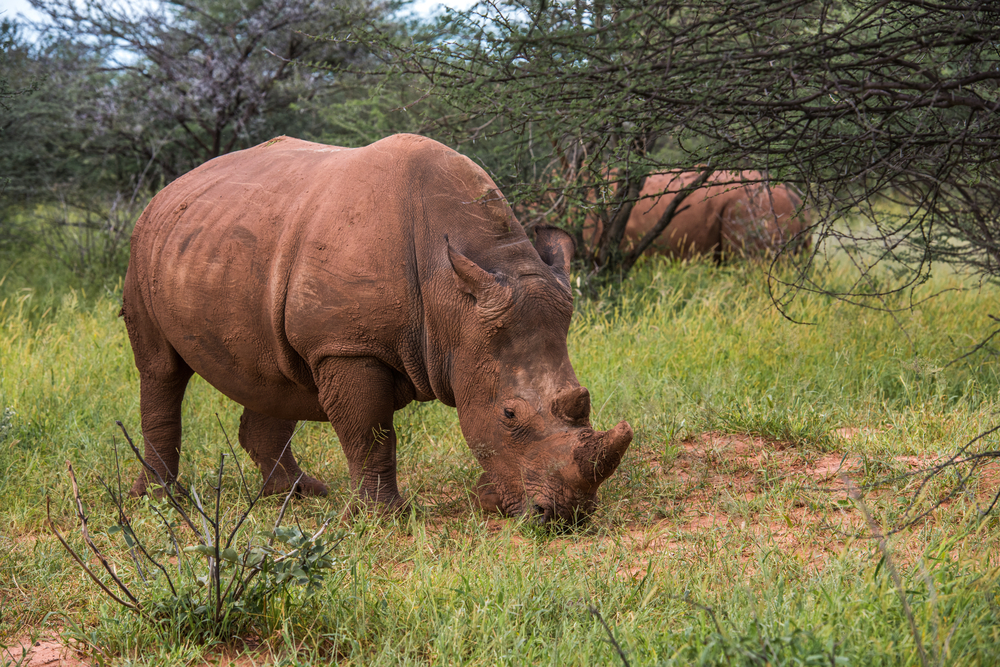
Wildlife within Waterberg Plateau National Park includes many species important to Namibia’s conservation programs. White rhinos, black rhinos, buffalo, sable antelope, roan antelope, giraffes, zebras, and wildebeest inhabit the park’s grasslands and woodland habitats. The park has served as a breeding and relocation center for endangered species that were later reintroduced into other parts of Namibia.
Smaller mammals such as baboons, warthogs, and antelope species are commonly seen while leopards occasionally move through more remote areas. Birdlife is also impressive with more than 200 species recorded, including eagles, hornbills, kingfishers, and colorful woodland birds that thrive near the plateau’s water sources.
Waterberg Plateau National Park plays a critical role in Namibia’s wildlife conservation strategy and has become a sanctuary for species threatened elsewhere by habitat loss and poaching. The plateau’s natural isolation provides added protection for vulnerable animals and supports ecological research and species recovery programs.
Compared to larger parks such as Etosha National Park or Kruger National Park, Waterberg offers a more intimate experience focused on scenery, conservation, and unique geology. Its combination of towering cliffs, rich biodiversity, and historical importance makes it one of Namibia’s most fascinating protected areas. Waterberg Plateau National Park remains a symbol of both natural beauty and long-term conservation success in southern Africa.
Photos
Things To Do

Waterberg Plateau National Park Trails
Waterberg Plateau National Park is a great place for trekking and hiking in the wilderness. There are trails through the gardens, across the plateau, and around the Waterberg wilderness. There are nine short trails located around the camp which provide experiences of different parts of the park.
Park Protection
Waterberg Plateau National Park was created to protect rare and endangered species. The area within the park and surrounding plateau is remote and inaccessible. This makes it much easier for the park to protect endangered wildlife.
The park and plateau region have been leveraged by the Namibian government and environmental services to breed, protect, and export rare species to support other national parks in the country. The Black Rhinos were reintroduced in 1989, and the park has a committed effort to protect and develop the species for sharing with other Namibia parks.
Along with protecting amazing landscapes the table mountain and plateau deliver, the national park is committed to helping rare and endangered species thrive so they can help repopulate other national parks in the country.
Sources
- All Trails, Best Trails In Waterberg Plateau National Park, https://www.alltrails.com/parks/namibia/otjozondjupa/waterberg-plateau-national-park, retrieved August 2020.
- Expert Africa, Waterberg Wilderness National Park, https://www.expertafrica.com/namibia/waterberg-plateau-national-park, retrieved August 2020.
- Info Namibia, Waterberg Plateau Park, https://www.info-namibia.com/activities-and-places-of-interest/waterberg/waterberg-plateaupark, retrieved August 2020.
- Ministry of Environment, Waterberg Plateau Park, http://www.met.gov.na/national-parks/waterberg-plateau-park/231/, retrieved August 2020.
- Rhino Africa, Waterberg Plateau, https://www.rhinoafrica.com/en/destinations/waterberg-plateau/2983, retrieved August 2020.
- Siyabona Africa, About Waterberg Plateau, Namibia, http://www.siyabona.com/waterberg-to-etosha-guide-info.html, retrieved August 2020.
- Waterberg Wilderness, Park Site, https://www.waterberg-wilderness.com, retrieved August 2020.