About

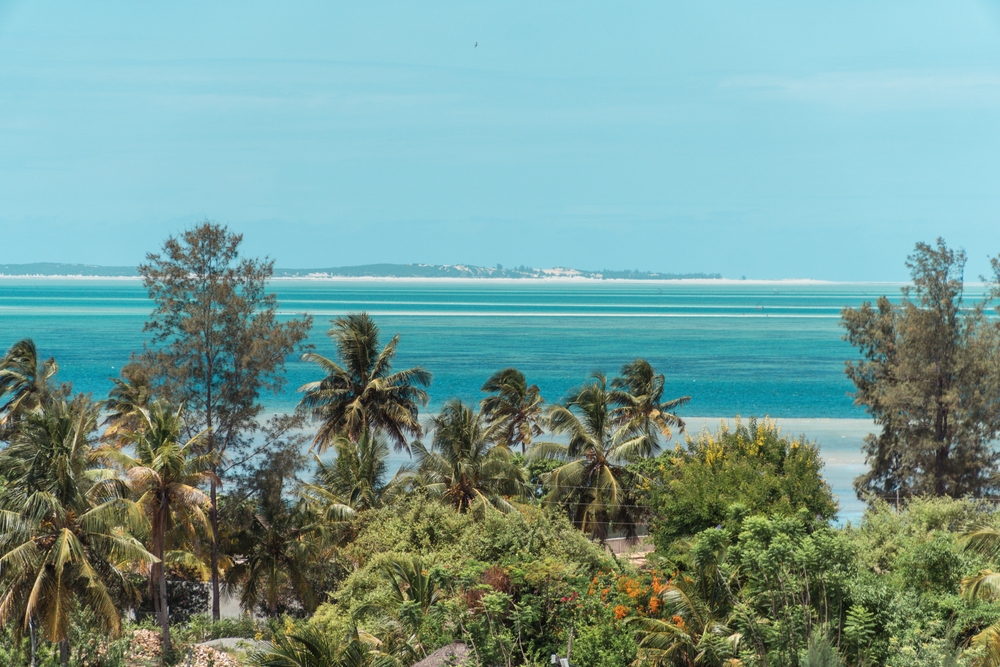
Quirimbas National Park, locally known as “Parque Nacional das Quirimbas,” is located in northern Mozambique within Cabo Delgado Province along the Indian Ocean coast. The park covers approximately 2,900 square miles (7,500 sq km) and protects a remarkable combination of marine and terrestrial ecosystems.

Established in 2002, the park encompasses the southern portion of the Quirimbas Archipelago, including numerous coral islands, mangrove forests, coastal habitats, and inland woodlands. Situated north of Quirimbas Archipelago and south of the Tanzanian border, the park is one of Mozambique’s largest and most diverse protected areas. Its unique blend of tropical islands, coral reefs, forests, and cultural heritage makes it one of East Africa’s most extraordinary conservation landscapes.

Quirimbas National Park is best known for its pristine coral reefs, idyllic tropical islands, and exceptional marine biodiversity. Visitors are drawn to white-sand beaches, turquoise waters, traditional Swahili coastal communities, and some of the most spectacular diving and snorkeling opportunities in the western Indian Ocean.

The park offers activities such as island-hopping, sailing, kayaking, scuba diving, fishing, birdwatching, and wildlife observation. Unlike many national parks that focus primarily on terrestrial wildlife, Quirimbas provides a unique opportunity to explore interconnected marine and coastal ecosystems. The archipelago’s remote beauty and cultural richness create an unforgettable experience for travelers seeking both adventure and natural beauty.

The geography of Quirimbas National Park is remarkably diverse. The protected area includes more than a dozen coral islands, extensive mangrove forests, seagrass meadows, coastal dunes, tropical woodlands, and river estuaries. Offshore coral reefs form some of the most biologically productive marine habitats in the region.

Inland areas support miombo woodlands, dry forests, and wetlands that provide important habitat for terrestrial wildlife. Warm ocean currents and seasonal monsoon influences contribute to high marine productivity and biodiversity. The interaction between marine and terrestrial ecosystems creates a dynamic landscape that supports an exceptional variety of species.

Wildlife within Quirimbas National Park is among the richest in Mozambique. The marine environment supports dolphins, humpback whales, dugongs, sea turtles, whale sharks, manta rays, and hundreds of species of tropical fish. Coral reefs provide habitat for colorful reef communities and numerous marine invertebrates. On land, the park supports elephant, buffalo, leopard, bushbuck, vervet monkeys, and other mammals adapted to coastal woodlands and forests.

Birdlife is particularly diverse, with more than 400 recorded species inhabiting mangroves, wetlands, forests, and coastal habitats. Kingfishers, fish eagles, herons, flamingos, bee-eaters, and numerous migratory shorebirds thrive throughout the park. The combination of marine and terrestrial biodiversity makes Quirimbas one of East Africa’s most ecologically important protected areas.

Quirimbas National Park plays a vital role in conserving one of the western Indian Ocean’s most significant coastal and marine ecosystems. The park protects coral reefs, mangrove forests, seagrass meadows, endangered marine species, and important wildlife habitats while supporting sustainable livelihoods for local communities. Its conservation significance is often compared to renowned marine protected areas such as Bazaruto Archipelago National Park and Mafia Island Marine Park because of its biodiversity and ecological importance.

However, Quirimbas stands apart through its extraordinary combination of tropical islands, marine ecosystems, forests, and cultural heritage. Today, the park remains one of Mozambique’s most valuable natural treasures, preserving a landscape where vibrant marine life and pristine coastal environments continue to flourish.

Things to See

Popular

Quirimbas National Park, located in northern Mozambique, encompasses a mix of marine and terrestrial ecosystems, including coral reefs, mangroves, savannahs, and coastal forests. This biodiversity hotspot is home to a wide variety of species that thrive in its diverse habitats.

Dugong (Dugong dugon)
Quirimbas National Park is a vital habitat for the dugong, a marine mammal that grazes on seagrass in shallow coastal waters. Dugongs are essential for maintaining healthy seagrass ecosystems and are a rare and treasured sight in the park.

Green Sea Turtle (Chelonia mydas)
An iconic species of Quirimbas, green sea turtles nest on the park’s beaches and forage in its coastal waters. These endangered reptiles play a critical role in maintaining the health of coral reefs and seagrass beds.

Bottlenose Dolphin (Tursiops truncatus)
Bottlenose dolphins are frequently spotted in the park’s waters, often swimming in pods near coral reefs and mangroves. They are highly social and use echolocation to hunt fish and squid.

Mozambique Girdled Lizard (Smaug mossambicus)
This robust lizard is a terrestrial species commonly found in the park’s dry forests and rocky areas. It preys on insects and small invertebrates and is known for its armored appearance.

Humphead Wrasse (Cheilinus undulatus)
This large, colorful reef fish is a vital predator on coral reefs, feeding on hard-shelled prey such as crustaceans and mollusks. It is an indicator of reef health in the park.

Coconut Crab (Birgus latro)
The coconut crab, the largest terrestrial arthropod, is found in Quirimbas’ coastal forests and beaches. It feeds on fruits, nuts, and carrion and is known for its incredible strength.

Spotted Seahorse (Hippocampus kuda)
This delicate marine species is a highlight for divers, living in the park’s seagrass meadows and coral reefs. Seahorses use their prehensile tails to anchor themselves and feed on tiny plankton.

Leopard (Panthera pardus)
Leopards are elusive predators that inhabit the park’s coastal forests and savannahs. They hunt antelope, warthogs, and other smaller mammals, using stealth and strength to ambush their prey.

Honey Badger (Mellivora capensis)
Known for its resilience and adaptability, the honey badger is a small but fearless omnivore found in the park’s savannahs and forests. It preys on insects, small mammals, and reptiles.

Crocodile (Crocodylus niloticus)
The park’s mangroves and coastal rivers are home to Nile crocodiles, apex predators that hunt fish, mammals, and other animals. They play a critical role in the aquatic ecosystems of Quirimbas.

Birds

Quirimbas National Park is a birdwatcher’s paradise, with its mix of marine, wetland, and forest habitats supporting an incredible diversity of avian life. It is home to both resident and migratory bird species.

African Fish Eagle (Haliaeetus vocifer)
This iconic raptor is frequently seen perched along waterways, where it hunts fish and occasionally scavenges. Its call is a hallmark of the park’s wilderness.

Crab-plover (Dromas ardeola)
This wading bird is often seen along the park’s beaches, feeding on crabs and other small invertebrates with its sturdy bill.

Greater Flamingo (Phoenicopterus roseus)
These elegant birds are a highlight of the park’s lagoons, feeding on algae and small crustaceans. Their synchronized movements are mesmerizing to watch.

Mangrove Kingfisher (Halcyon senegaloides)
A vibrant resident of Quirimbas’ mangroves, this kingfisher hunts fish, crabs, and insects along the waterways.

Osprey (Pandion haliaetus)
A skilled hunter, the osprey is often seen diving into the park’s waters to catch fish, showcasing its sharp eyesight and precision.

Yellow-billed Stork (Mycteria ibis)
This large wading bird frequents Quirimbas’ wetlands, using its long bill to sweep through shallow waters for fish and invertebrates.

Southern Carmine Bee-eater (Merops nubicoides)
This brightly colored bird nests in colonies along sandy riverbanks and feeds on flying insects, creating a dazzling spectacle.

Grey Heron (Ardea cinerea)
Often seen in the park’s wetlands, this patient hunter catches fish, frogs, and small reptiles with its sharp beak.

African Skimmer (Rynchops flavirostris)
This unique bird skims the surface of water with its elongated lower bill to catch fish, offering a fascinating display.

Pied Kingfisher (Ceryle rudis)
Known for its hovering dives, the pied kingfisher is a common sight near the park’s waterways, expertly hunting small fish.

Things To Do

Engaging Quirimbas National Park

placeholder

Snorkeling & Diving

Quirimbas National Park is renowned for its vibrant coral reefs, making snorkeling and diving two of the most popular ways to explore its underwater wonders. The reefs teem with marine life, including humphead wrasse, spotted seahorses, and a dazzling array of colorful reef fish.

Divers and snorkelers can also encounter larger species such as reef sharks and green sea turtles. Guided diving tours cater to all skill levels, from beginner-friendly shallow reefs to deeper, more challenging dive sites featuring caves and drop-offs. The crystal-clear waters of Quirimbas provide excellent visibility, allowing visitors to fully appreciate the beauty and complexity of the reef ecosystems.

These activities not only offer adventure and excitement but also foster an appreciation for marine conservation, as guides highlight the importance of preserving coral reefs and their inhabitants.

placeholder

Dhow Safaris

Exploring the Quirimbas Archipelago by traditional dhow sailboats is a unique and culturally immersive way to experience the park. Dhow safaris often include stops at several islands, each offering its own attractions.

Visitors can stroll along pristine beaches, explore mangroves, or visit local fishing villages to learn about the traditional lifestyles of the region’s inhabitants. Some islands, like Ibo, feature historical ruins that reflect the area’s rich cultural heritage.

Dhow safaris also provide opportunities for snorkeling, swimming, or simply relaxing on deck while taking in the stunning scenery. This activity combines adventure, culture, and relaxation, making it an unforgettable experience.

placeholder

Kayaking

Kayaking through the mangroves of Quirimbas National Park offers an intimate and peaceful way to connect with its ecosystems. These dense coastal forests are teeming with life, providing habitats for species like the coconut crab and mangrove kingfisher.

Guided kayaking tours allow visitors to navigate narrow waterways, observing the intricate root systems and the wildlife that thrives within this unique environment. The quietness of kayaking makes it ideal for spotting shy animals and birds, creating a truly immersive experience.

Guides also explain the critical role of mangroves in protecting coastlines from erosion and supporting marine life. Kayaking in Quirimbas is an eco-friendly and enriching way to explore the park.