About

Bazaruto Archipelago National Park, locally known as “Parque Nacional do Arquipélago do Bazaruto,” is located off the coast of southern Mozambique in the Indian Ocean near the town of Vilankulo. The park covers approximately 550 square miles (1,430 sq km) and encompasses a chain of islands, coral reefs, seagrass meadows, and surrounding marine waters.

Established in 1971, the park protects the largest island archipelago in Mozambique and is widely regarded as one of the most important marine conservation areas in Africa. The protected area includes the islands of Bazaruto, Benguerra, Magaruque, Santa Carolina, and Bangué, creating a diverse coastal ecosystem that supports exceptional marine biodiversity. Today, the park is recognized internationally for its pristine beaches, crystal-clear waters, and globally significant marine habitats.

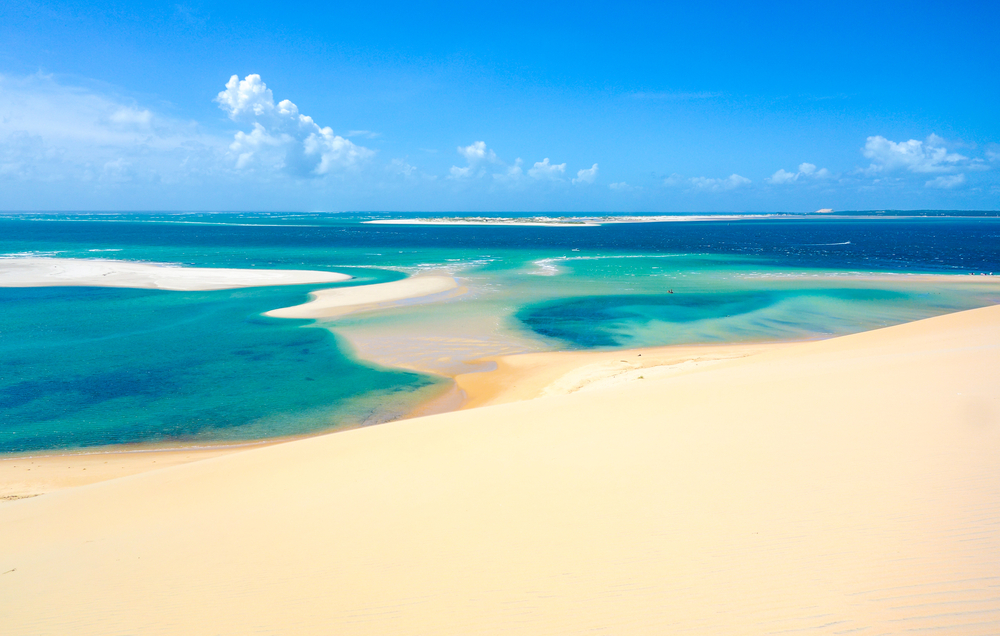
Bazaruto Archipelago National Park is best known for its spectacular marine environments and world-class opportunities for snorkeling, diving, and wildlife observation. Visitors are drawn to turquoise lagoons, coral reefs, towering sand dunes, and some of the most beautiful beaches in the Indian Ocean.

The park offers exceptional opportunities to explore vibrant underwater ecosystems inhabited by tropical fish, sea turtles, dolphins, and other marine life. Boat excursions, island exploration, kayaking, sailing, and deep-sea fishing are among the most popular activities. The combination of tropical island scenery and extraordinary biodiversity has made Bazaruto one of Africa’s premier coastal destinations.

The geography of Bazaruto Archipelago National Park is shaped by the interaction of ocean currents, coral reefs, and coastal processes. The islands are characterized by expansive sand dunes, freshwater lakes, wetlands, grasslands, and coastal forests. Offshore reefs create sheltered lagoons that support diverse marine ecosystems, while seagrass beds provide critical habitat for numerous aquatic species.

The warm waters of the Mozambique Channel contribute to high levels of marine productivity and biodiversity. Seasonal tides and ocean currents continually shape the islands and surrounding habitats, creating a dynamic environment that supports both terrestrial and marine life.

Wildlife within Bazaruto Archipelago National Park is among the most remarkable in the western Indian Ocean. The park is one of the last significant refuges for the endangered dugong, a rare marine mammal closely related to the manatee. Dolphins, humpback whales, whale sharks, manta rays, sea turtles, and numerous fish species inhabit the park’s waters.

Coral reefs support vibrant communities of tropical marine life, making the area a paradise for divers and snorkelers. Birdlife is equally impressive, with flamingos, herons, kingfishers, fish eagles, terns, and migratory shorebirds utilizing the islands and coastal habitats. The combination of marine and terrestrial ecosystems creates exceptional biodiversity throughout the archipelago.

Bazaruto Archipelago National Park plays a critical role in conserving one of Africa’s most important marine ecosystems. The park protects coral reefs, seagrass meadows, coastal habitats, and endangered marine species while supporting sustainable tourism and scientific research. Its conservation significance is often compared to marine protected areas such as Aldabra Atoll and Bonaire National Marine Park because of its biodiversity and ecological importance.

As pressures from climate change, overfishing, and coastal development continue to affect marine environments worldwide, Bazaruto serves as a vital sanctuary for marine life in the western Indian Ocean. Today, the park remains one of Mozambique’s greatest natural treasures, preserving a stunning archipelago where pristine beaches, thriving reefs, and extraordinary wildlife coexist in a spectacular tropical setting.

Things to See

Popular

Bazaruto National Park, located off the coast of Mozambique, is a marine paradise encompassing vibrant coral reefs, pristine beaches, and lush mangroves. The park’s unique ecosystems support a rich diversity of marine and terrestrial species, making it a haven for wildlife enthusiasts.

Dugong (Dugong dugon)
One of the park’s most iconic species, the dugong is a marine mammal closely related to manatees. These gentle creatures graze on seagrass meadows in shallow coastal waters, playing a crucial role in maintaining the health of the ecosystem.

Bottlenose Dolphin (Tursiops truncatus)
Bottlenose dolphins are frequently spotted in the park’s clear waters, often swimming alongside boats. These highly social and intelligent mammals feed on fish and squid and are known for their playful behavior.

Green Sea Turtle (Chelonia mydas)
This endangered species nests on the park’s beaches and feeds on seagrass and algae in the coastal waters. Green sea turtles are a vital part of the marine ecosystem, helping to maintain seagrass bed health.

Humpback Whale (Megaptera novaeangliae)
During their migration season, humpback whales pass through the waters of Bazaruto National Park. These massive marine mammals are known for their acrobatic breaches and haunting songs.

Reef Shark (Carcharhinus spp.)
Several species of reef sharks inhabit the park’s coral reefs. These apex predators maintain balance in the marine ecosystem by controlling fish populations.

Mozambique Girdled Lizard (Smaug mossambicus)
This terrestrial reptile is commonly found in the park’s dune systems and forests. It preys on insects and small invertebrates and is known for its robust, armored appearance.

Humphead Wrasse (Cheilinus undulatus)
One of the largest reef fish, the humphead wrasse is a vibrant and vital resident of Bazaruto’s coral reefs. It feeds on hard-shelled prey like crustaceans and mollusks, contributing to reef health.

Ghost Crab (Ocypode spp.)
These small, fast-moving crabs are a common sight along the park’s sandy beaches. Ghost crabs scavenge for food and play an essential role in cleaning up organic debris.

Spotted Seahorse (Hippocampus kuda)
The spotted seahorse thrives in the park’s seagrass meadows and coral reefs. Its unique appearance and slow, deliberate movements make it a favorite among divers.

African Civet (Civettictis civetta)
On the terrestrial side, the African civet is occasionally seen in the park’s forests. Nocturnal and solitary, this omnivore feeds on fruits, small mammals, and insects.

Birds

Bazaruto National Park is a birdwatcher’s dream, with its mix of coastal, wetland, and forest habitats supporting a wide variety of avian species. The park is a critical area for both resident and migratory birds.

Greater Flamingo (Phoenicopterus roseus)
These elegant birds are often seen wading in the park’s shallow lagoons, feeding on algae and small invertebrates. Their synchronized movements are a captivating sight.

African Fish Eagle (Haliaeetus vocifer)
The iconic call of the African fish eagle is a familiar sound in Bazaruto, where it hunts for fish along the park’s waterways.

Osprey (Pandion haliaetus)
This migratory bird of prey is commonly seen diving into the water to catch fish. Its sharp eyesight and precise hunting techniques make it a standout species.

Mangrove Kingfisher (Halcyon senegaloides)
This vibrant kingfisher inhabits the park’s mangrove forests, feeding on fish, crabs, and insects along the waterways.

Greater Crested Tern (Thalasseus bergii)
Often seen in large flocks, this coastal bird feeds on fish by diving into the water from above. Its sharp call is a common sound near the shores.

Pied Kingfisher (Ceryle rudis)
A skilled fisher, this bird hovers over the water before diving to catch fish, providing a fascinating display for birdwatchers.

Crab-plover (Dromas ardeola)
This wader is often seen along the park’s beaches, using its sturdy bill to feed on crabs and other small invertebrates.

Pink-backed Pelican (Pelecanus rufescens)
These large birds gather near lagoons and estuaries, where they fish in groups, scooping up prey with their expansive bills.

African Skimmer (Rynchops flavirostris)
This unique bird skims the water’s surface with its elongated lower bill to catch fish, offering a mesmerizing sight during feeding.

Lesser Frigatebird (Fregata ariel)
Often spotted soaring above the park, this bird is known for its impressive wingspan and agile flight. It feeds on fish and small marine creatures, often snatched from the water or other birds.

Things To Do

Engaging Bazaruto Archipelago National Park

placeholder

Snorkeling & Diving

One of the most popular ways to experience Bazaruto National Park is through snorkeling and diving in its pristine coral reefs. These underwater ecosystems are teeming with vibrant marine life, including species like humphead wrasse, reef sharks, and spotted seahorses.

Snorkelers and divers are treated to breathtaking views of coral gardens, where the interplay of sunlight and crystal-clear water illuminates the brilliant colors of the reef. Guided diving tours cater to all skill levels, from beginners exploring shallow reefs to advanced divers venturing to deeper waters and caves.

The reefs also provide an opportunity to encounter rare species such as the elusive dugong, a highlight for any marine enthusiast. Exploring Bazaruto’s coral reefs offers not only a thrilling adventure but also a deeper appreciation of the fragile beauty of marine ecosystems.

placeholder

Dhow Safaris

Dhow safaris—traditional sailing boat excursions—are a unique and relaxing way to explore the Bazaruto Archipelago. These safaris often include stops at various islands within the park, such as Benguerra and Magaruque, each offering its own unique landscapes and attractions.

Visitors can enjoy pristine beaches, explore coastal mangroves, and hike to scenic viewpoints. Dhow safaris also provide opportunities for snorkeling, fishing, or simply relaxing onboard while soaking in the stunning surroundings. The combination of traditional sailing and modern activities creates a culturally rich and environmentally friendly way to engage with the park.

placeholder

Wildlife Viewing

Bazaruto National Park is a haven for wildlife and bird enthusiasts, offering guided tours that showcase its remarkable biodiversity. The park’s seagrass meadows and wetlands attract species like dugongs, dolphins, and green sea turtles, while its diverse birdlife includes flamingos, African fish eagles, and mangrove kingfishers.

Birdwatching tours take visitors to the best viewing spots, often near lagoons and mangroves, where they can observe birds feeding, nesting, or in flight.

For those interested in terrestrial species, exploring the park’s forests and dunes offers opportunities to spot reptiles like the Mozambique girdled lizard and occasional sightings of African civets. Wildlife and birdwatching tours in Bazaruto provide a holistic experience of the park’s interconnected ecosystems.