

About
Magoe National Park, locally known as “Parque Nacional do Magoe,” is located in northwestern Mozambique along the southern shoreline of Lake Cahora Bassa in Tete Province. The park covers approximately 1,370 square miles (3,550 sq km) and protects a vast landscape of woodlands, savannas, river valleys, and lakeshore habitats.
Officially designated as a national park in 2013, Magoe represents one of Mozambique’s newest and most ambitious conservation initiatives. The park lies east of Mana Pools National Park and north of Matusadona National Park, forming part of a broader conservation landscape associated with the Zambezi River basin. Its location near Lake Cahora Bassa gives it a unique ecological character and significant conservation value.
Magoe National Park is best known for its vast wilderness, scenic lakeshore landscapes, and ongoing wildlife restoration efforts. As one of Mozambique’s emerging safari destinations, the park offers visitors opportunities to experience remote and largely untouched ecosystems away from heavily visited tourist routes.
The shores of Lake Cahora Bassa provide spectacular scenery, while the surrounding savannas and woodlands support growing wildlife populations. Visitors are drawn to game viewing, birdwatching, boating, fishing, photography, and wilderness exploration. The park’s relative isolation creates an authentic safari atmosphere and offers a glimpse into one of southern Africa’s developing conservation success stories.
The geography of Magoe National Park is shaped by its proximity to Lake Cahora Bassa, one of Africa’s largest reservoirs. The landscape consists of rolling hills, open savannas, mopane woodlands, seasonal rivers, and rocky escarpments overlooking the lake. Numerous drainage systems flow toward the Zambezi River and contribute to the ecological diversity of the region.
The lake moderates local climate conditions and provides an important source of water for wildlife throughout the year. Vegetation includes extensive mopane forests, acacia woodlands, grasslands, and riverine habitats that support a variety of plant and animal species. The combination of terrestrial and aquatic environments creates a rich and dynamic ecosystem.
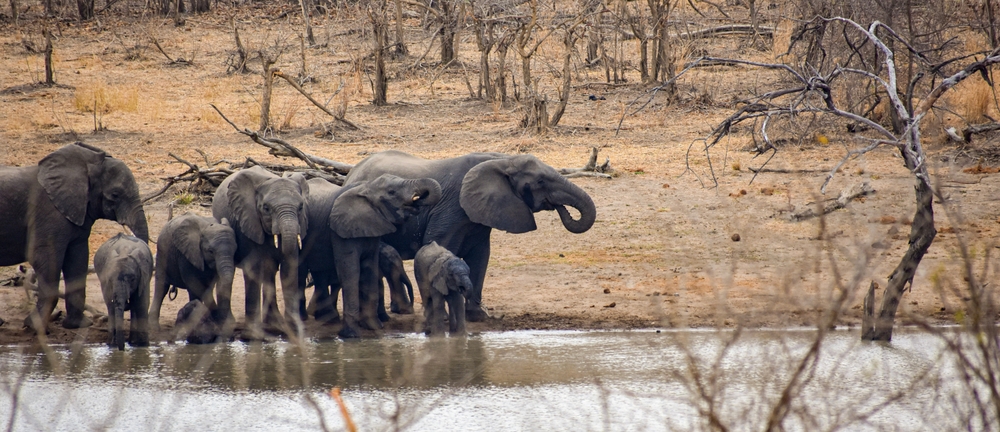
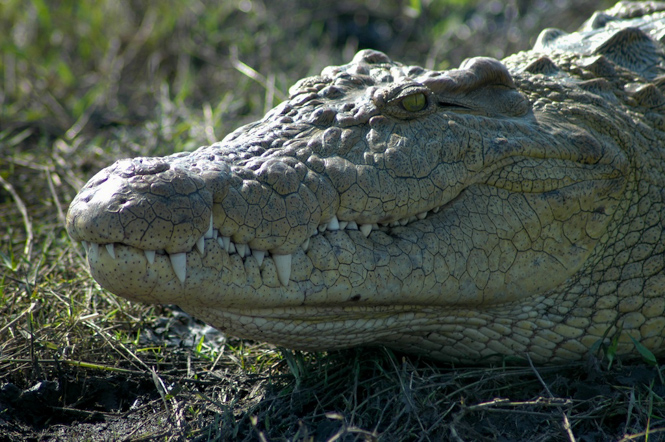
Wildlife within Magoe National Park continues to recover through conservation and restoration programs. Large mammals include elephant, African buffalo, sable antelope, waterbuck, impala, kudu, zebra, and several other herbivore species. Predators such as lion, leopard, spotted hyena, and smaller carnivores also inhabit the park, although populations are still developing in some areas. The shoreline and surrounding waterways support hippopotamuses, crocodiles, and diverse fish populations.
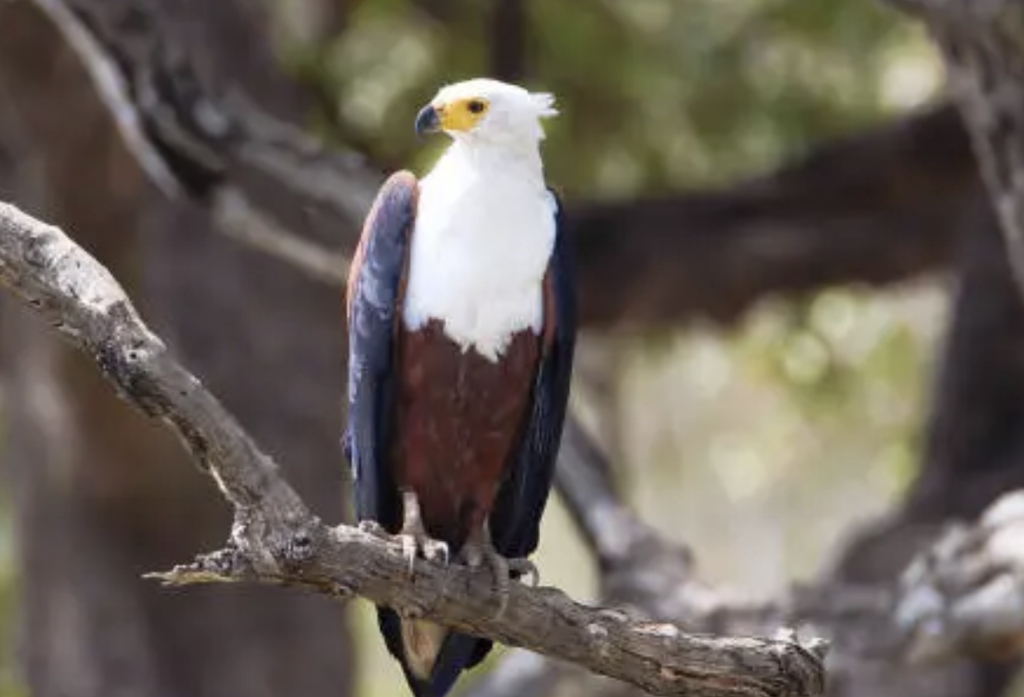
Birdlife is particularly impressive, with hundreds of species recorded throughout the park. African fish eagles, kingfishers, herons, storks, bee-eaters, and numerous migratory birds thrive within the lakeshore and woodland habitats. The park’s location along an important water system contributes significantly to its biodiversity.
Magoe National Park plays a critical role in conserving northwestern Mozambique’s wildlife and protecting ecosystems associated with the Zambezi River basin and Lake Cahora Bassa. The park safeguards important habitats for large mammals, birds, and aquatic species while contributing to regional conservation efforts across southern Africa.
Its conservation significance is closely linked to neighboring protected areas such as Mana Pools National Park and Matusadona National Park, which together help maintain ecological connectivity within the greater Zambezi landscape. As wildlife populations continue to recover, Magoe is emerging as one of Mozambique’s most promising conservation areas. Today, the park stands as an important refuge for biodiversity and a testament to the country’s commitment to preserving its natural heritage.
Things to See
Things To Do
Engaging Magoe National Park
