About

Meru National Park is located in eastern Kenya, about 220 miles (350 km) northeast of Nairobi. The park covers roughly 336 square miles (870 sq km). It forms part of a larger protected ecosystem that includes Bisanadi National Reserve and Kora National Park.

Together, these landscapes create one of Kenya’s largest wilderness regions. Meru remains less crowded than many famous safari destinations. That isolation gives the park a wild and untamed atmosphere allowing visitors to experience long stretches of open wilderness without seeing another vehicle.

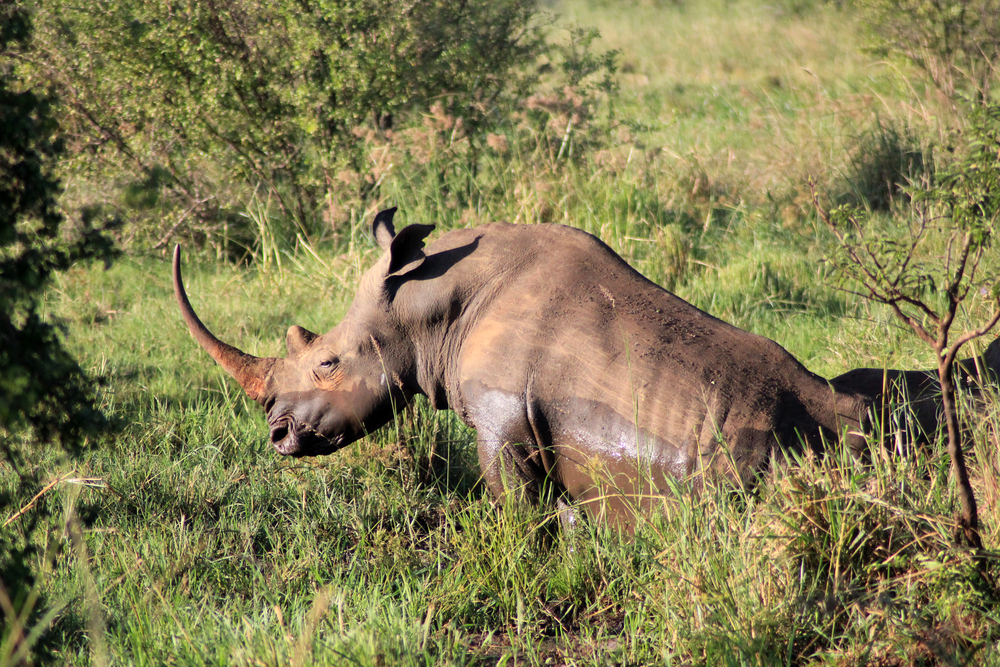
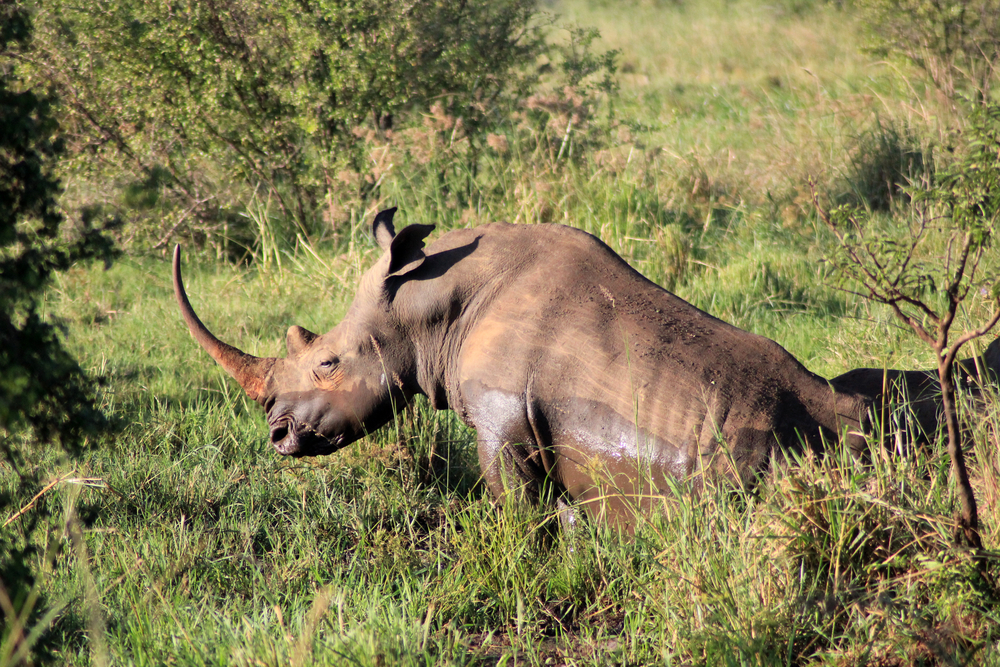
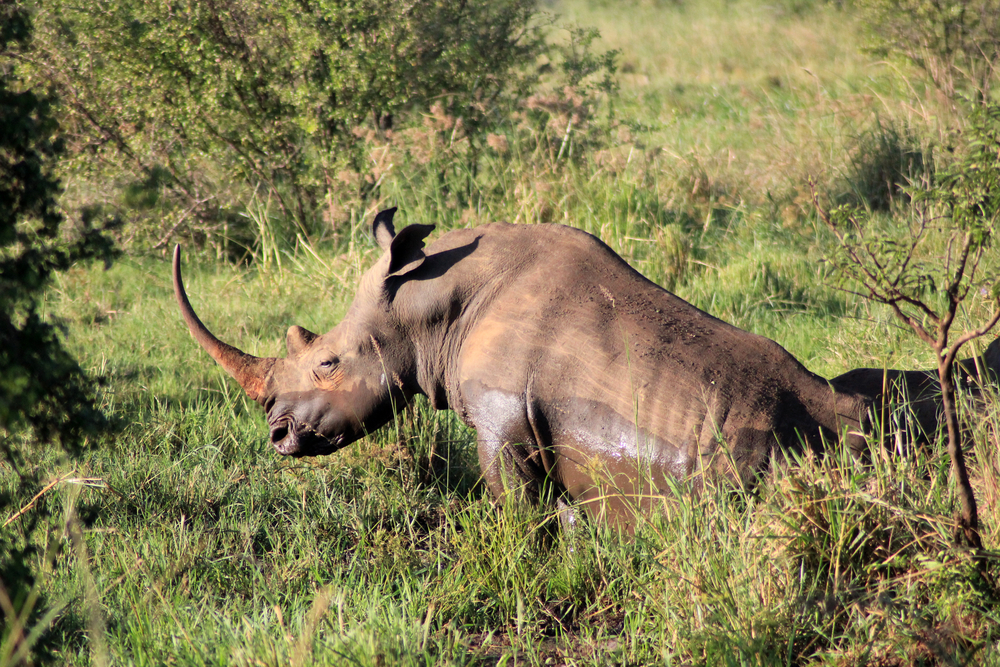
The park is best known for its connection to conservationists George and Joy Adamson. Elsa the lioness from the book and film Born Free was raised in this region. Meru is also famous for its successful rhino sanctuary. The sanctuary protects both black and white rhinos within a secure section of the park. Wildlife viewing is excellent throughout the year.

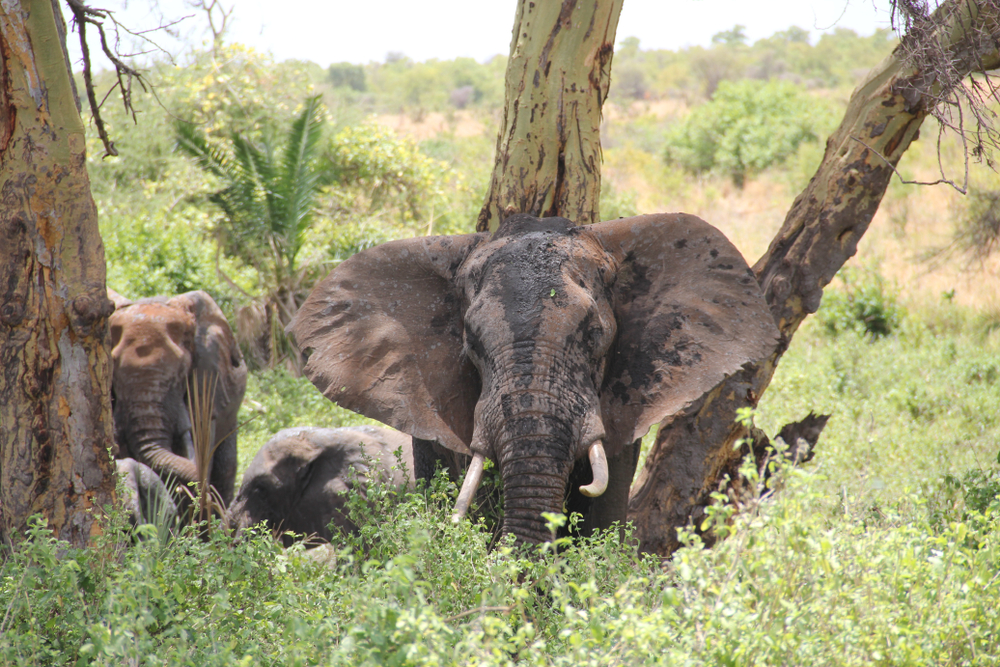
Large elephant herds often gather near rivers and open plains. Lions, cheetahs, and leopards roam the savanna. Buffalo, giraffes, zebras, and antelope are common across the landscape. The park also supports rare species such as Grevy’s zebras and lesser kudus. Birdwatchers are drawn to the park’s remarkable diversity. More than 400 bird species have been recorded in the ecosystem.

Meru National Park has a striking and varied landscape. Rolling grasslands stretch across much of the park. Thick acacia woodlands and doum palm groves line the waterways. Several rivers cross the protected area, including the Tana, Rojewero, and Ura Rivers. These permanent water sources support wildlife during dry periods.

Seasonal swamps and floodplains add further diversity to the environment. The park also contains volcanic soils and rocky outcrops that shape the terrain. In some areas, dense bush creates ideal cover for predators and browsing animals. The contrast between open plains and riverine forests makes the scenery especially dramatic.

Wildlife thrives because of the park’s rich mix of habitats. Elephants are among the most recognizable animals in Meru. Many visitors also hope to see lions resting beneath acacia trees. Cheetahs hunt in open grasslands where visibility is high. Hippos and crocodiles inhabit the rivers and wetlands.

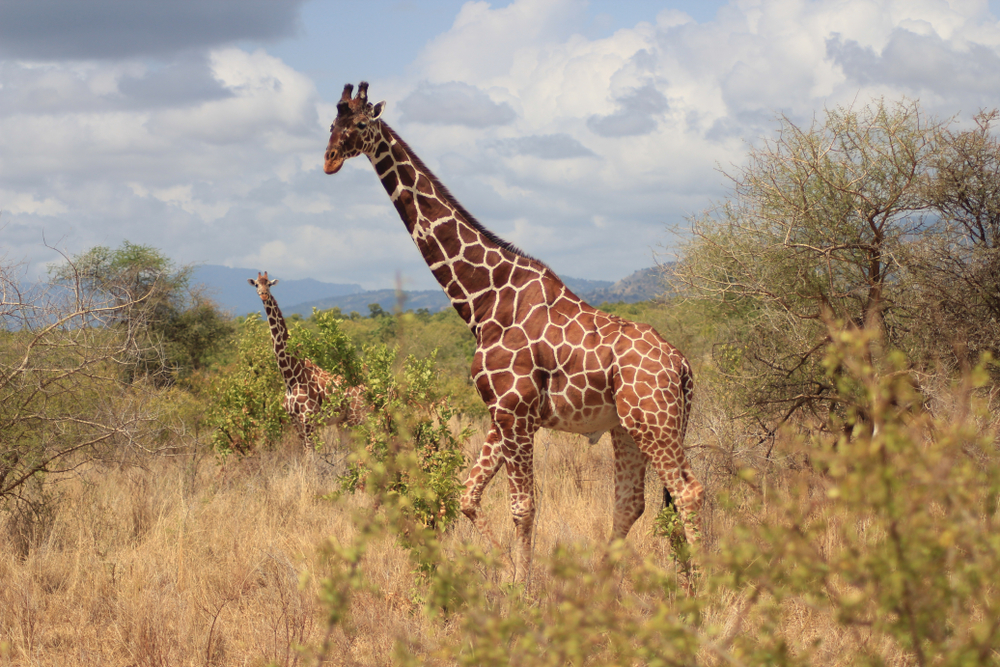
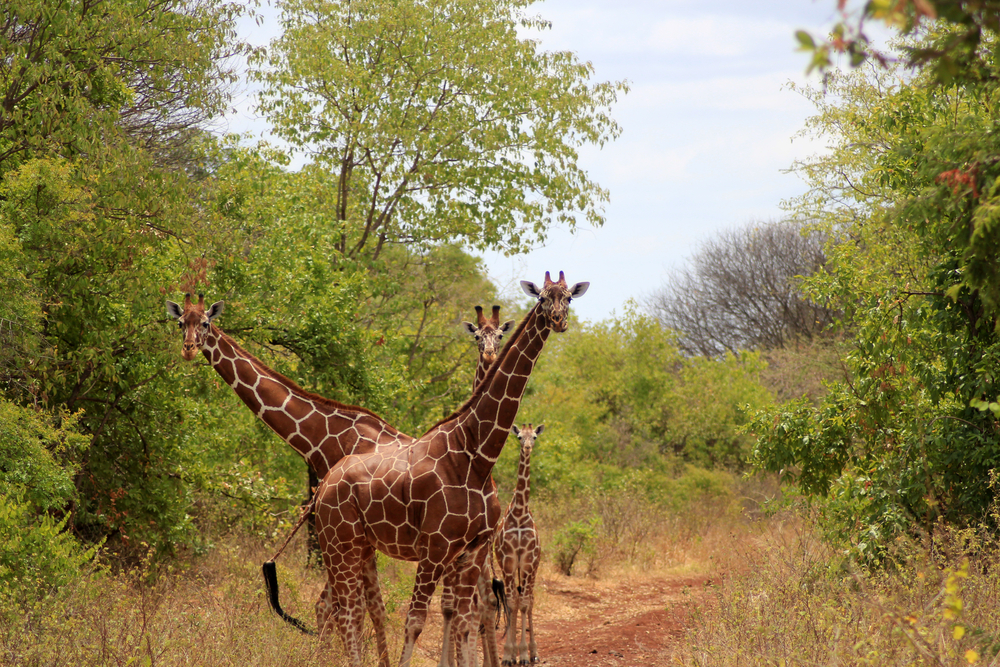
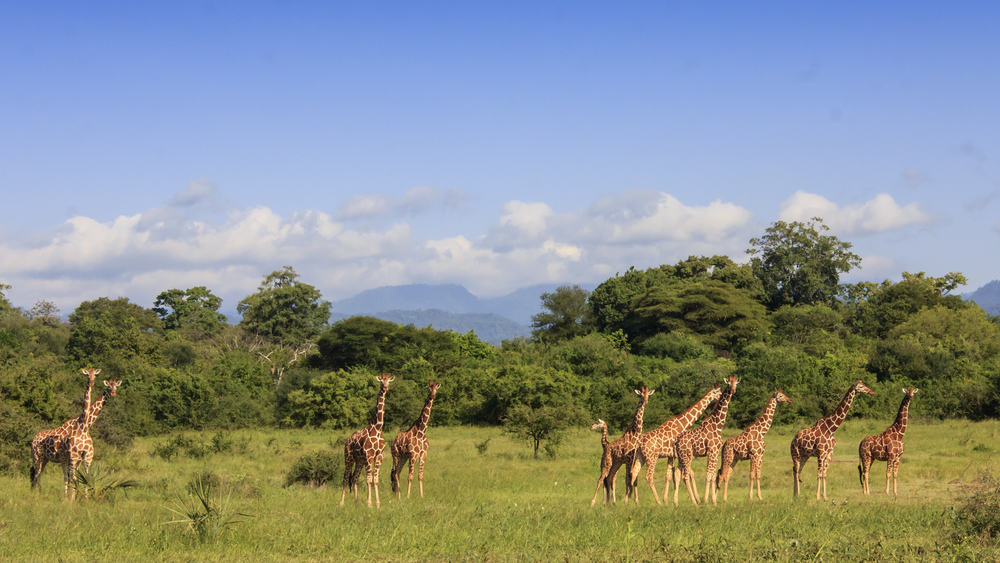
Reticulated giraffes move gracefully through the woodland areas. The park is also home to aardwolves, caracals, and servals, although they are rarely seen. Birdlife includes kingfishers, bee-eaters, hornbills, and fish eagles. During certain seasons, migrant birds add even more color to the skies.

Meru National Park protects an important section of Kenya’s northern wilderness. The ecosystem serves as a refuge for threatened species and migratory wildlife. Conservation efforts have restored animal populations after years of poaching pressure. Today, the park stands as a symbol of ecological recovery and long-term protection.

Its remote character is often compared to South Luangwa National Park in Zambia and Selous Game Reserve in Tanzania. Like those parks, Meru offers vast wilderness, strong predator populations, and an authentic safari experience. The park preserves a vision of East Africa that feels timeless and wonderfully wild.

Things to See

The wildlife of Meru is the highlight of the national park.  Visitors can also see the home where George and Joy Adamson lived.  The waterfall named after the family is also a nice tourist attraction.

The park also has a proximity to the tallest mountain in Kenya giving visitors a view of Mount Kenya.

Tanzania's No. 2

Tanzania's No. 2

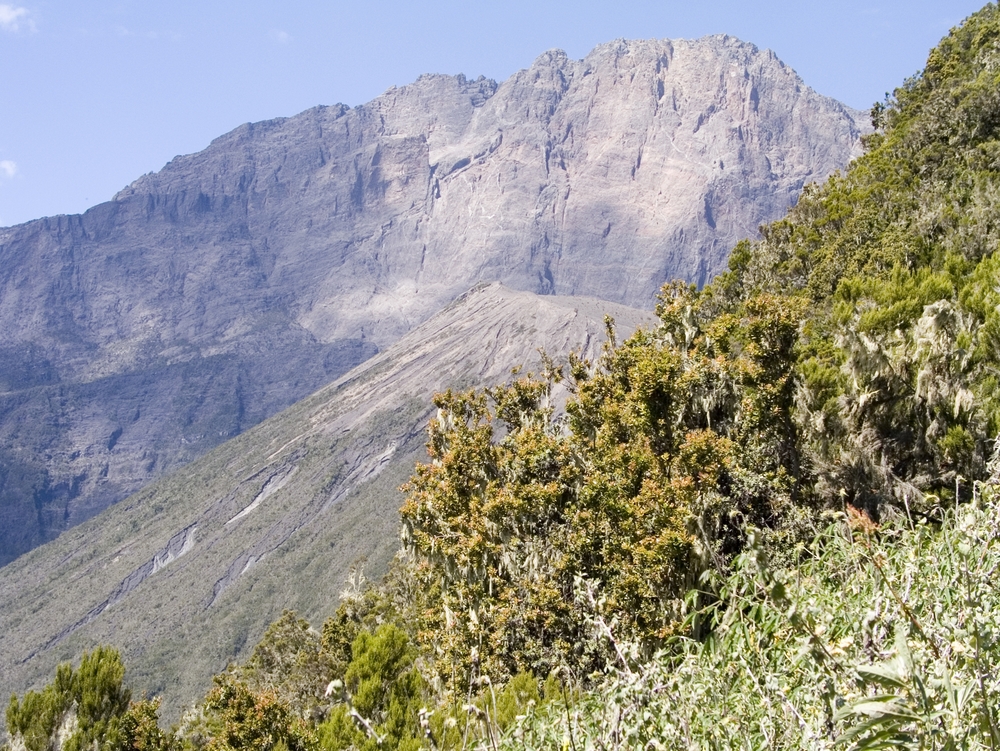
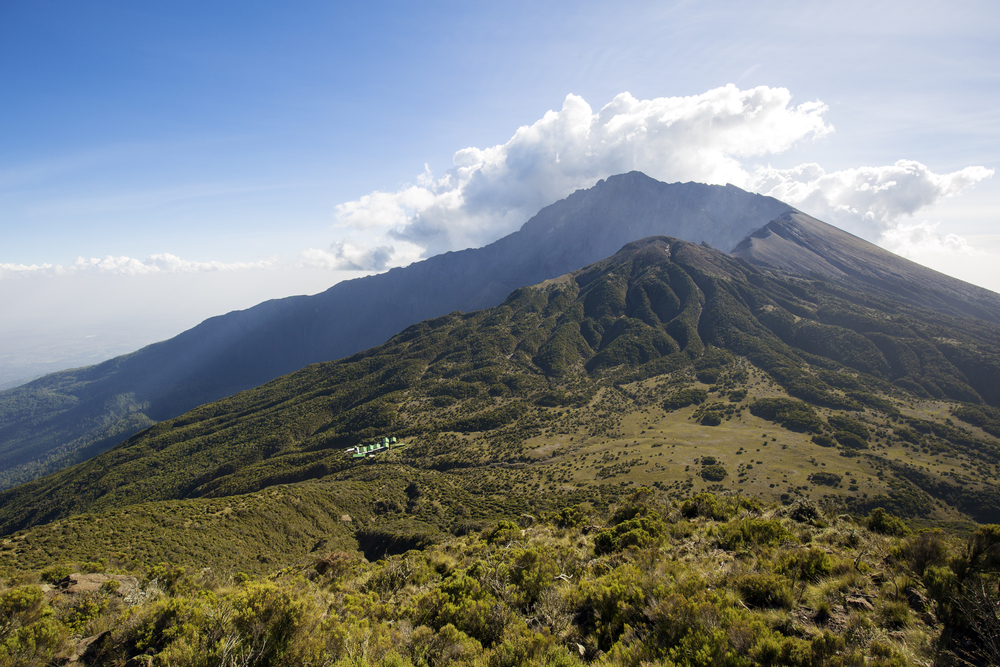
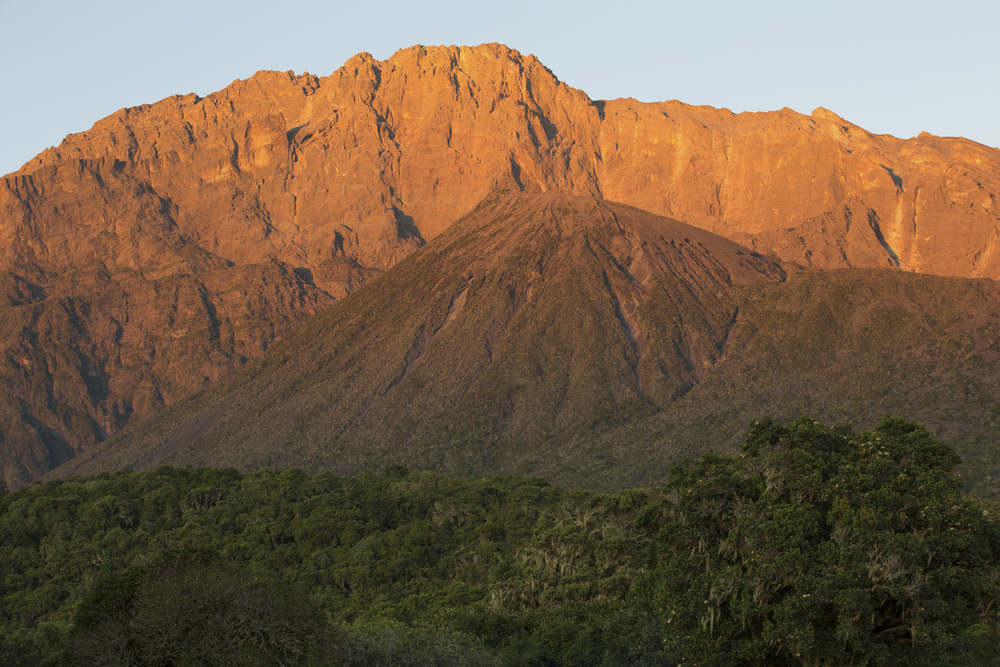
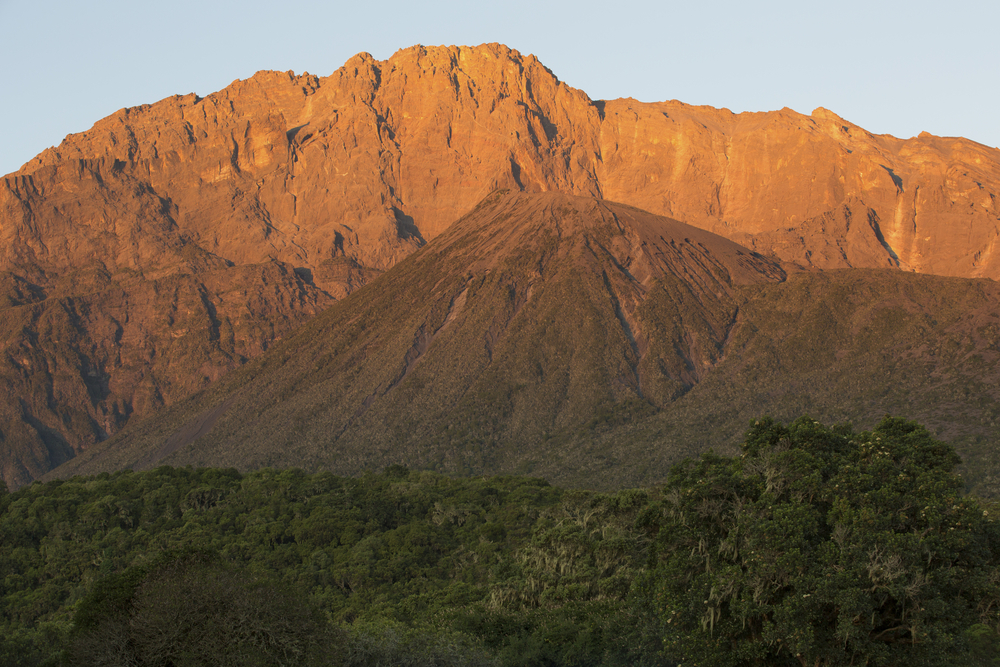
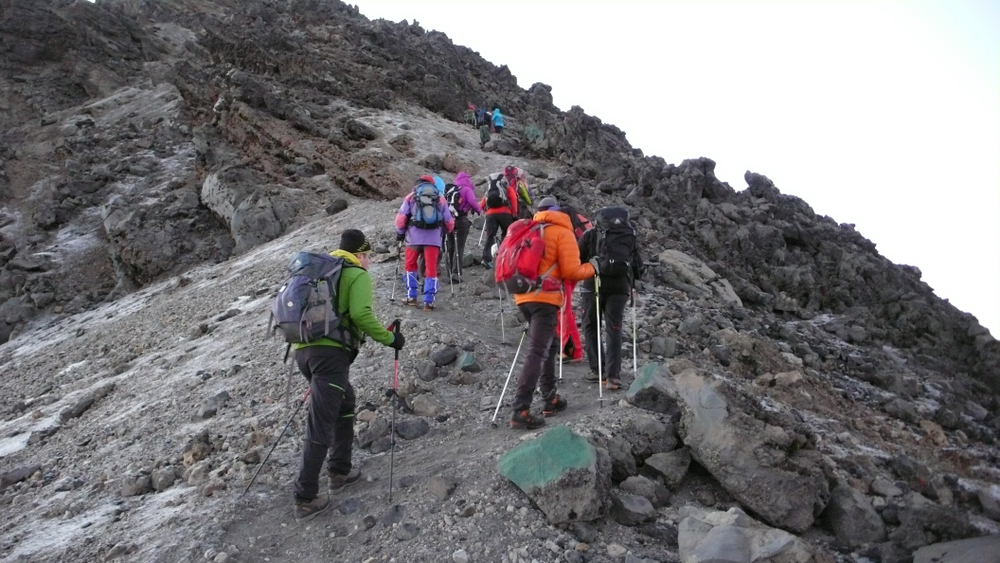
Standing majestically at 4,562 meters (14,967 feet) above sea level, Mount Meru is Tanzania’s second-highest peak and an iconic landmark within Meru National Park.

As visitors ascend this dormant stratovolcano, they embark on a thrilling adventure through diverse landscapes, including lush rainforests, heath, and alpine desert zones.

The trek offers unparalleled opportunities to witness rich biodiversity, including endemic flora and fauna such as colobus monkeys, leopards, and rare bird species.

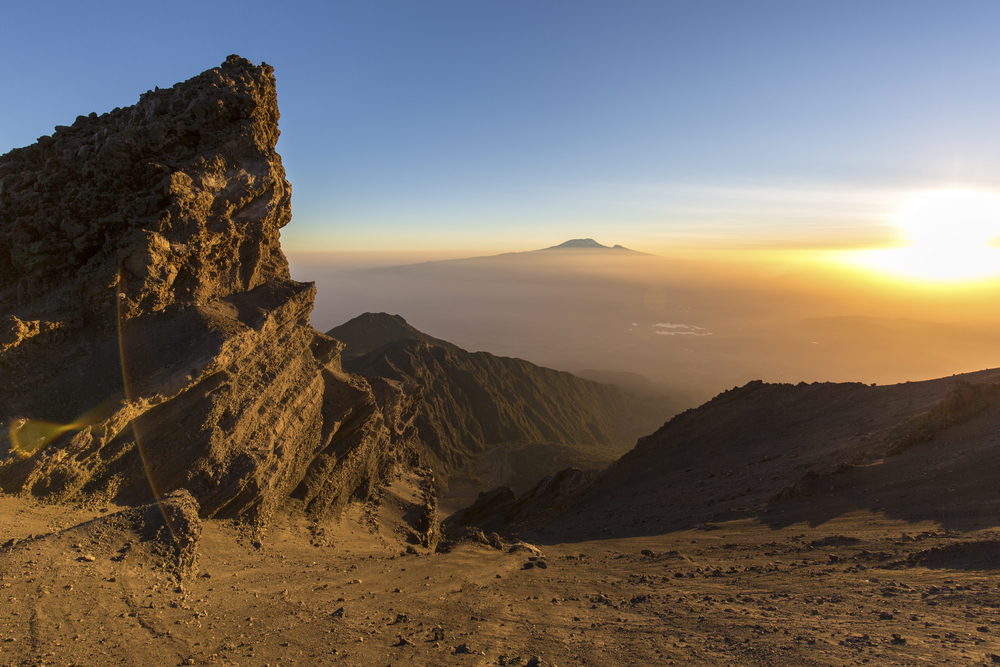
Along the way, climbers navigate challenging terrain, traverse narrow ridges, and conquer steep slopes, all while soaking in panoramic vistas of the surrounding plains and distant Mount Kilimanjaro.

At the summit, adventurers are rewarded with awe-inspiring views of the sunrise over the African savanna, creating unforgettable memories of their journey to the roof of Tanzania.

Predators

Predators

Mount Meru National Park harbors a variety of predator species, essential for maintaining the balance of its diverse ecosystem. Here are some of the park’s notable predators:

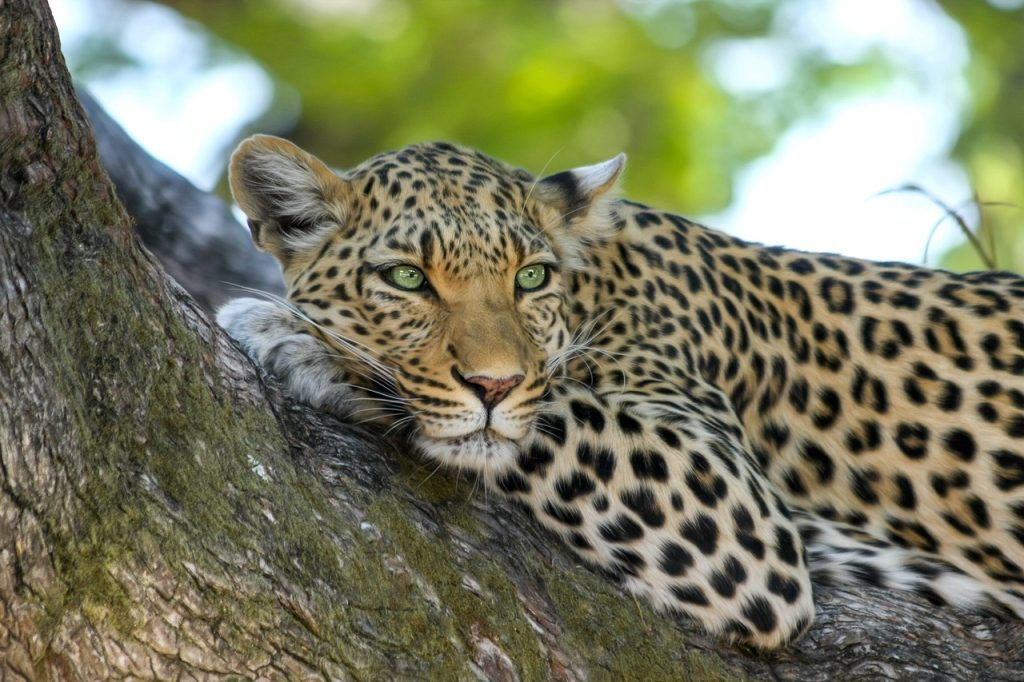
African Leopard: Stealthy and elusive, the African leopard prowls the forests and grasslands of Mount Meru, preying on smaller mammals like antelope and monkeys with unmatched agility.

Spotted Hyena: With powerful jaws and a keen sense of smell, the spotted hyena scavenges for leftovers but is also a skilled hunter, often seen in packs patrolling the park’s savannahs.

African Wild Dog: Known for their cooperative hunting strategies, African wild dogs roam Mount Meru in tight-knit packs, preying on various ungulates and maintaining ecological balance in the ecosystem.

Lion: Although less common than in other parks, lions still roam Mount Meru’s plains and woodlands, forming prides that hunt larger prey like buffalo and zebra, contributing to the park’s biodiversity.

Serval: Sleek and agile, the serval is a solitary hunter found in Mount Meru’s grasslands and marshes. With keen senses, it stalks small mammals and birds with remarkable precision.

Popular

Popular

Meru National Park boasts a rich diversity of wildlife beyond its predators, offering visitors remarkable sightings of iconic species:

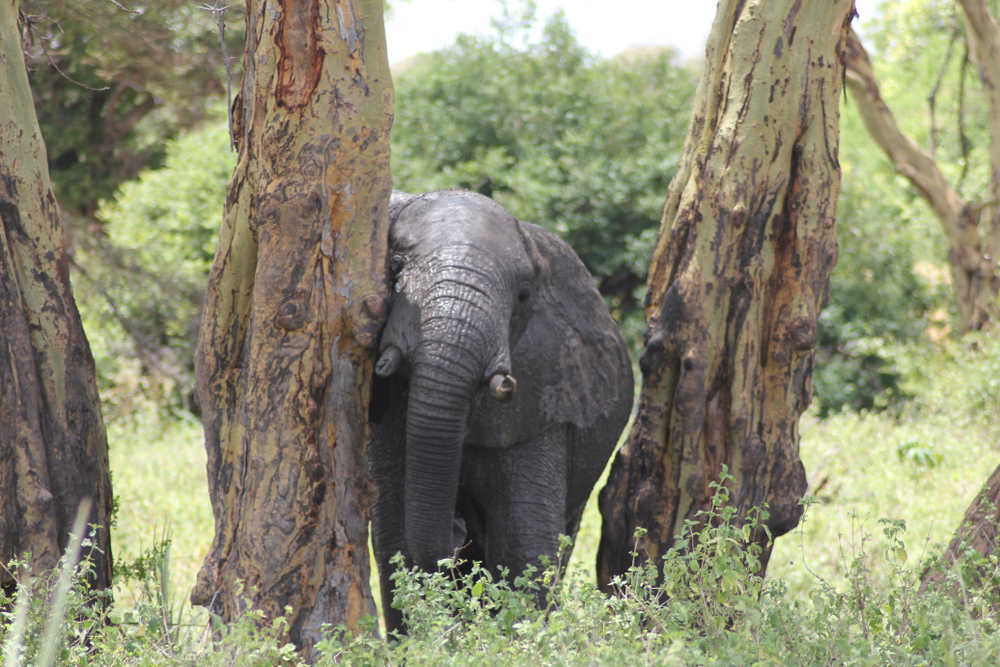
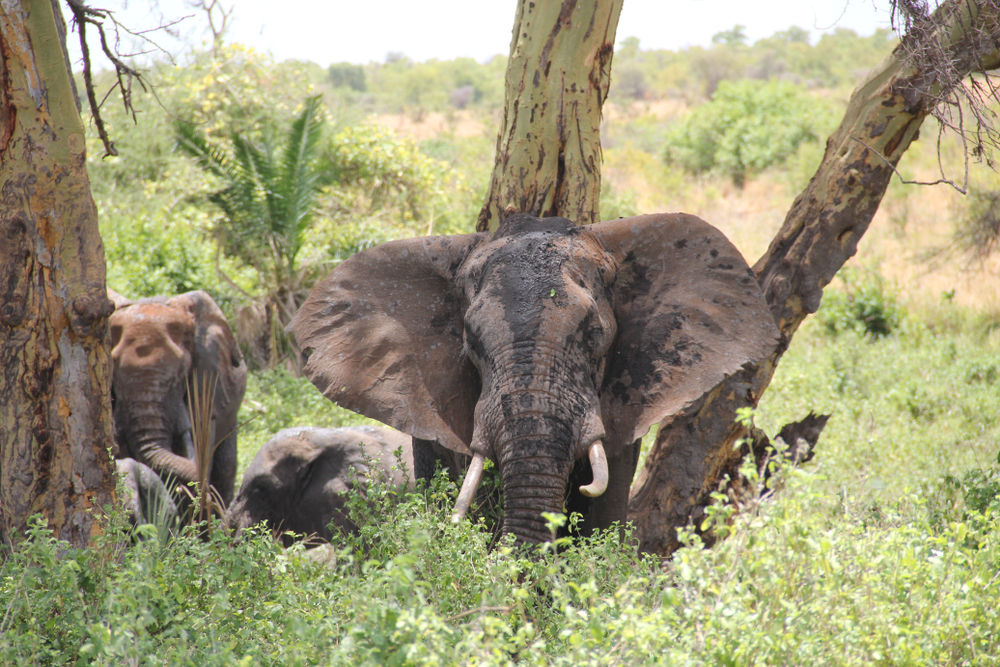
Elephant: Majestic and iconic, elephants roam the savannahs and woodlands of Meru, forming family herds and playing a vital role in shaping the park’s ecosystem.

Giraffe: Towering above the trees, giraffes gracefully move through Meru’s landscapes, browsing on acacia leaves with their long necks and serving as an emblem of the African wilderness.

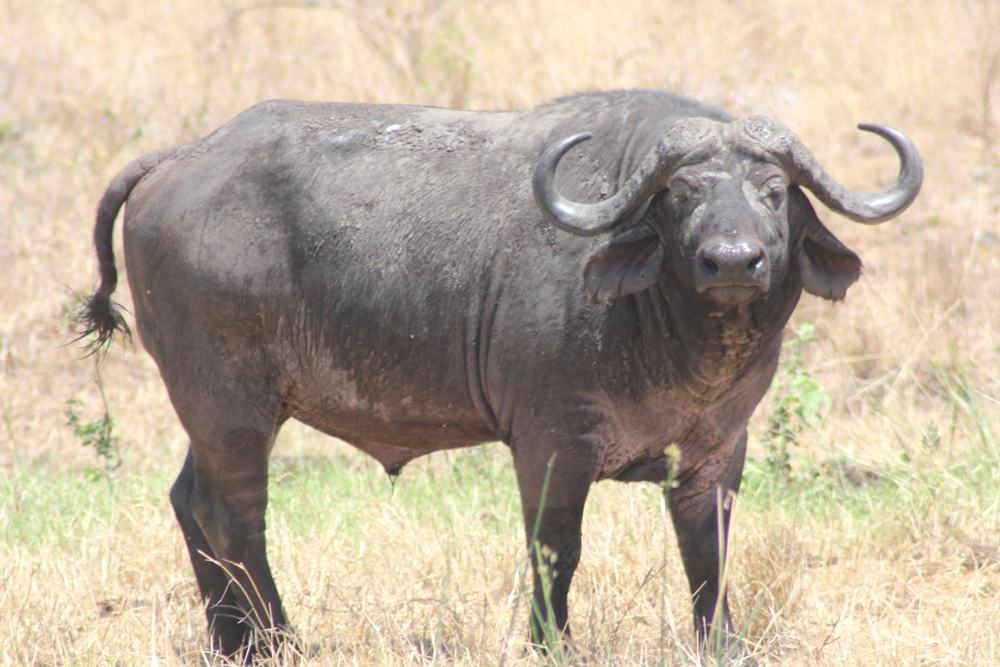
Buffalo: Forming massive herds, buffalo are a formidable sight in Meru National Park, their powerful stature and collective strength making them a symbol of untamed Africa.

Hippo: Found in the park’s rivers and lakes, hippos spend their days submerged, emerging at night to graze on grasses, their presence adding to the park’s aquatic allure.

Zebra: Striped and social, zebras traverse the plains of Meru, forming dazzling herds that contribute to the park’s vibrant tapestry of wildlife.

Eland: The largest antelope species, elands are a sight to behold in Meru, their impressive size and majestic horns adding to the park’s allure.

Warthog: With their distinctive appearance and quirky behavior, warthogs are a common sight in Meru, often seen foraging for roots and tubers in the park’s open plains.

Impala: Graceful and abundant, impalas inhabit the woodlands and grasslands of Meru, their agility and alertness making them a favored prey species for predators.

Waterbuck: Recognizable by the white ring on their rump, waterbucks are commonly spotted near water sources in Meru, where they graze and seek refuge from predators.

Grant’s Gazelle: Dainty and agile, Grant’s gazelles are ubiquitous in Meru’s grasslands, their swift movements and keen senses helping them evade predators and thrive in the wild.

Birds

Birds

Meru National Park is a haven for birdwatchers, offering a diverse array of avian species that inhabit its varied habitats:

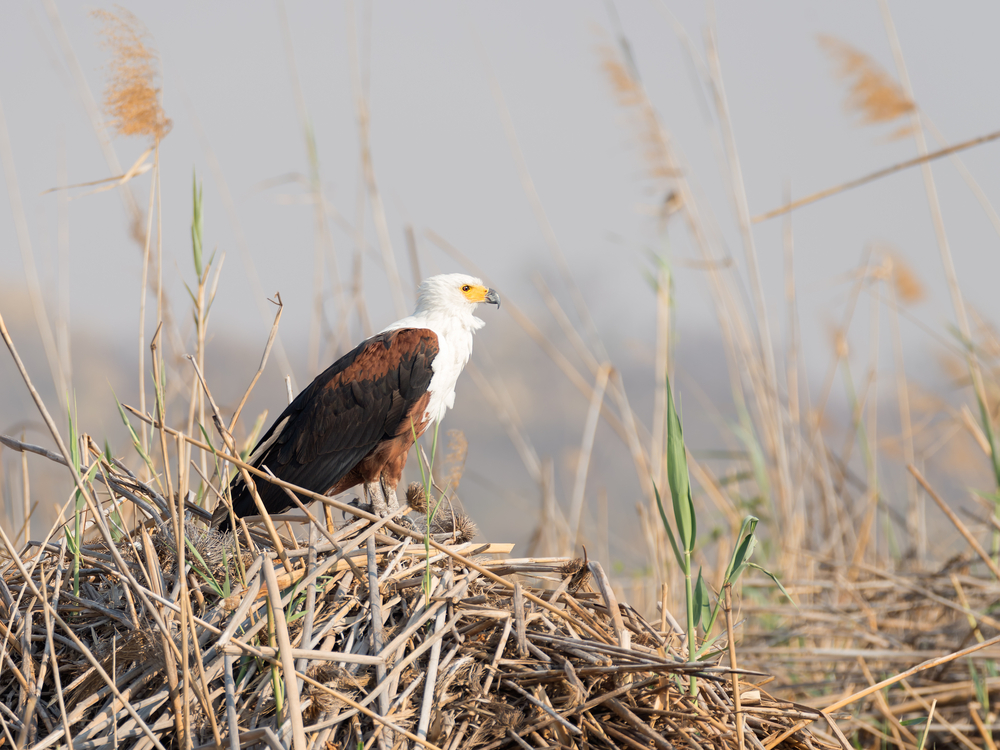
African Fish Eagle: With its striking plumage and distinctive call, the African fish eagle is a symbol of the park’s waterways, often seen perched near lakes and rivers.

Secretary Bird: Striding gracefully across the savannah, the secretary bird is a striking sight in Meru, known for its distinctive crest and habit of stomping on prey.

Grey Crowned Crane: With its elegant plumage and regal demeanor, the grey crowned crane is a majestic presence in Meru, often spotted foraging in grassy areas.

Superb Starling: Vibrant and gregarious, the superb starling adds a splash of color to Meru’s woodlands and savannahs, its iridescent plumage catching the sunlight.

Lilac-breasted Roller: Renowned for its dazzling plumage and aerial acrobatics, the lilac-breasted roller is a common sight in Meru, perching on branches and scanning for insects.

Pied Kingfisher: Hovering above the park’s waterways, the pied kingfisher is a skilled hunter, plunging into the shallows to catch fish with its sharp beak.

Yellow-billed Hornbill: Uttering its distinctive cackling call, the yellow-billed hornbill is a ubiquitous presence in Meru, often seen hopping through the trees in search of insects.

Vulturine Guineafowl: Striking and social, the vulturine guineafowl roams the savannahs of Meru in large flocks, its bold plumage and unique appearance making it a sought-after sighting.

White-bellied Go-away-bird: With its melodious call echoing through the trees, the white-bellied go-away-bird is a common inhabitant of Meru’s woodlands, feeding on fruits and leaves.

African Jacana: Known for its large feet and ability to walk on lily pads, the African jacana is a fascinating bird to observe in Meru’s wetland areas, where it forages for insects and small invertebrates.

Things To Do

Engaging Meru National Park
Game Drives

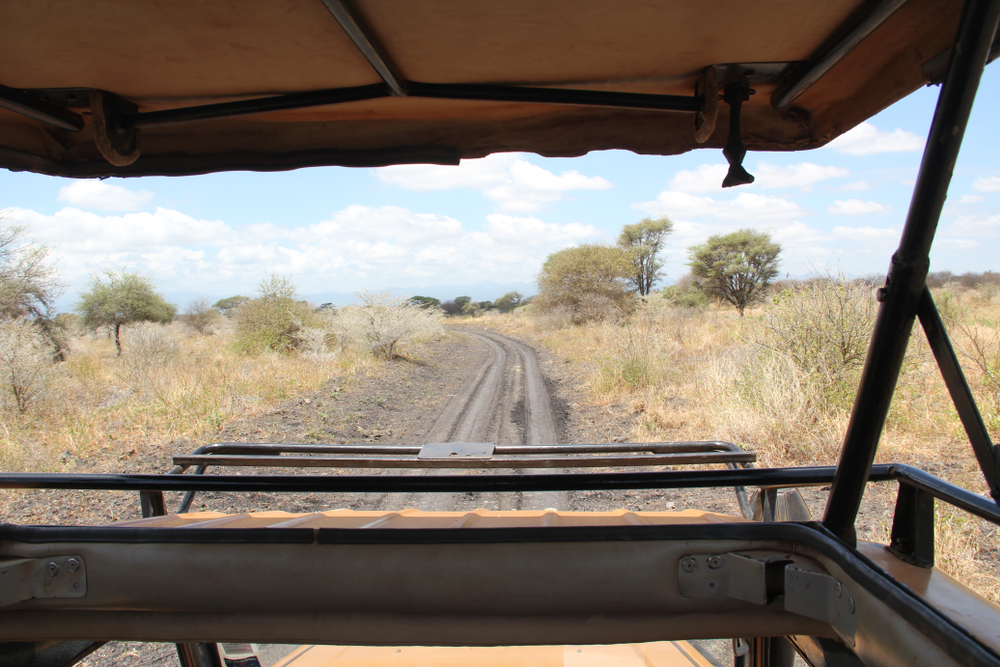
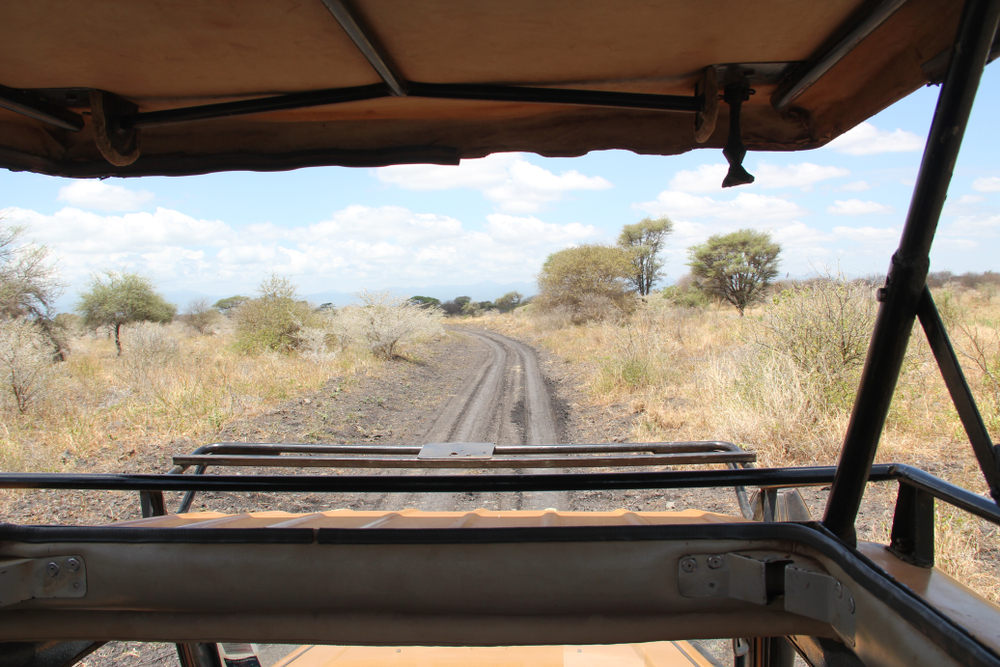
Explore the vast landscapes of Meru National Park on thrilling game drives, led by experienced guides who navigate through diverse habitats in search of the Big Five and other wildlife. From open savannas to riverine forests, each drive offers the chance to witness lions, elephants, giraffes, and an array of bird species in their natural environment.

Trekking Mount Meru

Embark on a challenging yet rewarding trek to the summit of Mount Meru, the second-highest peak in Tanzania. With its dramatic volcanic landscapes and diverse ecosystems, including lush rainforests and alpine moorlands, the trek offers breathtaking views and unparalleled adventure.

Traverse through pristine wilderness, encountering diverse flora and fauna along the way, including colobus monkeys, buffalo, and a variety of bird species. As you ascend to the summit at 4,562 meters (14,967 feet), you’ll be treated to panoramic vistas of the surrounding plains and distant Mount Kilimanjaro.

Led by experienced guides, the trek provides an opportunity to test your endurance and enjoy the serene beauty of the mountain while immersing yourself in the natural wonders of Meru National Park.

Rhino Sanctuary Visit

Delve into the conservation efforts of Meru National Park by visiting the Rhino Sanctuary, home to a successful rhinoceros rehabilitation program.

Learn about the park’s commitment to protecting these endangered giants and observe rhinos up close in a protected environment, contributing to their conservation while gaining valuable insights into their behavior and habitat needs.

Bush Walks

Embark on guided bush walks led by knowledgeable rangers, allowing you to experience the sights, sounds, and scents of the wilderness on foot. Traversing through diverse ecosystems, including acacia woodlands and riverine forests, you’ll have the opportunity to encounter smaller wildlife, learn about medicinal plants, and appreciate the intricate balance of nature.

Game Drives

Explore the vast landscapes of Meru National Park on thrilling game drives, led by experienced guides who navigate through diverse habitats in search of the Big Five and other wildlife. From open savannas to riverine forests, each drive offers the chance to witness lions, elephants, giraffes, and an array of bird species in their natural environment.

Trekking Mount Meru

Embark on a challenging yet rewarding trek to the summit of Mount Meru, the second-highest peak in Tanzania. With its dramatic volcanic landscapes and diverse ecosystems, including lush rainforests and alpine moorlands, the trek offers breathtaking views and unparalleled adventure.

Traverse through pristine wilderness, encountering diverse flora and fauna along the way, including colobus monkeys, buffalo, and a variety of bird species. As you ascend to the summit at 4,562 meters (14,967 feet), you’ll be treated to panoramic vistas of the surrounding plains and distant Mount Kilimanjaro.

Led by experienced guides, the trek provides an opportunity to test your endurance and enjoy the serene beauty of the mountain while immersing yourself in the natural wonders of Meru National Park.

Rhino Sanctuary Visit

Delve into the conservation efforts of Meru National Park by visiting the Rhino Sanctuary, home to a successful rhinoceros rehabilitation program.

Learn about the park’s commitment to protecting these endangered giants and observe rhinos up close in a protected environment, contributing to their conservation while gaining valuable insights into their behavior and habitat needs.

Bush Walks

Embark on guided bush walks led by knowledgeable rangers, allowing you to experience the sights, sounds, and scents of the wilderness on foot. Traversing through diverse ecosystems, including acacia woodlands and riverine forests, you’ll have the opportunity to encounter smaller wildlife, learn about medicinal plants, and appreciate the intricate balance of nature.

Meru National Park Trails

Meru is a national park set aside for game viewing.  There are no trails or trekking in the park apart from exploring the immediate area near the Adamson’s home.  The wilderness area of the park has no roads and can only be explored on foot.  It requires trained ranger guides as well as porters for carrying tents and supplies.  It is not a hiking trail so to speak, but it is certainly trekking through the wilderness.

placeholder

Rhino Circuit Trail

Rating: Easy

Distance and Elevation Gain: 3 miles (4.8 km) with minimal elevation gain

Description: The Rhino Circuit Trail offers an easy hike through the heart of Meru National Park, known for its rich biodiversity and scenic landscapes.

Hikers will traverse open grasslands and acacia woodlands, with opportunities to spot rhinos, elephants, and other wildlife.

Enjoy sightings of colorful bird species and lush vegetation along the way, making this trail a pleasant nature walk for visitors of all ages.

placeholder

Leopard Rock Trail

Rating: Moderate

Distance and Elevation Gain: 5 miles (8 km) with an elevation gain of 656 feet (200 meters)

Description: The Leopard Rock Trail takes hikers on a moderate trek to the summit of Leopard Rock, offering panoramic views of the surrounding plains and Mount Kenya in the distance.

Trek through dense forests and rocky outcrops, encountering diverse wildlife such as leopards, monkeys, and antelopes. Enjoy the peaceful ambiance of the park while admiring stunning vistas from the summit.

placeholder

Elsa's Kopje Trail

Rating: Moderate to Difficult

Distance and Elevation Gain: 7 miles (11.2 km) with an elevation gain of 984 feet (300 meters)

Description: The Elsa’s Kopje Trail leads hikers on a challenging ascent to Elsa’s Kopje, a rocky outcrop named after the famous lioness Elsa from the book “Born Free.”

Trek through rugged terrain and rocky slopes, encountering wildlife such as elephants, buffaloes, and zebras along the way.

Enjoy panoramic views of the park’s diverse landscapes from the summit, making this trail a rewarding adventure for experienced hikers.

placeholder

Bisanadi Trail

Rating: Moderate

Distance and Elevation Gain: 6 miles (9.7 km) with minimal elevation gain

Description: The Bisanadi Trail offers a scenic walk along the Bisanadi River, where hikers can observe diverse wildlife such as hippos, crocodiles, and waterbirds.

Trek through riverine forests and open grasslands, enjoying sightings of elephants and giraffes along the way.

The trail provides excellent opportunities for birdwatching and photography, making it a popular choice for nature enthusiasts seeking a peaceful wilderness experience.

placeholder

Rhino Ridge Trail

Rating: Difficult

Distance and Elevation Gain: 8 miles (12.9 km) with an elevation gain of 1,312 feet (400 meters)

Description: The Rhino Ridge Trail is a challenging hike along the park’s scenic ridgeline, offering breathtaking views of the surrounding landscapes and wildlife-rich plains below.

Trek through rocky terrain and dense vegetation, encountering rhinos, buffaloes, and other wildlife along the way.

Enjoy the thrill of reaching the ridge’s summit while immersing yourself in the rugged beauty of Meru National Park

placeholder

Rhino Circuit Trail

Rating: Easy

Distance and Elevation Gain: 3 miles (4.8 km) with minimal elevation gain

Description: The Rhino Circuit Trail offers an easy hike through the heart of Meru National Park, known for its rich biodiversity and scenic landscapes.

Hikers will traverse open grasslands and acacia woodlands, with opportunities to spot rhinos, elephants, and other wildlife.

Enjoy sightings of colorful bird species and lush vegetation along the way, making this trail a pleasant nature walk for visitors of all ages.

placeholder

Leopard Rock Trail

Rating: Moderate

Distance and Elevation Gain: 5 miles (8 km) with an elevation gain of 656 feet (200 meters)

Description: The Leopard Rock Trail takes hikers on a moderate trek to the summit of Leopard Rock, offering panoramic views of the surrounding plains and Mount Kenya in the distance.

Trek through dense forests and rocky outcrops, encountering diverse wildlife such as leopards, monkeys, and antelopes. Enjoy the peaceful ambiance of the park while admiring stunning vistas from the summit.

placeholder

Elsa's Kopje Trail

Rating: Moderate to Difficult

Distance and Elevation Gain: 7 miles (11.2 km) with an elevation gain of 984 feet (300 meters)

Description: The Elsa’s Kopje Trail leads hikers on a challenging ascent to Elsa’s Kopje, a rocky outcrop named after the famous lioness Elsa from the book “Born Free.”

Trek through rugged terrain and rocky slopes, encountering wildlife such as elephants, buffaloes, and zebras along the way.

Enjoy panoramic views of the park’s diverse landscapes from the summit, making this trail a rewarding adventure for experienced hikers.

placeholder

Bisanadi Trail

Rating: Moderate

Distance and Elevation Gain: 6 miles (9.7 km) with minimal elevation gain

Description: The Bisanadi Trail offers a scenic walk along the Bisanadi River, where hikers can observe diverse wildlife such as hippos, crocodiles, and waterbirds.

Trek through riverine forests and open grasslands, enjoying sightings of elephants and giraffes along the way.

The trail provides excellent opportunities for birdwatching and photography, making it a popular choice for nature enthusiasts seeking a peaceful wilderness experience.

placeholder

Rhino Ridge Trail

Rating: Difficult

Distance and Elevation Gain: 8 miles (12.9 km) with an elevation gain of 1,312 feet (400 meters)

Description: The Rhino Ridge Trail is a challenging hike along the park’s scenic ridgeline, offering breathtaking views of the surrounding landscapes and wildlife-rich plains below.

Trek through rocky terrain and dense vegetation, encountering rhinos, buffaloes, and other wildlife along the way.

Enjoy the thrill of reaching the ridge’s summit while immersing yourself in the rugged beauty of Meru National Park

Sources