About

Zhongar-Alatau National Park (also spelled Dzungarian Alatau National Park; Kazakh: Жоңғар Алатауы ұлттық табиғи паркі) is located in the Jetisu Region of southeastern Kazakhstan along the border with China. Established in 2010, the park covers approximately 1,370 square miles (3,560 sq km) and protects a large portion of the Junggar (Dzungarian) Alatau Mountain Range.

Situated between the Tian Shan Mountains and the Altai region, the park occupies a unique ecological crossroads that supports exceptional biodiversity and some of Central Asia’s most important natural habitats. It is considered one of Kazakhstan’s premier conservation areas and forms part of the internationally recognized biodiversity-rich mountain systems of the region.

The park is best known for its extraordinary variety of landscapes, ranging from desert foothills and fruit forests to alpine meadows, glaciers, and snow-covered peaks. Visitors are attracted by spectacular mountain scenery, pristine rivers, waterfalls, and some of the finest wildflower displays in Kazakhstan.

The park is particularly famous for its wild apple forests, which are believed to contain descendants of the ancient wild ancestors of modern cultivated apples. Hiking, horseback riding, wildlife observation, camping, photography, and mountaineering are among the most popular activities. Because the park remains relatively remote, visitors often experience vast areas of untouched wilderness.

Geographically, Zhongar-Alatau National Park encompasses an impressive elevation range from approximately 2,000 feet (600 m) to peaks exceeding 14,000 feet (4,400 m). The landscape includes deep river valleys, mountain ridges, glaciers, alpine lakes, waterfalls, conifer forests, and extensive grasslands.

Lower elevations support semi-arid ecosystems and fruit forests, while higher elevations contain spruce forests, alpine meadows, and permanent snowfields. Numerous rivers originate within the park, supplying water to surrounding agricultural regions and supporting diverse aquatic ecosystems. This broad range of habitats contributes to the park’s remarkable ecological diversity.

Wildlife within Zhongar-Alatau National Park is among the richest in Kazakhstan. Mammals include snow leopards, brown bears, lynx, wolves, red foxes, Siberian ibex, argali sheep, roe deer, maral deer, wild boar, and marmots. The park serves as an important refuge for several endangered and threatened species, particularly the snow leopard.

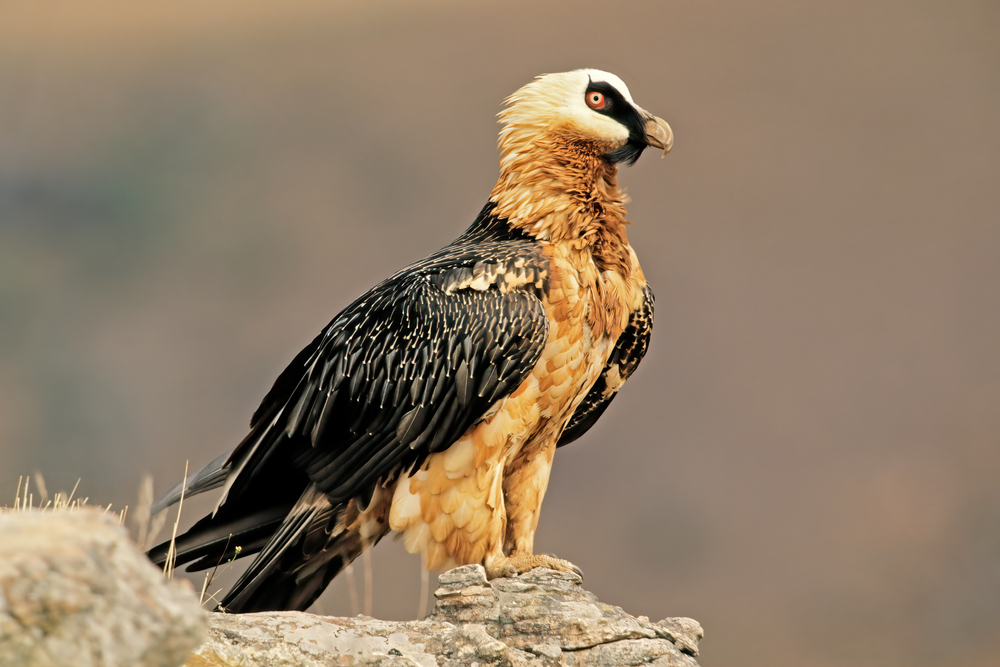
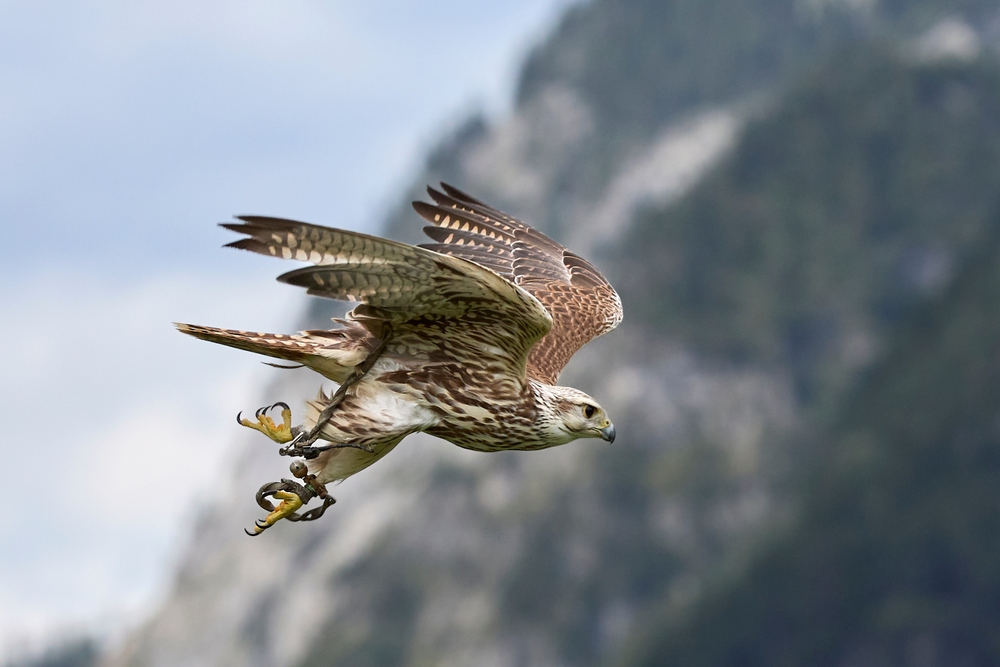
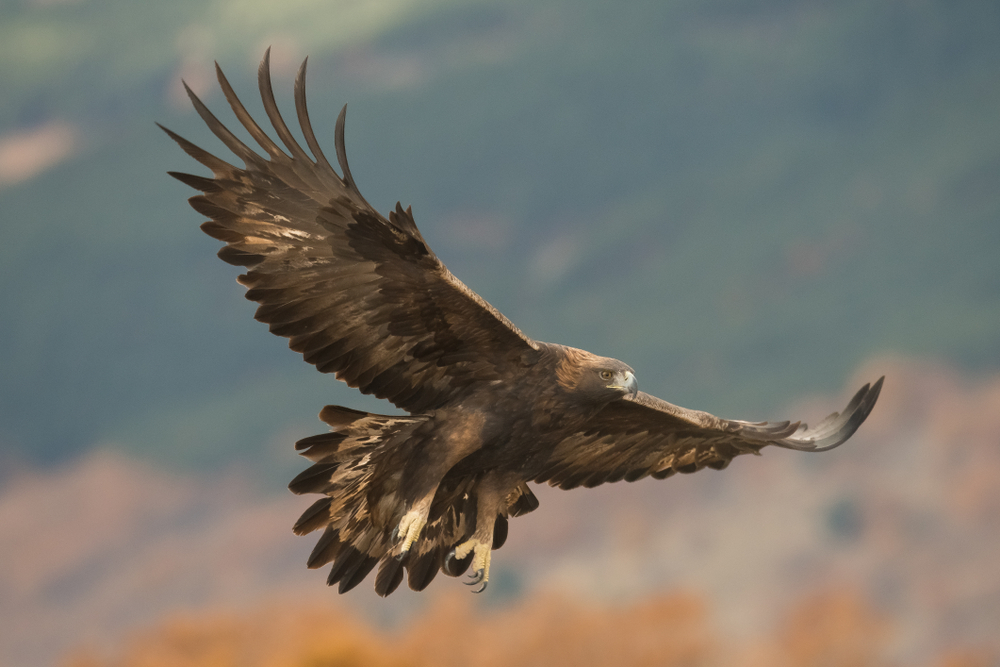
Birdlife is equally impressive, with golden eagles, bearded vultures, Himalayan griffon vultures, saker falcons, snowcocks, and numerous alpine and forest bird species inhabiting the region. The park is also recognized for its botanical significance, supporting thousands of plant species, including wild tulips, endemic flowers, and the globally important wild apple forests.

Zhongar-Alatau National Park plays a crucial role in conserving one of Central Asia’s most diverse mountain ecosystems. The park protects critical wildlife corridors, preserves genetic resources of wild fruit trees, safeguards watersheds, and maintains ecological connectivity between Kazakhstan and China.

Its conservation significance is often compared to Katon-Karagay National Park and Ile-Alatau National Park because of its biodiversity, mountain landscapes, and importance for endangered species. Through its glaciers, wild apple forests, alpine meadows, rare wildlife, and spectacular mountain scenery, Zhongar-Alatau National Park stands as one of Kazakhstan’s most valuable protected areas and a remarkable showcase of the natural heritage of Central Asia.

Things to See
Popular

Popular

Zhongar-Alatau National Park, located in Kazakhstan, is renowned for its diverse ecosystems ranging from mountain ranges to alpine meadows and river valleys, hosting an incredible array of wildlife. Below are some of the popular species found in this unique habitat.

Snow Leopard (Panthera uncia)
This elusive and endangered big cat is one of the most iconic species of the park. Snow leopards are adapted to the rugged terrain and cold climate, with thick fur and powerful legs for navigating steep slopes.

Siberian Ibex (Capra sibirica)
Known for their impressive curved horns, Siberian ibexes are agile climbers that inhabit rocky outcrops and high-altitude areas of the park.

Argali (Ovis ammon)
The world’s largest wild sheep, argalis are distinguished by their massive spiraling horns. They graze in open meadows and grasslands at high altitudes.

Eurasian Lynx (Lynx lynx)
This medium-sized wildcat with tufted ears and a short tail is a solitary predator, preying on small mammals and birds in forested areas.

Central Asian Otter (Lutra lutra)
Thriving near the park’s rivers and streams, these aquatic mammals are playful and adept swimmers, playing an important role in the aquatic ecosystem.

Maral Deer (Cervus elaphus maral)
A subspecies of red deer, the maral deer is known for its majestic antlers. They inhabit the park’s mixed forests and open woodlands.

Wild Boar (Sus scrofa)
These adaptable omnivores are found in forested and wetland areas of the park, feeding on roots, fruits, and small animals.

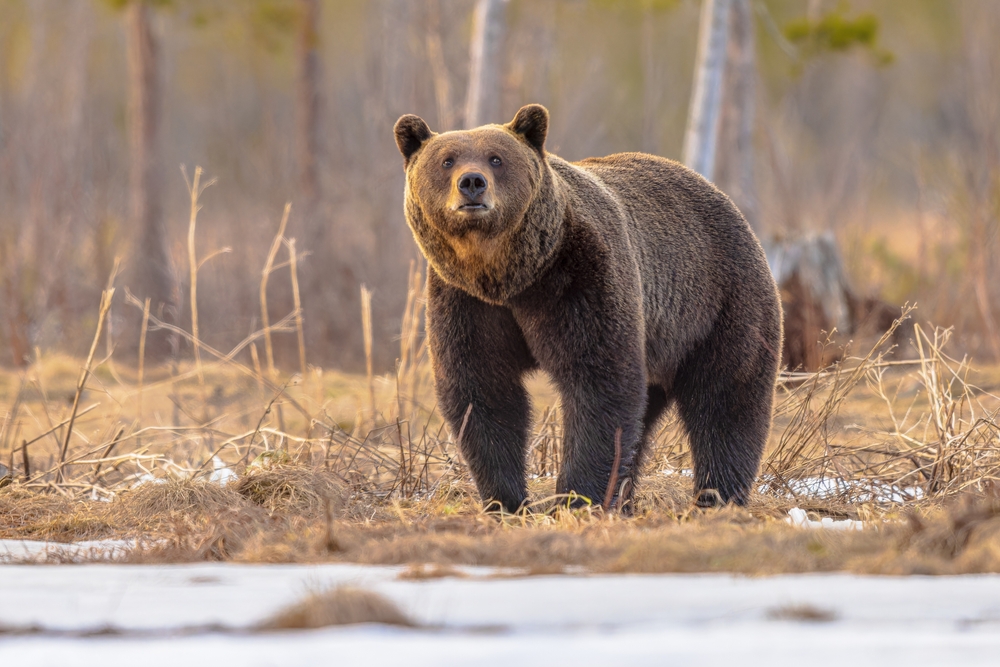
Brown Bear (Ursus arctos)
As one of the park’s apex predators, brown bears roam its forests and meadows, relying on a varied diet of plants, berries, fish, and occasionally small mammals.

Tian Shan Pika (Ochotona roylei)
This small, rabbit-like mammal is adapted to high-altitude environments. Pikas play a crucial role in the ecosystem by serving as prey for larger predators.

Steppe Polecat (Mustela eversmanii)
This weasel-like carnivore inhabits grasslands and open areas, preying on rodents, insects, and other small creatures.

Birds

Birds

The park is also a paradise for bird enthusiasts, with a remarkable array of avian species, many of which are rare or endemic to the region. Below are some of the popular bird species you can find.

Golden Eagle (Aquila chrysaetos)
This majestic bird of prey soars high above the mountains, using its keen eyesight to hunt small mammals and birds.

Bearded Vulture (Gypaetus barbatus)
Also known as the lammergeier, this unique vulture has a distinctive appearance and feeds primarily on bone marrow, dropping bones from heights to crack them open.

Himalayan Griffon (Gyps himalayensis)
One of the largest vultures in the world, it plays a vital role in the ecosystem by scavenging carcasses and maintaining cleanliness in the environment.

Altai Snowcock (Tetraogallus altaicus)
A hardy bird of the high-altitude regions, the snowcock blends seamlessly into its rocky surroundings and has a distinctive call.

White-winged Grosbeak (Mycerobas carnipes)
This colorful bird with striking white wing patches is found in coniferous forests and often feeds on seeds and berries.

Wallcreeper (Tichodroma muraria)
A small, agile bird with striking crimson wings, the wallcreeper flits along cliff faces and rocky slopes in search of insects.

Ruddy Shelduck (Tadorna ferruginea)
Also known as the Brahminy duck, this waterfowl is recognized by its striking orange-brown plumage and frequents the park’s rivers and lakes.

Ibisbill (Ibidorhyncha struthersii)
This distinctive wader with a long, curved bill is often found near riverbanks and gravel beds, where it probes for aquatic invertebrates.

Eurasian Sparrowhawk (Accipiter nisus)
A small but fierce bird of prey, the sparrowhawk is adept at hunting in dense forests, using its speed and agility to catch its prey.

Azure Tit (Cyanistes cyanus)
This small, colorful songbird with pale blue and white plumage inhabits mixed woodlands and adds a lively presence to the park’s avifauna.

Things To Do

Engaging Zhongar-Alatau National Park
Hiking

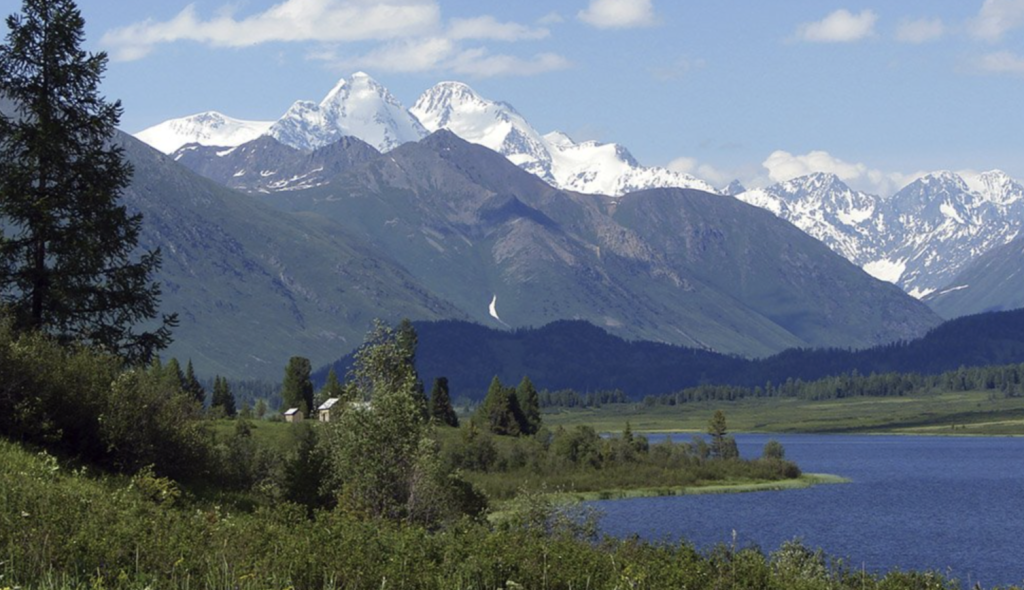
Hiking in Zhongar-Alatau National Park is a journey into the heart of Kazakhstan’s natural splendor. The park is home to an extensive network of trails catering to various fitness levels and interests.

One popular route takes visitors through the picturesque Koktobe Gorge, where vibrant wildflowers like edelweiss and poppies paint the alpine meadows. Along the way, hikers are rewarded with panoramic views of snow-capped peaks, including Mount Muztau, which towers at 4,621 meters.

The park’s diverse ecosystems allow visitors to traverse dense forests of Tien Shan spruce and juniper, which provide a habitat for species like the Siberian ibex and the golden eagle. Whether you’re an experienced trekker seeking a multi-day adventure or a casual walker looking for a day of exploration, Zhongar-Alatau offers unforgettable encounters with pristine nature.

Birdwatching

Zhongar-Alatau National Park is a sanctuary for bird lovers, boasting over 200 bird species, many of which are rare or endangered. The park’s diverse habitats, from high-altitude meadows to riparian zones along the Lepsy River, attract a remarkable variety of avifauna.

Highlights include sightings of the Altai snowcock and the endangered saker falcon. Spring and autumn bring a burst of activity as migratory birds like the Eurasian golden oriole and hoopoe pass through.

Birdwatching here is not just about spotting rare species; it’s an immersive experience enhanced by the symphony of birdsong and the pristine environment. Visitors can join guided tours to access prime birdwatching locations and learn about the ecological significance of these birds.

Discovering the Falls

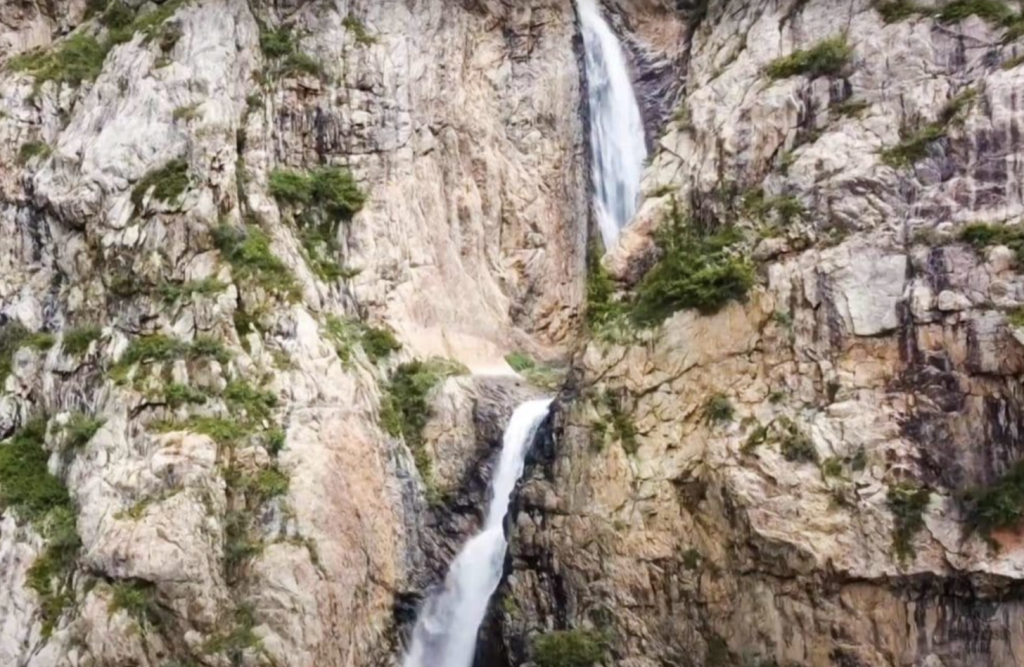
For those who prefer a mix of adventure and tranquility, exploring the glacier-fed lakes and waterfalls of Zhongar-Alatau is a must. Lake Zhassylkol, known for its emerald-green waters, is a highlight, reflecting the surrounding peaks in its still surface.

The cascading Kora Waterfalls, surrounded by lush greenery, are another popular destination for both photographers and nature enthusiasts. The glacial origins of these features make them exceptionally pure, and their surroundings are home to unique flora, including wild rhubarb and primroses.

These natural landmarks provide ideal spots for picnics, photography, and quiet contemplation, making them a favorite among visitors seeking both activity and serenity.