About

Katon-Karagay National Park (Kazakh: Катонқарағай мемлекеттік ұлттық табиғи паркі) is located in the East Kazakhstan Region of eastern Kazakhstan along the borders of Russia, China, and Mongolia. Established in 2001, the park covers approximately 2,500 square miles (6,434 sq km), making it the largest national park in Kazakhstan and one of the largest protected areas in Central Asia.

The park encompasses a vast portion of the southern Altai Mountains and forms part of the internationally significant Altai transboundary conservation region. Its immense wilderness, dramatic mountain landscapes, and exceptional biodiversity make it one of Kazakhstan’s premier natural treasures.

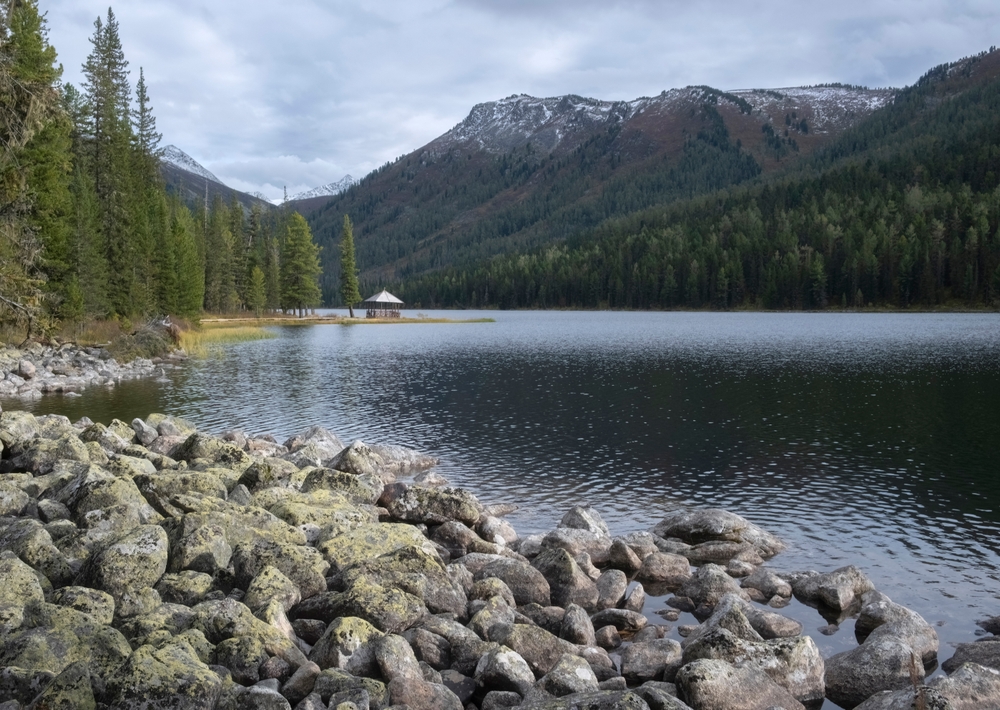
The park is best known for its spectacular mountain scenery, pristine wilderness, and rich cultural heritage. Visitors are drawn to snow-capped peaks, alpine lakes, glaciers, waterfalls, and untouched forests that rank among the most beautiful landscapes in Central Asia. One of the park’s most famous landmarks is Belukha Mountain, the highest peak in the Altai Mountains at 14,783 feet (4,506 m), located near the Kazakhstan–Russia border. Other notable attractions include the stunning Rakhmanov Springs, glacial valleys, and traditional Kazakh settlements that preserve centuries-old nomadic traditions. Trekking, horseback riding, wildlife observation, mountaineering, and ecotourism are among the most popular activities within the park.

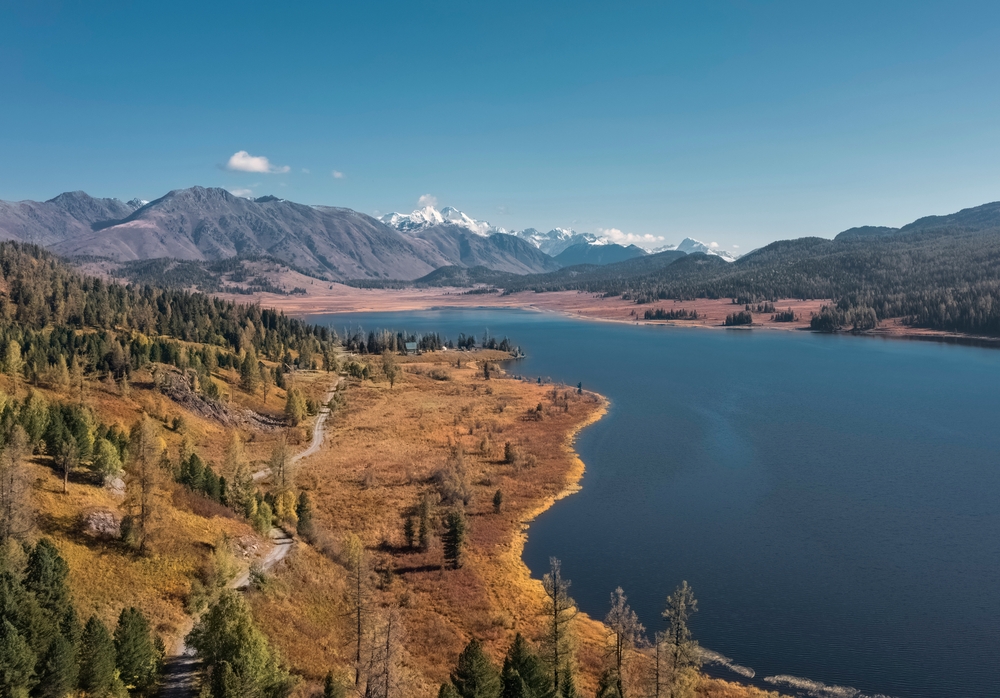
Geographically, Katon-Karagay National Park encompasses an extraordinary range of landscapes and elevations. The terrain includes towering mountain peaks, glaciers, alpine meadows, taiga forests, river valleys, and high-altitude plateaus. Elevations range from approximately 3,000 feet (900 m) in valley bottoms to over 14,000 feet (4,500 m) at the highest summits. Extensive forests of Siberian larch, pine, spruce, fir, and cedar dominate lower elevations, while alpine tundra and permanent snowfields occur at higher elevations. Numerous rivers originate within the park, including tributaries of the Irtysh River, making the area an important watershed for much of eastern Kazakhstan.

Wildlife within Katon-Karagay National Park is among the richest in Kazakhstan. Mammals include snow leopards, brown bears, lynx, wolves, wolverines, Siberian musk deer, maral deer (Altai red deer), elk, and Siberian ibex. The park provides critical habitat for several rare and endangered species, particularly the elusive snow leopard.

Birdlife is equally impressive, with golden eagles, black storks, bearded vultures, eagle owls, capercaillies, and numerous alpine and forest species inhabiting the region. Rivers, forests, and alpine habitats support a remarkable diversity of fish, amphibians, insects, and plant species, many of which are characteristic of the Altai Mountains.

Katon-Karagay National Park plays a vital role in conserving one of the largest intact mountain ecosystems in Central Asia. The park protects critical wildlife corridors, preserves ancient forests, safeguards glaciers and watersheds, and contributes to international conservation efforts across the Altai region.

Its ecological significance is often compared to Altai Tavan Bogd National Park and Denali National Park and Preserve because of its vast wilderness, mountain biodiversity, and iconic landscapes. Through its towering peaks, pristine forests, rare wildlife, and cultural heritage, Katon-Karagay National Park stands as one of Kazakhstan’s most remarkable protected areas and a crown jewel of the Altai Mountains.

Things to See
Popular

Popular

Katon-Karagay National Park, located in eastern Kazakhstan, is a treasure trove of biodiversity, showcasing an incredible variety of flora and fauna amidst stunning landscapes of mountains, forests, and meadows. The park is home to several iconic species that embody the rugged beauty of the Altai region.

Snow Leopard
This elusive and majestic predator is one of the park’s most iconic inhabitants. Known for its thick, spotted coat and powerful build, the snow leopard thrives in the high-altitude, rocky terrain of the Altai Mountains.

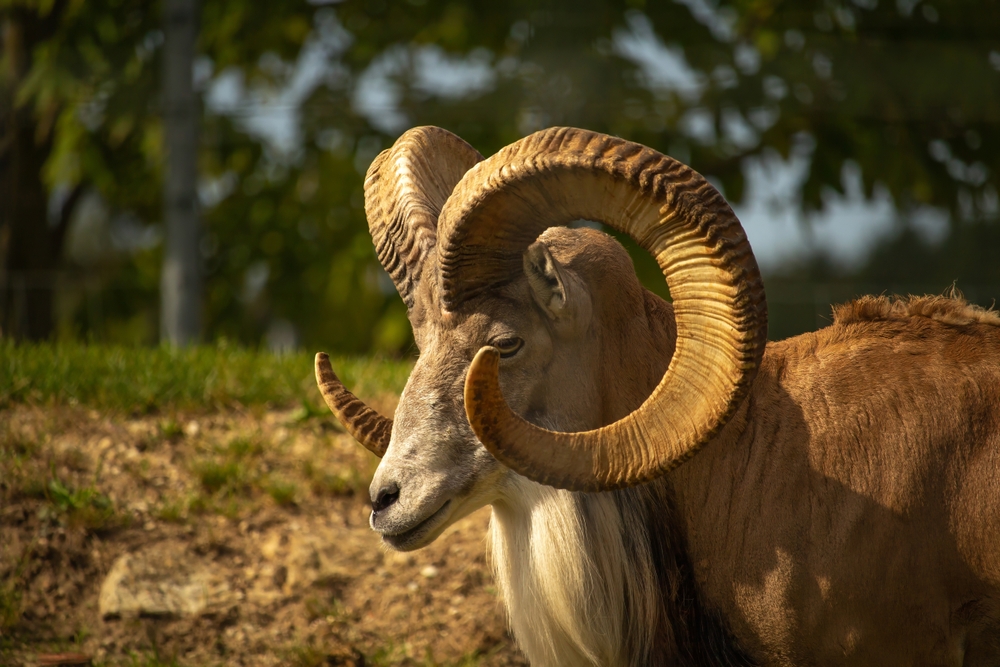
Altai Argali
The Altai argali is the largest wild sheep in the world. Recognized by its massive curled horns, this species grazes in the alpine meadows and steep slopes of the park.

Siberian Musk Deer
This small, shy deer is famous for its elongated canine teeth, which resemble tusks. The musk deer prefers the dense forests of the park and is a symbol of its rich biodiversity.

Eurasian Lynx
A solitary and stealthy predator, the Eurasian lynx is distinguished by its tufted ears and sharp hunting skills. It inhabits the dense forests and mountainous regions of the park.

Pallas’s Cat
Also known as the manul, this small wild cat has a distinctive flat face and dense fur. Pallas’s cat is an expert at navigating the rocky terrain of Katon-Karagay.

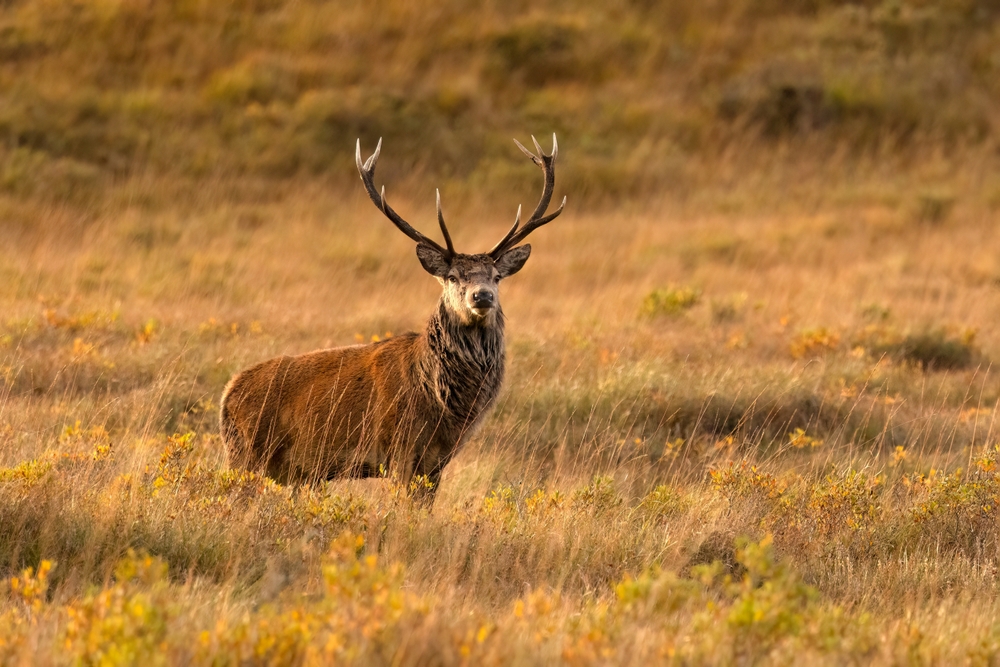
Altai Maral (Red Deer)
This large deer species is a majestic presence in the park’s forests. Its impressive antlers and graceful movements make it a symbol of the Altai wilderness.

Gray Wolf
An apex predator in the park, the gray wolf plays a crucial role in maintaining the ecological balance. It roams the forests and meadows in packs.

Brown Bear
This powerful omnivore is a frequent sight in the park, often seen foraging for berries or fish along the rivers.

Siberian Ibex
With its long, curved horns and ability to climb steep cliffs, the Siberian ibex is perfectly adapted to the rugged terrain of Katon-Karagay.

Steppe Polecat
A small but agile predator, the steppe polecat is known for its striking black-and-white markings and plays an important role in controlling rodent populations.

Birds

Birds

Katon-Karagay National Park also serves as a sanctuary for diverse bird species, many of which are of great ecological and cultural significance. The park’s skies and wetlands provide a haven for these avian inhabitants.

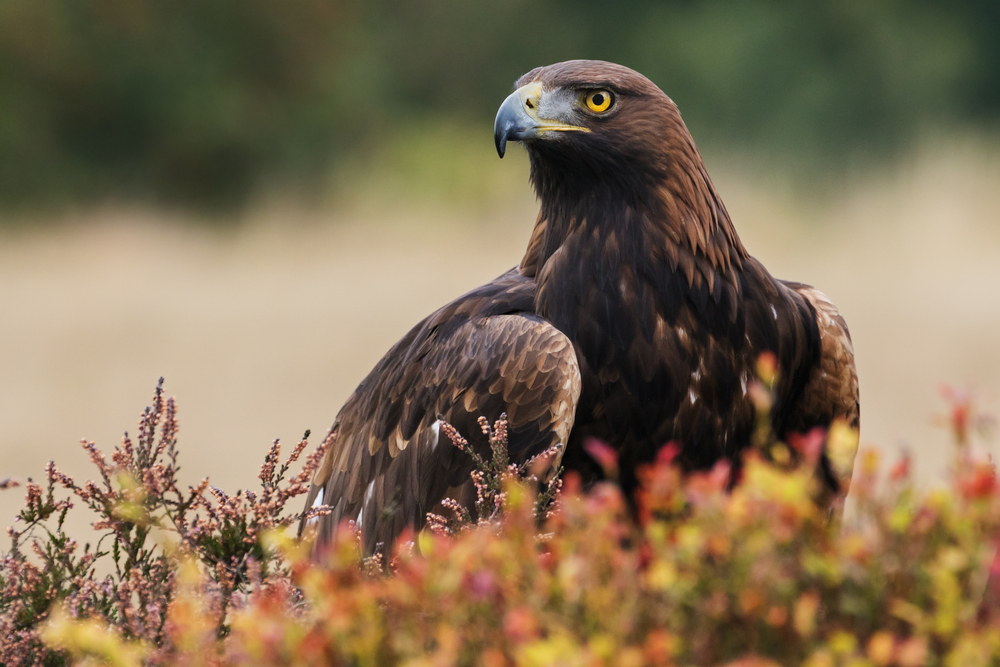
Golden Eagle
This majestic bird of prey is a symbol of strength and freedom. With its keen eyesight and powerful talons, the golden eagle is often seen soaring over the park’s mountains.

Bearded Vulture
Known for its striking appearance and unique diet of bones, the bearded vulture is a vital part of the ecosystem, helping to clean up carrion.

Siberian Rubythroat
This small, colorful songbird is a delight to spot in the park. Its vivid red throat and melodious call are a treat for birdwatchers.

Altai Snowcock
A high-altitude bird that blends seamlessly with its rocky surroundings, the Altai snowcock is known for its distinctive calls echoing through the mountains.

White-tailed Sea Eagle
This impressive raptor, with its broad wingspan and striking white tail feathers, often patrols the park’s rivers and lakes.

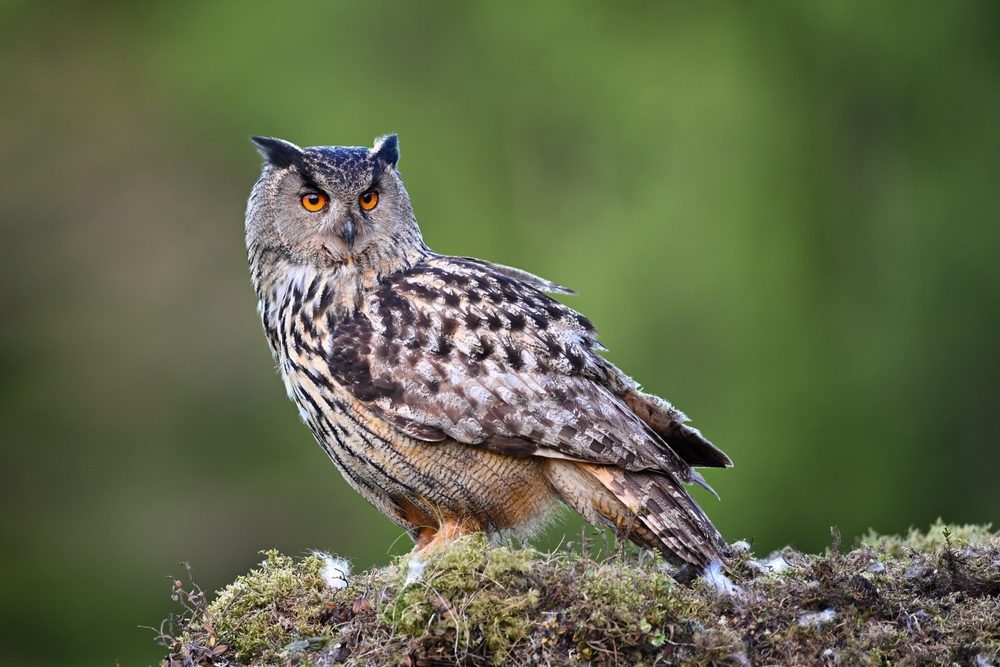
Eurasian Eagle-Owl
One of the largest owls in the world, the Eurasian eagle-owl is known for its haunting calls and nocturnal habits.

Common Crane
A symbol of grace, the common crane is often seen near the park’s wetlands, performing elaborate dances during its mating season.

Black Stork
This shy and elegant bird prefers the park’s remote wetlands and forests. Its striking black plumage and white underparts make it a distinctive sight.

Lammergeier
Also known as the bone-eating vulture, this bird plays a crucial role in nutrient cycling within the ecosystem.

Northern Goshawk
An agile and formidable hunter, the northern goshawk is often seen darting through the forests in pursuit of its prey.

Things To Do

Engaging Katon-Karagay National Park
Hiking

Katon-Karagay National Park offers some of the most breathtaking hiking experiences in Kazakhstan, with trails that wind through the rugged Altai Mountains. These paths provide opportunities to explore pristine landscapes, including dense taiga forests, sprawling alpine meadows, and serene glacial lakes.

One of the park’s most famous hikes leads to the Bukhtarma River valley, where hikers are greeted by crystal-clear waters and diverse flora like edelweiss and Siberian pine. Along the way, visitors might spot wildlife such as Altai snowcocks, ibex, or even the elusive snow leopard.

The ever-changing terrain, from rocky outcrops to gentle meadows, ensures an adventure that is both challenging and deeply rewarding for nature enthusiasts.

Horseback Riding

Horseback riding is a traditional way to explore the expansive landscapes of Katon-Karagay National Park, and it provides access to areas that are difficult to reach on foot. This activity is particularly popular around the Köl-Suu and Rakhmanovskie Lakes, both known for their stunning turquoise hues and tranquil settings.

Riders pass through remote villages, where they can observe the local Kazakh way of life, and ascend into high-altitude regions with panoramic views of the Altai range. The rhythmic pace of the ride allows for an immersive experience, connecting visitors to the ancient nomadic traditions of the region.

Birdwatching

For bird enthusiasts, Katon-Karagay National Park is a haven with over 300 recorded bird species. The park’s varied ecosystems, from wetlands and forests to alpine tundra, support species such as golden eagles, bearded vultures, and Siberian cranes.

The wetlands near the Bukhtarma River are especially rich in birdlife, offering a chance to spot migratory waterfowl during the spring and autumn seasons.

The peaceful environment, coupled with the thrill of spotting rare and endangered species, makes birdwatching a captivating way to explore the park’s biodiversity.