About
Tarbagatai National Park (Kazakh: Тарбағатай ұлттық паркі) is located in the Abai Region of eastern Kazakhstan along the Tarbagatai Mountain Range near the border with China. Established in 2018, the park covers approximately 1,356 square miles (3,560 sq km) and protects one of Kazakhstan’s most ecologically important mountain landscapes.
The Tarbagatai Mountains form a natural transition zone between the Altai Mountains and the steppes of Central Asia, creating a remarkable diversity of habitats and species. As one of Kazakhstan’s newest national parks, Tarbagatai was created to conserve unique ecosystems that had previously received limited formal protection.
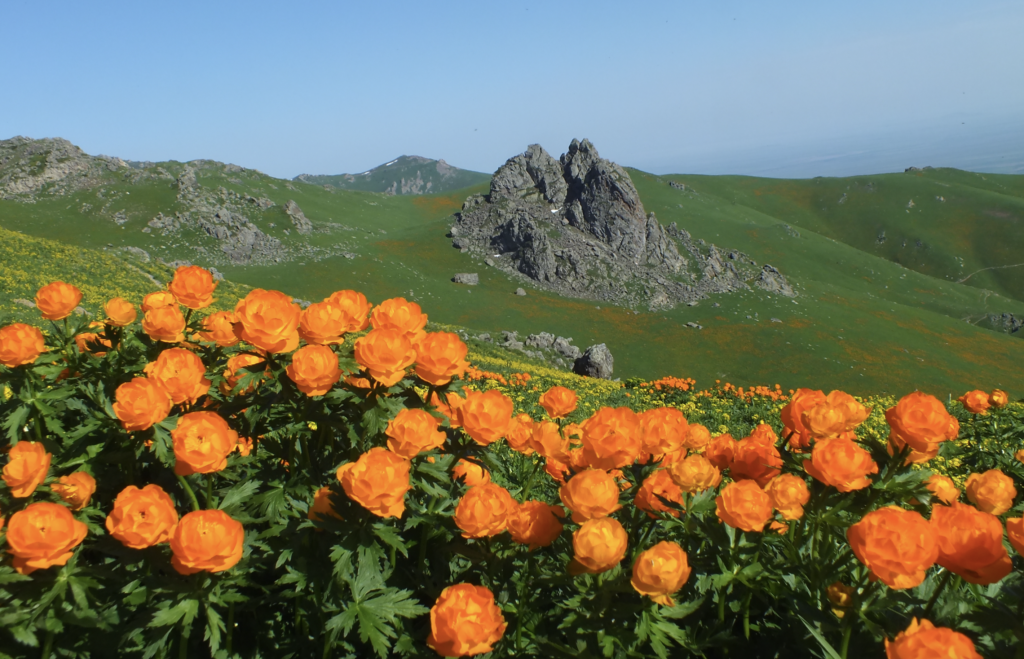
The park is best known for its rich biodiversity, colorful mountain landscapes, and exceptional wildflower displays. Visitors are attracted by rolling mountain ridges, alpine meadows, deep valleys, and expansive views that stretch across eastern Kazakhstan. During spring and early summer, the park becomes famous for its spectacular blooms of wild tulips and other flowering plants, many of which are native to Central Asia.
Hiking, horseback riding, wildlife observation, photography, and nature exploration are among the most popular activities. Because it remains relatively undiscovered by international tourism, the park offers visitors a chance to experience pristine mountain environments with minimal crowds.
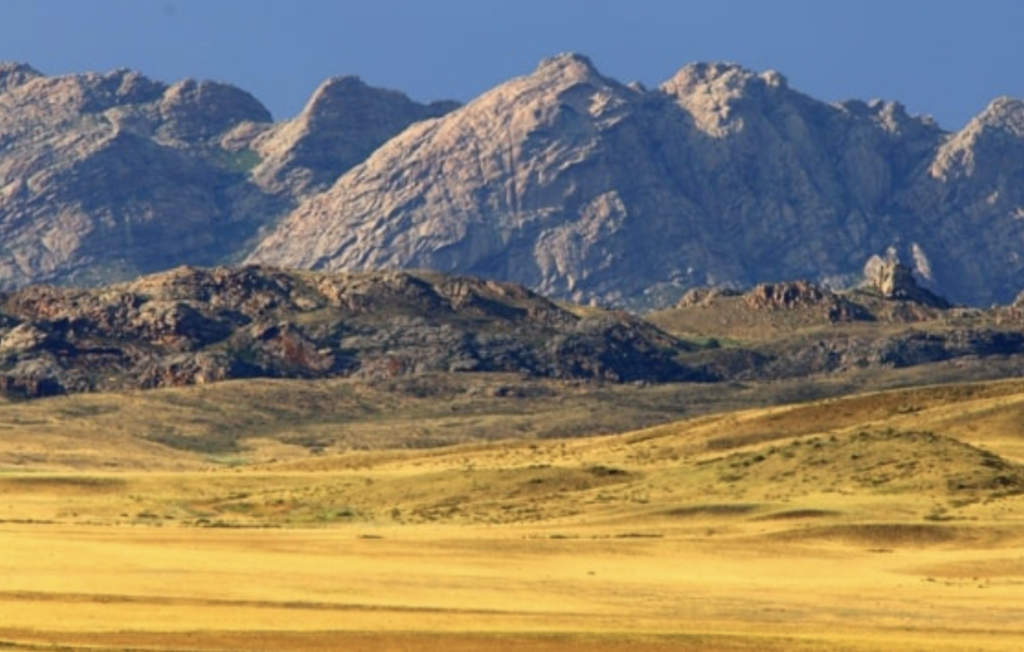
Geographically, Tarbagatai National Park encompasses a diverse range of landscapes, including mountain ridges, alpine meadows, steppe grasslands, rocky slopes, river valleys, and forested areas. Elevations range from approximately 2,000 feet (600 m) to more than 9,800 feet (3,000 m).
The Tarbagatai Range creates an important ecological corridor connecting Central Asian and Siberian ecosystems. Lower elevations support grasslands and shrublands, while higher elevations contain alpine habitats and scattered forests. Numerous rivers and streams originate within the mountains, contributing to regional watersheds and supporting a wide variety of plant and animal life.
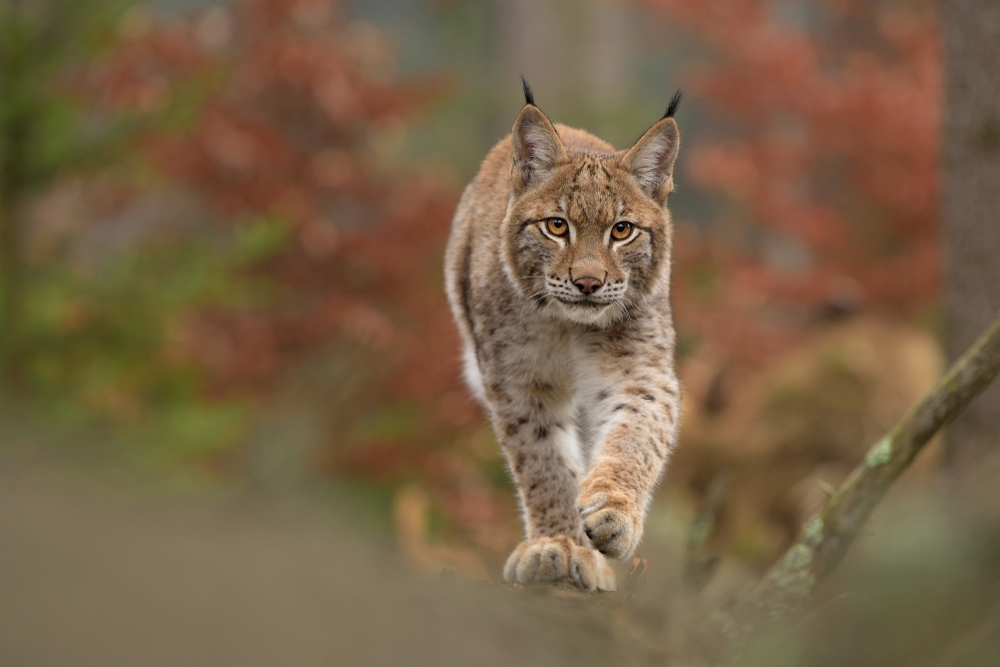
Wildlife within Tarbagatai National Park reflects its location at the crossroads of several major ecological regions. Mammals include argali sheep, Siberian ibex, roe deer, wolves, red foxes, lynx, marmots, and badgers. The park also provides habitat for the elusive snow leopard, one of Central Asia’s most iconic predators.
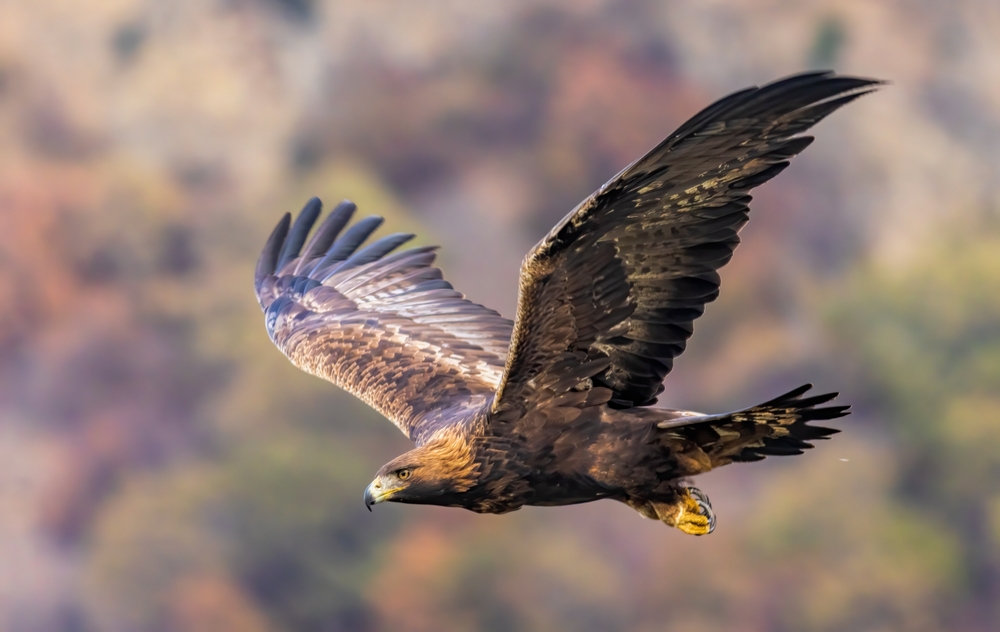
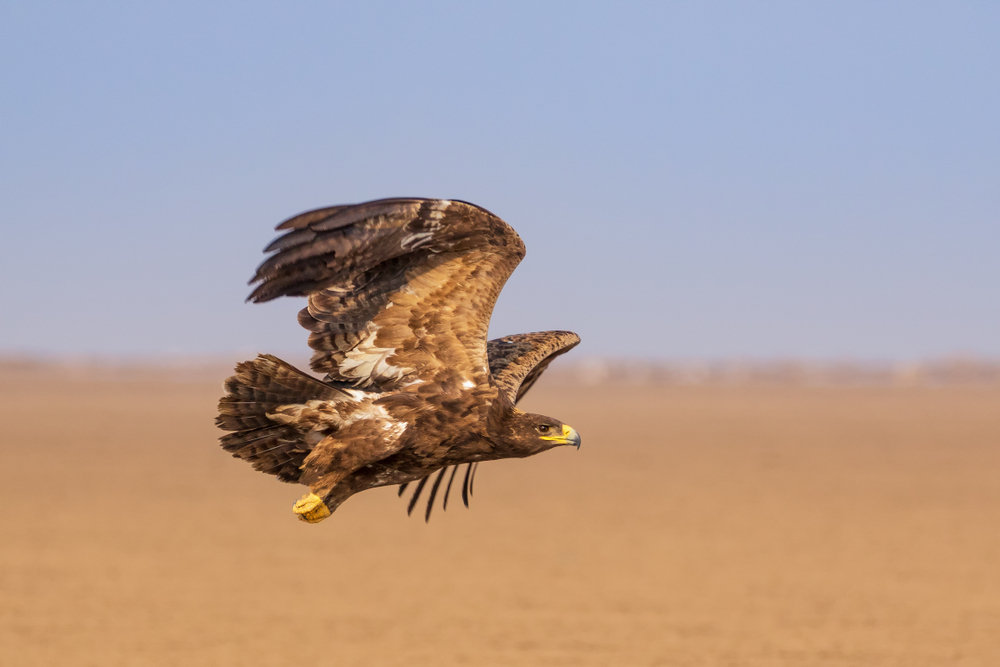
Birdlife is exceptionally diverse, with golden eagles, steppe eagles, bearded vultures, saker falcons, snowcocks, and numerous migratory species inhabiting the mountains and valleys. The park is particularly important for plant conservation, supporting hundreds of species of wildflowers, including several rare tulips and endemic plants found only within the Tarbagatai region.
Tarbagatai National Park plays a vital role in protecting one of Kazakhstan’s most biologically diverse mountain systems. The park safeguards critical habitat for endangered wildlife, preserves rare plant communities, and maintains ecological connectivity between the Altai and Tian Shan regions.
Its conservation significance is often compared to Katon-Karagay National Park and Sayram-Ugam National Park because of its mountain biodiversity, rare species, and ecological importance. Through its alpine landscapes, wildflower meadows, rare wildlife, and conservation value, Tarbagatai National Park stands as one of Kazakhstan’s most important protected areas and a remarkable showcase of the natural heritage of eastern Central Asia.
Things to See
Things To Do
Engaging Tarbagatai National Park