

About
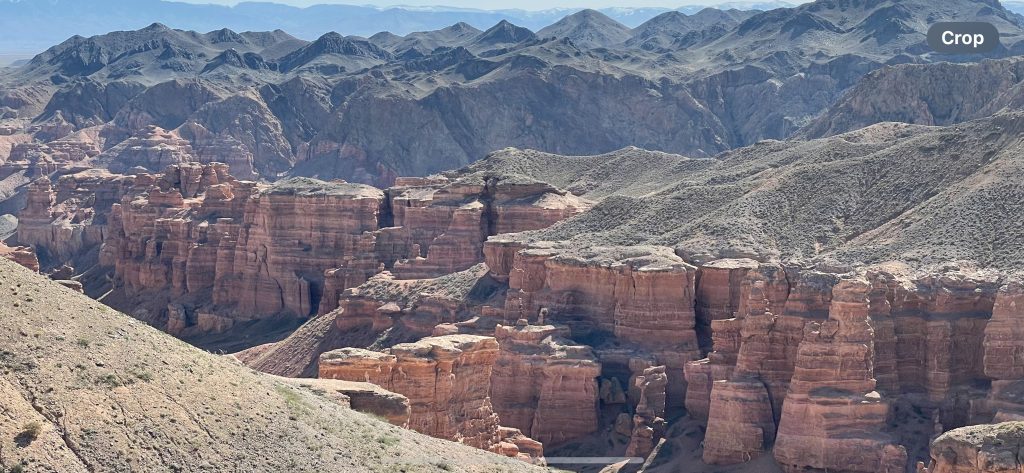
Charyn Canyon National Park is located in southeastern Kazakhstan within the Almaty Region, approximately 125 miles (200 km) east of Almaty near the border with China. Established in 2004, the park covers approximately 490 square miles (1,270 sq km) and protects one of Central Asia’s most spectacular geological landscapes.
Centered on the dramatic Charyn Canyon and the Charyn River, the park is often referred to as the “Grand Canyon of Kazakhstan” because of its towering rock formations, colorful cliffs, and immense natural beauty. It is widely regarded as one of Kazakhstan’s most iconic natural attractions.
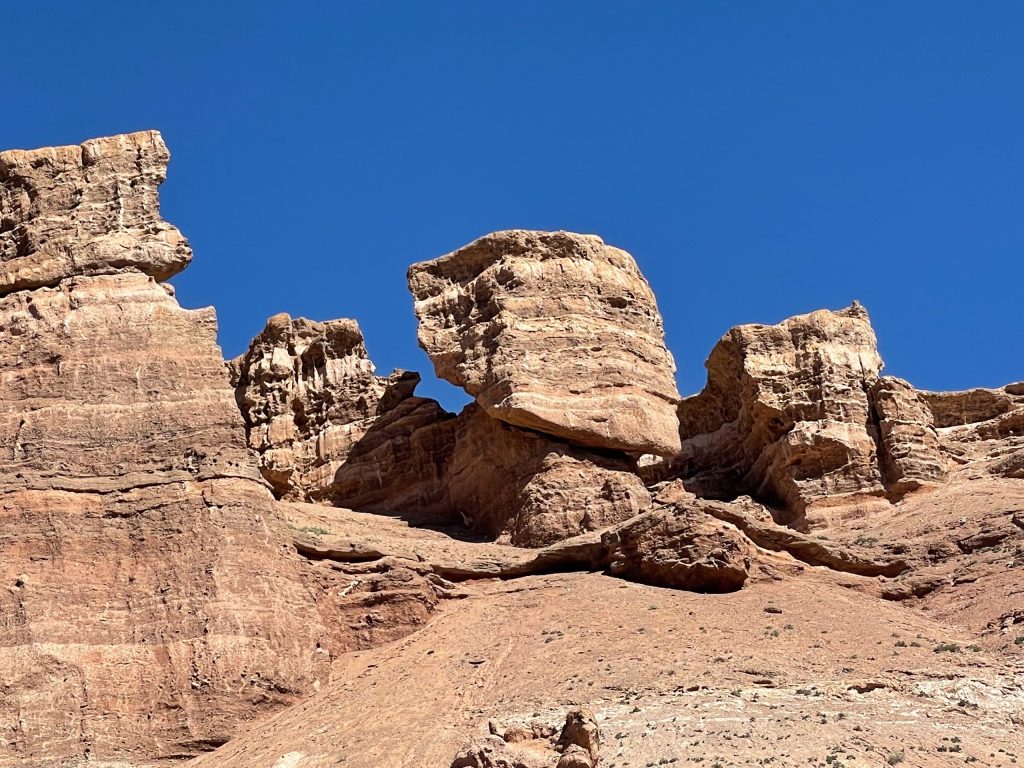
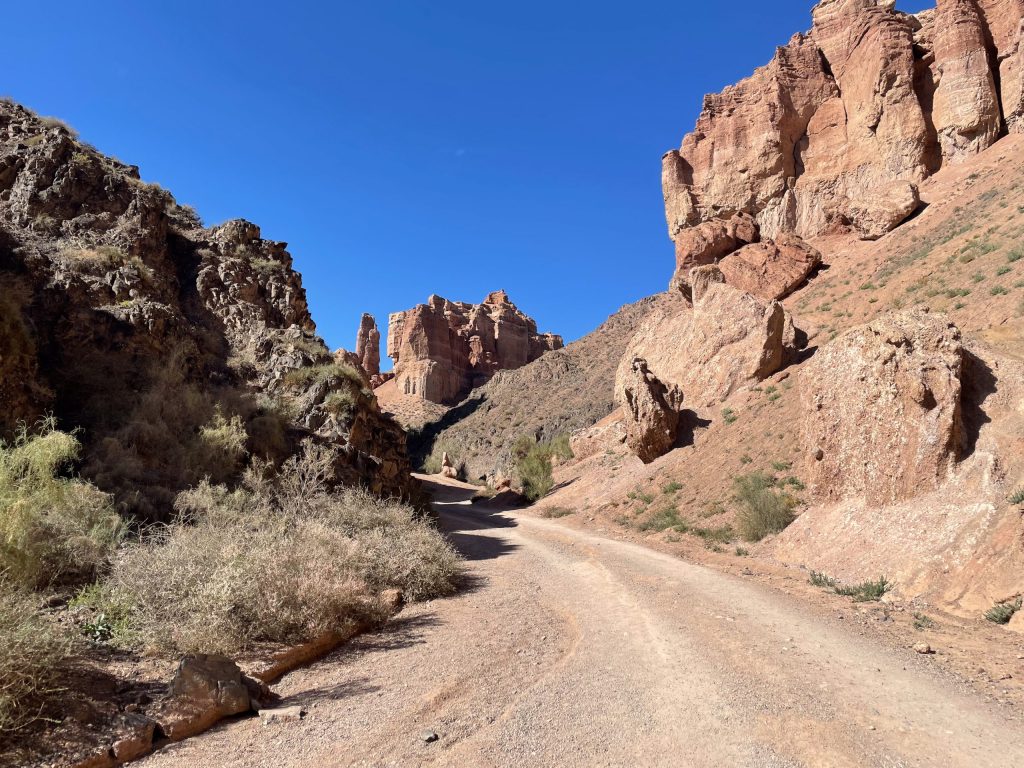
The park is best known for the breathtaking Charyn Canyon, a vast canyon system carved by the Charyn River over thousands of years. Visitors are drawn to the canyon’s towering red sandstone walls, unusual rock formations, and dramatic desert scenery. The most famous section, known as the Valley of Castles, features towering rock pillars and cliffs that resemble ancient fortresses.
Hiking, photography, rafting, camping, and sightseeing are among the most popular activities. The canyon’s vibrant colors change throughout the day as sunlight shifts across the landscape, creating some of the most photogenic scenery in Central Asia.
Geographically, Charyn Canyon National Park encompasses a diverse landscape of canyons, river valleys, desert plains, rocky plateaus, and mountain foothills. The Charyn River flows through the heart of the park, carving deep gorges that reach depths of over 980 feet (300 m) and extend for more than 55 miles (90 km).
The region experiences a continental climate with hot summers, cold winters, and relatively low precipitation. One of the park’s most unique features is the ancient Sogdian ash grove, a relic forest containing trees related to species that survived the Ice Age. These rare forests add significant ecological value to an area otherwise dominated by arid environments.
Wildlife within Charyn Canyon National Park reflects the diversity of habitats found throughout southeastern Kazakhstan. Mammals include Siberian ibex, roe deer, wild boar, foxes, wolves, hares, and various rodents adapted to canyon and steppe environments. Birdlife is abundant, with golden eagles, bearded vultures, falcons, owls, and numerous migratory species inhabiting the canyon cliffs and river corridors.
Reptiles such as lizards and snakes thrive in the warm, dry climate, while the Charyn River supports fish and aquatic species that depend on its freshwater ecosystems. The park’s varied landscapes support a surprising diversity of life despite its arid appearance.
Charyn Canyon National Park plays a vital role in preserving one of Kazakhstan’s most significant geological and ecological treasures. The park protects rare desert ecosystems, relic forests, wildlife habitats, and unique geological formations shaped over thousands of years.
Its conservation significance is often compared to Grand Canyon National Park and Altyn-Emel National Park because of its dramatic landscapes, geological importance, and natural beauty. Through its towering canyon walls, ancient forests, rich biodiversity, and spectacular scenery, Charyn Canyon National Park stands as one of Kazakhstan’s most remarkable protected areas and a premier destination for exploring the natural wonders of Central Asia.
Things to See
Things To Do
Engaging Charyn Canyon

FAQ’s
How big is Charyn Canyon?
Charyn Canyon stretches approximately 56 miles (90 kilometers) in length, with its deepest sections reaching up to 1,300 feet (400 meters). The width of the canyon varies but can reach up to 1,600 feet (500 meters) at certain points.
The canyon is located within Charyn Canyon National Park, which covers an area of about 475 square miles (1,231 square kilometers). This vast area encompasses the main canyon and its surrounding landscapes, offering a wide range of natural features and biodiversity.